The Illusion Of Control: Why Generic Wedding Photography Timelines Fail
Templates Built For Average Days
You want a timeline because you believe structure eliminates chaos. It won’t. Most couples download generic wedding photo timeline templates designed for weddings that don’t exist. These templates assume linear progression: getting ready at 9 AM, first look at 10:15, ceremony at 11, portraits at 12:30. They ignore variables. Your venue’s light changes. Your grandmother arrives late. Your photographer’s previous event ran over. The template creates false confidence, not actual control.
Generic timelines fail because they treat wedding days like factory production lines when they’re actually dynamic systems with moving variables. A photographer cannot shoot the same light twice, cannot compress family portraits into 45 minutes if the family is large, and cannot control when vendors deliver equipment. The template pretends these constraints don’t exist, which means couples feel responsible when reality deviates from the schedule. The photographer becomes the scapegoat instead of the partner.
Rigid Schedules Generate Expensive Mistakes
Stress amplification works like a feedback loop in mechanical systems. One delay triggers the next, and the pressure compounds. When a timeline locks every 15-minute block, a 20-minute delay in hair and makeup cascades through the entire day. The couple rushes the photographer for family photos. The photographer misses emotional moments because they’re racing to the next checkpoint. The couple blames poor editing or bad angles. Nobody questions the timeline itself. Rigid schedules don’t prevent problems; they guarantee suboptimal decisions made under time pressure.
A photographer working against a tight, non-negotiable timeline makes different choices than one with buffer space. They skip resets between shots. They avoid exploring creative angles because there’s no time. They prioritize coverage over composition. This is why couples see technically sound photos but feel something is missing. The timeline forced the photographer into efficiency mode, not quality mode. The real cost of a rigid schedule isn’t a missed shot; it’s the erosion of intentional capture throughout the entire day.
The “Narrative Arc” Protocol: Crafting Your Story Before The Shots
Identify Where The Real Emotional Shifts Happen
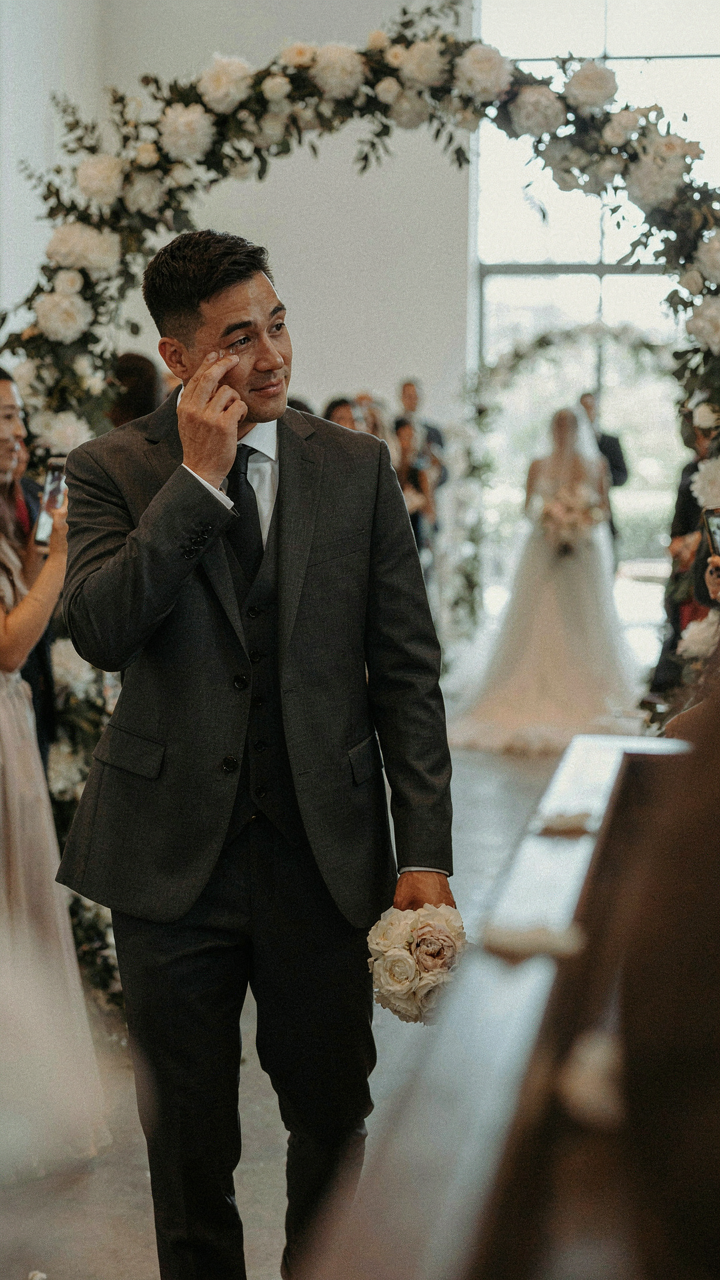
You want this timeline because you’re afraid of forgetting something important, or worse, paying a photographer thousands of dollars only to realize they missed the one moment that mattered. Here’s the mechanism: emotions don’t stay static through a wedding day. They spike at specific inflection points. Borrowing from narrative structure in screenwriting, your wedding has a three-act arc with distinct turning points. The photographer needs to know where these peaks live so they position themselves, not just show up and shoot reactively.

Most couples confuse “emotional beats” with “formal portraits.” They’re opposites. A formal portrait is staged. An emotional beat is the involuntary moment when your father sees you for the first time, when you lock eyes during vows, when your mom realizes she’s crying. These aren’t scheduled. They’re predicted. Your timeline should name these beats with surgical precision so your photographer knows when to have the camera ready and when to step back.
Moments That Matter Override Moments That Exist
The common advice tells you to list every event in order: getting ready, first look, ceremony, reception, dancing. Useless. That’s a schedule, not a strategy. What separates a great wedding timeline from a mediocre one is knowing which moments your photographer should prioritize if time runs short, and which ones don’t matter if they’re missed. Your photographer has limited energy and positioning. Wasted shots on filler dilute the impact of the shots that count.
Your timeline should function like a hierarchy. Mark three to five moments as “non-negotiable.” These are the images you’d pay extra to secure. Everything else is context. If the photographer knows upfront that candid shots of your first dance matter more than formal family formals, they’ll position themselves accordingly during that window. They’ll have a wider angle. They’ll anticipate movement. Your timeline becomes a contract about priorities, not a wish list of coverage.
Deconstructing The 8 Hour Wedding Photography Timeline Myth
What Hour By Hour Breakdowns Actually Reveal
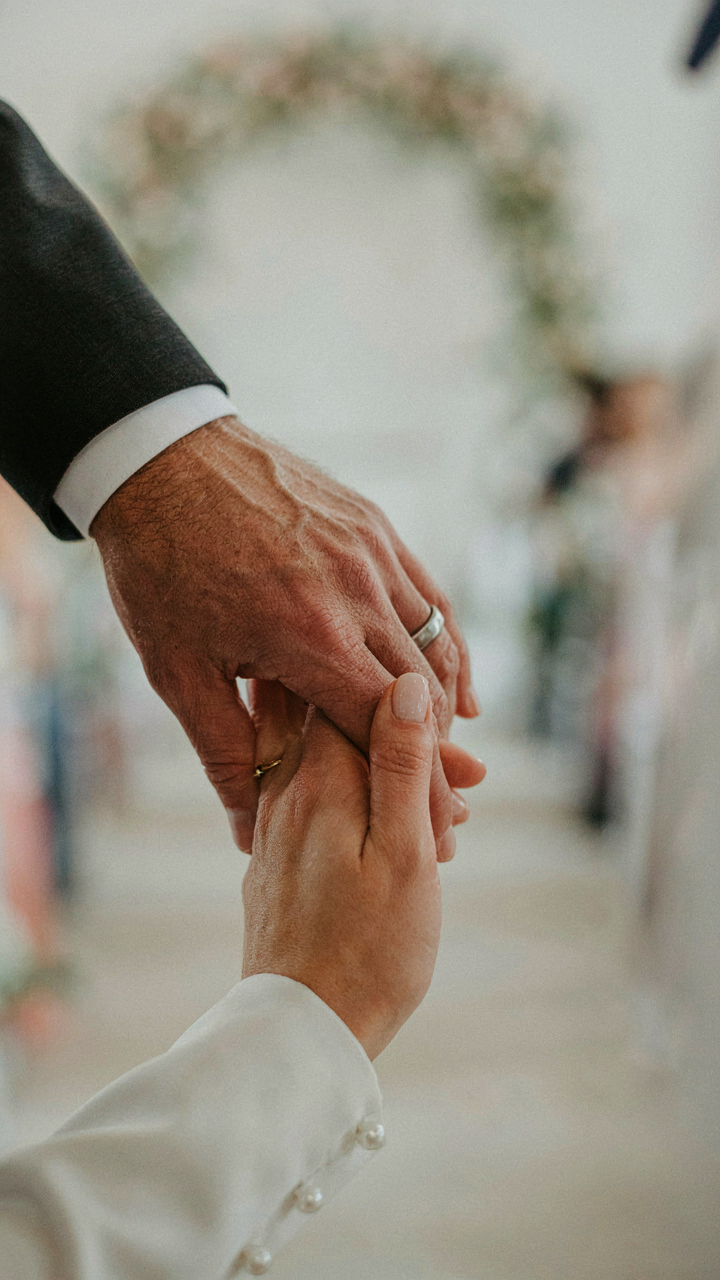
You want the timeline because you’re afraid of missing the shot that matters, and a minute-by-minute plan feels like insurance against that fear. The real mechanism at work here is constraint. In project management, this concept is called the critical path: the sequence of dependent tasks that determines total project duration. For wedding photographers, the critical path isn’t about time passing equally. It’s about identifying which moments cannot move, and which moments are flexible padding.

Most hour-by-hour guides treat all sixty minutes the same. They don’t. The getting-ready hour has multiple redundancy points: if you miss one sister’s reaction, you catch another’s. Ceremony has zero redundancy. First dance, cake cut, couple’s portraits in golden hour—these lock into place. The photographer who understands which segments are fixed and which are fungible stops wasting mental energy on the soft blocks and hyperalerts during the hard ones. Build your timeline by working backward from unmovable moments, not forward from the start time.
Maximizing Impact Through Strategic Scarcity
Timeboxing in photography means assigning finite minutes to specific moments, not because those moments deserve more time, but because constraints force better decisions. Most photographers try to capture everything, which means they capture nothing particularly well. A photographer with thirty minutes for couple’s portraits makes three intentional setups. A photographer with ninety minutes makes twelve mediocre ones. Strategic scarcity produces better work.
The protocol is straightforward: identify the three to five moments that define the wedding visually and emotionally, then allocate disproportionate time to those. The getting-ready, the walk down the aisle, the first kiss, the first dance, the couple’s golden-hour session. Everything else fills gaps. This isn’t about rushing through detail shots. It’s about recognizing that moments of high emotional load need more coverage, multiple angles, and breathing room—not because they’re sentimental, but because they’re complex and deserve technical precision. Allocate your shooting time like a financial budget: put capital where returns are highest.
The “Pareto Principle” For Your Wedding Photography Timeline
Twenty Percent Of Moments Yield Eighty Percent Of Impact
You want this timeline because you’re terrified of paying for eight hours of shooting only to get mediocre candids and forgotten details. The Pareto principle comes from economics: 20% of inputs generate 80% of outputs. In wedding photography, 20% of moments create 80% of the album’s emotional weight. Your job is identifying which moments those are before the day starts.

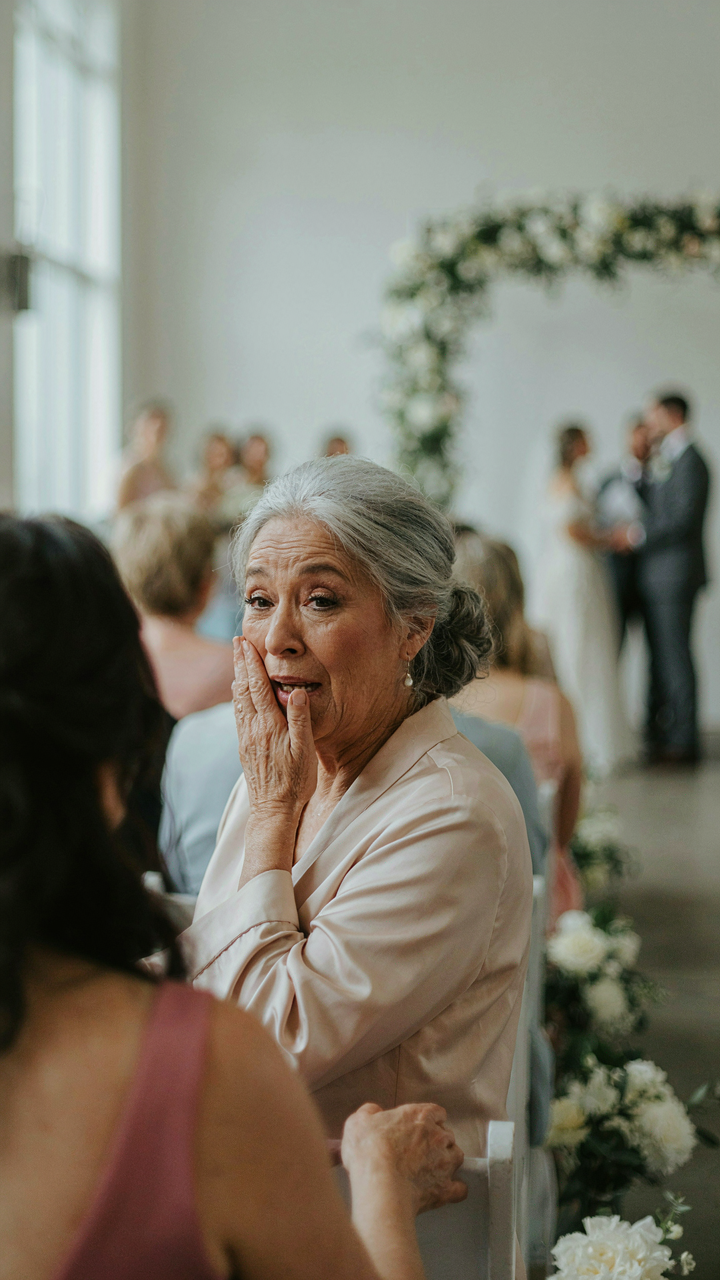
The ceremony kiss, first dance, and bride walking down the aisle aren’t the real winners. Those are obvious. The real 20% are the moments nobody plans for: the groom’s reaction during vows, the grandmother crying in the second row, the receiving line where someone says something that makes the bride actually laugh instead of smile for the camera. Your photographer can’t capture what you haven’t signaled as valuable. Build your timeline around these moments, not around filling every hour.
Eliminate Filler Shots Before They Waste Time
Most wedding timelines are bloated with low-value shots that feel necessary but produce nothing memorable. Common advice says “schedule time for details, family photos, candids, and transitions” as if quantity creates quality. That’s wrong. You need ruthless cuts. Every 15-minute block on your timeline should ladder to one of those high-impact moments or directly support it.
Here’s the mechanism: your photographer has a fixed attention budget. Every minute spent on filler shots is a minute not spent positioning themselves for a real moment. Cut the cocktail hour setup shot. Cut the centerpiece detail. Cut the redundant family photos. Keep only the timeline items that either capture irreplaceable emotion or serve as a story bridge to the next major moment. Your final timeline should feel sparse on paper and packed in the actual photos.
Dynamic Scheduling: The Photography Timeline As A Living Document
When Plans Collide With Reality
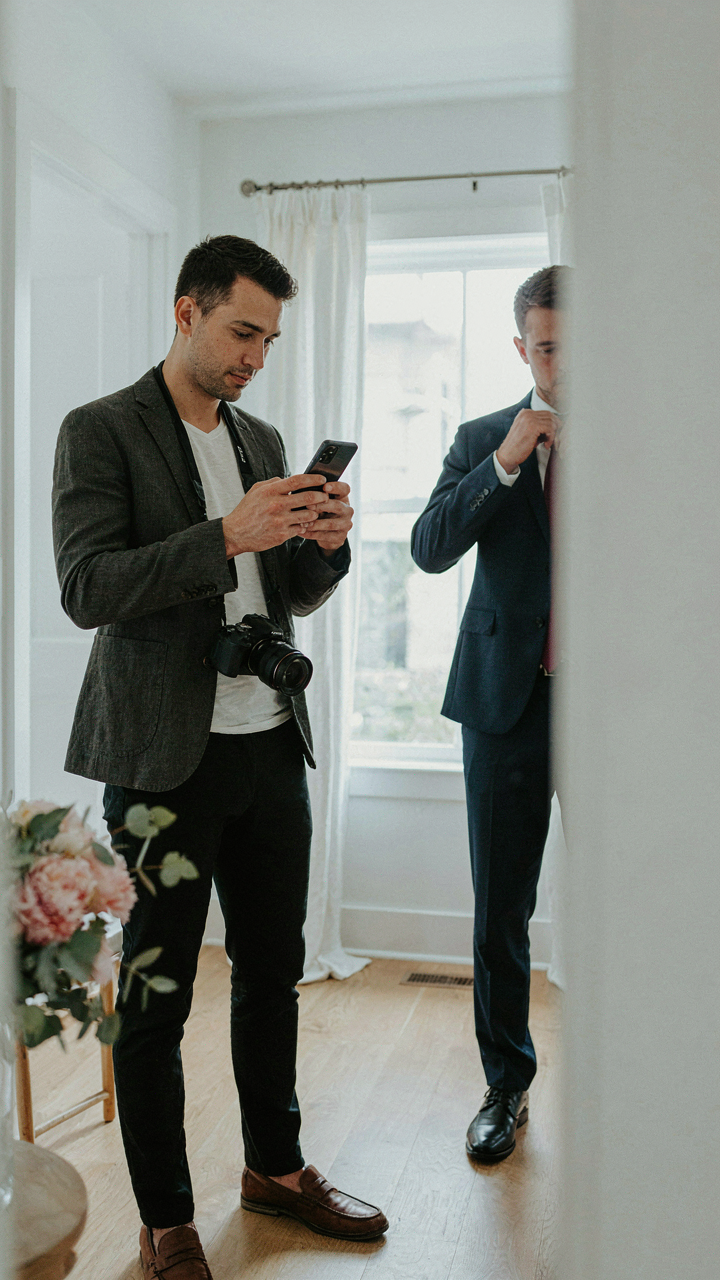
You want a timeline that works perfectly because you’re terrified of missing shots and looking incompetent to your couple. Here’s the mechanism: weddings behave like complex systems in chaos theory—small variables cascade into massive delays. A groomsman runs late. Ceremony finishes thirty minutes early. A guest blocks the entrance for portraits. You can’t predict these events, but you can design your timeline to absorb them without losing critical moments.

The old advice says “build a tight schedule and stick to it.” That fails immediately. Instead, treat your timeline as a dynamic document that shifts during the day based on real conditions. Before the ceremony, you’re working with estimated times. The moment the processional music starts, your timeline becomes data. You adjust every subsequent block based on what actually happened, not what you planned.
Built In Slack Before Everything Breaks
Most photographers schedule back-to-back blocks with zero margin. Then one element runs fifteen minutes late and the entire day compresses. The solution isn’t complicated—it’s just unpopular because it feels like wasted time. Insert fifteen-minute buffers between major timeline blocks. Not ten minutes. Not flexible time you might use. Actual buffers that exist for one reason: absorbing the inevitable.
Your formals block takes forty-five minutes instead of thirty. Your buffer absorbs that. The couple takes longer on first look than expected. The buffer absorbs that. You don’t touch these windows for “getting ahead.” They’re infrastructure, not opportunity. When a timeline survives a six-hour wedding day without collapsing, it’s because someone built redundancy into the schedule before the day started, not because they reacted faster during it.
Optimizing Light & Location: Your Photography Timeline’s Secret Weapons
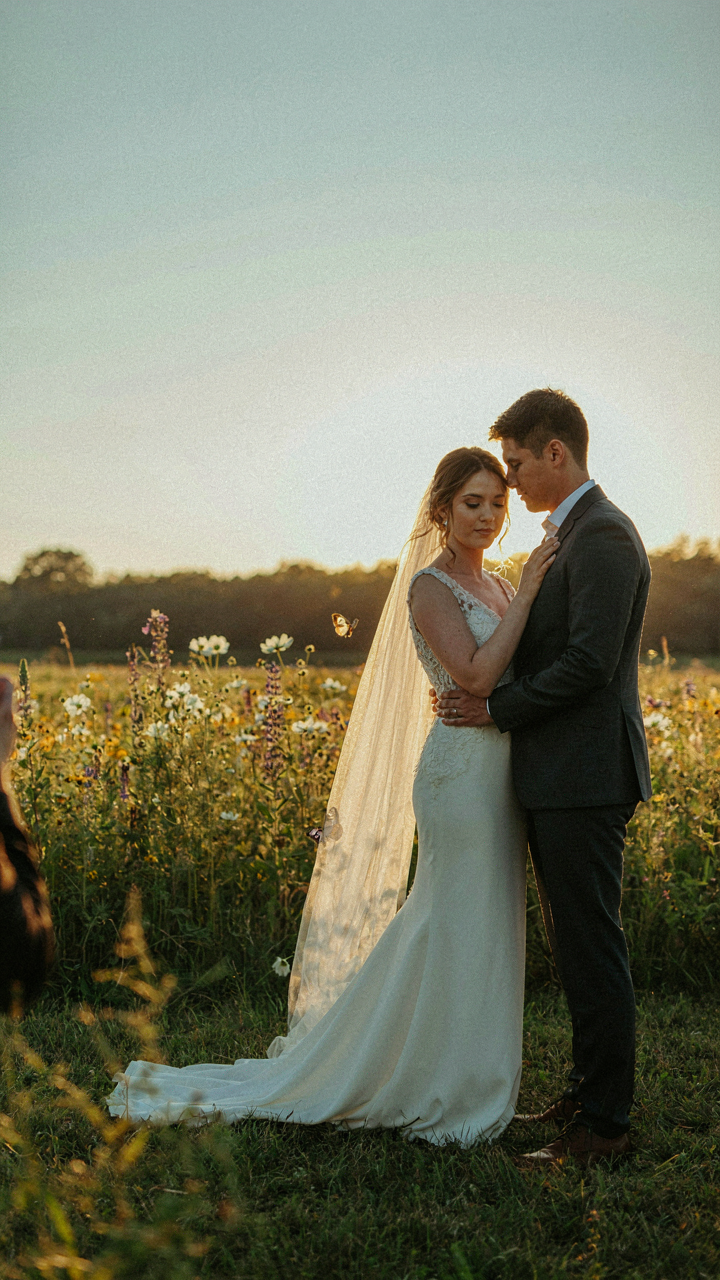
Golden Hour: Strategic Placement
You want golden hour portraits because they make you look better, and you’re hoping your photographer knows this without being told. Here’s what actually matters: light behaves like a military asset, and photographers deploy it. Positioning matters more than timing. You can shoot quality light for roughly ninety minutes before and after sunset, but the direction and angle shift constantly. Your timeline must place the couple at the best-lit location during that window, not squeeze them in wherever convenient.

Most photographers waste golden hour with poor location choice. They chase the clock instead of chasing the sun’s angle relative to terrain and structures. Build your timeline backward from a location scouted during the same hour on the same day of the week. Note where shadows fall, which angles face the sun directly, and where backlighting creates separation. Schedule couple portraits thirty minutes before sunset at that specific location. This locks in the light quality before it deteriorates.
Venue Flow: Minimize Travel Time
Travel time between locations kills momentum and burns light you can’t get back. Map your timeline on the actual venue geography, not on a conceptual list of shots. Photographers routinely lose fifteen to twenty minutes moving between ceremony, reception, and portrait areas because no one planned routes. Account for walking distance, setup time at each location, and buffer for delays like family photos running long. The timeline should route the couple and photographer in a single logical path, eliminating backtracking.
Use the venue walkthrough to time actual movement. Don’t estimate. Walk the route yourself at the same pace the wedding party will move in full attire. Mark choke points like narrow hallways, stairs, or outdoor paths that require slow navigation. Add three to five minutes per transition. Build these movement windows directly into your timeline between shot sequences. This prevents the photographer from rushing portraits or skipping locations because light ran out while crossing the grounds.
The “Deep Work” Method For Wedding Photography Timeline Creation

Schedule Dedicated Planning Blocks
You want to feel in control without actually committing the mental energy required to build something real. The mechanism is this: your brain refuses to do complex work in fragmented time. Wedding photo timelines demand you map ceremony flow, coordinate with vendors, account for light changes, and lock shot lists. You cannot do this between emails or while half-watching a video. Block 90 minutes minimum, remove all notifications, and treat it like a client meeting you’d never reschedule. This isn’t productivity theater. Your photographer needs precision, not your best guess squeezed into whatever time remains.

The timeline you build during distracted sprints will leak gaps. Your photographer will discover missing details during the ceremony itself, forcing improvisation that tanks shot quality. Block the time. Bring a notebook. Write the proposal beforehand so you’re not generating ideas during planning, just refining them. This single discipline compounds: a tight timeline prevents cascading delays that compress every other part of the day.
Clear The Review Environment
Most couples review timelines on their phone while doing something else, then wonder why critical details slip through. The work you do requires focus to catch inconsistencies: overlapping vendor arrival times, unrealistic photo location gaps, or ceremony pacing that compresses portraits into an impossible window. Sit with your photographer and the timeline on one screen. Print it if needed. Remove distractions entirely. Talk through each block aloud. This catches the mismatch between what you think you planned and what actually works logistically. A rushed review produces a timeline that looks complete but fails under real conditions.
The review meeting is where photographer and couple align on what’s actually possible given light, location, and guest flow. Your photographer reads the timeline and immediately spots where you’ve allocated twenty minutes to cover three locations. Stating problems now prevents the scramble later. Document decisions made during review in writing so there’s no ambiguity on the wedding day itself. The timeline becomes your protocol: execute it as written, not as remembered.
Communicating The Vision: Not Just A Schedule For Your Photographer

Setting Expectations Before Miscommunication Costs You
You want the timeline to feel official so the photographer takes it seriously and you feel in control. That’s not actually what matters. The real mechanism is this: a photographer’s shot list and timing priorities live in their head until you force them into language. A timeline without alignment is just a piece of paper that creates resentment when reality doesn’t match the fantasy you didn’t share.

Most couples hand over a timeline and assume the photographer interprets “cocktail hour” the same way they do. They don’t. One photographer frames it as thirty minutes of candid movement. Another sees it as posed couple portraits near the bar. The timeline only works if you’ve named the specific shots you want, the order you want them, and why that order matters to your day. This is a conversation, not a delivery.
The Pre Shoot Strategy Session That Actually Moves The Needle
Think of this like operational planning from military logistics: you’re establishing the critical path. In wedding timelines, the critical path is the sequence of moments that cannot slip without cascading delays through the entire day. Most photographers skip this step and wing it on the day of. That’s where missed moments and regret live.
Schedule a dedicated thirty to ninety minute call with your photographer before the final timeline. Walk through the specific shots you must have, the light constraints (sunrise timing, golden hour windows), and the hard stops (ceremony start time, venue restrictions). Write down which moments are flexible and which are locked. The photographer needs to push back on what’s realistic given the day’s constraints. By the end of this call, you both own the same picture of success, not competing versions of it. Without this conversation, your timeline is a list that dies on contact with the actual day.
The “Antifragile” Photography Timeline For Wedding
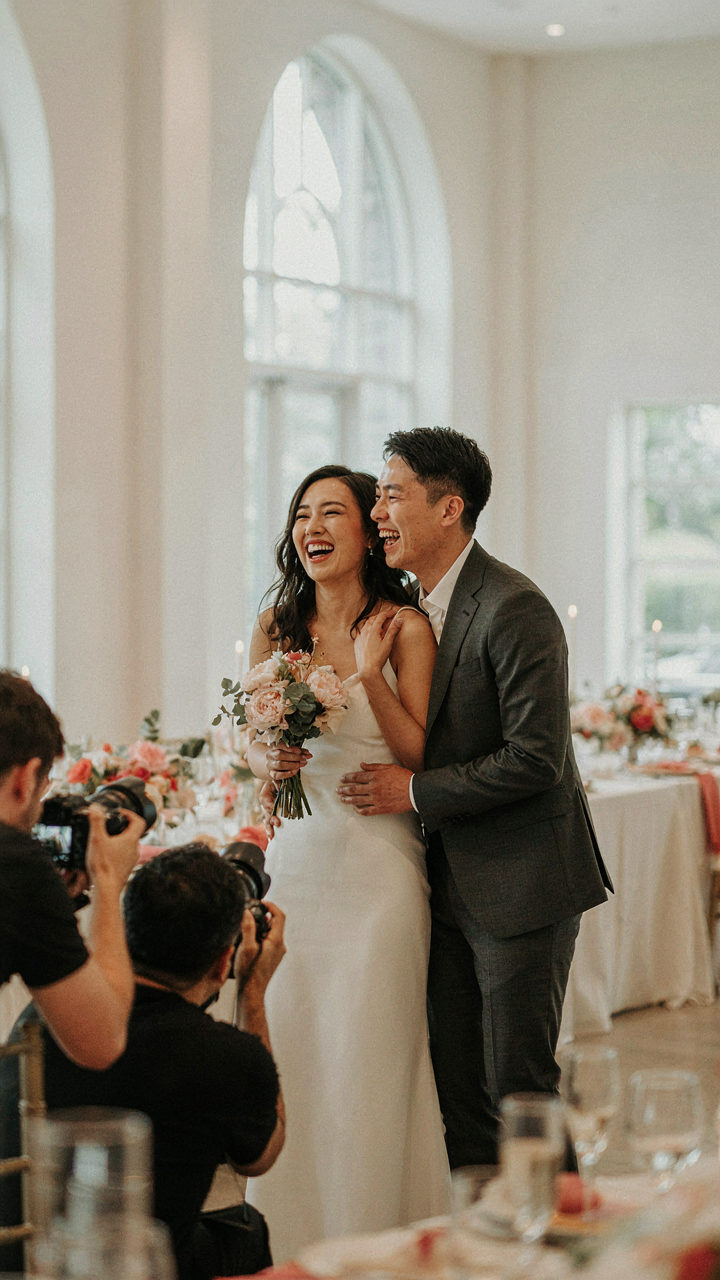
Build Redundancy Into Your Shot List
You want a timeline that won’t collapse when reality deviates from your plan, and that matters because every wedding does. Military strategists call this redundancy: duplicate critical systems so failure in one creates no cascade. In wedding photography, this means identifying your non-negotiable shots, then building two pathways to capture each one.

Don’t list shots and hope timing works. Instead, anchor each critical moment to a trigger event, not a clock time. The first kiss happens after vows, not at 4:47 PM. Build a secondary window for every essential image, whether that’s a different angle, a backup location, or a parallel moment with similar light and composition. Your timeline survives weather delays, ceremony length variations, and reception schedule shifts because you’ve embedded flexibility into the structure itself.
Adapt When Plans Fracture
First paragraph here: Most photographers treat timeline changes as failures. They’re not. They’re data. When the ceremony runs thirty minutes late, the photographer who adapted their shot sequence beforehand captures better work than the one rigidly executing a predetermined schedule.
- Ceremony runs long: Shift family formal photos to cocktail hour instead of pre-ceremony, using the same lighting strategy but different backdrop. Compress your list to essentials and shoot faster.
- Weather forces location changes: Have alternate indoor or covered venues pre-scouted with backup lighting plans. Know ceiling height, available outlets, and natural light angles in advance.
- Reception timeline compresses: Consolidate couple portraits into one extended session rather than splitting across multiple moments. Shoot during dinner while guests eat, not between courses.
- Guest count explodes or shrinks: Pre-plan which family groupings are truly required versus nice-to-haves. Scale your formal photo list dynamically based on actual headcount.
- Vendor delays cascade: Build in a 30-minute buffer between major timeline segments. Use buffer time for detail shots, couple portraits, or candid moments rather than treating it as dead space.
The photographer who treats a derailed timeline as a puzzle to solve—not a catastrophe—captures authentic moments while rigid planners miss light and emotion chasing a schedule that broke hours ago. Document what changed and why, then adjust your timeline template for future weddings using real data, not assumptions.
Beyond The Shots: The True Value Of A Strategic Wedding Picture Timeline
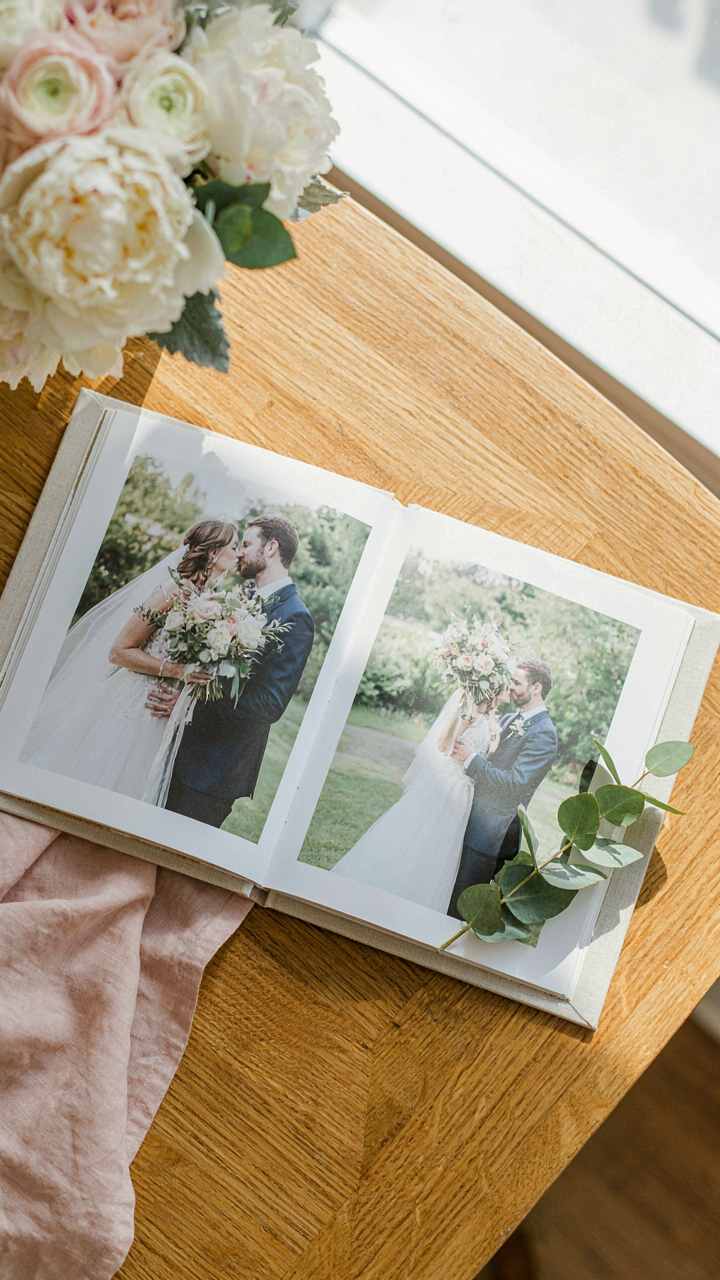
The Moments That Stick
You want your wedding photos to matter years from now, not fade into a folder you never open. Here’s what nobody tells you: a timeline doesn’t capture moments, it captures the emotional architecture of your day. Think of it like narrative structure in storytelling. Your photographer is the narrator, and without sequence, there’s no story, just random frames. The timeline forces intentionality. It’s the difference between a photo album and a story that moves people.
Most couples treat the timeline as a logistical tool, a way to tell the photographer when to show up. That’s incomplete. The timeline is where you build what gets remembered. When you map ceremony start time, first look timing, key speeches, and candid windows, you’re actually designing which moments become permanent in human memory. Your photographer reads this timeline and knows where to position themselves, which light to chase, and when to step back. Without it, they’re reactive. With it, they’re architects. This distinction determines whether your photos feel like documentation or like art.
Freedom To Forget The Clock
You paid for a photographer to work during your reception. That doesn’t mean you should spend five hours stressed about “are we on schedule?” The timeline absorbs that friction. When your photographer knows exactly when dinner ends and dancing starts, they can tell you when to move or stay put. You stop managing time and start managing presence. A well-built timeline transfers logistics to paper so your brain stays in the room.
The real payoff comes after the wedding. Six months later, you’re not reviewing your timeline, but the photos reflect it. You see every major transition captured. You see the moments between moments, not just the obvious ones. That happens because your photographer had clarity about pacing and positioning. A timeline that accounts for natural light shifts, guest movement, and emotional beats creates galleries you actually want to print. Building that timeline means deciding now: which ten moments must exist in your photos? Everything else flows from that decision.
The True Obstacle Isn’t The Clock; It’s Your Inability To Trust The Process And Let Go Of Control
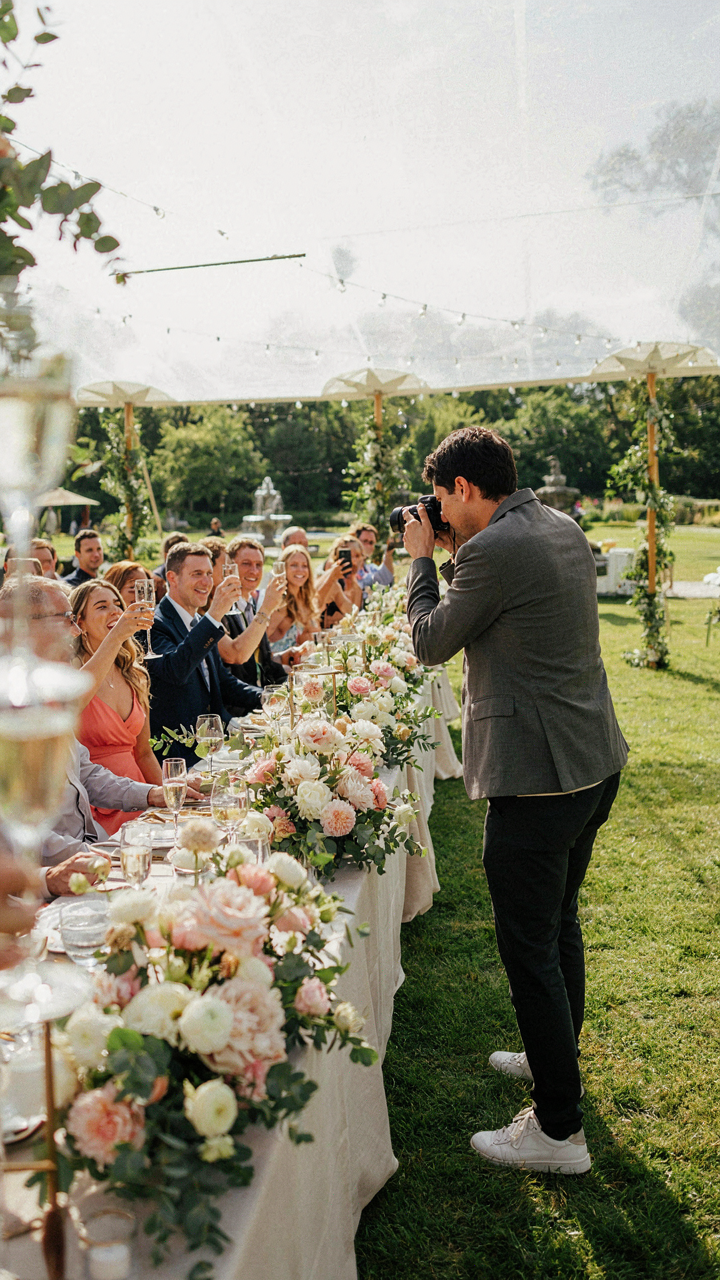
Most couples create timelines to control chaos. They don’t. Timelines work because they let your photographer move without your permission. Stop micromanaging moments. Send your final timeline to your photographer today and commit to it. Then actually follow it. Your job becomes showing up on time and getting out of the way. A photographer who knows when to shoot doesn’t need you explaining how.