The Fictional Wedding Photography Timeline: Why More Hours Equals Less Art

The Shot List Trap
You want a shot list because it makes you feel like you have control. Here’s what actually happens: more hours doesn’t mean more keepers, it means more time spent chasing shots that don’t matter. Wedding photographers who work eight hours often produce fewer memorable images than those who work six because they’ve filled the extra time with filler coverage instead of strategy. The mechanism is simple: time expands to fill the space, and mediocre shots multiply.
The real problem is that couples equate quantity with value. A photographer covering a wedding for eight hours straight enters a low-intention state where they’re shooting to stay busy, not to make images that tell the story. Fatigue compounds the issue. After five hours, your eye gets dull, your positioning becomes predictable, and you start taking the same shot twice. An eight hour day doesn’t give you more art. It gives you editorial bloat that you’ll spend weeks culling later.
Coverage Without Direction Burns Everything
Economics teaches us about the concept of diminishing returns, and an eight hour wedding timeline proves it perfectly. You hit peak return around hour five or six. After that, each additional hour produces fewer decisive moments and more repetitive frames. Most weddings contain only four to five genuinely story-changing moments: getting ready, ceremony, first look (if applicable), reception entrance, and dancing. Everything else is derivative or logistical filler that a photographer fills in automatically.
Aimless coverage kills your creative energy and your client’s ability to make decisions afterward. When a photographer delivers 2,000 images from an eight hour day, the couple doesn’t feel grateful. They feel overwhelmed and hire an editor to cut it down to 300. You’ve outsourced your curation work to someone who wasn’t there and doesn’t understand your intent. The fix is simple: define your shooting windows before the day starts, then stop when you’ve captured them.
The 8 Hour Command Protocol: Ruthless Prioritization For Impact
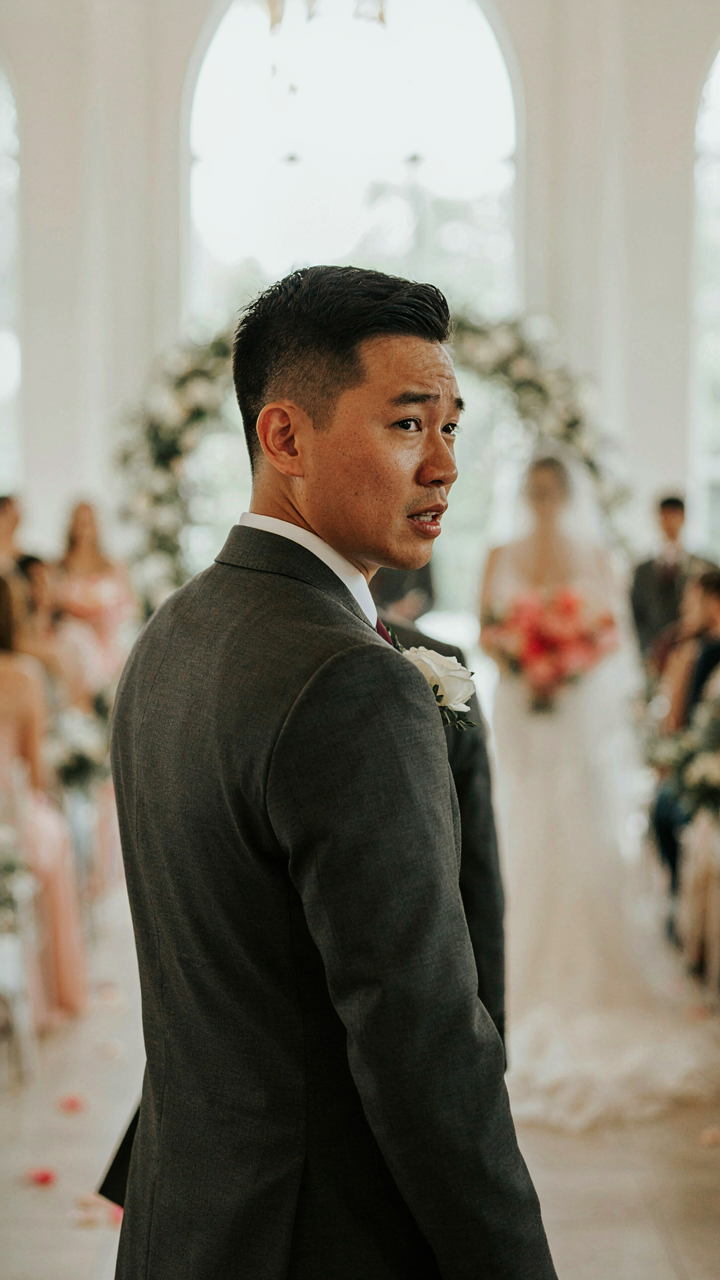
What Actually Matters In Eight Hours
You’re worried you’ll miss the shot that matters. That fear is justified, but it’s also the exact thing that kills your shot list. Eight hours isn’t long. You don’t have time to hedge your bets with “nice-to-haves.” Borrow military strategy’s concept of rules of engagement: you identify your critical moments before the day starts, then you defend them like they’re the only shots that exist. Everything else is noise competing for your attention.

The real mechanism is scarcity discipline. Most photographers treat an eight-hour window as permission to chase everything. They shoot the getting-ready footage, the detail shots, the candids between moments, the exits from rooms, the dancing in the dark. Then they’re shocked they missed the first kiss because they were on the other side of the venue grabbing ambient light. You don’t optimize your coverage by adding more. You optimize by removing every shot that doesn’t prove something happened or doesn’t show someone’s emotional state at a critical junction.
The Why Bother Test
Everyone tells you to “capture the day.” That’s garbage advice. Here’s what separates photographers who deliver usable galleries from those who deliver volume: ask every potential shot “Will the couple miss this if it wasn’t in the final album?” If the answer is no, you don’t shoot it. This isn’t artistic limitation. It’s the opposite. It’s permission to stop wasting time on shots that compete with actual moments.
The test is binary. Either a shot tells the story of what happened or it fills time. Getting-ready shots that show nothing but a person sitting still while hair dries? That’s filler. A moment where the groom’s face changes when he sees his partner walking down the aisle? That’s irreplaceable. Your eight hours disappear fast when you’re shooting both categories equally. You protect your timeline by acknowledging that some moments justify your presence and some don’t.
Wedding Photography Timeline: Pre Ceremony Efficiency Hacks
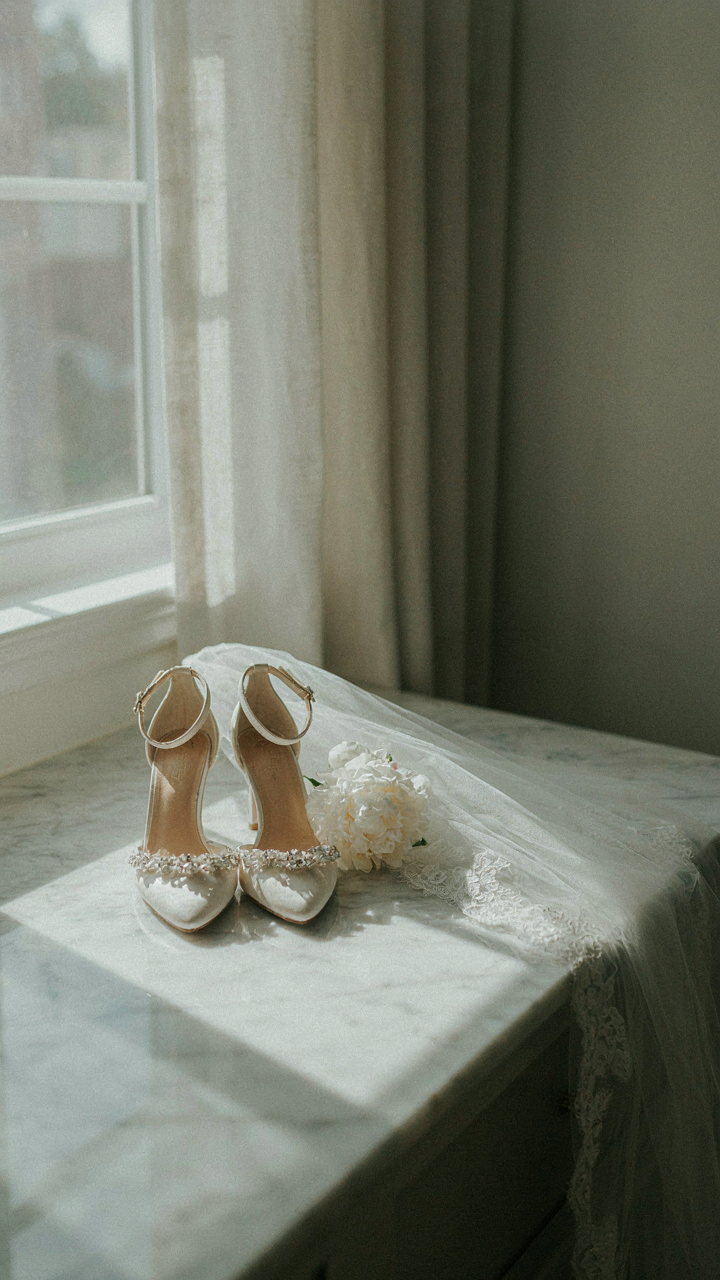
Getting Ready Coverage Without The Chaos
You want to capture the getting-ready moments because you fear missing “real” emotion, but the actual mechanism is this: getting-ready time is where you burn through your eight hour budget fastest without a system. Most photographers treat it like a documentary shoot—following people around, waiting for candid moments, burning 90 minutes on what should take 45.

The fix is treating getting-ready like a production shoot. You control the light, you control the angles, you control the sequence. Position yourself at one anchor point (usually near the window or mirror), brief your subjects on the flow before you start shooting, and move through shots in a predetermined order: details on the surface, ring shots, dress hanging, subject in the dress, final touches, shoes. This takes 35-40 minutes instead of 90. You’ve just reclaimed almost an hour for the rest of your timeline.
First Look Economics Vs Traditional Timing
In economics, opportunity cost is what you give up to get something else. The first look is a time arbitrage: you sacrifice 15 minutes in the pre-ceremony window to gain 45 minutes of usable couple coverage when you’d otherwise be locked out during the ceremony.
The traditional timeline—bride hidden until the aisle walk—leaves you with exactly one usable angle for couple photos: the moment he sees her. Everything else happens during the ceremony when you can’t move or pose. The first look lets you shoot couple coverage in controlled light, multiple locations, real interaction, then reset for the ceremony moment. It’s not about romance. It’s about doubling your couple photography output without adding hours. The choice is economic, not emotional: pick whichever gives you more photos you can actually deliver.
The Ceremony Flux: Maximizing Coverage In Minimum Time
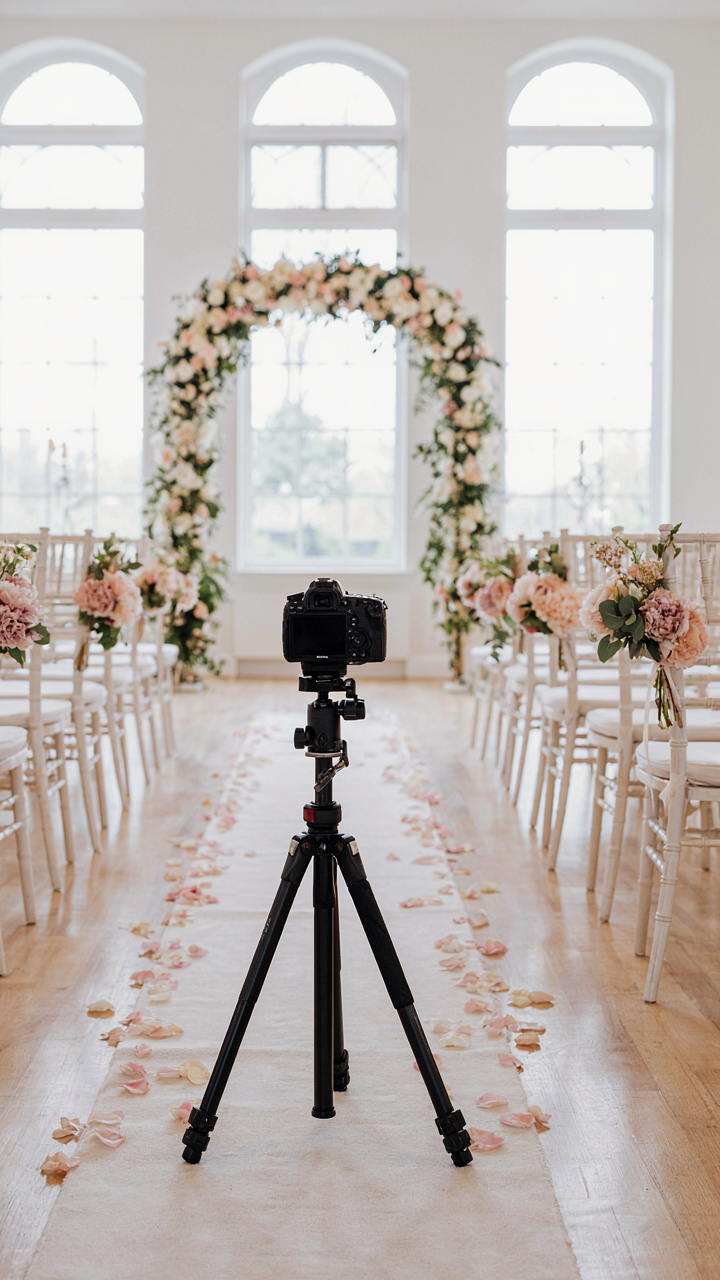
Where You Stand Determines What You Capture
You want to look like you caught everything without breaking a sweat. The real mechanism is this: your physical position during the ceremony dictates which moments exist in your frame before you ever press the shutter. In military strategy, this is called “lines of sight.” In wedding photography, it’s the difference between capturing the kiss and capturing the back of someone’s head. Most photographers plant themselves in one spot and hope. Smart ones move twice during the ceremony, each move timed to a specific moment. The first position covers the processional and vows from a front-side angle. The second position, taken during the reading or unity ritual, locks in the kiss and recessional from the opposite side. This isn’t about running around like you’re documenting chaos. It’s about recognizing that a ceremony has three distinct moments with different sightline requirements, and you account for each one.

Your positioning also controls depth of field storytelling. When you’re close during vows, you isolate the couple’s faces from the background. When you move back for the recessional, you show context and the celebration of others. The budget photographer can’t hire an assistant or second shooter, so you’re working with one pair of eyes and one camera body. That means your movement during the ceremony is your second shooter. Check the venue layout during your walk-through. Identify exactly where pillars, trees, or obstacles will block your sightlines. Mark your two positions on your phone. Arrive early enough to test angles from each spot in actual light, not theoretical light.
Transition Mastery: From Vows To Portraits
Most guides tell you to “be ready for the recessional.” That’s lazy. The actual gap between ceremony end and portrait session is fifteen to forty minutes depending on venue logistics, and this time is where photographers either build or lose their eight-hour shot list. The recessional isn’t your endpoint; it’s your staging ground. You’ve got roughly five minutes to capture exit shots, then your couple disappears into photos with family while guests move to cocktail hour. This is where positioning during the ceremony directly influences what you can shoot next. If you’re positioned on the aisle during the exit, you’re getting genuine motion and reaction. If you’re stuck behind the guests, you’re shooting over shoulders and getting blocked angles that won’t cut it for a portfolio. Your second position during the ceremony should give you a direct line to the recessional path before anyone else moves.
The transition period is when you shift from reactive to directive. Once the ceremony concludes, you have a narrow window to guide the couple for exit photos and any grab-shots with immediate family before the formal portrait session begins. This means your shot list for the ceremony area ends five minutes after the recessional, not ten. You move directly to the first location on your portrait timeline. Set a phone timer the moment they walk back up the aisle. When it hits four minutes, you’ve got one minute to move to your next position and be ready. This protocol prevents the fumbling that wastes thirty minutes and compresses your entire portrait window.
The Portrait Crucible: Crafting Iconic Shots, Not Just Many Shots
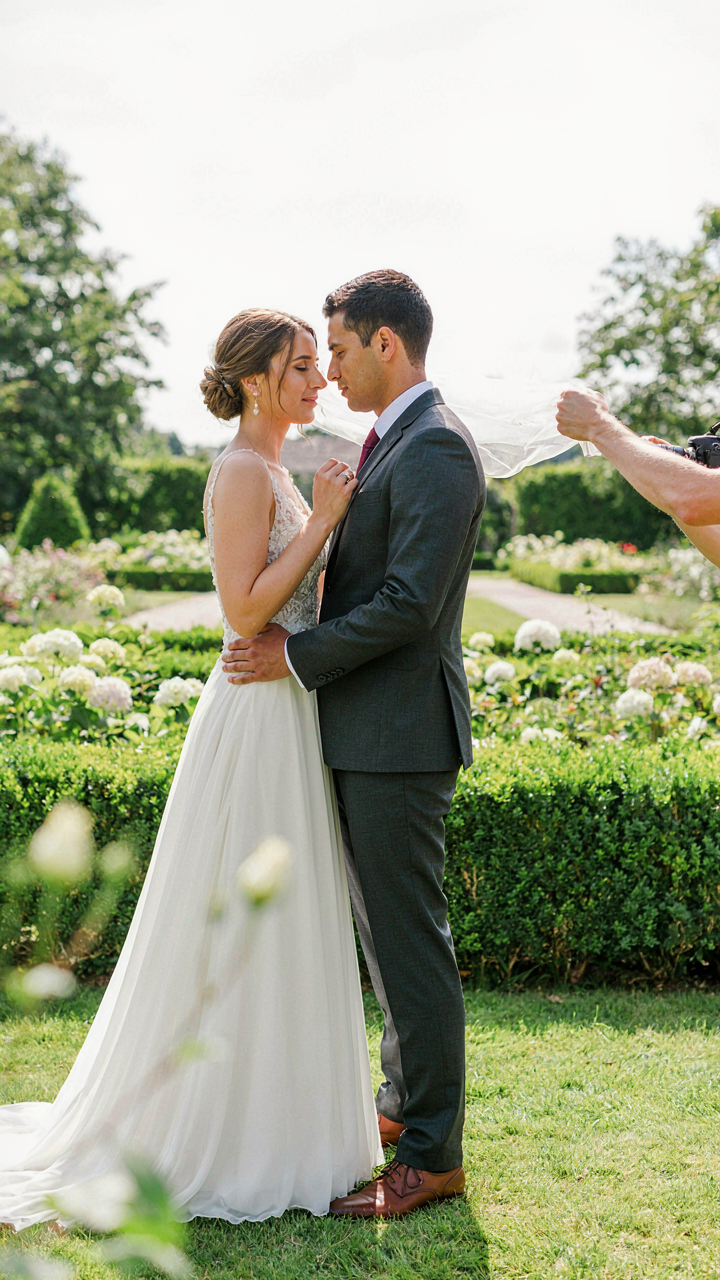
The 80/20 Rule Applied To Your Shot List
You want permission to take fewer portraits and still look like you delivered. That’s the real ask here. The Pareto Principle from economics says 80% of results come from 20% of effort. In an eight-hour wedding day, this means 20% of your portrait setups generate 80% of the images clients actually print, frame, or use. Stop treating your shot list like a checklist to exhaust. Identify which three to four portrait scenarios drive your final gallery.

The couple wants themselves, the couple with families, the wedding party, and maybe one location setup. That’s your 20%. Everything else dilutes focus and eats time you could spend refining lighting or posing on those core moments. Eight hours moves fast. Commit to nailing those four scenarios with intention rather than chasing fifteen setups half-baked.
Scout, Position, Execute
Military strategy calls this recon and rapid deployment. You identify the terrain, plan your approach, then move decisively. Apply this to portrait timing: arrive early to your venue, map light angles for your planned portrait locations, mark exact positions where you’ll place subjects, then execute the portrait block without second-guessing. Don’t wander and hunt for light during portraits. You’ve wasted thirty minutes before you realize it.
Portraits happen in a compressed window, usually between ceremony end and reception start. That window is roughly ninety minutes if you’re efficient. Scout your venue during prep, even for five minutes. Know where hard light falls, where shade exists, where backgrounds work. When you call the couple for portraits, move them to location one, shoot for twelve minutes, move to location two, repeat. The protocol is: position, shoot, move. No repositioning mid-location.
The Reception Blitz: Capturing Energy, Not Every Guest
Where The Light Dies First
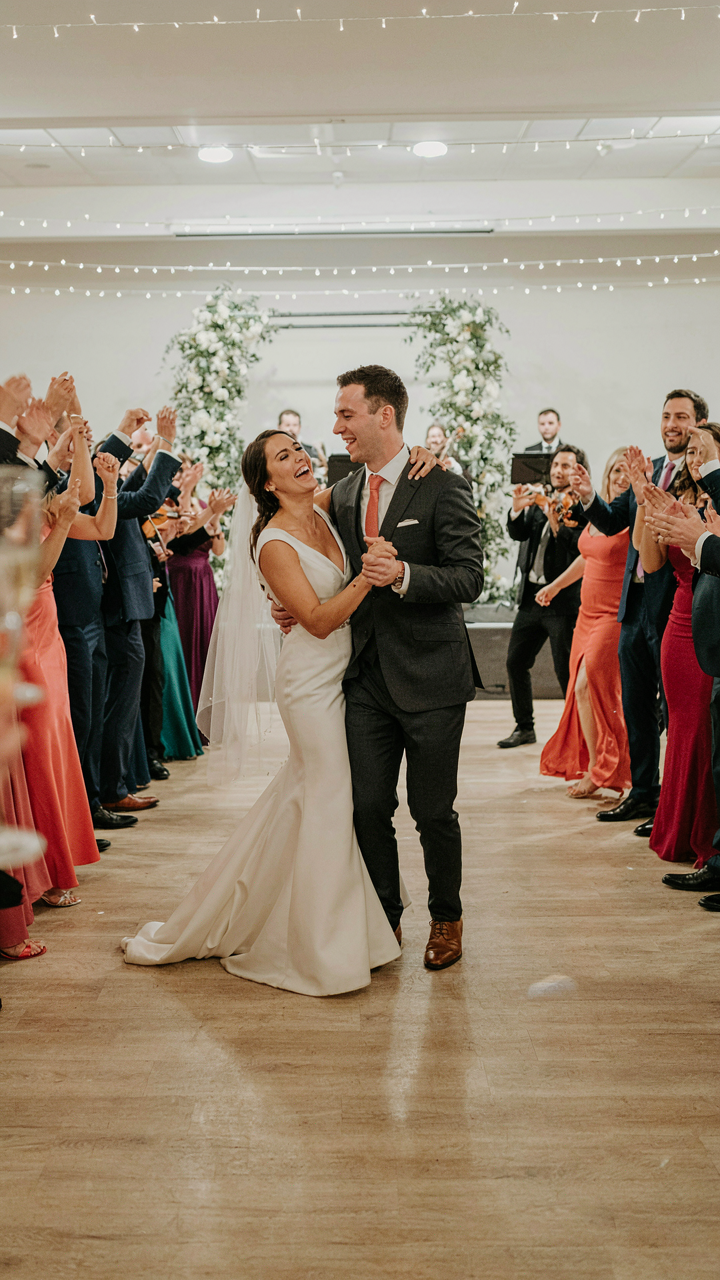
You want coverage that looks complete without shooting like a documentary filmmaker for eight straight hours. Here’s what you won’t admit: you’re afraid you’ll miss something, so you shoot everything, then deliver blurry candids at table 12 nobody asked for. The mechanism is simple. Reception lighting collapses fastest during the first hour after guests sit down. The ceremony light was directional and controlled. Reception light is scattered, dim, and fighting against your frame rate. You have a shrinking window where the energy reads on camera before it flattens into dark, grainy footage. Prioritize ruthlessly during hours five and six.

The first thirty minutes of the reception is when movement still exists. Guests are walking, standing, interacting with the couple. After that, they sit. Seated guests are harder to photograph because the angles narrow and the light deteriorates further. You cannot shoot everything, so you shoot the moments where bodies still occupy space and faces still catch available light. The couple’s entrance, the first dance, toasts from the immediate family, and the cake cut happen here. After that, your job shifts to reaction captures and key family moments, not ambient coverage of a stationary crowd.
Assign The Stable Shots, Stay Mobile
Most wedding photography advice tells you to position yourself and shoot from one spot during toasts. That’s incomplete guidance. A second shooter or trusted assistant should handle the static shots: wide angles of the couple during speeches, the cake table setup, the head table full frame. Your job is to move. You capture the father’s face when he mentions his daughter’s childhood, the bride’s mother wiping her eyes, the groom’s reaction to a joke. These are the moments that prove you were there thinking, not just pointing a camera at the obvious subjects. This frees you to move between rooms and chase the real energy instead of anchoring yourself to one angle.
Delegation here isn’t about having a second person shoot more photos. It’s about economics of attention. Your eye is the premium asset. Assign the predictable, framed moments to someone with basic technical competence. They nail the wide shot of the couple and guests mid-toast. You stay unanchored, reading the room, anticipating moments before they peak. If you’re a solo shooter on an eight-hour day, you’re managing fatigue by the reception anyway. Accept that you won’t capture every tablescape detail. Shoot the couple’s interactions during the reception, the authentic reactions, the moments that only happen once. Lock in one assistant shot per major moment, then move.
The Wedding Day Photography Timeline Template: Building Your Own Blueprint
Hour By Hour Breakdown
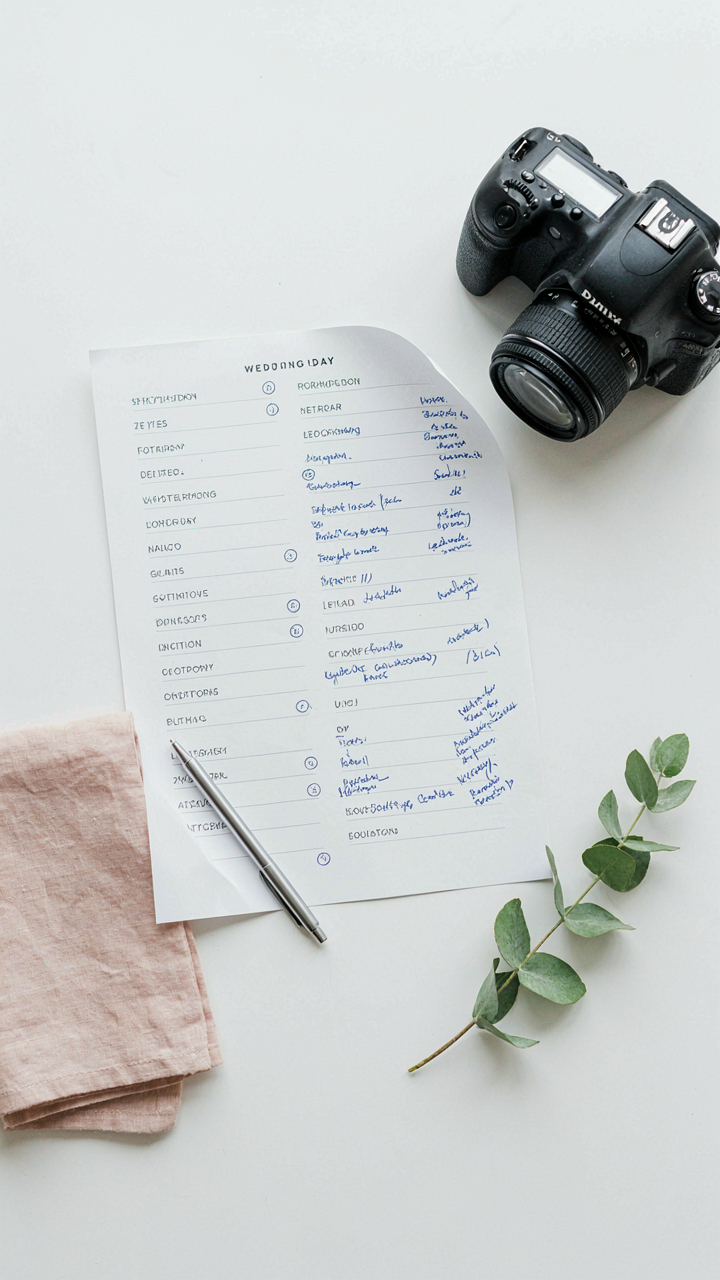
You want this section because you’re terrified of missing the shot that matters, and you think a rigid timeline will protect you from that failure. It won’t. What actually protects you is understanding which moments have zero replaceability and which ones don’t, then building your schedule around scarcity, not tradition.
- Hour 1 (Getting Ready): Capture bride and groom prep separately. Focus on hands, details, emotional reactions. This happens once and cannot be recreated. Shoot 80 percent of your detail shots here.
- Hour 2 (Final Prep and First Look): If a first look happens, it’s here. If not, position for family formals. Movement is minimal. Light is still controllable. Lock in exposure settings.
- Hour 3 (Ceremony): The only unrepeatable public moment. You have one angle. Arrive early. Test your position. Know your focal length before guests sit. Ceremony typically runs 20 to 40 minutes.
- Hours 4 to 5 (Formals and Couples Portraits): Immediately after ceremony. Couples portraits happen while light is predictable and guests are corralled. This is your technical window. Lighting conditions degrade after this block.
- Hours 6 to 7 (Cocktail and Reception Setup): You shoot ambient during cocktail hour. Recharge batteries. Review card space. Position for first dance, cake cut, and toasts during reception. Anticipation replaces composition here.
- Hour 8 (Reception Moments): Capture first dance, cake cut, toasts, and spontaneous moments. Light is artificial now. Depth of field and ISO management matter more than positioning. End with last dance or send off if available.

The structure above works because it respects light physics and human attention spans. Morning light is free and consistent. Afternoon light is harsh or golden depending on season and time. Artificial light requires different settings. Plan shoots around these constraints, not around what looks good in sample galleries.
Protecting Against The Unpredictable
The standard advice says “build in buffer time” as if time buffers actually exist. They don’t. What exists is ruthless prioritization: you choose what gets cut first when reality intervenes, and you make that choice before the day starts, not during it.
Getting ready runs long because people don’t dress on schedule. Ceremonies start late because logistics fail. Family formals balloon because relatives you didn’t know existed appear. These aren’t surprises. They’re guarantees. The protection isn’t padding your timeline with vague “flexibility.” The protection is identifying your three non-negotiable shots per hour, then identifying what dies if time compresses. Couple portraits die before ceremony coverage dies. Cocktail hour coverage dies before reception moments die. Know your hierarchy before you arrive. When hour seven arrives and you’re 30 minutes behind, you’ve already decided what doesn’t happen, and you execute that decision without hesitation instead of panicking and delivering mediocre work across every segment.
Beyond The 5 Hour Wedding Photography Timeline: Scaling Impact, Not Just Hours
Where Coverage Stops Mattering
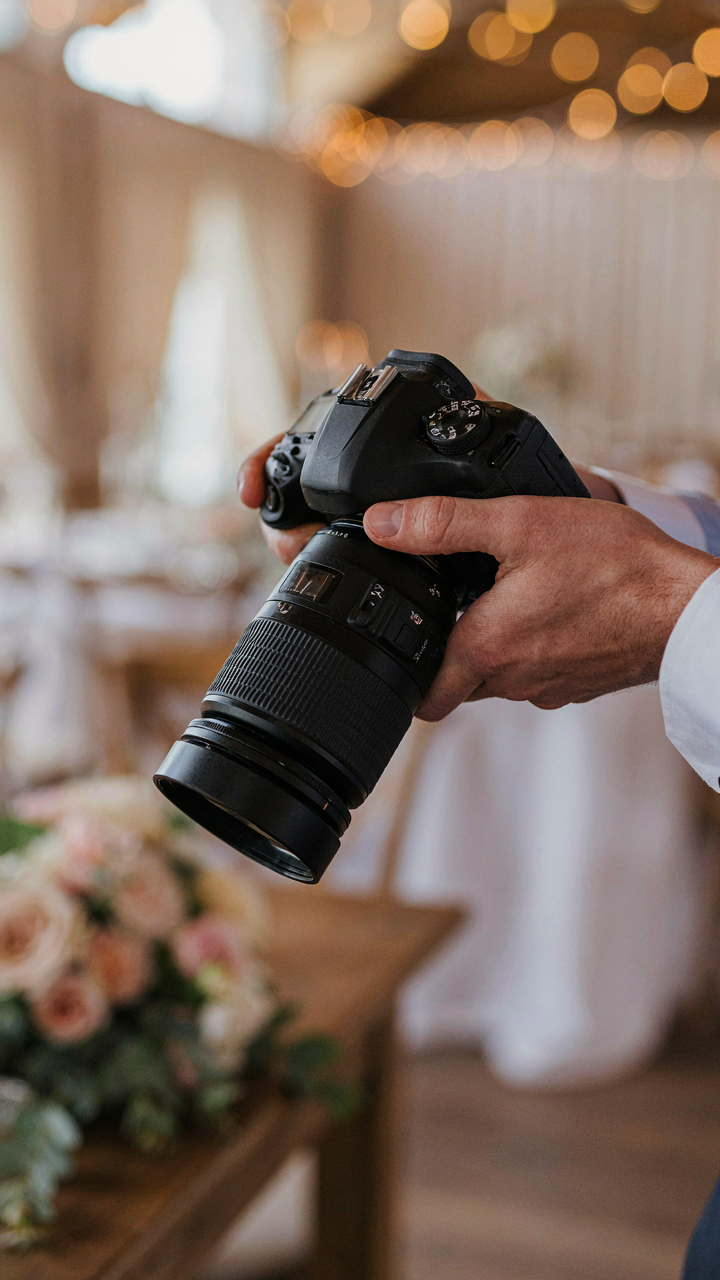
You want eight hours because you’re terrified you’ll miss something critical, but the real issue is you’re confusing presence with value. Economics calls it diminishing returns, and it applies directly to wedding photography: each additional hour produces fewer usable moments than the one before it. The ceremony is dense with high-stakes moments. The reception is repetitive. By hour six, you’re shooting the same conversations and dances you shot in hour four.

Most photographers solve this wrong: they just show up and shoot for the full duration. The real move is deciding which hours generate the shots clients actually want, then maximizing those windows instead of just extending your timeline. The getting-ready phase has texture. The ceremony has stakes. The first dance has emotion. The cake cutting repeats what you’ve already captured. Eight hours works only if you’re strategic about which segments deserve your full attention and which ones need basic coverage at reduced intensity.
What Clients Actually Believe They’re Buying
Your client hired you for eight hours because the wedding industry normalized it as the baseline, not because they know what eight hours produces. This expectation is borrowed from venue availability and guest comfort, not from photography necessity. They assume more time equals more quality, which is false. What they really want is proof that nothing went unseen and that you captured the moments that matter most to them specifically.
The hidden contract isn’t about hours. It’s about confidence that you won’t miss the moments they’ll regret losing. That confidence builds from how you talk about coverage, not from the time you spend on site. Show them a timeline that names which moments matter most, then explain why those segments get your full focus. When a client understands why the first thirty minutes of getting ready matters more than the final hour of mingling, they stop measuring value in hours and start measuring it in outcomes. Build your eight-hour proposal around the three to four anchor moments that justify the duration, and structure your actual work schedule to protect those blocks from distraction.
The Post Production Paradox: Editing An Optimized Wedding Photographer Timeline

Shoot Fewer, Edit Faster
You’re worried that fewer photos means you’ll look like you didn’t work hard enough. The real mechanism is this: editing time scales exponentially with image count, not linearly. Shoot 800 frames and you’re culling, color-correcting, and delivering 400. The labor compounds. An eight-hour shoot that produces 300 intentional frames instead of 1200 unexamined ones cuts post-production time in half because you’re not deciding between six near-identical moments.

The math is brutal and photographers avoid it. Most pad their shot count as insurance against client complaints. That insurance costs you 20 to 40 hours of editing per wedding. Shoot tighter throughout the day, work with purpose during key moments, and your post-production becomes a finishing task instead of a data management crisis. Your timeline stays controllable.
Deliver What Clients Actually Need
The assumption that more photos create more value is wrong. Clients want a curated story they can share and display, not a searchable archive of every blink. An eight-hour wedding generates enough authentic material for 150 to 200 final, edited images. That’s a complete narrative. Beyond that, you’re padding delivery at the cost of your own time and the client’s ability to make decisions.
Build your delivery around selection and edit quality, not volume. Spend your post-production hours on color grading, retouching, and consistency across the full set. A client receives 180 polished, album-ready images instead of 400 with five different color temperatures. You finish faster, they get a product worth the investment, and the timeline stays inside your estimates.
Redefining “Budget”: Value, Not Just Price On Your Photography Timeline
What Clients Actually Pay For
You’re scared you’ll get ripped off, or that you’re overpaying for something you could hire cheaper. Here’s the mechanism: clients don’t buy hours. They buy certainty that eight consecutive hours will produce usable images without gaps, missed moments, or technical failure. The cost isn’t the photographer’s time. The cost is eliminating the risk that your timeline falls apart at the altar or during the first dance because the shooter wasn’t prepared for the actual sequence of events an eight-hour day demands.
A budget photographer charges less because they’re either newer, shoot fewer weddings annually, or don’t account for the hidden costs of an eight-hour commitment: travel, equipment redundancy, editing labor, and the liability of being present for the entire emotional arc of someone’s day. The expensive photographer charges more because they’ve absorbed those costs into their pricing and survived enough eight-hour shoots to know exactly where things break. Price reflects what the photographer can actually deliver under pressure, not what they want to charge.
Making Eight Hours Work Without Cutting Corners
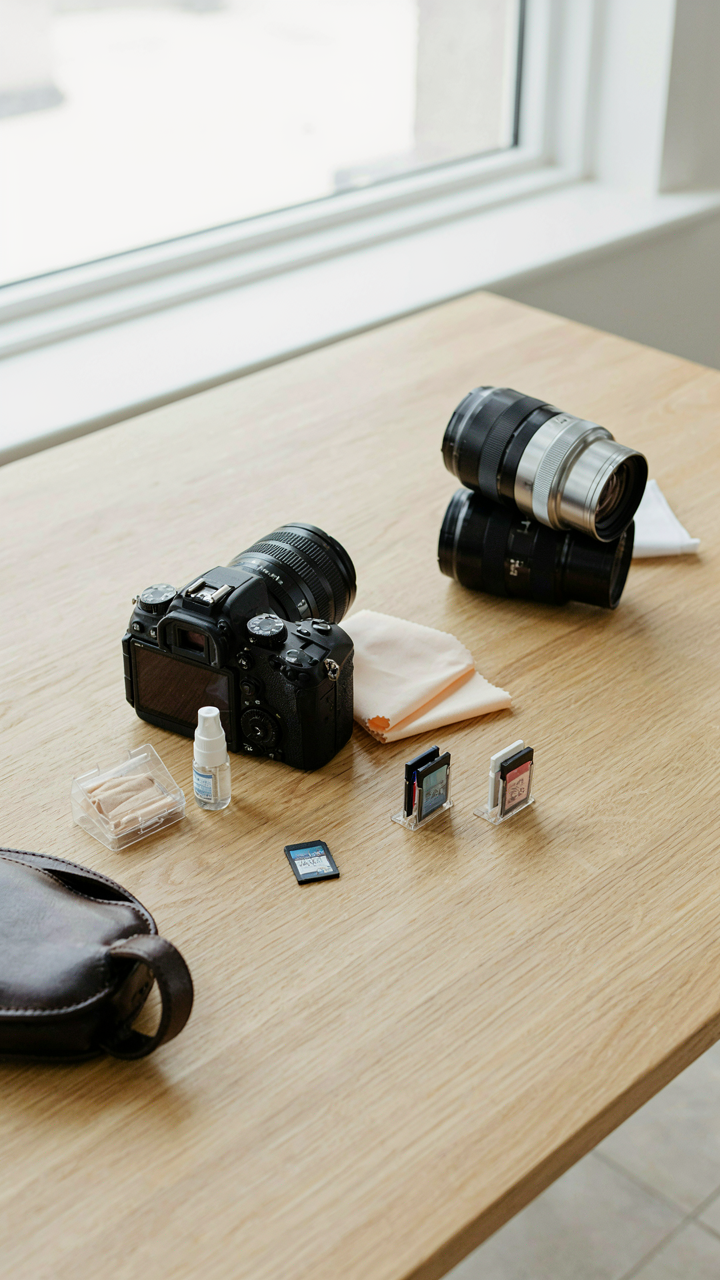
The common advice says to “maximize every moment” or “stay energized throughout.” Both miss the point. An eight-hour day doesn’t reward hustle. It rewards systems. Your photographer needs a shot list that aligns with when things actually happen, break intervals that prevent focus collapse, and backup equipment for every failure point. These aren’t luxuries. They’re the difference between coming home with 200 usable frames and 800 frames where half the critical moments are technically compromised or missed entirely.
A real budget timeline builds in protection, not just coverage. The photographer blocks time for gear checks between major events, pre-positions for the ceremony exit before the recessional starts, and schedules the couple portrait session when light is viable, not when the timeline says it’s convenient. Value emerges from sequence and preparation, not from presence alone. The eight-hour day succeeds when the photographer’s workflow prevents the moments from slipping away.
Your True Obstacle Isn’t The Clock, But The Fear Of Missing Out, Paralyzing Your Ability To Capture What Truly Matters
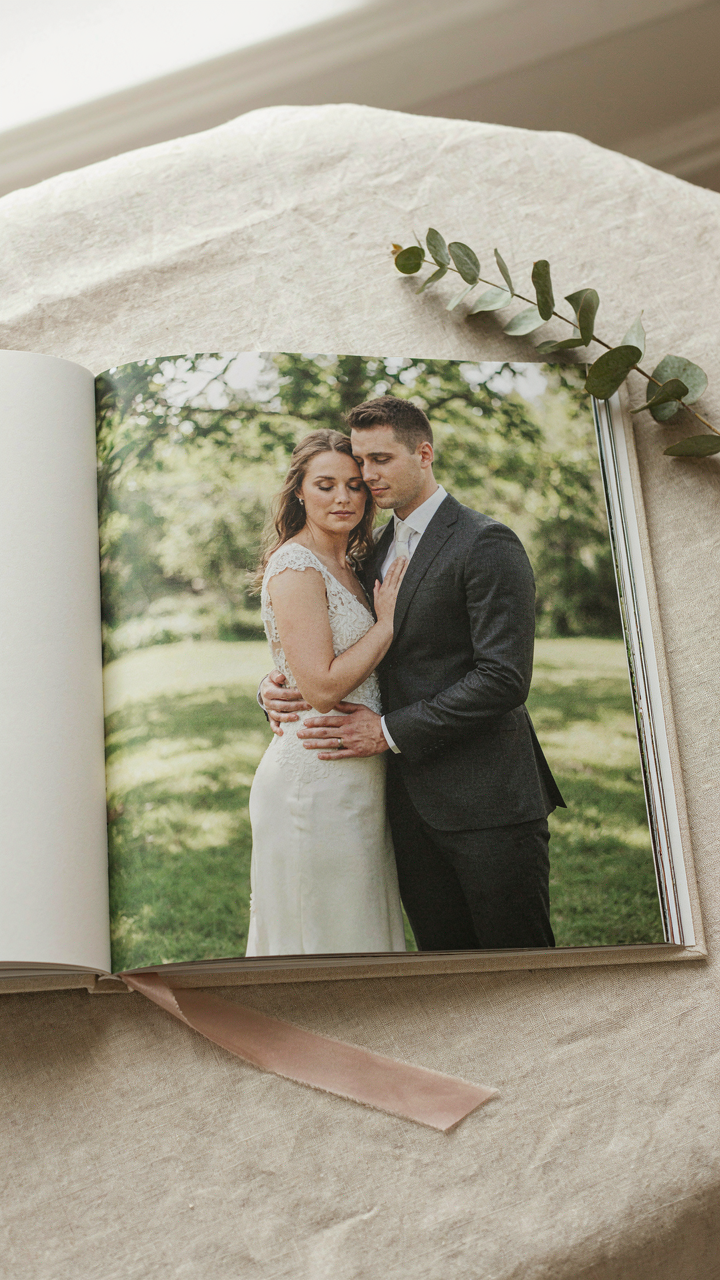
Most photographers waste their eight hours chasing every moment instead of owning a few. You’ll shoot better when you stop trying to photograph everything and start deciding what actually moves you. Pick three must-have shots before the day begins. Write them down. Commit to them. The couples who walk away with photos that gut-punch them aren’t the ones who had more time, they’re the ones who had the discipline to stop hunting and start seeing. Stop photographing the wedding. Start photographing the story only you can tell.