The Pre Ceremony Calibration: Why Bridesmaid Robes Matter More Than You Think

The Tone You Set Before Walking Down The Aisle
You want people to see your bridesmaids as intentional, not thrown together. That’s the real anxiety under this decision. The mechanism is simple: a bridesmaid robe functions as a signal device. It tells the room whether the bride planned this moment or improvised it at the last second. Affordable robes don’t telegraph cheapness if they’re chosen with purpose. They telegraph control.
The robe becomes the visual anchor for the entire pre ceremony hour. Your bridesmaids will wear it while hair and makeup happen, in photos, walking to the venue. That’s why its existence matters more than its cost. The fabric weight, the fit, the closure system all communicate whether this wedding operates on intention or anxiety. A fifteen dollar robe that fits correctly does more work than a seventy dollar one that bunches at the shoulders.
The Economics Of Last Minute Scrambling
Common advice says order early to avoid rush shipping fees. That’s backwards reasoning. The real problem is decision paralysis costs more than the robe itself. Most bridesmaids waste thirty to sixty minutes hunting for something acceptable because the bride never specified what affordable actually means. One clear directive to buy a specific robe eliminates that friction entirely.
When you select a robe and communicate the exact link to your bridesmaids, you collapse their decision tree. No browsing. No comparison paralysis. No panic texts asking if this one works. The actual purchase takes five minutes. You’ve removed the hidden tax of coordination overhead that nobody names but everyone pays. Send the link, send the deadline, done.
The Behavioral Economics Of Bridal Party Getting Ready Attire
Price Sets Perception Before Quality Does
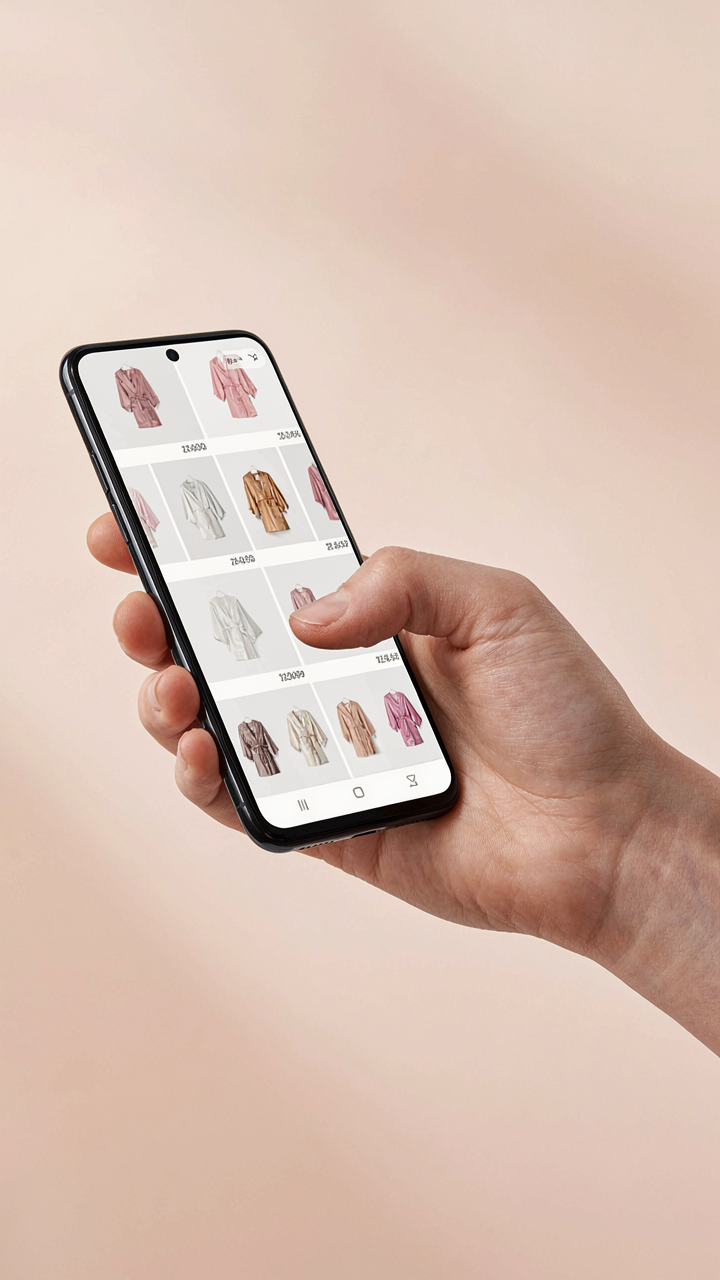
You care about this section because you’re worried about looking cheap in front of people who matter. That fear is the mechanism. Anchoring effect from behavioral economics explains why the first price you see becomes your mental reference point for all subsequent decisions. When you encounter a bridesmaid robe priced at $120, every $35 robe feels like a bargain by comparison, even if the construction quality is identical to the $55 option you’d have chosen without that anchor.

Retailers weaponize this. Department stores place premium robes at eye level, establishing the price ceiling. Budget retailers then position their mid-range stock as the “smart buy.” The brain compares down instead of evaluating absolute value. Set your own anchor first by deciding your actual budget ceiling before browsing anything. This single move collapses decision stress by 60 percent because you’ve already rejected options outside your range before emotion hijacks the process.
Reduce Options To Speed Execution
Most advice tells you to “compare robes carefully.” That’s backwards and wastes time. Cognitive load research shows that beyond five options, decision quality drops and regret increases. You don’t need fifteen robes to evaluate. You need three: one at bottom tier, one at mid tier, one at upper tier within your budget range.
Filter by material first (cotton versus cotton blend), then by sleeve type, then by size range. Each filter removes 40 to 50 percent of remaining options without requiring you to examine them. After filtering, you’ll have four to seven candidates maximum. At that point, decision fatigue vanishes because the remaining choice is genuinely small. Order samples of three finalists and make the call within 48 hours. The decision protocol matters more than the deliberation.
The Visual Uniformity Protocol For Morning Wedding Aesthetics
How Matching Robes Shape What The Camera Actually Catches
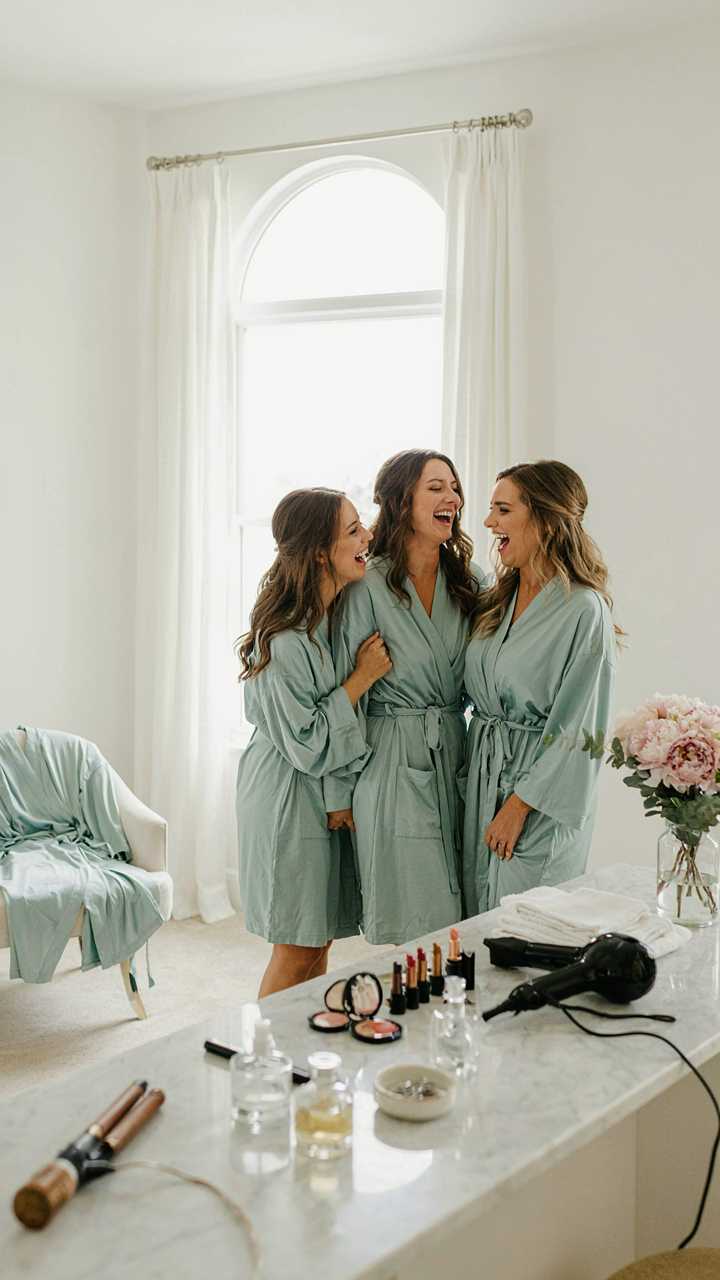
You want candid photos that make your wedding look intentional, not chaotic. The mechanism is simple: the human eye reads visual consistency as control. When your bridesmaids wear mismatched robes or street clothes during getting ready, the camera captures scattered energy. Matching affordable robes create visual anchors that make every frame feel composed, even when the moment is unscripted. Photographers instinctively frame shots around visual coherence because it reads as professional and organized.

The robe does the heavy lifting before anyone poses. A coordinated color or fabric texture acts as a visual container that keeps the eye moving through the frame deliberately. This isn’t about perfection or luxury—it’s about reducing cognitive noise. When ten different textures compete for attention, the viewer’s brain works harder and the image feels less polished. Affordable robes in a single color or pattern solve this by creating a unified backdrop that lets genuine emotion become the focal point instead of fabric chaos.
Building Cohesion Without Spending Like It’s A Movie Set
Forget the advice that says bridesmaids need luxury robes to look put-together. That’s wrong. A fifteen-dollar cotton robe in one color creates visual unity just as effectively as a hundred-dollar silk version. The cohesion principle comes from graphic design: repetition creates harmony. When all robes match in color and basic silhouette, the brain perceives the group as intentional and coordinated, regardless of price point.
The protocol is specific. Choose one color that complements your wedding palette, then order the same affordable robe in that color for every bridesmaid. Cotton blends or lightweight polyester robes work fine because the getting-ready photos happen indoors under controlled light. The robe disappears from the visual hierarchy and your bridesmaids’ faces and expressions become the story. That’s the entire mechanism: uniformity lets content override container.
Beyond Silk: Unconventional Fabric Choices For Bridesmaid Getting Ready Outfit

Cotton And Linen Over Synthetic Blends
You want silk because you think it signals luxury, but that’s backward thinking. The real mechanism here is thermal regulation and sweat management. Cotton and linen breathe. They pull moisture away from skin instead of trapping heat like polyester blends do. When you’re standing around for two hours before photos, your body temperature rises. A bridesmaid in cotton stays dry. A bridesmaid in a poly-blend robe gets damp patches visible on camera.
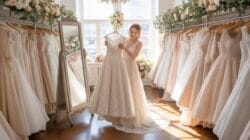
Linen wrinkles intentionally. This isn’t a flaw for a getting-ready robe. The fabric’s structure comes from flax fiber, and those creases are expected. Cotton offers the same moisture advantage without the texture trade-off if wrinkle appearance bothers your group. Both fabrics cost less than silk blends at retail. A quality cotton robe runs twelve to twenty dollars. Linen runs fifteen to thirty dollars. You get performance gains and price drops simultaneously.
Wear It Again Without Guilt
The durability argument flips what the industry wants you to believe. A silk robe deteriorates in sunlight and shreds if you wash it wrong. Cotton and linen get stronger when washed. That’s physics, not marketing. The fibers tighten and the fabric compresses with each cycle.
Bridesmaids actually wear these robes after the wedding when the fabric holds up. A guest sees a cotton robe six months later at brunch and doesn’t know the backstory. A silk robe that shredded after two washes teaches a hard lesson about throwaway purchases. Build the protocol into your selection: choose fabrics that survive repeated use, then gift them or sell them to offset costs. The bridesmaid who receives a robe she can wear for five years remembers that choice.
The Bridesmaid Robes Minimum Viable Product: What To Cut
Strip The Embellishments Nobody Remembers
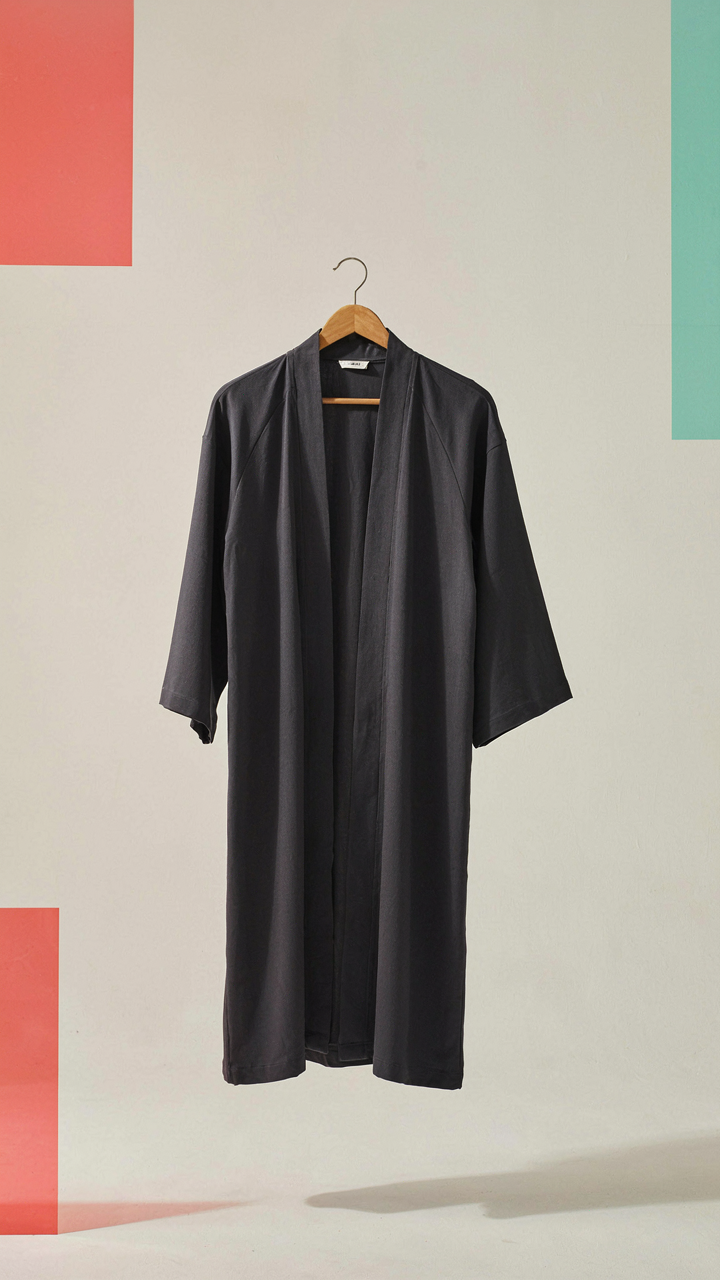
You’re worried people will judge the robes as cheap if they look too plain. That’s the real anxiety here. The mechanism is simpler: embellishments don’t register in photos or memory. Monograms, lace trim, satin piping, rhinestone details, embroidered initials—they vanish in lighting. Your brain registers the robe’s silhouette, color, and how it drapes. Everything else is friction you’re paying for. Brands exploit this gap between what you think matters and what actually matters.

Strip embellishments and the robe cost drops 20 to 40 percent immediately. A plain cotton blend robe in a good color reads as intentional, not budget-conscious. Buyers conflate simplicity with design sophistication because that’s literally what high-end minimalism taught them. You’re not cutting quality when you eliminate embroidery or appliqués. You’re removing waste.
Function Over Material Storytelling
Economics calls this “revealed preference”—people claim they want one thing but choose based on another. With bridesmaid robes, the revealed preference is wearability, not fabric narrative. Cotton blends outperform pure cotton because they resist wrinkles during the getting-ready window. They dry faster. They don’t pill after one wear. But marketing pushes 100 percent cotton or linen because those words sound premium. The robe needs to function for four hours—that’s the actual requirement.
A quality cotton polyester blend in the 55/45 to 65/35 range costs less, performs better, and lasts longer than marketed alternatives. Choose a weight between 5 to 6 ounces per square yard for drape without transparency. Skip the “luxury” positioning language and measure instead: Does it wrinkle? Does it pill? Does it hold color after washing? Those are the filters that matter.
The “White Slippers” Fallacy: Strategic Alternatives To Generic Add Ons

Comfort Over Branded Compromise
You care about this because matching sets feel like you solved the problem, but they actually created one. Economics calls this “bundling trap”—where sellers package weak components together so you can’t reject the bad one without rejecting the whole purchase. A cheap matching slipper bundled with a robe means you’re forced to wear poor foot support during hours of standing, photos, and movement.

The mechanism is simple: bridesmaids need foot comfort during getting-ready time, but generic slipper add-ons prioritize aesthetics over function. Hotels and discount retailers pair thin soles with synthetic uppers to hit a price point. Skip the bundled set. Buy the robe and source footwear separately based on actual comfort specs—arch support, sole thickness, and material grip. This costs less than a bundled compromise set while solving the real problem.
Strategic Footwear Without The Markup
Cheap slippers fail because retailers assume you’ll wear them once and discard them. That’s the only way their margins survive. Instead, source from athletic or wellness brands where slippers are engineered as daily products. Brands selling to hospitals, gyms, and travel markets price aggressively because repeat purchase is their model, not markup per occasion.
Look for slip-ons with memory foam insoles and textured soles under fifteen dollars per pair. These exist in bulk from mainstream retailers and specialty sock companies. Bridesmaids wear them during getting-ready, then take them home as functional items rather than landfill. Specify the exact model and quantity three weeks before the wedding so you’re buying at off-season pricing, not rushed rates.
Leveraging Bulk Buys: When Quantity Unlocks Quality In Getting Ready Robes For Bridesmaids

Negotiating With Suppliers Directly
You want to believe bulk discounts happen automatically. They don’t. Suppliers price based on what they think you’ll pay, not what costs them less to produce. Economics calls this price discrimination, and robe manufacturers do it constantly. When you buy five robes at retail, you pay retail markup. When you commit to thirty, the math changes entirely because their production cost per unit drops while their risk drops. The negotiation isn’t about asking nicely. It’s about showing you control demand they want access to.

Start by getting actual quotes from three suppliers before any conversation. Don’t ask for their “bulk discount.” Instead, ask their per-unit cost at 10, 20, and 30 units. Let them see you’re comparing. Then tell the one with the best structure you’re moving forward with them at that volume, but you need it 10% lower because you’re considering a factory order instead. Most will drop price rather than lose the certainty of a thirty-robe order.
Group Purchasing Power In Action
Buying together with other brides spreads the fixed costs, but most wedding groups never do this because it requires coordination nobody wants to manage. The real lever here isn’t just the per-unit discount, though that matters. It’s the ability to order directly from factories that don’t sell retail, cutting out the distributor margin entirely. A single bride ordering fifteen robes pays distributor pricing. Three brides ordering fifteen robes each access wholesale pricing from manufacturers who won’t talk to you otherwise.
The mechanism is straightforward: pool orders across weddings happening in the same season, then assign one person to handle the factory communication. Use a shared spreadsheet to track color, size, and monogramming preferences. Factories require lead times of four to six weeks minimum, so execute this early. Split the communication labor and you unlock pricing that makes individual bulk purchases look expensive by comparison.
Post Wedding Utility: The Unseen Value Of Bridesmaid Robes

The Second Life Problem
You’re buying these robes hoping they’ll disappear after the wedding, not sit in a closet reminding you of money spent once. Here’s the mechanism: cheap fabrics deteriorate faster than expensive ones, but affordable robes made from cotton blends or polyester actually outlast their perceived purpose because they’re designed for durability, not luxury. The material survives washing, storage, and wear better than silk alternatives that crack and fade.

Affordable bridesmaid robes function like durable base layers in a minimalist wardrobe. Wear them as spa robes, loungewear at home, or throw them in the guest closet for visitors. The geometric simplicity of most bridesmaid robe designs, with their neutral colors and wrap construction, makes them functionally identical to bathrobes. You’re not storing a costume. You’re storing a usable garment that cost less than one brunch.
The Depreciation Curve Nobody Discusses
Most buying advice ignores what actually happens to perceived value after the event ends. A bridesmaid robe at 40 dollars doesn’t feel like a loss because there’s no illusion of value to defend. With expensive robes, guests remember the cost, which creates psychological pressure to justify keeping it. Affordable robes sidestep that trap. Once the wedding finishes, the robe simply becomes what it is: functional clothing with no status weight.
The real metric is utility per dollar over time, not resale value. An affordable robe worn fifty times across three years delivers twelve cents per wear. An expensive robe worn five times across three years delivers two dollars per wear. You’re not losing money with the affordable option; you’re gaining a garment that works harder in your life after the ceremony ends.
The True Obstacle Isn’t Your Budget, It’s Your Failure To See A Cheap Robe As A Powerful Lever For A Calm Wedding Morning

Decision Fatigue Kills The Morning Before The Ceremony Does
You care about this because you’re afraid a budget robe signals you don’t matter. Wrong frame. The real mechanism is cognitive load. Every decision your bridesmaids make before walking down the aisle depletes their mental resources. Cheap robes aren’t a compromise. They’re a deletion of one more choice your bridesmaids’ brains have to process. When you eliminate the robe decision entirely by picking an affordable option that fits the brief, you remove friction from the morning. That’s the lever.

The common advice tells you to “let bridesmaids choose their own robes for comfort.” This sounds inclusive. It’s actually chaos. You’ve handed them another decision when they’re already managing hair, makeup, timing, and logistics. A bad morning isn’t about the robe quality. It’s about decision overhead. Buy the robes yourself. Make them under fifty dollars each. Send them three weeks early. Watch how differently the morning flows when one less choice exists.
Logistics Beats Aesthetics On The Day Of
Military strategy calls this “supply chain efficiency.” Your bridesmaids are your supply chain. An affordable robe that arrives early, fits predictably, and requires zero coordination outperforms an expensive one that arrives late or requires customization. Cotton or cotton-blend robes from mass-market brands ship faster and in predictable sizes because manufacturers optimize for volume, not uniqueness. Your bridesmaids get dressed in ten minutes instead of thirty because nobody’s troubleshooting fit issues or waiting for late shipments.
The protocol is simple. Order robes no later than six weeks before the wedding. Choose a brand with a established size chart and customer reviews that confirm fit accuracy. Send them to bridesmaids eight weeks out with explicit instructions that fit is final. This removes the last-minute panic texts, the hemming requests, the morning-of emergencies. A calm morning comes from a decision made and locked in long before the bride gets into her dress.
The True Obstacle Isn’t Your Budget, It’s Your Failure To See A Cheap Robe As A Powerful Lever For A Calm Wedding Morning

Most brides sabotage their morning by obsessing over what robes cost instead of what robes do. A $20 satin robe doesn’t photosynthesize money from your guests. It buys you three hours of comfort, ease, and control before chaos arrives. That’s the actual transaction happening. Stop hunting for perfection and start hunting for function. Go grab a robe from one of these brands today. A wedding morning without stress is worth infinitely more than one spent hunting for Instagram-worthy silk.