The Un Photo Shoot Protocol: Ditch The Poses, Embrace The Real
Stop Staging, Start Observing
You want candid wedding photos because you’re afraid posed shots will look stiff and forgettable, and you don’t want to waste money on images that feel like every other wedding album. Here’s the mechanism: posed photography requires the photographer to direct people into unnatural positions and wait for them to relax into the frame. Candid photography reverses this. The photographer observes real behavior and captures the moment as it exists. The budget difference isn’t about cheaper gear or less experience. It’s about eliminating the time spent on direction, retakes, and posing setups that don’t scale cost-effectively for tight budgets.
The shift from posed to candid is a shift from production-based billing to observation-based billing. Your photographer spends less time orchestrating and more time positioned strategically to catch reactions, conversations, and movement as they happen naturally. This means fewer total hours on the wedding day dedicated to “photo sessions” and fewer photos that miss the mark because someone blinked or shifted weight awkwardly. Candid moments happen once. Poses can be repeated. That paradoxically makes candid photography leaner when you’re budget-conscious because your photographer isn’t reshooting the same setup five times to get it right.
Comfort Is The Input, Authenticity Is The Output
Pre-wedding interaction matters more than most photographers admit. When a couple feels awkward around the camera, the photographer has to work harder to extract genuine expressions and natural body language. That work costs time, and time costs money. Comfort is the input variable that determines whether your photographer can work efficiently. It’s not optional framing advice. It’s operational efficiency.
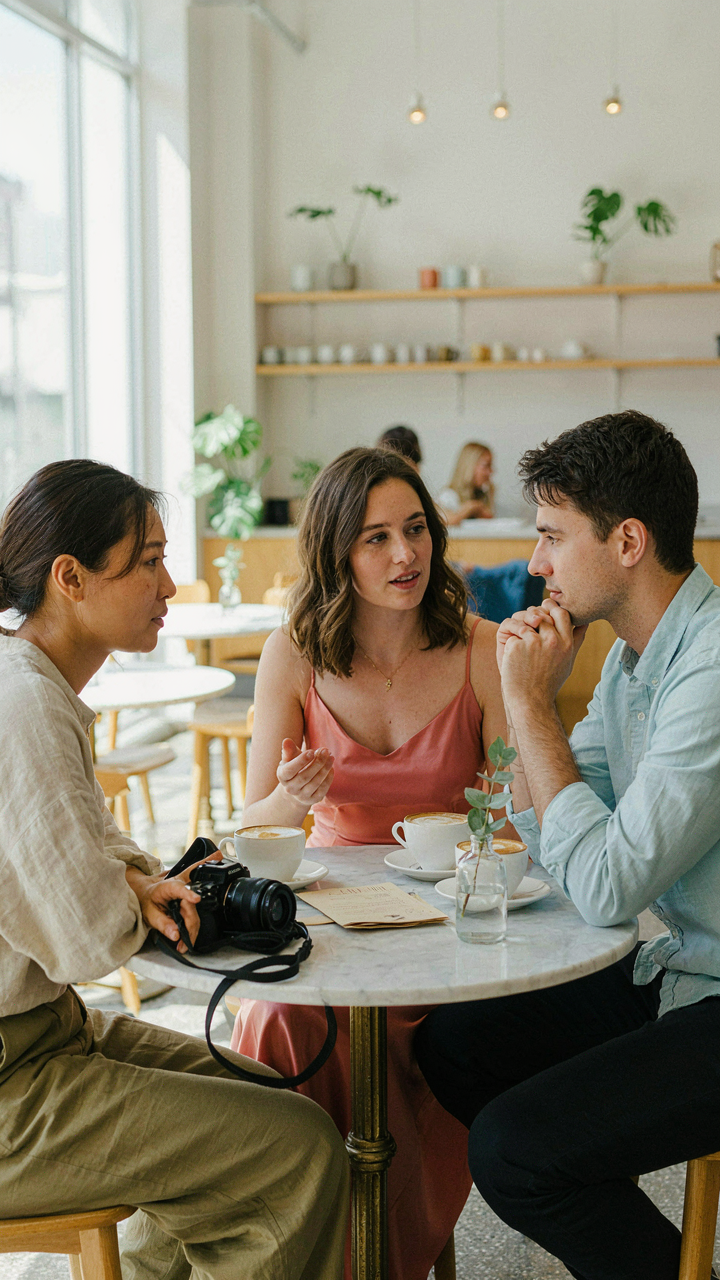
Schedule a brief casual hangout with your photographer before the wedding. Spend thirty minutes doing something unstaged: walking around your neighborhood, sitting at a cafe, talking through the day’s timeline while they shoot. This does two things. First, your nervous system recognizes the photographer as a person, not a device. Second, your photographer sees how you actually move and interact when you’re not thinking about the camera. They learn your gestures, your eye contact patterns, and the angles that flatter you both. On the wedding day, they already know where to stand and when to press the shutter. Efficiency compounds into budget savings.
Guest Photographers: Leveraging Your Inner Circle For Candid Wedding Photos
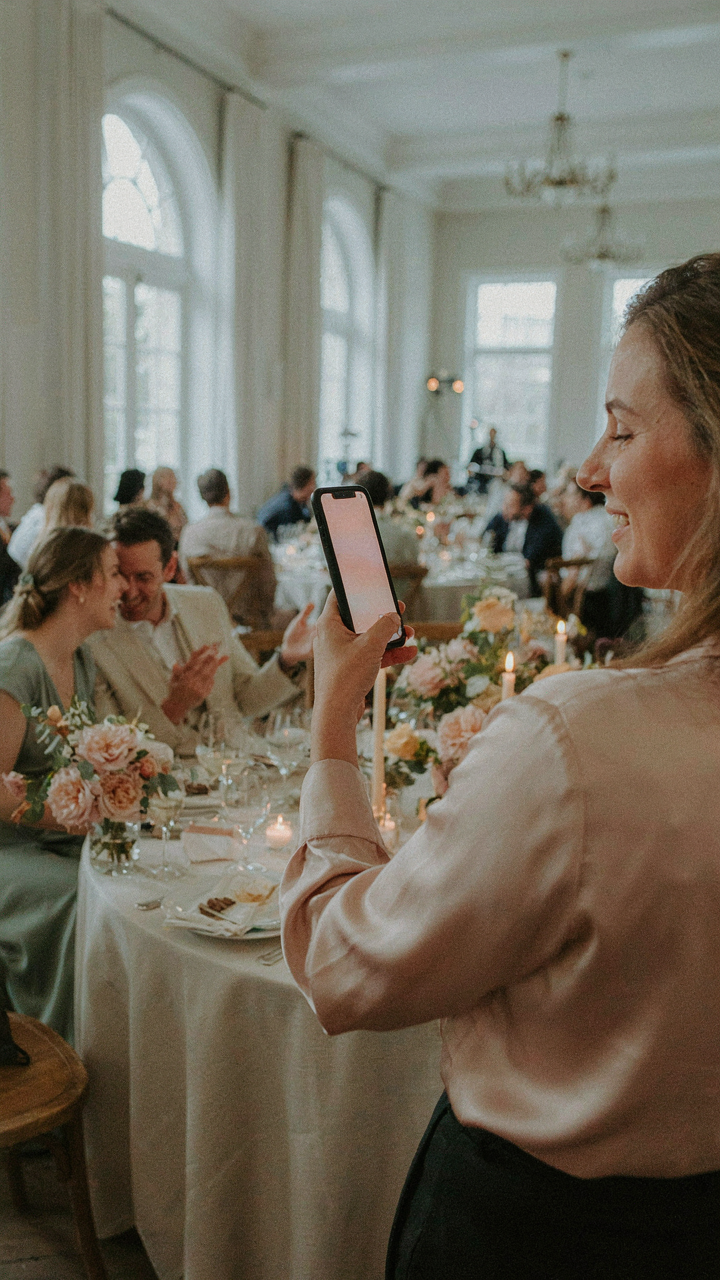
Turn Your Guests Into Your Camera
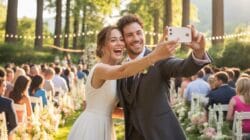
You want free labor dressed up as participation. That’s the real reason this section matters. Here’s the mechanism: guests already have smartphones with capable cameras. The problem isn’t access to equipment—it’s that nobody tells them what to actually shoot. Most people default to posed group shots because that’s what they think weddings require. Instead, give them a single instruction: capture moments when people aren’t looking at a camera. This inverts the entire output. You’re not replacing a professional. You’re distributing the work of documentation across fifty pairs of eyes, each catching angles a single photographer misses.
The economics here mirror signal detection in communication systems. You’re maximizing signal by reducing noise. Tell guests explicitly: no staged photos, no calling people over, no “say cheese.” The signal is authentic reaction and interaction. The noise is forced smiling. When you remove the instruction to pose, guests naturally photograph what’s actually happening—toasts, dancing, embraces, conversations. This costs nothing beyond clarity. One written line on your invitation or wedding website eliminates the guesswork. Guests feel useful instead of idle, and you get coverage that matches how real weddings actually unfold.
Shared Album For Instant Collection
A shared album centralizes dozens of phone photos into one searchable feed. This eliminates the friction of asking people individually to send you files later, which they won’t do consistently. Use Google Photos, iCloud Shared Album, or Frame.io. Send the link before the ceremony. Make it dead simple to join. The moment someone uploads a photo, it’s accessible to everyone, including you. No email chains. No lost hard drives. No forgotten downloads.
The second layer is curation without labor. You see everything in real time during the reception. Duplicate angles become obvious. Blurry shots stay blurry. But the keepers—the genuine moments—stack up immediately. After the wedding, you have a complete archive sorted by timestamp. Your responsibility is one follow-up message thanking guests for contributing and reminding them the album closes in a week. That deadline prevents the album from becoming a digital ghost town. You then download what matters for prints or editing. This protocol takes thirty seconds to set up and solves the collection problem entirely.
- Google Photos Shared Album: Free, unlimited storage, works across Android and iPhone, guests join via link, photos sync automatically to your library.
- iCloud Shared Album: Native to Apple devices, simple interface, 5GB free tier sufficient for a wedding, automatic organization by date.
- Frame.io: Designed for collaborative projects, clean interface, allows commenting and tagging, paid tier unnecessary for one-day events.
- WeTransfer or Dropbox: Slower for real-time uploads, better for post-wedding collection if guests email files instead of uploading directly.
- Instant Pot or WhatsApp Group: Informal but effective for tech-savvy crowds, messages disappear or get buried, not recommended as primary collection method.
Close the album exactly seven days after the wedding. This creates urgency for late uploaders and prevents endless stragglers from adding photos months later. Screenshot the link before shutting it down. You now own the full collection with zero photographer fees for this layer of documentation.
The “Fly On The Wall” Method For Authentic Wedding Photography

Stay Out Of The Frame
You want candid shots because you’re afraid posed photos make you look stiff, and you’re right to worry. The mechanism is simple: the moment a camera operator positions someone or calls for attention, the nervous system activates. Tension enters the face. The real expressions vanish. Positioning yourself as an observer rather than a director keeps the autonomic response dormant. You document what happens naturally instead of triggering what doesn’t.

When you step back and stop directing, guests forget the camera exists. They return to their actual emotional state within ninety seconds. That’s the window where genuine reactions emerge. A photographer locked into this approach shoots more frames from farther away, capturing the space between moments rather than the performed ones. This costs nothing extra and eliminates the need to hire multiple shooters to cover different angles simultaneously.
Read The Room Before The Shutter
Reactions are where candid photography creates value because they reveal the actual story, not the planned one. Most photographers chase smiles. Better ones hunt for the micro expressions that happen in the three-second window after something lands emotionally. A father’s face when his daughter walks down the aisle. A friend’s laugh that breaks through their usual composure. These moments are pure signal.
Train your eye to spot the moment before the reaction peaks, not after. Position yourself where you can see both the trigger event and the person responding to it. This requires thinking in terms of sightlines, not just subjects. You move to anticipate, not to react. One photographer shooting from the right position captures more authentic material than three photographers reacting to moments as they pass. Station yourself in the path of natural human emotion and let the shutter follow your attention.
Light & Shadow Play: Mastering Casual Wedding Photography Aesthetics
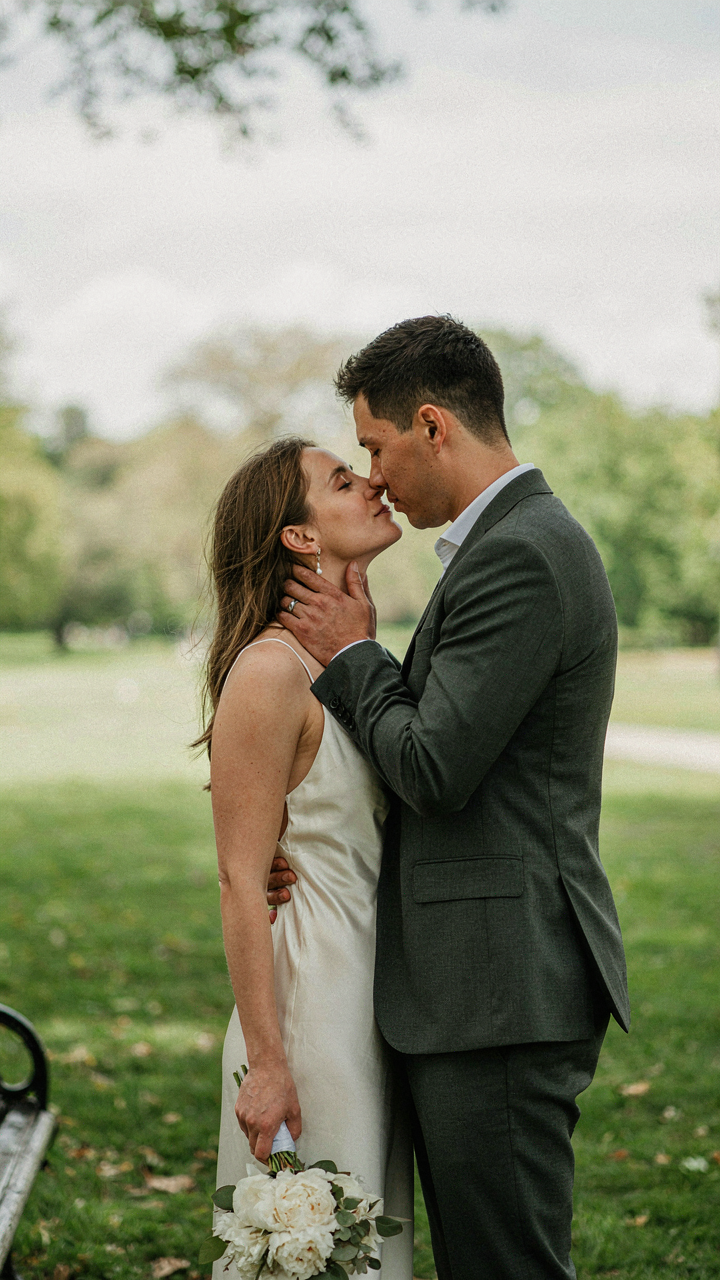
Natural Light Is The Budget Hack Nobody Admits
You want candid photos to look professional without paying a professional price. The mechanism is simple: light quality determines everything, and you don’t buy quality light—you find it. Flash gear costs money. Natural light costs nothing. The physics of light dictates that soft, diffused light renders skin tones and emotion accurately while harsh directional light creates contrast so extreme it reads as artificial. Overcast days, open shade, and golden hour are free optical tools that make mediocre cameras produce usable frames.

The common advice says “avoid harsh midday sun.” That’s incomplete. The real rule: position yourself so existing light sources—windows, doorways, tree cover—become your reflector and diffuser. A camera on a budget needs the photographer’s brain to substitute for expensive lighting equipment. Walk the venue before the ceremony. Identify where light hits at what time. Place the couple there. This is the entire technical stack you need. Everything else is overthinking.
Motion Over Sharpness
Blurred motion isn’t a mistake—it’s the signal that something real happened. The common take frames blur as failure. That’s wrong. Motion blur communicates urgency and emotion in a way clinical sharpness cannot. A dancing couple caught mid-movement with partial blur reads as joy. The same couple frozen perfectly sharp reads as a pose. Your budget camera’s processor can’t compete with a five-thousand-dollar rig on technical specs, so stop trying. Use motion as your aesthetic instead of fighting it.
Shoot at 1/60th of a second or slower during movement. Let the subject blur while the face or eyes stay reasonably sharp. This technique costs zero dollars and requires zero equipment upgrades. The mechanism is psychological: your brain interprets motion blur as evidence of real-time capture, not staged setup. That authenticity gap is what separates candid from formal. Train yourself to release the need for frame perfection. When you do, every frame becomes usable data instead of a discard pile.
Micro Moment Capture: The Quantum Physics Of Wedding Candid Photos
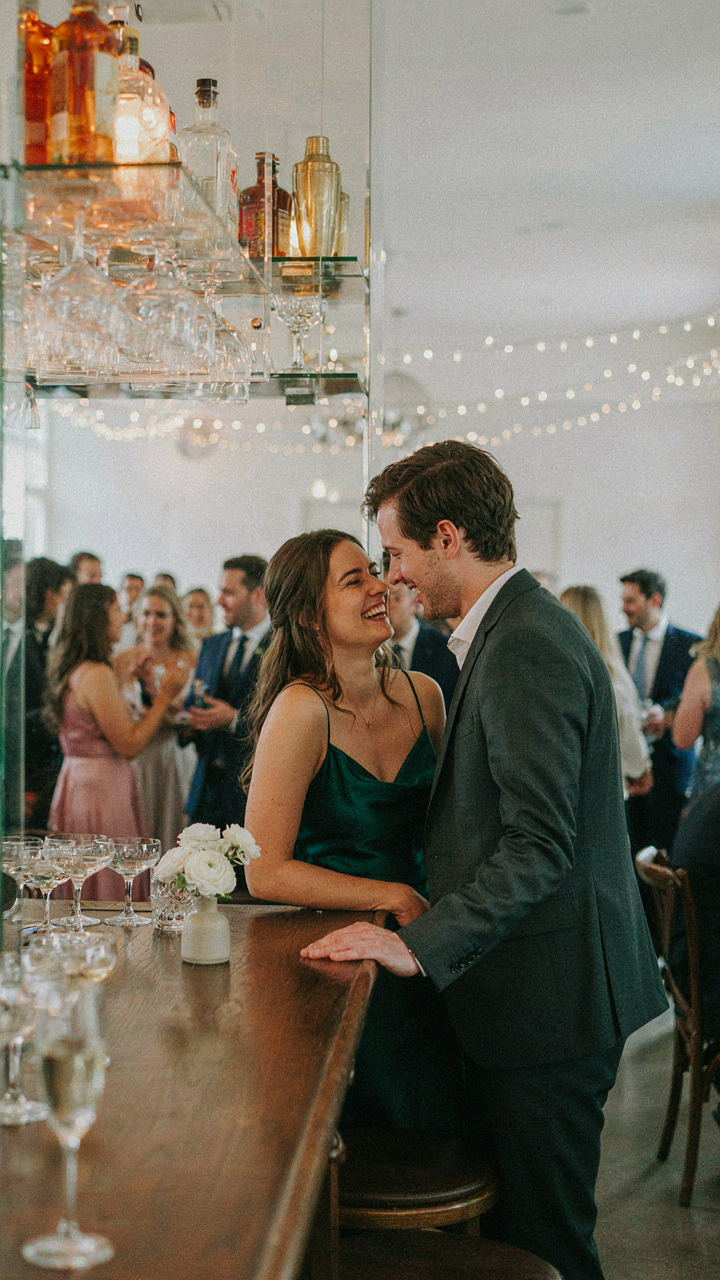
Where The Real Moments Hide
You want candid photos because you’re afraid the posed ones will feel fake, and you don’t want to pay a second shooter to camp out all day waiting for those moments to happen. Here’s the mechanism: in quantum physics, observation changes the outcome. Wedding candids work the same way. The more a camera sits passively in a room, the more natural behavior emerges around it. People stop performing. This isn’t magical. It’s simple human adaptation. You disappear into the environment when you’re not actively pointing and directing.

A no-budget candid strategy means placing yourself in high-probability zones before the moment forms, not chasing it after. The best photos happen during transitions: guests arriving, people moving between rooms, the pause before toasts start. These aren’t rare. They’re predictable. You need a shooting position that frames these transitions without requiring you to hunt. Scout the venue layout during rehearsal or hours before the ceremony. Identify the three bottleneck areas where guests naturally cluster and move. Position yourself there with a wide lens. Let the event flow through your frame.
Predict The Interaction Before It Happens
Emergent behavior in crowds follows patterns, not chaos. At weddings, genuine interactions cluster around specific triggers: someone tells a story, laughter breaks out, the couple touches during a moment they think nobody’s watching. These don’t happen randomly throughout the night. They spike during defined windows. The cocktail hour produces different candids than the reception dinner. The first dance aftermath produces different moments than the cake cutting. You’re not hunting blindly. You’re staking out the moments where human behavior predictably becomes unguarded.
Stop waiting for candids to find you. Instead, map the timeline and stake each moment. During cocktail hour, post near the bar or gift table where conversations naturally deepen. During dinner, sit at a table edge where you see multiple guest interactions without being central. During dancing, position yourself near the periphery where people arrive to join rather than dead center where they perform. The mechanism is simple: people expose genuine emotion at the edges of events, not the center. They relax when they’re transitioning in, not when they’re in the spotlight.
The Reception Revolution: Unlocking Funny Wedding Photo Opportunities

Where The Energy Actually Collects
You want candid moments because you think they’re more authentic than posed shots. That’s half true. The real reason you want them is because they’re harder to fake, which means they feel like proof of something real happening. Position matters because people don’t distribute their energy evenly across a room. They cluster around specific zones where the social friction is lowest and the laughter is loudest.

Use site lines from your photographer or second shooter. The bar, the dance floor entry, the moment someone’s spouse says something during toasts, the corner where the older relatives congregate and actually loosen up. These aren’t random. They’re where inhibition drops and muscle memory takes over. Scout the venue before the reception starts. Identify the three zones where light hits naturally and people naturally gather. Brief your photographer to orbit those zones, not chase random movement.
When Movement Triggers The Moments
Everyone says dancing creates candid photos. That’s incomplete. Dancing alone doesn’t guarantee anything. The mechanism is interruption. Games and structured activities create the specific moment when people break their normal social posture, then the camera catches them mid-recovery.
Bouquet tosses, first dances, toasts, and structured group activities force people into unfamiliar positions. That discomfort produces genuine expression. The best candid photo of the night usually happens within three minutes of an announcement or game starting. Your photographer needs to know the reception schedule and position themselves before each activity launches, not during it. This costs nothing but attention. Brief them on timing, not aesthetics.
Non Traditional Wedding Photos: Beyond The Altar, Into The Vibe
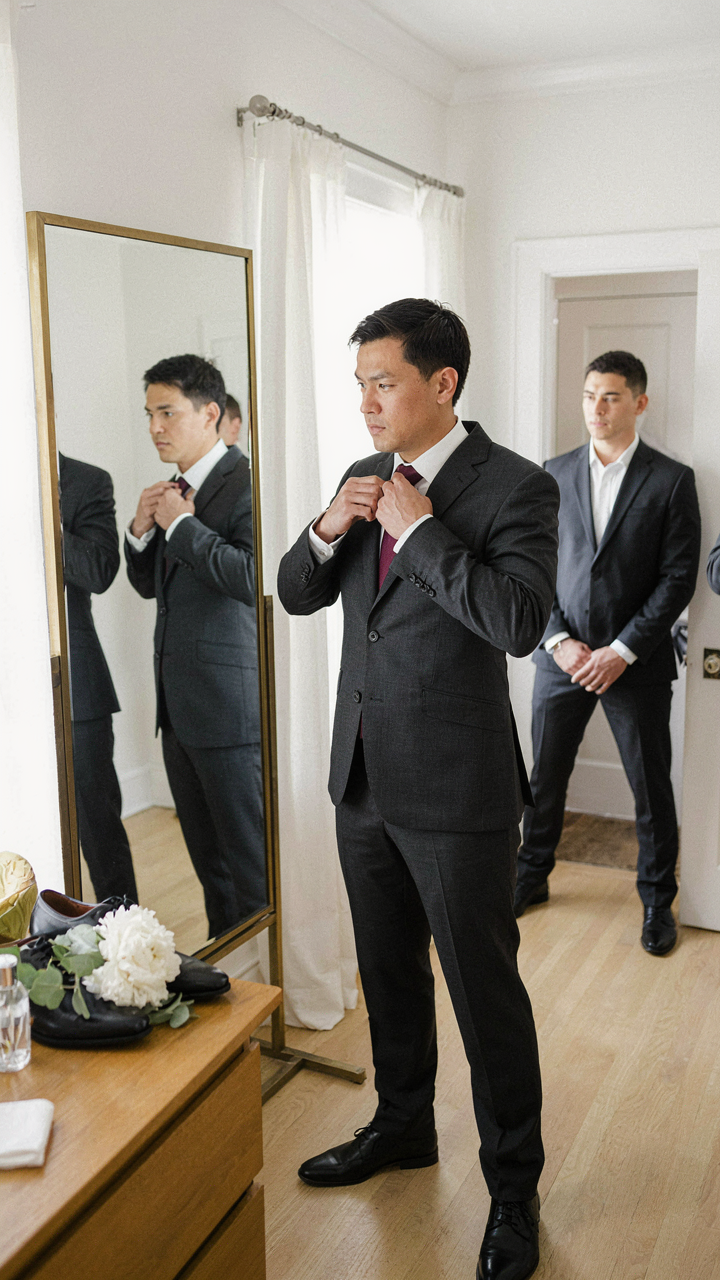
Getting The Moments Before Everyone Performs
You want pre ceremony shots because you’re afraid the photographer will miss the real story. Here’s the mechanism: people perform at weddings. Before the ceremony starts, they haven’t switched into performance mode yet. Their nervous system hasn’t locked down. This is when you get actual human behavior, not poses. A phone or entry level camera catches the bride’s hands shaking, the groom checking his watch, the mother adjusting her dress for the fifth time. These moments have tension. Tension reads on film.
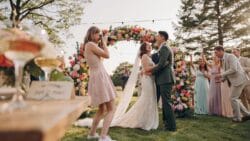
The budget constraint forces you here anyway. Professional photographers charge premium rates for pre ceremony coverage. You eliminate that cost by positioning a second shooter (friend, family member, anyone with a camera) in the getting ready spaces. They don’t need technical skill. They need access and an instruction to film movement, not stillness. Assign them to capture preparation sequences. The getting ready room becomes your asset. You’re paying nothing extra for a full hour of genuine material.
The Pause After The Vows Close Everything Down
Post ceremony decompression generates intimacy because the couple has stopped performing to their audience. They’ve transitioned from the ceremony into the reception liminal space. This is when guards drop fastest. Economics calls this the “elasticity of emotional expression” in high stakes moments. After the peak moment passes, people relax faster than they tensed up. The couple exits the ceremony, walks to photos, waits. In those thirty to sixty minutes, they’re still wired but no longer executing. They’re processing. This is where your candid shots become the most valuable images of the day.
Station your second shooter near the reception space during the ceremony exit and cocktail hour. They shoot the couple walking without direction, talking to family members, sitting alone for moments. No posing requests. The photographer can’t be everywhere at once, especially on a tight budget where you’ve hired them for limited hours. Your backup shooter fills those gaps with zero instruction needed beyond “keep filming.” The couple will forget someone’s recording. That forgetting is the mechanism that produces honest images. That’s your entire budget advantage.
DIY Editing Mastery: Enhancing Candid Wedding Photos Without Pro Costs
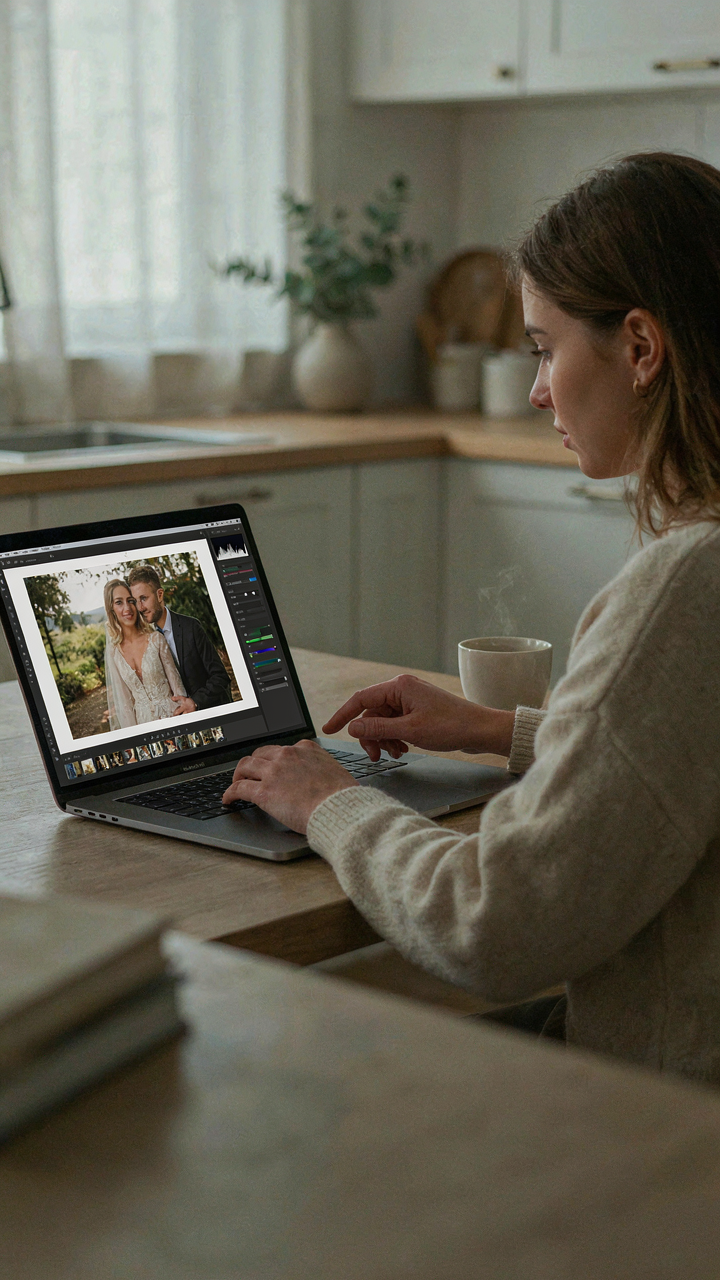
Free Software That Actually Works
You want the edited photos to look professional so nobody realizes you skipped the expensive photographer. Here’s the mechanism: free editing software has crossed a threshold where it handles the technical heavy lifting that used to require paid subscriptions. Lightroom’s free web version, Darktable, and Capture One Express all process raw files. They’re not limited by capability anymore. They’re limited by your willingness to learn one tool deeply instead of jumping between five mediocre options.

Start with Darktable or Capture One Express. Both read raw files and deliver color correction, exposure adjustment, and clarity controls that match what a budget editor charges $200 per wedding to do. Spend two hours learning curves and white balance in one software. Skip the tutorial rabbit hole. Edit five test photos, identify what each slider actually does, then apply that knowledge to your wedding set. The learning curve exists. The cost doesn’t.
Unified Look Without Preset Hunting
Most advice tells you to download presets. That’s incomplete. The real move borrows from industrial design: standardization creates the illusion of intentionality. Apply one color grade to every photo in your set, then make surgical adjustments per image. This creates visual consistency that makes amateur work read as deliberate.
Choose your base grade: slightly warm shadows, lifted blacks, or crushed highlights. Commit to it. Export this as a starting point for every photo. Then adjust individual exposures, crop, and local contrast from that anchor point. This workflow takes 40 percent less time than editing each photo from zero and produces a cohesive gallery that looks like you had a vision, not a camera. The consistency itself is the product people pay for.
The Photo Scavenger Hunt: Engaging Wedding Guests Photography
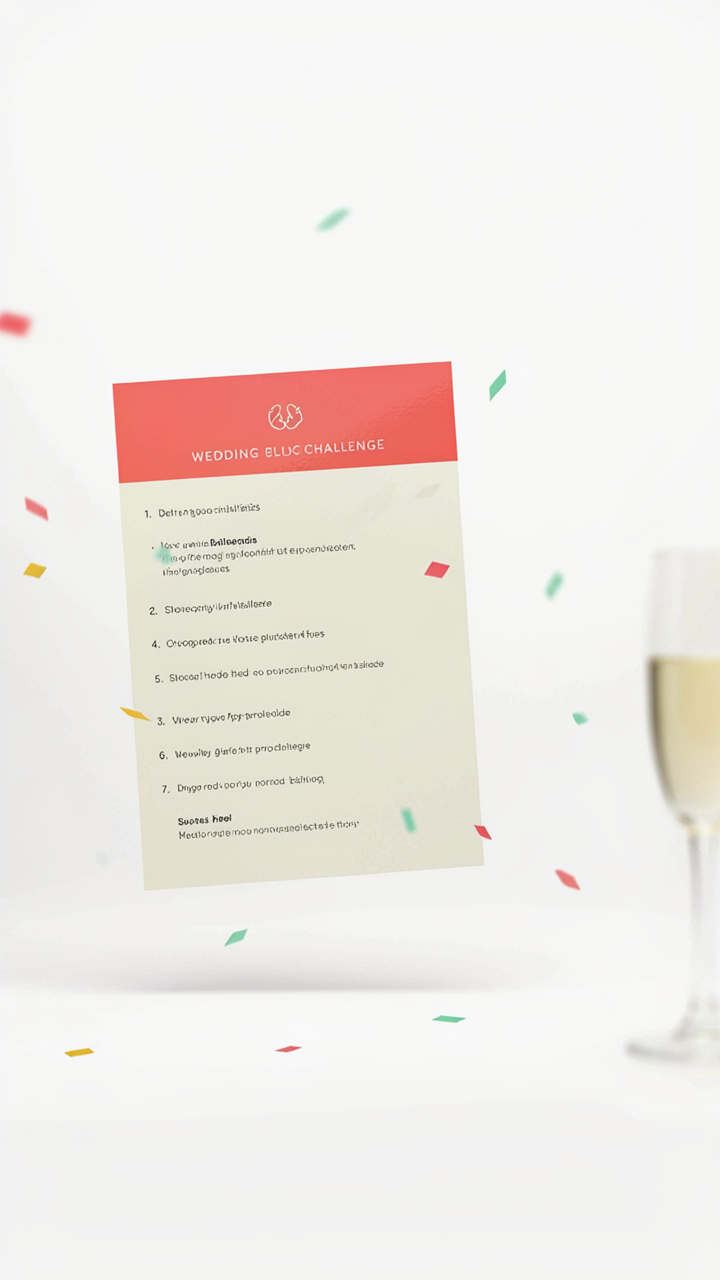
Direct The Shot, Don’t Hope For It
You want your guests to do free labor because you’re afraid a budget photographer will miss moments. Here’s the mechanism: specificity kills ambiguity. When you tell 80 people to “capture candid moments,” they freeze. They don’t know what you want. They take blurry shots of the cake table instead. A shot list removes the guesswork and turns passive guests into directed operators.
Write down five to seven specific moments before the wedding. “First kiss after vows.” “Grandmother laughing during toasts.” “Couple dancing with shoes off.” “Kids running through the venue.” Hand this list to engaged guests two weeks prior. Include a phone number they text photos to. Specificity creates compliance. Your guests stop worrying about being a “real photographer” and just execute the frame.
Gamify The Submission
Competition works. Economics calls this incentive design, and it applies directly to guest photography. Most advice says “ask nicely for photos.” Wrong. Nice gets ignored. A casual competition gets results because it reframes the task from obligation to sport.
Announce a simple prize: best five photos win a physical print or digital album. Judge ruthlessly. Post submissions in real time on a shared folder or hashtag so guests see what others captured. This creates visibility pressure. Guests step up their phone work when they see competition. Set a submission deadline of 48 hours after the wedding. The faster you collect, the fresher the memories and the more willing people are to dig through their phone rolls.
The Real Obstacle Isn’t Your Budget; It’s Your Expectation That Perfection Comes With A Price Tag
You don’t need a $3,000 photographer to capture real moments. You need to stop believing that authenticity requires a premium invoice. Find someone hungry, not someone expensive. Text a photographer with fifty weddings under their belt who charges half the market rate. They’re building a portfolio. You’re building memories. That alignment is where candid magic lives, and it costs almost nothing except your willingness to bet on hunger over hype.