
The Illusion Of Control: Why Your Wedding Day Schedule Is Already Broken

Most Timelines Fail Before The Day Starts
You want your timeline to work because the alternative is chaos, embarrassment, and money wasted on a day that slips out of your hands. The real mechanism is this: most couples build timelines around ideal conditions that never existed. They work backward from a 6 PM ceremony, assume hair takes exactly 90 minutes, and don’t account for the human variables that always appear. The timeline fails not because it’s poorly designed, but because it’s built on fantasy assumptions about how long things actually take.
Professional wedding planners and coordinators don’t fix broken timelines with better math. They fix them by padding every segment and building slack into the schedule without telling anyone it’s there. A 90-minute hair block becomes a 120-minute block on the actual timeline. Guests arrive late anyway. Vendors set up slower than promised. Your timeline needs to survive contact with reality, not compete with it.
The Hidden Variables Nobody Names
Think of your wedding day like a supply chain with multiple dependencies, using manufacturing terminology. In operations, this is called critical path dependency. Your timeline has the same problem: one delayed link breaks everything downstream. Hair runs long, your photographer misses the getting-ready shots. Vows aren’t written until the morning of, and the officiant needs to rehearse them. One vendor arriving 30 minutes late cascades into a ceremony delayed by an hour, even if everything else runs perfectly.
Most couples ignore the variables they can’t control and overestimate their influence on the ones they theoretically can. Weather delays guest arrival. A bridesmaid’s dress doesn’t fit and needs alterations at the last hour. Your first look happens indoors because rain wasn’t in the forecast but appeared anyway. The caterer’s kitchen runs out of a side dish and improvises. These aren’t edge cases, they’re baseline conditions. Build your timeline assuming three things will go wrong, not zero.
The Parkinson’s Law Protocol: Expand To Fill The Time Allotted
Why Your Timeline Always Slips
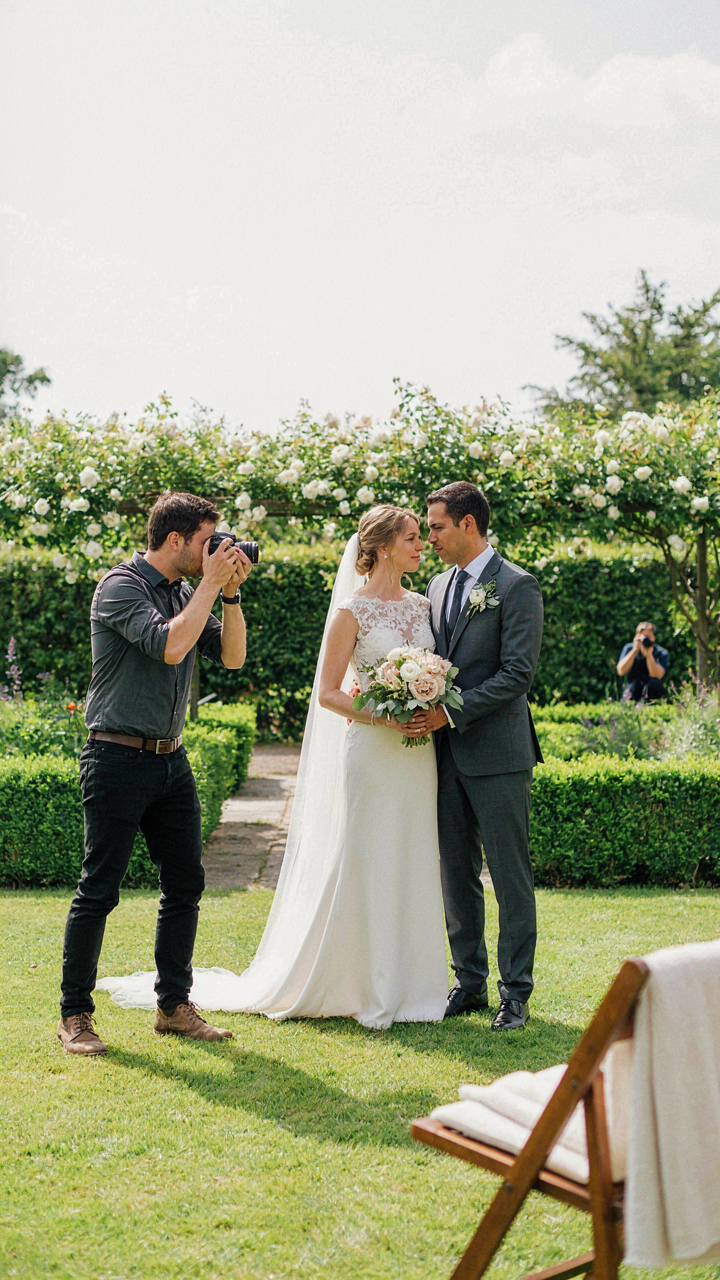
You want to believe your wedding stays on schedule because you’re organized. The truth is harder: tasks expand to consume the time you give them. Parkinson’s Law from organizational physics applies directly here—the moment you allocate ninety minutes for photos, the photographer uses all ninety minutes, whether the work requires it or not. Your vendors aren’t lazy. They’re responding to the container you built. Every gap in your timeline gets filled with waiting, repositioning, or conversation that wasn’t necessary.

The real problem isn’t that things take longer than expected. It’s that you allocated time based on what feels safe rather than what actually happens. Most couples add buffer time as insurance against chaos, then watch that buffer disappear into the same slow-motion activities they were protecting against. You’re not solving for efficiency. You’re just hiding the problem under more time.
Compress Before You Schedule
Stop adding padding to your timeline. That’s the advice everyone gives, and it’s useless because it doesn’t explain why padding fails. You need the opposite move: build your timeline assuming zero friction, then test it. If your ceremony takes forty minutes, schedule it for forty minutes, not fifty. If hair and makeup runs two and a half hours, write two and a half hours. Now run that schedule with your vendors during a rehearsal or walkthrough.
What happens next is critical. You’ll hit friction points immediately. The florist needs five extra minutes to arrange centerpieces. The groomsmen take longer to line up than you thought. The photographer needs transition time between locations. These aren’t assumptions anymore—they’re data. Compress deliberately by removing unnecessary steps, not by magically expecting people to move faster than they move. Build your actual timeline around the compressed version, not the padded fantasy.
The Critical Path Method For Your Wedding Day Timeline
Start With What Actually Matters
You want your day to feel effortless and look controlled. What you’re really afraid of is losing credibility in front of your guests because something visibly falls apart. Project management uses critical path analysis to identify which tasks determine your total project duration—remove one task, nothing changes; delay one task, everything delays. Your wedding day works the same way. Ceremony start time locks everything upstream. Photos before the ceremony lock hair and makeup duration. Dinner service locks guest flow. These aren’t suggestions. They’re load-bearing timelines that cascade backward.

Most couples waste energy on non-critical tasks—welcome cocktail song selection, napkin folding, escort card calligraphy—while ignoring the actual constraints. Your critical path is the longest sequence of dependent events that determines your total day length. Map it first. Everything else threads around it. Start with hard stops: your venue’s rental window, your photographer’s booking hours, your caterer’s service model. Work backward from ceremony start time. This is where your real timeline lives, not in the Pinterest board.
Sequence Your Dependencies And Protect Your Buffers
Events don’t happen in isolation; each one depends on the previous one finishing on time. You can’t start ceremony photos until hair and makeup finishes. You can’t seat guests until the receiving line clears. You can’t serve dinner until guests are seated. Each dependency is a pressure point where delays compound. Build explicit buffer time into every handoff—not padding, but strategic slack. A 15-minute buffer between hair completion and ceremony photo start absorbs the stylist running five minutes late without cascading into the next event.
The real mistake couples make is clustering dependencies too tightly, then blaming vendors when the inevitable happens. Your timeline needs air to breathe. If your caterer needs 20 minutes to plate the first course and your photographer needs 10 minutes to capture the grand entrance, give yourself 35 minutes total, not 30. This sounds obvious until you’re actually scheduling and you’re tempted to compress to fit everything in. During final walkthrough with your coordinator and key vendors, read your timeline aloud together. Where each person says “that’s tight,” add 10 minutes.
The “Chaos Theory” Approach To Your Wedding Schedule

Variables Always Shift On The Day
You want a timeline that proves you have control. That’s the real fear underneath this. But here’s the mechanism: wedding days operate like chaos theory in physics, where tiny initial conditions produce wildly different outcomes. A vendor arriving 20 minutes late, a guest needing a bathroom break, a sudden weather shift, a family member’s emotional moment, an equipment malfunction. None of these are anomalies. They’re the rule, not exceptions.

The traditional advice says “plan every 15 minutes and stick to it.” This fails because it treats the day like an assembly line. It isn’t. You cannot micromanage human behavior or external forces. Instead, you build buffers into the schedule itself, not as “extra time for delays” but as built-in slack where real life happens without derailing everything downstream. Your 4 PM ceremony doesn’t move. Your 6 PM dinner doesn’t move. Everything between those anchors has flex.
Anchor Points, Not Rigid Sequences
Don’t build a schedule with 40 step-by-step time slots. That’s fragile architecture. Build one with four to six immovable anchor points: hair and makeup start, ceremony begins, cocktail hour ends, dinner begins, dancing starts, last song plays. These are the skeleton. Everything else hangs from these anchors with variable spacing, not fixed timing.
Between anchors, you create zones of flexibility. The ceremony will start at 4 PM whether people arrive early or the coordinator runs five minutes late. Cocktails will end at 5:45 PM because dinner service begins at 6 PM. The photographer works backward and forward from these fixed points instead of following a rigid minute-by-minute script. Your timeline becomes a container with known boundaries, not a prison with fixed sequences.
Vendor Accountability: The Unsung Hero Of A Smooth Wedding Day Timeline

Set Expectations Before The Contract签s
You care about this because a vendor who doesn’t know what you expect will make decisions that sabotage your day, and you’ll find out when it’s too late to fix it. The mechanism is simple: vendors operate on assumption when you don’t communicate specifics. They guess at your priorities, your timeline, your pain points. That guess is usually wrong because they’re running ten weddings a year and yours isn’t unique to them.

Write down your timeline requirements before you sign anything. Include arrival times, setup windows, photo blocks, ceremony start, meal service intervals, and breakdown deadlines. Send it in writing, not verbally. Ask them to confirm they can hit those marks. If they hesitate or offer alternatives, that’s your signal they can’t or won’t comply with your structure. Get their acknowledgment in email. This isn’t paranoia. It’s documentation.
Confirm Roles And Create Backup Protocols
Most couples assign roles to vendors but never verify who’s doing what when multiple vendors need to coordinate. Photographer doesn’t know florist is arriving early. Caterer doesn’t know DJ needs sound check at a specific time. Everyone shows up and figures it out on the day, which means delays compound fast. Use a written timeline that names each vendor, their arrival time, their specific responsibilities, and their end time. Send it to all vendors at the same time so they see the full picture, not just their slot.
- Photographer: Confirm arrival time, first shot location, timeline for portraits, cocktail hour coverage, and departure time. Specify if they’re covering ceremony setup.
- Catering: Lock in food delivery time, setup duration, meal service windows, and when they’ll be fully cleared. Clarify if they’re handling bar setup.
- Florist: Confirm delivery window, setup location, installation time, and whether they’re staying through ceremony or leaving after setup.
- Venue Coordinator: Assign them as the point person who oversees timing on the day. They own the master timeline and alert vendors to any shifts.
- DJ or Band: Lock in sound check time, ceremony music cues, reception start time, and any coordination needed with photographer or other vendors.
The venue coordinator becomes your operations manager on the day. Give them a master timeline with all vendor contact numbers and their specific responsibilities. They confirm each vendor has arrived and is on track. If the photographer runs thirty minutes behind, the coordinator alerts the florist so setup timing doesn’t create a cascade of delays. This single role transforms your timeline from a suggestion into an enforced sequence.
The “Buffer Zone” Fallacy: Why More Time Isn’t Always Better

Identify What Actually Stops You
You want padding because you’re terrified of looking disorganized, but bloated timelines create the opposite problem. Borrow from systems engineering: slack is the unused capacity in a workflow. Too much slack and your vendors fill it. Your photographer takes extra shots. Your caterer moves slower. The ceremony runs long because no one feels pressure to stay tight. Slack doesn’t buy you safety—it disguises the real bottlenecks that will actually wreck your day.

The venues and vendors you hire operate on their own internal schedules. Give them two hours instead of one, and they won’t finish faster. They’ll simply work at their natural pace because you’ve signaled that time is flexible. This is why couples with 90-minute gaps between ceremony and reception often run late anyway. You’ve created the illusion of control while removing the mechanism that actually creates urgency.
Place Flexibility Where Risk Lives
Generic advice says add 15 minutes everywhere. Wrong. That’s how you build a timeline that wastes three hours while solving nothing. Instead, map where failures actually happen. Hair and makeup delays stack when multiple people need the same resource. Photography doesn’t slip during portraits—it slips during group shots because coordinating 40 people takes unpredictable time. Reception timing falls apart at toasts and cake cutting because no one owns those transitions.
Build your buffer only where cascading failures stack. Give photography 30 extra minutes, not for the ceremony itself, but for the structured portraits when you control the variables. Keep makeup tight and pre-ceremony padding nonexistent. Add time before the reception begins so delays don’t push dinner back, which then compresses dancing and departure. The key is frontloading decision points so downstream events don’t collapse. Mark transition owners (your coordinator or best man) who physically move people to the next station without waiting for perfection.
The Human Element: Managing Guest And Bridal Party Latency

Tell People Exactly When To Show Up
You care about this because late guests make you look unprepared. Here’s the mechanism: people don’t internalize vague time windows. They hear “ceremony at 4pm” and think they have flexibility. Use supply chain language here—what logistics calls “buffer inventory” is your early arrival window. Build it deliberately into your communication.

Send a single, non-negotiable arrival time to the bridal party at least two weeks out, in writing, via text and email. Not “arrive by 3:45pm.” Say “be seated by 3:35pm, doors close at 3:40pm.” Repeat this time in the week-of reminder and again in a same-day message. Specificity kills ambiguity. People respond to hard deadlines, not suggestions.
Assign Controllers, Not Just Helpers
The common advice here is wrong: telling multiple people to “watch the timeline” guarantees nobody does. You need designated point persons with one job each. Assign your wedding coordinator (or a trusted friend if you lack one) to own bridal party movement. Assign another person to corral family and guests. Make these roles explicit before the day starts.
Brief these controllers the morning of with exact checkpoint times and consequences. “Photographer needs the bride at 2pm. If she’s not ready, text me immediately and we cut the pre-ceremony family photos.” Controllers need authority to make calls and move people—not permission to suggest. They execute. Without this structure, you have fragments moving at different speeds with no one steering.
The “Anti Micromanagement” Wedding Day Schedule

Delegate Authority, Not Just Tasks
You’re afraid your wedding will fall apart without you controlling every 10-minute block. That fear is the problem, not the solution. Delegation in military operations works through what strategists call “commander’s intent”—you set the outcome, not the route. Your coordinator, photographer, and catering captain need to know the goal, the buffer time available, and when to escalate. They don’t need your permission to move cocktail hour 15 minutes earlier if speeches run long.

The mechanism is simple: give your vendors a written timeline with decision thresholds, not minute-by-minute instructions. Your planner needs to know “we want guests seated by 5:45 PM” but should own whether that means starting the processional at 5:20 or 5:25. This removes the bottleneck of you being the only person allowed to solve problems. It also stops the coordinating chaos of seven people texting you for approval when the real issue was never unclear in the first place.
Outcomes Over Every Detail
Saying “focus on the big moments, not the small stuff” is lazy advice. Here’s what actually works: identify three to five critical time anchors for your day—ceremony start, first look, dinner service start, dancing start—then build 15-minute buffers around each one. Everything else gets flexibility. Your vendors operate inside those buffers without checking in.
The difference matters because it changes how your team thinks. They stop asking permission for minor adjustments and start problem-solving in real time. Your florist doesn’t wait for you to approve moving centerpieces 10 minutes earlier if the caterer needs the table space sooner. Build your timeline around what can’t move, then let the gaps breathe.
The Feedback Loop: Post Event Analysis For Future Success

Audit The Actual Timeline, Not Your Memory
You want to know what happened so you can feel in control next time. That’s not the real reason you need this. You need it because your memory of the day is corrupted by adrenaline and emotion, and you will repeat the same mistakes unless you document what actually occurred. Treat your wedding timeline like an engineer treats a failed system: extract data, not feelings. Compare your planned schedule against what your photographer and videographer captured. The timestamps don’t lie.

Most couples skip this step because it feels like admitting failure. They remember the day as smooth and say “it all worked out.” But worked out and optimized are different things. You likely lost thirty minutes somewhere and gained it back through panic, compressed vendor transitions, or guests waiting during a gap. Write down every actual start time and stop time for each segment. Note where you deviated from the plan and why. This creates a factual record that beats any instinct-based recollection by miles.
Document Decisions For The Next Complex Event
System thinking borrowed from operations management applies here: what you call a “bottleneck” is actually a constraint that appears in the same place every time. Your first wedding timeline had constraints at hair and makeup, photo session length, or cocktail hour coordination. Once identified, constraints become reusable knowledge. Build a template. Note which vendors started late, which logistics failed, which communication gaps created delays, and which buffer times you actually needed versus which ones you wasted.
The real output of this analysis isn’t nostalgia or lessons learned in the abstract. It’s a specific decision protocol you follow for your next large event, whether that’s an anniversary party, a vow renewal, or someone else’s wedding you’re helping coordinate. You document three things: trigger conditions that signal a timeline slip is happening, the corrective action taken, and whether it worked. Store these with the original timeline. When you face the next complex event, you don’t reinvent the wheel. You run the protocol that worked.
The Lean Manufacturing Wedding Timeline

Cut The Tasks That Don’t Matter
You want your timeline to run like clockwork because you’re terrified of looking disorganized in front of your guests. That fear is valid. Here’s the mechanism: lean manufacturing eliminates waste by identifying which activities add value and which don’t. On a wedding day, “value” means moments guests experience or remember. Everything else is inventory you’re carrying for no reason.
Most couples pad their timelines with buffer tasks that sound professional but serve no function. Hair and makeup doesn’t need a thirty-minute cushion if you’ve hired the right vendors. Cocktail hour doesn’t require a forty-five-minute gap. The ceremony doesn’t need an extra fifteen minutes of “setup time” beyond what the venue actually requires. You’re holding dead weight that makes your day longer without making it better. Strip those out. Build your timeline backward from your venue’s actual hard constraints—when they flip the room, when they close the kitchen, when they need you gone.
Stack Events Back To Back
The real mistake couples make is treating idle time as safety. It’s not. Idle time is where your day dies. In lean operations, just-in-time delivery means the next resource arrives exactly when the previous task ends. Your wedding day works the same way. Cocktail hour should start the moment your ceremony ends. Toasts should begin when dinner plates are cleared, not thirty minutes later. Dancing starts when the last toast finishes.
This doesn’t mean you’re rushing guests or cutting moments short. It means you’ve eliminated the gaps where energy dies and people check their phones. Build your timeline with zero space between major events. Your photographer knows they shoot ceremony, then immediately pivot to family photos during cocktail hour. Your caterer knows dinner service starts at a locked time, not “whenever.” This requires a detailed briefing with every vendor two weeks before the wedding, and a timeline printout they carry on the day. The mechanism is specificity: when no one is guessing, no one falls behind.
The Real Obstacle Isn’t The Clock, It’s Your Unrealistic Expectations

You don’t have a timing problem. You have an expectation problem. Every delayed wedding runs on the same fuel: couples who demand perfection while refusing to cut anything. The fix isn’t hiring a better coordinator. It’s you saying no to things that don’t matter. Open your timeline right now and delete one event you added because someone else wanted it. That single cut saves hours of stress. Your wedding stays on schedule the moment you stop trying to please everyone in the room.