The Unconventional Bride: Redefining Wedding Day Photos Must Have Getting Ready

Luxury Is The Constraint, Not The Goal
You want the bridal suite because you think it signals you did things right. That’s the real problem. The mechanism at work here is scarcity thinking applied backwards: you believe constraints limit your options when they actually force better decisions. A dedicated suite breeds bloat. You add people, extend timelines, shoot filler footage nobody needs. Remove the suite and you compress the operation into something intentional.
Getting ready without a bridal suite forces you to own one hard truth: every minute and every angle must earn its place. You stop performing luxury and start executing strategy. Your photographer works tighter. Your team stays focused. The getting-ready footage becomes editorial instead of documentary filler. This isn’t about making the best of a bad situation. It’s about recognizing that constraints breed clarity.
Authentic Backdrops Beat Staged Ones
Most bridal suite shots look identical because the backdrop is designed to be neutral and flattering to everyone. That’s exactly why they fail. Your actual getting-ready location—a hotel room corner, a borrowed apartment, a family home—holds visual information that tells the truth of who you are. Photographers call this environmental portraiture. It works because the setting becomes an extension of the story, not a prop that distracts from it.
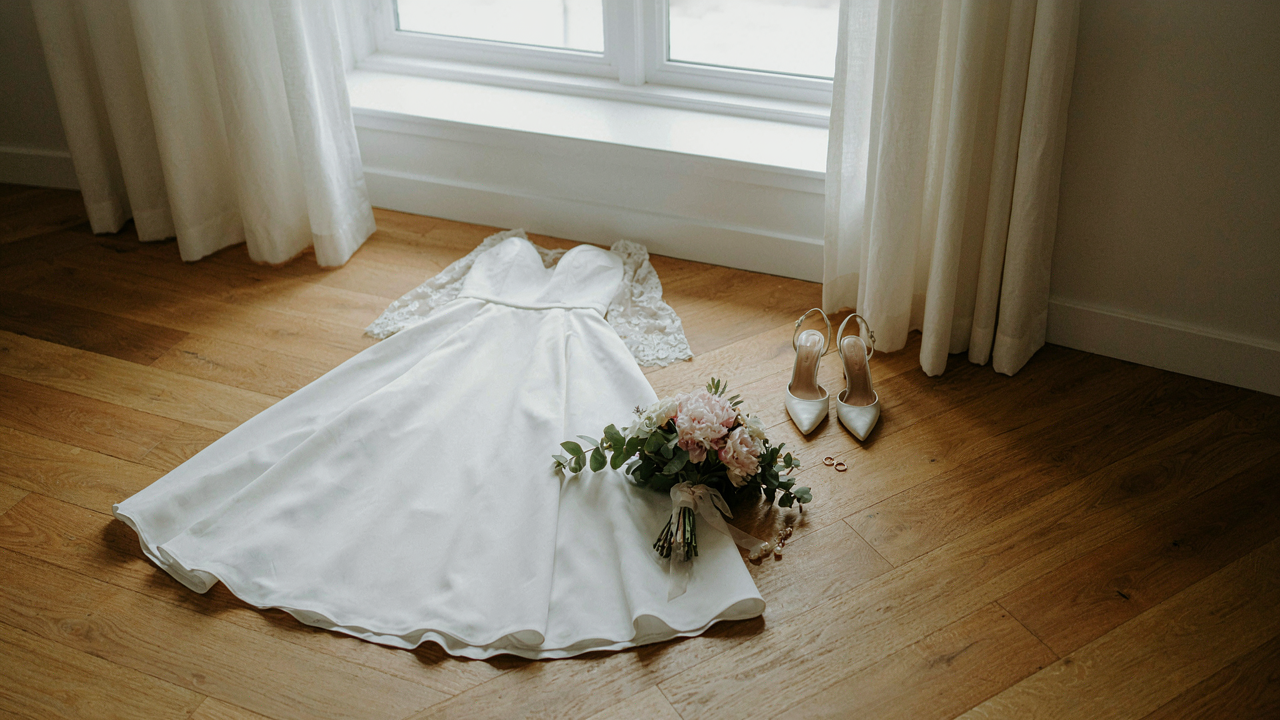
The work is identifying what in your actual space reads on camera. Natural light near a window beats studio setup every time. Texture matters: exposed brick, vintage wallpaper, wood grain. Your photographer needs to scout the space beforehand and plan angles around what’s already there. You don’t style a getting-ready shot. You document it strategically. Tell your photographer where the light hits at what time, and let them build the frame around that instead of fighting generic white walls.
The Pre Dawn Reconnaissance: Scouting Your Bride Getting Ready Room
Light, Space, And The Actual Constraints
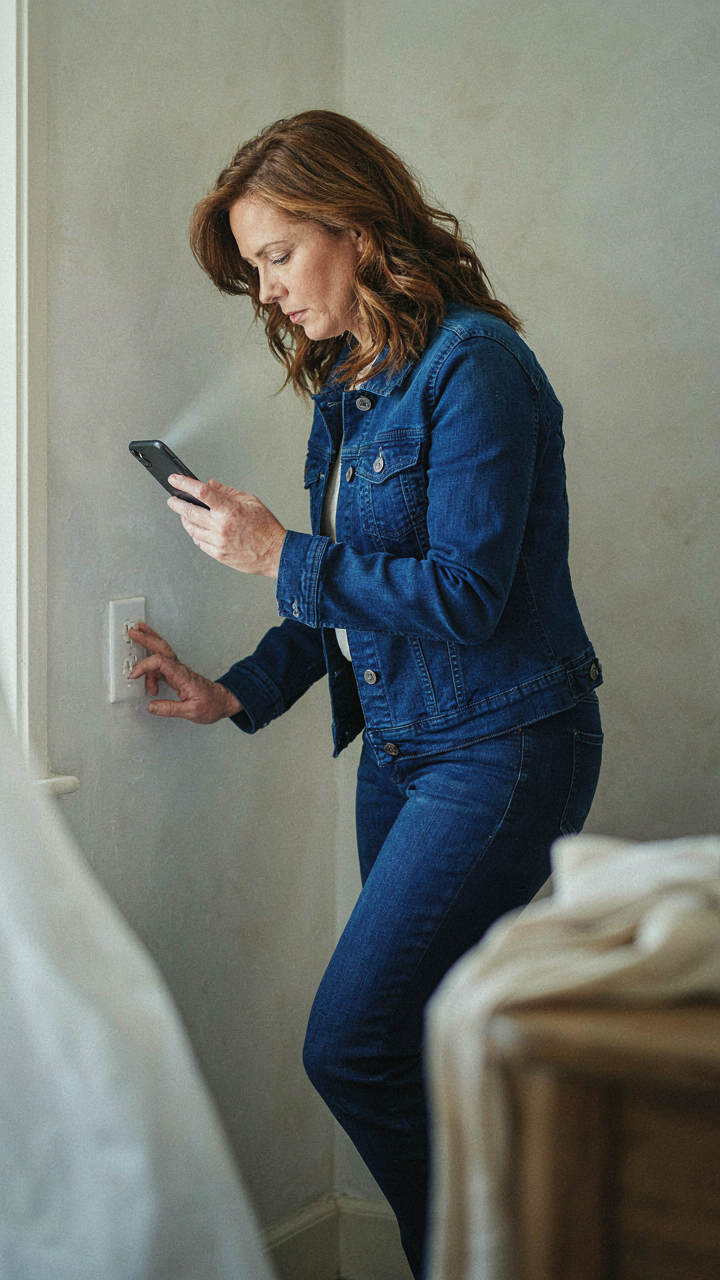
You’re worried this matters because it feels like you’re supposed to have control over your wedding day, and losing a professional bridal suite means losing the narrative you thought you’d paid for. The mechanism is simple: light determines whether your makeup reads or vanishes, space dictates whether your team can physically stand in the room without overlapping, and outlets determine whether your stylist’s tools actually run. Scout your location 48 hours before the wedding, not the morning of. Bring your phone’s flashlight, walk through at the exact time you’ll get ready, and count usable outlets. Photograph the corners where natural light hits hardest.

The second layer is airflow and temperature. A cramped room with six people and a curling iron becomes a sauna within 20 minutes, which degrades makeup and creates sweat marks on your dress before you walk. Open windows before your team arrives. If your location lacks windows or natural ventilation, buy a portable fan and position it to move air without creating a wind tunnel on your face. Test the shower or bathroom fan beforehand. A 10-degree temperature variance changes how your makeup sets and how your hair holds. This isn’t aesthetic preference. This is physics.
Positioning For Candid Coverage, Not Accident
Photographers shoot what exists in front of them, so the location you choose determines whether candid getting ready photos show chaos or intention. Stop thinking about “natural light” as a vague good and think about it as directional staging. Window light with a hard edge creates depth and definition in photos. Light bouncing off white walls flattens your face and your makeup artist’s work. Scout for a spot where a north-facing or east-facing window (depending on your wedding time) puts soft, directional light on the mirror where your makeup happens. If your getting ready location has no window, one speedlight or ring light positioned above the mirror eliminates harsh shadows without requiring a professional setup.
The photographer needs sightlines, not obstructed views from a bathroom doorway. Identify one corner of your room that doesn’t jam people shoulder-to-shoulder and position your mirror and makeup setup there. This single detail determines whether your getting ready photos show your stylist’s work or just you crammed between a wall and your mother. Walk through the space with your photographer 30 minutes before getting ready starts. Point out the angle you want captured. Tell your team where to stand. Control the frame before the camera rolls.
The “Operation Flawless” Protocol: Getting Ready Wedding Day Playbook
Schedule Your Day Like You’re Running A Supply Line
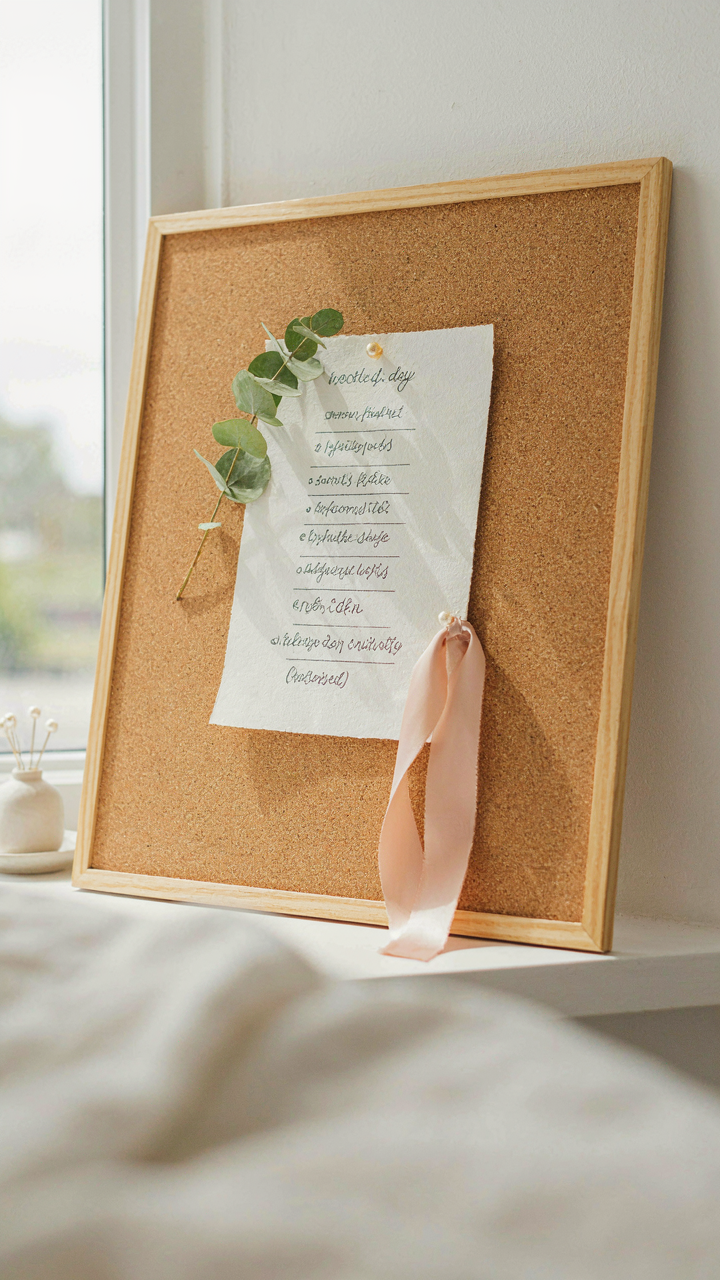
You care about this because you’re terrified of running late and looking unprepared in front of everyone who matters. The real mechanism is simple: without a bridal suite, you have zero buffer. In military logistics, synchronization is the cornerstone—every unit moves on the same timeline or the entire operation collapses. Your getting-ready day works identically. You need to backmap from your ceremony start time in 15-minute increments, accounting for travel time, photo call, hair touch-ups, and the chaos that always emerges.

Start with your ceremony time and work backward. Hair takes 45 to 60 minutes. Makeup takes 30 to 45 minutes. Dress, shoes, and jewelry take 20 minutes. Add travel time to your venue. Add 15 minutes of buffer for the thing that will definitely go wrong. Now build your actual start time. Write this schedule down and send it to everyone involved: hair stylist, makeup artist, photographer, whoever’s coordinating. No assumptions. No “I thought we were starting at eight.” Precision eliminates panic.
Assign Roles Like A Command Structure
The common advice says “have someone help you.” That’s lazy and creates ambiguity. You need a command structure with one person holding authority over logistics, one handling supplies, one managing communication. In combat operations, chain of command prevents duplicate effort and decision paralysis. Your getting-ready operation requires the same clarity. Assign your mom, your partner, your best friend, or a coordinator a specific title and mandate.
Your logistics commander owns the timeline and keeps people moving. Your supply handler tracks your dress, shoes, clutch, bouquet, and any touch-up items. Your communications officer texts updates to your photographer and venue contact. Each person knows their scope and doesn’t step outside it. One person decides if you’re running behind and communicates adjustments. This structure prevents three people shouting conflicting advice while you’re standing in your dress. Centralized authority kills confusion in high-pressure moments.
The Minimalist’s Advantage: Essentials For Brides Getting Ready
Curate What Actually Gets Used
You’re worried a cramped getting-ready space means you’ll look unprepared or rushed. The real mechanism is simple: constraint forces prioritization. Without a dedicated bridal suite, you can’t hide behind excess. You own only what serves the outcome, which means faster decisions and zero wasted motion.

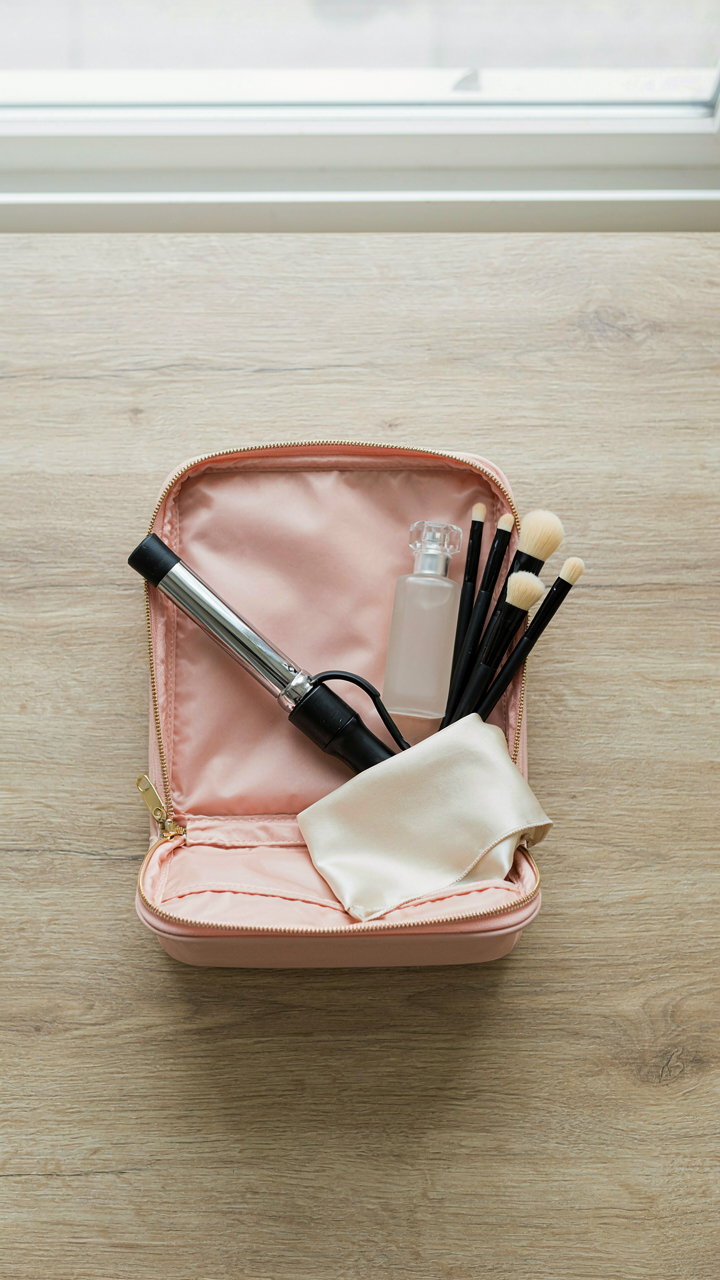
Start by listing every single item you touched during your engagement photos, trial run, or the last formal event you attended. That’s your baseline. Everything else is theater. Strip it down to the tools that directly change how you look in the final photos and ceremony. Hair tools, makeup, undergarments, dress, shoes. Anything that doesn’t actively move the needle gets eliminated or stored elsewhere.
Remove The Friction Points
Everyone tells you to “stay organized” and “keep things tidy.” That’s useless advice. The real problem is decision fatigue, which psychology research links directly to depletion of cognitive resources. Each choice you make drains the same mental energy you need for composure. Fewer items mean fewer decisions.
Pre-stage everything the night before in the exact order you’ll use it. Hair first, then makeup, then dress. Group by category in one bag or box. Label it if you’re sharing space with others. This isn’t organization for aesthetics, it’s protocol design. You execute a sequence, not a search. By the time you’re getting dressed, your only decision is “next step,” not “where is my blush.”
Leveraging Your Hype Squad: Maximizing Support For Wedding Photo Ideas Getting Ready
Assign Clear Roles Before The Day
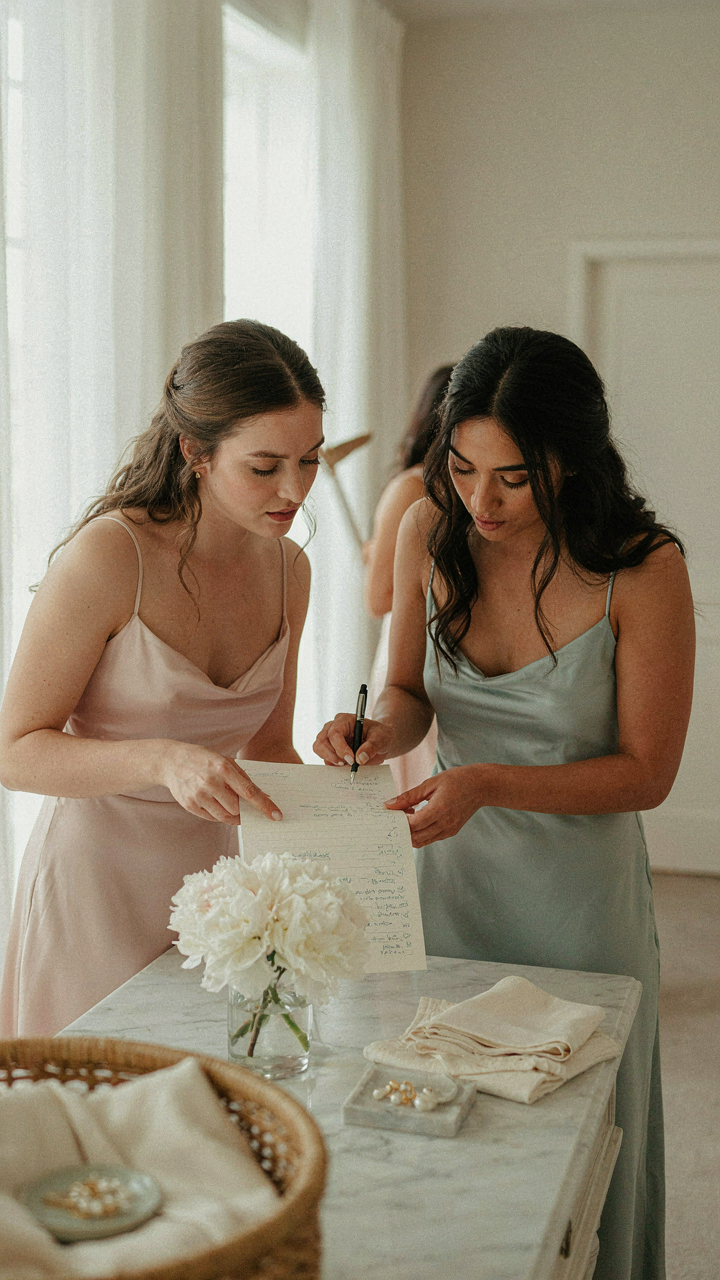
You want your bridesmaids to look useful in photos without actually getting in the way. That’s the real tension here. Borrow from military operations: every soldier has a sector of responsibility. Apply this to your getting-ready space. One person handles hair touch-ups. Another manages your dress. A third coordinates timing with the photographer. One manages logistics like water, snacks, phone charging. This prevents the chaos of five people doing the same task or nobody doing anything. Write these roles down and send them a week before the wedding.

The mechanism is specificity. Vague instructions like “help me get ready” create decision paralysis and duplicate effort. When someone knows their single job, they execute it without negotiation. Your photographer also needs this list so they know who to capture in frame and why they’re positioned where they are. This transforms bridesmaids from decorative bystanders into functional components of your getting-ready narrative.
State Expectations In Writing, Not Verbally
People mishear or forget verbal instructions. Email your bridesmaids a simple document with three sections: timing, logistics, and their specific role. Include what time they arrive, where you’re getting ready, what they should wear, and what they’re responsible for. Verbal communication feels more personal but creates the most friction because it leaves room for interpretation. Written communication feels cold but eliminates misunderstanding.
The document also functions as a reference they can check if they forget mid-event. Nobody remembers a conversation from two weeks prior when they’re stressed and running behind schedule. Your bridesmaids want clear direction because it removes anxiety about whether they’re doing it right. One email prevents a dozen text conversations and prevents the awkward moment where someone does something you didn’t ask for during crucial photo moments.
The Ambient Architect: Crafting Your Getting Ready Wedding Vibe

Sound And Scent Control The Nervous System
You want this section because you’re afraid you’ll feel out of control getting ready without a dedicated space. The mechanism is simple: your nervous system doesn’t distinguish between a bridal suite and anywhere else. What it responds to is input. Sound and scent bypass your rational brain and hit the limbic system directly, which means they work faster than any pep talk or distraction.

Spotify playlists and ambient noise apps are the obvious play, but they’re incomplete. You need sonic layering. Start with a base frequency around 40 to 60 hertz—binaural beats or frequency music—which research in acoustic design shows stabilizes cortisol levels. Layer your actual playlist on top. The base handles the nervous system. The songs handle your mood. Scent works the same way. Lavender, cedarwood, or your usual perfume—pick one and stick with it. Your brain will anchor calm to that smell. Bring a diffuser or use scent strips in your getting ready space the night before so the association primes your body.
Visual Anchors Lock Your Aesthetic
Most getting ready advice treats your space like a temporary dressing room. Wrong. You’re building a reference frame so your team reads off the same visual language you do. This matters because makeup artists, hair stylists, and photographers will all interpret “glowing” or “soft” differently if they have nothing concrete to reference.
Create a mood board before the day arrives. Not a Pinterest collection—a physical or digital folder with five to seven images showing your exact hair texture at that length, your skin tone under your preferred lighting, the makeup intensity you want, and how you want fabric to drape. Post this in your getting ready space or send it to your team forty-eight hours prior. Pin one printed copy where you’ll see it in mirrors. This removes ambiguity and keeps decisions anchored when chaos starts. Your team stops guessing. You stop second-guessing. Everyone operates from the same visual protocol.
The “Ready For Anything” Contingency: Backup Plans For Wedding Picture Poses

When Light Turns Against You
You’re worried the photos won’t look as good without a dedicated bridal suite. That’s the real fear underneath this. Here’s the mechanism: lighting conditions shift unpredictably throughout the day, and you lose control the moment you don’t have a controlled space. Borrow from photography’s inverse square law—light intensity drops with distance. This means a 10-foot move away from your primary light source cuts usable brightness by 75 percent. Scout your actual getting-ready location days before and identify where direct sun hits at your exact ceremony time.

The common advice here is generic: “Have backup lighting.” That’s incomplete. You need specific fallback positions mapped to specific times. If your main getting-ready spot gets backlit at 2 PM, identify an interior corner with soft indirect light by 1:30 PM. Test it with your phone camera under identical conditions. Confirm your photographer knows these positions exist and why you’re moving. This isn’t improvisation—it’s a predetermined protocol.
Posing Without Four Walls
Real talk: you don’t need a bridal suite to create strong poses. You need clear sight lines and depth. Borrowed from architecture, a “focal plane” is the primary surface the camera frames against. In most homes, you’re working against cluttered backgrounds. Find spaces where you can place yourself 8 to 12 feet from a clean wall, door, or window. This creates separation and makes you the subject, not the room.
Develop three to five alternate poses before getting ready. One seated at a table or bench. One standing in a doorway. One near a window showing detail work (shoes, ring, veil). One full-length against a neutral wall. One in motion—walking toward the mirror or adjusting your dress. Practice these poses in casual clothes the day before. Show your photographer photos of the spaces so there’s zero confusion on timing. Muscle memory plus pre-scouted locations equals photos that work regardless of where you finish getting ready.
The Post Preparation Debrief: Learning From Your Getting Ready Experience

What The Photos Actually Reveal
You want to review photos because you’re afraid you missed something, wasted effort, or looked worse than you felt. Here’s the real mechanism: photos capture what your nervous system couldn’t process in real time. Your brain was managing logistics, emotions, and timing simultaneously. The camera saw the room setup, lighting quality, spacing between people, and timing gaps. Review photos for placement optimization. Where did people naturally cluster? Which corners stayed empty? Where did the light fail? This data tells you exactly which setup elements worked and which created friction. The goal isn’t nostalgia. It’s extracting the variables you can control next time.

The second layer is timing visibility. Photos timestamp the actual duration of each phase. Your perception of how long makeup took versus hair versus dressing won’t match reality. Compare your timeline estimate to the photographic evidence. You’ll find that one task consistently ran over, or one person needed more prep space than you allocated. This isn’t about blame. It’s about calibration. When you plan the next event, you adjust based on facts, not feelings.
The Real Debrief Protocol
Common advice says “note what worked” like that’s somehow useful without structure. It’s not. Use the systems thinking framework here: inputs, processes, outputs, and feedback loops. Your input was your space constraint. Your process was your preparation sequence. Your output was your appearance and timeline. Your feedback loop is what happens next time. Document three specific failures and three specific wins. Not “hair looked good.” Document “blow dry plus styling took forty-eight minutes with one mirror and two people waiting.” That’s actionable.
Run a post-event debrief with anyone who helped you prepare. Ask them what created bottlenecks from their perspective. They saw problems your anxiety filtered out. Collect their specific observations about space, timing, and communication gaps. Then build a one-page getting ready protocol for your next high stakes event. Include room layout, task sequence, time blocks, and role assignments. This becomes your operating manual. You stop improvising. You stop leaving outcomes to chance. The protocol is the only asset that matters.
The Real Obstacle Isn’t The Room, It’s Your Internal Chaos Demanding External Validation

You’re not stressed about getting ready without a bridal suite. You’re stressed because you built a fantasy in your head and now reality doesn’t match it. Stop treating your wedding morning like a movie scene. Pick one person who grounds you, lock yourself in whatever space you have, and turn your phone off for two hours. The room doesn’t make the bride. Your clarity does.