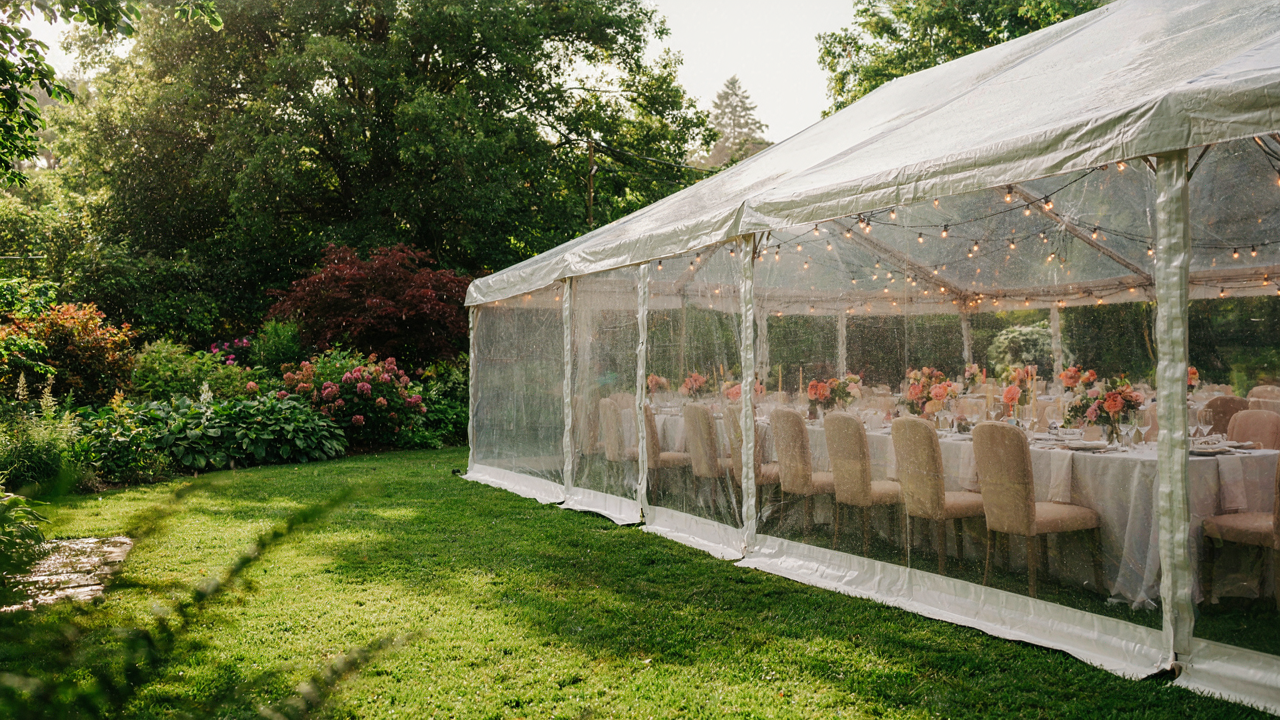
The Inevitable Reality Of Outdoor Wedding Rain

Stop Pretending Weather Is Negotiable
You care about this because rain feels like a failure of control, and weddings are where you perform competence to people who matter. The mechanism is simple: outdoor rain isn’t random chaos to eliminate. It’s a probability you miscalculate by treating it as unlikely when meteorology says otherwise. Most couples plan as though rain won’t happen, then panic when it does. That’s not bad luck. That’s bad math.
Rain falls on roughly 20 to 30 percent of outdoor events depending on region and season. Weather doesn’t care about your deposit or your vision board. The couples who execute well on rain days didn’t get lucky. They ran the numbers beforehand, built contingencies into their budget and timeline, and treated rain as a scenario to design for, not a disaster to pray away. Start here: acceptance isn’t resignation. It’s clarity.
The Risk Assessment You Skip
Most wedding planning uses what military strategists call “wishful thinking” instead of contingency planning. You assume good weather, then scramble when clouds roll in. Real risk assessment means identifying three specific outcomes: light rain (under half inch per hour), moderate rain (half to one inch per hour), and heavy rain (over one inch per hour). Each requires different responses and different infrastructure. You can’t plan equipment or timing without knowing which scenario you’re actually ready for.
Map this onto your specific venue and date. Check historical weather data for your location on your wedding date going back ten years. Look at average rainfall, probability of precipitation, and typical storm duration. This isn’t superstition or anxiety. It’s baseline information that lets you make decisions with real constraints instead of guesses. Once you know your actual rain probability, you can decide what contingencies matter and which don’t. Contingencies you don’t build cost double when you need them.
The Pre Emptive Strike: Your Outdoor Wedding Rain Plan
Vet Vendors On Wet Weather Experience
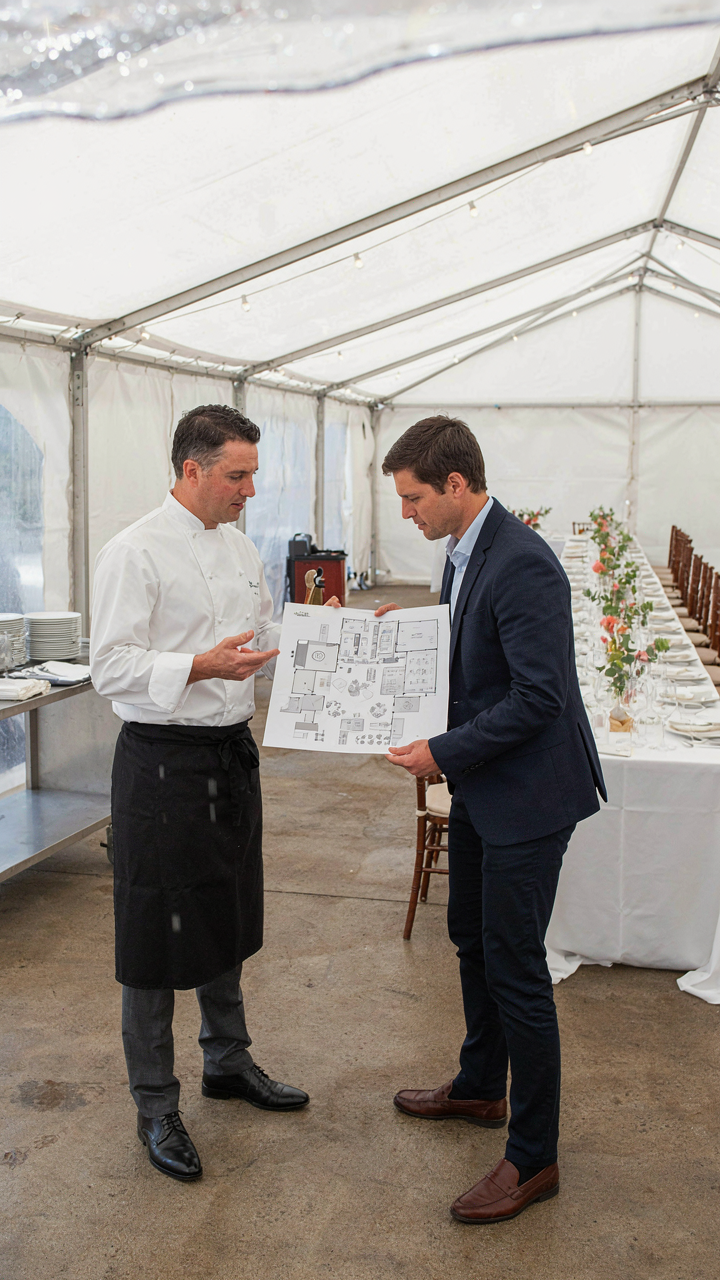
You’re worried about looking unprepared, but the real problem is that most vendors have never actually executed a rain pivot and won’t admit it until water hits the ground. Think of vendor selection like military logistics: you need suppliers who’ve proven they can operate under adverse conditions, not theoretically. Ask caterers if they’ve plated food in tents during actual rain. Ask photographers if they’ve shot in overcast conditions and still delivered usable images. Ask your florist if they’ve secured centerpieces that won’t wilt or topple in wind. The mechanism is simple: vendors who’ve done it before have systems. Vendors guessing don’t.

Demand specifics during initial consultations. Don’t accept “we’ll figure it out.” Ask what happens to their timeline, their equipment, their deliverables. A tent company that’s weathered actual events knows load times, drainage requirements, and wind ratings. A catering team that’s worked rain knows how to keep hot food hot and protect plating. The vendor’s willingness to detail their wet weather protocol is itself the signal. If they hesitate or become vague, they haven’t done it enough.
Contracts That Actually Protect You
Most couples get boilerplate contracts that mention “acts of God” and leave them exposed. The standard clause protects the vendor, not you. Demand explicit language: what gets moved, what gets refunded, what happens to timing, who pays for the tent, and when decisions get made. Rain clauses should specify decision points, not vague contingencies.
Your contract needs concrete trigger conditions. Example: if rain begins before the ceremony starts, the timeline shifts by X hours or the event moves to the backup location by Y time. If rain starts during cocktail hour, the caterer serves the meal in the tent by Z time. Get penalty clauses for vendors who fail to execute the agreed pivot. Payment terms should include holdbacks tied to successful rain execution, not just showing up. This forces accountability.
Strategic Shelter: The Rainy Wedding Aesthetic
Tents Beyond The Obvious
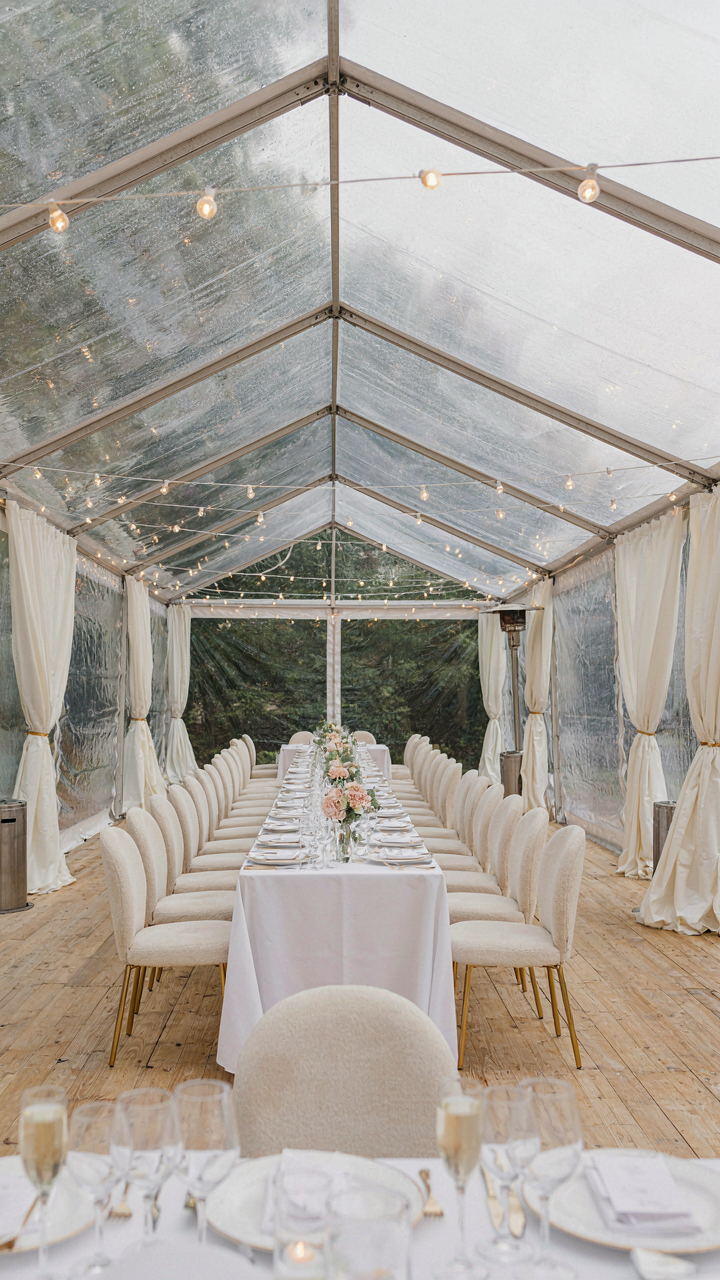
You want the rain to look intentional, not like a backup plan. That’s the real motive here. Borrow from architecture’s concept of “parti”—the organizing principle that makes a space feel designed rather than assembled. Your tent becomes the parti. A clear-top tent signals confidence. It frames the rain as texture, not obstruction. The guests see weather become part of the composition instead of a problem you’re hiding.

Sidewalls matter more than most planners admit. Transparent or semi-transparent panels keep sightlines open while blocking wind and spray. Draping the interior ceiling changes the entire mood—dark fabric absorbs light and creates intimacy; light fabric bounces it and feels open. The frame itself should disappear. Minimal poles, clean lines, no visible seams. Guests notice when the shelter feels like architecture versus when it feels like a tarp stretched over necessity.
Lighting And Warmth In Wet Conditions
Rain kills most outdoor lighting strategies. Wet surfaces kill uplighting. Soggy ground makes string lights sag and look defeated. Use overhead and pendant fixtures instead—they work regardless of moisture and cast light downward where guests actually are. Heat matters tactically, not sentimentally. Propane heaters placed at table height solve the shiver-factor that kills mood faster than bad speeches.
Color temperature shifts how people read the space. Warm light (2700K) makes rain feel cozy and intimate. Cool light (4000K or higher) makes it feel stark. Choose warm. Position heaters so they create warmth zones without being visible focal points. Run a test run with your lighting and heating setup before the day arrives. You need to know how shadows fall, where pools of warmth actually reach, and whether your chosen ambiance reads as “planned elegance” versus “we’re making do.”
The “Weather Is A Tool” Protocol
Terrain Becomes Your Advantage
You want rain to feel like a problem you solved, not something that happened to you. The mechanism is borrowed from military strategy: terrain isn’t neutral space, it’s a force multiplier. Rain transforms your venue’s geography into either liability or advantage depending on how you’ve positioned your logistics. The difference between chaos and control is recognizing rain as a variable you can weaponize, not one that weaponizes you.

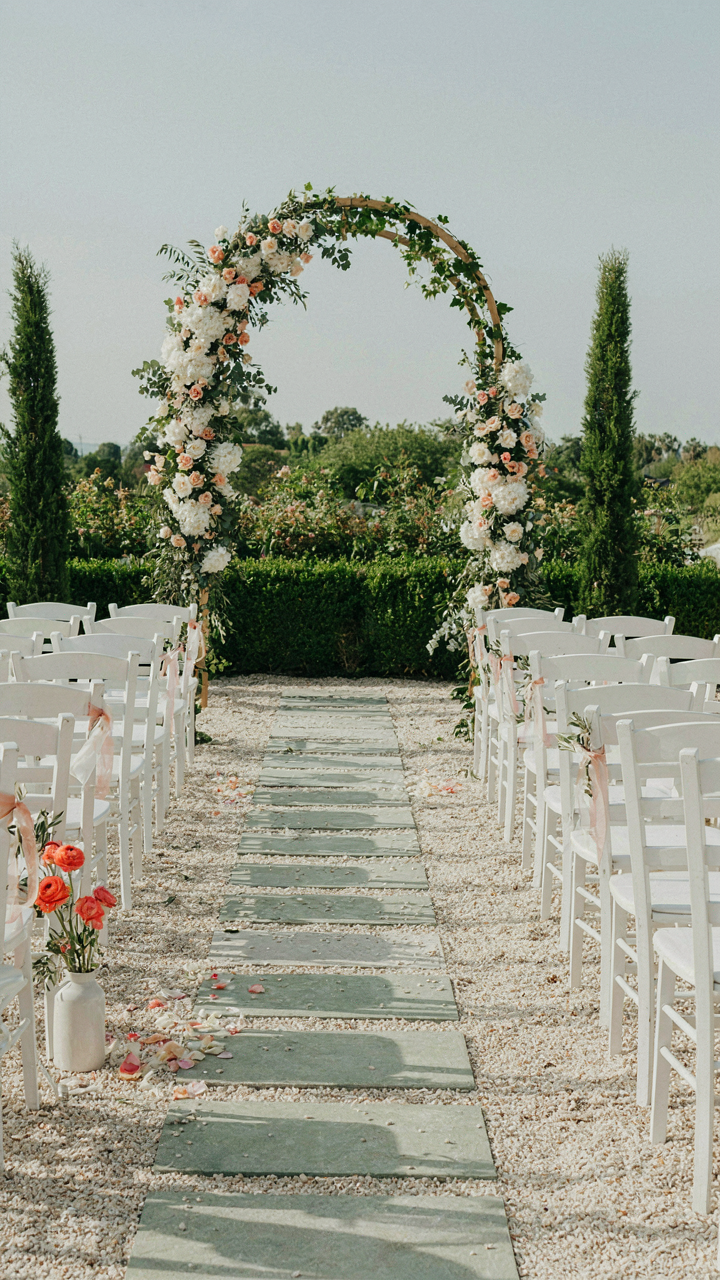
Identify high ground before the wedding day arrives. Slopes and elevated areas shed water naturally and keep guests away from puddles and mud. Position your ceremony stage on a rise, your bar and food stations on platforms or under covered structures positioned at natural drainage points. This isn’t decoration, it’s hydrology. When rain falls, water flows downhill. Place your dance floor and main gathering space where water wants to go anyway, then redirect it intentionally through gravel, permeable pavers, or cleared paths that slope toward landscaping or storm drains. Your venue isn’t fighting rain. Your layout uses rain’s own physics against pooling and flooding.
Adaptation Over Rigid Plans
Evolutionary pressure teaches one lesson organisms learn or die: rigidity kills, flexibility survives. Your wedding timeline isn’t sacred, it’s a hypothesis that gets tested by conditions. The moment you cling to “we’re doing the ceremony at three o’clock no matter what,” you’ve already lost the cognitive flexibility to make better decisions when rain arrives.
Build branching contingencies into your schedule, not backup dates. If the forecast shifts to heavy rain at your ceremony time, move the ceremony start to either two hours earlier or two hours later, triggering pre-arranged communication to guests via text. Station a point person to monitor weather radar ninety minutes before each major event block. If conditions worsen, activate your indoor pivot: abbreviated ceremony in the venue’s interior space, cocktail hour moved to covered lounge, reception timing compressed but uninterrupted. The protocol isn’t “hope for good weather.” It’s “make the decision to shift before rain forces it on you.”
Redefining Beauty: Wedding Photos Rain

Dramatic Shots Through Weather
You want rain photos to look intentional, not like you’re making the best of a disaster. The mechanism at work here is contrast—in photography, contrast creates visual tension and stops the eye. Rain introduces layers: foreground precipitation, middle-ground subjects, background fog or landscape. Your photographer uses these layers to build depth that clear skies cannot deliver naturally.

Umbrellas act as compositional anchors and color blocks. Black umbrellas read as bold graphical shapes against gray skies. Wet pavement becomes a mirror, doubling the visual information in the frame. Fog rolls in as a depth tool, softening backgrounds and creating separation between subject and environment. These aren’t mood tricks—they’re technical assets that change how light and form interact on film.
Candid Moments In Discomfort
Rain forces genuine emotional responses because people stop performing. The common advice says “capture authentic moments”—but that’s incomplete. Rain eliminates the pretense layer. When guests huddle together, laugh at weather, or hold a partner’s hand for balance on wet grass, those gestures carry weight they wouldn’t on a perfect day.
The photographer’s job shifts here. Instead of posing people in scenic locations, you document small-scale intimacy: hands linking, shoulders touching under one umbrella, stolen glances between dance steps on covered ground. These frames read as earned rather than staged because the discomfort is real. Your photographer should shoot from angles that capture both the person and the weather acting on them simultaneously—this is the difference between documenting rain and documenting connection during rain.
Guest Experience: Wedding With Rain

Physical Comfort Provisions
You’re worried people will leave early or post complaints online, which means you’re protecting your reputation by protecting their bodies. Rain creates a physics problem: heat loss accelerates when wet fabric clings to skin and wind moves across it. Your job is blocking that mechanism before guests feel it.
- Blankets or throws: Stack wool or fleece blankets on chairs near seating areas. Guests won’t ask for them, but will use them without hesitation once placed. Budget 0.5 to 1 blanket per guest.
- Hot beverage station: Position a tent-covered table with coffee, tea, and hot cider away from the ceremony space. Hot liquids raise core temperature faster than food and occupy idle hands during ceremony delays.
- Portable heaters: Rent industrial-grade patio heaters rated for wet conditions and position them at ceremony ends and reception perimeters. They work in rain and create psychological warmth even when actual temperature impact is modest.
- Dry entry route: Mark a covered pathway from parking to tent entrance with clear signage. Wet guests arriving muddy breed resentment before the event starts, so eliminate the friction point immediately.
- Restroom access: Ensure bathroom tents or indoor facilities have hand-drying stations and paper towels stocked triple the normal amount. Wet guests use facilities more frequently to dry off.

Logistics matters more than comfort messaging. Guests remember whether they stayed warm, not whether you told them the venue was prepared. Station staff to distribute blankets during the first ten minutes of rain, before anyone realizes they’re cold.
Setting Expectations Before Rain Arrives
Don’t wait for the forecast to worsen to tell people the contingency plan exists. Most couples avoid the topic until forced, which trains guests to assume chaos instead of competence. State the rain protocol in your save-the-date or invitation insert so people pack accordingly and know what happens if weather shifts.
Your communication should name the specific mechanism: tell them whether you’re staying outside with a tent, moving fully indoors, or staging a hybrid setup. People don’t need reassurance that everything will be fine. They need the exact sequence of events and where to stand when it happens. Include a number they text or call three hours before start time to get a final go-no-go decision.
The Unseen Opportunity: Rainy Garden Wedding

When Wet Gardens Become Your Advantage
You’re worried rain turns your outdoor wedding into a regret you’ll defend for years. Here’s what actually happens: rain saturates soil and foliage with water, intensifying pigmentation and reflectance in ways dry conditions cannot replicate. This is basic optics. Chlorophyll absorbs light differently when leaf surfaces hold moisture. Flower petals deepen in color. Grass shifts from matte to luminous. Professional garden photographers shoot after rain for this exact reason. You don’t need to pretend the rain was “meant to be.” You need to recognize that wet garden conditions produce sharper visual contrast and richer color saturation than your original plan guaranteed.

The mechanism here is substrate saturation changing light behavior at the surface level. Your photographer will have harder shadows and deeper tones to work with. Stone and water features catch and hold light differently. This isn’t sentimental. It’s physical. Rain gardens photograph better than dry ones because the medium itself changes. Position your ceremony where morning or late-afternoon light hits wet foliage. The backlit moisture creates texture in photos that you’d spend money trying to manufacture in editing.
Stories People Actually Tell
Most wedding advice about rain focuses on emotional resilience, which misses the real asset: a rainy wedding creates narrative weight that dry ceremonies lack. Your guests will retell this day differently because something beyond your control happened and you moved forward anyway. That’s the mechanism of memorable events. Unpredictability breeds conversation. Five years later, people won’t describe your perfectly sunny ceremony. They’ll describe the one where it rained and nobody left early and the flowers looked incredible anyway.
Build this into your protocol. Announce the rain to guests as a feature, not a failure. Position umbrellas as part of the aesthetic rather than damage control. Photographers who specialize in weather get better at capturing unguarded moments because there’s no pretense of perfection to maintain. Your wedding becomes a story about resilience in real time, not a story you have to manufacture afterward.
Post Rain Logistics: Beyond The Ceremony
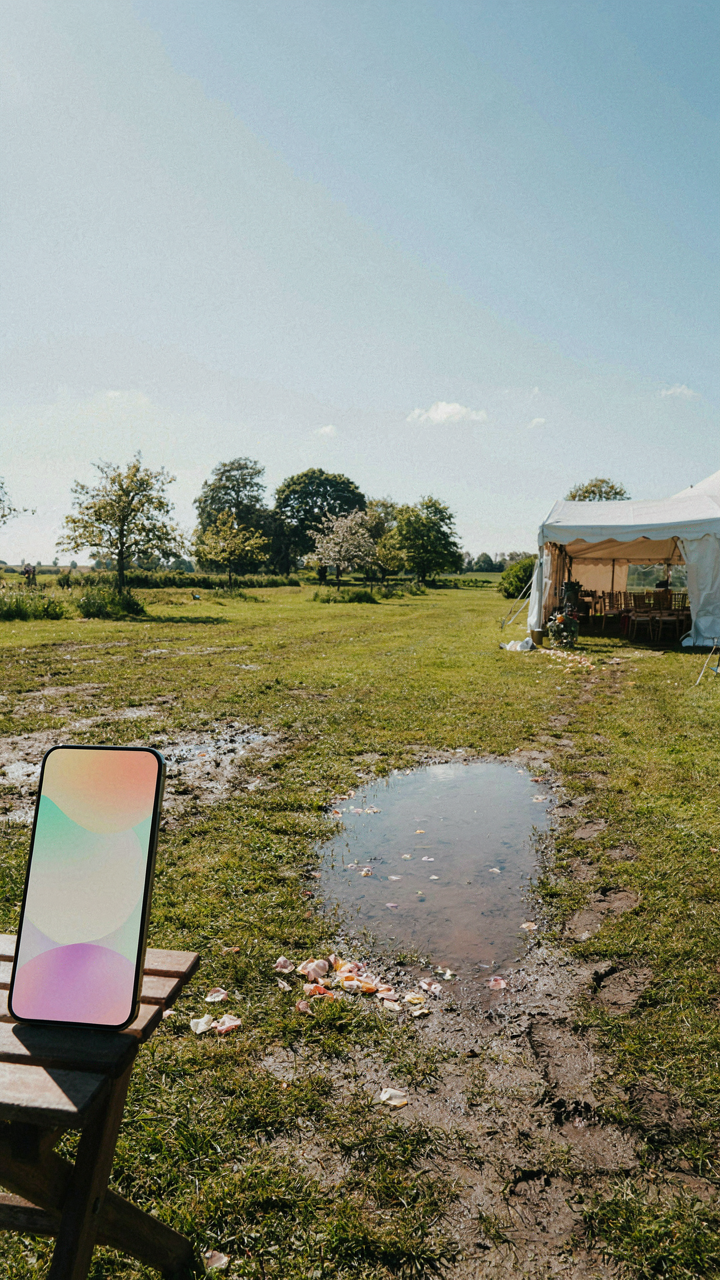
Vendor Breakdown: Wet Weather Considerations
You’re worried about looking incompetent to your guests because vendors are now operating outside their standard playbook. This is a supply chain problem dressed up as a wedding problem. Rain doesn’t just wet the ground, it changes every vendor’s operational capacity. Your caterer now deals with soggy serving stations. Your photographer hunts for usable light that no longer exists. Your florist watches arrangements wilt faster. Your sound crew manages mud near electrical equipment.

The real mechanism is this: vendors operate on margin. When conditions change, their profit per service shrinks because labor and material waste increase. Most won’t volunteer this openly. Instead, they’ll execute slower, cut corners, or both. Your job post rain is immediate vendor contact with one directive: clarify what changes and what stays the same. Don’t ask if they can handle it. Ask what specifically they’ll do differently, and when. Document their answer.
Damage Control: Protecting Your Investment
The common advice here is wrong. Most vendors tell couples to “just relax” or “it’ll look fine in photos,” which is garbage. Rain causes measurable damage to specific assets, and you need to know the cost before you inherit it. Venue damage, decoration deterioration, and equipment malfunction aren’t philosophical problems. They’re balance sheet items.
Economics teaches us about sunk costs versus variable costs. Your wedding budget is sunk. The variable cost is the damage mitigation you do right now. Walk the venue after rain stops. Document mud accumulation, water pooling, tent leaks, and electrical hazards. Photograph everything. Contact your venue manager with specifics. Assign a wedding party member to monitor high-risk areas during remaining events. If food was exposed to rain, pull it and replace it. Your insurance likely covers some rain damage, but only if you report and document it immediately.
Your Mindset: The Ultimate Outdoor Rainy Wedding Asset

The Union Matters More Than The Weather
You’re reading this because you need permission to stop treating rain as a failure of your planning. It isn’t. Rain is neutral weather. Your job is to decide whether a wet ceremony changes what you’re actually doing that day: marrying someone. The mechanism is simple: people remember how you responded to disruption, not the disruption itself. Couples who frame rain as a problem radiate tension. Couples who acknowledge it and move forward radiate clarity.

The gap between a good wedding and a forgotten one isn’t the forecast. It’s whether you spent the day defending a vision or living one. Your guests came to witness a commitment, not a production value. Rain doesn’t touch that. Your obsession with controlling it does. The moment you accept that some variables won’t cooperate, you free up mental energy for the actual work: staying present with your partner and your people.
Building Control Where It Actually Exists
Resilience isn’t about bouncing back from adversity. Psychology calls it internal locus of control, the belief that you influence outcomes through action rather than chance. Applied to rain on your wedding day, it means separating what you control from what you don’t. You don’t control precipitation. You do control contingency setup, communication timing, and emotional regulation. Focus the second group.
Most couples fixate on the weather itself, which wastes energy on a variable that won’t move. Instead, lock in three specific protocols before the day: your backup location confirmed and briefed, your staff or wedding party aligned on trigger points for moving indoors, and a personal reset routine for you and your partner if plans shift. When rain comes, you execute a system instead of improvise panic. That’s where control lives, and that’s what your guests feel.
The Real Obstacle Was Never The Rain. It Was Your Perceived Lack Of Agency

Most couples treat rain like a meteor strike. They panic. They surrender to vendors. They accept mediocrity because “what else can we do?” Here’s what actually happened: you outsourced your decision-making to fear. Stop treating your wedding like something that happens to you. Call your venue today and ask one question: what’s the actual backup plan, and who executes it? You’ll discover you had options all along. The rain doesn’t ruin weddings. Passivity does.