The Asset Revaluation Protocol: When To List Your Wedding Dress
Market Timing And The Depreciation Curve
You care about this because you’re hoping the dress still holds value, and you’re terrified you waited too long. Here’s the mechanism: wedding dresses depreciate fastest in the first 30 days after the event. This follows the same curve as luxury goods in resale markets. The moment you wear the dress, it enters the used inventory. Buyers sense this immediately. The longer you hold it unworn and unlisted, the more it competes against newer inventory from current-season collections.
The real pressure point is seasonal. Dresses sell fastest three to six months before major wedding seasons in your region, typically November through December for spring weddings and April through May for summer events. List outside these windows and you’re selling into dead demand. Designer dresses hold value longer than fast-fashion wedding options because the construction and materials resist perception of obsolescence. A dress loses 40 to 60 percent of retail value within the first year, regardless of condition. Your job is to intercept buyers before the next wave of inventory floods the market.
Post Event Prep Timing: Immediate Versus Delayed
The conventional advice says clean it first, photograph it, then list. That’s incomplete. Immediate listing within the first two weeks captures the emotional buyer who attended your wedding, heard it was available, and wants it at peak desirability. This buyer pays higher prices because they’re buying into the recency of the event itself. Delayed listing assumes the dress will somehow improve in value over time. It won’t. The dress physically deteriorates from storage, light exposure, and humidity regardless of your intentions.
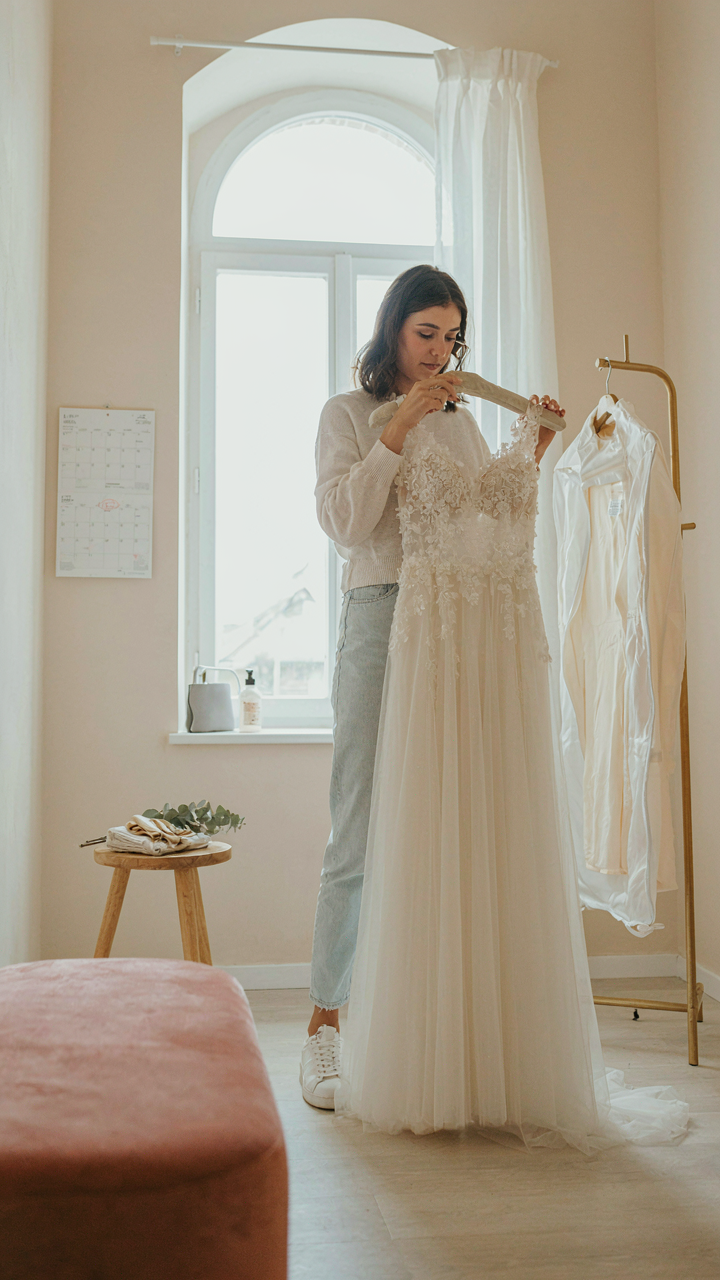
Professional cleaning should happen before listing, not after sale. Buyers want to see the dress in optimal condition in photos. Schedule cleaning within one week of the wedding, then photograph immediately while the dress is fresh and the detail is visible. List within ten days. If you miss this window, your recovery strategy shifts to pricing it 15 to 25 percent lower to compensate for the perception that you couldn’t move it quickly. The longer you wait, the more you’re subsidizing storage costs and psychological friction.
Decontaminating The Investment: Cleaning Your Wedding Dress

Professional Cleaning: Non Negotiable Standards
You want to believe you can save money here. You can’t. The dress is now inventory, and inventory requires proper handling or it becomes scrap.

Wedding dress fabrics demand specialized treatment because they combine delicate materials with stubborn stains that set over time. Silk, lace, beading, and understructure all respond differently to standard dry cleaning chemicals. A regular dry cleaner will damage fibers or miss embedded stains entirely. You need a cleaner certified in bridal restoration, which means they understand protein-based stains like champagne and bodily oils, and they know which solvents won’t yellow ivory fabrics or weaken vintage lace. This isn’t premium service talk. It’s material science.
The cleaner should provide documentation of their process: what solvent they used, what stains they treated, and what they left untouched due to fabric risk. This documentation becomes your insurance when you resell. Buyers ask about cleaning because they’ve heard horror stories. You answer with proof. Most reputable bridal cleaners charge between 75 and 150 dollars depending on dress complexity and stain severity. This cost comes directly off your final resale price, but a dress that failed cleaning sells for nothing.
DIY Pitfalls: Avoiding Value Destruction
Conventional wisdom says spot cleaning at home saves money. It doesn’t. It destroys equity instead.
Home spot cleaning introduces three problems simultaneously. First, you apply water or solvent unevenly, creating rings and tide marks that look worse than the original stain. Second, you set protein stains deeper into fibers instead of lifting them out, making professional removal harder later. Third, you risk color bleeding from dyes that aren’t colorfast to consumer-grade cleaners. A wine stain you treat yourself can spread across half the bodice in three months. The dress goes from resaleable to unsaleable.
Steaming the dress at home to remove wrinkles seems harmless but weakens beading adhesives and can cause heat damage to synthetic fabrics. If your dress has a structured undergarment like tulle or horsehair, steam forces moisture into those layers, creating mildew risk during storage. The safer move: have the professional cleaner handle both stain removal and finishing. They’ll steam it properly, press it flat, and return it ready for storage or immediate listing. Do not attempt any cleaning yourself before professional work begins.

The Value Multiplier: Photography For Resale
Studio Vs. Lifestyle Shots: Optimizing Appeal
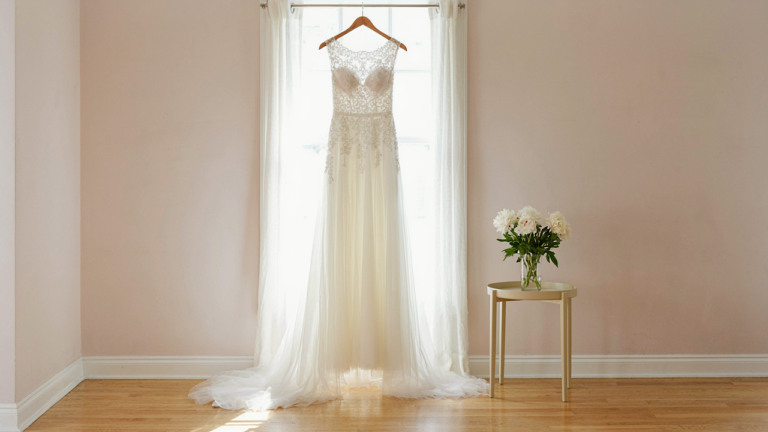
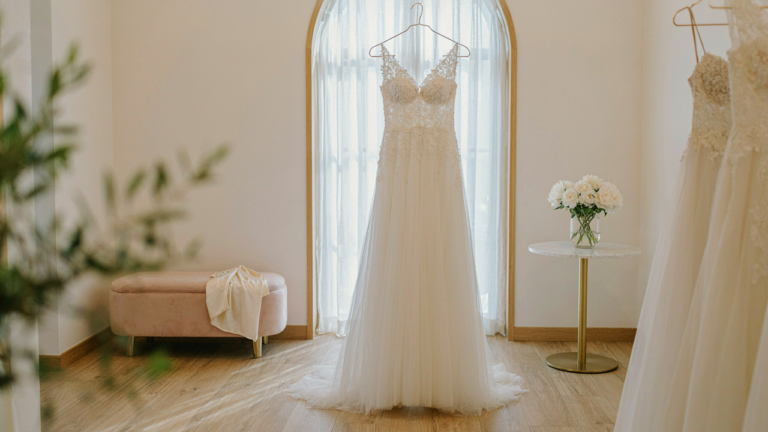
You want these photos to make money, not win Instagram. The mechanism is simple: buyers operate in two modes when evaluating a used wedding dress. They either see garment construction and condition (studio mode) or they see themselves in the dress (lifestyle mode). Most sellers choose one and leave money on the table. A clean white or neutral backdrop with controlled lighting reveals seams, beading, fabric weight, and wear patterns. This builds buyer confidence that they know what they’re purchasing. Lifestyle shots showing the dress on a body in natural light trigger emotional connection and reduce perceived risk of fit disappointment.
The pricing gap between these two approaches is real. Dresses photographed only in lifestyle shots sell slower and lower because buyers can’t verify quality without studio clarity. Dresses shown only in studio sell faster but attract price negotiators who sense desperation in the presentation. You need both. Shoot the dress on a dress form or mannequin under bright, even lighting from multiple angles. Then shoot it on a model or yourself in daylight, ideally outdoors or near a window. This dual approach compresses time-to-sale and protects asking price.
Detail Shots: Showcasing Craftsmanship And Condition
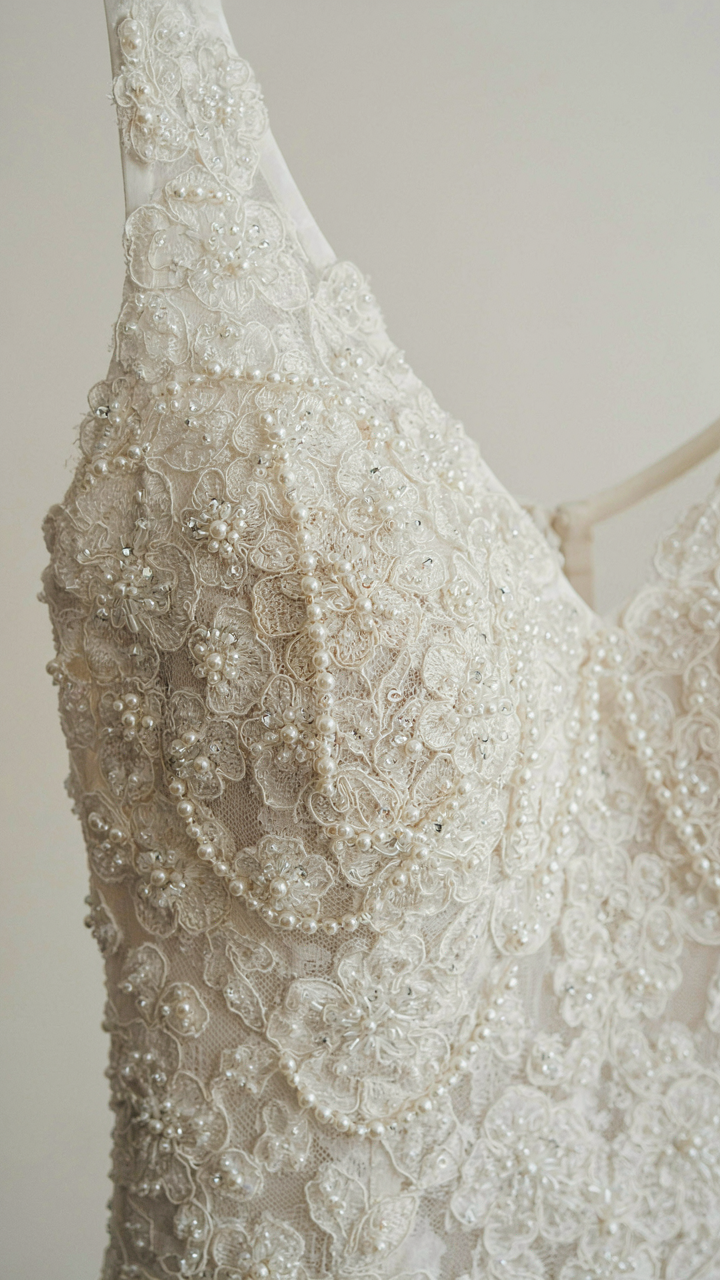
Beading, lace appliqués, train construction, hem work, and closure mechanisms are where resale value lives or dies. Most sellers skip this entirely and wonder why they get lowball offers. Zoom in on every element that differs from mass-market dresses. A hand-stitched pearl detail that a buyer can actually see becomes proof of quality, not just a claim. Photograph the bodice seams, the underside of any lace overlay, the zipper or button closure, the hem line, and any alterations or damage. Bright, close-range shots eliminate ambiguity about what a buyer receives.
Buyers research specific designers and construction standards before purchase. They know what Vera Wang beading looks like versus costume jewelry. They spot alterations, stains, and repairs instantly in high-resolution images. One detailed shot of a repaired seam now prevents a return dispute later. Take these photos in the same controlled lighting as your studio shots. Include at least one full-length shot showing overall condition, then six to eight close-ups of construction points. Upload the highest resolution files your platform allows. Condition transparency at the detail level converts browsers to committed buyers.

Pricing Dynamics: Supply, Demand, And Your Wedding Dress

What The Market Actually Pays
You want to know what your dress is worth because you’re terrified it’s worthless. That fear is the real starting point. The used wedding dress market operates on basic supply and demand mechanics from economics: your dress competes against thousands of identical inventory pieces listed simultaneously. A dress loses 50-70% of retail value the moment you wear it. That’s not negotiable. Platforms like PreOwnedWeddingDresses, Nearly Newlywed, and Stillwhite set the baseline pricing. Search your exact dress on each platform and note the asking prices for dresses in similar condition by the same designer. Most sellers underprice to move inventory faster.
Rarity and designer name matter more than condition alone. A $3,000 Vera Wang sells faster than a $300 David’s Bridal dress at any price point. Seasonality affects demand: spring and early summer see the highest volume of buyers. Your asking price should sit 10-15% below comparable listings to trigger sales within 60 days. If you price at market rate, expect 90-120 days to close. The mechanism is simple: lower your price, compress your selling timeline. Pick which one you prioritize, then price accordingly.
Condition, Designer, And The Real Leverage Points
Condition determines 30% of resale value, not 70% as most guides claim. Stains and alterations kill the price more than people admit. A professionally cleaned dress with no alterations retains 45-55% of retail value. Each major alteration removes 8-12% in buyer appeal, regardless of quality. Designer controls the floor price. A Vera Wang, Pronovias, or Monique Lhuillier holds 40-50% of retail value. Mass-market brands like David’s Bridal or Azazie hold 20-30%. This gap exists because resale buyers specifically search designer names they recognize.
Document condition precisely in your listing. Include close-up photos of the hem, seams, underarms, and any damage. Buyers scrutinize used wedding dresses harder than any clothing category because the stakes feel high to them. If you’ve had alterations done, disclose the exact changes and include measurements. Never hide work. A dress with documented alterations at a 35% price point outsells a mystery dress at 45%. Transparency compresses buyer hesitation. Price your dress by plugging exact designer and condition into PreOwnedWeddingDresses’ price estimator tool first, then undercut that number by 10%.

Platform Selection: Where To Liquidate Your Wedding Dress

Specialized Marketplaces Drive Buyer Intent
You care about this section because you’re afraid the dress will sit unsold for months while it depreciates. That’s the real fear. The mechanism is simple: specialized platforms concentrate buyers already searching for what you’re selling. This is inventory matching in economics terms. On a general marketplace, your dress competes with ten thousand other items. On a bridal resale platform, it competes with dresses only.
The platforms that work have one thing in common: they filter for wedding dresses specifically and retain buyers who’ve already decided to shop secondhand. Sellers move inventory faster because the friction of discovery disappears.
- Nearly Newlywed: Focuses exclusively on wedding dresses worn once or not at all. Buyers expect preserved condition. The site handles photography standards and authenticity checks, reducing your workload.
- PreOwnedWeddingDresses.com: Established resale network with buyer pool searching by designer, size, and price point. Handles payment processing and offers seller protection against chargebacks.
- Stillwhite: International marketplace emphasizing designer dresses and high price points. Appeals to buyers with specific budget ranges and brand preferences. Faster sales velocity for premium gowns.
- Preowned Wedding Dresses (Facebook Group): Direct seller-to-buyer model with minimal fees. Requires manual vetting of inquiries but captures full sale price. Best for distinctive or high-end pieces.
- TheRealReal: Luxury consignment platform that authenticates designer gowns and handles all logistics. Takes commission but reaches affluent buyers. Suitable if your dress carries recognizable brand weight.
Matching your dress to the right platform depends on three variables: designer recognition, condition level, and your tolerance for handling logistics. Premium designer dresses move on TheRealReal or Stillwhite. Mass-market or store-brand dresses move faster on Nearly Newlywed where condition matters more than the name on the tag. Choose the platform based on what your buyer actually came looking for.
Direct Selling Cuts Out The Middleman
Selling direct to buyers through Facebook Marketplace or Instagram removes platform commission but requires you to handle everything: pricing strategy, photographs, vetting serious inquiries from tire-kickers, payment collection, and shipping coordination. Most sellers skip this because the work is invisible until you start doing it. The mechanism here is that direct selling transfers all operational burden to you in exchange for keeping the full sale price.

This works only if your dress has specific, marketable characteristics: a recognizable designer name, pristine condition, or unique customization that appeals to a niche buyer. You post high-resolution photos from multiple angles, including close-ups of the train and bodice detail. You price aggressively below retail to signal value. You’re prepared to answer the same questions fifty times. When a buyer commits, you use tracked shipping with insurance and require payment before the dress leaves your hands. Direct selling is profitable only if your time cost doesn’t exceed the commission you save.
The Art Of The Deal: Negotiation And Transaction Security

Price Anchoring Wins Before Talking
You’re afraid of leaving money on the table. That’s the real issue here, and it matters because the first number spoken in any negotiation becomes the frame everything else hangs on. This is anchoring, borrowed from behavioral economics: whoever establishes the initial price point controls the negotiating range. List your dress at 40-50% of original retail, not 60-70%. Buyers expect to negotiate down. Your anchor must be defensible but high enough that their counter-offer lands where you actually want to be. List a 3,000 dollar dress at 1,800 dollars, expect offers around 1,200 to 1,400 dollars, and you’ve won.
When a lowball offer lands, don’t counter immediately. Ask clarifying questions first: condition of their other dresses, timeline urgency, whether they’ve tried on similar styles. Their answers reveal how serious they are and what pressure points exist. A buyer offering 800 dollars on your 1,800 dollar asking price might have genuine constraints or might be testing whether you’ll crumble. The counter-offer isn’t about splitting the difference; it’s about signaling you know what you’re holding. Counter at 1,550 dollars, not 1,650 dollars. The smaller move shows you’re moving because you’ve decided to, not because you panicked.
Payment And Shipping Without Risk
The common advice says use PayPal or Stripe and call it secure. It’s not. Those platforms protect the buyer against fraud, not the seller against payment reversal on a high-value item. A bride can receive your dress, claim it never arrived or arrived damaged, and reverse the charge weeks later. You lose the dress and the money. Use bank transfer or wire payment only for dresses over 1,200 dollars. Require payment before shipping. Insist on it in writing before the transaction begins.

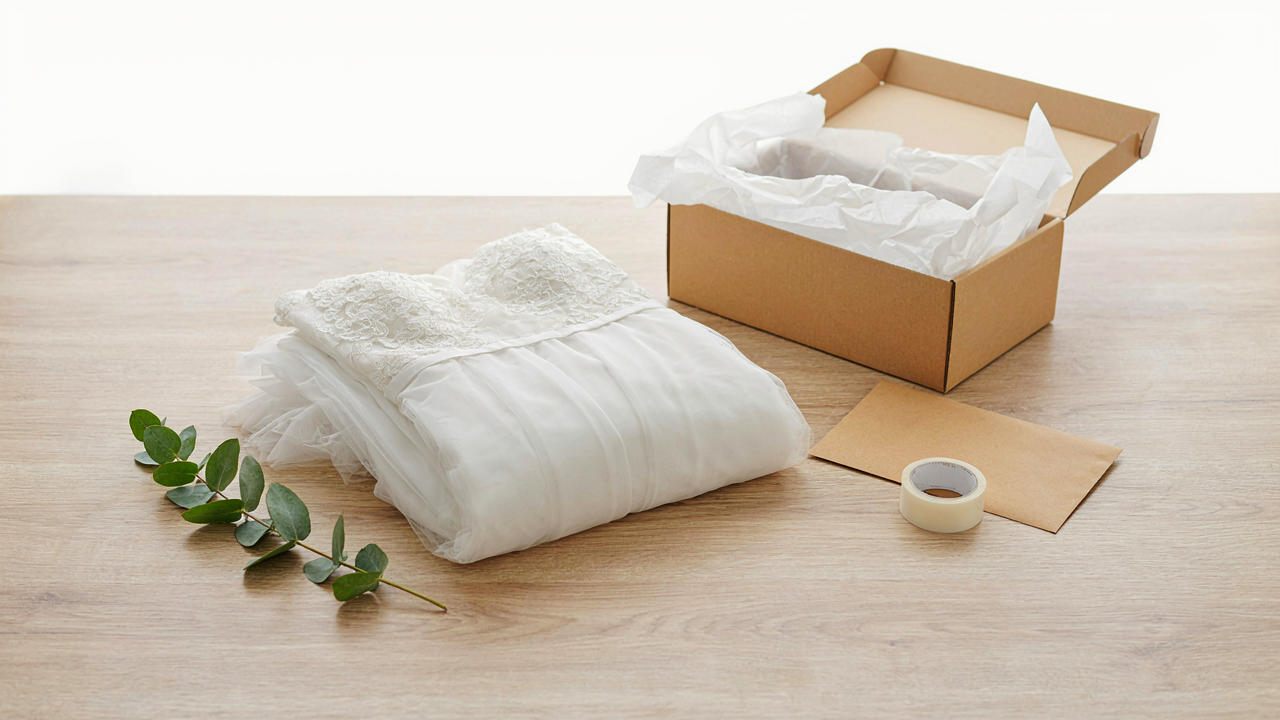
For shipping, use a carrier that offers signature confirmation and full declared value insurance. FedEx and UPS both track wedding dresses as specialty items when you declare the value accurately. Never ship a dress over 1,500 dollars via standard ground without insurance. The cost of insurance is 2-4% of the dress value and eliminates your exposure entirely. Ship to the address the buyer confirms in writing, not a verbal address. Photograph the dress on the scale at the carrier location before it ships, and photograph the carrier receipt showing the declared value, insured amount, and tracking number. Keep these for 90 days minimum. This is your proof of transaction if a dispute arises.
Future Proofing Your Wardrobe: Beyond The Wedding Dress

Rent A Wedding Dress: Exploring Alternatives First
You’re reading this section because you’re afraid you made a financial mistake by buying. The mechanism is simple: renting eliminates the resale friction entirely. You wear the dress once, return it, and the rental company handles the liquidation problem for you. This isn’t laziness. It’s outsourcing a problem that costs time and money to solve yourself.
Wedding dress rental has matured past the bargain-basement tier. Companies like Rent the Runway and BHLDN Rent operate on subscription or per-event models, pricing dresses between 50 to 300 dollars depending on designer and timing. The rental model shifts the ownership burden to businesses equipped to manage inventory turnover, cleaning, and resale at scale. If you had rented instead of bought, this entire article wouldn’t apply to you.
Rental Business Models: Monetizing Dresses
Think of rental economics like inventory turnover in retail—the goal is maximizing revenue per asset per year, not per transaction. A dress that rents five times at 150 dollars each generates 750 dollars before operational costs. Compare that to a single 2000 dollar sale where you keep maybe 1000 dollars. Rental businesses don’t care about emotional attachment to the garment. They optimize for velocity and utilization rates.

The rental model works because it distributes the resale risk across dozens of customers instead of concentrating it on one person trying to offload a single used dress. Rental companies also maintain professional photography, standardized sizing, and cleaning infrastructure that individual sellers lack. If you’re considering whether to rent or buy your dress next time, the financial case for renting is stronger than most people admit, especially if you’re in a major metropolitan area with established rental services.
The Unsentimental Strategy: Detaching From Your Wedding Dress
Emotional Versus Economic Value
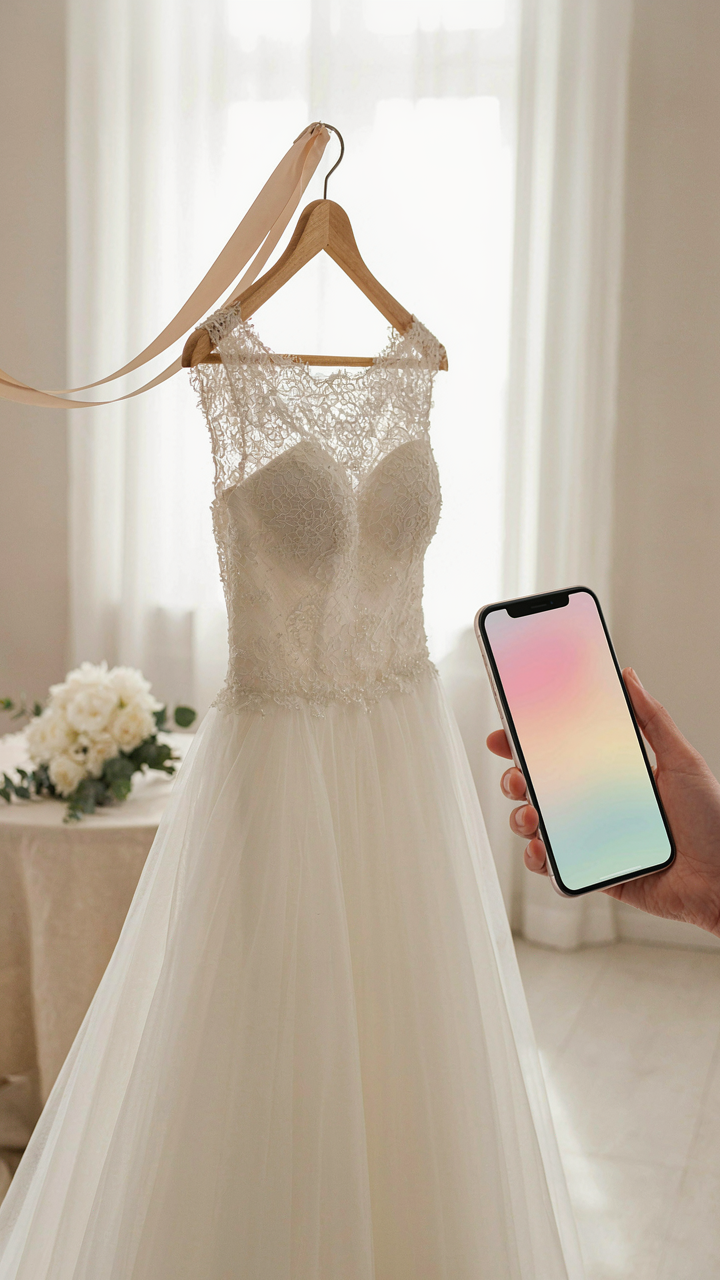
You’re holding onto it because you think keeping it proves something happened, that the day mattered, that you’re not wasteful. This is status anxiety dressed up as sentimentality. Here’s the mechanism: emotional value and economic value occupy different planes. A dress can have tremendous emotional weight and zero resale appeal, or vice versa. Most wedding dresses collapse into the first category immediately after the ceremony ends. The market doesn’t care about your memories. It cares about condition, brand recognition, size, and trend alignment. Conflating these two values keeps you paralyzed.
The unsentimental move is simple: separate the memory from the object. You don’t need the dress to remember the day. You need the dress only if someone else will pay for it. Document the dress with photos before you list it. Store the photos. Sell the dress. The physical artifact is not the story. The story lives in your mind and your photos, not in fabric and thread deteriorating in a closet.
The Cost Of Holding An Illiquid Asset
Economics has a term called opportunity cost. It means every resource locked into one thing is a resource unavailable for another. Your wedding dress is an illiquid asset, meaning it’s stuck and takes months to convert to cash. Every month you delay selling is a month the dress depreciates while consuming storage space, time, and mental overhead. Weddings happen in cycles. A dress that’s in-demand one season becomes dated the next. Timing matters for resale value more than most sellers realize.

Here’s the concrete protocol: photograph your dress within 30 days of the wedding. List it within 60 days. Most wedding dresses lose 40-60 percent of their value within the first year after purchase. The longer you hold, the steeper the drop. You’re not being sentimental by keeping it. You’re being inefficient. Recover what capital remains, then move on.
Your Real Obstacle Isn’t The Dress, It’s Your Aversion To Seeing Assets As Fungible
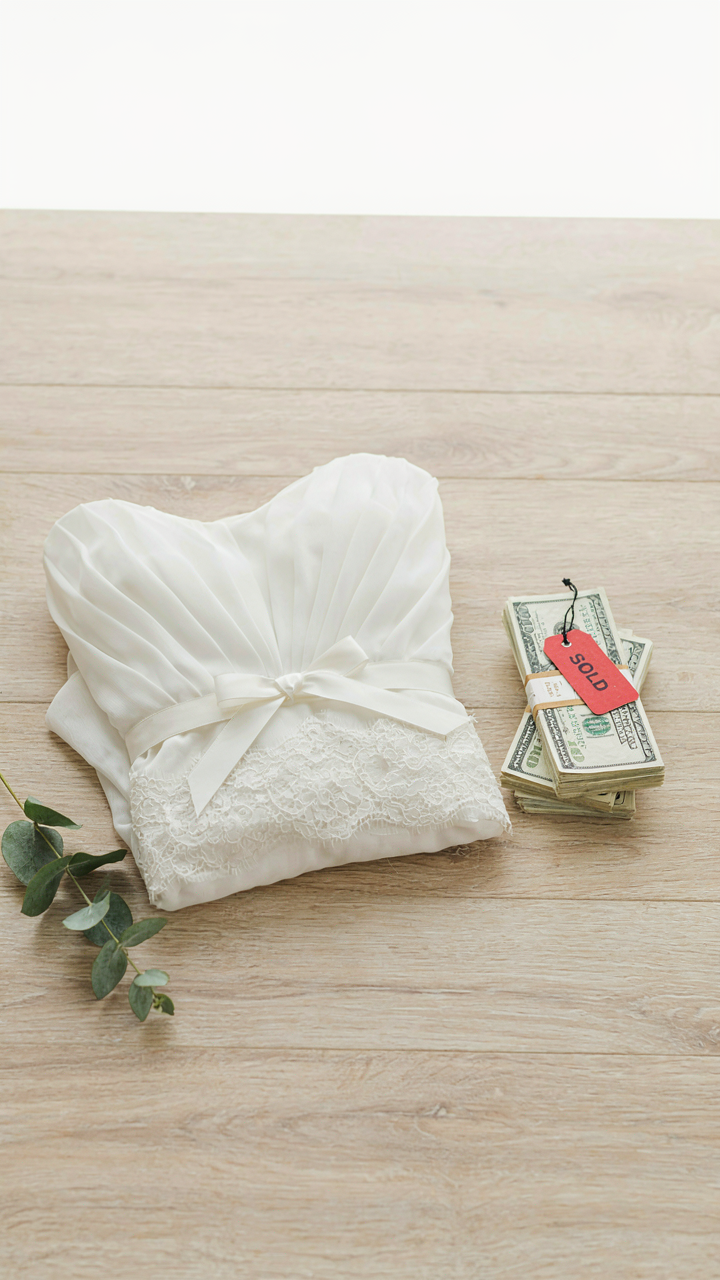
You spent five grand on a dress you wore for six hours. That dress is now an asset with market value. Most people can’t stomach that truth. They tie identity to objects and call it sentiment. But sentiment doesn’t pay your bills. Take a photo today. List it tonight. Stop letting a garment you’ll never touch again rob you of cash you actually need. The dress served its purpose. Now let it serve yours.