The Illusion Of “Affordable” And The Real Cost
Where Budget Shopping Actually Fails
You’re looking for a cheap dress because you’re afraid you’ll overspend on something a kid wears once. That fear makes you vulnerable to the real trap: confusing a low sticker price with an actual good deal. A fifty-dollar dress that requires tailoring, falls apart after the event, or doesn’t photograph well has cost you more than the money you saved. The mechanism is simple. Retailers price dresses low on purpose, knowing most buyers stop thinking once they hit their budget number.
The difference between price and cost comes from economics, specifically what’s called “total cost of ownership.” With flower girl dresses, ownership includes the dress itself, alterations, cleaning, storage, and the risk that it won’t hold up through the event. A dress priced at thirty dollars might demand thirty more in hemming and seam reinforcement. That dress now costs sixty dollars and still might split at the seams during photos. Budget shoppers almost never account for this layer, which is why they end up spending more than people who buy better dresses outright.
The Hidden Expenses You’re Already Committed To
Most budget guidance stops at the price tag, which is lazy and incomplete. Alterations alone can equal or exceed the original dress cost depending on the fit. A dress ordered online sized to chart specs frequently needs sleeve length adjusted, the bodice taken in, and the hem finished. Professional alterations for a child’s dress run thirty to seventy dollars depending on your region and the tailor’s rates. Add dry cleaning post-event at fifteen to twenty-five dollars, and your true spend balloons past what you budgeted before you even picked the dress.
Fabric quality and construction method determine what happens after purchase. Cheap polyester blends wrinkle permanently, stain easily, and lose shape within hours of wearing. Natural fiber blends or quality synthetics designed for performance hold their structure and clean better. Storage matters too. A poorly constructed dress won’t survive being packed in a closet for years if a family member wants to reuse it later. Calculate your real budget as: dress price plus alterations plus cleaning plus the replacement cost if something fails during the event. Only then compare options.
The “Scarcity Mindset” Fallacy: Why You Overspend

When Artificial Limits Force Your Hand
You’re afraid you’ll miss the one option that matters. That’s what this comes down to. Scarcity economics tells us that perceived limitation triggers urgency, and you’re treating flower girl dresses like they’re finite goods when they’re not. Retailers engineer this feeling by marking seasonal inventory as “limited stock” or pushing wedding timelines that force rushed decisions. You see a price and assume it reflects true value rather than artificial deadline pressure.

The mechanism is simple: urgency collapses your ability to comparison shop. You stop evaluating alternatives and start justifying the first acceptable option you find. Wedding culture amplifies this by creating artificial event windows that feel non-negotiable. A dress purchased three months before the wedding costs less than one bought two weeks prior. The product hasn’t changed. Your decision-making framework has.
Abundance Exists Where Others Aren’t Looking
The common advice tells you to “shop around,” which is lazy and incomplete. Real leverage comes from accessing markets that aren’t wedding-focused. Rental services, off-season clearance from department stores, dancewear suppliers, and costume rental shops stock formal dresses at 40-60% below bridal market pricing. These aren’t inferior products. They’re the same construction, same materials, same durability. The only difference is the customer segment they target and the markup structure they apply.
Abundance lives in category arbitrage, not just price reduction. A dress labeled as “ballet recital” or “holiday formal” serves identically to one labeled “flower girl.” Department stores liquidate these items aggressively at season’s end. Wedding-specific retailers hold inventory longer because their customers have no choice. Shift your search to non-wedding categories and you instantly access inventory that costs 30-50% less with zero quality compromise. Start your search 6-8 weeks before the event, check dancewear suppliers first, then move to general formal children’s sections.
The Simplicity Protocol For Timeless Flower Girl Dresses
Design Elements That Don’t Expire
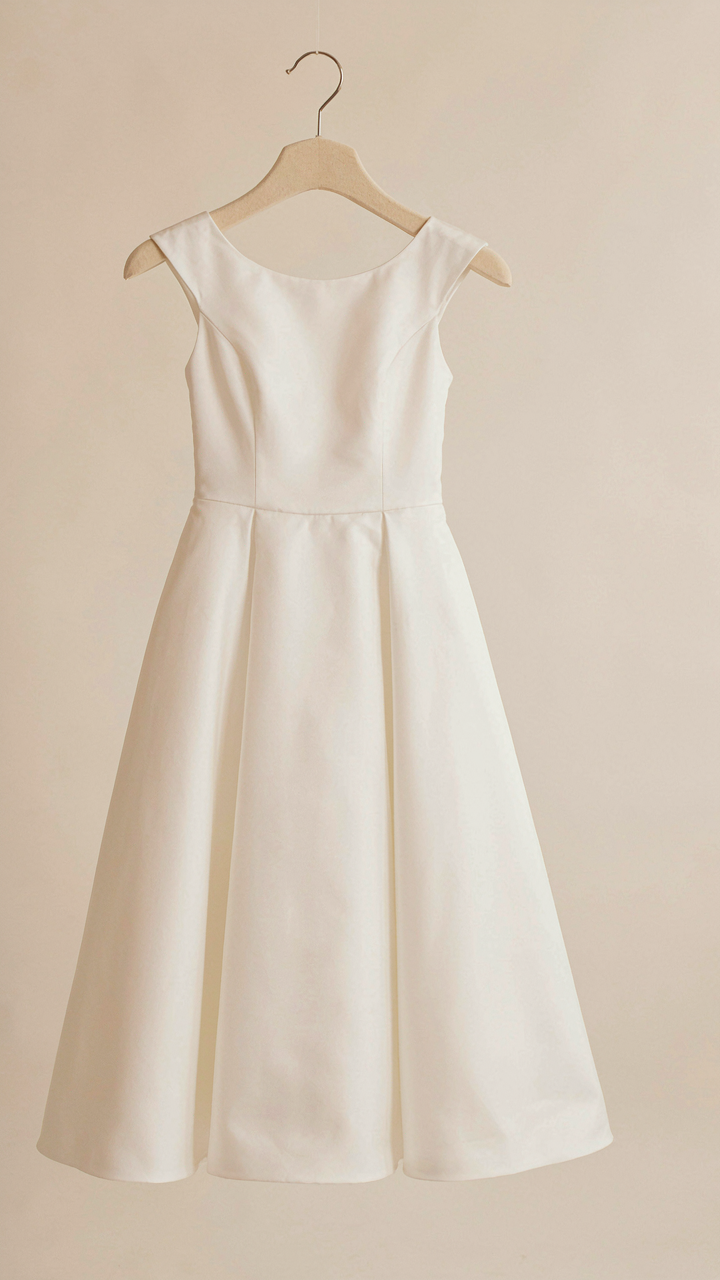
You’re worried the dress will look dated in photos. That fear drives most parents toward whatever trend dominates Pinterest that month, which is precisely the mechanism that kills resale value and guarantees the dress becomes unwearable within two years. Borrow from industrial design: constraints breed durability. A flower girl dress with no constraints fails because it depends entirely on trend cycles. A dress with constraints—a simple A-line silhouette, a single solid color, minimal embellishment—survives trend shifts because it references no specific moment.

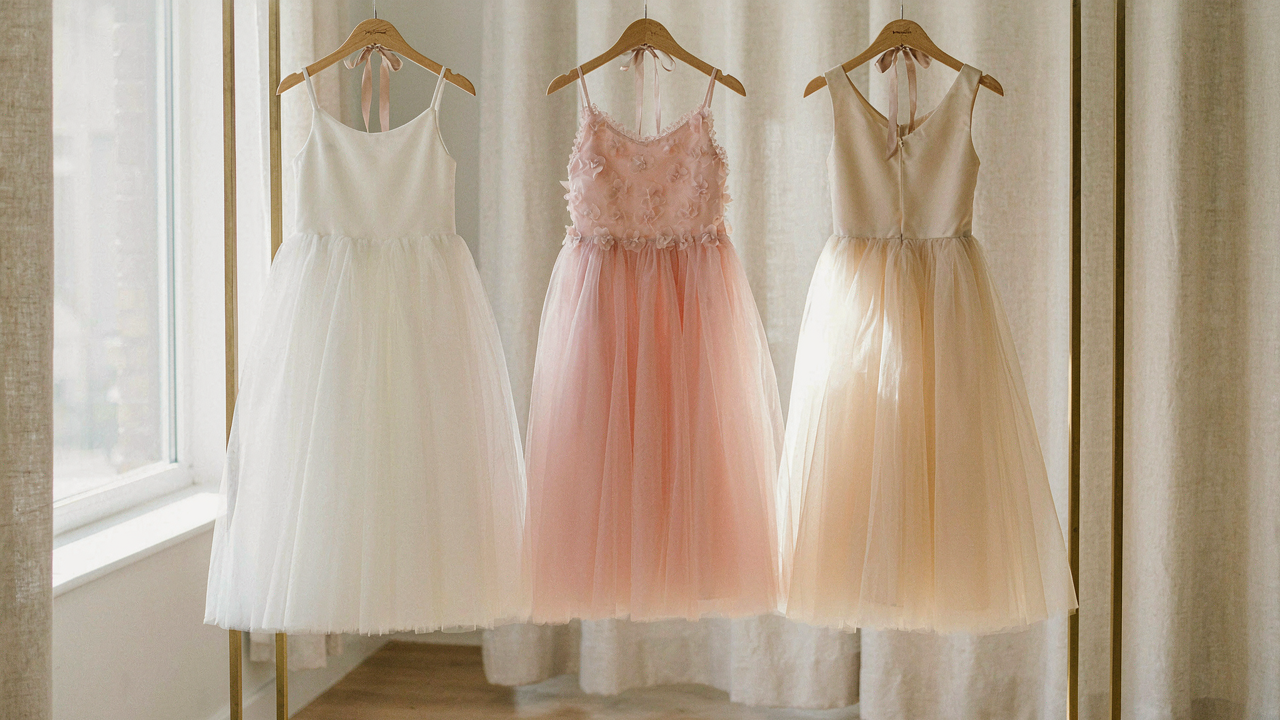
The math is straightforward. Fitted bodies, excessive ruffles, and color combinations tied to a season all date fast. A soft ivory, champagne, or blush A-line with short or cap sleeves works identically in 2015, 2020, and 2025. You’re not building heirloom quality—you’re building reusability. The dress appears once, but if designed simply, it can serve another wedding, be borrowed by a cousin, or resold at breakeven or profit. Complexity kills that option immediately.
When Trends Masquerade As Necessity
The common advice says to “add personality” or “make it special.” This is how retailers push you toward unnecessary detail work that adds cost without adding function. Trends in children’s fashion move faster than adult fashion because the garment won’t fit next year anyway. The industry exploits this by treating flower girl dresses as disposable. You don’t need a unique dress. You need a dress that doesn’t scream “2024” or “2025” the moment it leaves the venue.
Bold colors tied to the year’s palette, statement collars, excessive layering, and digital print patterns all signal a specific time. Avoid them if cost matters. Solid colors in natural fabrics work across decades because they don’t reference a trend cycle. The safest dresses are often the cheapest to produce because they require less specialized labor, less pattern complexity, and less inventory risk. Buy the plainest option that fits the wedding’s formality level. Simplicity is both cheaper and smarter.
Deconstructing The Wedding Dresses For Kids Premium
Why Bridal Retailers Mark Up Children’s Dresses
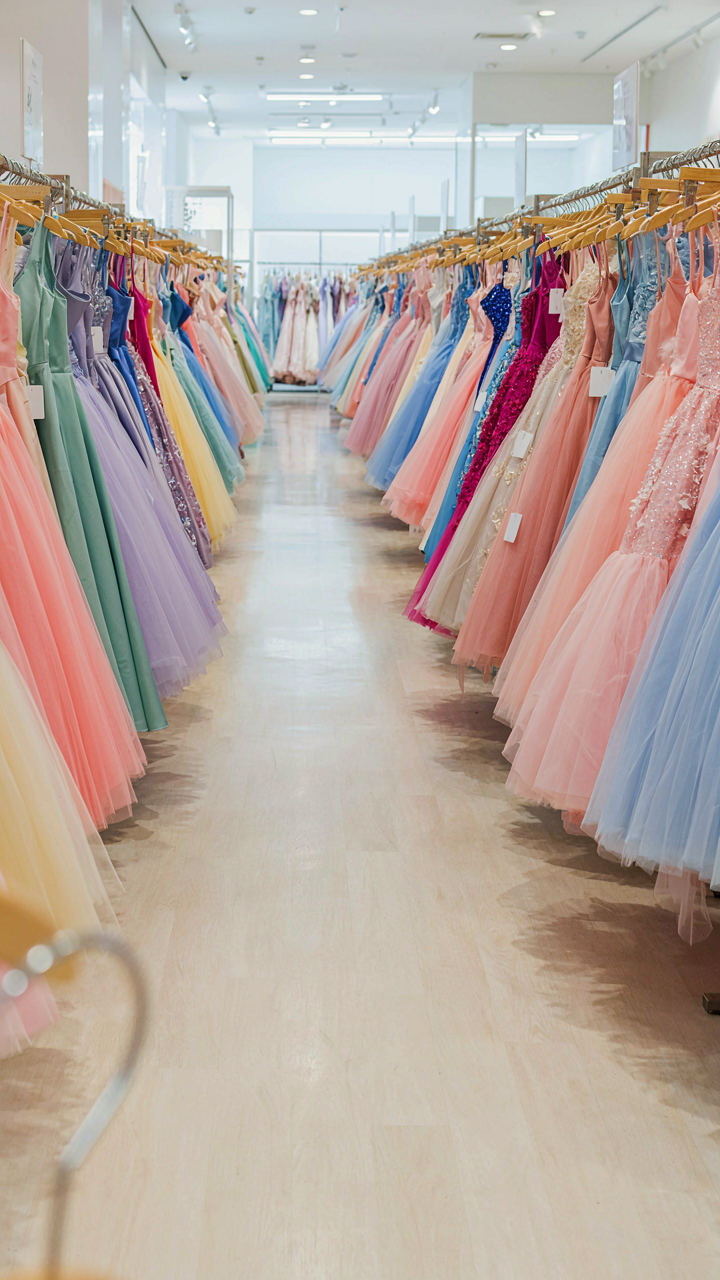
You’re worried you’re getting ripped off, and you’re right to be. The markup on flower girl dresses exists because wedding retail operates on a simple economic principle: scarcity of occasion creates price inelasticity. Parents will pay what feels necessary for a one-time event because the alternative is social friction, not because the dress costs more to produce. A child’s dress uses less fabric, simpler construction, and identical materials to regular children’s formal wear, yet carries a 60 to 200 percent markup solely because the word “wedding” precedes it.
The mechanism is pure psychology dressed as product differentiation. Bridal retailers stock these dresses in limited styles, limit distribution channels, and rely on the parent’s assumption that wedding-category items require premium pricing. They don’t. The dress hanging in a bridal shop’s back room and the one sitting in a department store’s special occasions section are often manufactured in the same facility. The difference is location and labeling. Retailers capture this gap because most customers never think to look elsewhere.
Alternative Sources Selling Identical Construction
Department store special occasions sections stock dresses made from the exact same manufacturers as bridal retailers, often at 40 to 50 percent lower prices. This isn’t an accident or a discount strategy. Major manufacturers produce inventory for multiple distribution channels simultaneously. When you buy a flower girl dress from Dillard’s or Macy’s instead of a bridal boutique, you’re buying the same inventory tier at the price point meant for high-volume retail rather than low-volume specialty retail.
The protocol is direct: search department store special occasions sections first using basic terms like “girls formal dress” or “children’s occasion dress” in the relevant size. Cross-reference the item numbers if visible. Then compare the exact same dress across channels. You’ll find identical construction, identical fabrics, and a price difference that reflects nothing but channel markup. This is where you stop paying for the wedding label and start buying the actual product.
The Supply Chain Advantage: Sourcing Ivory Flower Girl Dresses
Where Middlemen Extract Money
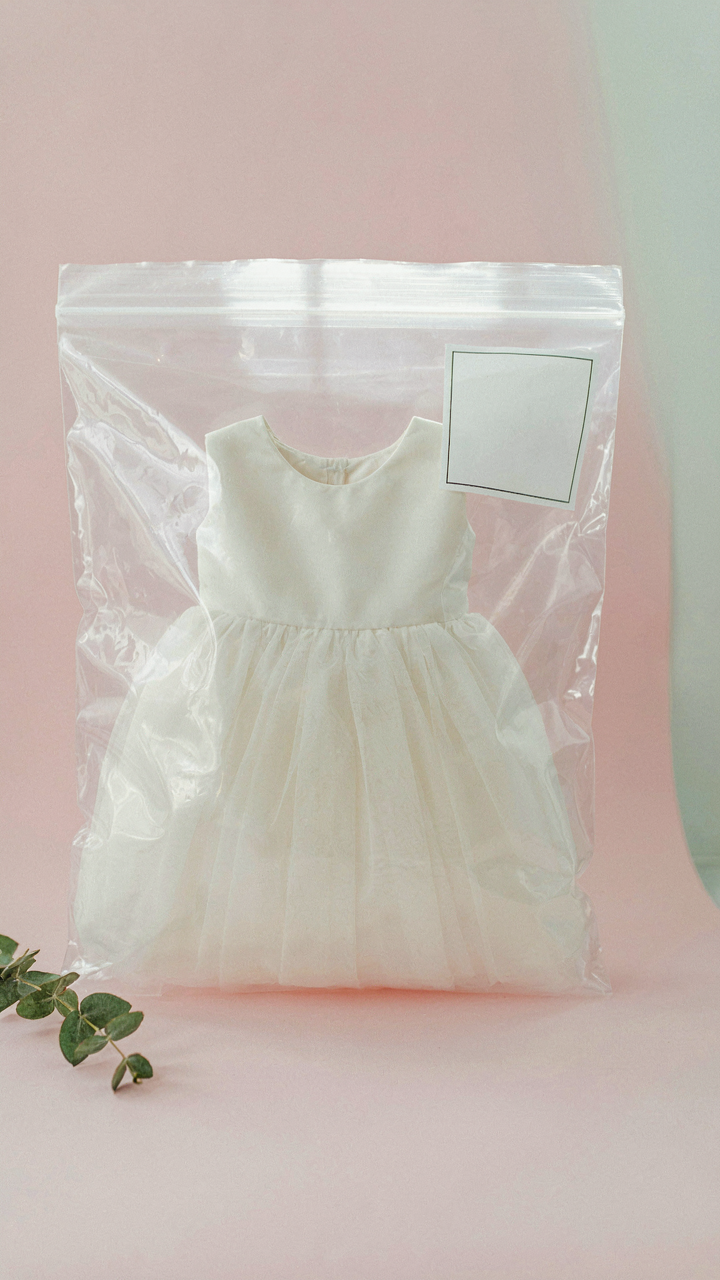
You care about this section because you’re tired of paying markup layers you didn’t know existed. Here’s the mechanism: traditional retail adds 40 to 50 percent to wholesale cost before you see it. Direct-to-consumer brands skip the distributor and the brick-and-mortar rent. They ship straight from warehouse to your door. You pay what the margin structure actually justifies, not what department stores need to survive.

Most brands still hide behind retail partners even when they could sell direct. It’s safer, slower, and fattens their margins. Smart budget buyers go straight to manufacturers’ websites or verified online sellers who own the entire transaction. You cut out two or three hands that were each taking a cut. An ivory flower girl dress that costs thirty dollars wholesale lands at fifty to sixty dollars at traditional retail. Direct channels price them at thirty-five to forty-five dollars for the same garment.
Speed Beats Inventory Costs
Economics teaches “inventory carrying cost.” Apply it here: every dress sitting in a warehouse costs money before it sells. Budget brands that use just-in-time manufacturing don’t pre-build massive stock. They produce to order. You wait ten to fourteen days instead of receiving overnight, but you pay less because the brand never assumed the financial risk of unsold inventory.
This model works because overseas factories run batches constantly. Order an ivory flower girl dress today, get manufactured garments in two weeks. Traditional retailers build seasonal collections six months ahead, guessing what sizes and styles move. Wrong guess means clearance. You pay for their prediction errors either way. Choosing brands that manufacture to order cuts your cost by letting you avoid the markup burden of speculative inventory.
The “Value Over Brand” Dictum For Dresses
What A Brand Actually Costs You
You’re paying for the logo to feel like you made the right choice. Here’s the mechanism: brands extract a “confidence tax” on top of material cost. Polyester from a department store brand costs the same to produce as polyester from a designer label, but you pay 3-5x more for the latter because the brand absorbs your anxiety about judgment. The actual fiber, weave, and seam construction remain identical. You’re buying permission to stop worrying, not superior fabric.

Affordable flower girl dresses expose this scam immediately because parents often compare $30 options against $150 options for the same event. The difference isn’t quality—it’s marketing spend. Real value lives in fiber content, stitch count, and seam finish. A $40 polyester dress from a wholesale supplier with reinforced seams outperforms a $120 “boutique” option with three-thread construction. Strip away the brand name and ask one question: what physical properties does this dress have? That’s where actual value hides.
Read Construction Like An Engineer
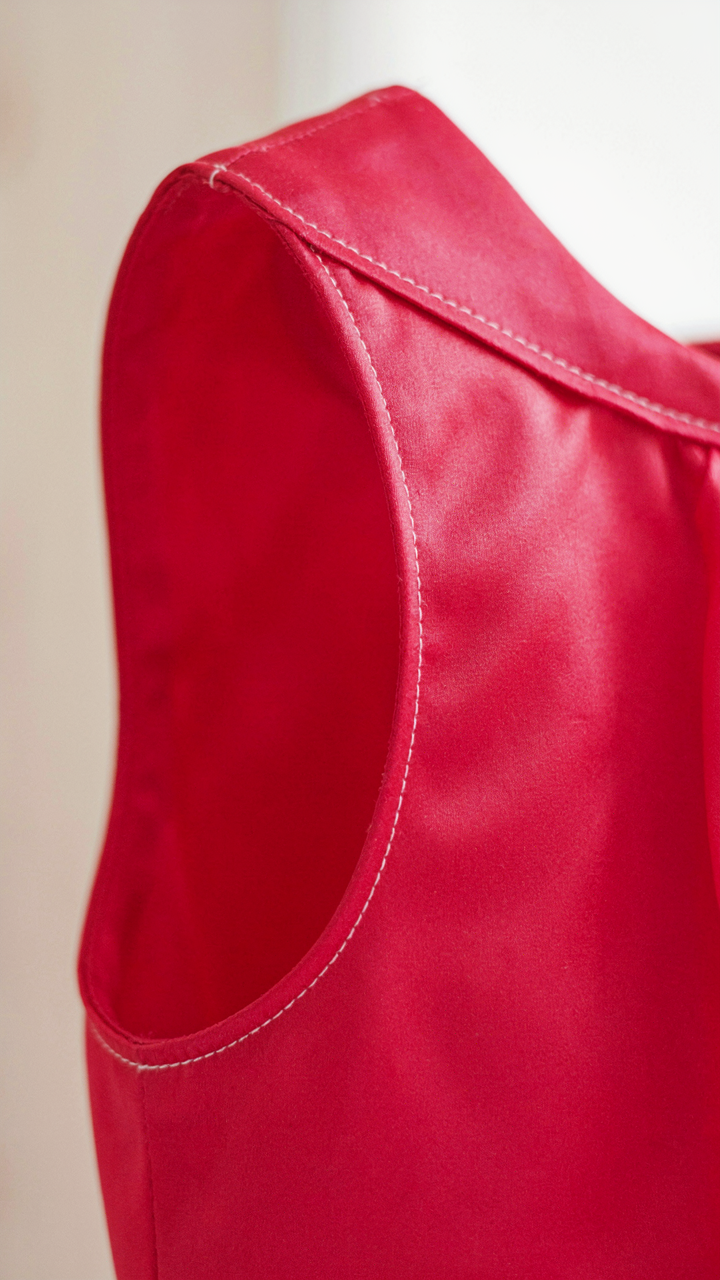
Construction quality is verifiable. You don’t need expertise—you need a protocol. Examine the seams by turning the dress inside out. Count the visible thread lines running parallel to the seam. One line means single-thread construction, cheap and prone to splitting. Two or three lines indicate lockstitch or zigzag reinforcement, which prevents unraveling. Press the fabric between your fingers and hold it to light. If light passes through easily, the weave is loose. Tight weaves hold color better and resist pilling.
Check the hem next. Machine-stitched hems with small, even stitches cost more to produce but last through cleaning cycles. Hand-stitched hems are rare on budget dresses and unnecessary. Look at the armholes and neckline—reinforced binding or facing (an extra fabric layer sewn underneath) prevents stretching and tearing. Cheap construction skips this step entirely. A $45 dress with lockstitch seams, tight weave, and reinforced binding delivers more durability than a $120 dress with single-thread construction and loose weave. Buy the dress with visible engineering, not the dress with a visible label.
The Rental & Reuse Economy: Unlocking Flower Girl Dresses Tulle
When Renting Makes Financial Sense
You want the dress to look expensive without paying for it, then never touch it again. That’s the real math here. Rental works like depreciation in economics: you pay for the period of use, not ownership. A flower girl dress rental costs 30-50% of purchase price and covers cleaning, alterations, and return shipping. The break-even point hits when you compare: rental fee versus buy-then-resell effort. If the dress costs 80 dollars to rent and 150 dollars to buy, you’d need to resell it for 120 dollars minimum to break even after fees and hassle.

The hidden logistics cost most people ignore: rental requires firm sizing three weeks out, zero growth margin for the child, and guaranteed return by deadline. Rental agencies like Rent the Runway Kids and local bridal shops handle flower girl inventory, but availability depends on season. Late spring and early fall weddings have better selection and faster delivery. Winter and summer spike demand. Calculate the true cost by adding rental price plus any rush fees, then compare it against a dress you’d buy and resell on Facebook Marketplace or Poshmark. One beats the other only when you do the actual math.
Dressing For A Second Act
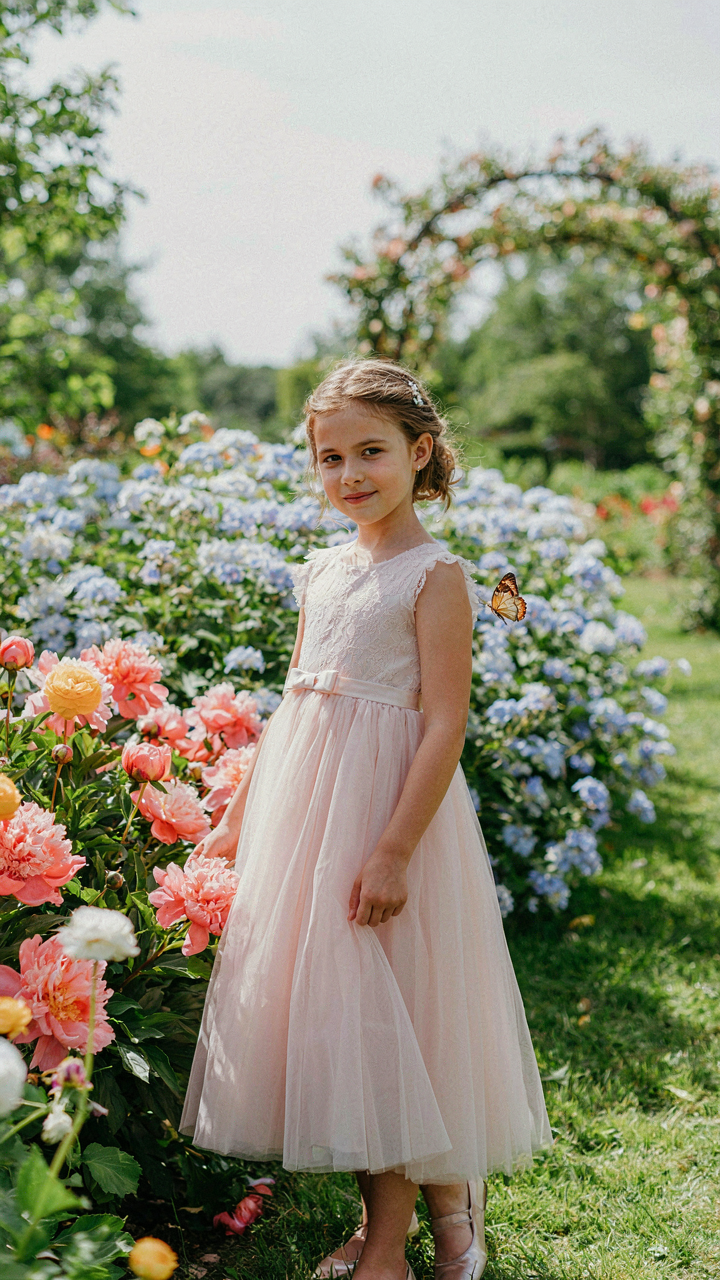
Most people buy a dress, use it once, then let it collect dust. Don’t. Flower girl dresses convert into Halloween costumes, party wear for younger siblings, or photo shoot props for photographers building portfolios. A tulle dress works especially well because tulle rewears across contexts without looking like a repeat. The conversion happens cleanest when you pick a neutral color: ivory, blush, sage, or white. Bold colors and heavy embellishments limit reuse scenarios.
Resale channels matter if you want money back. Facebook Marketplace and Poshmark move dresses faster than eBay for local buyers avoiding shipping. Price it at 40-60% of original cost depending on condition. Dresses with tulle stains or loose seams drop 20-30% in resale value fast. Document condition with clear photos before listing. If resale feels too friction-heavy, donate to Goodwill or your local Buy Nothing group and claim the tax deduction. The dress moves, the space clears, and you eliminate the sunk cost psychology that keeps unused items around.
DIY Embellishment: The Floral Crown & Kids Dress Upgrade
Cost Effective Personalization Techniques
You want to look like you spent money without actually spending it. The mechanism is simple: you’re borrowing from fashion economics, where perceived value tracks with customization effort, not material cost. A stock dress from a big retailer signals nothing. A dress you modified signals intention and taste.

The work here is cheap labor applied to cheap fabric. You buy a plain dress for 25 to 40 dollars, then add elements that retailers charge 60 to 100 dollars extra for. The delta becomes your margin. Retailers price embellishment at luxury rates because most parents won’t attempt it themselves. You eliminate that markup by doing the work.
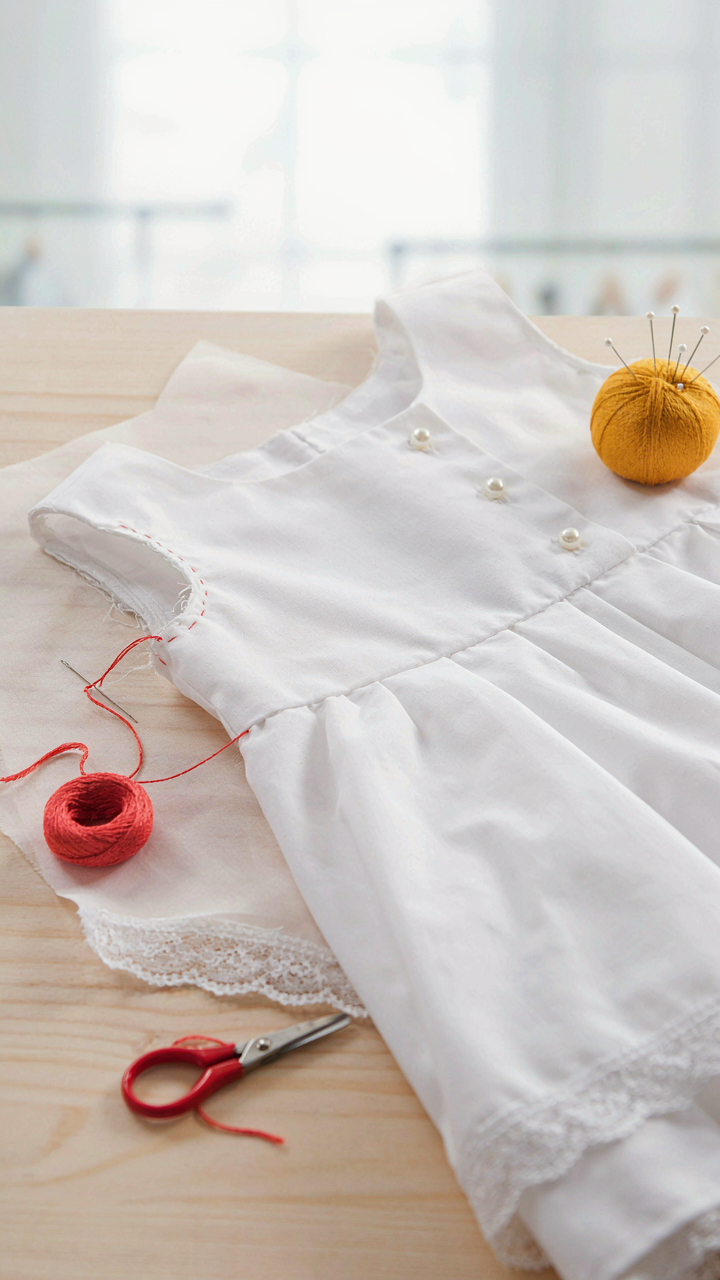
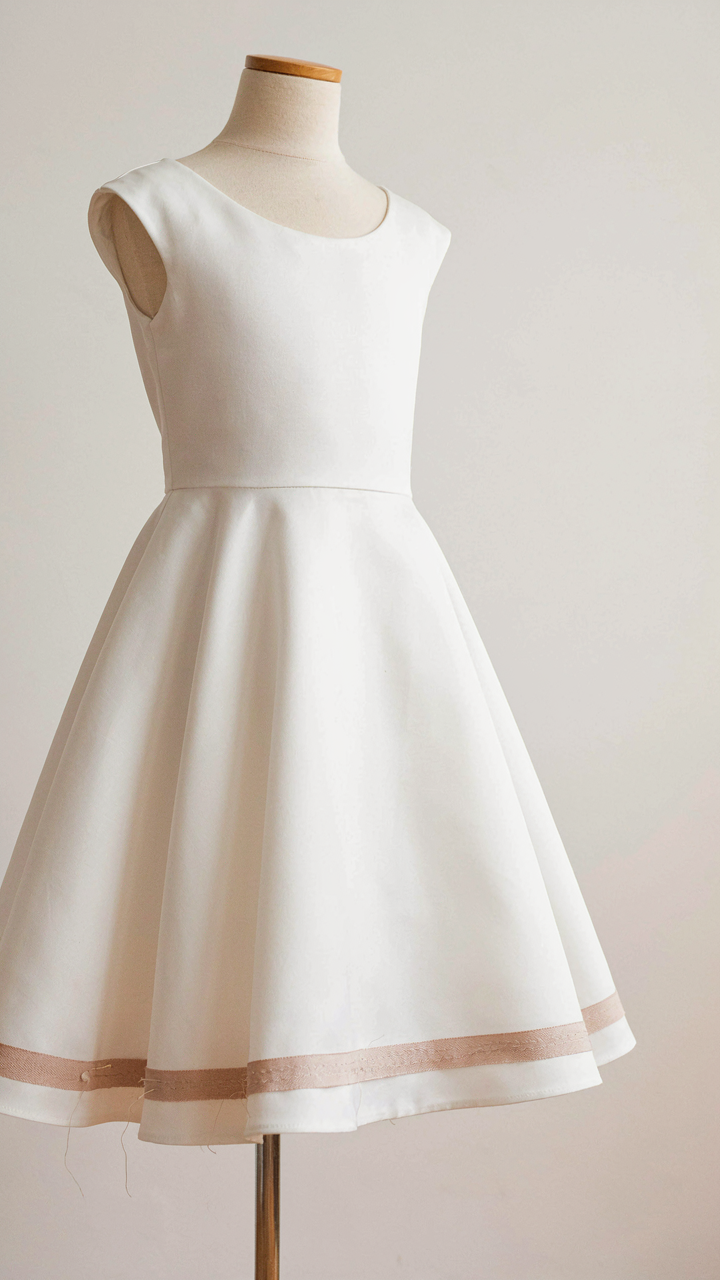
- Hand stitched ribbon trim: Buy grosgrain or satin ribbon in bulk from fabric stores. Sew it along hemlines or necklines with basic running stitch. Takes 30 minutes. Costs under 5 dollars. Creates a custom tailored look.
- Fabric paint or dye accents: Use fabric markers or diluted acrylic paint to add patterns to plain cotton dresses. Test on scrap fabric first. Dries permanent after heat setting. Budget 3 to 8 dollars for supplies.
- Iron on appliques: Purchase letter or shape appliques from craft stores. Center them on the dress and press with a household iron following package instructions. Secure attachment costs nothing extra beyond the 2 to 6 dollar applique itself.
- Lace or tulle layering: Cut tulle or lace panels and hand stitch or hot glue them to an existing dress skirt. Creates dimension and texture. Thrift stores sell old lace curtains for 2 to 4 dollars that work perfectly.
- Button or bead clusters: Hand sew small clusters of decorative buttons or beads at strategic points like shoulders or waistband. Bulk buttons cost pennies. Placement matters more than quantity.
Floral crowns deserve separate attention because they cost almost nothing but read as intentional design. Buy artificial flower stems from a dollar store, strip the blooms, and wire them onto a bendable headband or even twisted wire. The crown takes 20 minutes and costs 3 to 7 dollars total. Flower girls in crowns appear in professional wedding photography as a deliberate style choice, not a budget compromise.
Simple Additions With Major Impact
Most advice tells you to buy a pre embellished dress or hire someone to modify one. That advice is lazy. The real leverage sits in strategic placement of one or two elements, not scattered decoration everywhere. A single row of lace on the hem outperforms scattered rhinestones across the bodice.
The floral crown matters more than the dress itself in a flower girl setup. Photographers frame the crown prominently, and guests remember the visual contrast. A plain white or blush dress with a handmade floral crown reads as intentional styling. A plain dress without the crown reads as forgotten. Spend your energy and budget on the crown first, then upgrade the dress as secondary.
The Strategic Off Season Acquisition For Ivory Flower Girl
When Retail Pricing Actually Works In Your Favor
You’re worried about looking cheap. That’s the real reason you’re reading this. Here’s the mechanism: retail operates on predictable demand curves, and flower girl dresses follow them religiously. Demand peaks in March through May and again in September through November. Outside these windows, inventory becomes a liability for retailers. They discount aggressively to clear stock. You exploit this by shopping counter to the wedding calendar, not aligned with it.

The math is simple. A seventy-dollar ivory dress costs forty-two dollars in January. Same quality, same construction, different price tag. Retailers don’t mark down because dresses deteriorate. They mark down because carrying costs exceed profit margins on slow inventory. That’s economics, not charity. If your wedding falls in April, you buy in January. If it’s in October, you buy in July or August when summer inventory clears.
The Actual Timing Protocol For Maximum Leverage
Most advice says “shop early.” Wrong. Shopping early without strategy just means paying full price earlier. The real move is shopping during confirmed low demand periods, which retailers publish in their markdown calendars. Post-holiday sales in January clear Christmas and New Year wedding inventory. End-of-season clearance in July and August clears spring and early summer stock. Back-to-school retail shifts focus away from formal wear entirely in August and September.
Mark these windows in your calendar now: January 2 through February 28, July 15 through August 31, and November 27 through December 15. These are the zones where ivory flower girl dresses sit longest on racks. Visit retailer websites during these periods, check clearance sections first, and set price alerts on inventory from current-season collections. The dress you want exists right now at full price. It will exist at forty to fifty percent off within ninety days. Timing isn’t about luck. It’s about knowing when retailers need to move volume more than you need immediate availability.
The Secondhand Market: Unearthing Hidden Gems
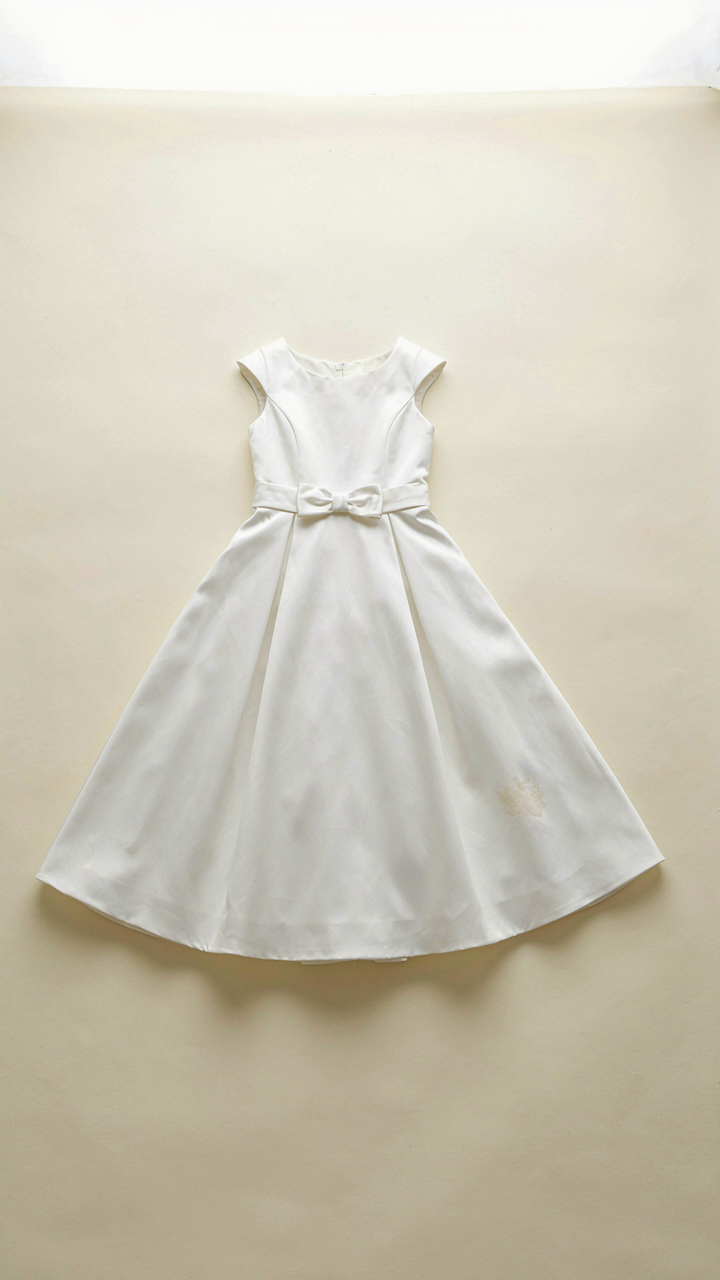
Where Online Marketplaces Actually Work
You’re hunting here because you think secondhand = cheap. That’s true. But the real reason you care is speed: you need a dress that fits now, not in six weeks. Online marketplaces solve inventory scarcity. Think of it like supply chain economics. Most retail creates artificial scarcity through limited sizes and runs. Secondhand flips that model. Thousands of dresses exist simultaneously across Facebook Marketplace, Poshmark, and eBay. You’re not waiting for production. You’re fishing from an existing pool.
Search specificity determines your hit rate. Don’t search “flower girl dress.” Search dimensions: “flower girl dress size 6 white tulle” or “children’s formal dress cream satin.” Price the item down 40-50% from retail. If a new dress costs $80, negotiate at $40-50 on secondhand platforms. Condition matters more than age. A dress worn once in 2015 beats a dress worn five times in 2023. Check photos for stains, loose seams, and hem integrity. Most sellers price based on brand name, not actual wearability. This works in your favor.
Local Consignment And Thrift Stores
Consignment shops stock inventory nobody else wants at that moment, which means less competition for your specific size and color. Walk in without expectations. You’re not hunting for “the dress.” You’re hunting for “a dress that works.” Thrift stores operate on donation cycles. Wedding seasons spike donations in January and September. Time your visit two weeks after these peaks. Staff haven’t yet sorted through the influx. You’ll find formal wear buried in regular clothing sections. Ask directly if they sort children’s formal wear. Many stores keep it separate, and staff will pull items before the shelves refresh.
Consignment store margins reward negotiation. If a dress sits for 60 days, the consignor drops the price. Ask if an item has been marked down. Thrift stores price lower but move slower. Consignment prices higher but hold steadier. For a one-time event, thrift stores win on budget. For a dress you might wear again, consignment quality justifies the slightly higher cost. Check seams, zippers, and sleeve length in person. Secondhand doesn’t mean damaged, but you verify before checkout.
The Real Obstacle Isn’t Your Budget; It’s Your Inability To See Value Beyond A Price Tag
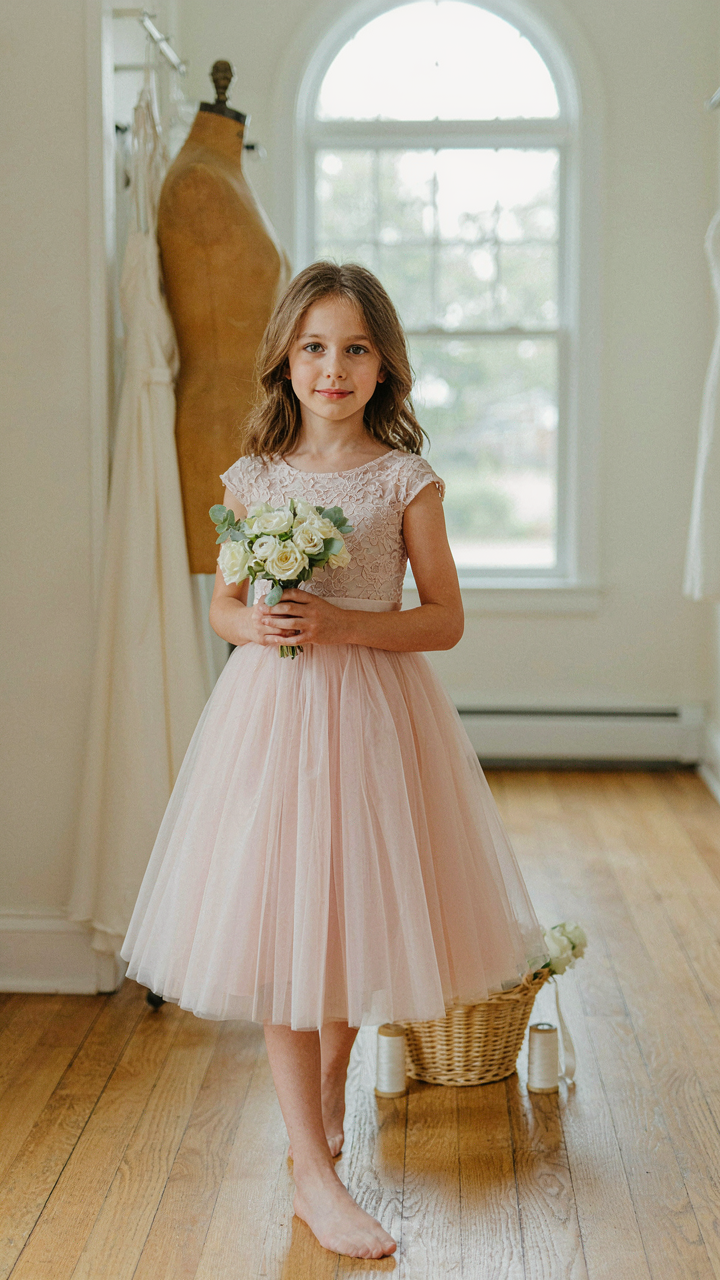
Most parents fixate on the price tag and miss the actual game. A fifty-dollar dress that looks cheap moves the needle zero. A thirty-dollar dress that photographs like a hundred-dollar dress wins. Stop asking how low you can go. Start asking what story the dress tells. Today, find one photo of a flower girl that makes you stop scrolling. Reverse image search it. Buy that dress or something identical. Your budget isn’t the problem. Your taste is.