Why Affordable Wedding Shoes Do Not Mean Sacrificing Style Or Comfort
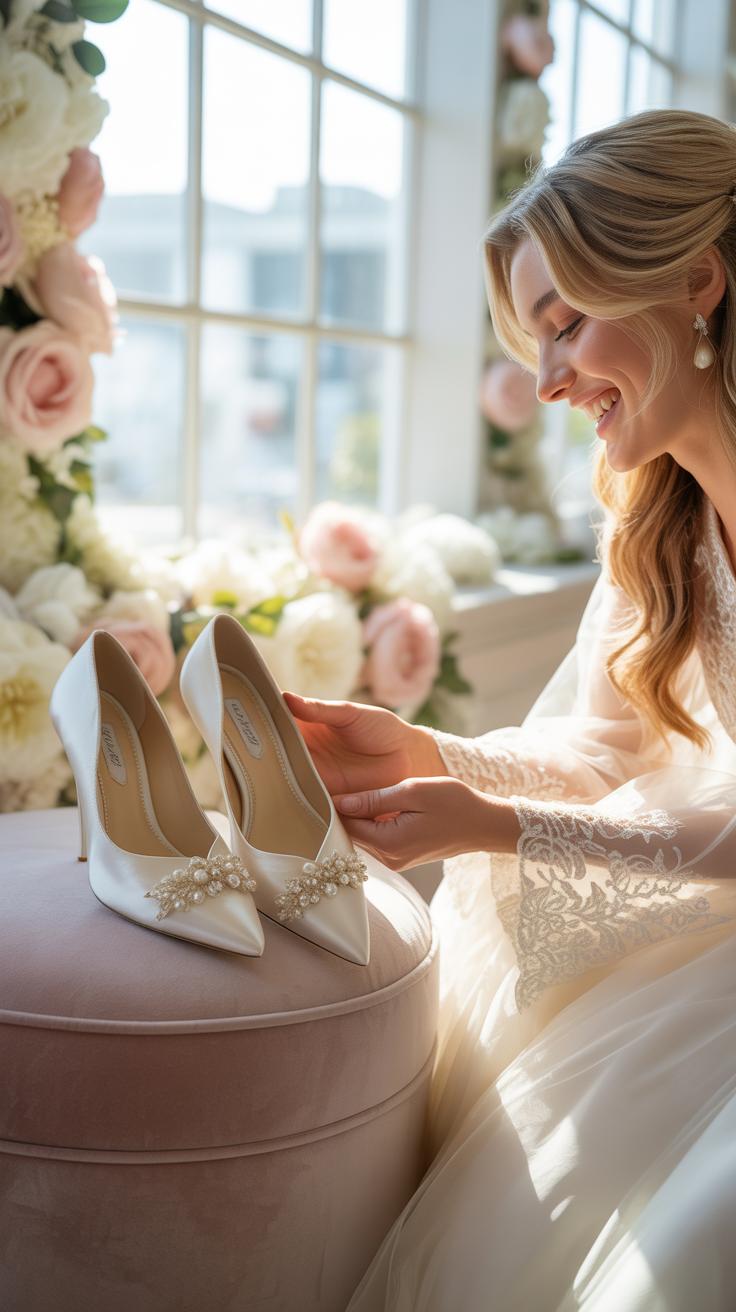
The Modern Bridal Shoe Market Offers More Budget Friendly Options Than Ever Before
The global footwear industry shifted due to direct to consumer shipping and advanced manufacturing. High quality materials like memory foam and synthetic leather are now cheaper to produce. This allows brands to create Bridal Heels that look expensive but cost a fraction of designer prices. Competition between online retailers forces prices down while keeping design standards high for modern Bride Heels across all price points.
You no longer need to pay a luxury markup for aesthetic appeal. Many brands offer Raffia Sandals for beach ceremonies or Western Style Boots for rustic events at accessible rates. Improved supply chains mean the Best Bridal Shoes are available to everyone. These manufacturers use the same silhouettes as high end fashion houses. You get the same visual impact without the massive financial investment or brand name tax.
How To Set A Realistic Budget For Your Bridal Heels Without Compromising On Quality
Establish your spending limit by researching specific categories like Women Wedding Shoes and Wedding Dress Shoes early. High prices often reflect marketing costs rather than material quality. Focus your budget on items with structural integrity. For example, a Closed Toe Wedding Shoes Low Heel design offers more support and durability than a flimsy stiletto. Investing in construction over a brand logo ensures long term comfort.
Prioritize utility when selecting Low Heels For Wedding to maximize your value. Look for cushioned insoles and adjustable straps instead of expensive crystal embellishments. Price does not always dictate how long you can stand in your footwear. Effective budgeting involves identifying which technical features matter most for your specific venue. Buy based on the physical components of the shoe to secure the best possible deal for your big day.

What To Look For In The Best Bridal Shoes For All Day Wear
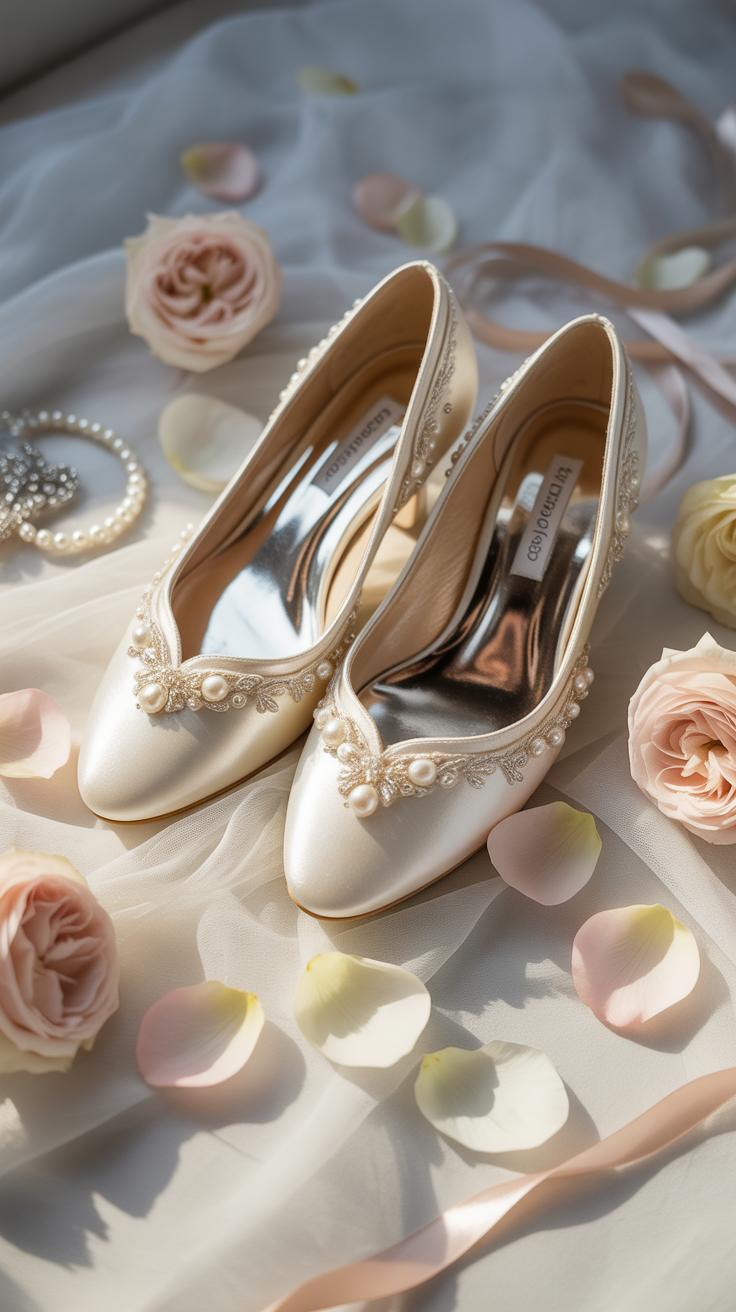
Key Features That Make The Best Bridal Shoes Both Beautiful And Foot Friendly
The best bridal shoes prioritize mechanical stability over aesthetics alone. Look for a wide base of support to distribute body weight evenly across the foot. High stiletto bridal heels shift center of gravity forward, causing ball-of-foot pain. Opt for block heels or low heels for wedding ceremonies to maintain balance. Ensure the toe box provides enough room for natural foot swelling that occurs after hours of standing and walking.
Material selection determines long-term comfort and durability. Natural fibers like those found in raffia sandals offer better breathability than synthetic plastics. Leather or high-quality textile wedding dress shoes stretch slightly to match your foot shape over time. Rigid bride heels lack this flexibility and cause blisters. For outdoor or rustic themes, western style boots provide superior ankle support and protection compared to delicate women wedding shoes with thin straps.
True elegance is being able to dance through your memories without a single thought of discomfort. You do not need to spend a fortune to feel like you are walking on air.
Understanding Shoe Construction: Insoles, Cushioning, And Arch Support Explained
Proper shoe construction starts with the internal shank and mid-sole. Closed toe wedding shoes low heel designs often feature a reinforced shank to prevent the shoe from collapsing under pressure. Quality cushioning must be high-density foam rather than thin budget padding. Cheap foam flattens within an hour, leaving your feet against the hard outsole. Tactically, you need resilient materials that rebound with every step during the event.

Arch support is the final layer of a functional shoe design. It reduces strain on the plantar fascia by filling the gap between the heel and ball. Most standard shoes lack sufficient built-in support. You may need to add aftermarket orthotics to your wedding shoes for maximum comfort. Check that the heel counter is firm. A stiff back prevents the foot from sliding, which eliminates friction and keeps your gait steady.
Low Heels For Wedding Days The Smart Choice For Comfort And Elegance
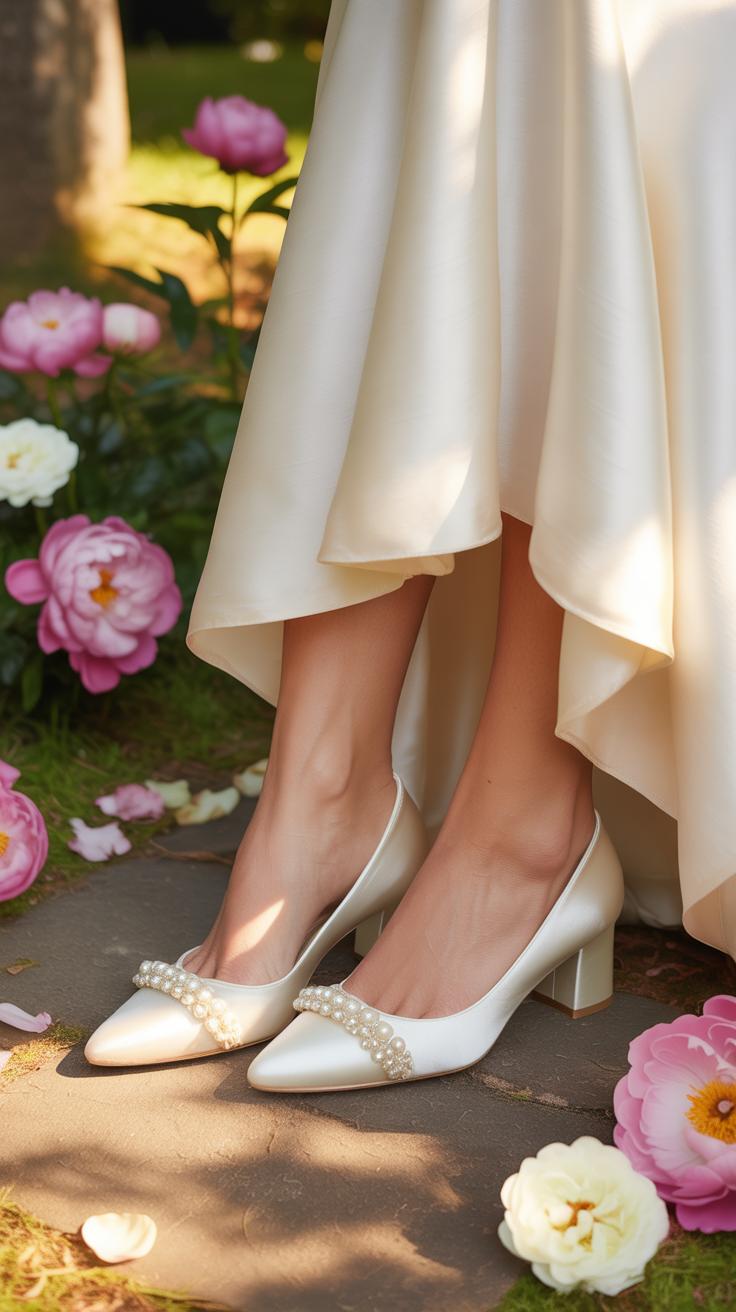
Why Low Heels For Wedding Ceremonies Are Growing In Popularity Among Modern Brides
Modern brides now prioritize mobility and physical endurance over traditional height. High bridal heels often cause foot fatigue before the reception even begins. Low heels for wedding ceremonies allow the bride to stand for long periods without pain. This shift reflects a practical move toward functional fashion. Women wedding shoes must support the wearer through photography sessions, the aisle walk, and hours of dancing.
Tactical brides choose shoes that offer stability on uneven surfaces like grass or gravel. Many venues now include outdoor spaces where thin stiletto bride heels fail. Best bridal shoes today combine archival silhouettes with modern foam padding. Choosing wedding dress shoes with a lower center of gravity reduces the risk of trips. This choice ensures the bride remains focused on the event rather than foot discomfort.
Heel Height Guide: What Counts As A Low Heel And How To Style It With Your Gown
A low heel typically measures between one and two inches. This range includes kitten heels and block heels that provide a solid base. A closed toe wedding shoes low heel design offers a classic aesthetic that mimics higher pumps. For casual or summer events, raffia sandals provide a textured look without the strain of a high arch. Western style boots also serve as a sturdy low heel alternative for themed weddings.
Proportion is key when styling these shoes with a gown. Ensure the hemline is tailored specifically to the lower height to avoid tripping. Most wedding dress shoes require a precise measurement from the waist to the floor. Low heels work well with tea length dresses or column silhouettes. They maintain the formal line of the outfit while ensuring the bride moves with natural grace and speed throughout the day.
Bride Heels That Balance Height Glamour And Foot Health
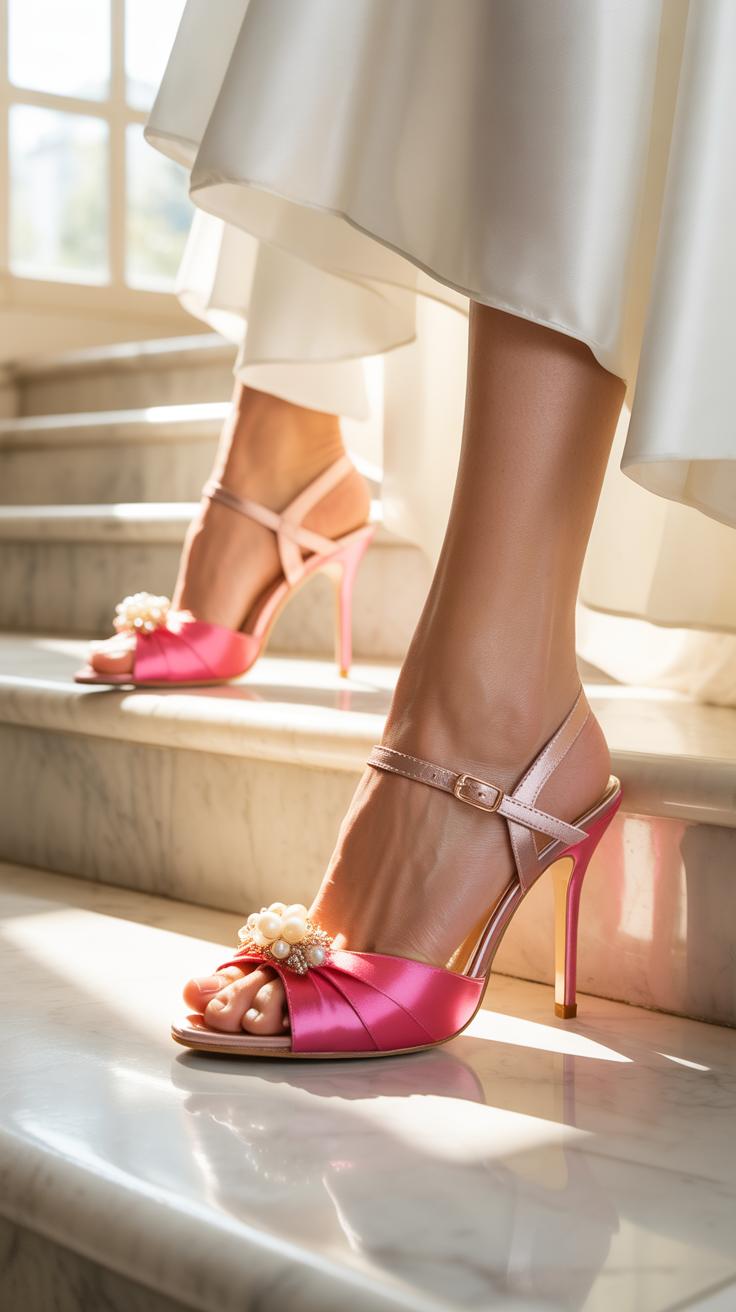
How The Right Pair Of Bride Heels Can Reduce Foot Fatigue During Long Wedding Receptions
Selecting the best bridal shoes requires understanding pitch and pressure. A steep incline shifts your weight to the metatarsal bones. This causes inflammation and sharp pain. You must look for bride heels with built-in foam density. High-quality foam absorbs the impact of hard surfaces. This keeps your feet from tiring during the ceremony. Proper arch support transition keeps the foot stable and prevents early fatigue.
Stability is the primary goal for women wedding shoes during long events. A secure ankle strap prevents the foot from sliding forward. Friction causes blisters and heat. You should choose wedding dress shoes that lock the heel in place. This reduces muscle strain in the calves. Better stability allows you to stand longer without discomfort. Proper fit ensures the weight stays centered over the heel rather than the toes.
Block Heels Vs. Stilettos: Which Bride Heel Style Is Kinder To Your Feet On The Big Day
Stilettos concentrate all body weight onto a tiny point. This creates high pressure on the balls of your feet. Block heels provide a wider base of support. This distribution lowers the risk of ankle rolls. If you want bridal heels that last all night, choose a wider heel. For outdoor venues, raffia sandals or western style boots offer even better stability on grass or gravel surfaces.

If you prefer a classic look, consider a closed toe wedding shoes low heel design. These provide the elegance of pumps with less vertical strain. Low heels for wedding events reduce the angle of the foot significantly. This helps maintain natural posture. Unlike tall stilettos, a block heel maintains balance even when you are tired. Tactical shoe selection ensures you stay mobile from the first walk to the final dance.
Women Wedding Shoes Styles For Every Venue Season And Dress Type
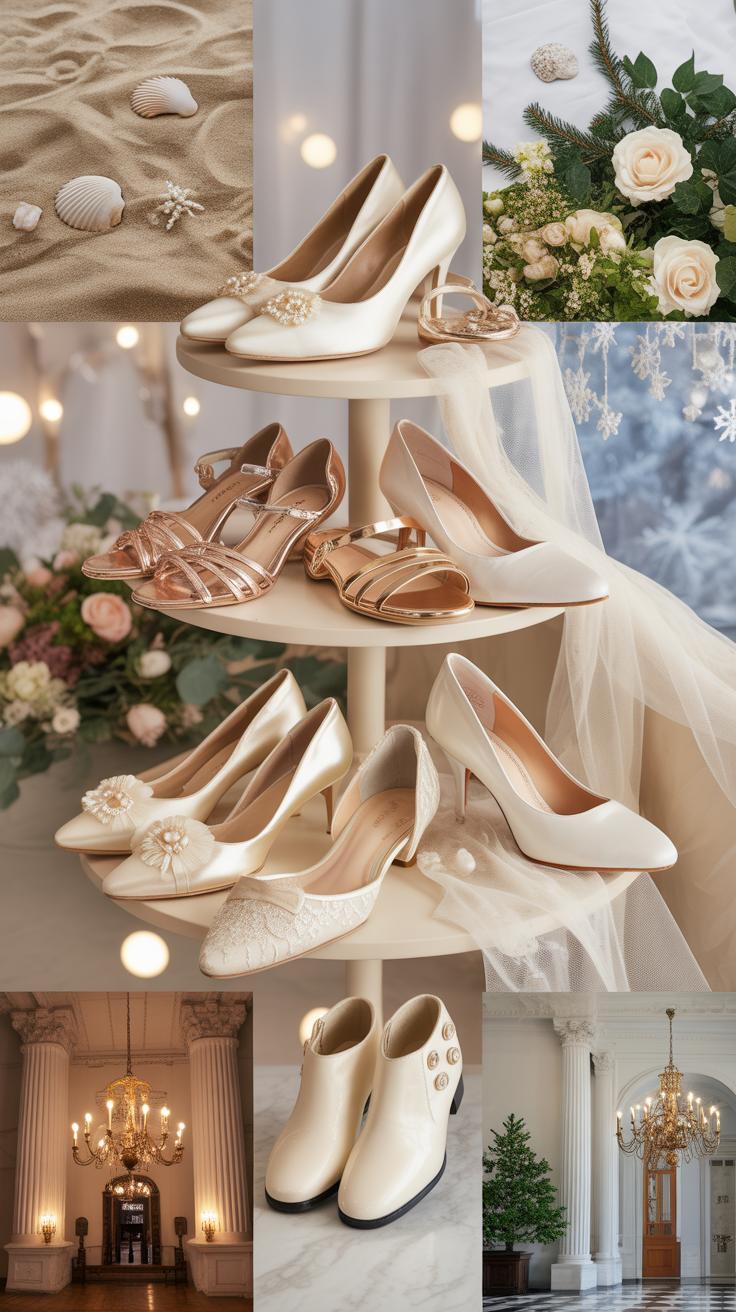
Matching Women Wedding Shoes To Your Wedding Venue — Indoor, Outdoor, Beach, Or Garden
Venue terrain determines the mechanical success of your footwear. Hard surfaces like ballroom marble support high Bridal Heels and slim stilettos without risk. Soft surfaces like grass or sand require a wider surface area to prevent sinking. Choosing the Best Bridal Shoes means analyzing the ground tension and stability of the location before finalizing your purchase to avoid injury or damage.
- Ballroom and Indoor Floors: These smooth surfaces allow for high bride heels with thin tips. You can prioritize aesthetics over stability because the ground is level and dry. Polished stone or wood provides the most predictable environment for any heel height or material.
- Lawn and Garden Settings: Grass requires a block heel or low heels for wedding ceremonies to ensure you stays above the dirt. Narrow heels will sink into the turf immediately. This ruins the fabric of the shoe and creates a significant tripping hazard for the wearer.
- Beach and Sand: Coastal environments demand flat soles or wide wedges. Raffia sandals work best here because the braided natural fibers resist damage from salt and sand. Avoid any thin heel that provides no resistance against the shifting beach surface during the processional walk.
- Rustic or Gravel Paths: Uneven stones and dirt tracks require durable soles and ankle support. Western style boots are a practical choice for ranch or farm venues because they offer stability. The thick leather and wide base protect your feet from sharp rocks and unpredictable debris.
- Historic Estates: Older venues often have cracked pavement or steep stairs. A closed toe wedding shoes low heel design offers the most safety in these environments. The enclosed front protects your toes while the lower center of gravity helps you navigate heritage architecture without falling.
Seasonality also dictates material choice for your women wedding shoes. Cold weather requires heavier fabrics or leather to retain heat. Summer events favor breathable materials like mesh or open weaves. Ensure your sole has enough grip for the specific environment. A leather sole slips on carpet but works well on dry pavement. Rubber provides necessary traction for damp or slick outdoor surfaces.
How Dress Silhouette Influences The Right Women Wedding Shoe Style For Your Look
Your gown length and volume dictate the visibility and height requirements of your wedding dress shoes. Ball gowns with heavy petticoats hide your feet entirely. This allows you to prioritize comfort over style. You can wear a flat or a wedge without affecting the visual lines of the dress. The extra fabric weight makes stability more important than the specific design of the shoe.

Short dresses or tea-length skirts put your bride heels on full display. These silhouettes require a shoe that complements the hemline transition. A sleek stiletto or a detailed sandal works best when the footwear is a focal point of the outfit. Ensure the heel height maintains the intended proportions of the skirt. For long fitted gowns, choose a heel that prevents the hem from bunching at your feet.
Raffia Sandals As A Chic And Comfortable Bridal Footwear Option
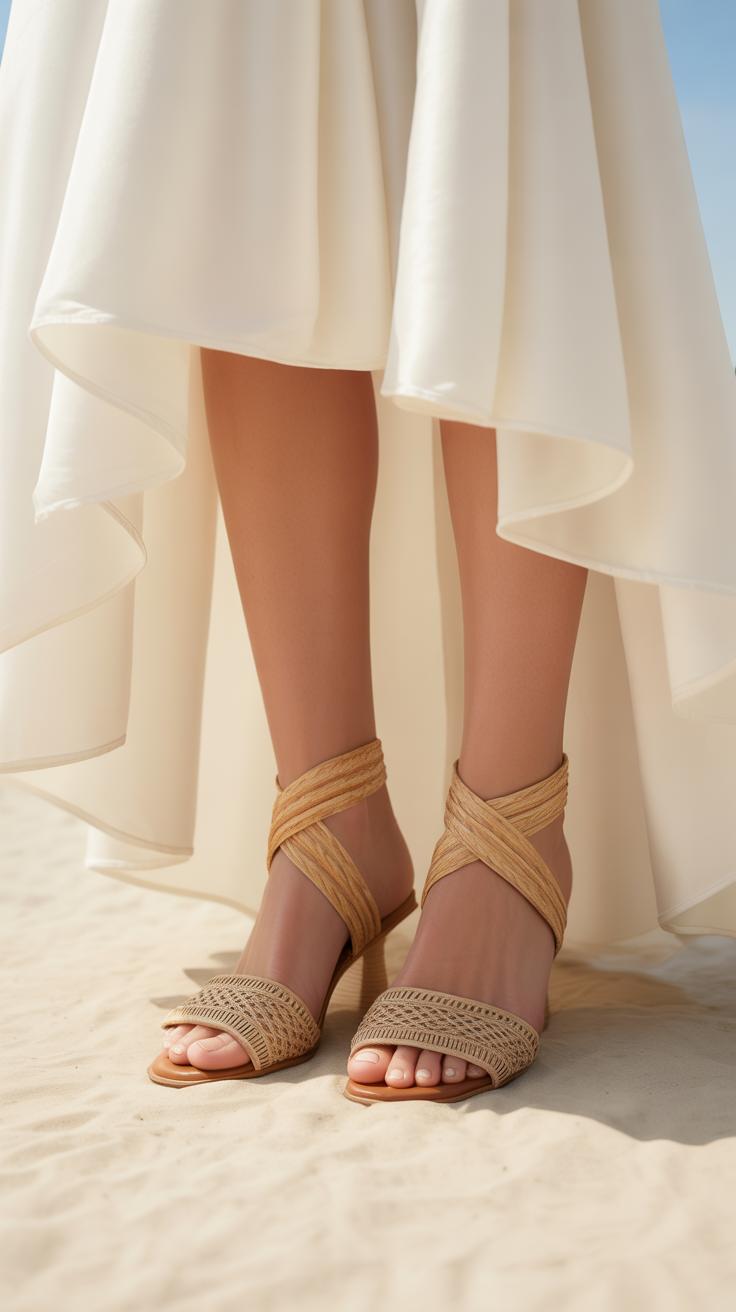
What Are Raffia Sandals And Why Are They Gaining Popularity In Bridal Fashion
Raffia Sandals come from the veins of the Raphia farinifera palm tree. This material is strong and durable. It allows air to reach your feet. Modern designers use this fiber to create Raffia Sandals that look high end but stay affordable. These shoes offer more flexibility than standard Women Wedding Shoes. They mold to your foot shape quickly. This makes them a top choice for brides.
The rise of eco conscious bridal fashion drives the popularity of these shoes. Brides now want sustainable options over traditional Wedding Dress Shoes. Raffia provides an organic texture that contrasts well with silk or lace. These styles often feature Low Heels For Wedding events. This design choice prevents foot fatigue during long ceremonies. You get the height of Bride Heels without the structural rigidity of synthetic materials.
How To Style Raffia Sandals For A Boho, Destination, Or Beach Wedding Look
Styling these shoes requires a focus on venue and fabric. These sandals work best for outdoor settings where traditional Bridal Heels would sink into sand or grass. Match your Raffia Sandals with a crochet or linen gown for a cohesive boho look. Avoid heavy satin fabrics that might clash with the natural fiber. This combination ensures you have the Best Bridal Shoes for a relaxed environment.
If your event has a rustic theme, swap Western Style Boots for open-weave raffia designs. For formal indoor settings with a tropical twist, choose a Closed Toe Wedding Shoes Low Heel style made of woven raffia. This maintains professionalism while staying comfortable. Ensure your accessories like straw clutches or rattan jewelry match the shoe texture. This strategy creates a polished look for any bride seeking practical and stylish footwear.
Western Style Boots As Affordable And Unique Wedding Footwear For Brides
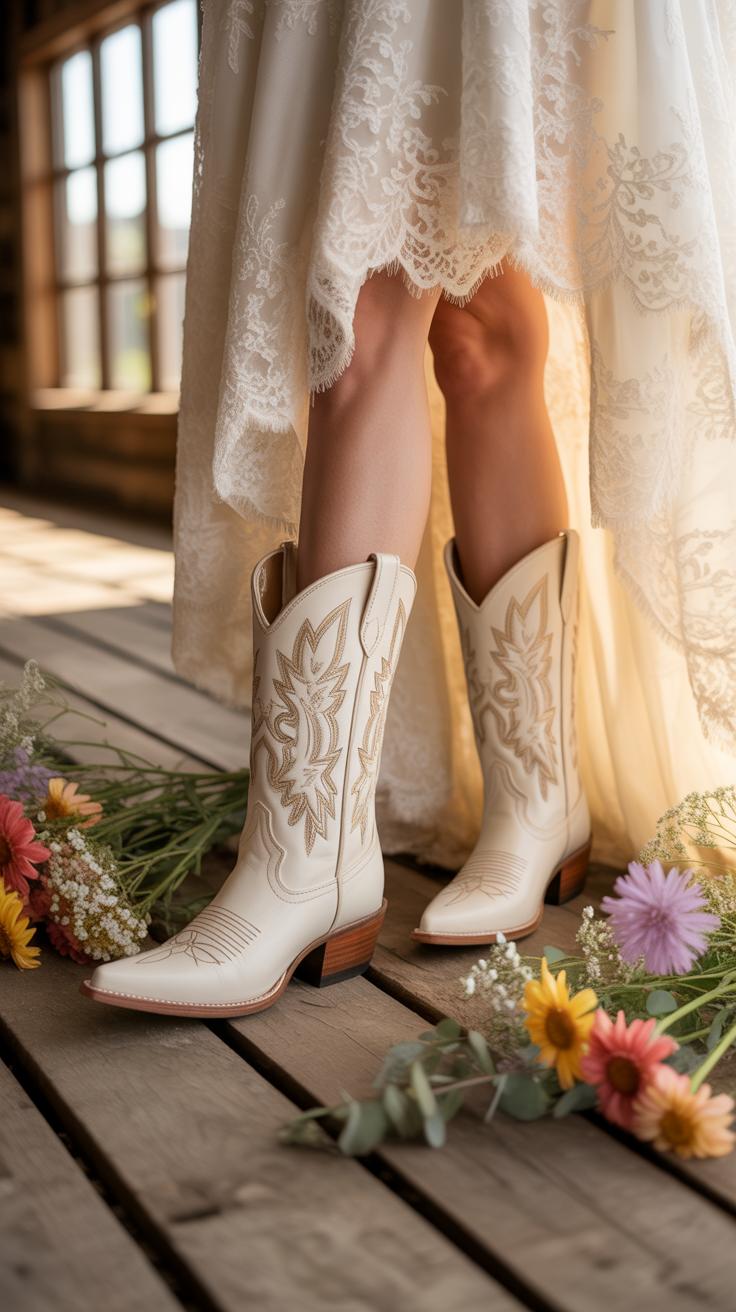
Why Western Style Boots Are A Practical And Stylish Choice For Rustic Or Country Weddings
Western Style Boots offer superior stability on uneven outdoor terrain like grass or gravel. Unlike standard Bridal Heels that sink into soft soil, the wide base of a cowboy boot distributes weight evenly. This structural design prevents ankle rolls and maintains balance throughout long outdoor ceremonies. These boots serve as a durable alternative to Best Bridal Shoes that may ruin easily in rural environments.
Modern brides choose these over traditional Women Wedding Shoes for their longevity and comfort. The thick leather construction provides better arch support than Raffia Sandals or thin flats. Most designs feature a stacked heel that functions as a Closed Toe Wedding Shoes Low Heel option. You save money because high quality leather boots outlast flimsy formal footwear. They offer a practical solution for active weddings.
Tips For Pairing Western Style Boots With Bridal Gowns And Wedding Dresses
Matching Western Style Boots with wedding attire requires a focus on hem length and fabric weight. Heavier boots balance out full tulle skirts or thick lace patterns better than delicate Bride Heels. You must ensure the skirt length allows for movement without catching on the boot pull straps. This combination creates a functional look for brides who prioritize mobility over traditional aesthetics.
- Monitor Hem Length: Ensure your wedding dress shoes do not snag on the embroidery of the boot. Ask your tailor to pin the hem while wearing the specific boots you plan to use. This prevents tripping during the transition from the ceremony to the reception floor.
- Coordinate Leather Tones: Match the boot leather to your dress shade. Use stark white boots for cool toned fabrics and cream or tan leather for ivory gowns. Proper color matching ensures the footwear complements the dress instead of clashing with the overall visual palette.
- Evaluate Shaft Height: Choose a boot height that fits your calf comfortably under the gown layers. Taller shafts provide more support but can create bulk under slim silhouettes. Short booties work best for sheath dresses while traditional tall boots suit A-line or ball gown styles perfectly.
- Consider Toe Shape: Pointed toes offer a more formal appearance similar to Low Heels For Wedding styles. Snip toe or round toe designs provide a more relaxed and authentic country look. Select a shape that aligns with the formality level of your specific venue and event.
- Prioritize Break In Time: Wear your boots for several weeks before the wedding day to soften the leather. New leather is stiff and can cause blisters if not properly conditioned. This preparation ensures your boots provide better comfort than even the most expensive designer footwear options.

Select your boots based on the dress material to keep the silhouette streamlined. Lightweight fabrics like silk require a more refined boot to avoid a clunky appearance. If your gown features intricate beadwork, choose simple leather finishes to avoid visual clutter. This tactical approach makes Western Style Boots a reliable and affordable choice compared to standard Wedding Dress Shoes for any rustic celebration.
Wedding Dress Shoes That Complement Every Gown Style From Classic To Contemporary
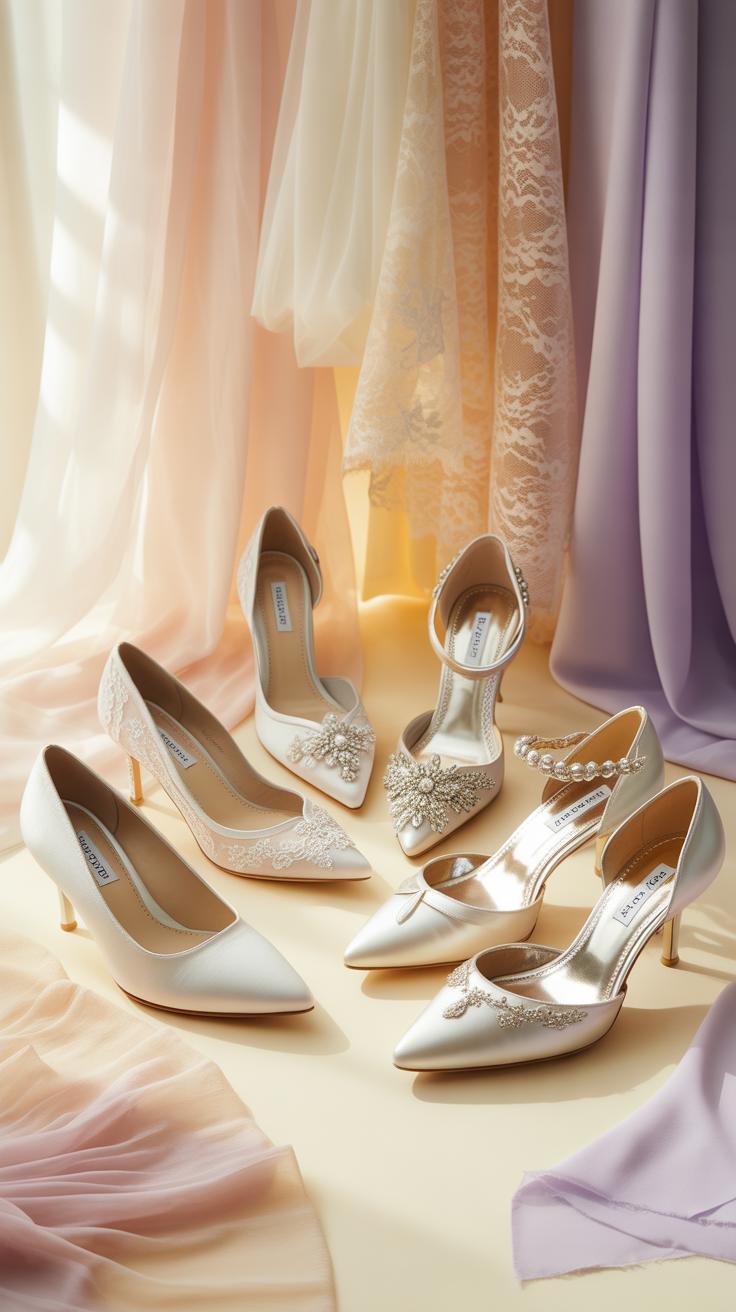
How To Choose Wedding Dress Shoes That Harmonize With Your Gowns Fabric And Length
Fabric weight dictates your shoe choice. Heavy satin or mikado gowns require substantial wedding dress shoes to balance the visual silhouette. Delicate silk or chiffon calls for airy footwear. If you wear a floor length gown, prioritize comfort over aesthetics. Low heels for wedding ceremonies prevent tripping on excess fabric. Ensure your hemline sits exactly one inch above the floor to avoid catching on your heels.
Length determines visibility. Short or tea length dresses put your bride heels on full display. This requires a precise color match or a deliberate contrast. For outdoor floor length gowns, raffia sandals provide a stable base on grass or sand. If your dress features a high slit, select bridal heels with ankle straps to secure the foot. Matching shoe texture to fabric ensures a cohesive look across all photographs.
Embellished Vs. Minimalist Wedding Dress Shoes Which Works Best For Your Wedding Theme
Theme drives the decoration level of your footwear. Traditional ballroom weddings favor classic closed toe wedding shoes low heel designs with pearl or crystal details. These best bridal shoes mirror the formality of the venue. Minimalist themes require clean lines and smooth leathers. Avoid heavy hardware if your gown already features intricate beadwork. Overloading on sparkle creates visual clutter that distracts from the overall bridal ensemble.

Niche themes allow for unconventional choices. Barn or ranch settings allow for western style boots that offer superior ankle support and traction. These women wedding shoes protect against uneven terrain better than thin stilettos. For modern city hall events, sleek pointed toes work best. Always choose function first. If the theme involves long periods of standing, select shoes that prioritize structural integrity over excessive external ornamentation to ensure durability.
Closed Toe Wedding Shoes Low Heel Elegance And Coverage For Every Bride
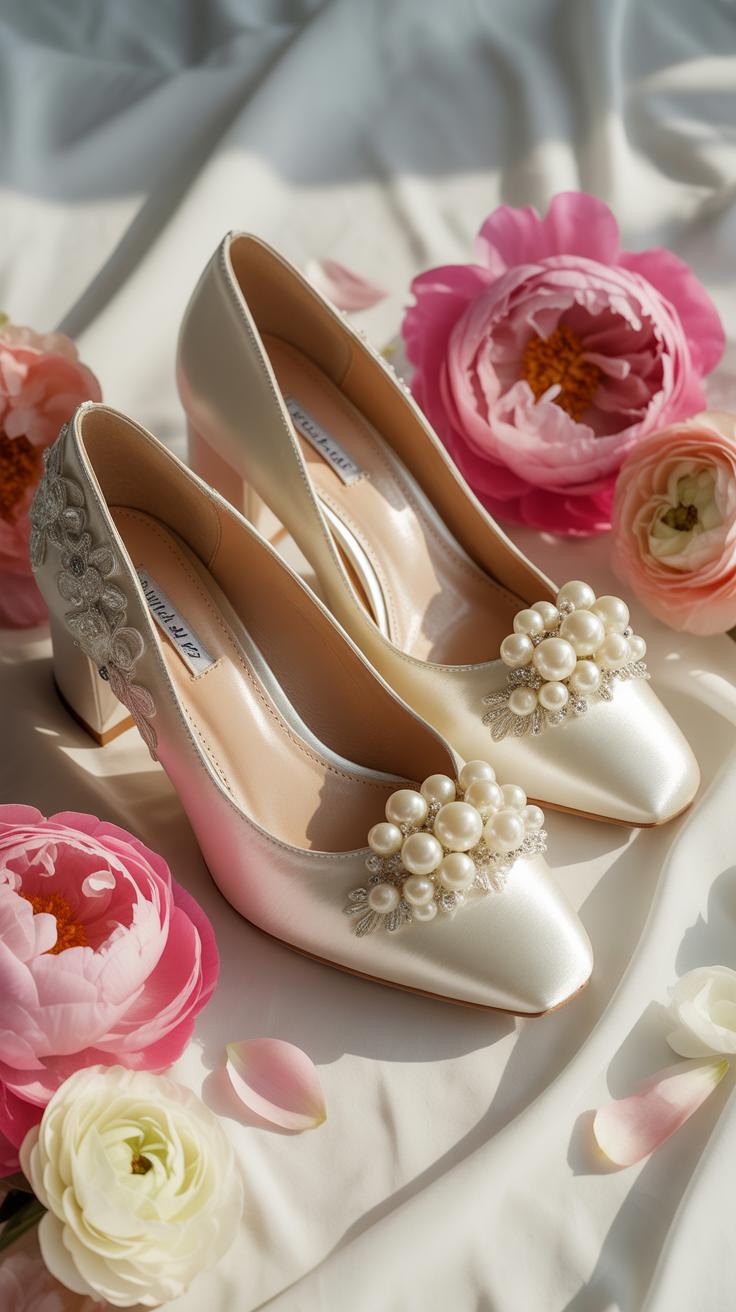
Why Closed Toe Wedding Shoes With A Low Heel Are A Timeless And Versatile Bridal Choice
Closed toe wedding shoes low heel options provide stability and toe protection. This design prevents the foot from sliding forward, which is a common issue with high bridal heels. A low block or kitten heel maintains a professional aesthetic while reducing strain on the arch. Historically, closed toe designs offer a cleaner silhouette for formal ceremonies. These are the best bridal shoes for long events.
Women wedding shoes with a closed front shield your feet from dirt and debris. This construction supports the structure of wedding dress shoes, ensuring they hold their shape throughout the wedding day. Unlike raffia sandals or western style boots, the closed toe offers a traditional look. It works well with various gown lengths. These bride heels prioritize function without sacrificing the classic bridal style most people expect.
Best Occasions And Seasons To Wear Closed Toe Wedding Shoes With A Low Heel
Choose closed toe low heels for wedding ceremonies held in autumn or winter. The increased surface area provides warmth and keeps feet dry in unpredictable weather. These are more practical than open sandals for outdoor garden paths or gravel walkways. The low profile ensures you do not sink into soft ground. It is a tactical move for brides who value comfort over temporary fashion trends.
Traditional indoor venues with marble or polished wood floors require steady footing. Low heels for wedding events offer better grip and balance than steep stilettos. This footwear choice suits formal religious settings where modest dress is often required. While western style boots are for rugged themes, the closed toe heel fits black tie standards. Use these shoes to transition from the ceremony to the dance floor with zero downtime.
How To Break In Your Affordable Wedding Shoes Before The Big Day
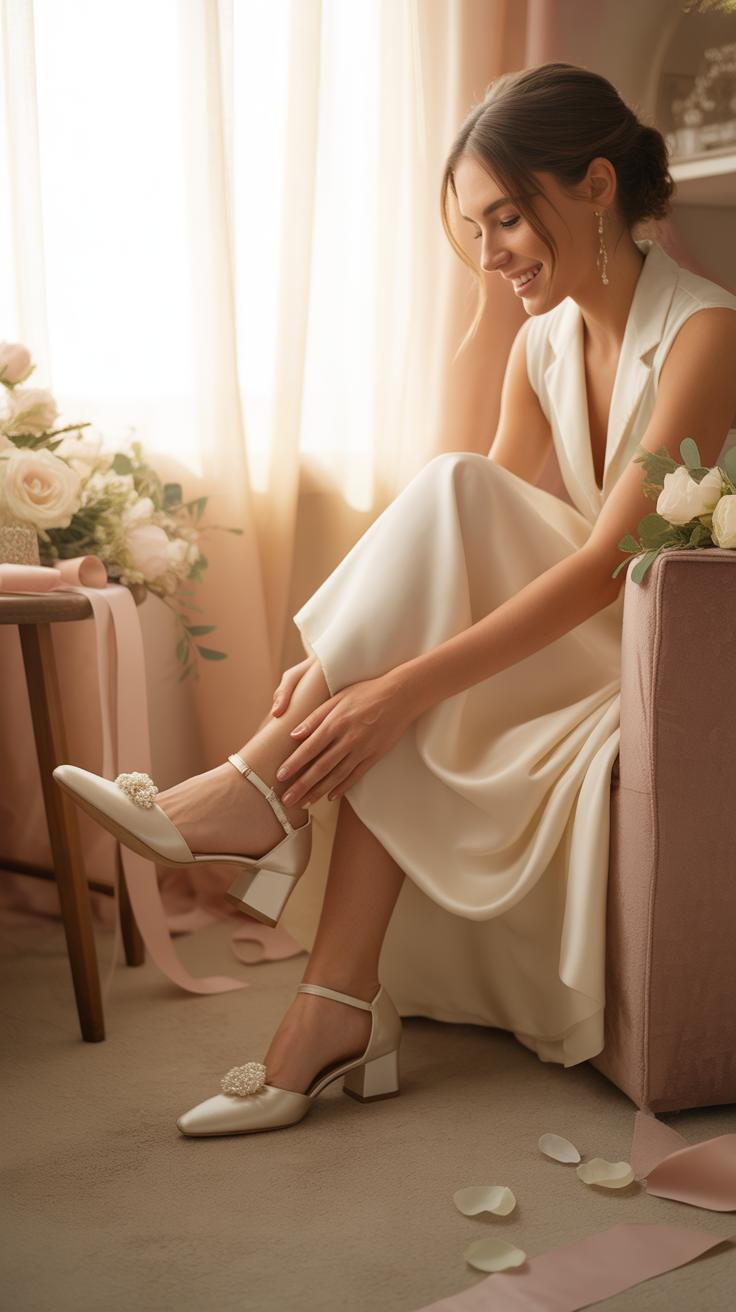
Proven Methods To Stretch And Soften New Wedding Shoes So They Feel Like A Second Skin
To prepare Bridal Heels for a full day of wear, you must expand the material without causing structural damage. Wear thick socks and walk around your home for twenty minutes daily. This technique works well for synthetic materials and Western Style Boots by applying internal pressure. For stiff Wedding Dress Shoes, use a hair dryer on low heat to soften the heel counter and toe box while wearing them.
Apply moleskin padding to the interior of Bride Heels where friction occurs. This prevents blisters before they start. If you chose Raffia Sandals, avoid heat as it can brittle the fibers. Instead, use a shoe stretcher to provide a consistent pull on the width. Women Wedding Shoes require focused attention on the widest part of your foot to ensure the material yields to your specific shape.
When To Start Breaking In Your Wedding Shoes And What To Avoid During The Process
Begin the breaking in process exactly four weeks before the ceremony. Starting too early leads to premature wear, while starting too late results in foot pain. Wear your Low Heels For Wedding on hard surfaces like wood or tile to mimic the venue flooring. This timeline allows you to identify hot spots and apply necessary adjustments to any Closed Toe Wedding Shoes Low Heel.
Avoid wearing your Best Bridal Shoes outside on asphalt or grass during this phase. Moisture and rough debris can ruin the finish of affordable materials quickly. Do not attempt to overstretch the shoes in a single session. Gradual increments of wear time prevent the material from cracking. Consistency is the only way to ensure comfort without compromising the aesthetic integrity of your footwear for the wedding day.
Frequently Asked Questions

What should I look for when shopping for comfortable yet affordable wedding shoes?
When searching for affordable wedding shoes, prioritize features like memory foam footbeds, adjustable ankle straps, and breathable materials. Look for lower block heels or elegant flats, as these distribute your weight more evenly than stilettos. Choosing synthetic leather or soft textiles can also lower the price point without sacrificing the stylish aesthetic needed for your big day, ensuring you remain pain-free from the ceremony through the final dance.
How can I ensure my budget-friendly bridal footwear is comfortable for the entire wedding day?
To make your affordable wedding shoes even more comfortable, always break them in at home by wearing them with thick socks for short periods. Consider adding gel inserts or moleskin padding to high-friction areas like the heel or toes. Additionally, slightly scuffing the soles can provide better traction on slippery dance floors. These small, inexpensive adjustments ensure that your budget-friendly choice feels as luxurious and supportive as a high-end designer pair.
Where can I find stylish wedding shoes under $100 that still feel high-quality?
You can find stunning options by exploring online marketplaces, high-street retailers, and bridal outlet stores. Many reputable footwear brands now offer dedicated bridal collections that focus on ergonomic designs at accessible prices. By shopping during seasonal sales or looking for versatile evening sandals that aren’t strictly labeled “bridal,” you can secure beautiful footwear that fits your budget perfectly while keeping your feet cushioned and supported throughout your entire celebration.