The Rise Of The Secondhand Wedding Dress In Modern Bridal Culture
How Attitudes Toward Pre Owned Bridal Wear Have Shifted
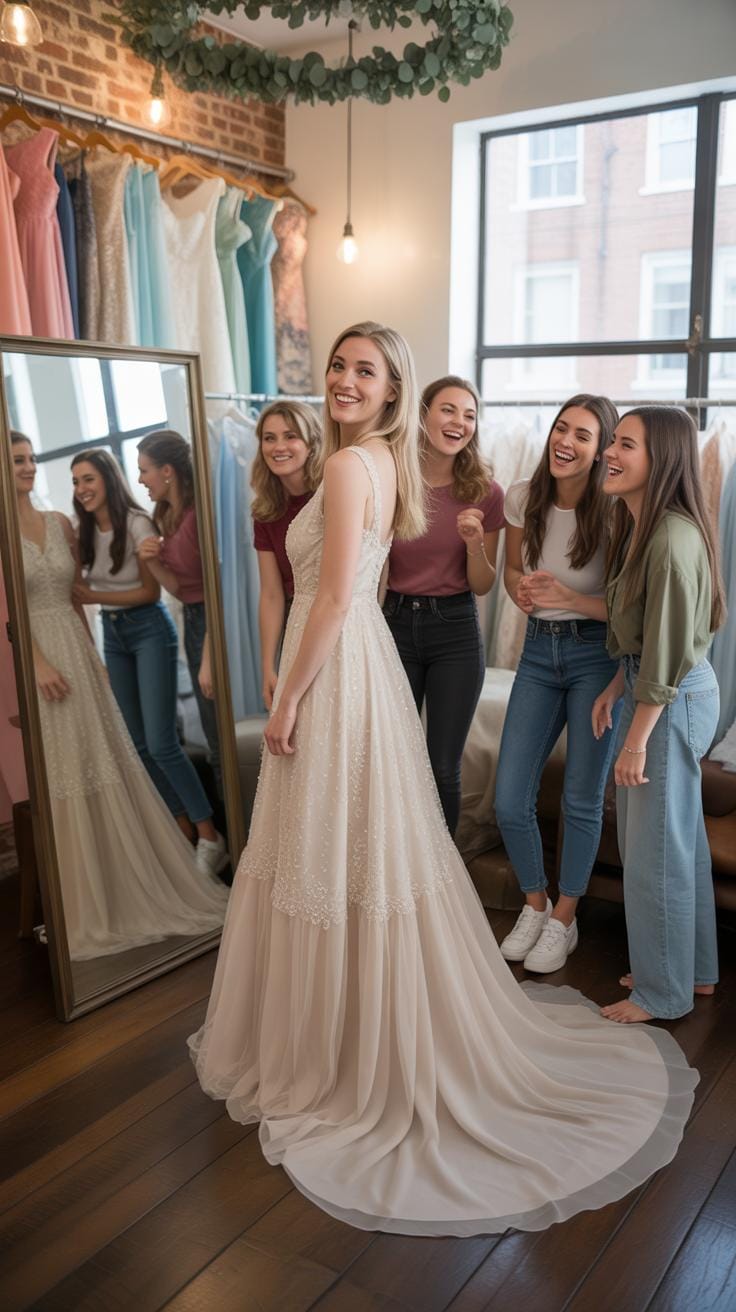
The stigma around previously worn bridal attire has dissolved. Historically, buyers viewed used garments as a sign of financial struggle. Modern consumers now prioritize smart asset management. They see Wedding Dresses Vintage as high quality items that retain value. High production standards mean these garments survive multiple wears without losing structural integrity. This shift reflects a broader acceptance of the circular economy within high fashion.
Strategic buyers now treat Thrifting Wedding Dress options as a hunt for quality. Digital platforms have made verifying authenticity and condition easier for everyone. Brides no longer care about the first use. They focus on the craftsmanship of the Sustainable Wedding Dress and its specific fit. This cultural pivot turns a Second Hand Wedding into a conscious choice rather than a compromise. The market now values authenticity over retail price tags.
Why More Brides Are Choosing A Second Hand Wedding Over Traditional Retail
Financial and environmental factors drive this market growth. Traditional retail models involve massive markups and long lead times. Choosing Thrifted Wedding Dresses allows for immediate acquisition and significant cost savings. Many buyers redirect these saved funds into other event areas. An Eco Friendly Wedding also reduces textile waste significantly. Every reused garment prevents the carbon intensive production of a new polyester or silk piece.
Modern Wedding Dress Inspiration often highlights unique styles that retail stores no longer stock. Thrifting Wedding Dress inventories provide access to discontinued designer collections and rare fabrics. This availability supports the goal of a Sustainable Wedding by extending the lifecycle of premium materials. Brides find that Sustainable Wedding Thrifted Dresses offer better value than mass produced fast fashion alternatives. This decision combines practical budgeting with clear environmental ethics.
The Real Cost Benefits Of Buying Secondhand Wedding Dresses
How Much You Can Realistically Save On A Pre Owned Bridal Gown
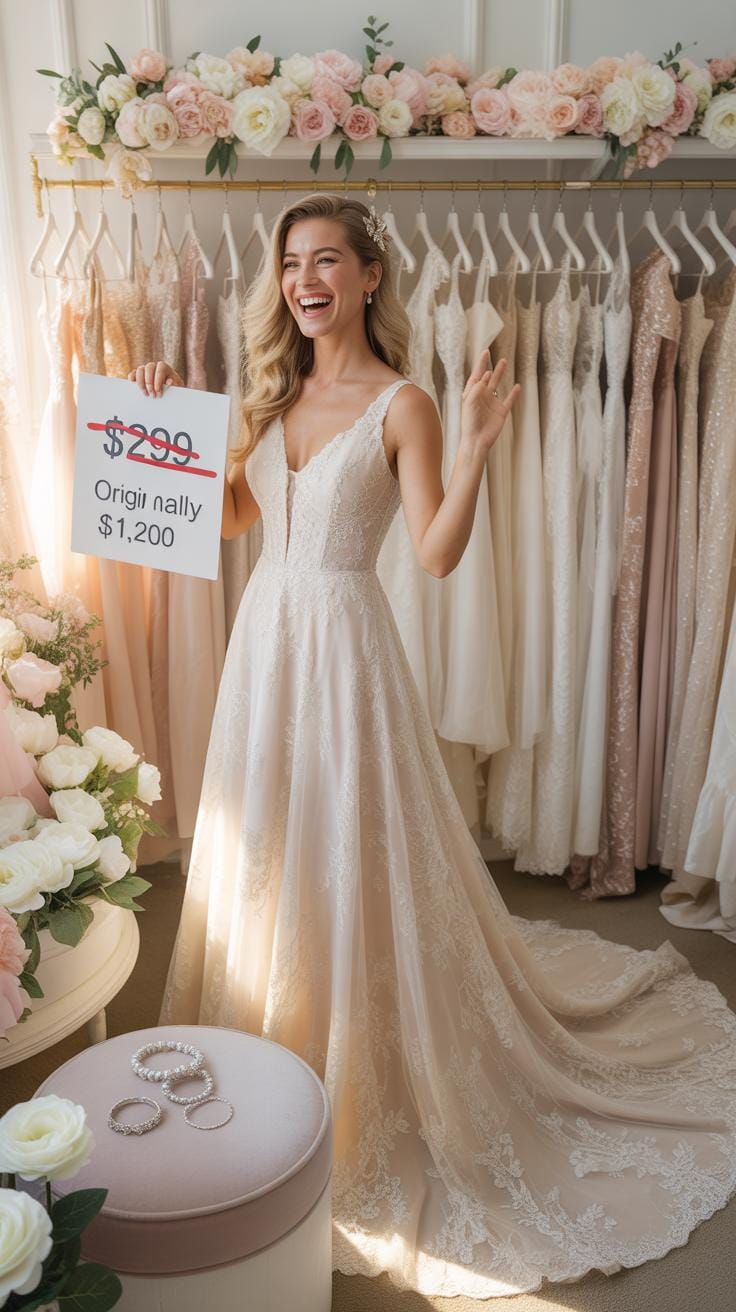
Buying a sustainable wedding dress typically saves forty to sixty percent off the original retail price. Most brides wear their gowns for less than ten hours. This creates a high supply of like-new inventory at deep discounts. High-end designer labels offer the steepest price drops. You get the same luxury fabrics and construction for a fraction of the showroom cost.
A second hand wedding allows you to access brands that were previously outside your budget. Thrifting wedding dress options includes everything from current season samples to authentic wedding dresses vintage styles. If you buy a dress that is two or three years old, the price often drops by seventy percent. This financial strategy frees up thousands for other parts of your budget.
Budgeting Smartly: Alterations, Cleaning, And Hidden Costs To Factor In
You must account for professional cleaning and tailoring when planning an eco friendly wedding. Even if a gown looks clean, sweat and dust degrade delicate silks over time. Standard dry cleaning for a sustainable wedding dress costs between one hundred and three hundred dollars. Specialist preservationists charge more for intricate lace or heavy beading. Factor these numbers into your total offer price.

Alterations are the most significant variable for thrifted wedding dresses. Most gowns require bust adjustments, hem shortening, or bustle additions. These labor-intensive tasks require a skilled seamstress familiar with wedding dress inspiration from specific eras. Since you saved on the initial purchase, you should reinvest that money into a perfect fit. Proper tailoring ensures your sustainable wedding thrifted dresses look custom made.
Sustainable Wedding Dress Choices Why Buying Pre Owned Is An Eco Friendly Wedding Decision
The Environmental Impact Of New Wedding Dress Production
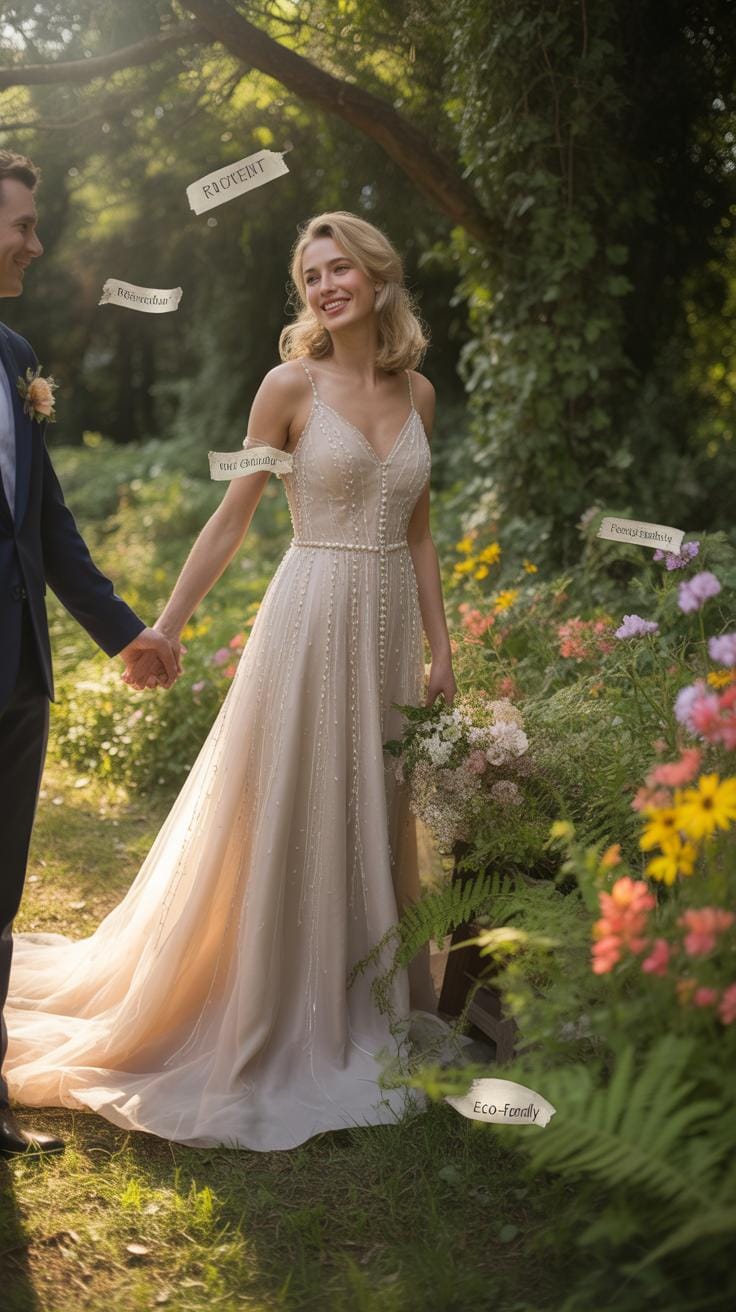
Manufacturing a new Sustainable Wedding Dress requires vast natural resources. Most modern gowns use synthetic fabrics like polyester, which derive from petroleum. Production releases high carbon emissions and consumes thousands of gallons of water. Chemical dyes and fabric treatments often contaminate local water supplies near factories. This intensive process creates a heavy footprint for a garment typically worn for only eight hours.
Supply chains for new apparel are complex and wasteful. Massive amounts of textile scraps end up in landfills during the cutting phase. Overproduction leads to unsold inventory that brands often destroy to maintain exclusivity. By avoiding new production, you bypass these industrial harms. Choosing Thrifted Wedding Dresses reduces the demand for raw material extraction and prevents further chemical runoff into the global environment.
How A Secondhand Gown Supports A Truly Sustainable Wedding Vision
Selecting a Second Hand Wedding gown anchors your event in circular economy principles. This choice keeps high-quality materials in use and out of waste streams. Thrifting Wedding Dress options allows you to find luxury fabrics like silk or handmade lace without supporting new harvesting. It turns a single-use luxury item into a multi-use asset. This is the most effective way to achieve an Eco Friendly Wedding.
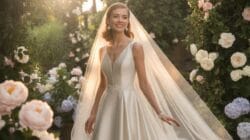
Looking for Wedding Dresses Vintage styles provides Wedding Dress Inspiration that transcends fast fashion cycles. These garments often feature superior construction techniques that modern mass production ignores. Sustainable Wedding Thrifted Dresses offer durability and timeless appeal. You preserve historical craftsmanship while eliminating the need for international shipping of new goods. Every pre-owned purchase validates a zero-waste mindset and sets a practical standard for your Sustainable Wedding.
Best Online Platforms To Find Secondhand Wedding Dresses
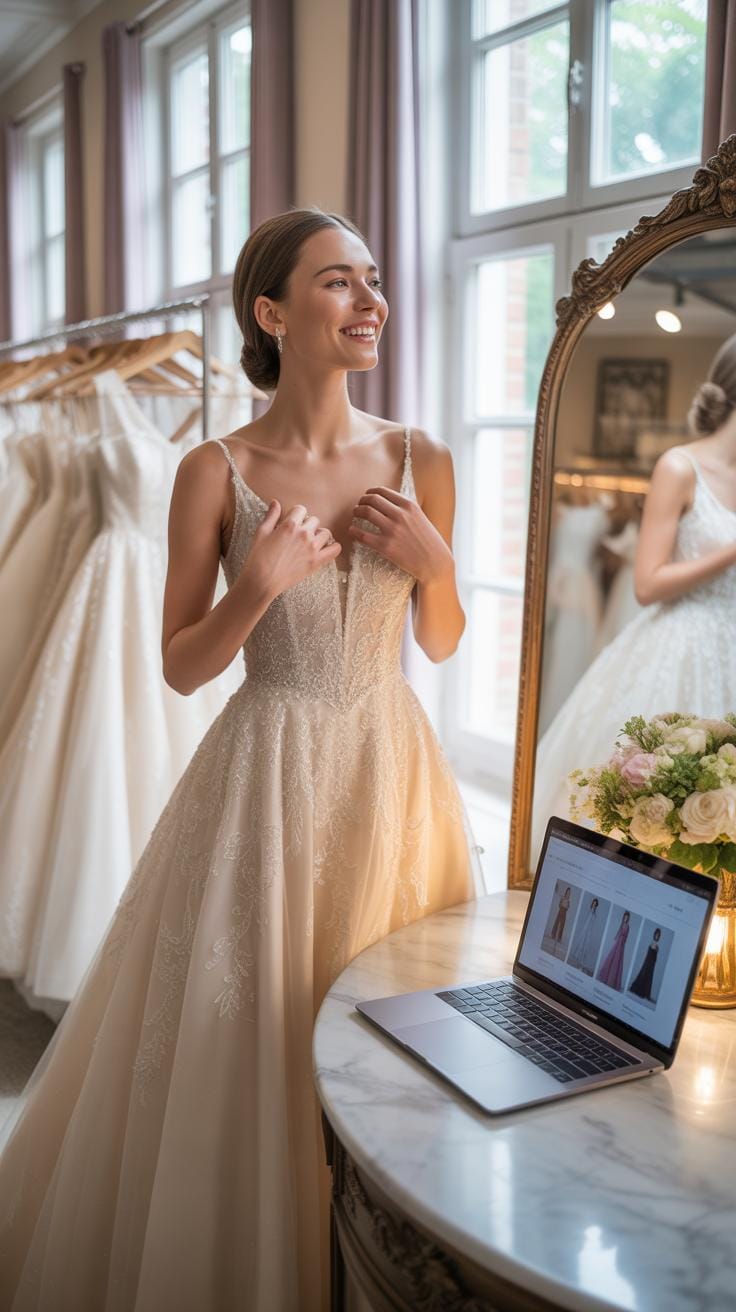
Dedicated Bridal Resale Sites: StillWhite, Nearly Newlywed, And PreOwnedWeddingDresses.Com
Dedicated platforms offer the most secure route for a secondhand wedding. Sites like StillWhite and PreOwnedWeddingDresses.com host thousands of listings specifically for the bride seeking a sustainable wedding dress. These niche marketplaces categorize items by designer, silhouette, and fabric. This structure helps you find exactly what you need without scrolling through unrelated clothes. Using these sites ensures you get a specialized experience for your sustainable wedding.
Nearly Newlywed adds a layer of protection by verifying the condition of the garment before shipping it. This service is vital for those thrifting wedding dress options online who fear scams. You can find high end labels for a fraction of the original price. This is practical wedding dress inspiration for budget conscious buyers. These sites streamline the process of acquiring thrifted wedding dresses while maintaining professional standards and buyer protections.
A pre-loved gown carries the whispers of a beautiful past and the promise of a sustainable future. When you choose a dress with a history, you aren’t just finding a garment, you are weaving your own story into a legacy of love.
General Resale Marketplaces: EBay, Poshmark, And Facebook Marketplace For Bridal Finds
General marketplaces provide a high volume of sustainable wedding thrifted dresses. eBay and Poshmark allow you to filter by size and brand to find wedding dresses vintage styles or modern silhouettes. You can often negotiate prices directly with sellers on these platforms. This flexibility makes them a top choice for an eco friendly wedding strategy. Use specific keywords to filter out low quality or mass produced knockoff items.
Facebook Marketplace is a tactical tool for local pickups. This eliminates shipping costs and risks when buying secondhand wedding dresses. You can inspect the material and fit in person before handing over money. Local deals are the backbone of a successful second hand wedding plan. It requires more manual searching but offers the best price points. Verify the seller history to ensure your thrifting wedding dress experience remains safe and efficient.
Thrifting Wedding Dress Finds How To Shop Thrift Stores And Consignment Shops
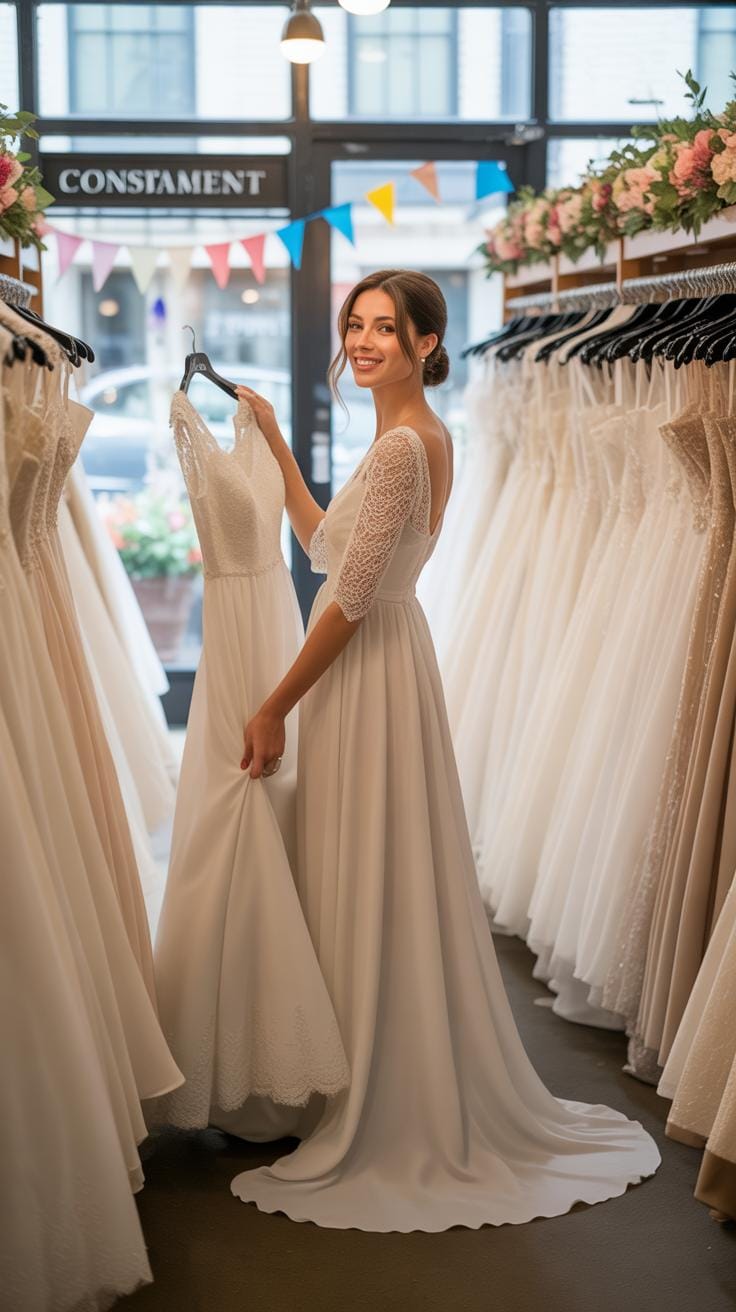
What To Expect When Thrifting For A Wedding Dress In Store
Success with Thrifting Wedding Dress options requires realistic expectations about inventory. General thrift stores rarely organize bridal gowns by size or era. You will find polyester blends from the 1980s alongside modern fast-fashion samples. Expect a Sustainable Wedding Dress to require deep cleaning. You must inspect every inch for yellowing or structural damage caused by poor storage.
A Second Hand Wedding search in a thrift store is a volume game. Visit shops in high-income zip codes to find higher-quality Wedding Dresses Vintage styles. Most Thrifted Wedding Dresses seen in aisles are donated after years in attics. This means fabrics like silk may be brittle. Focus on the raw materials and the potential for a Sustainable Wedding to save money.
Tips For Scoring The Best Thrifted Wedding Dresses At Consignment Boutiques
Consignment boutiques provide a curated experience for an Eco Friendly Wedding seeker. These shops vet every item for quality and trend relevance before accepting it. You will find organized racks with labeled sizes and designer names. This environment offers better Wedding Dress Inspiration than traditional thrift bins. Experts recommend calling ahead to check the current inventory of Sustainable Wedding Thrifted Dresses.
- Inspect Underarm Linings: Check for permanent perspiration stains or fabric degradation. These flaws are often impossible to remove even with professional dry cleaning. High-end consignment shops usually screen for this, but small tears can still hide in the delicate silk or lace layers.
- Verify Fabric Content: Look for labels indicating natural fibers like silk, cotton, or linen. Synthetic polyesters are common in mass-market bridal but lack the breathability and drape of luxury textiles. Natural fibers also take dye better if you plan to customize the dress color for your event.
- Check Closure Integrity: Test all zippers, bra cups, and delicate hook-and-eye closures. Replacing a specialty bridal zipper is a technical task that adds significant cost to your tailoring budget. Ensure the teeth align perfectly and the pull moves smoothly without snagging the surrounding lace or tulle.
- Assess Alteration Limits: Look at the seam allowance inside the bodice to see if the dress can be let out. Most gowns can be taken down two sizes but can only be expanded by half a size. Verify that the previous owner did not trim the internal fabric too closely.
- Evaluate Lace Patterns: Examine the lace for snags or broken threads that indicate age or heavy wear. Chantilly lace is more fragile than Alençon lace. High-quality consignment shops prioritize dresses with intact decorative elements to ensure the garment remains structural during your wedding ceremony.

Negotiate the price if you find minor defects on Thrifted Wedding Dresses. Consignment owners often have a schedule for price markdowns based on how long an item sits. Use these timing cycles to secure a better deal. Finalize your purchase only after confirming a local tailor can handle bridal fabrics. This ensures your Second Hand Wedding remains within your total project budget.
Wedding Dresses Vintage How To Find And Authenticate A Genuine Vintage Gown
Defining Vintage: What Era Qualifies And Why It Matters For Bridal Shopping
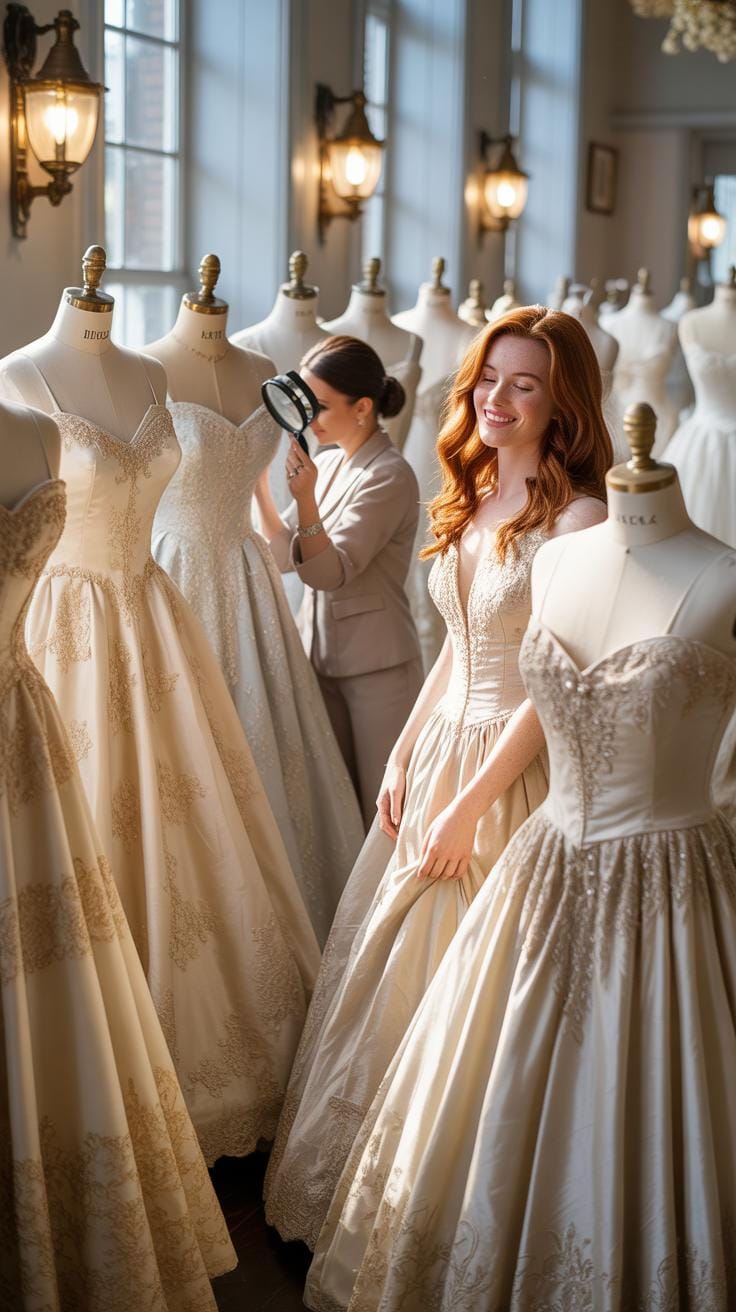
A garment must be at least twenty years old to qualify as vintage. Modern bridal shops often mislabel mass-produced items from five years ago as vintage to command higher prices. True Wedding Dresses Vintage represent specific design movements like Art Deco or Mid-Century Modern. Understanding these eras helps you build a Sustainable Wedding Dress plan. Knowing the era dictates how the gown will fit your body and your budget.
Each decade uses specific silhouettes and materials. Thrifting Wedding Dress options from the 1950s usually feature heavy satin and tea-length skirts. 1970s styles focus on lace and flowing polyester. This knowledge provides Wedding Dress Inspiration and prevents overpaying for modern replicas. Choosing actual vintage supports a Sustainable Wedding by keeping high-quality textiles in use. It ensures your Second Hand Wedding avoids the waste of modern fast fashion manufacturing.
How To Verify The Age And Authenticity Of A Vintage Wedding Dress
Verify authenticity by inspecting the hardware and construction techniques. Real vintage gowns often feature metal zippers or side-snap closures rather than modern nylon zippers. Look for pinked seams or hand-stitched hems. These details prove the garment age and confirm it is an Eco Friendly Wedding choice. Check for union labels or specific brand tags that existed during that era. This process ensures your Sustainable Wedding Thrifted Dresses are genuine.
Analyze the fabric composition and weight. Synthetic fabrics like polyester became common for Thrifted Wedding Dresses after the 1960s. Earlier gowns use natural silk or rayon which feels cooler and heavier. Examine the lace for handmade patterns rather than machine-replicated designs. Accurate dating protects your investment and maintains the integrity of your Sustainable Wedding. Authentic pieces offer better construction than contemporary options. Use these facts to secure a high-quality gown for your event.
What To Physically Inspect Before Buying A Secondhand Wedding Dress
Fabric, Seams, And Structural Integrity: A Practical Inspection Guide
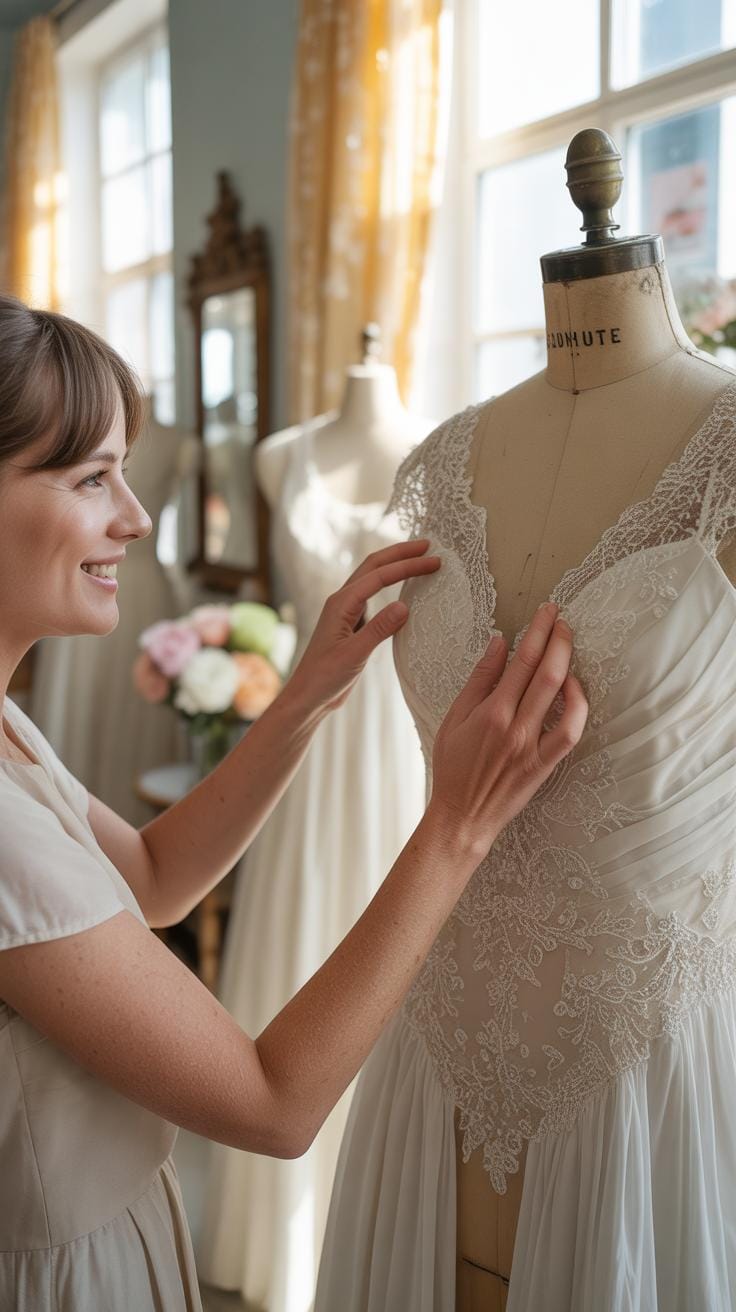
Examine the garment under natural light to verify fabric strength. Silk can dry rot over time while synthetic fibers may melt or pill from friction. Pull gently on the side seams to check for thread tension. If the stitching gaps or creates small holes, the material is failing. This technical check ensures your Sustainable Wedding Dress can withstand a full day of movement and pressure.
Inspect internal components like boning and bust cups. Plastic boning often warps from body heat or improper storage. Feel the channel for breaks or sharp edges that might poke through the lining. Thrifting Wedding Dress options requires verified structural stability. Ensure the waist tape is intact to handle the weight of heavy skirts. Strong internal construction is non-negotiable for a Second Hand Wedding look that maintains its shape.
Common Damage Signs To Watch For: Stains, Yellowing, Tears, And Zipper Issues
Identifying specific defects determines if a gown is worth the investment. Hemlines often gather ground dirt that becomes permanent if not cleaned immediately. Look for invisible sugar stains from spills that darken over years. These flaws impact the viability of Thrifted Wedding Dresses. Modern dry cleaning can fix some issues, but deep yellowing indicates oxidation that damages the fiber itself beyond simple repair.
- Hemline Abrasion: Check the bottom edge for fraying or black dirt. Floor-length gowns drag on asphalt and grass. Extensive damage here requires shortening the dress, which may ruin the original design proportions of Wedding Dresses Vintage styles.
- Oxidation Stains: Look for yellow or brown spots on the bodice and underarms. Sweat and perfume react with air over time to create permanent discoloration. These marks are often impossible to remove from delicate silk or satin fabrics.
- Mechanical Failures: Test the zipper and all hook-and-eye closures multiple times. Metal zippers can corrode while plastic ones may have missing teeth. Replacing a hidden zipper in a lace gown is a complex and expensive structural repair.
- Tulle Snags: Search for small circular holes or “runs” in the netting. Tulle and chiffon are prone to catching on jewelry or sharp surfaces. While small tears hide in layers, large rips in the top tier require a full skirt replacement.
- Beading Tension: Run your hand over beaded sections to find loose threads. If one bead falls off, the entire row often follows. Securing intricate beadwork takes hours of manual labor and specific matching components that are hard to source.

Evaluate the cost of repairs against the purchase price. A cheap Sustainable Wedding find loses its value if alterations exceed the cost of a new gown. Focus on the neckline and bust for the most visible flaws. Use these technical details for Wedding Dress Inspiration but stay grounded in reality. High-quality Eco Friendly Wedding choices depend on a garment that is physically sound and ready for immediate professional cleaning.
Understanding Sizing And Alterations For Pre Owned Bridal Gowns
Why Wedding Dress Sizing Runs Differently From Standard Clothing Sizes
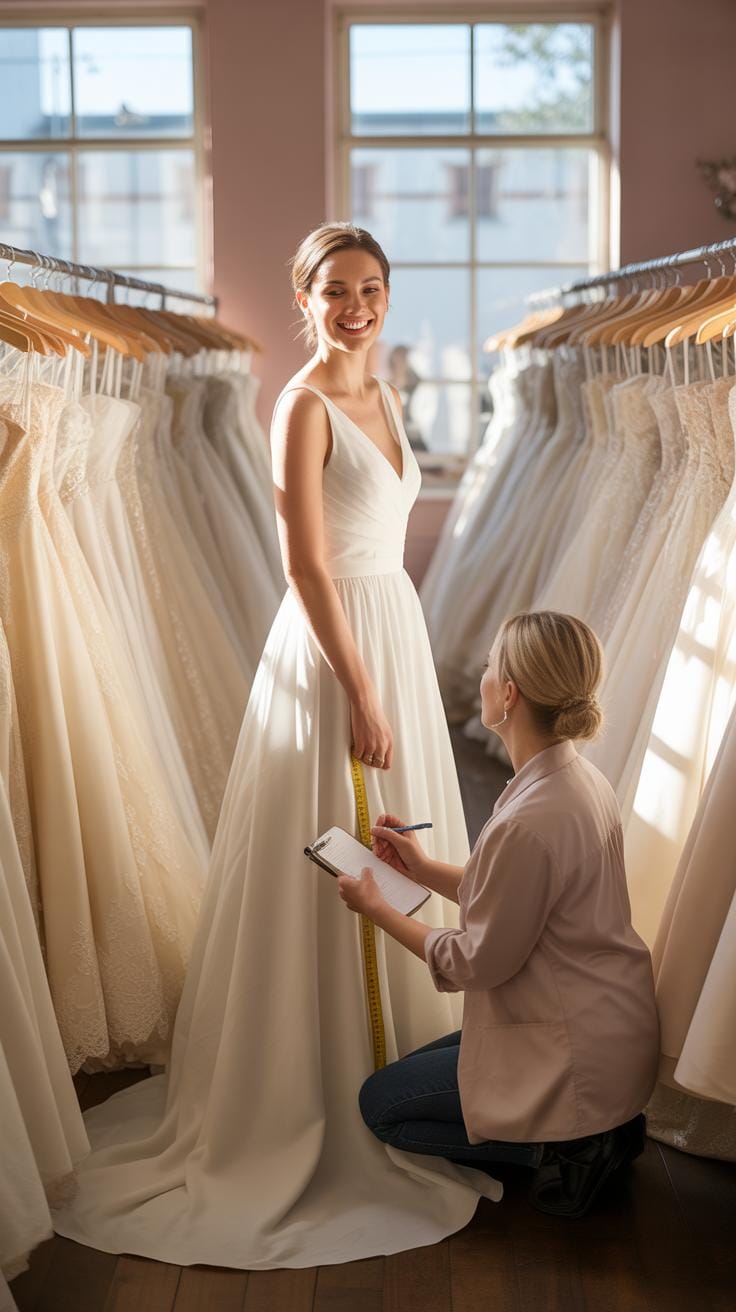
Bridal sizing follows a vanity-free European scale based on mid-century patterns. A modern street size six usually translates to a bridal size ten or twelve. Many designers use proprietary charts that do not align with fast fashion measurements. When seeking a Sustainable Wedding Dress, you must look at the measurement in inches rather than the number on the tag. Standard sizing often fails to account for structured bodices.
Vintage patterns from earlier decades were cut for different body proportions and undergarments. This makes Wedding Dresses Vintage appear smaller than modern garments of the same size. Thrifting Wedding Dress options requires a tape measure and a clear understanding of your bust, waist, and hip dimensions. High-end designers often use minimal seam allowances. This limits your ability to let a gown out if the fit is too tight.
How Much Alteration Is Realistic And When To Walk Away From A Dress
Expert tailors can safely take a gown down two sizes without ruining the silhouette. Taking a dress in further requires moving structural seams and boning, which often costs more than the dress itself. When pursuing an Eco Friendly Wedding, buy for your largest measurement. It is easy to remove fabric but nearly impossible to find matching material for additions. Check the hemline for stains or permanent damage before you commit.

Walk away if the lace or intricate beading requires relocation to fit your frame. Radical structural changes destroy the integrity of Thrifted Wedding Dresses and add massive labor costs. Seek Wedding Dress Inspiration from styles that naturally fit your body type to simplify the process. A Second Hand Wedding works best when you prioritize the construction over the label. If the bodice length is wrong, the fix is rarely worth the investment.
Sustainable Wedding Thrifted Dresses Styling And Personalizing Your Pre Owned Gown
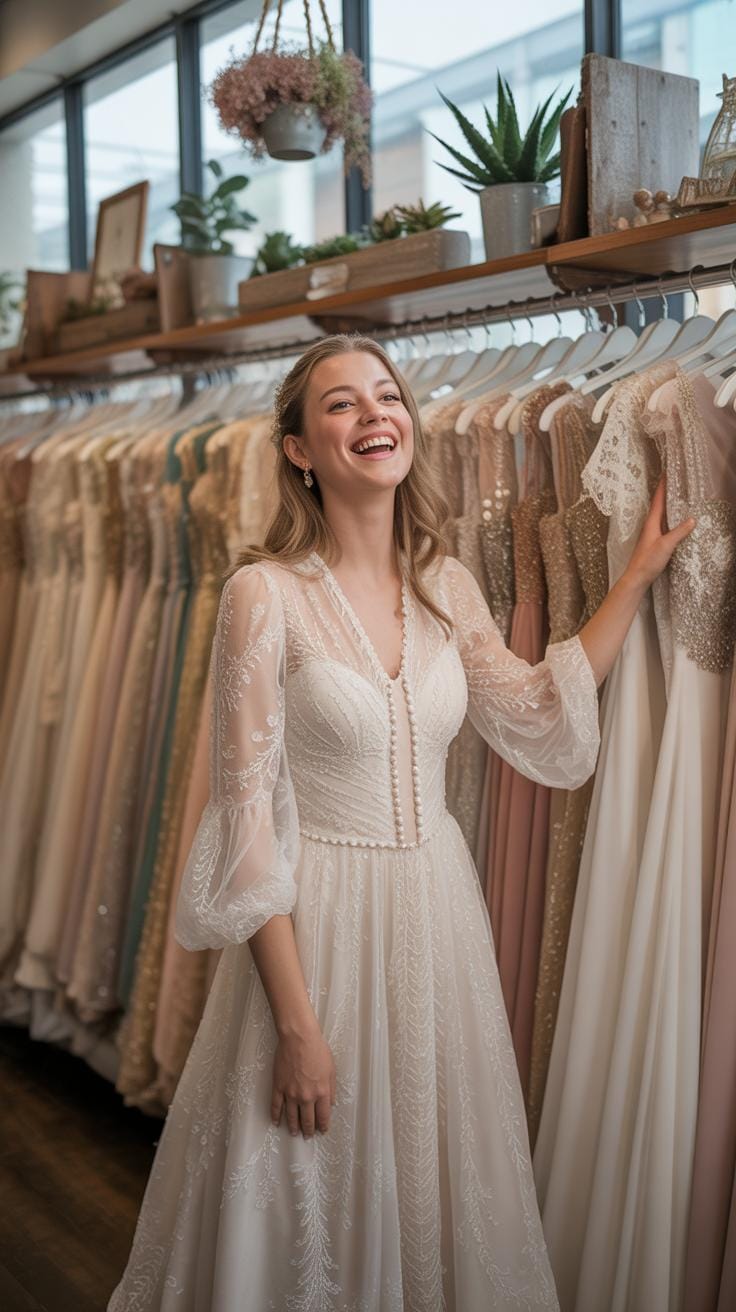
Accessorizing A Secondhand Gown To Match Your Wedding Dress Inspiration
Your Wedding Dress Inspiration dictates the hardware and textiles needed to modernize Thrifted Wedding Dresses. If the gown features a heavy satin from the late 1980s, balance the visual weight with contemporary minimalist jewelry. Use a leather belt or a structured silk sash to define the waistline. Modernizing the silhouette through accessories creates a cohesive look for a Second Hand Wedding. This strategy ensures the garment reflects current trends while maintaining its original integrity.
An Eco Friendly Wedding often focuses on organic materials and natural textures. Pair Wedding Dresses Vintage styles with raw silk veils or botanical headpieces. This approach shifts the focus from the age of the garment to the intentionality of the styling. For a Sustainable Wedding Dress, avoid plastic-based embellishments. Select high-quality metal fasteners or recycled glass beads. These small tactical choices transform a basic find into a high-end editorial look without excessive spending.
Tasteful Alterations And Embellishments That Make A Thrifted Dress Feel Brand New
Successful Thrifting Wedding Dress projects rely on structural modifications. Removing outdated puff sleeves or long trains changes the dress profile instantly. Replace old zippers with lace-up corset backs to improve fit and add a custom feel. Narrowing a wide skirt or shortening a hem to tea-length creates a fresh aesthetic. These technical changes are the primary way to achieve a Sustainable Wedding Thrifted Dresses look that appears custom-made rather than borrowed.
Updating the trim is the most effective way to refresh a Sustainable Wedding. Remove yellowed lace or damaged sequins and replace them with modern geometric embroidery or clean bias tape. Use French seams to reinforce old joints and prevent fraying. If the fabric is sturdy, consider professional dyeing to change an off-white tone to a crisp ivory. These functional updates ensure the gown feels new to the touch and performs well throughout the event.
Selling Or Donating Your Wedding Dress After The Big Day Keeping The Cycle Going
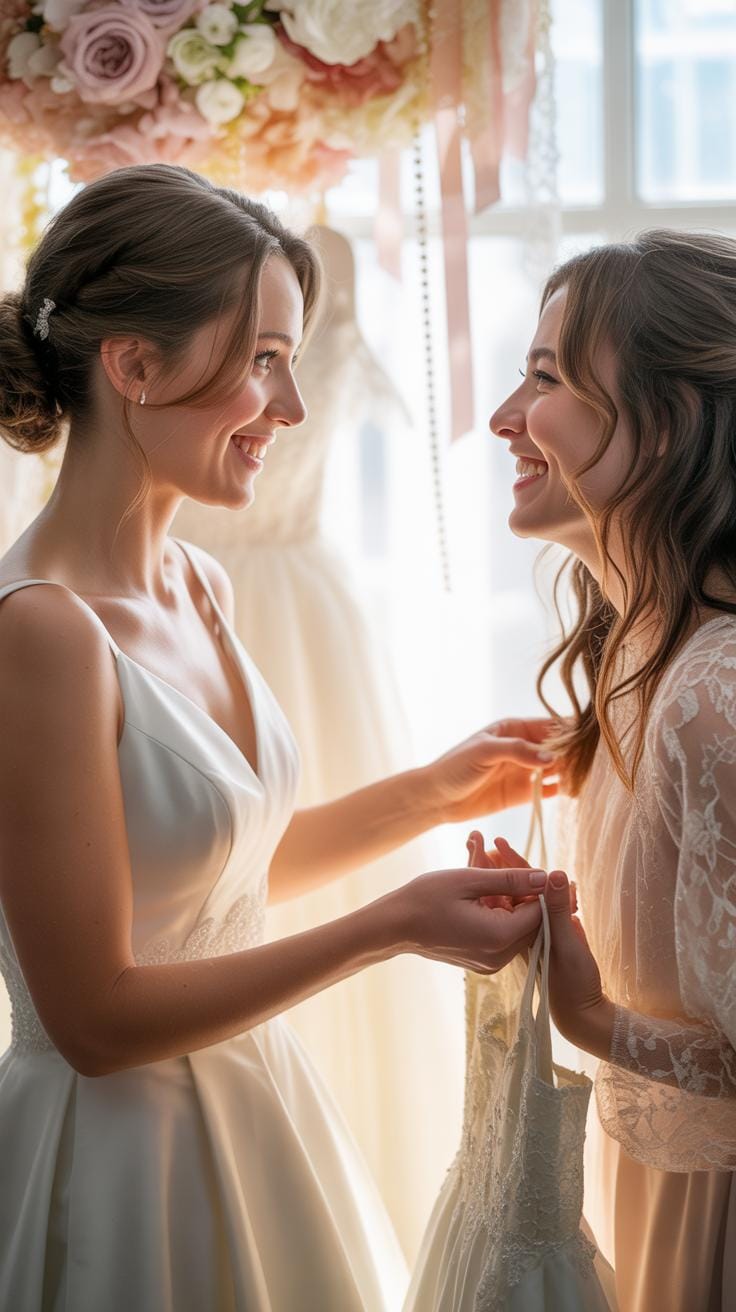
How To Prepare, Price, And List Your Dress For Resale Successfully
Maximize your resale value by professional dry cleaning immediately after the event. Stains from grass or wine set quickly into silk and polyester. Successful Second Hand Wedding sales require high quality photos of the bodice and hem. List your gown on specialized platforms to reach buyers seeking Wedding Dress Inspiration. Accurate measurements are more important than the label size. Professional cleaning maintains the integrity of the fabric for the next owner.
Price your garment at fifty percent of the original retail cost for a standard Sustainable Wedding Dress. Limited edition or current season styles may fetch seventy percent. Vintage styles require detailed photos of the lace and closures. Use keywords like Thrifting Wedding Dress to attract budget conscious buyers. Be honest about alterations and any permanent wear. Clear communication ensures a fast transaction and helps another bride achieve an Eco Friendly Wedding without the high price tag.
Charitable Organizations That Accept Wedding Dress Donations And Their Impact
Donating your gown supports a Sustainable Wedding cycle and provides tax benefits. Many organizations sell donated gowns to fund cancer research or support military families. Your Sustainable Wedding Thrifted Dresses can fund critical community programs. Choose a reputable charity that specializes in bridal wear to ensure the garment is handled correctly. This direct contribution reduces textile waste in landfills. It allows your dress to serve a higher purpose beyond a single event.
Charities often provide Wedding Dresses Vintage styles to those in financial need. This act promotes the concept of a Thrifted Wedding Dresses market while helping others. Research the specific requirements of the charity before shipping. Most require the gown to be less than five years old and professionally cleaned. By donating, you support the broader movement of an Eco Friendly Wedding. Your decision keeps high quality materials in use and assists families during significant life milestones.
Frequently Asked Questions

Is it worth it to buy a pre-owned wedding gown?
Choosing a pre-owned gown is an excellent way to wear a designer label at a fraction of the retail price. Many brides select secondhand wedding dresses because they can access high-end luxury fabrics and intricate lace details that would otherwise be out of their budget. Beyond the financial savings, it is a sustainable choice that reduces the environmental impact of your big day by giving a beautiful garment a second life.
How do I ensure the fit is correct when shopping for secondhand wedding dresses online?
When browsing secondhand wedding dresses, never rely solely on the label size, as bridal sizing varies significantly by designer. Always ask the seller for their exact body measurements and the dress’s current dimensions, especially if alterations were previously made. To ensure a perfect fit, prioritize gowns that are slightly larger than your measurements, as a professional tailor can easily take a dress in, but letting one out can be quite difficult.
Where can I find affordable used bridal gowns without sacrificing quality?
You can find stunning options through specialized online marketplaces like Stillwhite and Nearly Newlywed, or by visiting local consignment boutiques. Many of these shops curate high-quality inventory, ensuring the gowns are in excellent condition before listing. Additionally, charity shops in larger cities often have dedicated bridal sections where you can discover unique vintage styles. Shopping during off-peak seasons can also lead to deeper discounts on already affordable gowns.