The Illusion Of “Cheap” Drone Wedding Photography: What You Actually Pay For

What The Rental Price Actually Hides
You want to believe a three-hundred-dollar drone rental covers everything because admitting otherwise means your budget was wrong from the start. Here’s the mechanism: rental companies quote you the equipment fee alone, then layer on costs you discover mid-planning. Insurance runs fifty to one hundred dollars per event. Travel charges apply if the operator lives outside your area. Battery replacements, memory cards, backup equipment, and editing software all exist outside that initial quote. Most couples never ask about these line items until the contract arrives. The rental price is the bait. The real cost emerges when you’re locked in.
What separates budget reality from budget fantasy is knowing exactly what gets invoiced after the day ends. Ask the operator for a complete fee breakdown before booking, not after. Demand to know: insurance costs, travel fees, editing package inclusions, revision limits, and delivery timeline. If they won’t itemize, they’re hiding margin. Calculate the total and compare it against hiring a photographer’s second shooter with a drone license instead. Sometimes that route costs less and delivers better integrated coverage throughout your day.
Amateur Operators Risk The One Day You Cannot Redo
Everyone knows bad footage is bad. What they miss is the economics of risk. When an amateur misses your first kiss or botches the ceremony footage, you have no do-over. Insurance doesn’t compensate for irreplaceable moments. Hobbyists with drones often carry no professional liability coverage. They’ve logged flight hours on open fields, not navigated the spatial complexity of venues with trees, power lines, and guests. Their editing is basic. Their backup protocols are nonexistent. One corrupted memory card and your aerial shots vanish entirely. The savings evaporate the moment something goes wrong. You’re not paying for footage. You’re paying for the guarantee that moments get captured correctly the first time.
The operator’s certification matters more than their equipment. The FAA Part 107 license confirms they understand airspace rules, safety protocols, and legal liability. Check for it. Verify their event experience by requesting footage from similar venues. Ask how many weddings they’ve shot, not how many hours they’ve flown. Review their backup systems: do they use redundant storage, bring spare batteries, have contingency plans for weather? A professional charges more because they’ve invested in becoming dependable. Budget operators cut corners on preparation to hit your price point. You’re buying their willingness to operate under-resourced, not their skill.
DIY Drone Photos: A False Economy Of Effort
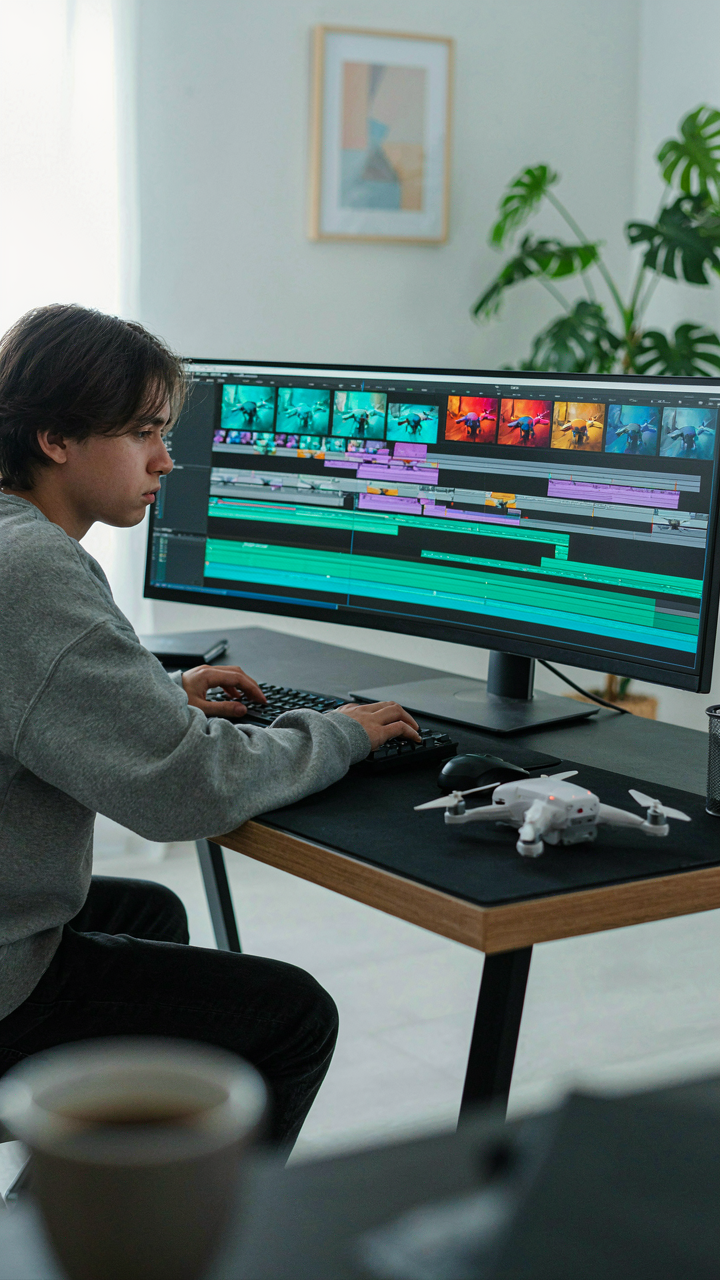
Operating A Drone Isn’t The Bottleneck
You want to believe flying a drone yourself saves money because you’re afraid of overpaying and because admitting you need a specialist feels like failure. The mechanism at work here comes from economics: you’re confusing variable costs with total costs. A DJI Mini or Air costs 300 to 500 dollars. Operating it requires maybe two hours of practice. But the skill gap between “not crashing” and “framing a ceremony while managing wind, light, and timing” is massive. Most amateur operators nail basic stability footage. They miss angles, misjudge heights, and fail to anticipate the moments that matter. A professional wedding drone operator has logged hundreds of flights. They know how light hits a venue at specific times. They frame shots that work with your edit, not against it. Flying steady video is one thing. Capturing story is another.

The real cost sits in the invisible work: scouting the location beforehand, understanding camera angles that complement ground photography, anticipating where the couple moves during key moments. You won’t do this prep work unless it’s your business. You’ll show up, fly, and hope the footage works. It usually doesn’t work well enough to use. That gap between functional footage and footage that actually belongs in your wedding film is where professionals earn their fee, not from equipment.
Color Grading Drone Footage Takes Weeks You Don’t Have
Post-production is where amateur drone footage dies quietly. Raw drone video from consumer cameras has flat color, aggressive compression artifacts, and exposure inconsistencies between shots. Color grading a wedding film takes a professional colorist days. You’re not a colorist. “I’ll just add some presets” is the lie every couple tells themselves before they abandon the project halfway through. The footage looks worse with presets applied than it does untouched. Drone footage needs three separate correction passes: exposure balancing across different altitudes and times of day, color matching to ground camera footage so cuts don’t jar the viewer, and then creative grading to set the mood. Each pass requires tools like DaVinci Resolve or Adobe Premiere Pro and the trained eye to know when something looks right. You’ll spend 40 to 80 hours editing your wedding film. You’ll do maybe 5 to 10 hours on drone footage, realize it doesn’t match your other footage, panic, and leave it out entirely. Or you use it wrong and the wedding film suffers. The protocol that actually works: hire a professional to capture the footage, give it to your editor as separate files, and let them handle the color matching. Anything else turns into wasted time masquerading as savings.
Leveraging Scarcity: Strategic Drone Photography Investment
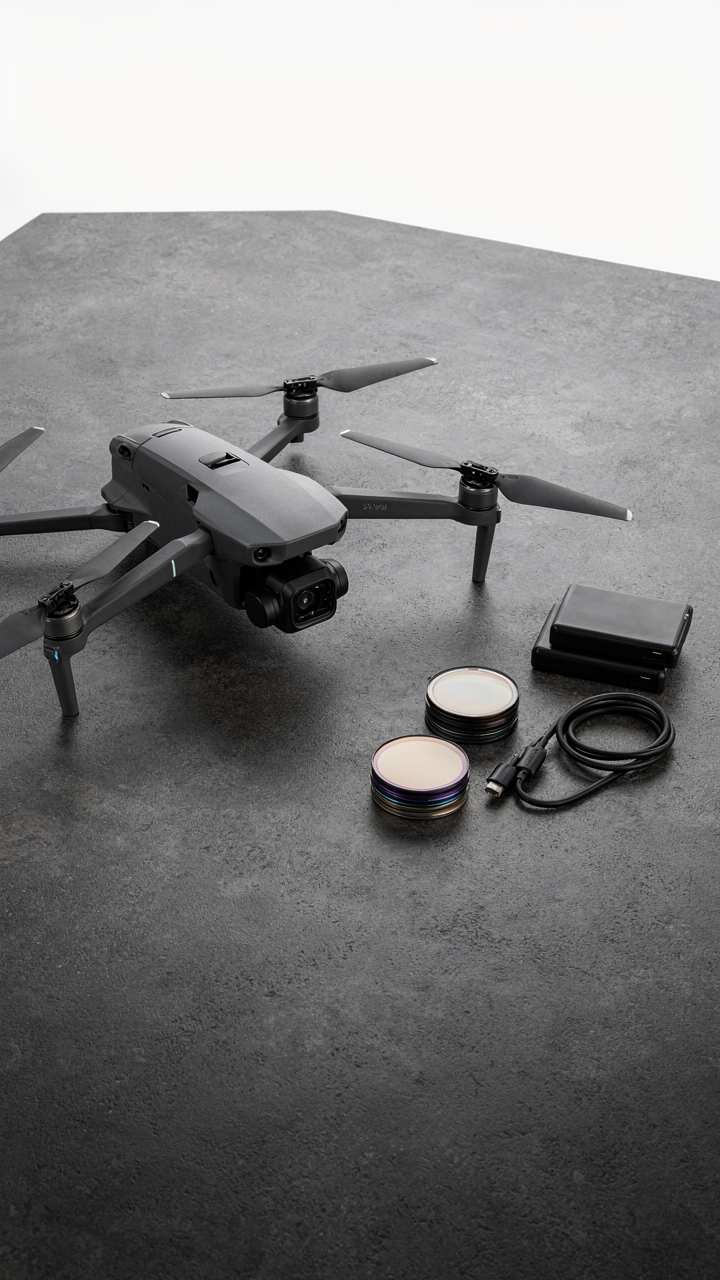
Where Cheap Gear Stops Working
You’re hunting for the lowest price because you think it protects you from loss. It doesn’t. Economics teaches us the concept of diminishing returns: each dollar spent produces less value than the one before it. With budget drone gear, this curve collapses fast. A $300 drone versus a $500 one isn’t a 40% worse camera—it’s a fundamentally different liability exposure during the ceremony.
The real threshold sits around $400 to $600 for wedding work. Below that, you’re buying hardware that overheats in direct sun, loses GPS lock during key moments, and produces footage soft enough that color grading can’t rescue it. The couple doesn’t care about your cost basis. They care that their first kiss is sharp or it isn’t.
Maximum Impact Requires Constraint
Stop spreading your budget across multiple tools. One strong shot beats three mediocre ones. Allocate 70% of your budget to a single reliable platform—DJI Air 3S or Mini 4 Pro depending on venue constraints. Reserve the remaining 30% for the infrastructure that actually matters: ND filters, a second battery, a backup controller, and solid-state storage.

The mechanism is simple: repetition and reliability generate better footage than capability breadth. You won’t use a second drone model during a wedding. You will use redundancy when the primary unit experiences a glitch. One fully operational system beats two partially prepared ones. Buy depth, not width. Test your chosen setup twenty times before the ceremony.
The Minimum Viable Drone Protocol For Wedding Shots
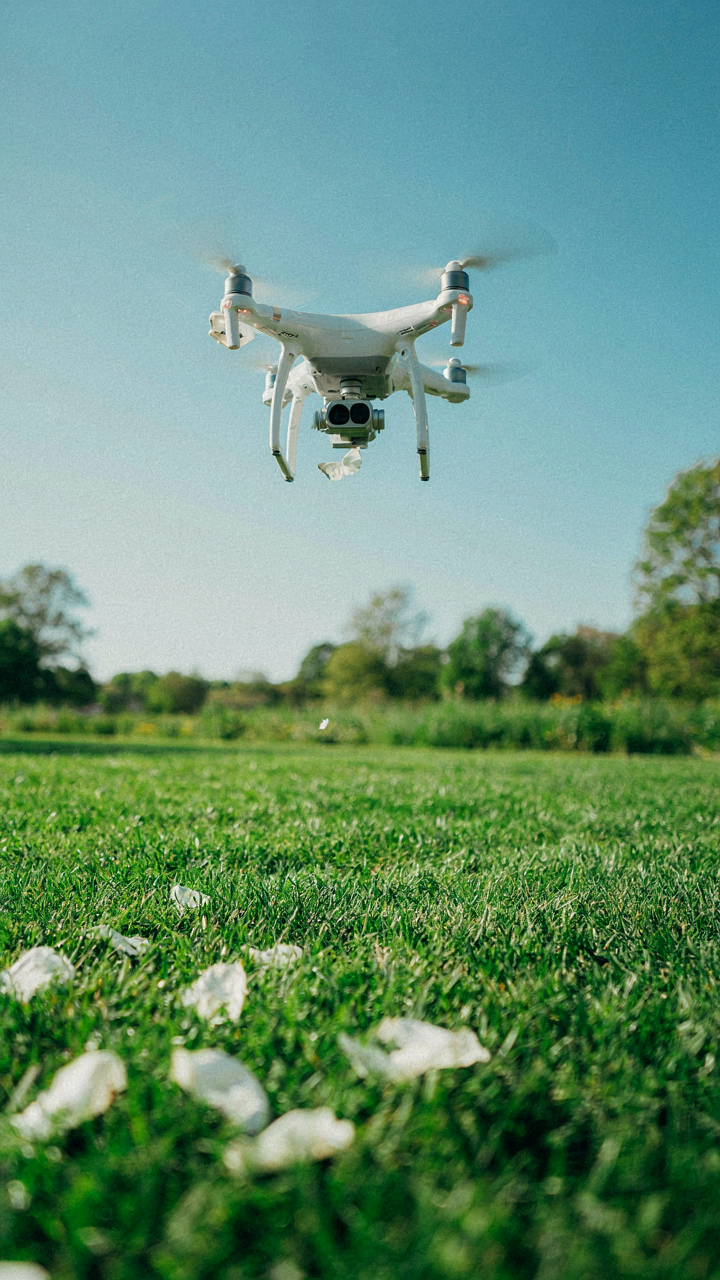
What Actually Matters For Wedding Footage
You want the drone that makes you look competent without spending four grand. The real mechanism here is signal-to-noise ratio from economics: you’re paying for specs that sound impressive but don’t translate to usable wedding footage. Most budget drones fail not because they lack features, but because they lack stability in wind and reliable battery performance under real conditions.
A wedding happens once. Your drone needs to execute the same shot twice without dropping video quality or losing connection. This means prioritizing gimbal stabilization over megapixels, flight time over obstacle avoidance, and proven thermal performance over marketing claims. The DJI Mini 3 Pro and Autel EVO Nano+ deliver here because they sacrifice nothing on the fundamentals that determine whether your footage is watchable.
Cut The Specs Nobody Needs
Most advice says shoot in 4K to future-proof your work. Wrong. You’re not future-proofing anything. You’re delivering footage that plays on a television at a reception or uploads to a wedding portal. 1080p at 60fps gives you smooth slow motion and reliable file sizes. 4K doubles your storage burden, taxes your battery, and requires stronger wind resistance just to hold steady.

Real limitation: most budget drones overheat in direct sun during summer weddings. A drone that shoots 4K but throttles after eight minutes is worse than a drone that shoots 1080p and runs for twenty. Thermal management beats feature count. Skip the hyperbolic zoom, skip the advanced tracking modes, skip the obstacle sensors that eat battery life. You need flight time, gimbal stability, and a reliable return-to-home function. Everything else is liability.
Beyond The Gear: The Operator As Your Core Asset For Drone Prewedding Photography
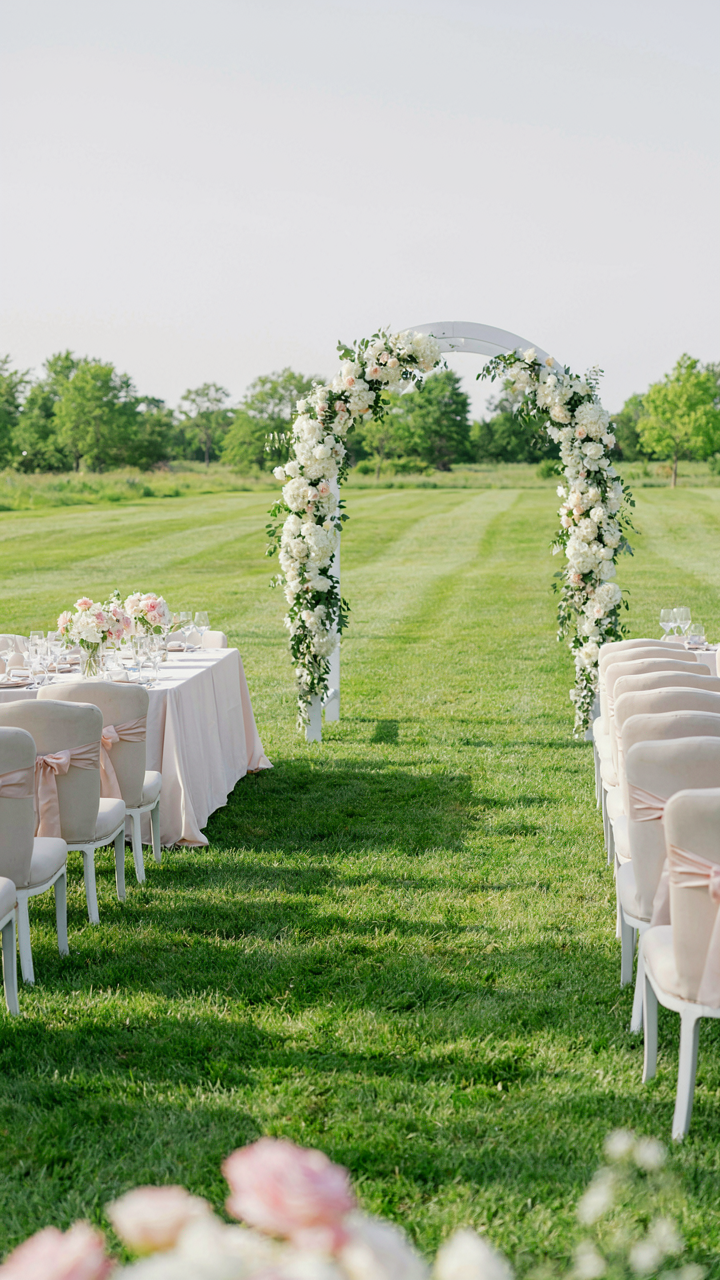
Experience Over Equipment Matters Most
You’re hoping a cheap drone and a YouTube tutorial will deliver cinematic footage because you want to believe gear is the bottleneck. It isn’t. A skilled pilot compensates for inferior equipment through positioning, timing, and shot sequencing. A mediocre pilot wastes a $5,000 drone. Budget wedding drone photography succeeds or fails on operator competence, not on whether you rent a DJI Air 3 or a Mini 4 Pro.
The pilot’s experience determines how they read light, anticipate movement, and recover from wind conditions. They know where to position the aircraft before the couple walks down the aisle. They understand which angles work for the venue’s geography. Someone with fifty weddings under their belt produces usable footage from any competent equipment. A hobbyist with expensive gear produces unusable footage repeatedly. Hire for the operator’s portfolio and flight hours, not the drone model.
Permits, Regulations, And Legal Protection
The common advice here is incomplete: most people think “get permission from the venue” and call it done. That’s not the real exposure. The real exposure comes from Part 107 compliance and liability coverage, which most budget operators skip entirely.
- FAA Part 107 Certification: You need a Remote Pilot Certificate if operating for commercial purposes. Budget operators often ignore this. Fines run up to $27,500 for violations. Enforcement increased significantly after 2020. This is non-negotiable if the operator is paid.
- Local Airspace Restrictions: Check B4UFly or contact your local airport before booking any drone work. Wedding venues near airports face airspace restrictions. No amount of venue permission overrides FAA airspace designations. Verify clearance two weeks before the event.
- Liability Insurance: Standard homeowner or business policies exclude drone coverage. Commercial drone liability insurance costs $50-300 monthly for a Part 107 certified operator. Budget operators often carry zero coverage, meaning they’re uninsured and you absorb the risk if property damage occurs.
- State And Local Regulations: Some states and municipalities add restrictions beyond FAA rules. New York City, for example, has additional permitting requirements. California coastal areas have their own restrictions. Your operator must know local law, not just federal law.
- Venue Liability Waivers: Get written permission from the venue and require the operator to carry proof of insurance. Many venues now demand this upfront. Without it, they can refuse to allow flight, voiding your booking hours before the event.

A seasoned budget operator knows these requirements and plans around them. They communicate constraints early, obtain permits before the contract is signed, and carry proof of insurance to the shoot. They don’t treat compliance as optional. The operator either handles this infrastructure or they’re cutting corners that expose you legally and financially to risk you don’t control.
Hybrid Approaches: Integrating Drone Photography With Traditional Coverage
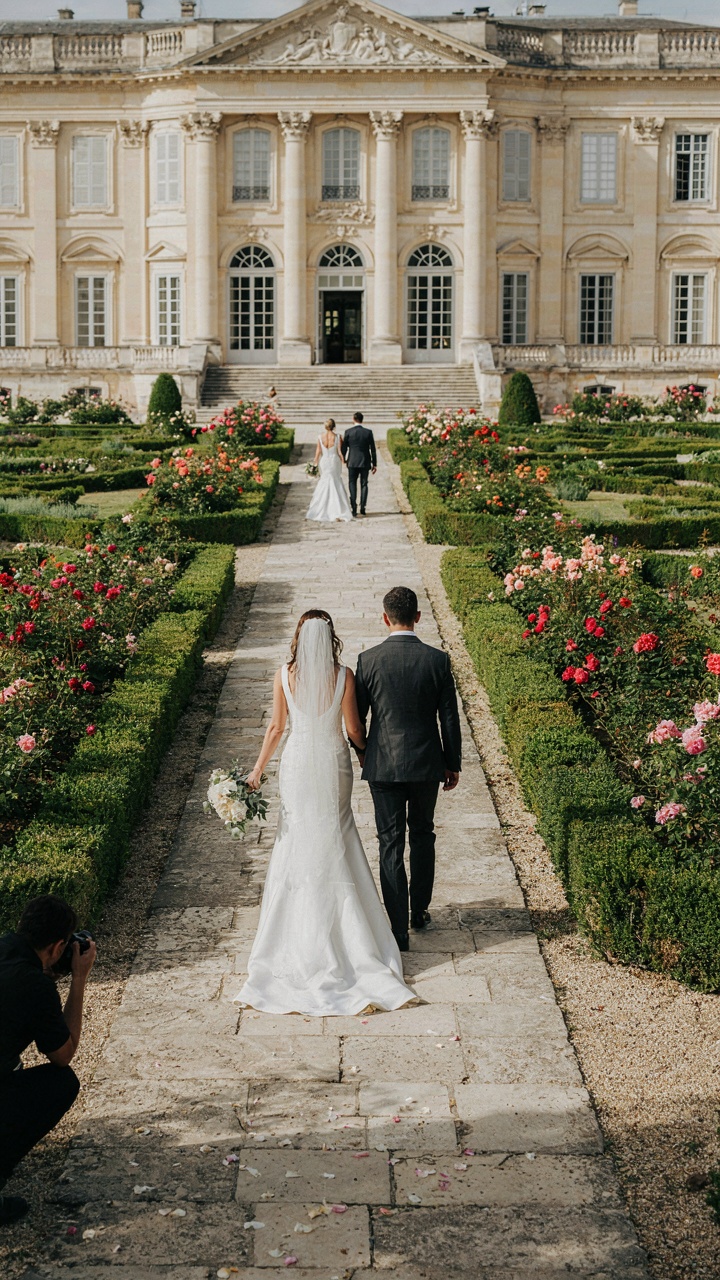
Seamless Transitions Combining Aerials With Ground Shots
You want drone footage to feel intentional, not like a cheap add-on that screams budget. The mechanism borrowed from film editing is called continuity cutting: your brain accepts a visual jump only when the transition obeys spatial or temporal logic. A drone shot works when it answers a question the ground photographer just asked, not when it interrupts the narrative for no reason.
The standard mistake is treating drone and ground coverage as separate products that happen to exist in the same wedding. They’re not. Start with the ground photographer’s shot list. Identify moments where scale matters: the ceremony setup, the venue scale, the receiving line formation. These moments demand aerial context. The drone doesn’t replace the ground shot. It confirms what the ground shot suggested. Sequence matters more than equipment quality.
When To Deploy The Drone Wedding
Timing determines whether drone footage becomes a liability or an asset. Deploy the drone during low-action periods when ground photographers need repositioning: cocktail hour, guest arrivals, or the family portrait setup. This avoids the chaos of coordinating multiple shooters during ceremony or first dance. The drone works best when the ground team isn’t fighting for the same emotional real estate.

Budget forces clarity. You get limited drone time, so use it for shots that only a drone captures: the full venue from above, the recessional path, the sunset positioning of the entire party. Ground photographers already own the close-up emotional work. The drone handles geography. Assign one person to manage drone deployment windows and coordinate with the primary photographer so you’re not wasting flight time on shots that contradict the ground coverage strategy.
Smart Negotiation: Securing Premium Drone Photography Ideas Wedding Photos Without Overspending

The Real Cost Signal
You want to pay less but still get shots that look expensive. That’s the real tension here, and nobody admits it because admitting it feels cheap. The mechanism is simple: low price signals low quality to your brain, so you conflate cost with outcome. The actual truth is that price reflects overhead, not skill. A solo operator with minimal infrastructure can deliver sharp 4K footage for half what an agency charges because they don’t carry payroll, insurance bloat, or brand markup. Find the operator with five years of weddings, not five years of corporate work. Portfolio depth matters more than business structure.
Borrowing from economics, the concept of price elasticity applies here. Drone operators have a threshold price below which they cannot service your wedding profitably. That threshold varies by region, equipment depreciation, and whether they’re full-time or part-time. Most operators price based on travel distance and event duration, not footage quality. You don’t negotiate the hourly rate down. You negotiate scope to fit budget. A two-hour ceremony and reception edit costs less than a eight-hour full-day film because the operator spends less on battery cycles, storage, and post-production. Know your actual needs before the first call.
Define Deliverables First, Then Price
The common advice says “get quotes from three vendors and pick the middle option.” That’s lazy and guarantees you overpay for features you don’t use. Specificity kills unnecessary cost. Before contacting anyone, document what you need: hours of coverage, number of edited video files, resolution and frame rate, music licensing, revision rounds, delivery timeline, and file format. Most couples request “drone footage” with no boundaries, so operators quote high to cover unknown scope creep. One edited four-minute highlight reel with two drone segments costs far less than six hours of raw footage with unlimited edits.

Frame your request as a fixed deliverable, not hourly labor. Tell the operator exactly what you want: “Two-minute edited video, 4K resolution, 60fps, three music tracks pre-cleared, delivered within two weeks, one revision round included.” This forces them to quote accurately and prevents them from padding hours. You control cost by controlling scope, not by negotiating rate. Request a written scope document from every operator you consider. If they resist writing it down, move on. They’re hiding how they’ll overcharge you.
Future Proofing Your Wedding Drone Photos: The Archival Imperative

Where Your Files Actually Live
You’re worried these videos will vanish. That’s the real fear underneath this section, and it’s rational. Hard drives fail. Cloud services disappear. Formats rot. Budget wedding drone footage demands the same storage discipline that archivists use in libraries, not the same approach you use for phone screenshots. The mechanism is simple: redundancy across different storage types and locations stops single points of failure from erasing your work.
A 4K or 6K wedding flight generates 50-200 GB per hour depending on your drone model and codec. That volume forces a choice most budget operators skip: you cannot store it on one drive and pretend you have a backup. Primary storage should be a dedicated external SSD or RAID-configured drive array kept at your location. Secondary storage goes offsite, either to a separate physical drive stored at a different address or to cloud backup with versioning enabled. Tertiary storage is optional but wise: one archival-grade external drive you touch once a year to verify integrity.
Formats That Won’t Become Orphaned
The common advice here is wrong: “Just keep the original files.” That’s incomplete. Original files from your drone are manufacturer-locked and codec-dependent. If DJI changes their ecosystem or that specific drone model’s software support ends, you own unplayable data. Export your masters to a format that survives format obsolescence, which is the archival science term for when storage formats or codecs become unreadable because technology moved forward and nobody maintains the decoder anymore.
- ProRes 422 HQ: Industry standard for video archival and professional editing. High quality with reasonable file size. Widely supported across software ecosystems for decades.
- H.264 in MOV container: Not ideal for archival but broadly compatible across devices and platforms. Nearly universal codec support makes it lower risk than proprietary formats.
- DNxHD or DNxHR: Avid’s codec, used in professional archival workflows. Slower to decompress but excellent for long-term storage without quality loss.
- Uncompressed or lightly compressed masters: Largest file size but zero codec risk. Only viable if your storage budget can absorb 1-2 TB per wedding without stress.
- Metadata sidecar files: Store exposure data, drone model, GPS coordinates, and shooting parameters in XML or JSON alongside video. Preserves context that raw files alone cannot communicate.

Implement a file naming convention that survives folder reorganization: YYYY-MM-DD-CLIENTNAME-SCENE-TAKE.mov. Store copies in at least two formats: your working format and a stable export format. Verify playback on a separate device quarterly. Create a simple spreadsheet documenting which drive holds which wedding, which format, and when you last confirmed the files open without errors. That spreadsheet matters more than you think because it’s your only map when you need to retrieve something in three years.
The Real Obstacle Isn’t Your Budget; It’s Your Inability To Define True Value
Most couples obsess over drone cost when they should obsess over what footage actually moves people. A cheap drone with sharp editing beats expensive gear capturing nothing worth keeping. Stop comparing specs. Instead, watch three wedding films this week. Write down which drone shots made you feel something. Then find the photographer who owns that skill, not that price tag. You don’t have a budget problem. You have a taste problem.