The Preservation Paradox: Why You Don’t Need Every Bell And Whistle

What Wedding Gown Preservation Actually Is
You’re paying for peace of mind, but peace of mind sells expensive theater. Wedding gown preservation is a controlled storage environment plus cleaning, which is two things. The industry packages this into mystical multi-step processes because justifying a $300 to $800 price tag requires ceremony. The mechanism is simple: remove soil, seal the dress in acid-free materials, store it in stable temperature and humidity, then check it periodically. Everything else is markup dressed as sophistication.
Most preservation companies describe their work using language borrowed from museum conservation, which creates false equivalency. Museums use archival standards because they preserve objects for decades across dramatic environmental swings. Your dress needs eight years of protection, maybe, before it yellows anyway. The gap between what museum professionals actually do and what a local preservation shop charges for standard service explains why budget options exist at all. They skip the performance; they keep the function.
Essential Steps Versus Expensive Theater
The common advice says you need professionals because home storage fails. This is partially true and partially profit motive. Essential preservation requires three things: cleaning by someone who won’t damage beading or delicate fabrics, acid-free storage containers, and a cool, dry closet. Everything beyond this is margin. Climate-controlled vaults, custom boxes, quarterly inspections, and insurance add cost but not proportional value for a dress you’re storing, not displaying.
Identify what your dress actually needs by working backward from risk. Silk yellows from light exposure and humidity fluctuation. Beading deteriorates from pressure and moisture. Stains set permanently when untreated. A preservation service eliminates these three threats through cleaning, protective wrapping, and dark storage. The mechanism that protects your dress is isolation from light, air, and pressure, not the company’s marketing materials. Find a service that cleans properly, uses acid-free tissue and boxes, and stores in a stable environment, then stop looking for additional features.
The Unspoken Truth About “Museum Quality” Dress Preservation
How Fabrics Actually Fall Apart
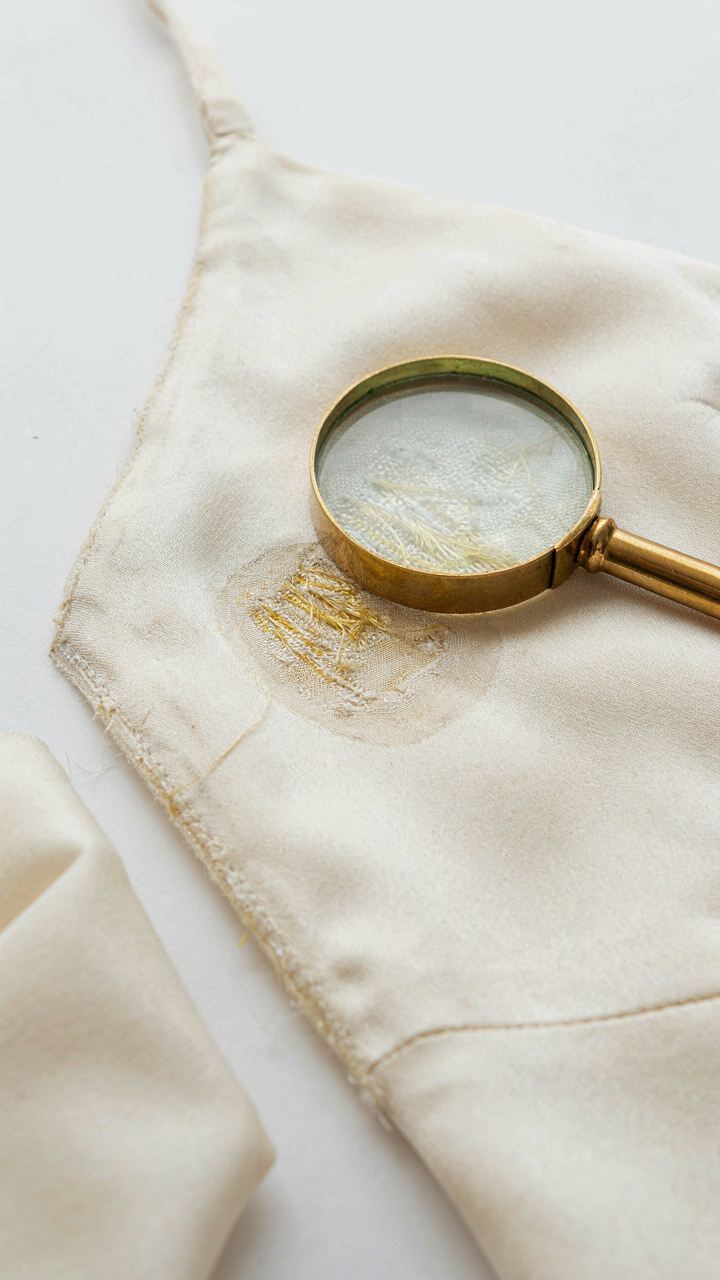
You want reassurance that your dress will outlast you. That’s the real reason you’re reading this. Here’s the mechanism: textiles degrade through oxidation, hydrolysis, and physical stress, the same processes that destroy any organic material over time. Silk weakens when exposed to light and humidity fluctuations. Polyester yellows and becomes brittle. Cotton fibers break down when moisture and heat cycle repeatedly. These aren’t opinions. They’re chemistry.

Budget preservation services often claim they stop this process. They don’t. They slow it. The best they do is control the environment where degradation happens. Acid-free tissue, stable temperature, low humidity, darkness, and sealed containers reduce the rate of chemical breakdown. A dress stored in a climate-controlled vault degrades slower than one in an attic. The difference is measurable but not infinite. You’re buying time, not immortality.
Marketing Language That Means Nothing
The term “archival” has no legal definition in the wedding dress industry. Museums use it to describe materials that meet specific conservation standards set by organizations like the American Institute for Conservation. Most budget preservation services use “archival” to sound credible, not because they meet those standards. They’re not lying exactly, just borrowing authority they don’t have.
Here’s what actually matters: ask what specific materials they use and why. If they say “archival boxes” without specifying acid-free tissue, lignin-free cardboard, and polyester batting, they’re following a checklist, not a protocol. Real budget preservation centers document their process in writing. They tell you the temperature range, humidity level, and storage timeline they guarantee. If they won’t put numbers on paper, they’re selling confidence, not preservation.
The DIY Wedding Dress Preservation Protocol: What You Can Actually Do
Immediate Care Before Storage
You’re reading this section because you want to avoid the guilt of watching a thousand-dollar dress rot in your closet. The mechanism is simple: oxidation and biological degradation accelerate exponentially once fabric absorbs moisture, oils, and environmental pollutants. Act within weeks, not months.
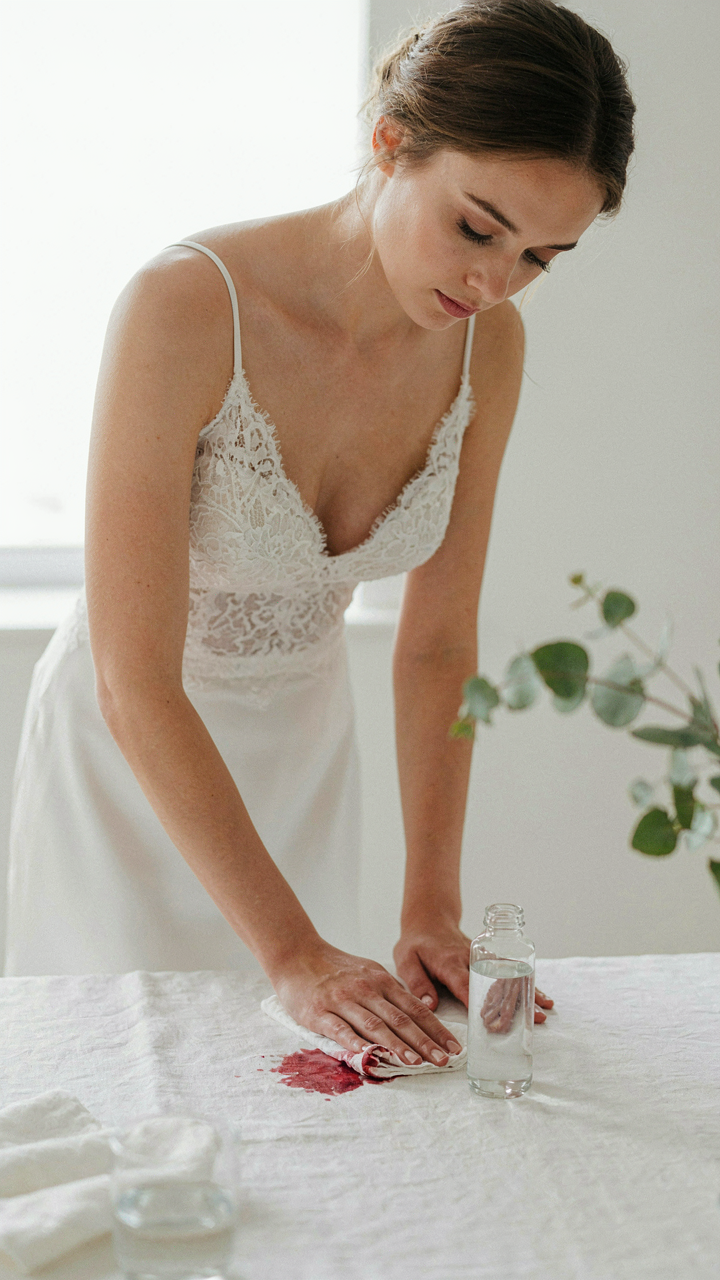
- Spot cleaning with distilled water: Use a soft white cloth and distilled water only—tap water contains minerals that leave deposits. Blot, never rub. Target visible stains from sweat, makeup, or food before they set permanently into fibers.
- Wine or champagne stains: Flush the area immediately with cold distilled water from the back of the fabric. Heat sets protein-based stains permanently. Work from outside the stain inward to prevent spreading.
- Perspiration zones: Underarms and back absorb the most moisture. Gently dab with a cloth dampened in a solution of equal parts white vinegar and distilled water, then follow with distilled water only to rinse.
- Avoid dry cleaning unless necessary: Commercial dry cleaning uses harsh solvents that degrade delicate fabrics, weaken stitching, and strip natural protective oils from silk and satin. This is the advice nobody wants to hear because “dry cleaning = preservation” is a narrative that benefits the industry.
- Professional hand washing if heavily soiled: If the dress genuinely requires cleaning beyond spot treatment, hire a conservator who hand-washes with pH-neutral soap, not a dry cleaner. Cost is higher upfront but prevents fiber damage.

Spot cleaning addresses the real problem: biological growth from moisture. Once fabric dries completely after treatment, the decay process halts. Your goal is removal of contaminants without introducing new solvents that linger and cause yellowing.
Storage Conditions That Actually Prevent Damage
Think of wedding dress preservation through the lens of environmental science: humidity, temperature, and light are variables you control to slow chemical degradation. Too many people store dresses in attics or basements where humidity fluctuates wildly, triggering mold growth and color shifts.
- Climate-controlled closet or interior wall space: Choose a location with stable temperature between 65 and 70 degrees Fahrenheit and humidity between 30 and 40 percent. Avoid exterior walls, attics, and basements where temperature and moisture swing seasonally.
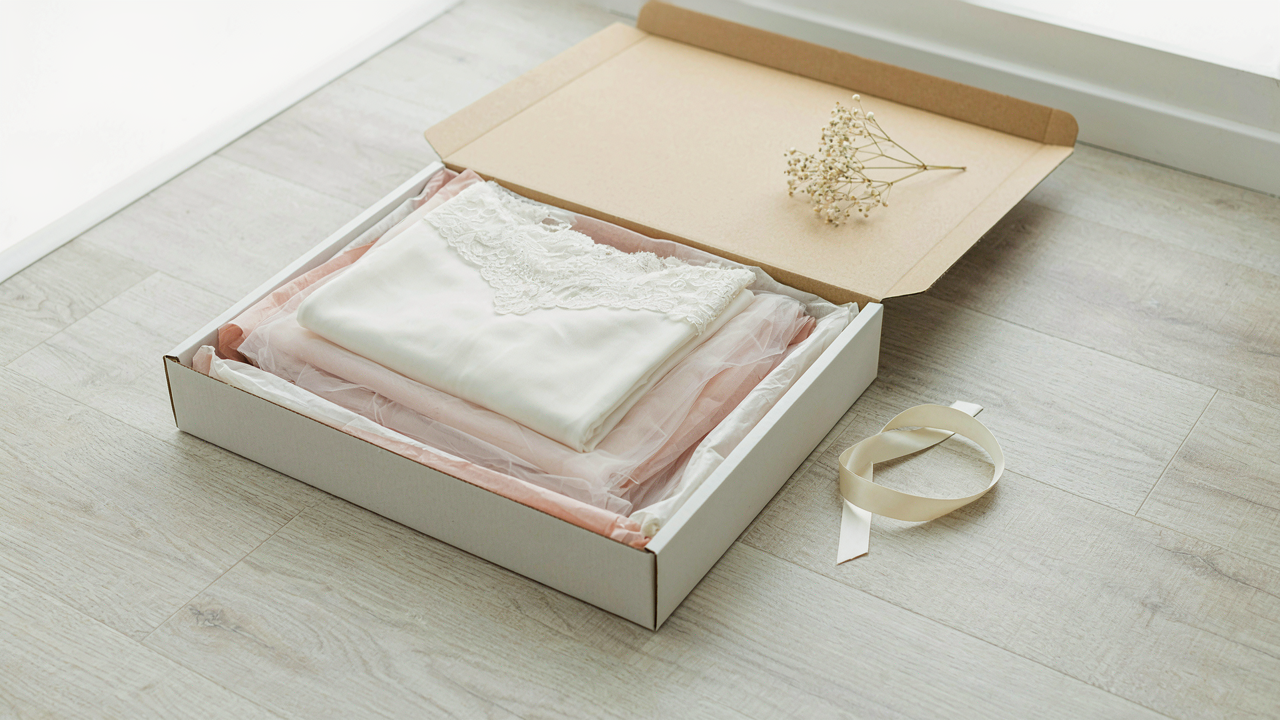
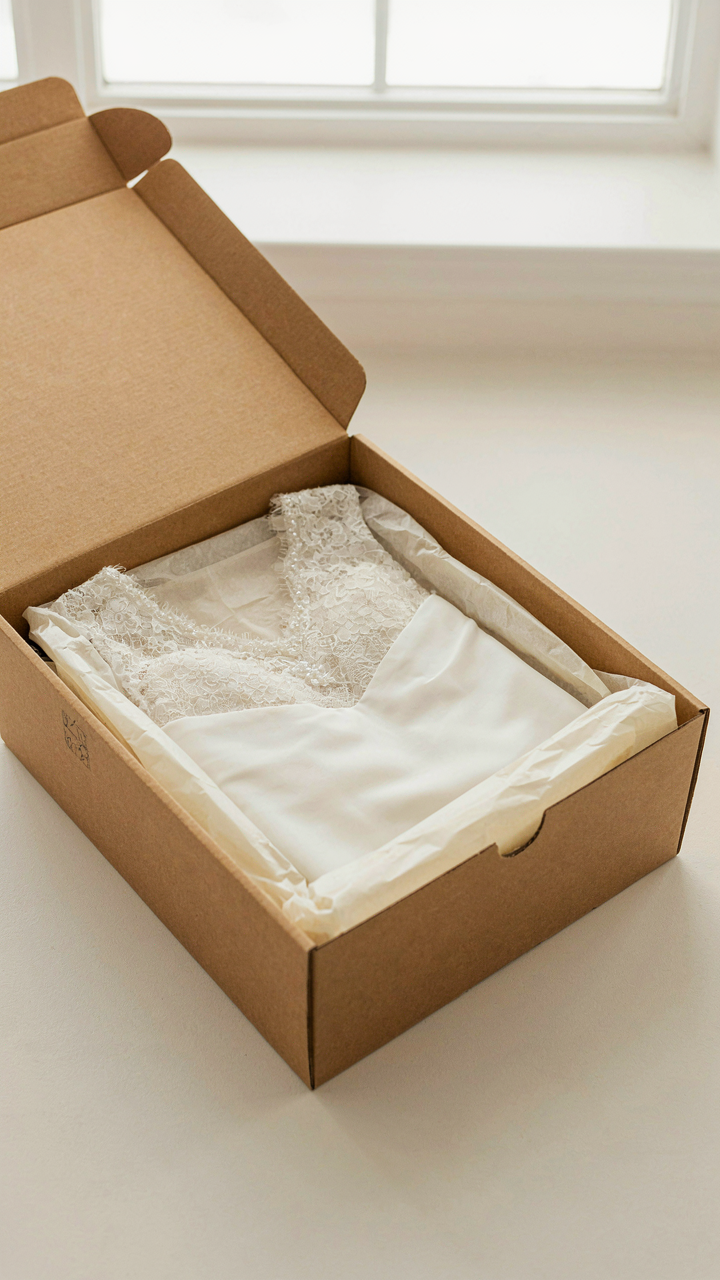
- Acid-free tissue paper and boxes: Acidic materials cause yellowing and fiber brittleness over decades. Use only acid-free tissue (test with pH strips if uncertain) and acid-free storage boxes. Standard cardboard and newspaper accelerate decay.
- Archival garment bags, not plastic: Plastic bags trap moisture and create condensation that feeds mold. Use unbleached muslin or other breathable archival-grade bags that allow air circulation while blocking dust.
- Flat storage or partial rolling: Hanging a dress long-term stresses seams and causes stretching, especially in heavier fabrics. Store flat in a box with tissue support, or gently roll around acid-free tubes if space is limited. Never use wire hangers.
- No direct sunlight or artificial light: UV rays and heat from bulbs fade dyes and weaken fibers. Store in a dark space. If you must keep the dress visible, use UV-filtering acrylic display boxes in indirect light only.
The storage system you build today determines whether the dress survives twenty years or yellows into unwearability within five. Invest in acid-free materials upfront—they cost thirty to fifty dollars more than standard boxes but eliminate the chemical reaction that turns white fabric beige.
The Cost Benefit Entropy Of Wedding Dress Preservation
When Preservation Spending Stops Making Sense
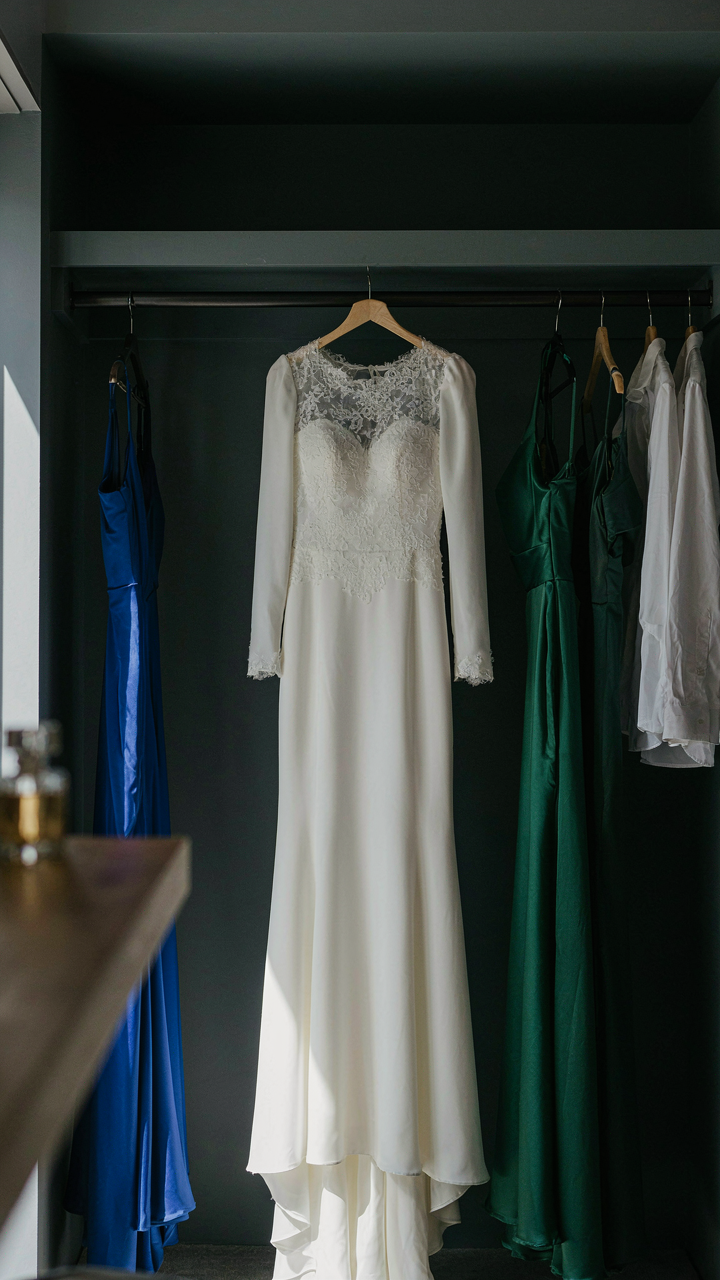
You’re worried you’ll regret not preserving it. That’s the real fear driving this decision. Preservation spending follows economic law: each dollar spent delivers fewer returns than the one before it. Early intervention—cleaning, boxing, environment control—prevents decay. Later spending on restoration just slows what’s already happening. The gap between what you pay and what you actually prevent widens fast.

Most budget services charge between 150 and 400 dollars for cleaning and storage box setup. Beyond that baseline, costs spiral for specialized treatments: stain removal, lace reinforcement, bead stabilization. A dress that cost 300 dollars doesn’t justify 600 in preservation if the goal is keeping it intact for occasional viewing. The mechanism is simple: diminishing returns kick in when preservation cost exceeds the dress’s functional value to you.
Where Most Budgets Fail
The common advice says preserve everything equally. Wrong. Budget dress preservation fails because people treat all preservation work as equally important. It’s not. Cleaning and acid free storage prevent 80 percent of decay. Everything after that—deacidification treatments, museum grade boxing, climate monitoring—prevents maybe 10 to 15 percent additional damage and costs triple. You’re paying exponentially more for linearly smaller gains.
The real question isn’t how much to spend but where spending actually stops decay. A 200 dollar baseline—professional cleaning plus archival box storage in a cool dry closet—prevents most of what kills budget dresses: moisture, dust, light, and acid migration from poor materials. Beyond that, you’re buying insurance against scenarios that rarely happen: future stains, yellowing, or structural failure. Track your actual risk. Store it properly. Skip the premium treatments unless the dress has significant sentimental or financial value independent of your wedding day.
Decoding Preservation Service Jargon: Avoid Getting Ripped Off

What They Actually Mean When They Say It
You’re afraid you’ll pay for something that sounds professional but delivers nothing. The mechanism is simple: preservation companies weaponize terminology to obscure what they’re actually doing or not doing. “Museum-quality storage” means climate control. “Acid-free boxing” means they won’t destroy the fabric over time. “Gentle cleaning” might mean they soaked your dress in water when dry cleaning was safer. The words sound identical whether the service costs $300 or $1,200. Learn to decode the gap between the term and the action.

When a service says “stabilization,” they’re describing temporary intervention, not permanent transformation. Acid-free tissue prevents yellowing during storage but does nothing to existing stains or damage. “Hand-finished” alterations could mean one person spent four hours or an apprentice spent twenty minutes. “Professional pressing” ranges from a steam wand to a full industrial flat-press setup. The vocabulary stays consistent. The actual work varies wildly. Budget services often use identical language to premium ones because the language itself costs nothing to deploy.
Ask About The Specific Method, Not The Name
Stop asking “Do you clean dresses?” and start asking “What solvent do you use and why that one over alternatives?” Services that hedge or deflect on specifics are hiding either ignorance or corners they’re cutting. Silk requires different treatment than polyester blends. Beading demands hand-work that can’t be rushed. Stain removal isn’t one process—it depends on the stain type, fabric composition, and how long it’s been set. A legitimately competent service will name their method without equivocation.
Real budget preservation hinges on knowing which steps matter most and which ones are upselling theater. Ask what happens if the dress arrives with stains they can’t remove—do they guarantee a result or promise only best effort? Ask whether their storage facility has logged temperature and humidity data from the past year, not just a brochure statement about climate control. Ask if they use pesticides or oxygen-based methods for preservation. A service that answers these with specifics instead of marketing language will likely deliver actual value for the price.
The Minimalist’s Guide To Preserve Wedding Dress Integrity
What Actually Stops Fabric Decay
You want to preserve your dress because throwing away a thousand-dollar garment feels like failure. Here’s what actually matters: fabric degradation follows predictable chemistry. Cellulose and protein fibers break down when exposed to oxygen, light, heat, and moisture. Budget preservation cuts unnecessary steps while attacking these four variables. Professional services often bundle aesthetic treatments you don’t need. The mechanism is simple: isolation from hostile conditions, not expensive additives.

Most budget services skip the theater and nail the fundamentals. They store dresses in acid-free boxes, in climate-controlled environments, away from direct light. Temperature stability matters more than absolute cold. Humidity between 45-55 percent prevents both mold growth and fiber brittleness. The expensive preservation packages add archival boxing, custom hangers, and detailed documentation. These add cost, not preservation. A competent budget service controls the environment and uses inert materials. That’s the entire equation.
Storage Materials That Actually Work
The consensus says you need museum-grade everything or your dress dies. False. The real principle comes from materials science: inert equals stable. Any substance that doesn’t chemically react with fabric fibers preserves effectively. Acid-free tissue, unbuffered cotton storage boxes, and polyester garment bags work identically to premium versions costing triple the price.
Acid accelerates cellulose breakdown, so acid-free materials prevent this reaction. Lignin, found in wood pulp, yellows fibers over decades. Budget services use lignin-free cardboard. Polyester bags isolate the dress from airborne contaminants without trapping moisture if the environment is already controlled. Avoid PVC plastic, which off-gases and damages delicate fabrics. Verify your service specifies acid-free boxes and non-lignin tissue. The material specification matters more than the brand name on the box.
Finding Honest Services: Beyond The Gimmicks

Who Actually Knows What They’re Doing
You want someone else to validate your choice so you don’t carry the weight of getting it wrong. That’s not weakness—it’s why most people hire preservation services instead of doing it themselves. The mechanism is simple: preservation companies exploit this by bundling unnecessary services and charging per add-on. They know you can’t evaluate quality work yourself, so they sell confidence instead of results. Reputable services strip this down. They charge flat rates for what actually matters: acid-free storage, climate control during the process, and proper documentation. They don’t upsell embroidery restoration or ozone treatment unless you ask. Ask directly what the base preservation includes. If they dodge or default to “packages,” they’re selling confusion.

The screening test is asking how long their climate-controlled storage lasts after pickup. A real operation gives you a number in months or years. They also tell you upfront what they won’t do—typically hemming, major structural repairs, or stain removal guarantees. Honesty about limits signals they understand the work.
Negotiating For What Your Dress Actually Needs
Economics teaches that information asymmetry kills fair pricing—the party with better information wins. You have almost none here, so the power imbalance starts tilted. Stop it by defining “essential” before calling anyone. Essential means: cleaning (minimal to moderate), preservation boxing, and climate-controlled storage for pickup delivery. Everything else—steaming, minor repairs, archival photography—is optional. Call five services. Ask each one the same questions in the same order. Write down their prices and what’s bundled in the base cost. You’ll see the pattern immediately: some hide costs in upgrades, others front-load the price honestly.
When you’re ready to negotiate, reference what competitors quoted. Services that panic or get defensive when compared are protecting margins, not your dress. The honest ones will either match a lower price or explain specifically why they won’t. Request itemized quotes in writing before committing. Get their storage duration and climate specifications in the contract. Don’t accept verbal promises about temperature ranges or humidity levels.
The Long Term Betrayal: When “Preservation” Fails
Why Your Dress Still Yellowed After You Paid Them
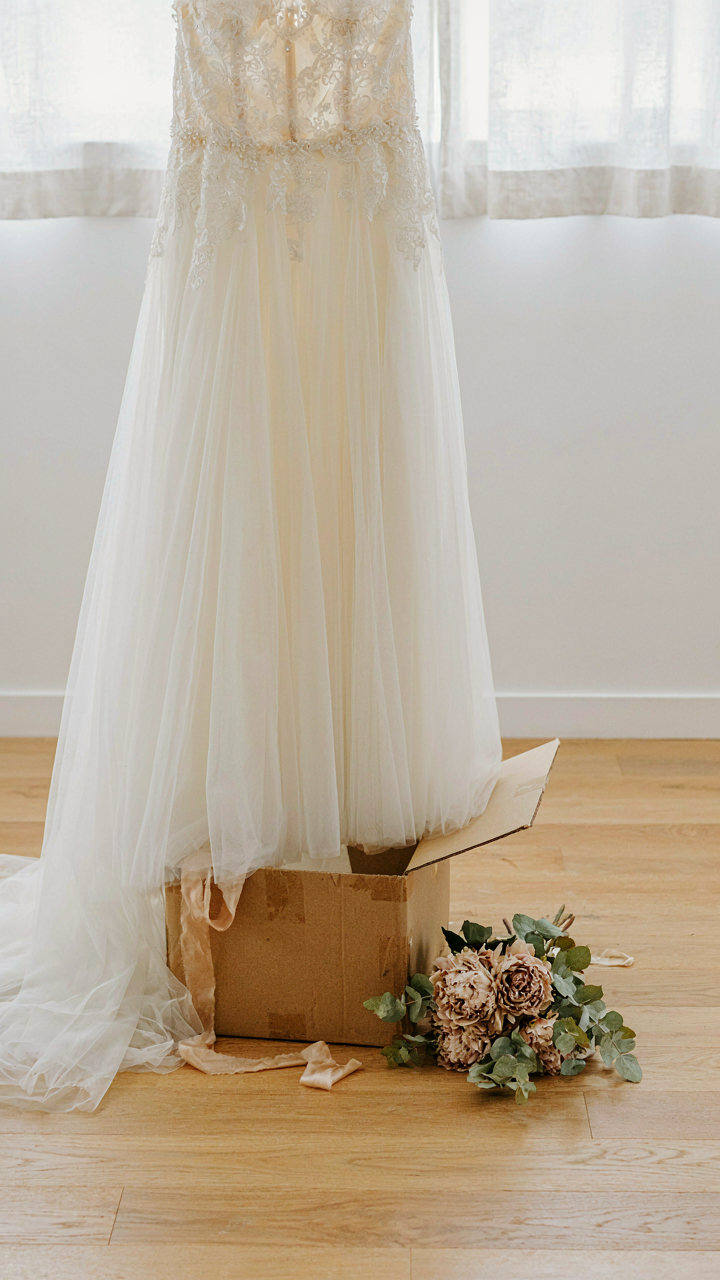
You’re afraid you wasted money. That fear is the real reason you’re reading this section. Here’s what actually happens: preservation fails because most budget services treat fabric like a static object instead of a living system that keeps responding to its environment. Acid migration, not neglect, is the primary culprit. Acid lives in the fabric itself, in the glues, sizing, and dyes. Budget preservation stops the obvious threats but ignores the chemistry still unfolding inside the box.

The mechanism is simple. Acid breaks down cellulose fibers over time, turning white fabric yellow and silk brittle. A cheaper preservation service uses lower-grade tissue paper and acid-free boxes that meet the minimum standard but don’t neutralize existing acid trapped in the fabric. They box it and assume the work is done. Five years later you open it and find the damage didn’t stop, it just slowed down. Real preservation requires deacidification treatments that budget services skip because they add labor and cost. Your dress kept aging in the dark.
If The Damage Is Already There
Stop looking for someone to blame and start looking for someone who can actually reverse it. The common advice here is garbage: “professional restoration is too expensive for a budget dress anyway, so just accept the stains.” That’s lazy thinking from services that want repeat customers. Damage assessment comes first, and it costs almost nothing. A textile conservator can tell you exactly what happened and whether reversal is possible. Some stains reverse. Some yellowing reverses. Some don’t. You need to know which category you’re in before you pay anyone anything.
For active damage like yellowing or brittleness, you need a service that offers spot treatment or partial restoration, not full reprocessing. This is cheaper than you think because they’re only addressing specific problems, not re-preserving the entire dress. Document the damage with photos before and after contact. Keep those photos. If the service damages the dress further during treatment, you have proof. The protocol is simple: assessment, quote, treatment with progress photos, final inspection. No service should accept your dress without showing you written damage documentation first.
Your Legacy Is Not A Dress: Reclaiming Perspective

The Math Behind Attachment
You’re reading this because you want permission to keep the dress without feeling wasteful, and that matters more than you admit. Here’s the mechanism: attachment economics says we assign value to objects based on the effort we invested, not their actual utility going forward. You spent money and emotional labor on a wedding dress, so your brain inflates its worth to justify that sunk cost. Preservation services exploit this by offering a solution that lets you avoid the decision altogether.

The real question isn’t whether to preserve the dress. It’s whether the preservation cost plus storage space plus the guilt of never touching it again actually serves you or just postpones a choice. Most budget preservation fails because people preserve items they never look at. You’re paying to store regret, not legacy. The mechanism is simple: sunk cost fallacy plus status anxiety equals a dress in a box for thirty years.
Experiences Build The Life, Objects Don’t
The consensus says heirlooms matter. That’s incomplete. Experiences matter because they shape how you think and who you become. A wedding dress hanging in a closet does neither. Your daughter won’t wear it because wedding dress silhouettes change every decade, and forcing vintage onto someone else’s body is projection, not tradition. What she will remember is whether you were present, engaged, and building actual moments with her.
Budget preservation makes sense only if you have a specific, realistic plan to use the dress again or pass it to someone who will wear it within five years. Otherwise, redirect that money toward experiences with the people the dress represents. Take a trip with your spouse. Invest in your kids’ education. That’s what your legacy actually is. The dress was one day. Everything after is what counts.
The Only Thing Truly Irreplaceable Is Your Presence, Not A Pristine Garment

Stop treating your wedding dress like a museum artifact. You wore it once. A budget preservation service exists to protect a memory, not resurrect perfection. Pick one today, get a quote, and move forward. The dress matters less than what you did in it.