The “$300 Dress” Myth: What They Don’t Tell You

The Real Price Tag Hiding In Plain Sight
You’re drawn to the $300 price tag because you want permission to stop feeling guilty about not spending $2,000. That’s the real mechanism at work. The advertised price is a loss leader, not the final cost. Shipping runs $15 to $40. Alterations—hemming, taking in the bodice, adjusting straps—cost $80 to $200 depending on your tailor and location. A steamer or professional pressing adds another $20 to $50. Most brides discover this breakdown after purchase, when the dress arrives and reality hits.
The $300 figure works because it’s the number that passes the mental checkpoint. Your brain accepts it. But checkout pages know this. They add fees incrementally so no single line item shocks you. By the time you hit “confirm order,” you’ve mentally committed. The true cost of a $300 dress typically lands between $415 and $590 once you account for the full delivery-to-wearing pipeline. Check the vendor’s return policy before ordering because alterations are non-refundable almost everywhere.
Fabric And Construction Live On A Tradeoff Curve
This isn’t subjective taste. It’s economics. You cannot produce polyester microfiber satin with hand-finished French seams at this price point and still make margin. Vendors cut costs in specific places. Most budget dresses use synthetic blends instead of natural fibers like cotton, silk, or linen. Synthetics wrinkle differently, don’t breathe as well, and show sweat marks faster. Construction shortcuts appear in seam allowances that are narrower than traditional wedding dress standards, reducing durability under stress.
The construction quality difference is measurable, not philosophical. A $300 dress typically has seams that hold but won’t survive repeated alterations by different tailors without puckering. Zipper installations are often glued rather than sewn, which fails under tension over time. Lining fabric is thinner and pills more easily. These aren’t manufacturing failures, they’re intentional design decisions that keep costs down. Before ordering, request photos of the interior seams and zipper construction from the vendor. If they can’t or won’t provide close-ups, assume the weakest standard.
Beyond The Bridal Industrial Complex
What Budget Actually Means Here
You’re afraid that a cheap dress signals you didn’t care enough. That’s the real concern underneath the price tag. The mechanism is simple: bridal retail created a false equivalence between cost and commitment. They convinced brides that spending $1,500 proves love, when the dress itself costs $150 to manufacture. The markup isn’t quality. It’s permission to feel like the day matters.

A $300 dress online performs the exact same function as a $1,200 store dress. It covers your body. It photographs well. It makes you feel like a bride. The difference isn’t fabric or construction. It’s that you paid less to a middleman who profits from your guilt about spending less.
The Real Signal You’re Actually Buying
Economics calls this signaling theory. In bridal wear, you’re not buying the dress. You’re buying exemption from judgment. The wedding industry priced that exemption at four figures so it would feel real. Online retailers under $300 don’t remove the exemption. They just stop charging $1,200 for the feeling of legitimacy that already exists inside you.
The perceived value gap collapses once you understand what you’re actually purchasing. Fabric quality, stitching, and fit are measurable. “Legitimacy as a bride” isn’t. When you buy a $250 dress from a direct-to-consumer brand, you’re getting better construction than department store dresses at the same price, minus the retail markup that paid for the brick building and the saleswoman’s commission. You’re not settling. You’re cutting out the middleman and keeping the dress quality intact.
The “A Line Gown Wedding” Deception: Online Vs. Reality
Mass Produced Fit Breaks The Photo Promise
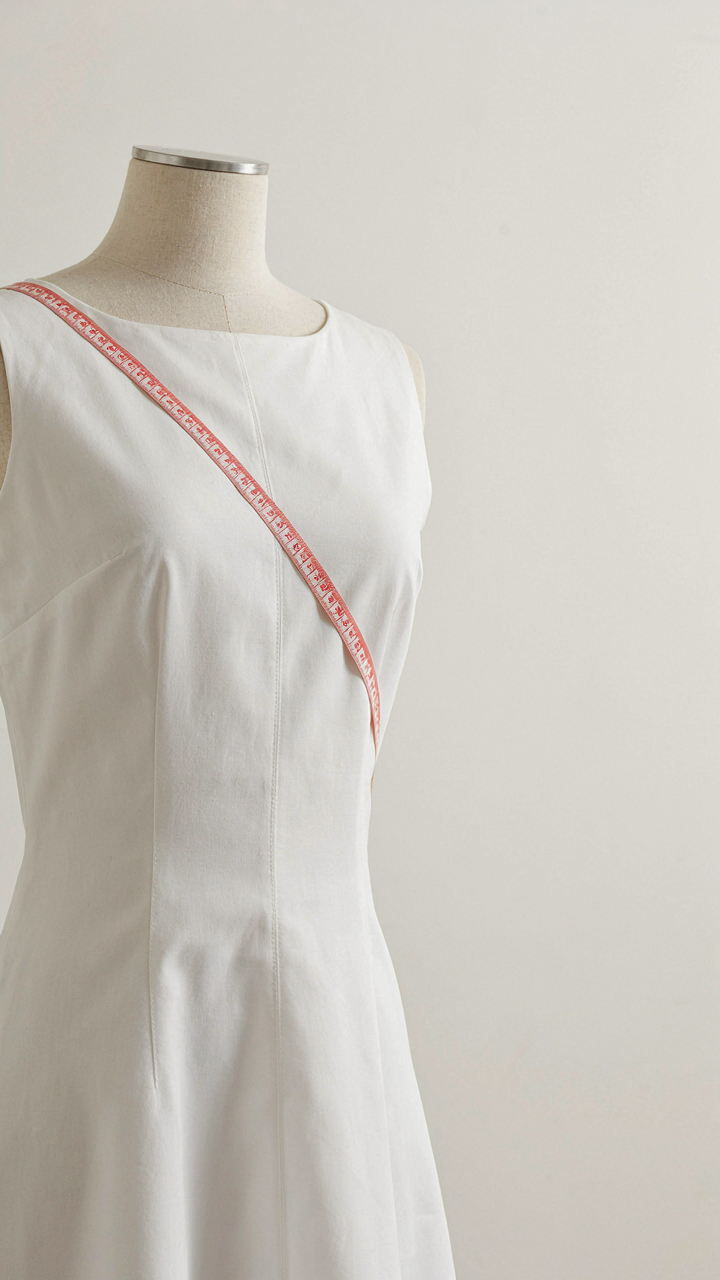
You want to believe the dress in the listing photo will fit your body. That’s the real problem here. The mechanism is simple: every budget dress under 300 dollars ships from overseas factories using standardized sizing blocks, not individual pattern grading. A size 8 from one factory bears no relationship to a size 8 from another because manufacturers cut costs by using the cheapest pattern software available, which produces inconsistent seam placement and dart positioning across batches.

This is manufacturing economics at work. The factory optimizes for throughput, not accuracy. You receive a dress that matches the model’s proportions maybe 40 percent of the time, even when sizes match on paper. The lining tears during fitting. Seams sit two inches off where they should. The A-line shape exists only because the pattern was drafted loose to account for fit variance across bodies the designer never measured. Most sellers won’t tell you this because admitting it tanks their conversion rate.
Reading Reviews Without Getting Played
Ignore the five-star reviews entirely. They come from buyers who lowered their expectations before opening the box, so they’re useless as data. Focus on the one-star and two-star reviews instead, but apply a filter: ignore complaints about “cheap material” or “not as pretty in person,” which are subjective. Hunt for the specific claims: seam splitting after first wear, zipper failure within two days, waistband sitting three inches off, bust cup gaping on A-cups, hem length variance of four inches on identical sizes.
When you spot the same mechanical failure mentioned three times across fifty reviews, that’s your signal the dress has a production defect that won’t fix itself. Cross-reference reviews by checking reviewer profiles for patterns, not just copy-paste language. Read the seller’s response to negative reviews, because a defensive response reveals they won’t process returns fairly. Sellers who accept fault and process refunds without hassle run better quality control.
The Scarcity Protocol: Finding A Truly Low Cost Wedding Dress
Vintage Markets And Consignment
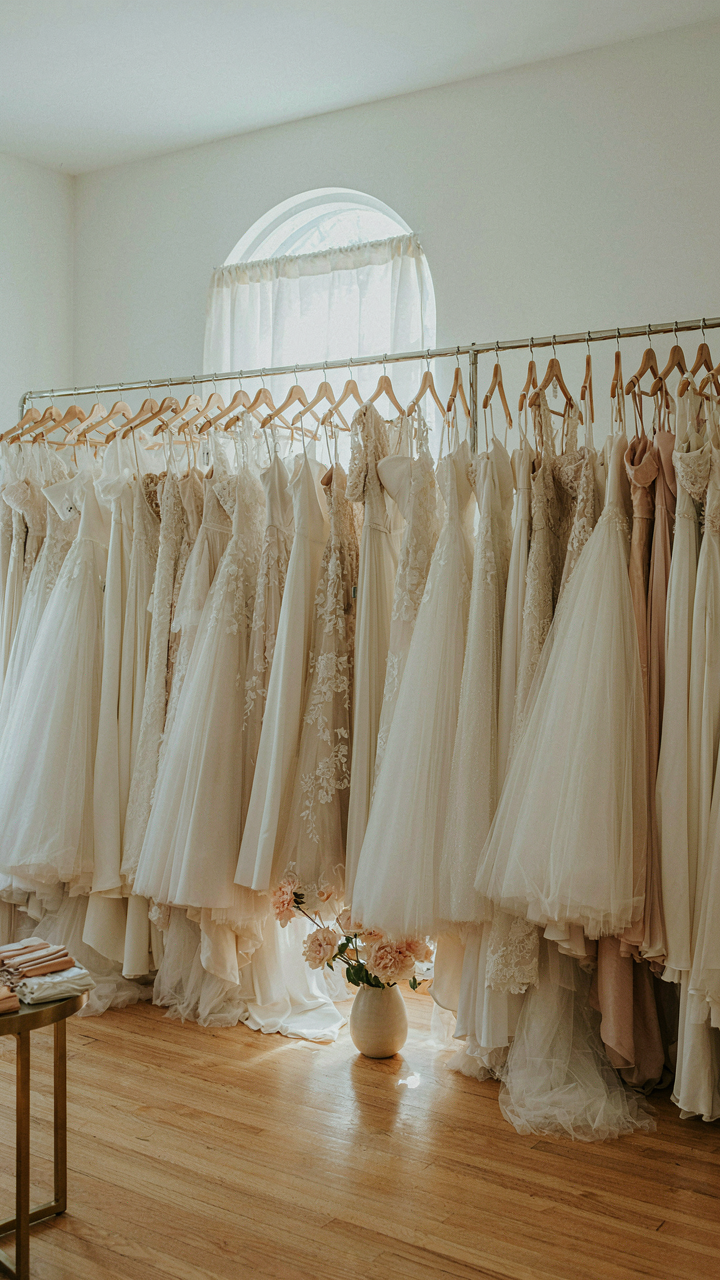
You want permission to buy used without feeling like you settled. That’s the real transaction here. The mechanism is simple: vintage and consignment markets exist because wedding dresses operate on a one-wear model. Most dresses are worn once, photographed, stored, then abandoned. That inventory glut creates your opportunity. Consignment shops and vintage platforms take dresses off owners’ hands at 40 to 70 percent below retail, then resell at markups that still undercut new retail by half or more.
The advantage compounds when you shop off-season. May through August sees reduced consignment inventory because weddings cluster in fall and spring. Sellers list aggressively during January to March clearance cycles. Poshmark, Vestiaire Collective, and local consignment boutiques all move volume during these windows. You’re not buying damaged goods or seconds. You’re buying the surplus from a market that only cares about one-time use. Buy during the slump, not the rush.
Supply Chain Transparency And Real Costs
Economics teaches us about externalities, the hidden costs absorbed outside market price. Wedding dress pricing hides massive externalities: overseas labor, shipping, storage, retail markup. A dress retailing for 800 dollars costs 150 to 200 to manufacture. The gap funds middle layers that add zero value to your dress. Direct-to-consumer brands like BHLDN or Lulus compress that chain and drop price accordingly, but they still mark up 200 to 300 percent. Understanding where your money actually goes kills the myth that low price means low quality.
What matters: fabric, construction, and fit. Cheap retail dresses waste money on branding and showroom costs, not materials. A 250-dollar dress from a lesser-known brand often uses identical fabric and seaming as a 700-dollar mall brand. The difference is distribution, not craftsmanship. Verify construction by photographing seams and hems before purchase. Check return policies ruthlessly. If a direct brand offers 60-day returns and their dresses use polyester mikado or silk charmeuse, price and quality align. That’s your signal.
The “$200 Wedding Dress” Fallacy: Timeless Vs. Trend Driven
Personal Style Over Fleeting Trends
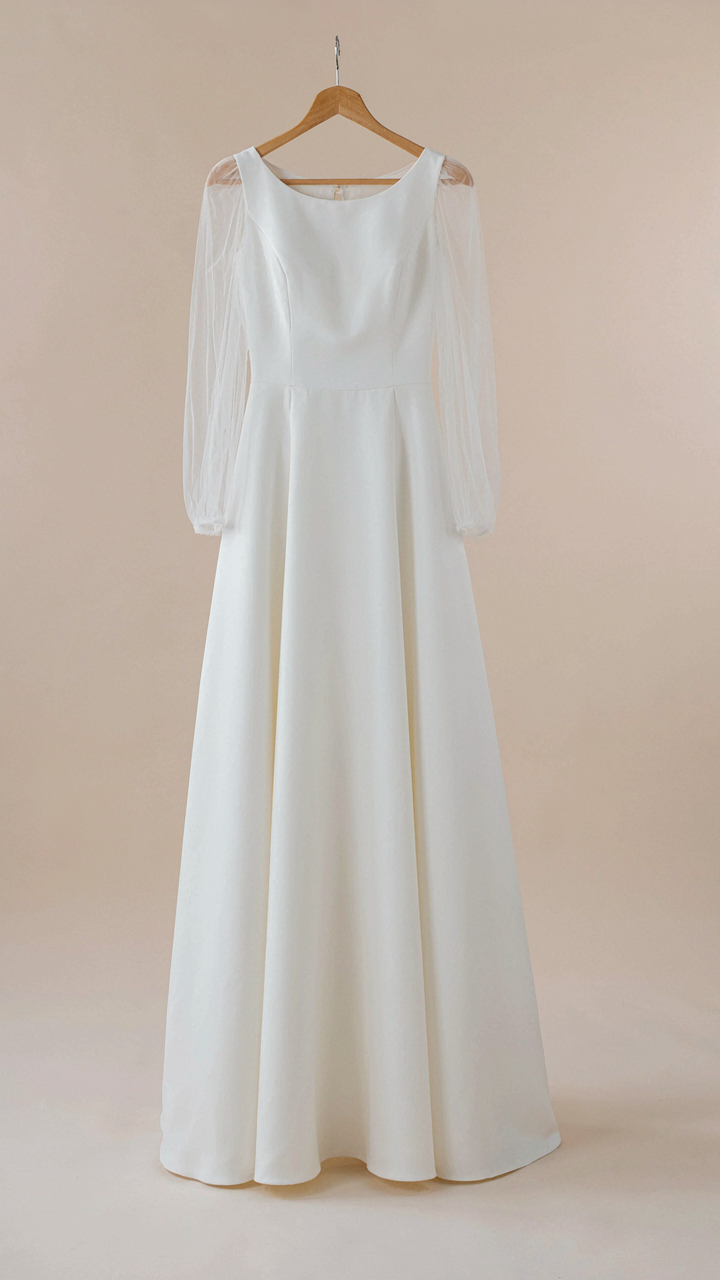
You’re afraid you’ll look dated in photos. That’s the real concern here, and it drives the entire industry’s obsession with what’s “current.” The mechanism is simple: fashion cycles operate like supply chains. Designers push novelty to justify price increases, and marketing convinces you that last year’s silhouette is now obsolete. It’s not. A dress with clean lines, minimal embellishment, and a flattering cut on your body doesn’t expire because Instagram moved on to the next trend.

The dresses under 300 dollars that hold up are the ones built on proportion and fit, not decoration tied to a specific moment. Trends in wedding dresses move slowly anyway—we’re not talking seasonal fast fashion. The A-line, the simple sheath, the fit-and-flare—these structures have dominated for decades because they work on different body types. What matters is choosing a silhouette that flatters you now, not what Pinterest claimed was essential in 2023.
Durability Built Into The Design
Longevity beats novelty because longevity is a structural choice, not an emotional one. You either design a dress to last or you design it to feel urgent. Most budget dresses fail because manufacturers cut costs on seam quality, fabric weight, and construction methods—not because the style is wrong. A well-constructed polyester blend with reinforced seams will outlast a trendy dress made from thin material that tears at the hem after one wearing.
Find dresses with these markers: full-length hems you can alter, simple necklines without glued-on details, and fabric that has actual weight when you hold it. Skip dresses where the structure depends entirely on boning or where seams appear glued rather than stitched. Check reviews specifically for complaints about durability and construction quality. These details determine if you’ll wear the dress once and donate it, or if it survives a honeymoon, multiple events, and eventually becomes something you’d actually preserve.
The “Cheap Wedding Dresses” Algorithm: How To Hack Online Retailers
Search Filters That Actually Work
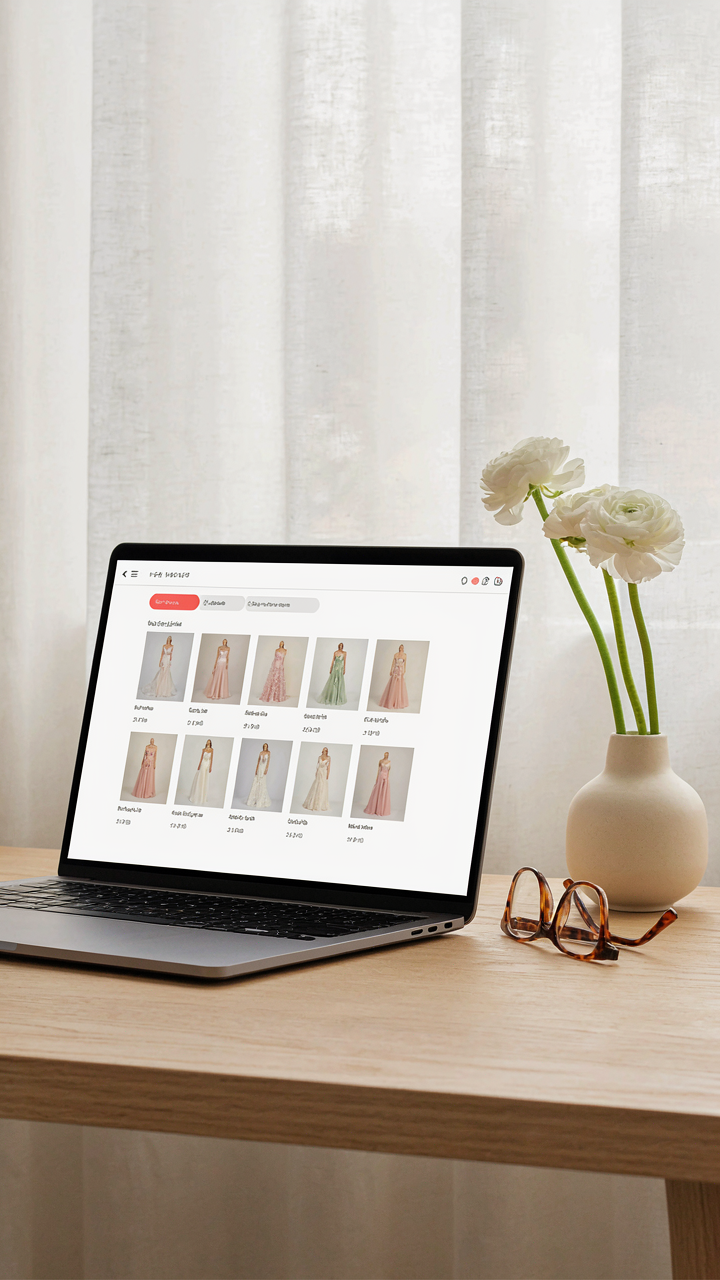
You’re searching because you’re afraid the algorithm will bury the legitimately affordable options under sponsored listings and inflated price tags. Here’s what most people miss: online retailers use inventory tags, not magic. Each dress carries data fields—fabric type, silhouette, size range, price tier—and the search function queries those fields directly. You’re not competing against other shoppers. You’re talking to a database.

Start with price filters set to your exact ceiling, not a range. Enter “under 300” or “299 max” rather than “200 to 500.” Most platforms default to showing results by relevance or popularity, which means bestsellers first, not cheapest first. Sort by price ascending every single time. Then add these filters before anything else:
- Polyester and poly-blend fabrics: Costs 60-70% less than silk or natural fibers. Polyester dresses hold structure without the price markup that comes from premium materials.
- A-line and empire waist silhouettes: Require less fabric and simpler construction than ball gowns or mermaid cuts. Fewer seams and panels directly lower manufacturing costs.
- Size range includes your size in stock: Dresses listed as “in stock” in your specific size bypass the custom-order markup that inflates prices by 40-80 dollars or more.
- “Simple” or “modest” style tags: Wedding retailers use these terms for lower-complexity designs. Fewer embellishments mean lower material and labor costs reflected in the price.
- Clearance or sale sections only: Filter to only show marked-down inventory. Most sites have a dedicated clearance category—use it as your primary search source, not your backup.
The mechanism here is specificity. Broad searches return curated results designed to maximize retailer profit. Narrow searches return inventory organized by the actual data. You’re forcing the algorithm to show you what exists at your price point instead of letting it hide those options behind trending items and high-margin stock.
Seasonal Clearance Cycles Beat Sales
Most advice tells you to hunt for sales. That’s incomplete. The real money sits in understanding retail inventory cycles, not discount percentages. Retailers buy wedding dress inventory in seasonal waves—spring dresses arrive in December, summer in March, fall in June. They mark down previous season stock aggressively, not because of “sales events,” but because warehouse space costs money every month it sits empty.
Hit clearance sections in late March, late June, late September, and late November. These windows hit 30-60 days after the season officially ended, when retailers need the shelf space for incoming inventory. A dress originally priced at 400 dollars marked down 40% hits 240 dollars—under your threshold without chasing a random “wedding sale.” The inventory pressure is real; retailers must move old stock. You’re simply timing your purchase to when that pressure peaks and prices bottom out. Set calendar alerts on major retailers’ sites and check them every two weeks during these windows. One specific action: bookmark the clearance section of four major retailers—BHLDN, Lulus, Davids Bridal clearance, and Azazie sale section—and visit each one on the 15th and last day of each month.
The Simple Wedding Dress Under $500 Mindset: Decoupling Price From Value
Know What Actually Matters To You
You’re worried people will judge you for spending less. Stop. The mechanism at play here is constraint-driven clarity. When you remove unlimited budget as an option, you’re forced to articulate what you actually want instead of what you think you should want. Most brides under $300 haven’t done this work. They chase fabric names and designer stories because those feel like objective markers of quality. They’re not.

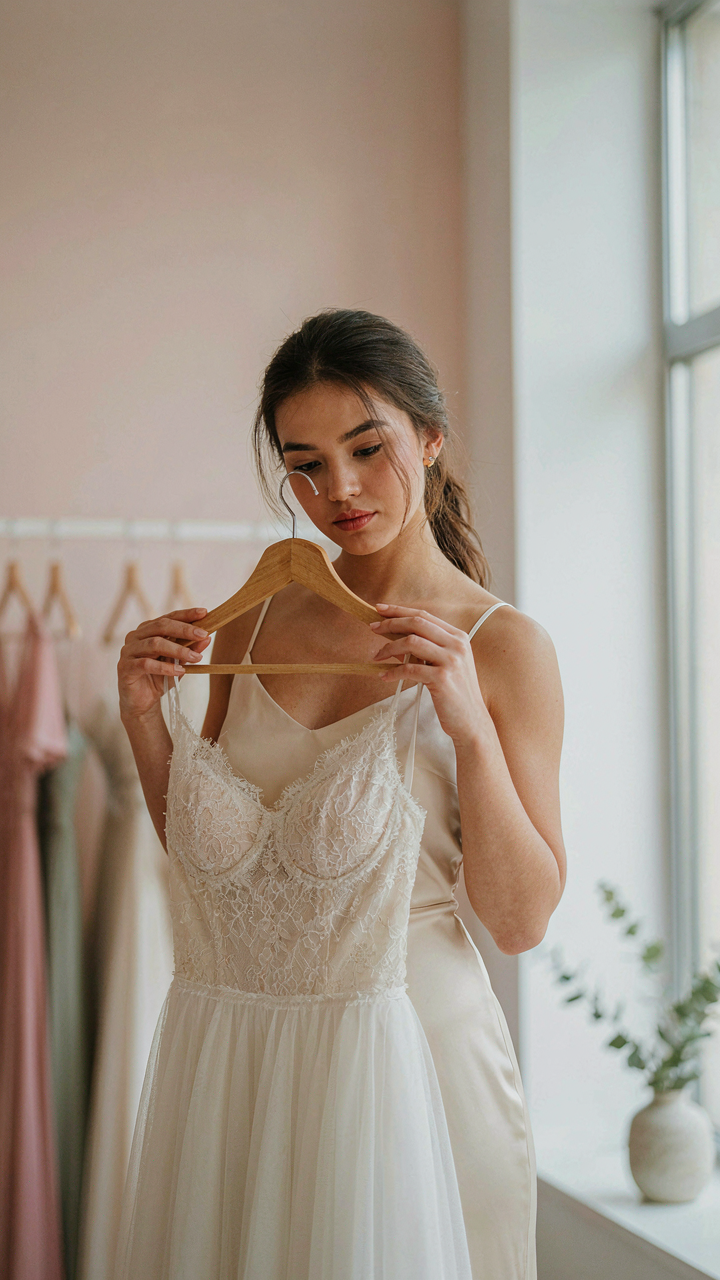
Start by testing your preferences against reality. Wear sample dresses from different price points. Notice which features you genuinely prefer versus which ones you’re attached to because of marketing. Silk charmeuse versus polyester blends. Hand-beaded details versus machine embroidery. A structured bodice versus a relaxed fit. The only non-negotiables are the ones that change how you feel when you move in the dress, not the ones that impress people in photos.
The Cost Of Browsing Without Boundaries
Economics calls this opportunity cost, and it destroys wedding dress shoppers. Every hour spent scrolling options under $300 is an hour not spent on hair, makeup, venue logistics, or literally anything else. The endless search loop creates the illusion that a better option exists one more click away. It doesn’t. The inventory of wedding dresses under $300 online is finite and repeatable across platforms.
Set a search window and stick to it. Two hours maximum per platform. Three platforms maximum total. Write down the top three dresses you’d actually buy from each platform before you start browsing. This forces you to decide based on your criteria, not emotional impulse. Once you’ve seen the inventory, stop searching. The decision moves from “find the perfect dress” to “choose from the good options you’ve already found.” This shift collapses decision time and eliminates the psychological drain of infinite options.
The Unexpected Places For A Budget Friendly Wedding Dress
Formal Wear Retailers And Department Stores
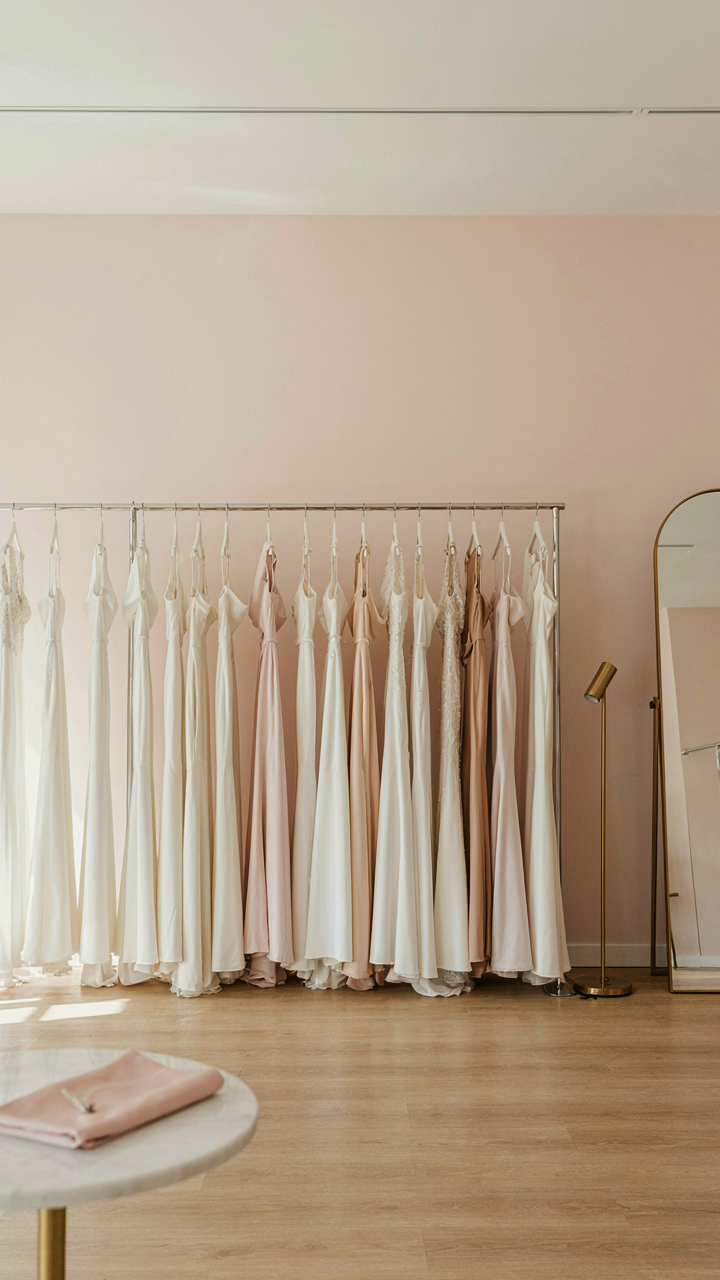
You’re avoiding bridal shops because you think you’ll look cheap. The real reason is status anxiety. Here’s the mechanism: bridal retailers mark up 300 to 400 percent over cost because they’ve segmented the market. Formal wear departments haven’t. Department stores like Macy’s, Nordstrom Rack, and David’s Bridal’s clearance section price dresses based on volume and turnover, not the “bride tax.” A floor-length formal gown in white or cream costs the same whether it has a bridal label or sits in the evening wear section.

Retailers like JCPenney and Dillard’s carry white and champagne formal dresses year-round, and their return policies are looser than bridal-specific shops. The markup structure differs. They sell on discount cycles rather than custom orders. Search for “white formal gown” instead of “wedding dress.” You’ll find identical construction for half the price because the buyer works in a different margin model.
Thrift, Vintage, And Borrowed Garments
This isn’t about sustainability or nostalgia. It’s economics applied to inventory already in the market. A woman wears a wedding dress once. Thrift stores, consignment shops, and Facebook Marketplace have thousands of one-time-worn dresses priced between 40 and 150 dollars because the previous owner needs the cash more than the garment. That’s inventory surplus, and surplus always sells below retail.
Borrowing from family or renting sidesteps the purchase entirely. Check your mother’s, grandmother’s, or close friend’s closet first. Alterations on a borrowed dress run 50 to 100 dollars, keeping your total under 300. If you rent instead of buy, platforms like Nearly Newlywed or Rent the Runway offer wedding dresses for 50 to 150 dollars for a weekend. The mechanism is simple: split the cost of the garment across multiple users instead of absorbing it solo.
The Real Cost Isn’t The Tag, It’s The Compromise
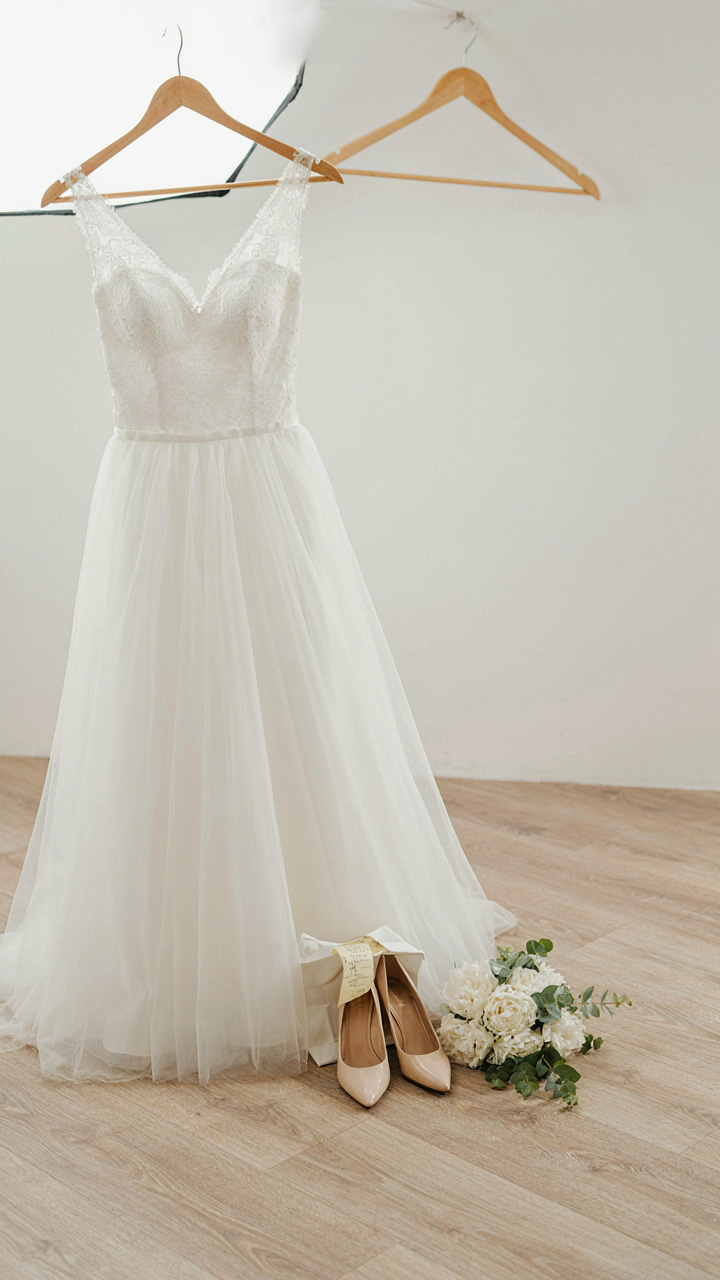
You didn’t come here to learn how to shop cheaper. You came here to solve a real problem: you want to look stunning on your wedding day without bleeding your bank account dry. The $300 budget forces you to make one choice that matters. Skip the department store websites and hit Etsy or Stillwhite today. Find three dresses that make you feel like yourself, not like a discounted version of someone else’s vision. Your wedding dress should fit your life, not drain it.