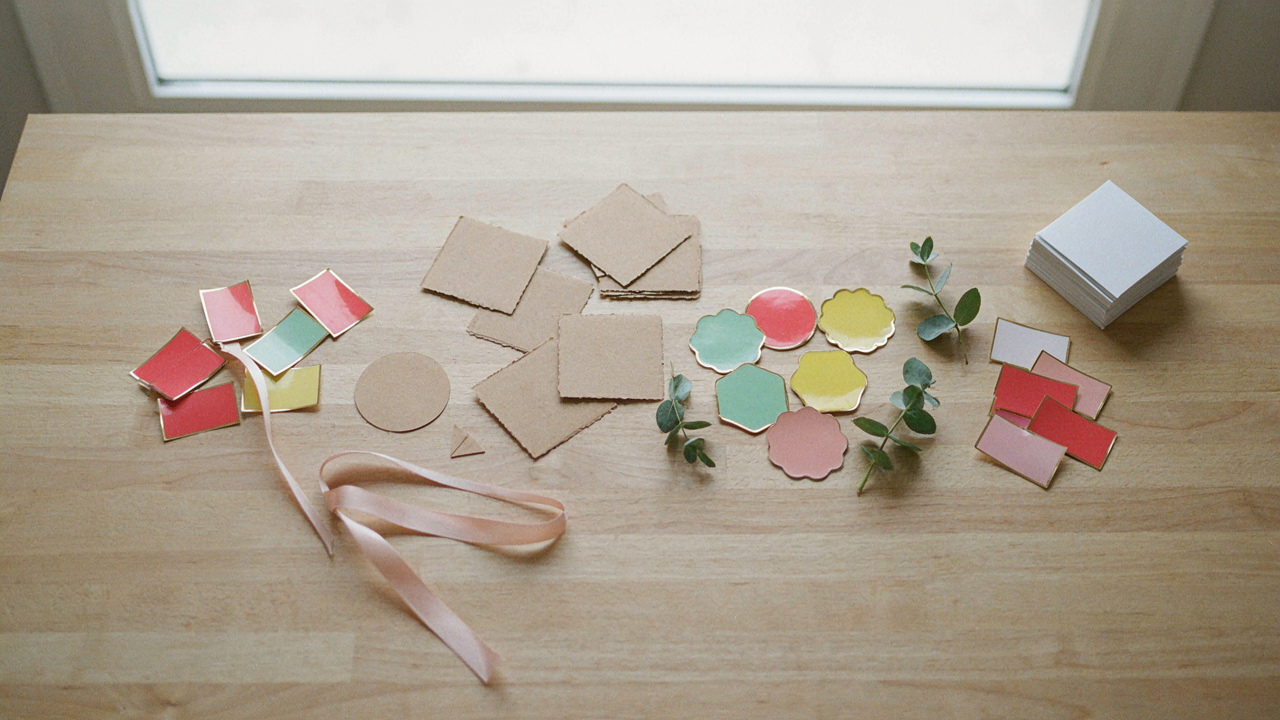
The Illusion Of Budget Wedding Favor Labels

Why Conventional Budget Advice Fails
You want to feel smart about spending less. That’s the real motive here. But conventional budget advice for wedding stickers and labels treats cost as a simple input-output problem when it’s actually a signal problem. Cheap labels signal cheapness to guests, but expensive labels signal poor decision-making. The mechanism most people miss: you’re not actually optimizing for cost. You’re optimizing for perception per dollar spent.
The standard guidance says buy in bulk, use generic templates, and order online. Fine advice if you’re filling a warehouse. The problem is that bulk pricing works only if you need volume you’ll never use. Generic templates cost nothing upfront but create labor debt later, since you’ll customize each one manually. Online ordering undercuts local printers but introduces shipping delays and minimum orders that force you to overbuy. These aren’t cost-saving strategies. They’re cost-deferral strategies that compound.
The Hidden Costs Of Saving Money
Economics has a concept called moral hazard, where reducing the perceived cost of something causes people to use more of it. Your budget wedding label strategy inverts this: you cut the unit cost and suddenly need more units. You order 200 labels to hit the bulk discount threshold, but you only need 80. You choose adhesive labels over kraft paper because they’re three cents cheaper per piece, then spend an hour applying them when pre-glued kraft stamps take thirty seconds per favor. Cheaper materials often demand more labor.
The actual math breaks down like this: a modest label that costs more per unit but requires zero assembly time beats a bargain label that eats an afternoon of your or your partner’s time. Time has a cost. Your time has a cost. Account for it in the decision or stop calling it a budget strategy. Start here: calculate your effective hourly rate, multiply it by the assembly and customization time each option requires, then add material cost. Whichever option produces the lowest total cost wins, regardless of which sticker looks cheaper on the vendor’s website.
Beyond Gold Foil Wedding: The Psychology Of Perceived Value

When Limited Runs Beat Unlimited Stock
You want your favors to feel expensive without spending like you are. That’s the real question here. Economics teaches us about scarcity, and wedding stickers work exactly like limited edition goods: constraint creates desire. A run of 50 custom metallic labels feels rare. Five thousand generic kraft stickers feel mass-produced, regardless of actual cost difference.
The mechanism is simple. Guests notice when something is made specifically for an event versus ordered in bulk. Hand-numbered sticker batches, unique QR codes per guest, or small-run custom shapes signal investment. You don’t need gold foil. You need visible proof that production was intentional and finite. One-color letterpress on kraft stock costs less than full-color digital printing but reads as more deliberate because it looks handcrafted, not mass-market.
Message Over Materials
Emotional connection beats material cost every time. A cheap sticker with your wedding date and a inside joke lands harder than an expensive blank label nobody remembers.
The real work isn’t sourcing premium paper. It’s what you print on it. A single phrase, a date, or a small illustration creates memory. Guests attach these labels to favors, jars, or take-home boxes. That sticker becomes the artifact. If it says something true to your relationship or the event, the material becomes secondary. You can use plain kraft stickers with simple black ink and outperform premium glossy labels that say nothing. Your job is writing something worth keeping, not buying something expensive to keep.
The “Etsy Personalized Gifts” Micro Experiment Method

Test Small Batches Before Full Commitment
You want proof your sticker design won’t look cheap before you order 150 units. That’s the real fear underneath this section. The mechanism is simple: treat your sticker order like a split test in marketing. Order 20 to 30 samples from a print vendor. Hand them to five or six guests before the wedding. Watch what they do with them. Do they pocket them or leave them behind?

This isn’t theoretical feedback. You’re observing actual behavior under real conditions, not opinions. Most couples skip this step and regret it three weeks before the wedding when 500 labels arrive looking wrong. A small batch costs forty to sixty dollars and eliminates the regret tax. Order from a vendor that handles short runs without a massive markup. Ask directly about their minimum order threshold and pricing for test quantities before you commit.
Refine Design Based On What Actually Works
Everyone says “get feedback” and stops there. That’s incomplete advice. You need a specific iteration protocol, not vague opinions. After your test batch, identify exactly what changed: color saturation, label size relative to the favor item, font legibility under poor lighting, or adhesive quality. One variable per adjustment cycle.
Order a second micro batch with only one element modified. This takes five to seven days and costs thirty to fifty dollars. Repeat this twice, maximum three times. You’ll land on a design that functions in the actual wedding environment, not just looks good on a screen. Lock in your final design only after you’ve run at least one full iteration cycle. Then commit to your full order with confidence.
Minimalist Wedding Stickers Design: The Bauhaus Principle
What Actually Works On A Sticker
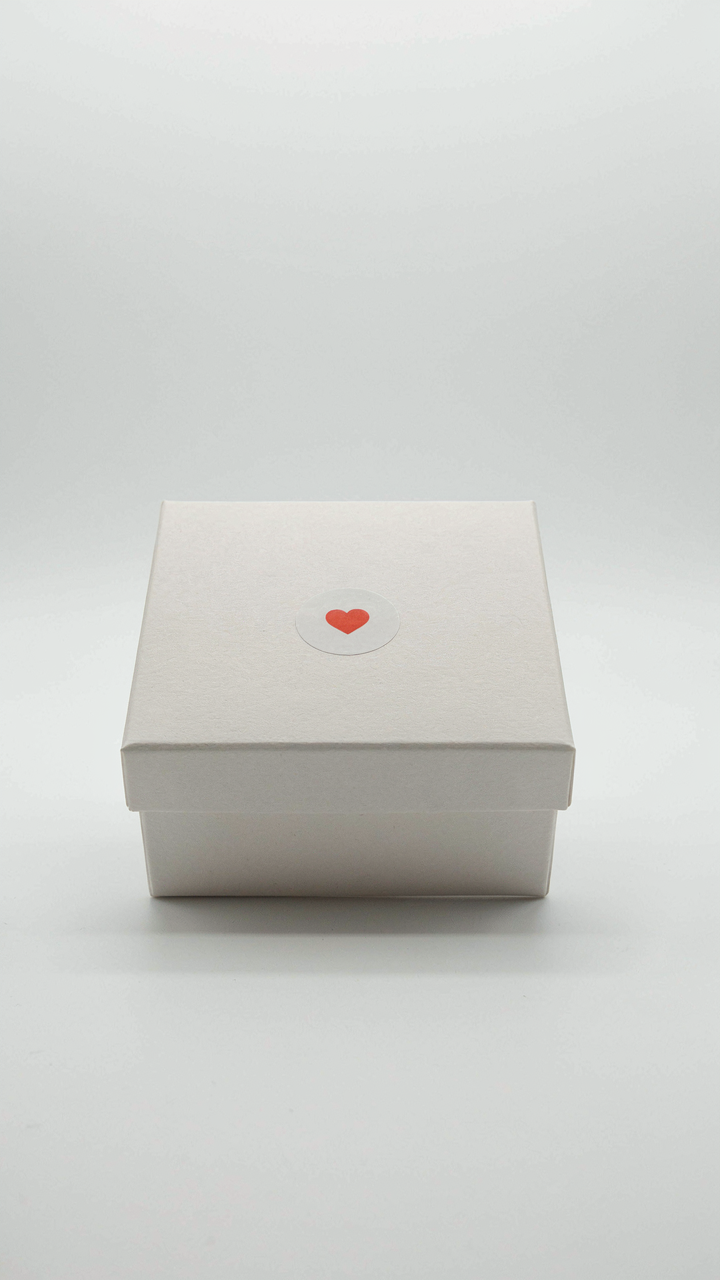
You want people to remember your wedding, not your sticker. That’s the real tension here. Bauhaus design treats constraint as the raw material—every element earns its place or gets cut. Apply that logic: a sticker has maybe three seconds of attention. One color, one clear message, one visual anchor. The rest is distraction taxing your budget for zero return.
Most couples fill stickers with fonts, graphics, and details that muddy the read at actual size. A minimalist sticker does the opposite. It uses white space as design. It picks one focal point—your initials, a date, a single icon—and lets that breathe. Print costs drop when you eliminate layers. Attention rises when the eye lands instantly on what matters.
Cut Everything Except The Signal
Every element you remove is money back in your pocket and clarity gained at the same time. This isn’t about looking expensive through emptiness. It’s about making the sticker do one job flawlessly instead of five jobs poorly. A single sans-serif typeface, black ink on kraft paper, no decorative borders. That sticker reads clean at two inches and costs half what a cluttered version demands.
The mechanism is simple: fewer colors mean lower printing minimums and faster production. Fewer design elements mean faster design approval and fewer revisions. One clear focal point means guests actually notice what you printed instead of glazing over visual noise. Start with the absolute minimum that still identifies the sticker as yours, then resist the urge to add back what you removed.
The Strategic Favor Labels Matrix
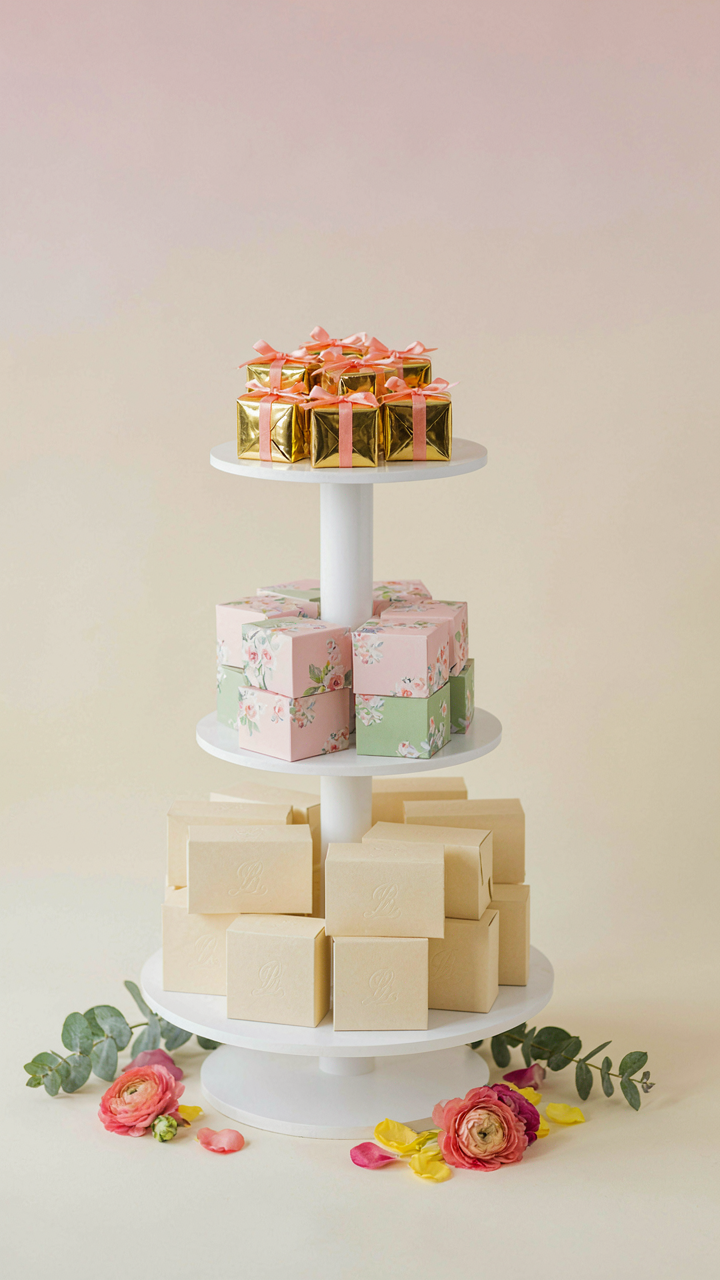
Where Your Money Actually Goes
You want to feel like you’re not wasting money on favors. That’s the real fear. Here’s the mechanism: military strategy calls this resource allocation versus impact. In wedding favors, your constraint is budget, and your impact is guest recall. Most couples spread money evenly across all favors. That’s backwards. Concentrate spend on the 20 percent of guests who will actually talk about your wedding afterward.
The math is simple. A label costs between 0.10 and 0.50 dollars depending on material and print quality. That’s not where your budget dies. Your budget dies when you print the same generic label on 150 favors for people who will throw them away. Instead, tier your labels by guest category: immediate family gets premium metallic or kraft labels, general guests get standard printed labels, and plus-ones get minimal branding. The tiering cuts production costs and increases perceived value where it matters.
The Guest Touchpoint That Converts
High-leverage touchpoints aren’t the ones guests see first. They’re the ones guests see when deciding whether to keep something or trash it. The label is that moment. When a guest picks up a favor, the label determines whether they read it, photograph it, or keep the item itself. A vague label with no personality gets discarded. A label with a clear date, couple name, and one specific detail about the wedding creates a reason to keep it.
The mechanism works because the label is the moment of intentionality. You’re not decorating. You’re communicating ownership and specificity. Use labels to tell guests exactly what the favor is, why you chose it, and when they got it. Include the wedding date on every label. Add a single detail: “Our favorite coffee, roasted locally in Portland.” Not flowery. Not generic. Specific enough that the label becomes the reason they save the item instead of losing it in a drawer.
DIY Wedding Sticker: Automation, Not Labor

Tools That Replace Your Hands
You want to feel resourceful without actually spending weekends at a craft table. Here’s the mechanism: the sticker economy shifted the moment design software became accessible. What used to require printing press knowledge now runs on templates. Canva, Adobe Express, and Printful handle the technical layer you don’t need to learn. You pick dimensions, upload art, and the system generates print-ready files. No design degree required.

The real play is picking a tool that outputs directly to your production method. If you’re ordering from a print vendor, their template library saves you the step of guessing dimensions and bleed space. If you’re using an at-home label printer, software that syncs with that specific device eliminates the friction between design and output. The wrong tool creates a bottleneck between intention and execution. Spend fifteen minutes upfront finding software that matches your fulfillment method, not the tool that looks fanciest.
Template Stacking For Volume
Batch processing isn’t a feel-good concept, it’s supply chain efficiency borrowed from manufacturing. You set up once, replicate infinitely. The cost per unit drops because fixed setup work gets distributed across quantity. Design one core template, then modify only the variable elements for each favor type or guest name iteration.
- Master file approach: Create one Canva or Adobe file with your wedding colors and logo locked in place. Duplicate it for each variation, changing only text or accent elements. This cuts design time per sticker from thirty minutes to three.
- Batch printing settings: Order all stickers in one production run rather than three separate orders. Vendors charge per-setup fees. One order of five hundred costs less per unit than three orders of two hundred even with the same printer.
- Pre-cut label sheets: Buy sheets designed for your printer’s specifications. You don’t cut individually. Print, let dry two minutes, peel, apply. Timing compresses from hours to minutes per batch.
- Vendor file uploads: Most print shops accept PDF batches. Upload all your designs at once instead of individually. The back-end system processes them simultaneously without adding cost.
- Quantity thresholds: Print slightly more than your guest count now rather than doing a reorder later. Most vendors offer better per-unit pricing at one hundred fifty or two hundred fifty stickers. One purchase beats two.
The mechanism is compression: you cluster all identical work into a single session, then cluster all similar work into the same production run. Stop thinking about individual stickers and start counting batches. Upload your files to the vendor on a Tuesday, receive printed stock on Friday, apply to favors Saturday morning. The entire operation takes two hours instead of spreading across three weekends.
The Power Of No Label Wedding Favor Stickers

When The Favor Does The Work
You want permission to skip the label because you’re worried people won’t understand what they’re holding. That’s the real fear underneath this. Here’s the mechanism: a label creates cognitive load. Your guest has to read, process, and then experience the object. Remove the label and the object becomes the entire message. In design, this is called signal clarity. The favor itself is the signal. Everything else is noise.
Some favors need no explanation because their function is obvious. Homemade cookies in a kraft box don’t need a sticker telling guests what they are. A custom candle with a distinct scent doesn’t need a label screaming its purpose. The guest picks it up, smells it, understands immediately. You’ve compressed the entire communication into the object itself. This saves production cost, eliminates label waste, and actually increases perceived value because the favor feels intentional rather than over-explained.
Restraint As Strategic Design
The common advice says more branding is safer. It’s not. Most couples slap stickers on everything because they think visibility equals impact. What actually happens is visual clutter that trains guests to ignore the favor entirely. Restraint is a positioning choice, not a cost-cutting accident. When 90 percent of weddings use labels, the 10 percent that don’t immediately register as more refined.
Subtlety works because it creates interpretation space. A minimal monogram sticker on a luxury item signals that the object speaks for itself. You’re saying the couple has confidence in the favor’s quality. No overselling required. The mechanism is psychological contrast: against a backdrop of labeled, explained, branded-to-death events, your unlabeled or minimally labeled favors stand out as intentional and curated. Apply this rule specifically: if the favor costs more than eight dollars per unit, reduce labeling by fifty percent. If it costs less than four dollars, a small corner sticker is sufficient to prevent confusion about origins.
Etsy Store: Leveraging External Expertise, Not Outsourcing Thought

The Vendor Filter, Not The Vendor Replacement
You want Etsy to solve the problem so you don’t have to think about it. That’s the real pitch running through your head. Here’s what actually happens: Etsy is a filtering mechanism, not a design department. Borrowing from economics, you’re looking for producers with comparative advantage in execution while you retain absolute advantage in vision. Most couples browse Etsy without a locked-in aesthetic, then let whatever catches their eye dictate the entire favor strategy. That’s backwards.

The mechanism is simple. You define constraints first, then search within them. A constraint is not a limitation. It’s a decision made in advance that saves you from decision fatigue later. Decide your color palette, material type, text tone, and size before you open a single shop. This turns Etsy from a rabbit hole into a filter. You’re no longer evaluating everything. You’re evaluating only what fits your system.
Know Your Vision Before You Browse
Most couples think they’ll recognize the right label when they see it. They won’t. Etsy’s algorithm surfaces popular items, not items that match your wedding. Popularity and fit are different things. You need a written brief before you search. Include the wedding date, guest count, venue formality level, color scheme, and what the label actually needs to communicate. Is it a thank you? A flavor identifier? A table number? The function determines form.
Once you have a brief, search for three to five shops that nail that specific direction. Don’t look at their whole catalog. Look at one product line and decide if their execution matches your standard. A shop with two thousand reviews might produce generic work. A shop with fifty reviews in your exact niche will deliver better results. You’re not paying for volume. You’re paying for alignment. Place your order once you’ve confirmed they understand what you need, not because you found something close enough.
Future Proofing Your Wedding Sticker Investment

Timeless Design Over Trend Chasing
You want stickers that don’t look dated in five years because you’re afraid of wasting money on something that screams “2024” the moment the trend dies. Here’s the mechanism: trends in wedding design move fast because social media algorithms reward novelty, not durability. Templates from Canva get copied across ten thousand weddings simultaneously. Minimalist design—clean typography, single-color palettes, geometric shapes without cultural references—ages slower because it contains no assumption about what matters right now.

The real play is removing decision load, not adding it. Skip pastels tied to this season’s color theory. Skip fonts that mimic handwriting trends. Instead, choose Helvetica, Georgia, or simple sans serif in black or one accent color. Pair it with neutral stock shapes: circles, lines, frames. This isn’t boring. This is the opposite of betting on a hunch. These combinations survived the 1980s and will survive the next decade because they’re rooted in readability and contrast, not fashion cycles.
Repurposing Labels After The Event
Don’t throw away the sticker printing file and leftover inventory. Economics calls this “salvage value”—the residual worth of an asset after its primary use ends. Your wedding stickers have utility beyond favors once the ceremony finishes. Leftover labels work as bookplate stickers for a personal library, shipping labels for resale boxes, gift wrapping embellishments, or planner stickers for the following year.
The protocol is simple: order 20 percent more than your headcount requires. Bulk printing costs almost nothing extra at that volume. Store the file digitally with high-resolution assets and color codes documented. After the wedding, you have inventory that costs nothing to keep but generates ongoing use for twelve months. Some couples sell the extras on Etsy for small business income. Others gift them to friends planning events. Either way, you’ve converted a one-time expense into a multi-use asset instead of waste.
The Unconventional Wedding Sticker Blueprint
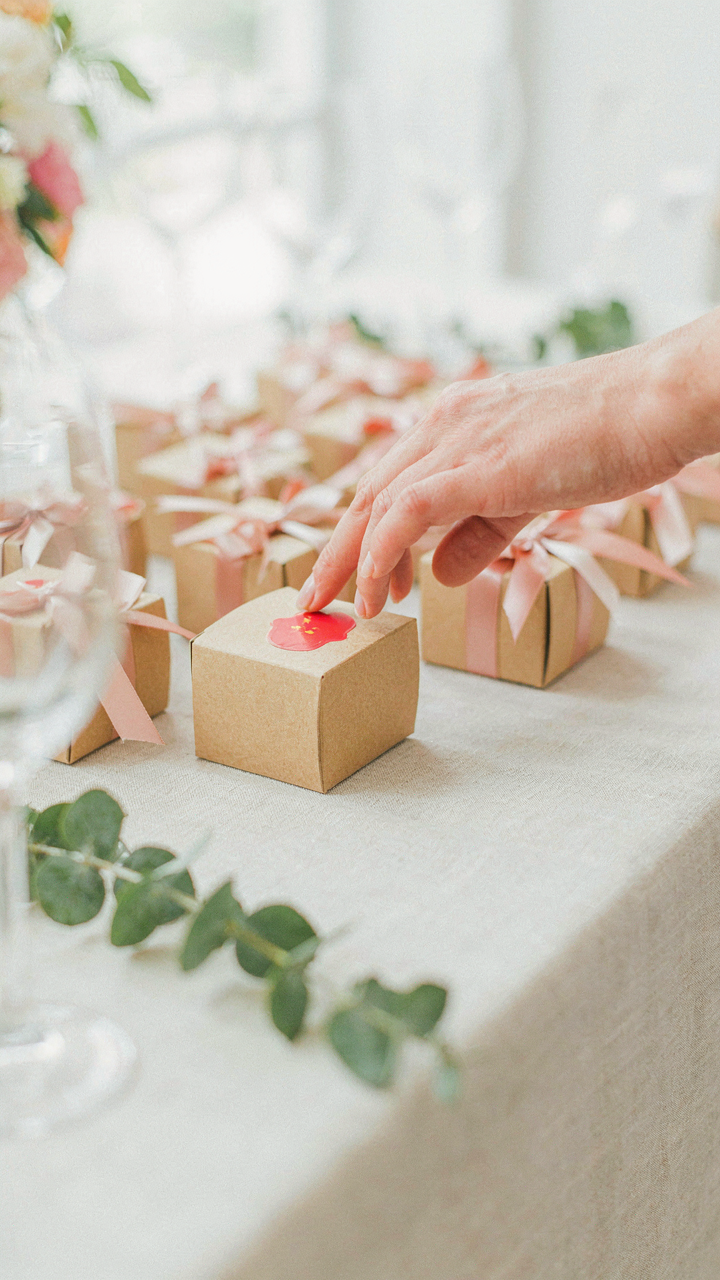
Where Your Guest Actually Looks First
You’re worried stickers won’t feel premium enough to justify the expense. That’s the wrong anxiety. The real mechanism is attention scarcity. Guests process your favors in sequence, not all at once, and stickers work only when they interrupt that sequence at the precise moment someone’s hand reaches for something. Treat this like a user flow problem, not a decoration problem. You’re not beautifying. You’re signposting.
The guest journey has three hard stops: arrival (coat check, seating card), favor table (grab moment), and departure (where they actually open it). Most couples waste stickers at step one where people’s attention is fractured. Step three is dead time. Step two is when someone has committed mental energy to taking something home. Place your primary sticker there, on the favor itself. Place secondary stickers at step one only if they solve a functional problem like directing traffic. This reverses the instinct but matches behavior.
Building Coherence Through Repetition, Not Variety
Generic advice says mix and match designs for visual interest. That’s noise. Coherence comes from constraint, not abundance. Pick one sticker design, one label format, one color system. Run it everywhere: favors, favor boxes, thank-you cards, table numbers, even napkins if the budget allows. This isn’t about looking curated. This is about training the eye. When a guest sees your sticker three times across different contexts, it becomes a signature. It becomes memorable.
Repetition works because your brain stops processing novelty and starts encoding pattern. The design becomes associated with your wedding, not just decoration on one item. This costs less than ordering five different sticker variations because you’re consolidating volume with one vendor. You also eliminate decision fatigue during assembly. One sticker type, one placement rule, one production run. The limiting principle is your profit. Apply it ruthlessly.
The Real Obstacle Isn’t Your Budget; It’s Your Inability To Distinguish Signal From Noise
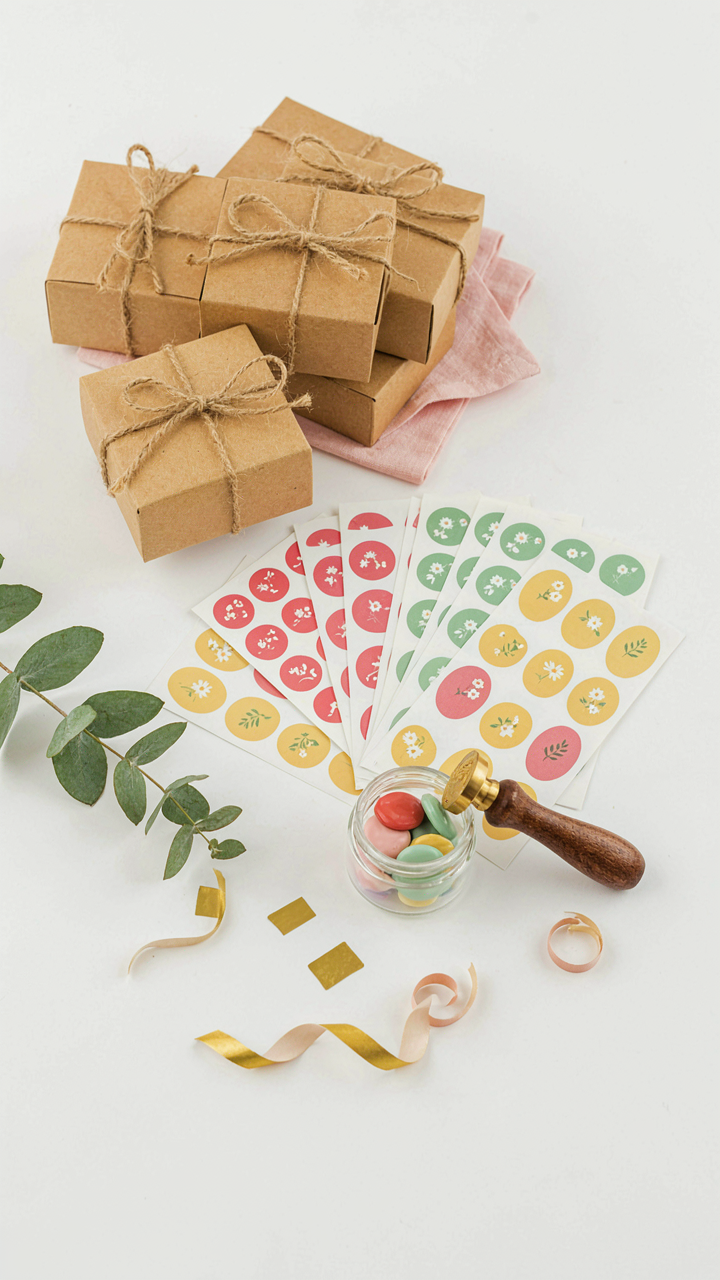
Every couple drowns in options. Cheap stickers blur into expensive ones. Generic favors multiply endlessly. The real problem isn’t money. It’s that you haven’t decided what your wedding actually communicates. Pick one thing your stickers do: they remember a moment, they make people laugh, or they show you spent time on details. Stop scrolling. Choose that one thing. Everything else collapses into noise. Your budget doesn’t matter until your message does.