The Illusion Of Bridal Premium: How Perceived Value Inflates Your Hair Comb Price

Where The Markup Actually Lives
You’re afraid you’ll look cheap on your wedding day. That fear is the entire business model. Bridal retailers apply what economists call “price discrimination”—charging different segments different prices for identical products based on context rather than cost. A hair comb labeled “bridal” costs 3 to 5 times more than the same comb sold in a beauty supply or general retail channel, despite identical manufacturing, materials, and supply chain. The markup isn’t for quality. It’s for the word “bridal” and your willingness to pay it.
Traditional bridal markets exploit a specific vulnerability: you’re shopping under time pressure, in an emotional state, within a narrow channel designed to limit your comparison options. Department stores, bridal boutiques, and wedding-specific retailers stock their inventory in controlled environments where you see only what they choose to show you. They mark up the same tortoiseshell acetate comb made in the same Chinese factory by 200 to 400 percent simply because it hangs on a wall labeled “wedding hair accessories.” You never see the factory price. You never compare. That’s intentional.
Where The Real Quality Actually Is
The common advice says bridal-specific retailers offer superior craftsmanship. This is incomplete. Most budget and mid-range wedding hair combs are manufactured in the same factories as non-bridal combs. A tortoiseshell or metal comb sold through beauty supply wholesalers, Amazon, or general craft retailers uses identical materials and assembly methods as one marked up 300 percent in a bridal shop. The difference is channel, not construction.
Non-bridal beauty supply combs often outperform bridal alternatives because they’re built for daily professional use, not single-event wear. A comb designed for salon stylists must survive repeated use, heat styling, and tight grip pressure. A “bridal” comb designed for one day requires no such durability. Look for combs sold through beauty professional suppliers, established Amazon sellers with genuine reviews from repeat users, and vintage tortoiseshell or metal combs from thrift markets. These channels force quality discipline because repeat customers exist. Bridal channels don’t. Check seller return rates and professional endorsements before purchasing anywhere.
The “Scarcity Mindset” Fallacy: Why A Limited Budget Expands Your Bridal Comb Options

When Constraints Force Better Decisions
You’re afraid a tight budget means fewer good options. It doesn’t. Economics teaches us that scarcity drives innovation, not limitation. When supply tightens, producers compete harder on differentiation. Budget wedding hair combs exist in abundance precisely because demand exists across price points. The constraint forces you to filter out status-driven garbage and find actual function. Most brides waste money on premium combs that do nothing a forty-dollar comb doesn’t already do. Your budget is a filter, not a cage.

The real mechanism works like this: less money to spend means you skip the markup trap entirely. You stop paying for brand heritage and packaging. You start comparing materials, hold patterns, and actual user feedback instead of aesthetic narratives. Retailers selling budget combs can’t rely on prestige pricing. They compete on durability, design clarity, and honest specifications. That forces transparency you don’t get at luxury price points. Your limitation becomes an information advantage.
Design Innovation Happens At Constraint Points
Constraint forces better engineering, not worse. Wedding hair combs designed for budget markets often use advanced polymer blends and tighter tolerances because manufacturers can’t afford material waste. High-end combs sometimes rely on heritage and perceived exclusivity to justify cost. Budget alternatives solve the same holding problem with smarter geometry. Manufacturers test hold strength, comfort, and hair compatibility more rigorously when they can’t charge premium margins. The comb that costs half as much often performs identically because function has a fixed floor. Price above that floor buys aesthetics and brand association, not performance.
When you reframe your budget as a design filter rather than a deprivation, you find options luxury shoppers never encounter. Etsy sellers, factory direct retailers, and emerging brands compete aggressively in the under-fifty-dollar range because margins are thin and reviews matter. These makers innovate faster than legacy brands. Start your search in budget brackets first. Reverse your typical process. Find what works at this price, then decide if the expensive version justifies the cost. Most won’t. Your constraint becomes the starting point for actual comparison, not an afterthought to compromise around.
The Un Bridal Sourcing Protocol: Where To Find Unique Hair Comb Wedding Gems

Unconventional Marketplaces Beat Bridal Retail
You’re here because you want to look intentional without overpaying for a name tag. That’s not shallow—it’s economics. Most couples never check beyond the obvious bridal sites, which means inventory sits stagnant and prices inflate to cover overhead. The real mechanism: low-traffic channels have zero markup pressure.
- Etsy shop filters (vintage and handmade categories): Search “wedding hair comb” and sort by price low-to-high. Sellers on Etsy price based on material and labor, not bridal tax. Handmade tortoiseshell or brass combs run 40-60% cheaper than department store equivalents.
- eBay vintage and estate sections: Authenticated vintage combs from the 1940s-1980s often cost less than new mass-produced versions. Filter by “auction” format to catch underpriced items sellers haven’t researched for bridal context.
- Alibaba and wholesale platforms: Factory-direct suppliers sell unbranded combs in bulk at 70% below retail. Minimum orders typically run 10-25 units, but split costs with bridesmaids or sell excess to recover money.
- Facebook Marketplace and local Buy/Sell groups: Individuals liquidating wedding inventory or personal collections post regularly. No shipping delays, no middleman. Negotiate price directly since these aren’t priced for profit.
- Amazon third-party sellers (non-fulfilled): Small vendors undersell established bridal retailers. Read seller ratings carefully and check return policies, but pricing pressure from competition keeps costs grounded.

The friction point isn’t finding options—it’s eliminating the ones with hidden costs. Cross-reference shipping fees and return policies before comparing final prices. A $12 comb with $8 shipping beats a $25 comb with free delivery on your spreadsheet, but not in your wallet.
Vintage And Artisan Communities Know What Mass Market Forgot
Vintage and artisan communities operate on different logic than bridal commerce. They value authenticity and craft, not volume. This means you get actual quality at actual costs because the seller’s reputation depends on the product, not seasonal trends or marketing spend.
Start with Etsy’s artisan comb makers who list under jewelry, accessories, or specialty craft categories rather than “weddings.” These craftspeople price for their time and materials, not for what the market will bear. Search terms like “handmade hair comb,” “brass comb,” or “tortoiseshell comb” bypass bridal markup entirely. Join Facebook groups dedicated to vintage fashion and antique accessories. Members regularly post finds with provenance. Ask directly in these groups for recommendations—community members know which sellers price fairly and which ones overstated condition. Message individual makers on platforms like Instagram where they sell direct. Cutting out the marketplace means lower fees, which translates to lower prices for you. Many artisans offer discounts for custom orders or bulk purchases to bridesmaids, though they won’t advertise it publicly.
The protocol: identify three artisans whose work matches your aesthetic, email each with your timeline and budget, then compare their responses instead of scrolling endless product pages. This move takes two hours and delivers results generic search never will.
Beyond “Wedding Hair Flowers”: Redefining What A Bridal Hair Comb Can Be

The Comb Nobody Told You To Want
You’re worried people will judge your choice as cheap or lazy if it doesn’t match the pre-made bridal aesthetic sold to you. The mechanism is simple: the wedding industry profits from scarcity thinking. They created “bridal” as a category to justify markup, not because your hair has different physics on your wedding day than any other day. A budget hair comb works identically to a $200 one. The difference is materials and marketing, not function. What matters is whether the teeth grip without damaging hair and whether the design aligns with how you actually want to look.

The “bridal” label forces you into narrow visual territory: pearl finishes, rhinestones, traditional shapes, pastels. None of this serves your hair. It serves the expectation that brides should perform femininity in one specific way. You can own a comb from a regular hair supply store, a vintage dealer, or an artisan who doesn’t use the word bridal at all. The comb does the work. Your style choice determines whether it fits the day.
Taste Over Trend Cycles
Personal style is not democratic and not cheap to develop, but it’s the only asset that survives after the wedding photos fade. The common advice says match your comb to your dress or your flowers or your Pinterest board. Wrong. That’s trend-following dressed as planning. Your actual task is identifying what visual language already exists in how you dress, what colors you return to, what materials feel right in your hand. Then find a comb that speaks that language, regardless of whether a bridal brand makes it.
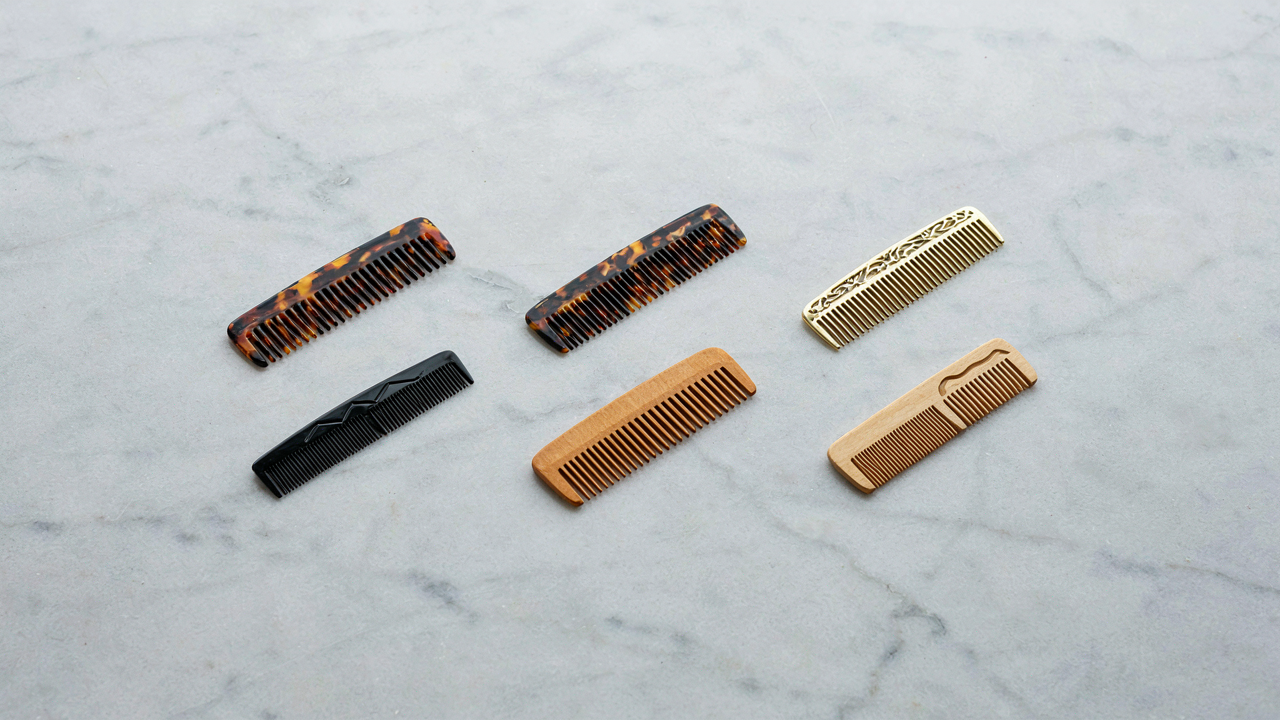
Budget hair combs get better when you stop filtering by “wedding” and start filtering by material and grip. Tortoiseshell-look acetate, wood, metal, or plain celluloid all perform. Search by these materials on general retail sites instead of bridal shops. You’ll find options at half the price that actually match your existing aesthetic. The final step: buy one and test it in your hair for a full day before committing to wearing it during the event. Comfort and security reveal truth faster than marketing copy ever will.
The De Branding Method: Stripping Away Labels For Authentic Value

Ignore The Wedding Label Trap
You care about this because marketers have convinced you that “wedding” stamped on a product justifies a 300% markup, and you’re afraid you’ll look cheap if you don’t pay it. The real mechanism is simple: retailers slap occasion labels on commodity items and segment pricing by emotional stakes, not actual production cost. A hair comb is a hair comb. The dentate spacing, handle thickness, and material composition stay identical whether it lives in a bridal section or a regular accessories aisle. Strip the label and you strip the psychology tax.

Start by searching for “tortoiseshell acetate comb” or “metal hair comb” instead of “wedding hair comb.” Search generic craft suppliers, beauty wholesalers, and Japanese stationery sites where the marketing is minimal and the product category obscure. These channels price for function, not feeling. You’ll find identical construction at 40-60% less because you’re buying from someone solving a problem, not selling an identity. The comb works the same way regardless of which emotional narrative got printed on the packaging.
Material Reality Over Marketing Claims
Economics calls this signaling theory: sellers use expensive branding to suggest quality when the product itself can’t prove it. With budget wedding hair combs, construction and material tell the truth that copy never will. Acetate quality depends on manufacturing precision, not brand prominence. Metal thickness matters. Tooth spacing either suits your hair type or it doesn’t, and this has nothing to do with whether the box says “bridal collection.”
Examine actual specifications: acetate gauge thickness (measured in millimeters), metal alloy type if applicable, tooth count, and tooth angle. Cross-reference these across budget retailers and premium brands. You’ll notice the specs often match. The difference isn’t craftsmanship—it’s supply chain, minimum orders, and retail markup structure. Buy based on the engineering data, not the narrative. Check return policies on budget sites carefully; they vary more than quality does, and a 30-day return beats a premium brand’s non-negotiable positioning every time.
Comb As Catalyst: How Constraints Spark Creative Wedding Hairstyles

Simple Tools Force Better Decisions
You want permission to spend less and still look intentional. Here’s the real mechanism: constraints force specificity. In design thinking, this is called the scarcity principle—limited resources eliminate weak choices. A budget wedding hair comb isn’t a compromise. It’s a filter. When you pick one basic comb, you stop chasing ten mediocre options and commit to one strong execution. The comb becomes your decision architecture.
Expensive hair combs don’t hold updos better. They’re marketing. A well-made basic comb in wood, acetate, or metal does the structural work. Hairstylists have known this for decades. The difference between a ten-dollar comb and a fifty-dollar comb is material finish and aesthetics, not function. Your budget comb works identically once it’s in your hair. The psychological shift happens when you accept this and build the hairstyle around what the comb actually does instead of what you imagine it should do.
Architecture Precedes Decoration
Most brides design the hairstyle first, then hunt for a comb to match it. This is backward. The comb’s teeth spacing, weight, and grip pattern determine what updos you can actually execute. Start here instead: pick your budget comb, understand its mechanical properties, then design around it. This inverts the typical workflow and cuts wasted time by weeks.
A metal comb with tight teeth spacing grips thin hair differently than a wide-tooth acetate comb grips thick waves. Your hairstyle should match the comb’s geometry, not fight it. Test your budget comb in your actual hair texture before the wedding. Run your fingers through it. Feel where it catches. Build your updo to use those catch points as anchors. This is how professionals work—they know their tools before they style.
The Artisan Advantage: Direct Sourcing For A Beautiful Bridal Hair Comb
Skip The Middleman Markup
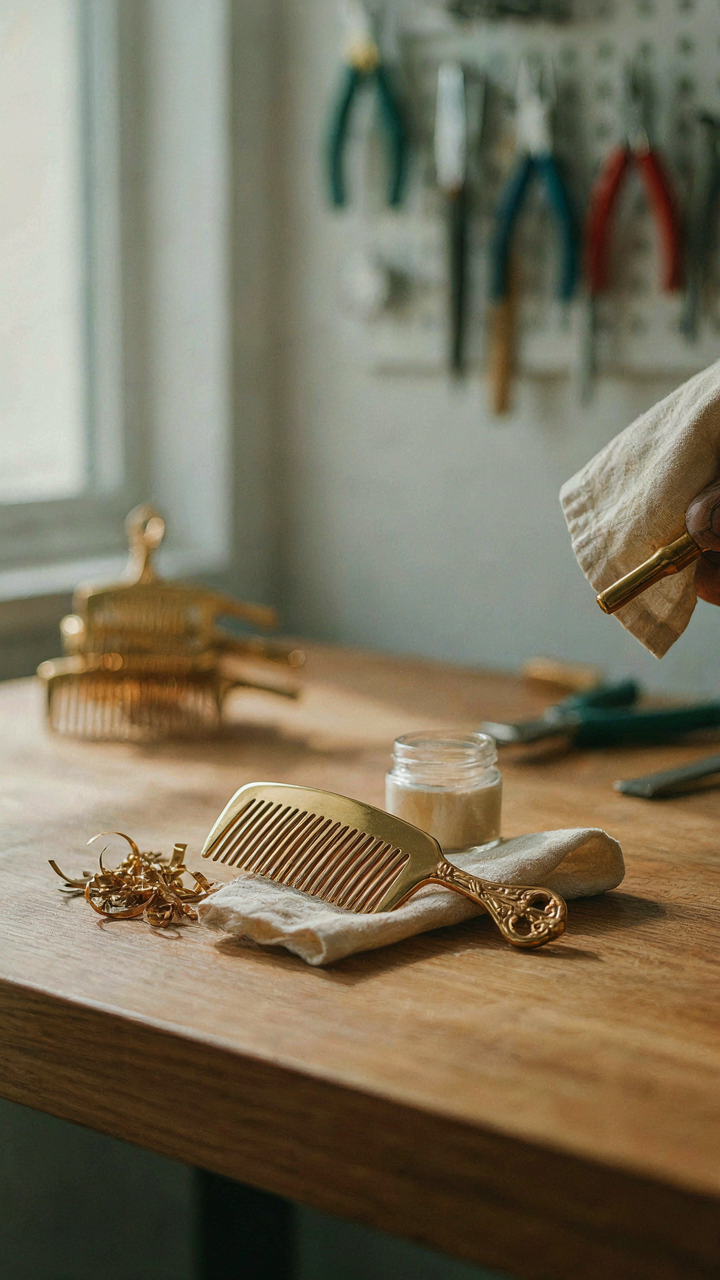
You want to believe a budget comb still feels premium, which is why you’re tempted by retailers who’ve already marked up their wholesale cost by 200 percent. Here’s the mechanism: independent artisans and jewelers price direct because they own the entire production chain. No distributor, no brand markup, no retail markup stacked on top of each other. Find them on Etsy, Instagram, or through local craft guilds, and you’re buying at cost plus reasonable labor, not cost plus four layers of profit margin.

When you contact an artisan directly, you skip conversations with sales teams and talk to the person who actually makes the piece. They know their material costs, their time investment, and their actual overhead. They’ll tell you honestly whether a design is achievable at your price point or recommend alternatives. This transparency doesn’t exist in retail channels where pricing is a black box designed to obscure what you’re actually paying for.
Commission The Piece You Actually Need
Everyone recommends “browsing existing designs,” but that advice wastes your money. You end up paying for inventory carrying costs and designs tailored to average taste instead of your specific head shape, hair density, and wedding aesthetic. In economics, this is called deadweight loss: you’re buying features you don’t want to avoid paying for features you do. Commission a custom piece instead and eliminate waste entirely.
Bespoke doesn’t mean expensive. It means you specify exactly what you need: the comb dimensions, the metal type (silver plate, brass, bone), the decorative elements, and the weight distribution. An artisan quotes based on your actual specifications, not a pre-priced template. You pay for materials and labor only. The work takes two to four weeks typically, which is plenty of time before a wedding. Request references and review their portfolio before committing, then lock in the price in writing.
Hair Is The Canvas: Investing In Style, Not Just The Accessory

Styling Technique Beats Accessory Cost
You want the comb to do the work for you. That’s the real motive here. It won’t. Borrowing from economics, a budget wedding hair comb is a complement good, not a substitute good. It amplifies what technique already created. Professional styling—the actual manipulation of hair structure, texture, and placement—determines how your hair photographs and holds. A stylist who knows how to create dimension, anchor pins correctly, and work with your hair’s actual weight will make a twenty-dollar comb look intentional. A stylist who doesn’t will make a two-hundred-dollar comb look like you’re trying too hard.

The mechanism is straightforward: invest in the consultation and the styling session before you buy the accessory. Book a trial run with your wedding stylist. Let them decide what kind of comb actually works with your chosen style. They’ll tell you whether you need a sturdy comb to secure a twisted updo, a decorative piece for a half-up arrangement, or something minimal because the style holds on structure alone. The comb isn’t the foundation. It’s the final detail that works only when the foundation is already solid.
Pattern And Placement Over Embellishment
Most people buy ornate combs thinking detail solves the problem. It doesn’t. A simple comb placed strategically in a well-executed style reads as refined. An ornate comb in a style that doesn’t have the technical foundation to support it reads as compensatory. The pattern recognition your camera captures is about contrast and proportion, not about how many rhinestones cover the surface. A minimalist comb catching light at the base of a twisted, textured section creates visual interest through placement and negative space. A heavily decorated comb fighting for attention in a loose, underdeveloped style just looks busy.
Test this with your stylist during the trial. Have them position different combs in your chosen style and photograph the results in the same lighting you’ll have at the venue. You’ll see immediately which comb works because it enhances line and structure, and which one you’re noticing because it’s struggling to matter. Once you see this difference, choose based on what your style actually needs, not on what the budget wedding hair comb listings show you. Order the comb your stylist recommended, verify it arrives in time for a second fitting, and practice the exact placement three days before the wedding.
The “Anti Trends” Approach: Timeless Bridal Hair Comb Elegance On A Budget
Classic Designs That Outlast Fast Fashion
You want proof your choice won’t look dated in photos five years from now. That’s the real fear underneath this section. The mechanism is simple: trends accelerate because retailers need inventory turnover, not because design improves. A budget wedding hair comb with clean lines, minimal ornamentation, and symmetrical structure resists obsolescence by design.

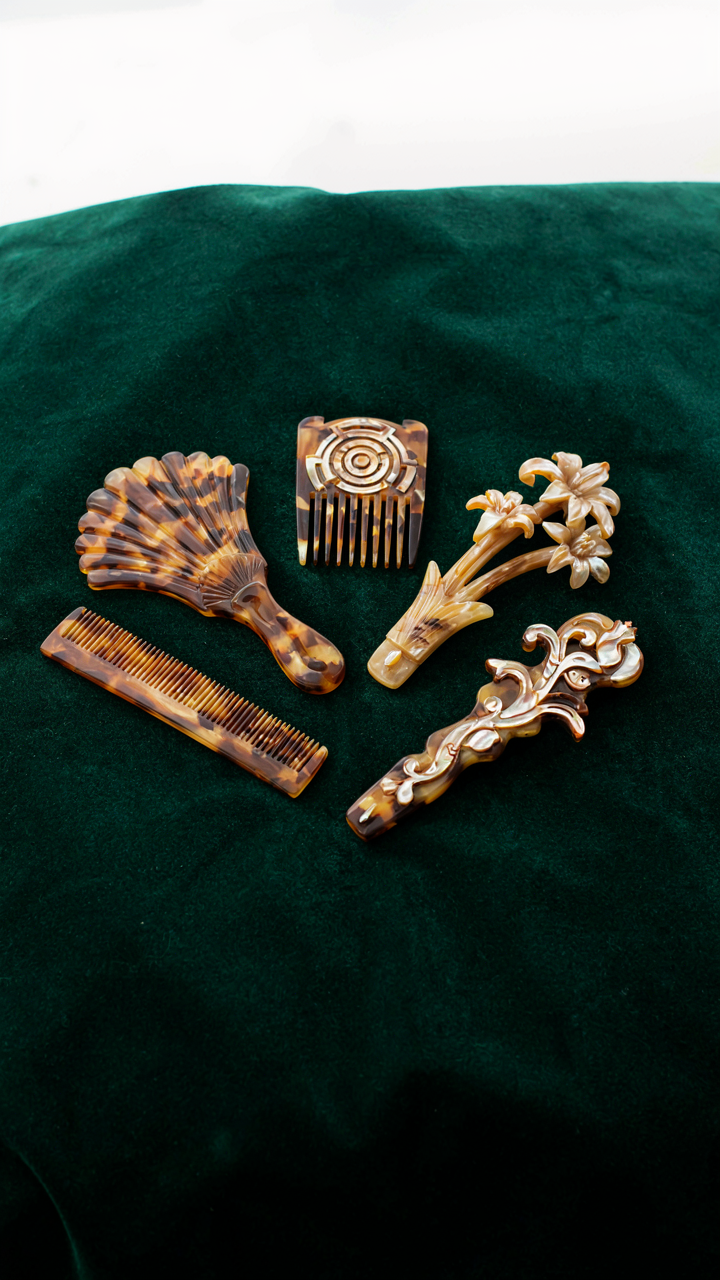
Art deco and art nouveau motifs have remained legible for over a century. Pearl accents, tortoiseshell finishes, and geometric patterns don’t require replacement cycles. When you avoid novelty details tied to current wedding aesthetics, you’re buying stability instead of temporary relevance. This is how museums keep century-old combs looking current while last season’s “statement pieces” vanish from search results.
Wearing Your Comb Beyond The Ceremony
A comb bought for one day absorbs cost inefficiently. Economics calls this asset utilization, and your budget comb either maximizes it or doesn’t. The real answer isn’t buying something “convertible” in the marketing sense. It’s selecting a design neutral enough to function as everyday hair jewelry after the wedding ends.
Metal finishes like rose gold, silver, or champagne pair with casual outfits. A comb without heavy embellishment works for both formal events and regular wear. The tactical step: before purchasing, picture yourself using it six months post-wedding. If you can’t see it in your hair outside bridal context, the design is too specific. Avoid ornate cathedral details or oversized structures that only read as “wedding.”
The Micro Niche Hunt: Pinpointing Overlooked Comb Suppliers

Where Bridal Markup Ends
You’re here because you think the problem is selection. It’s not. The problem is that bridal retailers mark up hair combs 200 to 300 percent because they own the attention of a captive audience on the worst possible day to negotiate. The mechanism is simple: brides accept inflated prices because they’ve already committed to a venue, a date, and a narrative. Breaking that pattern means leaving bridal retail entirely and hunting adjacent categories where the same product exists without the ceremony tax.
Accessory shops that serve theater, dance, and costume communities stock identical hair combs at wholesale-adjacent pricing. These vendors don’t inflate because they compete on volume with other non-bridal buyers. Search for “dance hair accessories,” “theater supply,” or “costume comb supplier” in your region. These shops have no reason to know you’re buying for a wedding, and they have no pricing strategy that punishes you for it. That ignorance works in your favor.
Platforms Beyond The Standard Suspects
Common advice says to check Amazon, Etsy, and Pinterest. That’s where margin compression happens fastest. Real selection lives on platforms built for specific buyer types that bridal shoppers haven’t colonized yet.
- AliExpress and Taobao: Direct factory sellers list bulk hair combs at 70 to 80 percent below US retail. Shipping takes three to four weeks, but unit cost drops to 2 to 5 dollars. Filter by “wedding” or “bridal” in Chinese marketplaces for unmarketed inventory.
- Alibaba (B2B portal): Manufacturers sell minimum orders of 50 to 100 units at factory pricing. Split orders with bridesmaids or friends to hit minimums. Quality variance is real, so request samples before committing.
- Facebook Marketplace and local buy-sell groups: Individual sellers liquidate wedding inventory after their own events. Search “[your city] wedding supplies” or “[your city] bridal clearance.” Prices drop 40 to 60 percent because sellers want fast turnover.
- Wholesale clubs with open memberships: Costco and Sam’s Club rotate seasonal accessory vendors. Call the accessory department directly and ask about current hair comb stock. Bulk pricing applies even to small purchases in some locations.
- Hair supply wholesalers: Beauty supply chains that serve salons carry professional-grade combs at wholesale rates. These aren’t marketed to brides but work identically. Call Beautyco, Sally Beauty, or local distributors and ask for walk-in wholesale access.
The mechanism that works is vertical search. Instead of searching “budget wedding hair comb,” search “hair comb supplier,” “bulk hair comb,” or “hair accessory wholesale.” You move out of the bridal keyword space where sellers expect to charge bridal prices and into the commodity space where pricing reflects actual production cost plus reasonable margin. Set up saved searches on these platforms. Commit to checking them weekly for the next four weeks before your event. When you find a match on unit price and delivery timeline, buy immediately because inventory on off-platform sources moves faster than you expect.
Your Real Obstacle Isn’t The Price Tag, But Your Perception Of What Bridal Truly Demands

The wedding industry convinced you that expensive equals beautiful. It doesn’t. Stop scrolling luxury sites to feel inspired. Open Etsy, AliExpress, or Amazon right now and save three combs you actually like under five dollars each. Your hair doesn’t know the markup. Your guests won’t know either. What matters is whether the comb holds your style and makes you feel like yourself on the day. A budget wedding hair comb isn’t a compromise. It’s you refusing to play the game.