
The “No Planner” Fallacy: It’s Not About Doing Everything Yourself
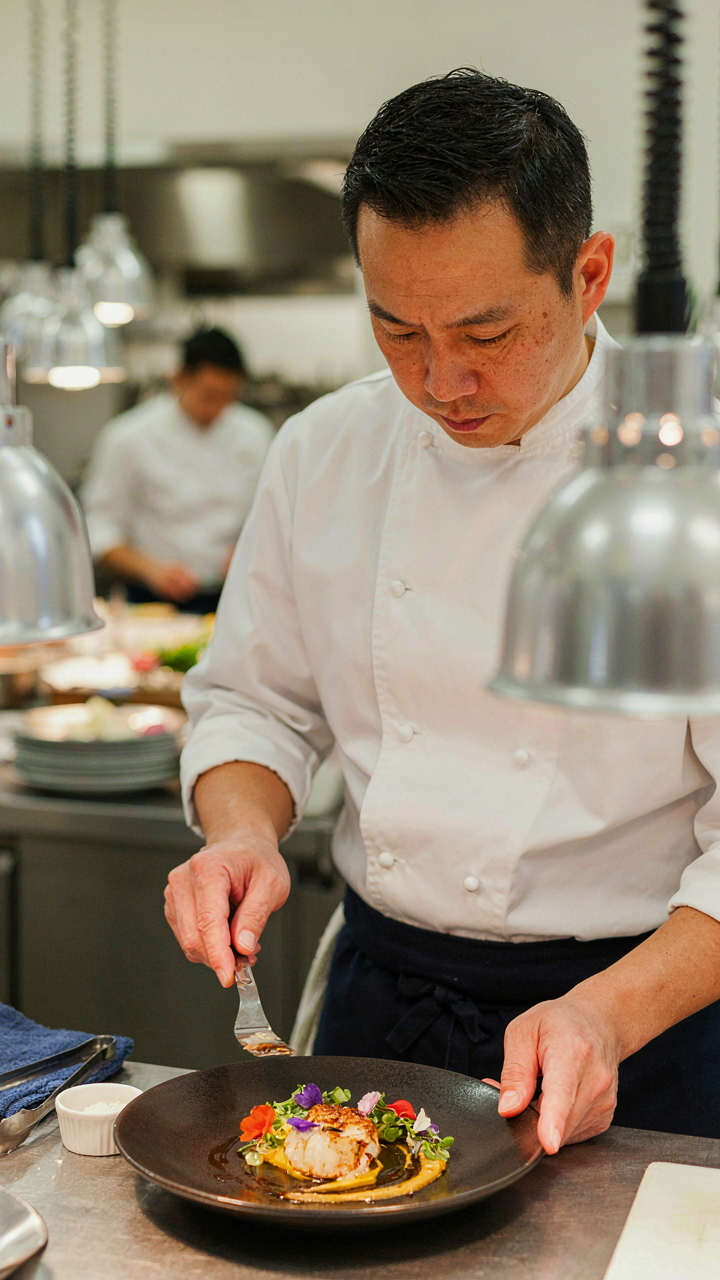
Delegation As Control, Not Surrender
You’re worried that hiring people means losing control. It’s the opposite. You don’t have a planner because you want to keep decisions in your hands, but that logic breaks on wedding day itself. In economics, this is called comparative advantage: you stop doing low-value tasks so you can handle high-value ones. On your wedding day, your high-value task is showing up present. Everything else should move to someone with skin in executing it flawlessly.
The planner-less wedding fails when the couple tries to manage vendors, timeline, and guest flow while standing in a tuxedo. Delegation isn’t weakness. It’s math. You cannot be in the bridal suite, the kitchen, the entryway, and the ceremony space simultaneously. Hire specific people for specific roles: day-of coordinator, caterer, photographer, whoever closes the gaps you cannot fill. Their job is execution. Your job is presence.
The Tasks That Should Leave Your Hands Immediately
Most “no planner” advice tells you to create spreadsheets and checklists. Wrong approach. You need to identify which tasks have zero margin for error and pass them to someone accountable. A caterer who arrives late costs you money and stress. A florist who misreads your design costs you mood. These are not tasks to self-manage.
Start here: any task that requires someone to show up at a specific time with specific equipment belongs to a hired professional, not you. Catering, flowers, photography, sound, bar service, transportation, coordination on the day itself. You manage the vision and the relationships beforehand. On the day, you step back. The coordinator or lead vendor runs the timeline. You check in, not micromanage. This simple shift moves your mental load from operations to presence.
The Minimum Viable Wedding Protocol: What Truly Matters

What Cannot Break
You’re reading this because you’re terrified of looking unprepared in front of your guests. Here’s what actually matters: only three systems can fail before your day becomes objectively worse. Think of a wedding like a supply chain. One broken link cascades through everything else.

You need timeline control, guest flow, and food service. Those three. Everything else is decoration around the mechanics. A late ceremony creates a domino effect through photos, cocktail hour, and dinner. Poor guest flow creates bottlenecks at bathrooms and the bar that breed frustration and complaints. Bad food logistics means guests wait hungry while staff scrambles. These aren’t preferences. They’re operational failures that guests experience in real time.
Strip The Rest Away
Most wedding planning advice is wrong because it assumes a planner exists to execute seven simultaneous tasks. You don’t have that. The common guide tells you to worry about linens, lighting gels, place card fonts, and seating chart psychology. None of that moves the needle on your actual day.
Skip anything that requires active management during the ceremony or first hour of reception. That means no elaborate late-night snack reveals, no complex lighting cues, no games that need coordination. Your job is to be present with your partner and respond to problems, not manage a production. Hire a photographer and a solid caterer with their own systems. Tell them the timeline. Let them own their piece. You own the ceremony start time, guest arrivals, and vendor problem-solving. Everything else is subordinate to those three.
Vendor Vetting: Beyond The Pretty Portfolio

Who Actually Shows Up When It Matters
You want reassurance that your vendors won’t vanish or botch the job. That fear is valid, but most couples vet vendors backwards. They scroll portfolios like they’re hiring based on Instagram likes. The real mechanism is simple: you’re hiring people who’ve built systems to survive chaos, not people who take pretty pictures when conditions are perfect.

Call three past clients. Not the ones the vendor recommends. Use Google reviews, ask for names, dig through their tags. Ask those clients one thing: what went wrong, and how did your vendor handle it? A photographer who admits they’ve dealt with terrible lighting or a florist who lost half a shipment and pivoted—those are the ones who’ve already built contingency into their process. Pretty portfolios prove nothing about reliability.
The Contract Is Your Insurance Policy
Most couples skip the contract or glance at it once. That’s wrong. The contract isn’t bureaucracy—it’s the only mechanism that keeps a vendor accountable when things get messy. Missing this step is how you end up with no recourse when your caterer shows up an hour late or your DJ decides to leave early.
Write down every specific detail: arrival time, setup location, what happens if they’re late, backup plans for weather, cancellation fees both ways, what “completion” actually means. Email everything to the vendor before signing. Don’t rely on verbal agreements or text messages. Get their signature on paper or digital signature. When the wedding day arrives and something goes sideways, you have leverage because you documented the expectation in advance. This is the only thing that prevents he-said-she-said chaos.
The Anti Schedule Rhythms Over Rigid Timelines

Know Your Event Flow Not Your Timeline
You want a schedule because you think it proves you have control. You don’t. What you actually need is to understand how your wedding moves through phases, and which phase breaks if one person runs late. This is borrowed from production management: identify your critical path. Your critical path is the sequence of events that, if delayed, delays everything downstream. Ceremony start time is critical. Photos after ceremony are not. If the ceremony runs thirty minutes behind, nothing else recovers that time. Everything else absorbs the shift.

Most couples build minute by minute schedules then panic when reality doesn’t match. That’s the wrong move. Instead, map your phases: pre ceremony, ceremony, transition, formal photos, cocktail hour, reception. Assign time blocks to each, not start and stop times to each task. Your photographer gets ninety minutes for formal photos, not a list of “5:15 PM first look, 5:25 PM family shots.” The photographer knows what ninety minutes contains. Your florist knows when flowers need to be in place before guests arrive. You don’t need to tell them 3:47 PM.
Build In Friction Zones Not Just Dead Time
The standard wedding timeline tells you to buffer between events. That’s incomplete advice and it misses the mechanism. Friction happens because humans are unpredictable, not because time exists. Your buffer zone needs to absorb specific friction points: people take longer to change clothes than they estimate, the caterer arrives late because traffic, someone needs a moment to compose themselves before walking down the aisle. Name the friction point and give it space. Don’t just add thirty minutes and hope.
The protocol is this: identify where people interact with systems outside your control. The venue’s parking lot, the catering entrance, bathroom access, the receiving line if you have one. Give those zones twenty to thirty percent extra time beyond what seems logical. If your ceremony needs to end by 4:45 to start photos by 5:00, actually plan for the ceremony to end by 4:30. The extra fifteen minutes vanishes. You use it. What you don’t use becomes breathing room for your guests and your team.
Leveraging Your Circle: The Unofficial Wedding Staff
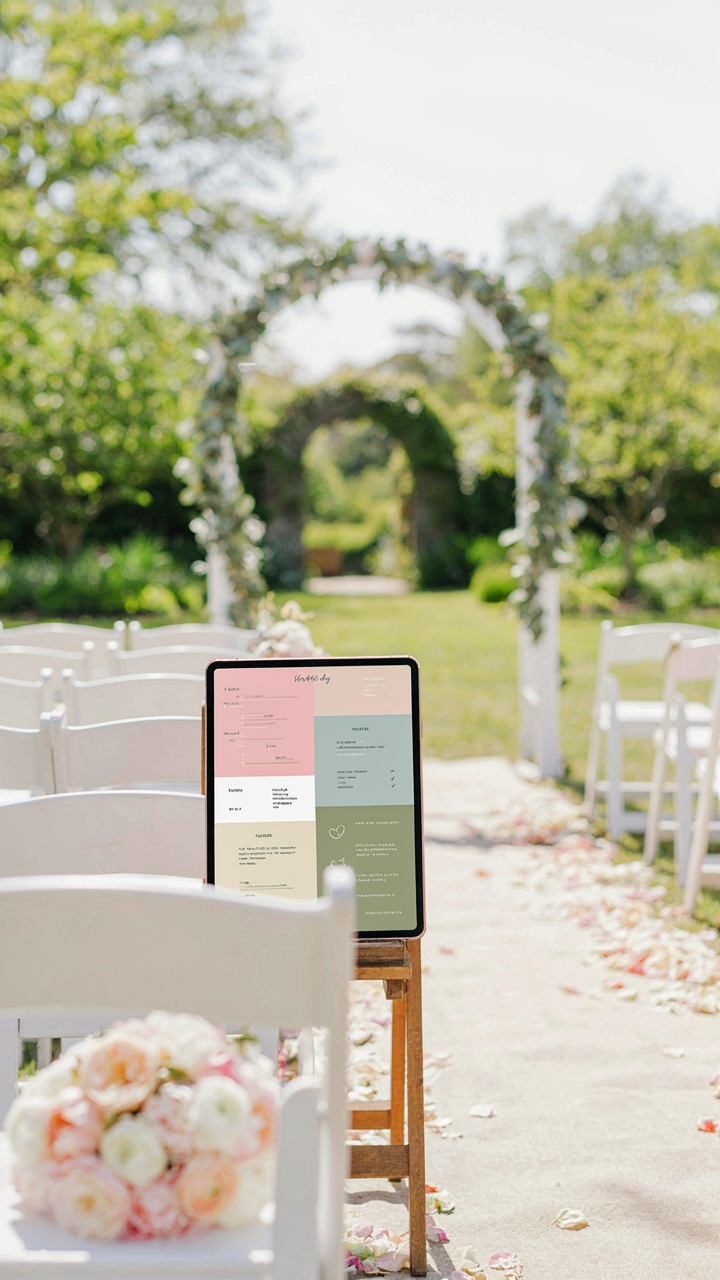
Deploy Your Network Like A Chain Of Command
You want to avoid feeling like you’re managing chaos while everyone watches. The mechanism is simple: you’re not hiring a planner, but you are establishing a hierarchy of tasks and decision-makers. Without structure, your closest people will compete for influence, duplicate efforts, or freeze because nobody knows what they’re actually supposed to do.
- Point Person For Logistics: One trusted friend handles vendor arrivals, timing, and day-of problem solving. This person has your phone number and makes calls without asking permission first.
- Family Member On Guest Flow: Someone stationed at the entrance who knows your timeline and gently moves people toward the ceremony start. They don’t police, they navigate.
- Tech Handler: Assign music, microphone, or AV responsibilities to someone comfortable with equipment who arrives early and stays late to break it down.
- Appearance Manager: One person helps your partner get ready, keeps outfits wrinkle-free, and handles last-minute wardrobe issues so you’re not solving that at showtime.
- Meal And Refreshment Lead: Someone who coordinates food setup, manages bathroom breaks for the wedding party, and knows where water and snacks are stashed.

The mistake couples make is asking people to help without specifying their actual domain. You end up with five people offering opinions on the same problem. Name specific roles before the wedding week starts. Send a text. Make it clear.
Written Handoffs Eliminate Assumptions
Most wedding day confusion doesn’t happen because people are incompetent. It happens because people operate on different assumptions about timing, priorities, and what “done” looks like. A planner writes these down. You can too.
Create a single document with: ceremony start time, vendor arrival windows, vendor contact names and numbers, what each person is responsible for, where things are stored, and what to do if something breaks. Share it with everyone three days before the wedding. People won’t memorize it, but they’ll reference it when they need to, and they’ll know it exists instead of guessing.
The person managing logistics should get a printed copy. Someone should know the backup plan if a vendor is late. That’s not overthinking. That’s the difference between people improvising and people executing.
The Event Horizon Principle: Controlling What You Can
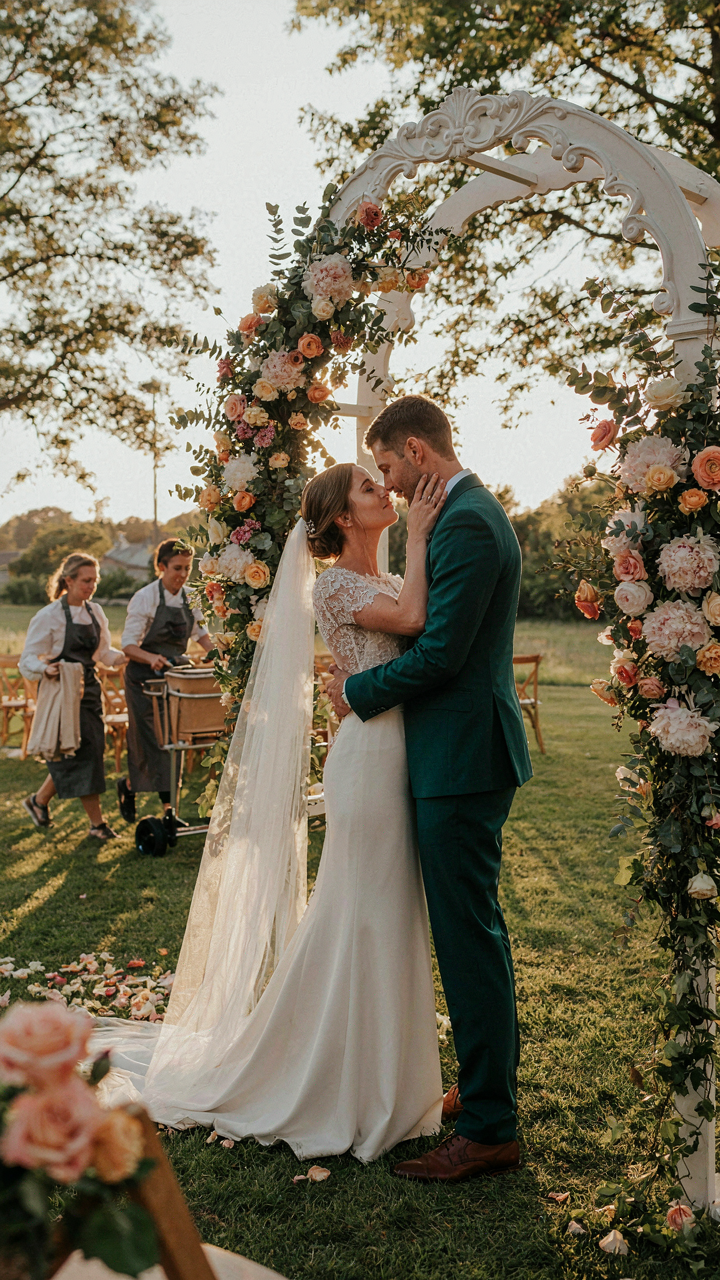
Where Your Energy Actually Goes
You want this section because you’re terrified of losing control on the day itself. Here’s the mechanism: in physics, an event horizon marks the point of no return around a black hole. On your wedding day, you have one too. Everything before a certain hour is still moveable. Everything after is locked. You spend energy fighting the locked things and waste the moveable ones.

Most couples try to manage everything equally. That’s the mistake. You have a finite attention budget. Spend it on variables that still have degrees of freedom: timeline sequencing, vendor communication checkpoints, guest flow through spaces, and contingency triggers. Spend zero energy worrying about things already decided and locked in place, like your venue’s kitchen capacity or the caterer’s staffing model.
When Reality Refuses Your Plan
Weather hits. A vendor runs late. A guest needs unexpected accommodation. The common advice says have a backup plan for everything, which is honest but incomplete. The real skill is accepting what you cannot change while identifying what you can adapt in response. In military strategy, this is called commander’s intent: you set a direction and allow tactical adjustment when conditions shift.
Your ceremony time is a locked variable. Your processional order is not. Your photo timeline got disrupted by weather? The edit is immediate: you move indoor photos forward and push family portraits to cocktail hour if light permits. The mechanism is simple: pre-identify three to five decision nodes during the day where you have authority to pivot logistics without cascading failure. Brief whoever needs to know so they execute without needing approval in the moment.
Crisis Protocol: When Things Go Wrong (They Will)

Decision Trees Before Disaster Strikes
You’re worried about looking unprepared, which is why you’re reading this. The real mechanism is simple: decisions made under stress are worse than decisions made under calm. Use military decision-making here. Create a decision tree—a branching protocol that maps problem to response before the day arrives. This removes emotion and hesitation from the equation when chaos hits.

Write down the five most likely failures for your specific wedding. Venue loses power. Caterer arrives late. Key vendor doesn’t show. Photographer gets sick. Guest drama erupts. For each, write down three predetermined actions in priority order. You don’t execute all three—you execute the first one that’s physically possible. This pre-commitment eliminates the paralysis that kills most weddings without planners.
- Vendor No-Show: Contact your backup contact immediately. If none exists, call three alternatives from your area right now and get their cell numbers. Have a written list in your phone before the wedding date.
- Timeline Collapse: Identify which moments are actually time-critical (ceremony start, dinner service, exit) versus which have 30-minute windows. Cut the non-critical ones first when delays pile up.
- Weather Shift: Know your venue’s backup indoor space before day one. Take photos of it. Know where guests shelter. Designate one person as weather monitor starting four hours before the event.
- Guest Medical Event: Locate the nearest hospital from your venue. Brief one trusted person on this location. Keep a basic first aid kit accessible but not visible.
- Vendor Equipment Failure: Ask each vendor their backup plan in writing during initial contact. Get their response in email. Reference it if the problem occurs.
Every decision tree must include a single point person who owns that problem category. Not multiple people—one. Multiple owners create confusion and duplicate efforts that waste time you don’t have.
Assigning Authority In Real Time
Don’t ask for help when crisis hits. You’ll get fourteen different opinions and paralysis. Assign authority roles before the day starts, in writing if possible. Tell your key people exactly what decisions they can make without consulting you, and what they must escalate immediately.
Your venue coordinator owns all timing and space issues. Your lead attendant owns guest communication and comfort. Your caterer contact owns food and service flow. When problems emerge, information flows to the assigned owner, they make the call, and you stay focused on the actual event. This removes you from being the bottleneck that slows everything down. The person closest to the problem makes the call—not the person furthest away.
The Post Mortem Power Up: Learning From Your Unplanned Success

What Actually Moved The Needle
You want permission to believe your wedding worked because you’re competent, not lucky. Here’s the mechanism: feedback loops only work if you isolate variables. Most people skip this entirely, so they repeat mistakes without knowing it. Write down three categories the night after: what you controlled directly, what guests influenced, and what timing decided for you. The separation matters because control reveals what you can actually change next time.

Start with the decisions you made under pressure. The timeline you built, the vendor contacts you managed, the family dynamics you navigated. Did guests arrive on time because your start time was clear, or did the venue staff herd them? Did the food timing work because you coordinated with the caterer, or because they’ve done this a hundred times? Document the cause, not just the outcome. This is how you know what belongs in your system and what was external noise.
The Repeatable Protocol For Next Time
Engineers use the concept of signal to noise ratio to separate what matters from what doesn’t. Your wedding generated both: signal is the specific decision or system that produced a result, noise is everything else that influenced the outcome. Most people can’t tell the difference, so they copy random elements and expect the same result. Identify your actual signals by asking what would break if you removed it.
Build a one page reference document with your real constraints and your real wins. List the timing windows that worked, the communication channels that cut through chaos, the contingencies you actually needed. Next large event, you don’t start from zero. You start from what your own data proved works under real conditions. Skip the Instagram version of event planning. Use your own blueprint instead.
Digital Domination: Smarter Than A Physical Wedding Planner
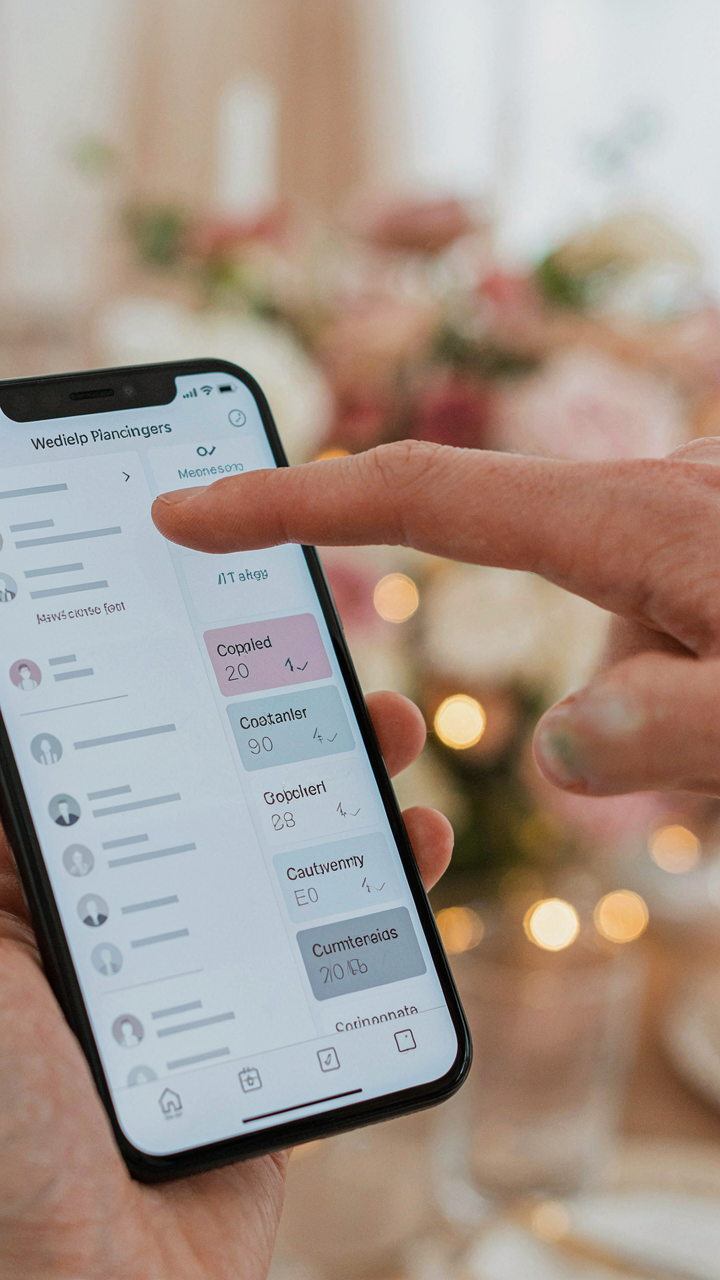
Apps Beat Spreadsheets Every Time
You want to feel in control without hiring someone else to be responsible. That’s the real motive here. The mechanism is simple: a dedicated wedding app creates a single source of truth that your brain can’t corrupt through human error or forgetfulness.

Most couples use scattered tools—email, texts, notes apps, Google Sheets. This creates friction at exactly the moment you need speed. A wedding-specific app like Joy, The Knot, or Wedbuddy consolidates vendor details, timelines, guest lists, and budgets into one searchable database. You stop hunting for the caterer’s phone number at 11 PM the night before. The app has it indexed and accessible in two taps.
Automate Guest Communication Like A Broadcast Network
Nobody tells you this directly: your job isn’t to personally message 80 people—it’s to design a system where information flows one direction and guests receive it at scale. Think of broadcast architecture here. You’re not the messenger. You’re the transmitter.
Use a wedding website builder with automated email sequences. Platforms like Zola or The Knot let you set up one message to all guests or filtered groups. Day-of logistics like shuttle details, timeline changes, or photo requests go out once to everyone simultaneously. This eliminates the mental load of repeating yourself and stops the false sense of personal touch that actually costs you four hours of communication time.
The Art Of Imperfection: Real “Cute Wedding Ideas” Are Messy
When Plans Collapse, Something Better Happens
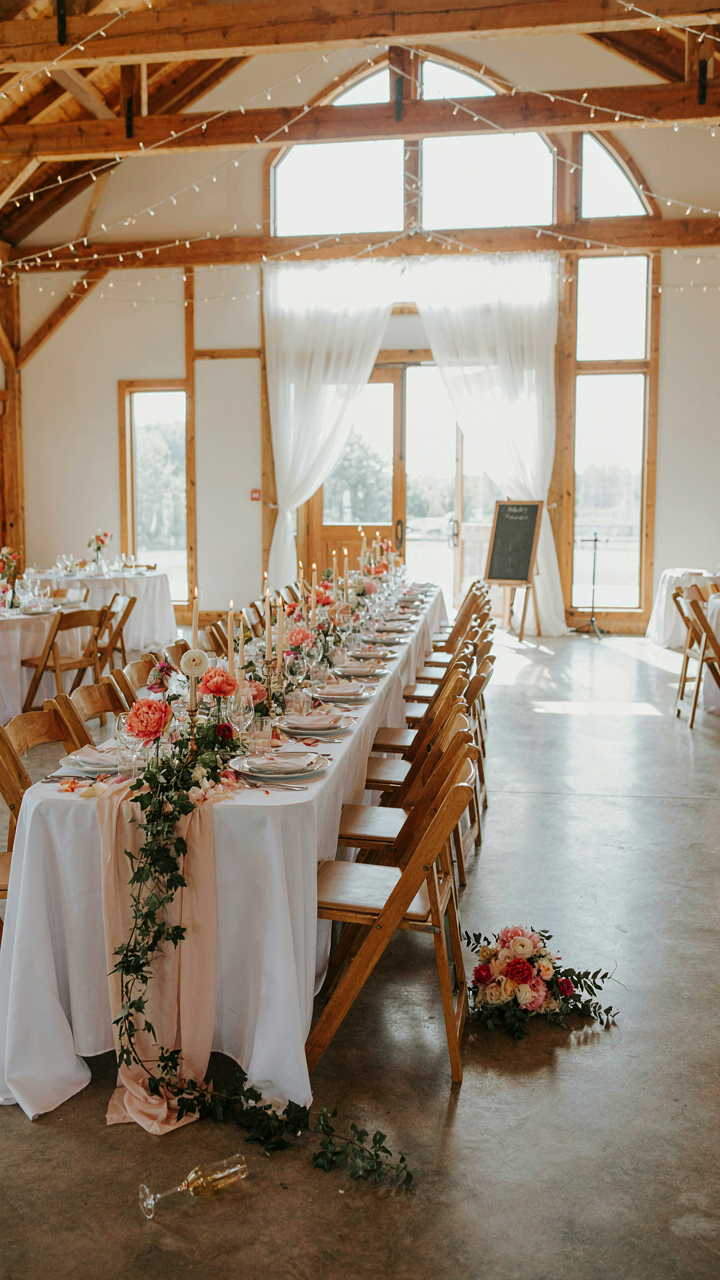
You want control because you’re afraid the day will feel cheap or forgettable without a professional managing every detail. The mechanism is simpler: constraint breeds creativity. A planner removes friction but also removes decision-making pressure, which is where authenticity actually lives. When you have no planner, you stop trying to execute someone else’s vision and start making calls in real time based on what your guests need in that moment.
The best weddings unplanned people throw aren’t polished. They’re responsive. A friend notices the ceremony room is too cold and finds a blanket. Someone realizes the cocktail line isn’t moving and opens another bottle station. The photographer catches a genuine moment because nobody’s running a rigid timeline that kills spontaneity. These aren’t failures of planning. They’re proof that improvisation outperforms scripts.
Showing Up As Yourself Wins
Status anxiety tells you a wedding must look controlled to prove you matter. That’s inverted. The couples people talk about aren’t the ones with flawless centerpieces. They’re the ones who laughed when something went wrong, told real stories in toasts, and let their actual friends be in charge of parts of the day. Authenticity is the ultimate competitive advantage because it’s the one thing money can’t fully buy and planners can’t manufacture.
When you skip the planner, you skip the filter. Your personality runs the day, not a checklist. If you’re naturally chaotic, lean into that. If you’re methodical, build systems that reflect how you think. Your guests came to see you, not a production. The moment you stop performing the role of “bride or groom with a perfect wedding” and start being the person who threw a real party, the entire energy shifts. Assign a friend to manage the music playlist in real time rather than hiring a DJ to follow a predetermined order.
The Only Thing Truly Out Of Your Control Is Your Resistance To Letting Go
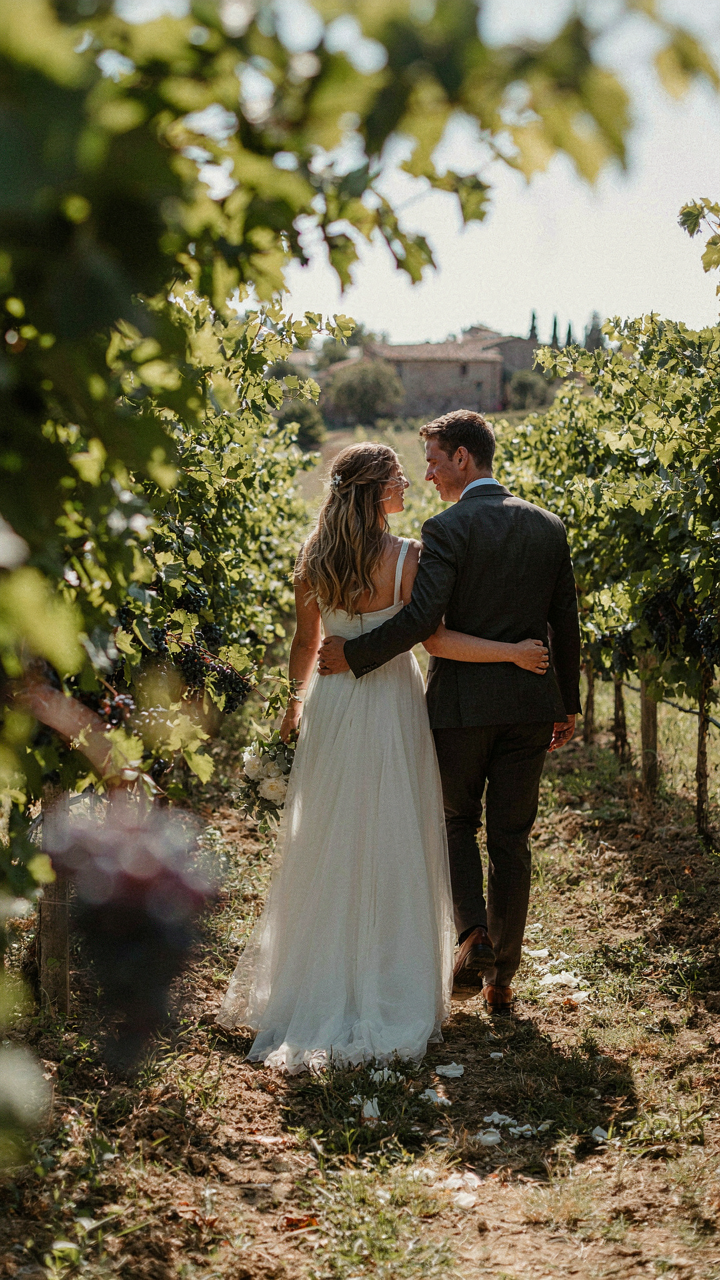
Every couple without a planner makes the same mistake. They grip tighter. They control every detail. They think this prevents disaster. It creates it. The day derails not because something goes wrong, but because you’re too rigid to adapt when it does. Pick three non-negotiables. Let everything else breathe. Your guests came for you, not perfection. Stop building a museum exhibit and start building a memory. The wedding isn’t what you planned, it’s what actually happens.