The Illusion Of Affordable Treehouse Wedding Venues

Why Budget Advice Misses The Mark
You want to believe a treehouse wedding costs less because you’re avoiding the commercial wedding industrial complex. That’s not actually why you’re here. You’re hoping to find a loophole in price that doesn’t exist. The real mechanism at work is anchoring bias from the venue industry itself. Wedding sites quote treehouse rentals at five to fifteen thousand dollars, making you think that’s the baseline. It’s not. That number only reflects properties already optimized for events with insurance, permitting, and professional infrastructure already baked in.
The actual cost of a treehouse wedding on a genuine budget gets obscured because most people comparing prices don’t factor in the work invisible to the final quote. A cheap treehouse rental might quote ten thousand dollars, but that number excludes structural inspection costs, liability insurance riders specific to elevated structures, local building code compliance verification, and often the rental company’s refusal to allow alcohol or amplified sound. Generic budget advice tells you to “shop around” or “negotiate with owners.” That skips the step where you learn that structural safety certification adds two to four thousand dollars before a single guest arrives.
The Hidden Costs Of Cheap Solutions
Economics teaches us about the cost of goods sold versus the cost of production. A treehouse venue owner quoting low pricing has either not calculated their actual liability exposure or they’re shifting risk onto you through liability waivers that won’t protect you legally. When a treehouse owner says their venue is “affordable,” they often mean they haven’t invested in the infrastructure that makes the space event-ready. This includes weather protection, accessible utilities, emergency egress routes, and sanitary facilities that meet health code requirements.
The pattern repeats: you book a cheap treehouse for eight thousand dollars, then discover the owner requires you to rent a separate generator, portable restroom facility, and weather tent because the structure itself provides none of it. Those additions cost three to six thousand dollars more. Insurance companies charge premiums thirty to sixty percent higher for elevated wedding venues than ground-level ones due to risk classification. You can’t avoid this by choosing cheaper vendors. Structural limitations of budget treehouses force you to spend money on solutions that expensive treehouses already solved in their design phase.
Beyond The Venue: Treehouse Elopement As A Strategic Advantage
Micro Weddings As Leverage
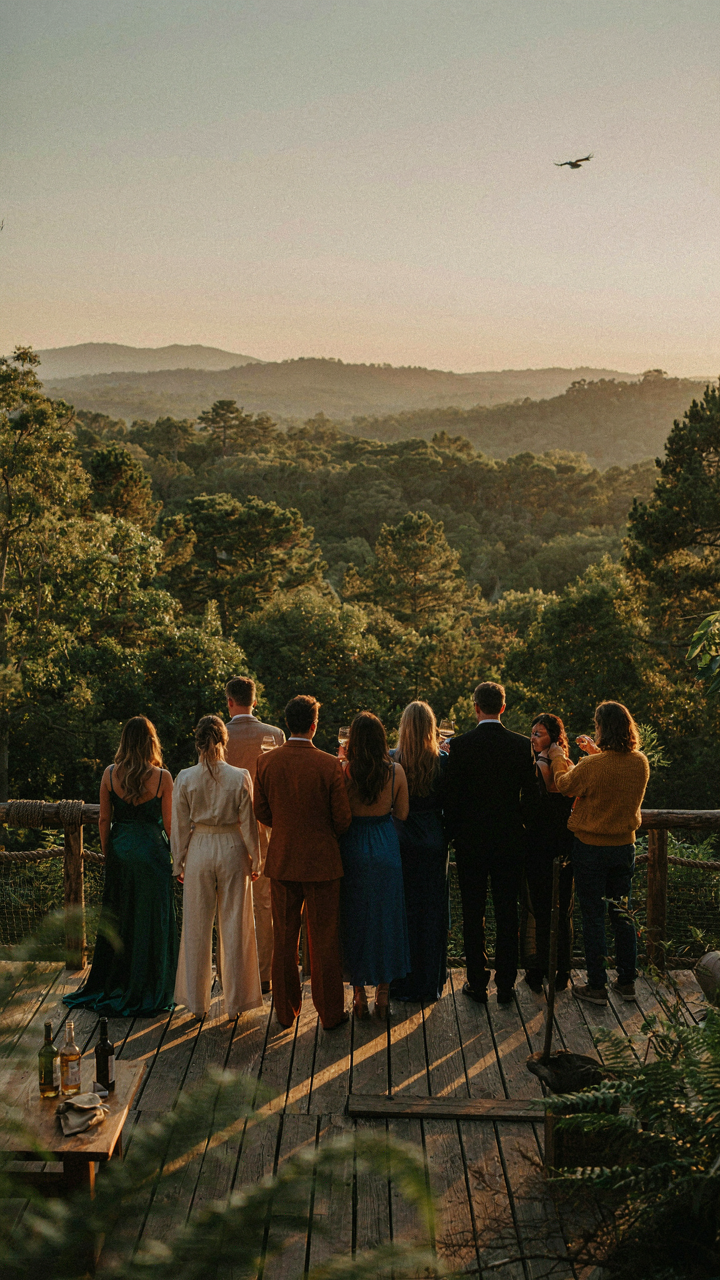
You want permission to spend less and still feel like it mattered. That’s the real draw here. The mechanism is simple: constraint forces intention. A treehouse micro-wedding cuts guest count naturally because logistics don’t accommodate crowds. Thirty people maximum means you stop performing for distant relatives and start actually connecting. The budget shrinks, yes, but so does waste.

Most wedding advice treats micro-weddings as consolation prizes. Wrong. They’re structural advantages. You redirect money from feeding and entertaining a hundred people into actual quality: better photographer access, premium catering for fewer mouths, professional videography. The math works because you’re not padding headcount to justify venue rental. Smaller guest list equals higher per-person investment, which reads as more intentional, not cheaper.
Experience Over Presentation
Stop building a wedding for Instagram. Build one for memory. Economics calls this “experience goods” versus “search goods.” With a treehouse venue, you can’t rely on ballroom aesthetics to do the work. The setting already delivers atmosphere. This forces you to spend on what actually registers: food quality, sound clarity, comfortable seating, and meaningful ritual.
The budget reallocation is concrete. Cut florals by 60 percent because the canopy does the design work. Reduce lighting rentals because golden hour hits differently through branches. Invest those savings into a plated meal instead of buffet service, live musician instead of DJ, professional photography package that includes an engagement session. The guest remembers the meal and the music. They forget the centerpieces by Tuesday.
The “DIY Or Die” Treehouse Wedding Ideas Protocol
Where DIY Actually Saves Money
You want to feel resourceful and smart about your wedding budget, but you’re mostly looking for permission to skip hiring professionals. That’s the real trap. Economics teaches us about comparative advantage: you should only DIY tasks where your effort produces more value than its cost. Most couples get this backwards.

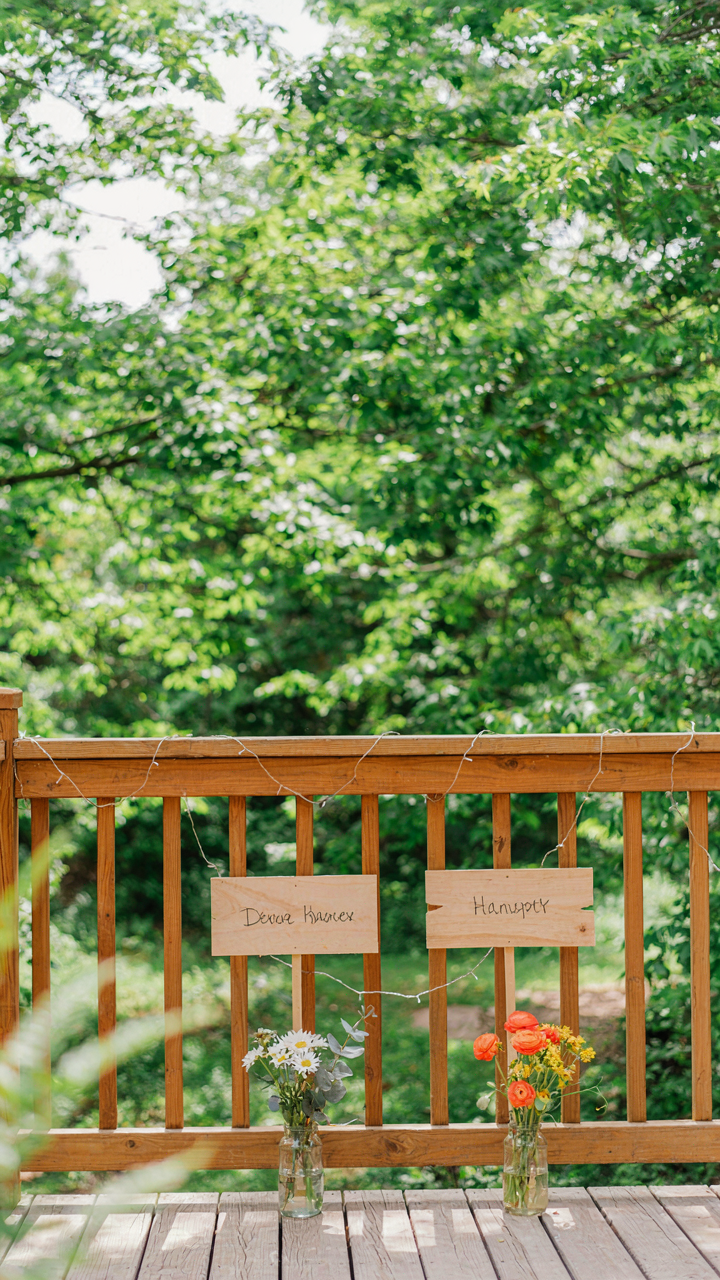
Decorations, signage, and guest logistics are genuine DIY wins on treehouse properties. You control the timeline, materials cost less than labor markups, and mistakes don’t compromise structural integrity or safety. String lights, wooden signs, seating cards, and table arrangements fall here. The treehouse venue itself already provides the visual anchor, so your decoration work amplifies rather than constructs the entire experience.
When DIY Becomes An Expensive Mistake
Everyone assumes catering, electrical work, and plumbing are DIY-able if you’re resourceful enough. They’re not. A treehouse venue compounds this miscalculation because the space has real constraints: limited access, weight capacity limits, weather exposure, and often no built-in utilities. DIY catering in a treehouse means hauling food up stairs in heat, managing temperature control without proper equipment, and risking foodborne illness liability you can’t insure against.
Professional electricians understand load capacity and safety codes that prevent fires. Professional caterers have permits, insurance, and temperature-controlled transport. Do-it-yourself projects on these systems don’t save money, they create hidden costs: rented equipment you overbuy, failed attempts requiring professional repair, or liability settlements. The mechanism is simple: outsource anything touching safety, utilities, or guest health.
Unconventional Treehouse Wedding Venues: The Arbitrage Play
Where To Find Unlisted Treehouse Rentals
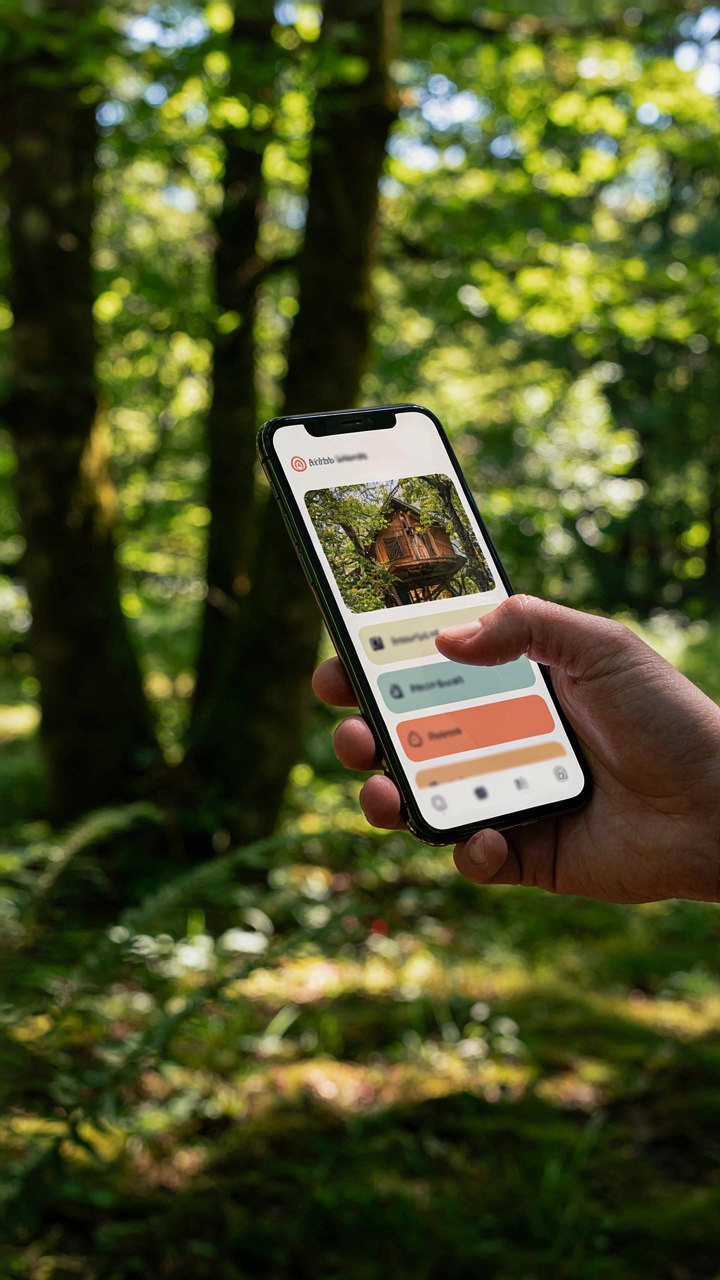
You want to believe there’s a hidden gem nobody else knows about, a treehouse that will make your wedding look intentional instead of budget-constrained. That’s not the mechanism here. The real play is simple: most treehouse owners don’t list on mainstream wedding sites because they’re tired of fielding inquiries from people who aren’t serious. They rent through word-of-mouth, local real estate agents, glamping networks, or Airbnb. Your cost advantage comes from lower platform fees and less competition for their time.

Start with Airbnb filtering for “treehouse” in your region, then contact owners directly about wedding rates. Check local tourism boards and glamping directories specific to your state. Real estate agents who handle vacation rental portfolios often know private treehouse owners. Many landowners with established treehouses rent them for events but never advertise on The Knot or WeddingWire. Call county parks departments and ask about rustic event spaces on public land. The owners you find this way price based on actual costs, not what they think the market will bear.
Off Season Pricing That Actually Moves Rates
Everyone knows weekends in June cost more. What they miss: treehouse owners face real cash flow pressure in winter and shoulder seasons. This isn’t sentiment. This is economics. You’re not negotiating a discount. You’re offering them cash flow certainty during their dead months. A treehouse that rents for 3,000 on a Saturday in May will often drop to 1,200 for a Friday in February because that owner needs revenue regardless of season.
Contact venues in November for spring dates or July for fall dates. Present a firm booking with deposit within 48 hours. Mention your flexibility with date and day explicitly. Owners move quickly when they see cash committed during months when bookings stall. Get your number below their break even point, which typically sits around what they pay for property tax, maintenance, and insurance annually divided by expected bookings. Ask directly: what months do they have the most availability? Book there. That’s where your real savings live.
The Logistics Of Lean Treehouse Weddings
Coordinating Vendors Without Redundancy
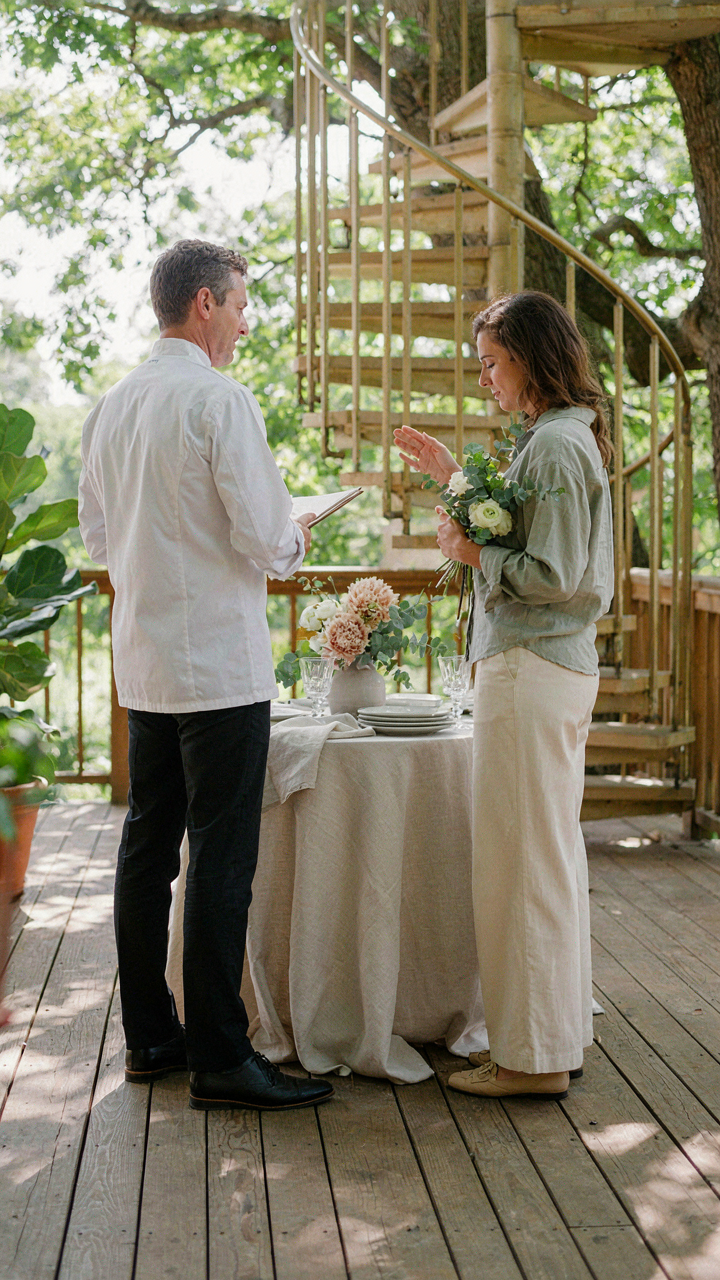
You’re afraid you’ll lose control if you don’t hire separate people for every function. The real mechanism is supply chain bottlenecking, borrowed from operations management: every vendor touching your event creates a dependency node, and each node multiplies your communication overhead and failure points.

Most couples treat vendor selection as a hiring problem. It’s actually an integration problem. A caterer who refuses to work with your already-hired florist creates a hidden cost: your time negotiating between them, their scheduling conflicts, and the likelihood one blames the other when something fails. Build your vendor list backward from one person who already knows the treehouse’s constraints and can recommend everyone else. Your caterer knows which florist has worked the space. That florist knows the photographer who understands tree cover and natural light patterns. One integrated chain beats six independent contractors every time.
Predicting What Guests Will Actually Do
Game theory exposes the gap between what guests say they’ll do and what they’ll do when they arrive. Treehouse weddings create a natural filter: people with physical limitations won’t attend, people without the logistics mindset won’t stay long, and guests will cluster in predictable zones based on comfort and social hierarchy.
This means your catering, bathroom, and seating capacity don’t need to scale linearly. If 40 percent of your invite list will actually attend, and 60 percent of attendees will congregate on one deck level, you’re designing for 24 people in the main space, not 100. Survey your list ruthlessly two weeks before the event. Ask explicitly: will you attend if parking is 400 meters away? Will you navigate stairs in heels? Their answers tell you what you actually need to budget for. Most couples overbuild for ghost guests who never appear.
Treehouse Wedding Inspiration: Design For Impact, Not Expense

Restraint Creates Authority
You want your wedding to look intentional, not cheap. The real mechanism: constraint forces prioritization. In design economics, scarcity signals value. When you remove options, each choice becomes visible. A treehouse wedding with five deliberate elements reads as curated. The same venue drowning in fabric and lights reads as compensating.

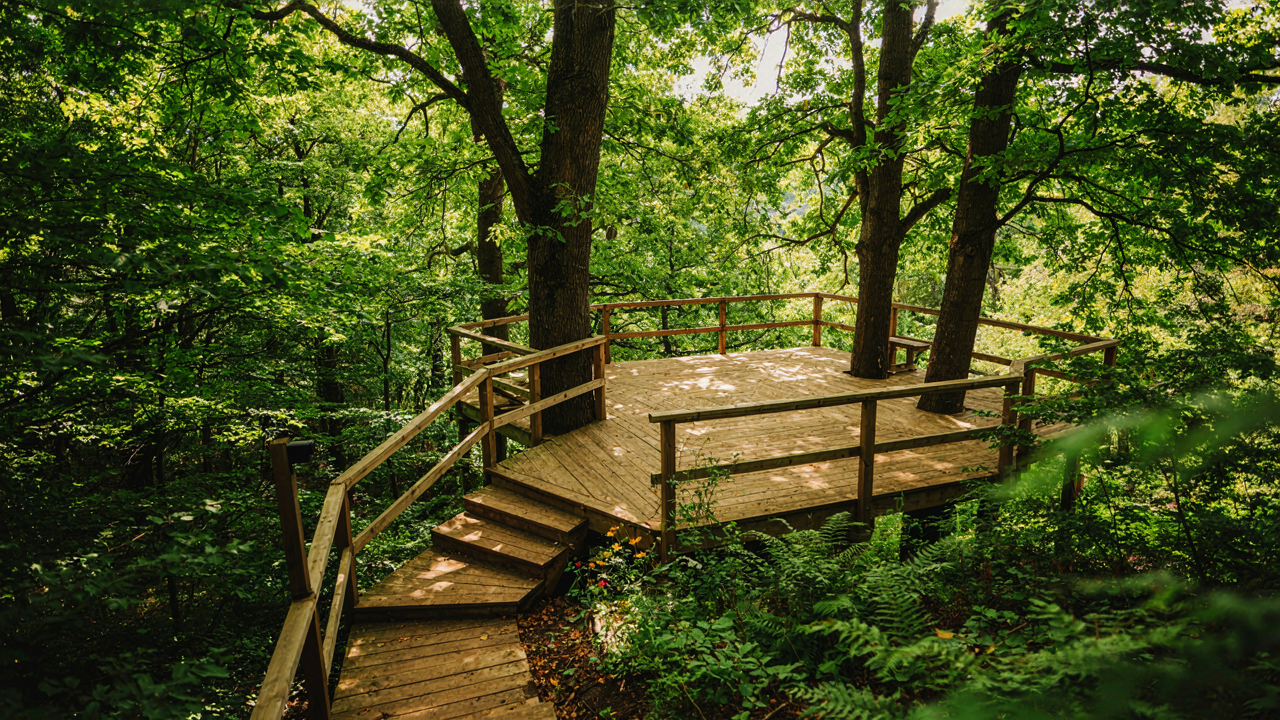
Most wedding advice tells you to “add more” until it feels complete. That’s backwards. Start with nothing. The treehouse structure itself is your primary visual asset. Wood beams, height, natural framing. These cost you zero dollars and command attention immediately. Every decoration you introduce must justify its presence by either enhancing the architecture or solving a functional problem. Lighting that casts shadow patterns on bark. Seating that doesn’t block sightlines. Flowers positioned to frame, not clutter.
The Raw Material Is Your Budget
Treehouses have inherent aesthetic weight that studio venues lack. You’re not fighting blank walls or fluorescent lighting. The architecture works for you without cost. Exposed wood establishes warmth and texture that fabric rentals simulate at ten times the price.
Work with what exists rather than against it. If the treehouse has rough-hewn railings, don’t cover them. If it has uneven flooring, embrace sight lines that exploit the slope. If the canopy creates dappled light, don’t fight it with uplighting. This isn’t poetic reasoning. It’s mechanical: fewer interventions mean fewer expenses and fewer things that can fail visually. The ceremony happens between the trees. The reception uses the platform as a stage. Your job is editing, not building.
Catering For Treehouse Weddings: The Menu As A Multiplier

Source Local And Seasonal
You want to feel smart about your choices, so you’re hunting for the story you can tell about your food. The real mechanism is this: local sourcing cuts your catering costs because you remove the markup layers built into national supply chains. A caterer sourcing from a farmer 15 minutes away pays what the farmer charges. A caterer sourcing strawberries from a distribution hub in January pays for storage, transport, and middleman margins stacked on top of farm cost.

Seasonal eating is a supply and demand equation. When strawberries are in season, supply floods the market and prices collapse. When they’re out of season, scarcity drives the price up. The caterer passes both scenarios directly to you. Ask your caterer what’s in peak season during your wedding month, then build your menu around it. This single constraint cuts food costs by 15 to 25 percent and eliminates the negotiation theater around custom requests that blow budgets.
Buffet Versus Plated Service
Everyone says buffet is cheaper, but that’s incomplete. Buffet reduces per-plate labor costs because one server manages the line instead of one server per table. But buffet increases food waste because guests over-serve themselves and plates go half-eaten. Plated service costs more in labor but cuts waste because the caterer portions portions. In a treehouse with limited access, plated service also solves a structural problem: guests don’t climb narrow stairs balancing a full plate of food.
The real trade is this: buffet saves 10 to 15 percent on labor but loses 8 to 12 percent of food to waste. Plated service flips the equation. Treehouse logistics favor plated delivery because it eliminates the traffic jam at a single service point. Calculate your actual per-guest cost by adding food plus labor plus waste, not just one line item. Most budget-conscious couples discover plated is cheaper once waste is accounted for. Coordinate with your caterer on a pre-service visit to the venue so they understand stairway constraints and can plan accordingly.
Maximizing Value: Treehouse Resort Wedding Venues Vs. Private Rentals
When All Inclusive Packages Make Sense
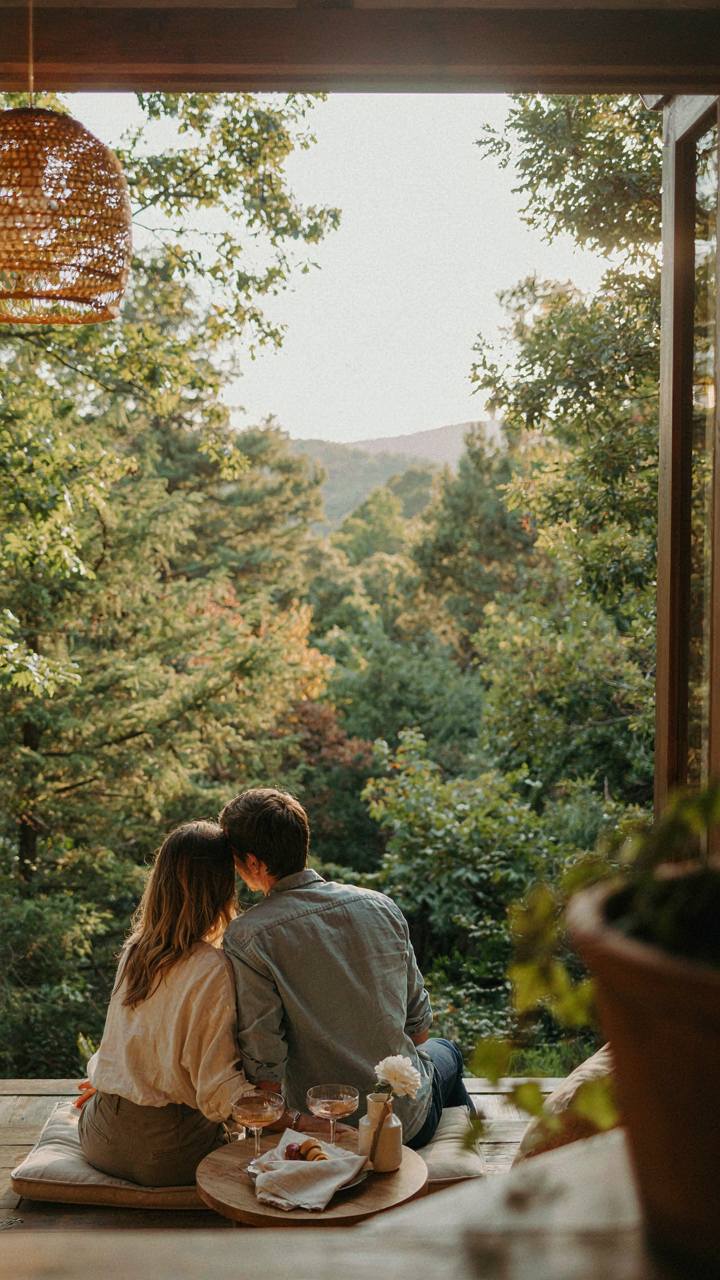
You’re drawn to all-inclusive packages because you want certainty. You want the venue owner to absorb the chaos. The mechanism here is simple: resorts bundle liability and logistics into one contract, shifting risk from you to them. They can do this because they run predictable operations across dozens of events yearly. Private rentals can’t match that economy of scale. All-inclusive works when you prioritize peace over customization and when your guest count sits within their standard range of 50 to 150 people.

The real trade-off isn’t cost per person. It’s control. Resort packages lock your bar pricing, catering markup, and decoration restrictions into their terms. You pay for their operational infrastructure whether you need all of it or not. This model favors couples who are indifferent to specific vendors and who dislike managing multiple contracts. If your vision requires custom floristry, nonstandard alcohol selection, or unusual kitchen access, the resort’s streamlined process becomes a liability instead of an asset.
The Real Perks Of Private Treehouse Rentals
Private rentals let you optimize each line item individually, but most people don’t actually do this. They rent privately and then hire the same expensive caterers and florists the resort would have forced on them anyway. The hidden advantage isn’t lower costs. It’s vendor negotiation power through selectivity.
- Direct Rate Negotiation: Caterers and florists reduce prices when they work private venues regularly. You eliminate resort markup layers and rebate structures that inflate their quoted fees.
- Flexible Timeline Control: Private owners rarely restrict ceremony start times or guest arrival windows. Extended cocktail hours and staggered dinners reduce per person labor costs without resort overtime premiums.
- Equipment Reuse: Rentals you bring to a private treehouse don’t trigger resort fees. Lighting, sound, tables, and linens cost the same but without venue surcharges that can run 15 to 25 percent higher.
- Vendor Cross Licensing: Private venues often allow you to hire outside alcohol service. This cuts catering markups that typically sit at 300 to 400 percent on wine and beer sales.
- Space Reconfiguration: Private owners allow you to modify setup based on actual guest needs. You skip paying for unused lounge areas or bar space that resort packages force you to rent.
The tactical move is calling three private treehouse owners and asking which vendors they work with most. Those vendors have already absorbed the learning curve of treehouse logistics. They’ll quote lower rates because the job feels routine to them instead of novel. Ask each vendor: “What’s your rate when I book you directly versus through the resort?” The gap reveals exactly how much the resort extracts as middleman tax.
Post Wedding: The Investment In Memories, Not Debt

The Real Cost Of Treating A Wedding As Consumption
You’re worried you’ll look back and feel broke for nothing. That’s the actual fear underneath all the budget talk. Here’s the mechanism: most couples treat a treehouse wedding like a product they buy and consume, then it’s gone. They spend aggressively on elements that evaporate—floral arrangements that die in two days, catering portions nobody remembers, decorations that get packed away. The venue itself lasts only in photographs.
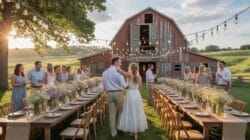
The shift happens when you reframe the treehouse venue not as an expense, but as the container for an experience you’ll reference for decades. A treehouse forces intimacy. Fewer guests fit. The setting is inherently memorable because it breaks the hotel ballroom script people forget within a year. Your actual cost per retained memory drops when the venue does half the storytelling work for you.
Debt Versus Intentional Spend
Everyone knows you shouldn’t go into debt for a wedding. Conventional advice stops there and misses the real trap. The trap isn’t the amount you spend, it’s spending money on things you can’t articulate why you wanted. You end up financing decisions someone else made—a florist’s recommendation, a vendor’s package deal, social pressure disguised as tradition. That’s where regret lives.
A treehouse venue on a budget forces clarity because the setting limits what actually works. You can’t hide behind excess. You make five decisions instead of fifty. You buy things because they function or matter, not because they fill space. Track every expense against one question: would we be disappointed if we skipped this? If the answer is no, you found a regret waiting to happen. Skip it now instead of carrying the financial reminder for five years.
The Only Constraint On Your Treehouse Wedding Isn’t Money, It’s Imagination
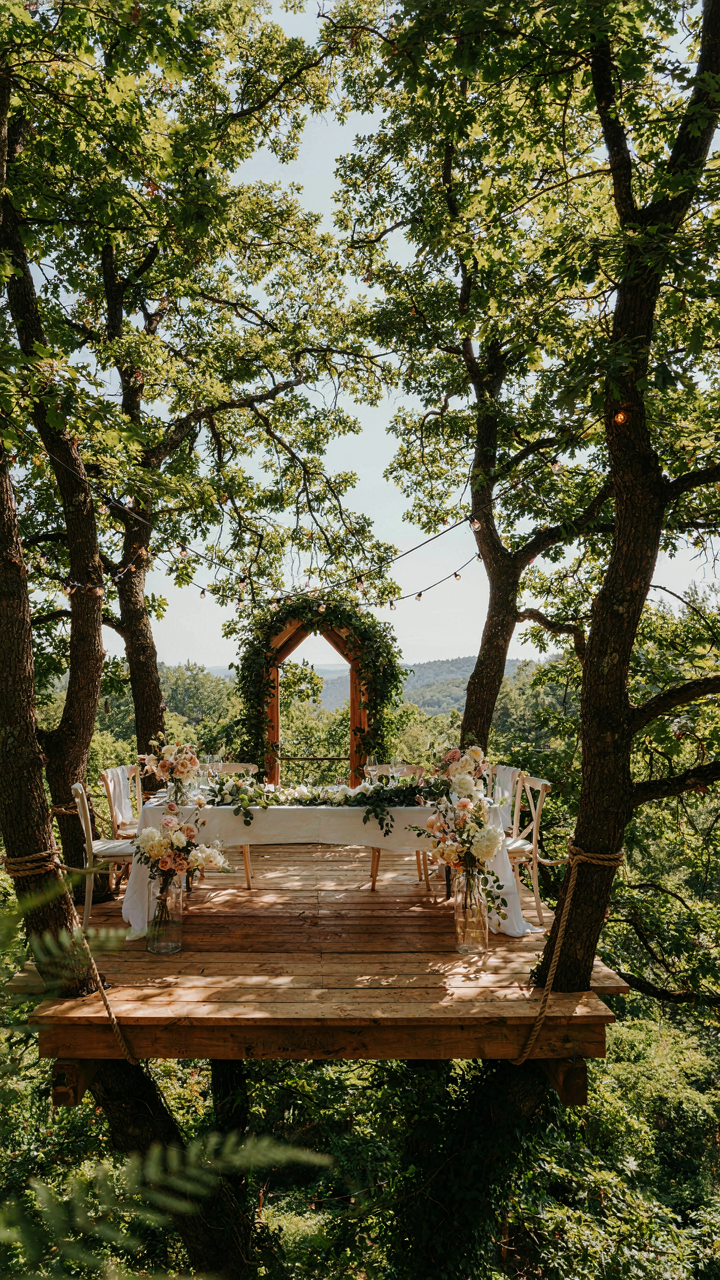
Most couples kill their treehouse wedding before it starts by asking “how much will this cost?” That’s the wrong question. Ask instead “what experience do I actually want to create?” Money follows clarity. The couples who build unforgettable treehouse weddings cheap aren’t the ones negotiating vendor fees. They’re the ones who stopped copying Pinterest boards and started building something only they could build. Stop scrolling today and sketch one thing about your wedding that nobody else would think to do. Your budget doesn’t limit you. Your willingness to be different does.