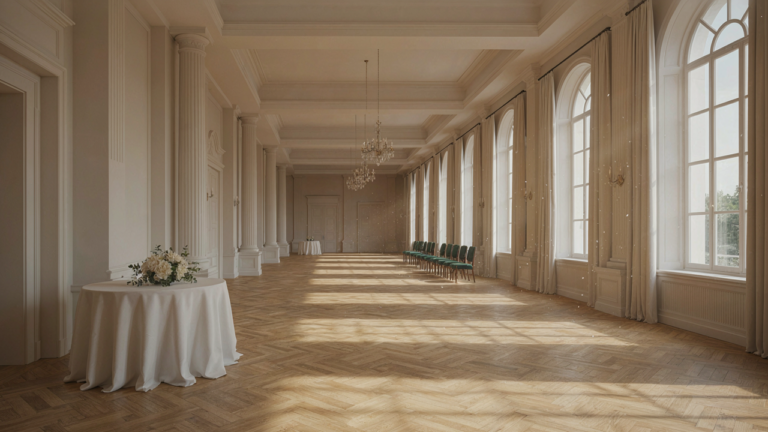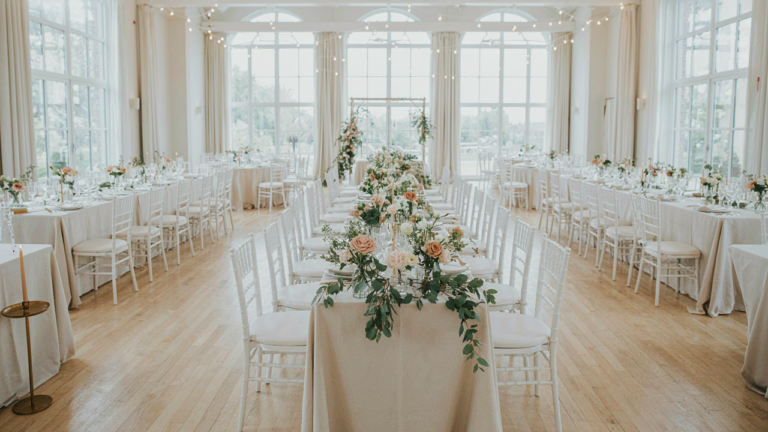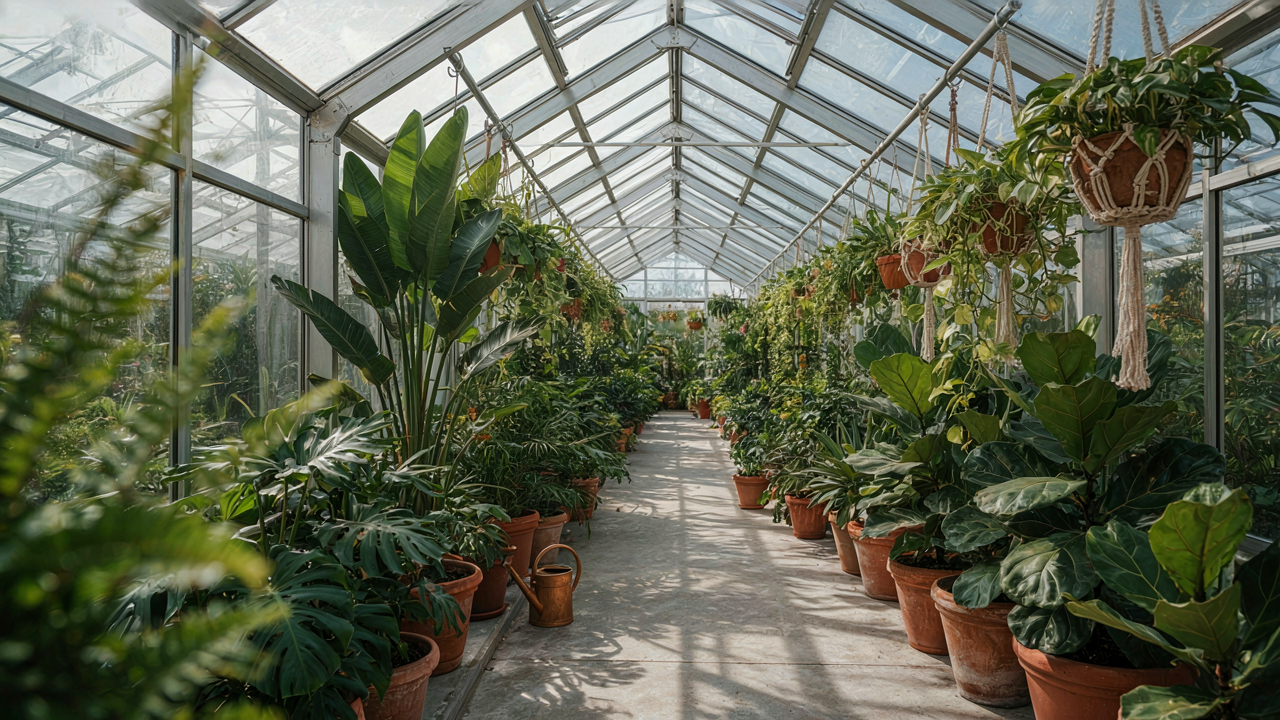
The Illusion Of Affordable Glass Greenhouse Wedding Venues
Why Glass Spaces Command Premium Pricing
You want to feel like you’re getting a deal. That’s the real reason you’re reading this. But greenhouse venues don’t charge more because glass is trendy. They charge more because glass creates operational complexity that traditional venues don’t face.
Glass structures require climate control to function in most regions. Temperature regulation, humidity management, and condensation prevention demand active systems running throughout your event. A standard ballroom sits inside a building already engineered for these conditions. A greenhouse forces the venue to solve these problems independently, and that cost gets passed to you as a line item labeled “elegant and unique.”
The Real Cost Structure Hidden In Packages
Most venue packages quote you a base rate, then layer on charges you don’t see until contract review. Rental cost covers the structure. Climate control is separate. Lighting upgrades are separate because glass requires different fixtures to avoid glare and shadow problems. Flooring protection is separate because your heels or the caterer’s carts will damage the ground. Heating or cooling overages bill at premium rates if your guest count exceeds estimates.
The mechanism here is economic disaggregation. Venues break costs into fragments so the headline number stays low. Ask a venue for the all-in cost per guest including climate, lighting, flooring, and service charges. Most can’t answer without consulting three departments. If they hesitate, that hesitation is the signal that the “affordable” greenhouse wedding will cost fifteen to thirty percent more than the quoted base rate.
The “DIY Greenhouse Wedding” Trap: When Less Isn’t More
Renting A Structure Costs More Than You Think
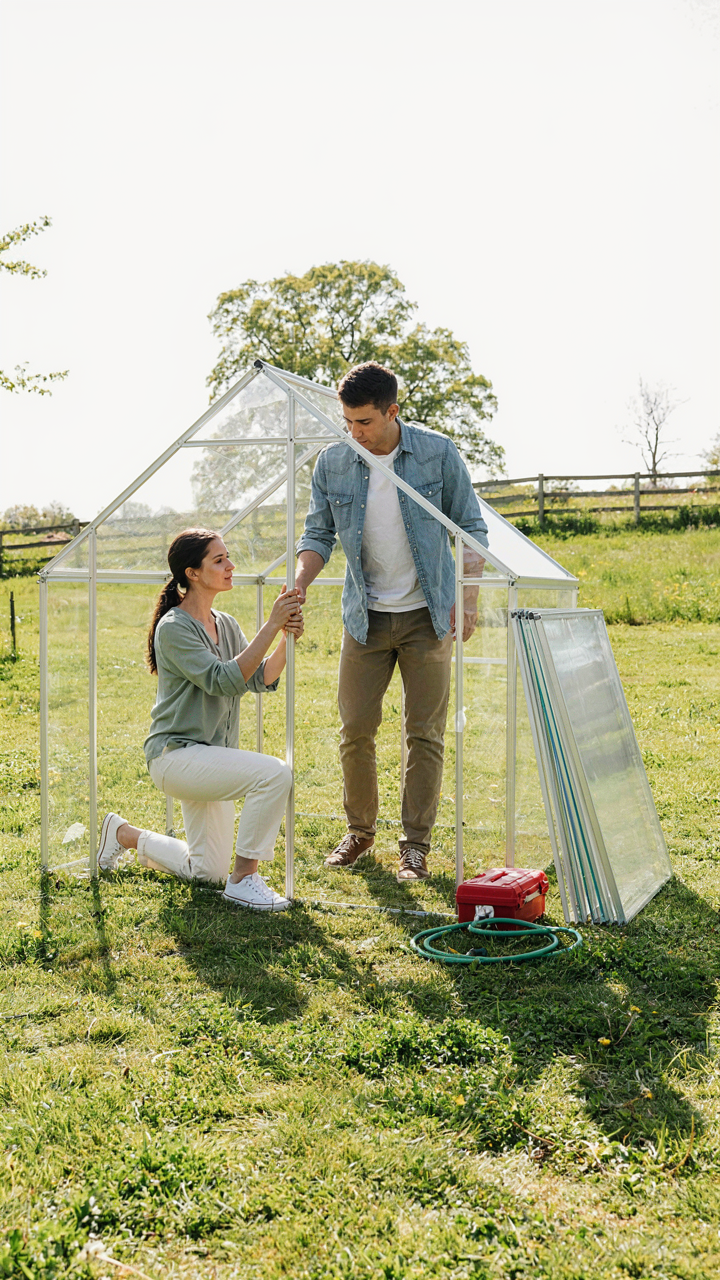
You’re drawn to this section because you believe you’ll outsmart the system by sourcing your own temporary greenhouse instead of booking an established venue. You won’t. Temporary greenhouse structures operate under supply chain economics: rental companies buy in bulk at scale, you buy at retail one unit at a time. A 40-by-60-foot temporary greenhouse rental runs 3,000 to 6,000 dollars for a weekend. That’s before delivery, which adds 500 to 1,500 dollars depending on distance. Most couples discover too late that “budget” rentals exclude climate control, flooring, electrical hookups, and structural reinforcement for wind load.
The math doesn’t favor DIY sourcing because you’re competing against established rental businesses with warehouse inventory and amortized equipment costs. When you add transparent panels, frame repairs, and contingency replacements, you’ve spent what an actual venue charges upfront. One overlooked expense: insurance. Temporary structures require event liability coverage that protects the landowner and your guests. That policy typically costs 500 to 1,500 dollars and won’t issue without proof of structural engineering certification. The venue already carries this. You have to buy it fresh.
Permits And Setup Create Hidden Friction
Most jurisdictions classify temporary greenhouses as structures, not tents, which triggers building permits instead of simple event permits. The difference matters operationally. A building permit requires site plans, engineering stamps, electrical inspections, and approval timelines that run 4 to 8 weeks. An event permit takes days. Your wedding isn’t 8 weeks away. County zoning departments often flag temporary greenhouses as temporary use violations if your land isn’t zoned commercial or agricultural. Residential property owners hit permitting walls they didn’t anticipate.
Setup logistics expose the real cost of self-sourcing. Assembly requires specialized crews familiar with greenhouse frame construction, not standard event setup teams. You’ll hire wrong once, pay for a second crew to fix mistakes, or delay your event. Foundation preparation demands level ground, drainage assessment, and sometimes concrete footers depending on soil conditions and local wind ratings. That’s soil work, equipment rental, and labor you budgeted zero dollars for. The venue handles this infrastructure invisibly. When you own the setup, you own every failure point.
Unconventional Greenhouse Wedding Venue Ideas: Beyond The Event Space
Botanical Gardens And Conservatories Off Peak
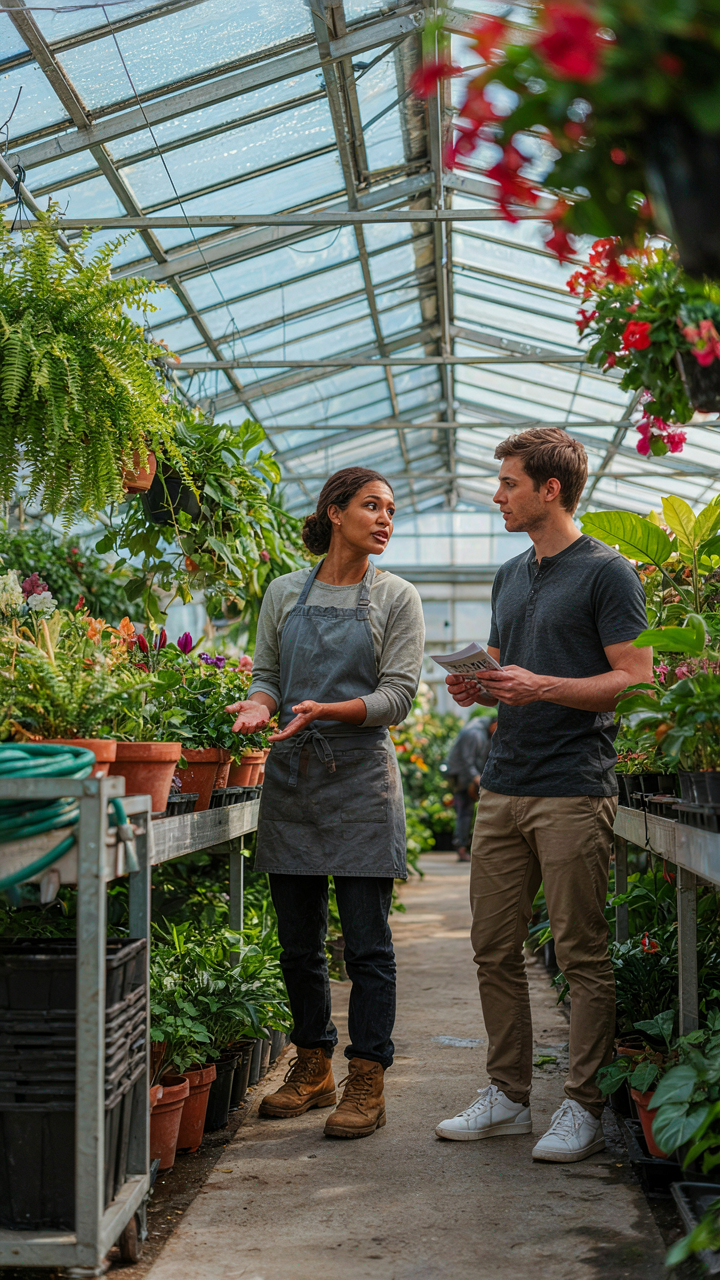
You want the prestige of an established venue without the wedding markup. That’s the real driver here, and it’s based on a sound principle: most botanical institutions operate on operational cost recovery, not profit maximization. They rent during off-peak hours because empty buildings generate zero revenue. A Tuesday in March costs half of a Saturday in June for identical space and infrastructure.

Most gardens and conservatories run on municipal or nonprofit budgets. They price rentals to cover maintenance, staff, and utilities—not to extract maximum margin like a commercial wedding venue does. Call the director of operations, not the events coordinator. Operations staff understand that consistent revenue beats occasional high-fee events. You’ll negotiate faster and lower because you’re solving their cash flow problem, not competing for their marquee dates.
Private Nurseries And Agricultural Greenhouses
Economics teaches us about opportunity cost—what a resource could earn in its next-best use. Agricultural greenhouses sit dormant or underutilized in winter and early spring. A private nursery owner rents you the space during dead season because your event generates income from something that would otherwise sit idle. The mechanism is simple: they gain revenue with zero operational conflict.
Contact working nurseries directly rather than through event listing sites. Owners operate thin margins and have zero interest in broker fees. Propose an off-season date and you move from being a cost to being cash. They control the space, the setup, and the cleanup rules—meaning you negotiate terms, not pricing. The greenhouse stays as-is: plants, work benches, soil smell intact. That’s either your aesthetic or it isn’t, but it determines your actual cost and authenticity.
The Greenhouse Event Arbitrage: Leveraging Existing Infrastructure
Parks With Historic Greenhouses And Public Spaces
You want the prestige of a greenhouse without the premium price tag. The mechanism is simple: municipal parks already own the structure and grounds. Your cost drops because you’re renting use rights, not financing construction or maintenance infrastructure that sits empty eleven months a year.
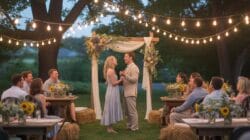
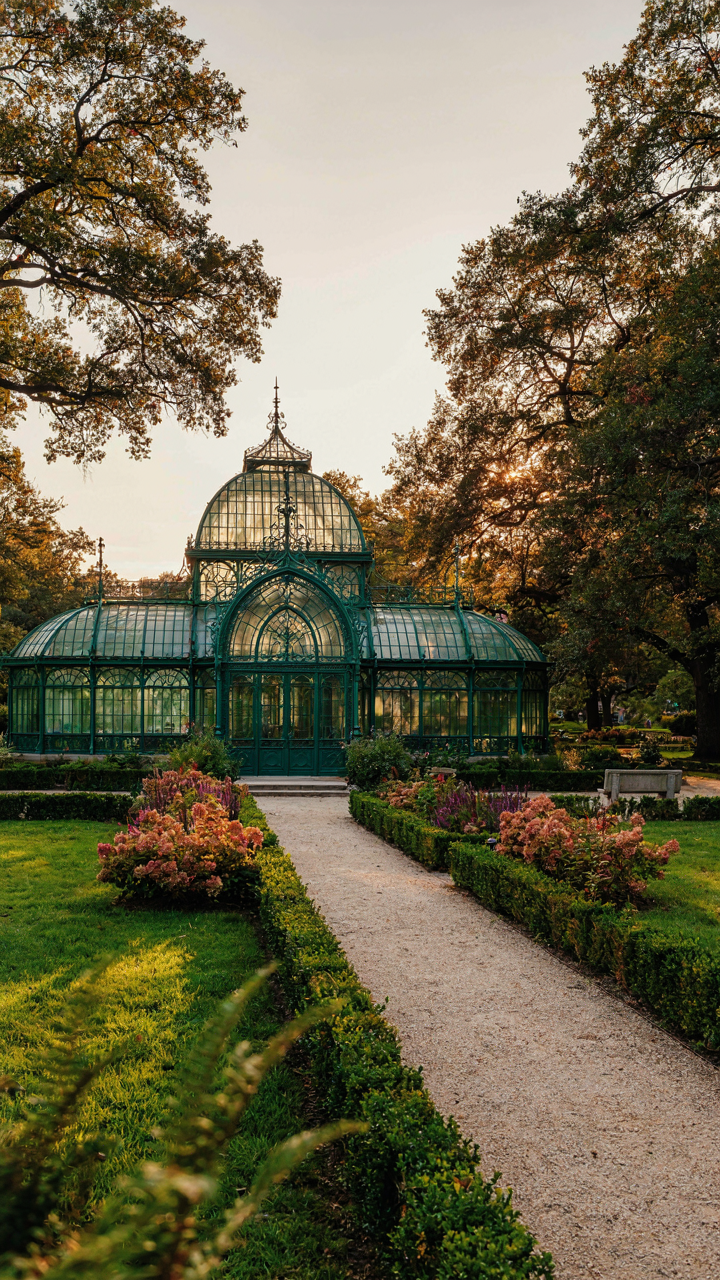
Historic greenhouses in public parks were built decades ago with public funding. Most operate at operational loss and actively seek revenue through events. Contact the parks department directly, not an events coordinator. The person managing the greenhouse budget has authority to negotiate. Rental rates typically run 40 to 60 percent lower than private venues because the municipality absorbs the real estate and climate control costs.
College Campuses And University Arboretums
Universities operate botanical collections the same way parks do: as sunk costs seeking utilization. This is basic economics of fixed assets. A university greenhouse holds value only when occupied. Your wedding fills dead calendar space and generates revenue that justifies the arboretum’s annual operating budget to administration.
Contact the university’s events or facilities office, not the biology department. Most universities require liability insurance and a signed agreement, but rates stay accessible because the institution prioritizes throughput over per-event margin. Weekend availability fills faster than weekday slots. Book twelve to eighteen months ahead for peak season. The real negotiation lever is flexibility: accept an off-peak date and watch the price compress by half.
The Permaculture Wedding Protocol: Maximize Output, Minimize Input
Stacking Functions Into Every Element
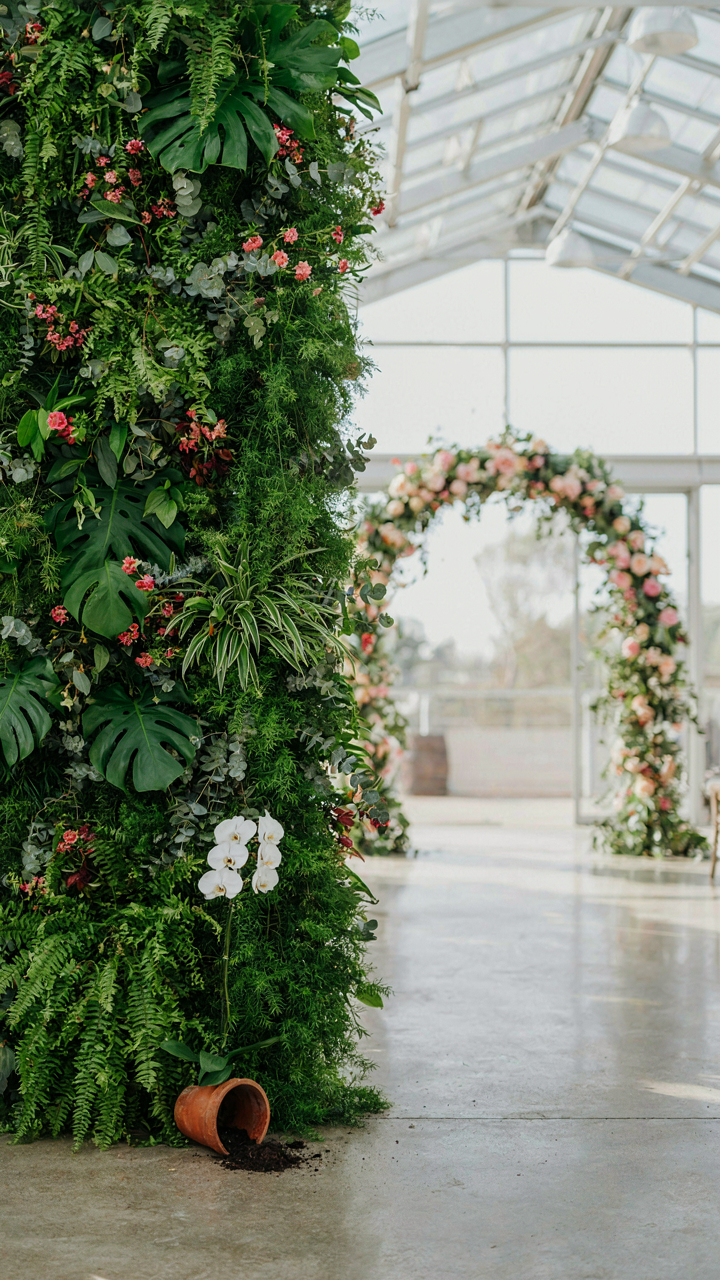
You want permission to spend less without feeling like you’re cutting corners. That’s the real thing here. Permaculture is an agricultural design system built on one core principle: each element performs multiple functions simultaneously. A pond stores water, regulates temperature, attracts wildlife, and provides food. Apply this to your greenhouse venue. Stop treating decor, catering, and guest flow as separate line items. They’re one integrated system where every dollar works twice.

The common advice is to “go minimal” or “DIY everything.” That’s incomplete. Minimal still costs money. DIY burns time you don’t have. The real move is coupling. Your entrance greenery becomes table centerpieces becomes ceremony backdrop becomes exit gift material. Your caterer’s serving stations become architectural focal points. Your lighting rig doubles as evening decor and ceremony infrastructure.
- Living walls as dividers and decor: One vertical garden section screens the kitchen while functioning as the visual anchor for photos. Costs drop when one structure serves ceremony, catering, and aesthetics simultaneously.
- Potted specimen plants as place cards: Each guest table gets a heritage plant they take home. The plants stage the venue before the event and leave as favors. One expense, three functions.
- Greenhouse shelving as bar and display: Use existing structure. Stock bottles on open shelving that guests see during cocktail hour and throughout dinner. The architecture becomes the bar.
- Harvest baskets as centerpieces and takeaway containers: Fill them with seasonal produce or baked goods. They sit on tables, then guests leave with something tangible. Decor transitions to gift.
- String lighting that frames ceremony and dances: Run once overhead. It defines the ceremony space, then bathes the dance floor at night. One installation, two events, one cost.
The mechanism is simple: identify what you’re already building or buying, then engineer it to perform a second function before the event ends. This isn’t scarcity thinking. It’s design efficiency. When you stop treating elements as standalone expenses, your per-guest spend compresses without anyone noticing the difference.
Guest Experience As Output, Not Overhead
The second mistake couples make is treating guest experience as a line item that compresses when the budget shrinks. It’s not. Guest experience is yield. In permaculture, yield is output. Your greenhouse wedding’s yield isn’t just photos or memories. It’s the story guests tell, the referrals you generate, the social proof that shapes your future income or reputation. Treat it that way and spending becomes strategic rather than wasteful.
Every dollar you spend on guest comfort generates returns you can track: word-of-mouth referrals, social media posts, testimonials. A $3 per-person upgrade to premium coffee doesn’t feel like an expense when it generates ten comments about hospitality. The cheap catering saves money today and costs you reputation. Flip the math. Spend where guests notice and feel it. Spend less where they don’t. A greenhouse saves money on venue rental, so redirect that margin toward the two things guests remember: food quality and how they felt during transitions. That’s the actual protocol: reallocate, don’t reduce.
Budget For Green House Wedding: The “Scarcity Mindset” Fallacy

The Greenhouse Solves What Money Cannot
You’re worried that a smaller budget signals you lack taste or status. That’s the real tension. But here’s the mechanism: a greenhouse venue forces constraint, and constraint breeds specificity. In economics, scarcity doesn’t create poverty—it creates focus. A greenhouse already owns the visual weight. Your job isn’t to add more. It’s to subtract noise. The raw structure, the light, the plants, the glass—these do the heavy lifting. This is the opposite of a blank ballroom where couples panic and overspend to fill dead space.
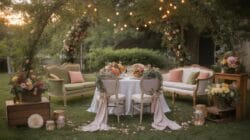
The venue becomes your design partner instead of your blank canvas liability. You stop competing with marble and crystal because neither exists. The greenhouse has material authority you cannot buy. You work inside what’s already there rather than against an empty room demanding justification for every choice. This shift cuts spending by eliminating the need for decor inflation—the unconscious assumption that more visual elements equal more polish. It doesn’t. Restraint reads as intention.
Experience Density Over Object Accumulation
Most couples default to material spending because they confuse “more” with “memorable.” Wrong equation. A guest remembers the moment they sat under glass during sunset, watched condensation form on the panes, felt the temperature shift. They don’t remember centerpiece cost. They remember what they felt and what happened. A greenhouse wedding prioritizes the environment as the experience itself, not as backdrop for rental inventory.
Cut the excessive florals. Cut the layered linens. Cut the favor pile. Instead, spend money on the single moment that matters: the light, the sound system for actual music quality, the food that tastes like something. Redirect the decor budget into one high-impact element—string lights if it’s night, nothing at all if the venue already has structure. A guest experiences a two-hour event. Your spending should track what they actually perceive during those hours, not what looks complete in a floorplan document.
The Minimalist Greenhouse Wedding Aesthetic: Less Clutter, More Impact
Natural Light And Living Walls
You want to look sophisticated on a budget, and you think that means filling space with stuff. It doesn’t. The real mechanism here is constraint, borrowed from design economics: scarcity forces intention. Every element must justify its existence or it costs you money and attention you don’t have.

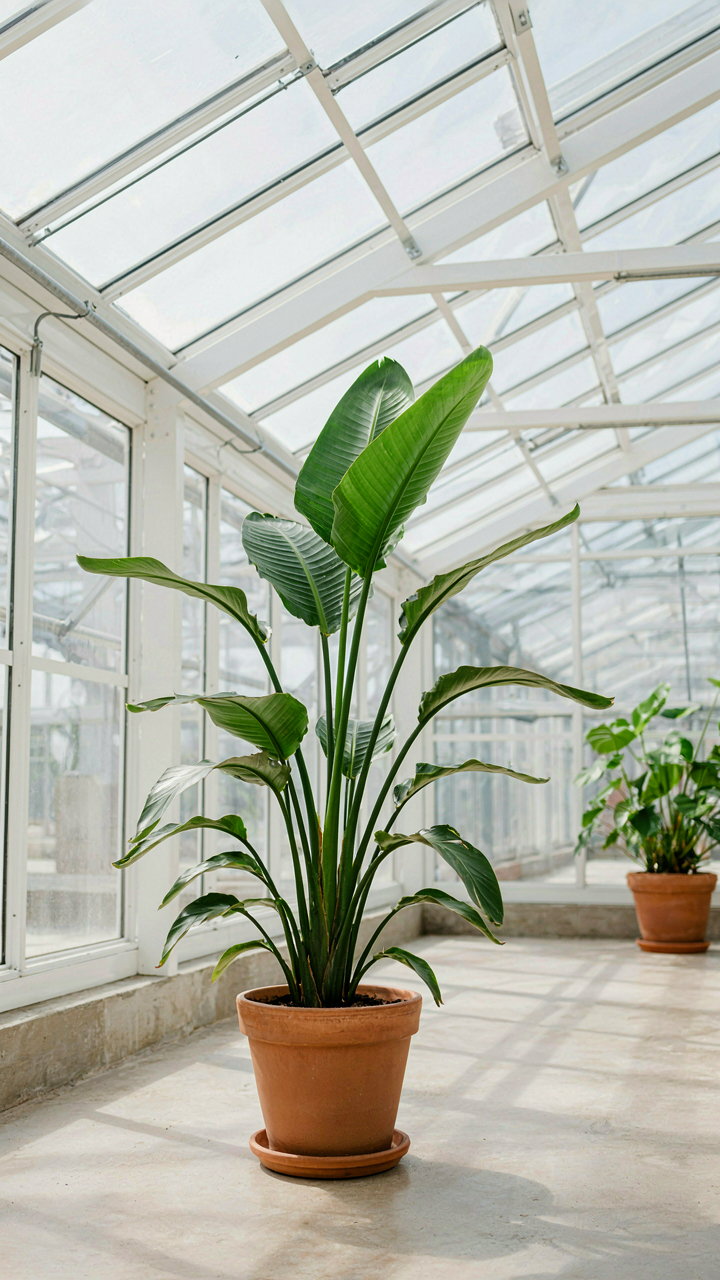
A greenhouse already supplies what most venues force you to rent. Daylight enters constantly through glass walls and roof panels. The plants themselves become your primary visual texture. Vines climbing trellises, potted specimens at varying heights, soil tones, leaf shapes, and seasonal color shifts do the decorative work for free. You stop paying florists to create what’s already there.
The practical move is mapping your ceremony and reception zones around existing plant groupings. Position your altar where morning or afternoon light hits plants behind it, creating backlighting. Seat guests near walls where greenery frames them. This isn’t about romance. It’s about reducing what you must purchase because the venue structure already contains visual interest.
Negative Space And Anchor Pieces
The common advice says fill every gap with details. Wrong. Minimalism in greenhouse venues works because emptiness makes focal points visible. One statement piece anchors a room more effectively than ten mediocre decorations competing for attention.
Choose one primary element per zone: a single statement table, a meaningful arch, a curated seating arrangement. Everything else recedes. This approach cuts through the noise of competing visual information. Your eye lands where you designed it to land, not scattered across ten different decorative attempts. The mechanism is cognitive load. Fewer elements means faster processing, which reads as “elegant” to your guests.
Place your anchor piece where natural light hits it directly or where sightlines converge. Ensure at least fifty percent of the visible space around it remains open. Run a walk-through test: stand where guests enter, then stand at key positions throughout the space. If your eye finds the piece immediately without confusion, you’ve calibrated spacing correctly. This determines whether minimalism reads as intentional or incomplete.

Navigating Greenhouse Wedding Reception Logistics Like A Commander

Scout The Space Before You Commit Money
You’re worried about looking stupid in front of your guests, so you’re hoping the venue coordinator handles the hard parts. They won’t. Borrow the military concept of reconnaissance: you need to walk the actual greenhouse multiple times at different times of day, mapping entry points, bottlenecks, and load-bearing walls before signing anything. Venues show you the best angle. You need the worst one.
Walk the path your guests take from parking to entrance. Note where the ground slopes, where doors narrow, where sunlight creates glare on glass. Time how long it takes to move fifty people through each doorway. Measure ceiling height where you’ll place rentals. Ask the coordinator which structural columns cannot support hanging flowers or lighting rigs. This reconnaissance phase saves thousands in last-minute rentals or reveals the venue cannot handle your actual headcount.
Build The Backup Plan Before The Forecast Matters
Weather contingency isn’t about being pessimistic. It’s about recognizing that glass structures amplify temperature swings and that rain on a greenhouse roof creates deafening noise during your ceremony. Contract language matters here. Your venue agreement must specify: what happens if temperatures exceed eighty-five degrees, whether the greenhouse has HVAC capacity for your guest count, and who pays for external tent rental if the structure proves uninhabitable on your date.
Test the backup logistics sixty days before the wedding. If you’re renting a tent for overflow or contingency, verify it fits on the property without blocking exits or damaging landscaping. Know exactly which vendors can deploy equipment on short notice and lock that availability in writing. The mechanism is simple: you don’t prepare for weather when it arrives. You prepare by knowing what you’ll do before the forecast turns bad.
The Vendor Vetting System: Avoiding Budget Black Holes
Vendors Who Actually Work Within Constraints
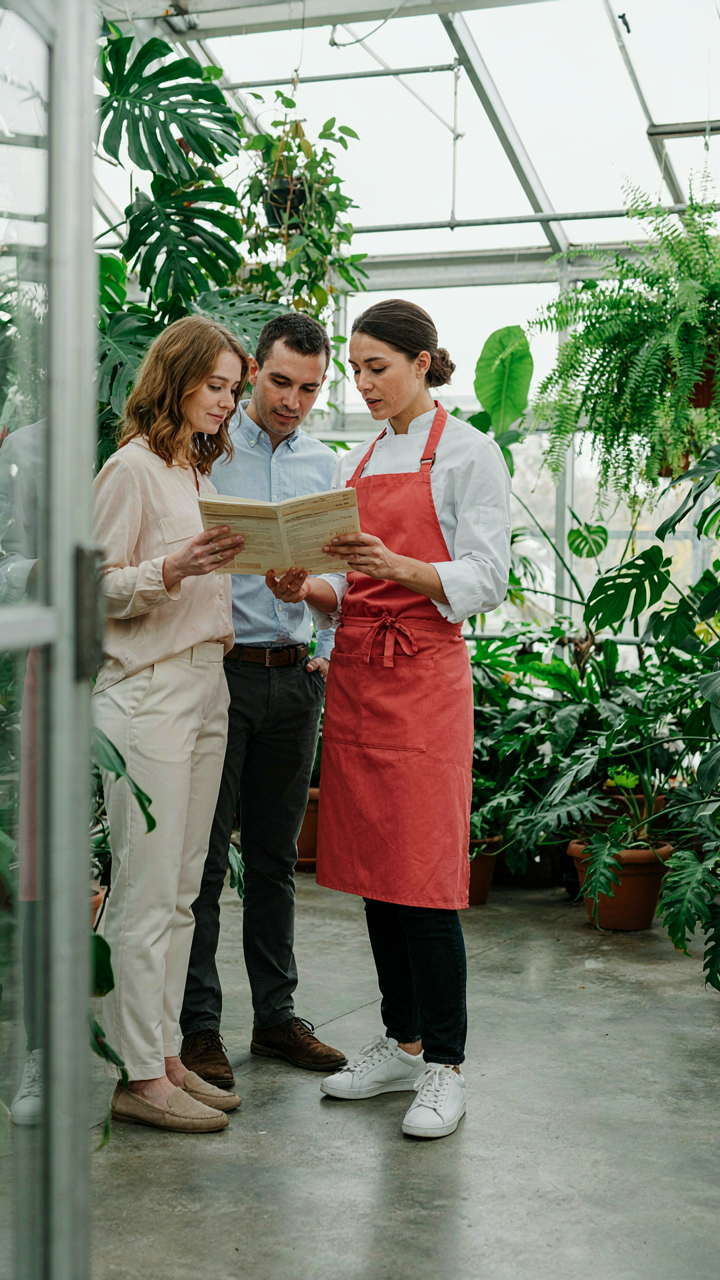
You’re afraid you’ll hire someone who’ll smile and nod at your budget, then invoice you for double. That’s the real fear. The mechanism is simple: most vendors quote high, assume negotiation, and structure pricing to hide where money goes. Find vendors who lead with budget, not with their portfolio.
Ask vendors directly: “What can you deliver for X dollars?” not “How much do you charge?” Vendors accustomed to budget weddings have pre-built packages and fixed costs. They don’t need to custom-scope your event. They’ve run the numbers a hundred times. A florist who works greenhouse venues regularly knows exactly what arrangements fit the space and price point. A caterer familiar with the venue’s kitchen already knows the constraints.
Package Deals Versus Line Item Pricing
Economics calls this “bundling versus unbundling”—and in greenhouse venues, bundling saves money because you eliminate negotiation friction at every step. A bundled package means the vendor absorbs the risk of cost overruns. With itemized pricing, each addition becomes a separate decision point where you hemorrhage budget.
- All-inclusive catering package: Fixed per-head cost covers food, service staff, linens, rentals. Simpler than building a menu line by line.
- Photography tiering: Photographer offers 4, 6, or 8 hours at set rates rather than hourly billing that creeps upward in real time.
- Florals by room: Designer quotes arrangements for ceremony, centerpieces, and installation as one block instead of charging per arrangement.
- Audio and lighting bundles: A/V company provides ceremony sound and ambient lighting together at a fixed rate, not as separate line items.
- Rentals with delivery: Tent, tables, chairs priced as one package from the same vendor eliminates middleman markup and coordination chaos.
Itemized costs feel transparent. They’re not. They’re a trap. When you price flowers stem by stem, you get ten separate conversations. Package deals force a vendor to own their profit margin upfront. Request three quotes in bundle format, then compare apples to apples. Do not ask for itemized breakdowns—you’ll spend weeks negotiating details that don’t matter. The vendor with the lowest bundle price at your venue capacity wins.
Greenhouse Wedding Ideas: From Pinterest Board To Profit
Turn Your Constraints Into Revenue
You want people to remember your wedding and think you’re resourceful, not broke. Here’s what actually happens: couples with tight budgets who commit to one distinctive element end up with better venues and lower total costs than those chasing generic elegance. Economics calls this “comparative advantage”—you win by dominating one narrow category instead of competing across all categories. A greenhouse wedding forces this naturally because the structure itself is the statement. You’re not fighting it. You’re leveraging it.
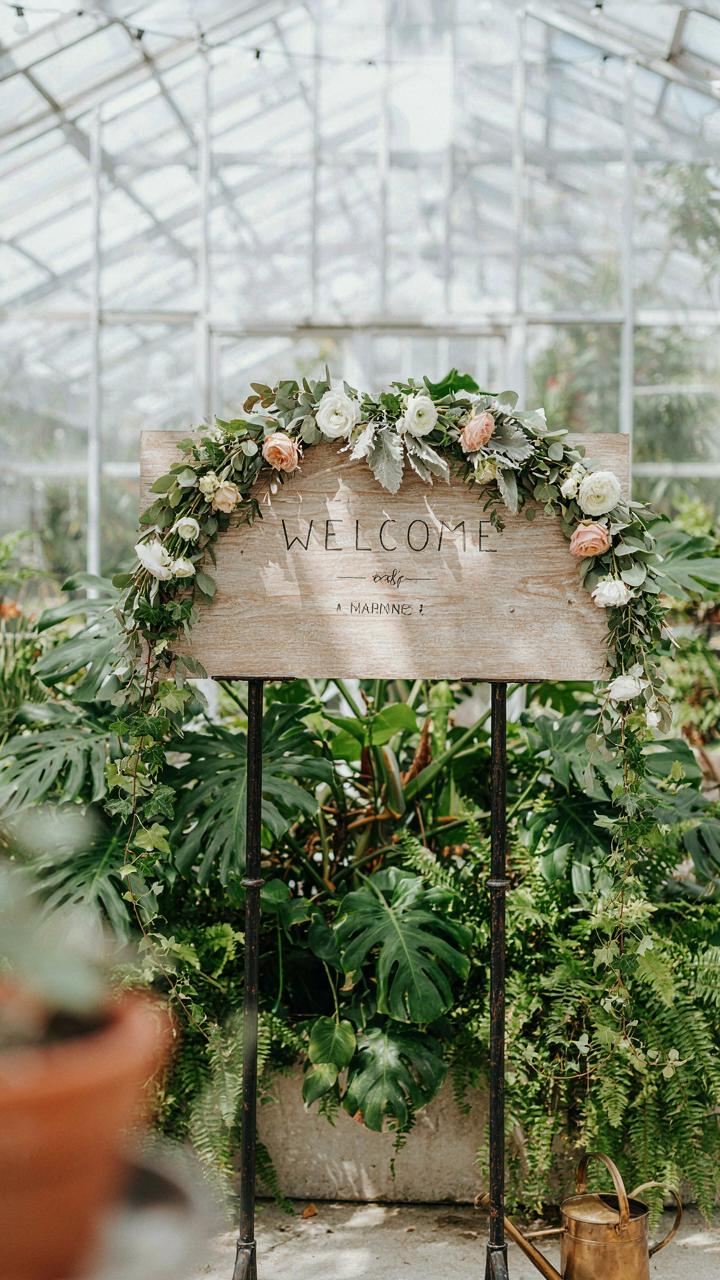
The mechanism is straightforward. Identify what you already have access to or what you can produce cheaply. A family member who gardens? Your unique plant arrangement becomes the centerpiece instead of renting florals. A friend who does woodworking? Custom signage or seating installations beat mass-produced decor every time. The venue itself becomes lower friction to secure because you’re not asking for everything. You’re asking for the bones. The greenhouse owner sees someone who understands their asset and wants to highlight it rather than obscure it. Your budget stays low because you’re not paying for solutions to problems the venue already solves.
The Economics Of Being Unforgettable
People underestimate what authentic memories are worth in the long run. A standard hotel ballroom wedding costs the same as a greenhouse wedding with deliberate choices, but only one of those gets referenced in conversations three years later. That’s not sentimentality. That’s utility. When your guests talk about your wedding to their friends, the greenhouse detail travels with it. The reputation value compounds because unique venues generate word-of-mouth that generic ones cannot.
The real mechanism here is simple: people remember experiences that deviate from the expected pattern. Your guests know what typical weddings look like. A greenhouse breaks that pattern without requiring you to overspend. The cost efficiency plus the distinctiveness creates a multiplier effect on perceived value. What you actually spent becomes irrelevant the moment someone describes the venue to someone else. Document the specific details that made it yours—the plants you chose, the lighting you installed, the way you used the glass structure itself. That documentation becomes the artifact your guests share. Your investment gets leveraged through repetition.
The Only Thing Holding Back Your Unique Greenhouse Wedding Is A Lack Of Imagination

Most couples treat their greenhouse wedding like a paint-by-numbers project. They Google “affordable venue” and pick the first option. You won’t. Today, call three greenhouses in your area and ask one specific question: what do you let couples bring in themselves? That single constraint removes every generic wedding you’ve ever seen. Your budget doesn’t limit you. Your willingness to think differently does.