The Industrial Wedding Venue Myth: Cost Vs. Value
Bare Bones Means Cheap: A False Economy
You want to believe an empty warehouse costs less because it looks like nothing. That’s the fear talking—fear that you’ll overspend on decoration, so you convince yourself that stripping everything away solves the problem. It doesn’t. Economics calls this “sunk cost fallacy,” but for venues it works backward: you inherit the structure’s deficits, not its assets. A raw concrete box forces you to build everything from scratch—lighting, climate control, tables, sound, flooring protection. You end up spending more to compensate.
The real mechanism is simple. A bare warehouse shifts labor and material costs from the venue operator to you. The operator already paid to acquire and maintain the space. They’re passing that ongoing expense onto your event budget disguised as “affordable.” You’re not saving money on an empty room. You’re taking on the contractor’s role without contractor pricing power. Every element you add costs retail, not wholesale. That’s where the budget disappears.
Leveraging Existing Structure For Aesthetic Gain
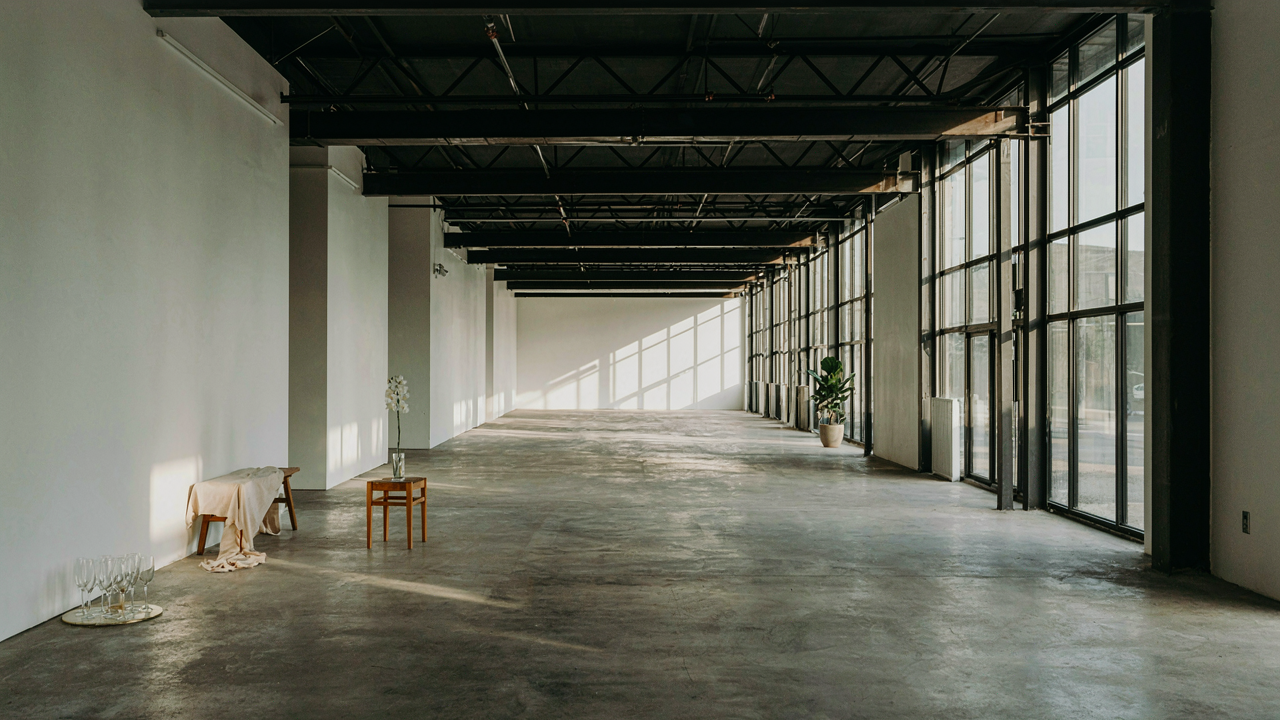
A warehouse’s bones are free assets if you know how to read them. Exposed brick, timber trusses, concrete columns, and industrial HVAC are not flaws to hide—they’re design elements already paid for by someone else. The best budget strategy isn’t minimalism. It’s constraint-based design: working within what’s already there instead of against it. This shifts your spending from “build everything” to “enhance strategically.”
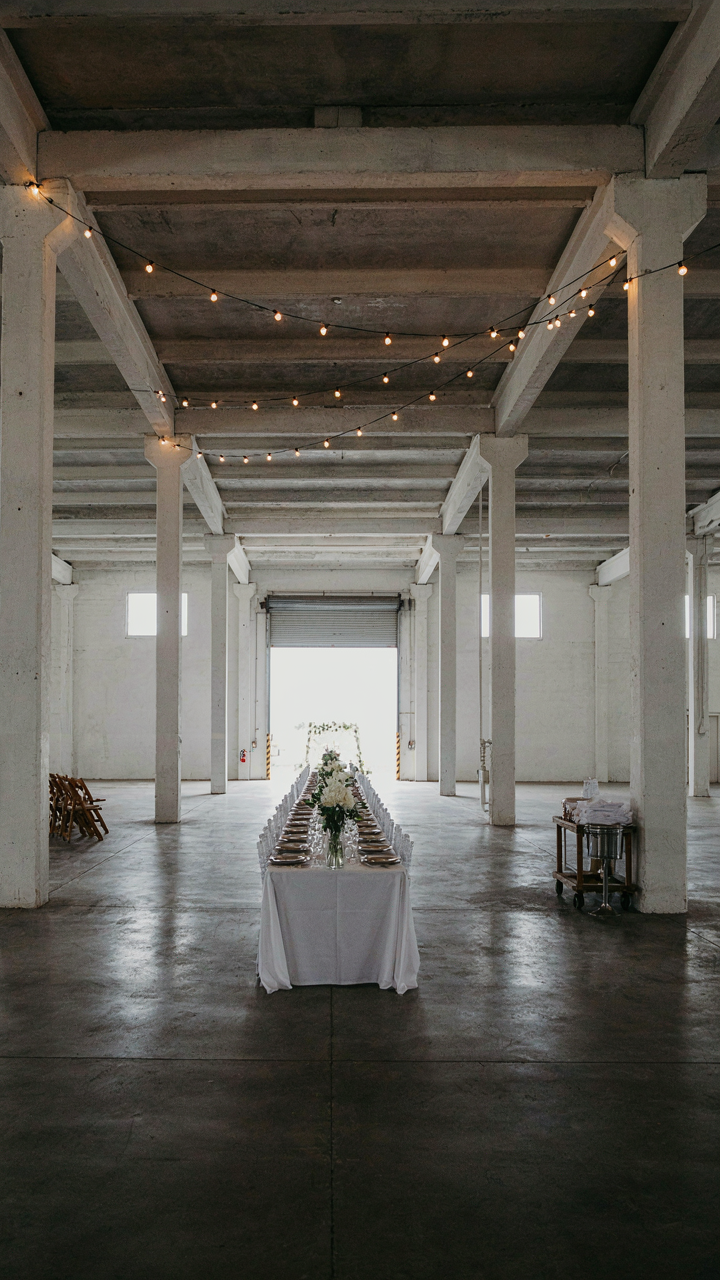
Load-bearing columns become focal points instead of obstacles. Unfinished concrete becomes a neutral backdrop instead of a liability. Existing ceiling height and span dictate how you arrange tables and lighting without adding structure. The venues that look best on moderate budgets aren’t the ones that do the least. They’re the ones that do the most with the existing shell. Your job is identifying which structural elements read as intentional design, then building your decor around them rather than despite them. This is how you avoid the trap of spending double to bury what should be celebrated.
Beyond “Cheap Wedding Venues UK”: The Scarcity Principle

Why Unconventional Spaces Cost Less
You want the venue to feel rare without paying rare prices. Here’s what actually happens: economics calls this inverse demand. When a warehouse sits outside the wedding venue ecosystem, it has zero competing bids. The owner doesn’t know the market rate. They priced it for storage rental or light industrial use, not events. That gap between what they think it’s worth and what couples will pay is where budget happens.

Most couples search “affordable wedding venues” and land on the same ten Instagram-famous barns and lofts. Those places raise prices yearly because demand compounds. A genuine warehouse, still dark on Google Maps, carries none of that pressure. The owner hasn’t hired a wedding coordinator or built a brand. They just want consistent revenue from their asset. You move in, add lighting and flowers, move out. They’re indifferent to the wedding market because they were never in it.
Limited Availability Locks In Your Advantage
Exclusivity doesn’t require fame. It requires low inventory relative to demand. A converted warehouse with one available Saturday in October feels scarce because it genuinely is. The owner operates one space, not a portfolio. They can’t double-book or shuffle dates. That constraint forces commitment from you and protects their margins from negotiation.
This is why early booking works on budget venues that most people never find. You call in July. They need the revenue. October’s open. You negotiate the price down ten percent because they’d rather confirm now than chase bookings later. By August, that October date fills with another couple at full rate. You got the scarcity benefit by moving when the owner’s calendar was still thin. The mechanism isn’t charm. It’s calendar pressure and limited supply.
The Anti Decorator Method For Warehouse Venue Design

Stop Fighting The Space You Rented
You’re afraid the raw warehouse will look cheap. That’s the real problem here. The mechanism is simple: most couples hire decorators to mask the venue, which costs money linearly tied to square footage. A warehouse with 10,000 square feet demands triple the florals, uplighting, and fabric draping of a 3,000 square foot ballroom. You’re paying to cover something instead of leveraging what’s already there.

The warehouse exists for a reason. Concrete, steel beams, and high ceilings cost the owner thousands to maintain and insure. Your job is to frame these elements as design, not hide them. This flips the budget dynamic entirely. You stop spending money to erase; you start spending money to highlight. The beam becomes a focal point. The concrete becomes intentional.
Raw Materials Do The Work For You
Industrial design borrowed from factory aesthetics teaches us about visual weight: the principle of how much visual attention an object demands based on its material properties. In warehouse venue budgeting, raw materials create visual weight without labor or markup. Exposed brick, steel columns, and polished concrete require zero installation and cost nothing extra beyond what you’re already renting.
Start with what exists and add one material accent layer instead of five. String market lights across the ceiling. Use the concrete floor as-is with scattered area rugs. Let the brick wall stand alone with minimal table placement in front of it. Rent simple wooden tables and metal chairs—materials that complement rather than compete with the structure. The strategy here is restraint. One strong visual story beats ten competing decoration narratives every time.
Warehouse Wedding Venue Ideas: The “Adapt & Conquer” Protocol
Work With Existing Bones, Not Against Them
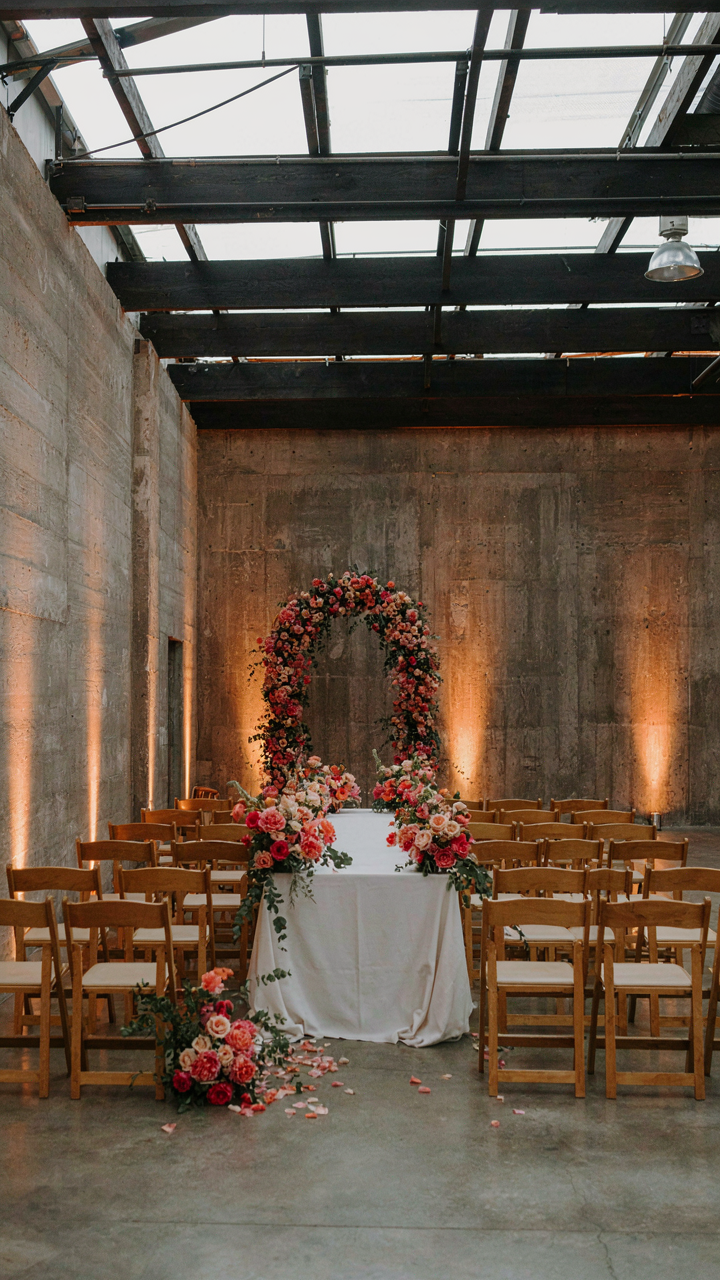
You want your warehouse to look intentional, not like you’re hiding flaws. The real mechanism here is constraint economics: you don’t fight the space’s industrial DNA, you build your design inside it. Exposed brick, concrete, steel beams, and high ceilings are assets most venues charge extra for. Stop treating them as obstacles to cover. The venue’s permanent structure becomes your design foundation, not your problem to solve.

A warehouse’s load-bearing walls, column placement, and ceiling height dictate where guests flow, where you position the ceremony, and where decor anchors land. Map these fixed elements first. Then layer your aesthetic into the existing geometry instead of trying to erase it. This approach cuts setup costs because you’re not renting false walls, draping systems, or heavy concealment. You’re working with physics already in the room.
Lighting Rewires The Entire Space
Most wedding budgets treat lighting as decoration. It’s not. Lighting is architectural. From a physics standpoint, light changes wavelength and temperature to shift how materials read to the human eye—the same concrete wall looks cold at 5000K and warm at 2700K. Your warehouse doesn’t change. The perception does.
A single strategic lighting design—layered uplighting on walls, overhead washes on the ceiling, and accent lighting on key zones—reframes the entire venue for a fraction of what florals or fabric draping costs. Rent or buy affordable LED fixtures and position them to erase visual dead zones while amplifying the structure’s best features. This is the highest-ROI design decision in warehouse weddings: light does the heavy lifting before a single flower arrives.
Curating An Alternative Wedding Venue Experience

Hire Vendors Who Understand Raw Space
You want to feel like you discovered something special, not like you settled. That’s the real driver here. The mechanism is simple: most vendors optimize for polished ballrooms, not concrete and exposed brick. They’ll treat your warehouse like a problem to solve instead of a canvas to work with.

Find caterers, florists, and lighting designers who have portfolio work in industrial spaces. They understand load-bearing constraints, electrical limitations, and how materials actually behave against concrete. Ask directly: “What weddings have you done in unfinished spaces?” If they hesitate, move on. The right vendor sees warehouse bones as an asset, not a liability.
Create Moments Over Monuments
The common advice is to layer decor to hide the space. That’s backwards. Warehouses don’t need hiding. They need strategic interruption. Borrow from retail design the concept of “high-traffic nodes”—places where guests naturally gather and linger. Plant your investment there, not in uniform decoration everywhere.
Set up a standout bar in one corner. Install a single statement lighting installation instead of general overhead fixtures. Use the raw walls as a backdrop for one memorable photo area. Guests interact more when they’re moving between distinct zones than when they’re seated in decorated uniformity. This approach cuts decor costs by forty percent while increasing actual guest memory of the event.
The Logistics Of A Low Cost Industrial Warehouse Wedding Venue

Flow Architecture Beats Decoration
You’re reading this section because you’re afraid you’ll miss something obvious and waste money anyway. The real mechanism is flow: how bodies, food, and attention move through space determines your actual cost, not the venue’s raw square footage.

Military logistics uses the concept of “distribution” to move resources from supply to consumption points with minimal friction. In warehouse weddings, distribution means your guest journey. A bad layout forces you to hire extra staff, rent duplicate equipment, and rent temporary walls to hide dead zones. You pay twice.
Map your guest path backward from the exit. Where do they enter? Where do they eat? Where do they dance? Each transition point either costs you money through inefficiency or saves it through elimination. A warehouse with bad sightlines between ceremony and reception means renting a second sound system. That’s not a design choice. That’s a budget leak.
Setup And Breakdown Windows
Most wedding guides treat setup and breakdown as logistics footnotes. They’re actually your leverage point for reducing venue rental hours and labor costs.
Negotiate a setup window that aligns with how a warehouse actually operates. If the venue hosts events Saturday nights, your Friday afternoon setup competes with their Monday-morning cleaning crew. Push your setup to Friday morning or Thursday evening when the space sits empty. You’ll negotiate a lower rate because you’re not displacing their revenue.
Breakdown timing reveals the real cost trap: venues quote you through Sunday morning, but your crew leaves Saturday night. You’re paying for time you don’t use. Build your contract around a hard 11 PM Saturday departure. Your caterer, rentals, and florist pack simultaneously in two hours instead of trickling out Sunday. One controlled event costs less than extended management.

DIY Vs. Delegated: The True Cost Of Industrial Wedding Venues

Know Your Actual Skill Ceiling
You want to believe you can save money by doing it yourself. The real issue is that you’ll spend weeks on tasks you’re mediocre at while the venue rental clock keeps running. This isn’t about confidence. It’s about opportunity cost. Economics calls this the principle of comparative advantage. You have it in some tasks, not others. In warehouse weddings, the concrete is unforgiving. A bad floor treatment or lighting setup doesn’t hide. It just looks bad in photos for a decade.
The mistake most couples make is confusing passion with competence. You might love design, but can you hang ten thousand lights without them sagging by hour three? Can you source raw materials at bulk rates? Do you know industrial unions have jurisdiction over certain venue spaces? Overestimating your skill doesn’t save money. It creates chaos at the venue two weeks before the event.
- Lighting design and rigging: Industrial spaces need strategic positioning to avoid harsh shadows and dark corners. Most DIY attempts leave large zones underlit or create weird color temperature mismatches.
- Flooring solutions: Concrete is cold and hard. Temporary dance floors, rugs, and treatments require weight distribution knowledge and equipment rentals that add up fast.
- Sound system installation: Warehouse acoustics demand proper speaker placement and wattage calculation. Wrong setup means dead zones or feedback loops throughout the ceremony.
- Structural decoration: Hanging elements from raw beams needs load calculations and safety anchoring. Building codes vary by jurisdiction and violation fines exceed what you’d pay a pro.
- Electrical and permits: Adding temporary power to industrial spaces often requires licensed electricians and venue approval. DIY attempts can violate fire codes and void your venue contract.
The second layer is time. If you spend thirty hours on something a professional finishes in eight, you’ve burned seventy-two dollars an hour in opportunity cost at even modest wage rates. Most couples in this budget bracket can’t absorb that math.
Delegate The Bottlenecks, Control The Story
You don’t need to outsource everything. You need to outsource the tasks that create cascading delays. The difference is brutal. A florist who misses deadlines or a sound engineer who doesn’t show up doesn’t just ruin one element. It cascades. The ceremony starts late. Setup takes longer. Staff gets stressed. Quality drops across everything else.

The real control mechanism isn’t doing more yourself. It’s choosing what you care about and paying for reliable execution on those specific things. Warehouses are blank canvases. That’s the asset. If you care about photography, lighting, or floral design, those deserve your budget. If you care about the ceremony experience, delegate catering and logistics to professionals who’ve done this in industrial spaces before. They know the venue’s quirks. You don’t yet.
The protocol is simple: write down every task. Mark it as either critical to your vision or supporting infrastructure. Outsource the infrastructure. For critical tasks, either do them yourself with real skill or hire the best person you can afford. The middle option, hiring someone cheap at something that matters, costs more in rework and stress than doing it right.
Maximizing Your Warehouse Wedding Venue Budget Through Negotiation

What Hidden Costs Actually Are
You want to negotiate because you’re afraid you’re leaving money on the table. That fear is correct. Most couples accept the venue’s first quote without understanding which costs are fixed and which are negotiable. Warehouses operate on thin margins, so owners build padding into catering minimums, setup fees, and hourly rates. They expect pushback on exactly two things: rental duration and guest count. Everything else stays buried in the contract until you ask specifically.
The mechanism here is information asymmetry. The venue knows their true cost structure. You don’t. They quote high knowing you’ll negotiate the obvious line items while overlooking the real leaks: excessive setup hours, mandatory staffing fees, or inflated damage deposits. Start by requesting an itemized breakdown before any conversation. Separate the venue rental from labor, insurance, and add-ons. This forces them to show their actual cost basis instead of hiding it under lump-sum pricing.
When Off Peak Timing Becomes Your Leverage
Friday and Saturday nights in peak season (May through October) command premium rates because demand is genuine. Sunday afternoons, off-season Saturdays, and weekday evenings are inventory the venue cannot resell once the date passes. Economics calls this perishable inventory. A warehouse owner would rather book a Wednesday in February at 40% discount than leave that slot empty and earn zero. This is your actual negotiating position, not the quality of your wedding.

Quote your preferred date, then ask what the rate drops to for three alternative dates spread across slower periods. Many venues automatically discount 20 to 35 percent for non-peak times without advertising it. Some offer further reductions if you commit to a shorter rental window, like four hours instead of eight. Get these numbers in writing before responding to any initial offer. The venue’s willingness to move on price signals which costs are truly fixed versus which are margin-driven.
Post Wedding Alchemy: Repurposing Your Industrial Wedding Venue Elements
Rentals With Secondary Use Potential
You’re drawn to this section because you hate the idea of renting something expensive that vanishes after one day. That waste stings. The mechanism is simple: rental companies price items assuming one-time use. When you rent with resale or secondary event potential, you shift the economics from pure cost center to partial recovery asset.
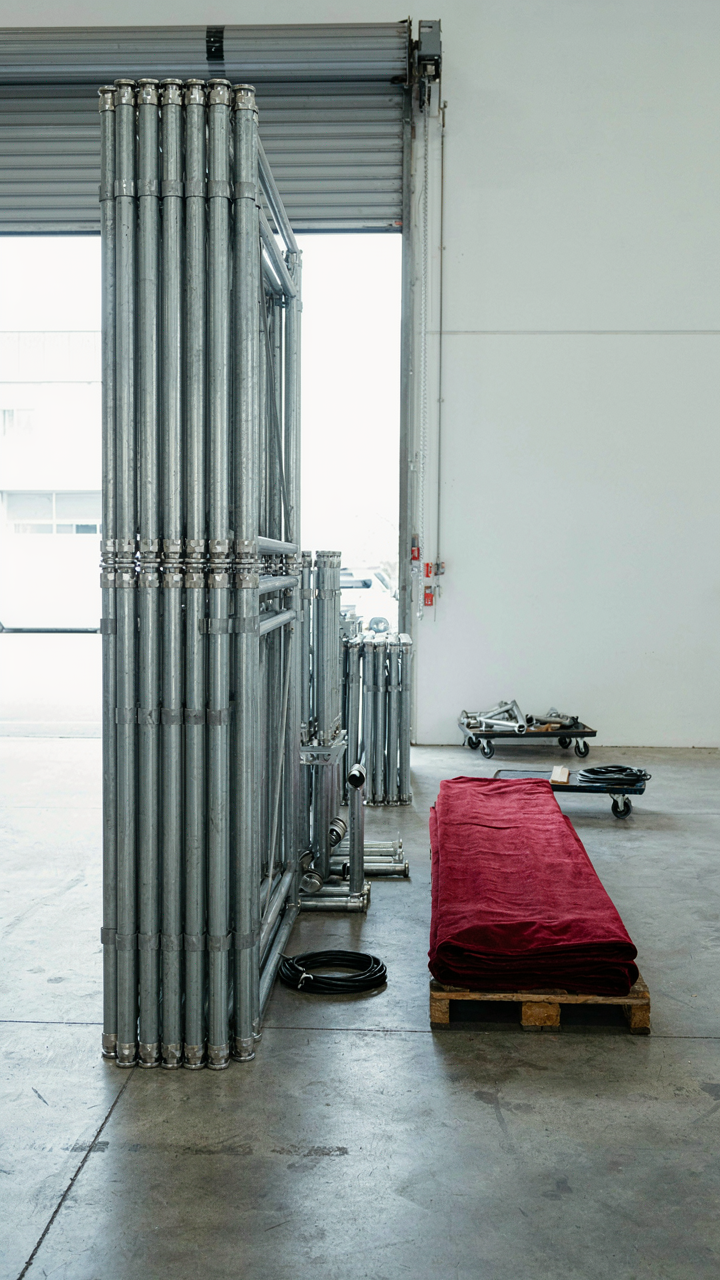
Steel pipe and drape systems rent cheaply because they’re modular. After your event, they break down into components other users need. Bistro tables rent at fraction of purchase price because the rental company knows they’ll cycle through fifty events yearly. You reverse this by renting items with active secondary markets: Edison bulb fixtures, folding farm tables, industrial shelving units. These hold utility beyond weddings. When you rent them, you’re not paying for disposal or storage. The rental house absorbs that cost because they move the inventory fast.
Sustainable Choices For Long Term Impact
Forget the marketing speak about sustainability. The real mechanism is durability equals lower total cost. A concrete floor that stays polished costs less to maintain than carpeting you install and remove. Raw brick walls need no treatment. Steel beams need paint once, then nothing. These permanent warehouse features outlast trends and reduce the per-event cost when the space hosts multiple functions.
Salvage materials from the venue itself create compounding returns. Reclaimed wood stages become vendor displays at future events or small business counters. Concrete plinths used for decor become permanent installation pieces. Ask your venue operator what stays versus what gets struck. Coordinate with them to source rental items they’d eventually purchase anyway. Your wedding funds their inventory. They rent it to the next couple. You reduce their acquisition costs. Everyone’s math improves. That’s how you make economics work with impact.
The Real Obstacle Isn’t Money; It’s Your Inability To Redefine Value Beyond Curated Instagram Feeds

You don’t have a budget problem. You have a comparison problem. Every dollar you waste chasing someone else’s aesthetic is a dollar stolen from your actual day. Stop scrolling other people’s weddings and start building yours. Today, text three warehouse owners in your city and ask them one question: what do you see couples waste money on? Their answer will rewire how you think about this entire event. Your wedding doesn’t need to look like the algorithm. It needs to feel like you.