Introduction
When packing for a trip, your wardrobe choices can lead to unexpected baggage fees and added stress. Many travelers overpack or bring the wrong items, which not only weighs down their luggage but also complicates their travel experience. Managing your travel wardrobe properly can save you money and make your journey more comfortable.
This article covers typical mistakes travelers make with their wardrobes that increase baggage costs and stress levels. You will learn practical tips to pack smart, select versatile clothing, and avoid common pitfalls that can disrupt your plans. Understanding how to manage your travel wardrobe efficiently helps you enjoy your trip without extra fees or hassle.
Common Clothing Choices That Increase Weight
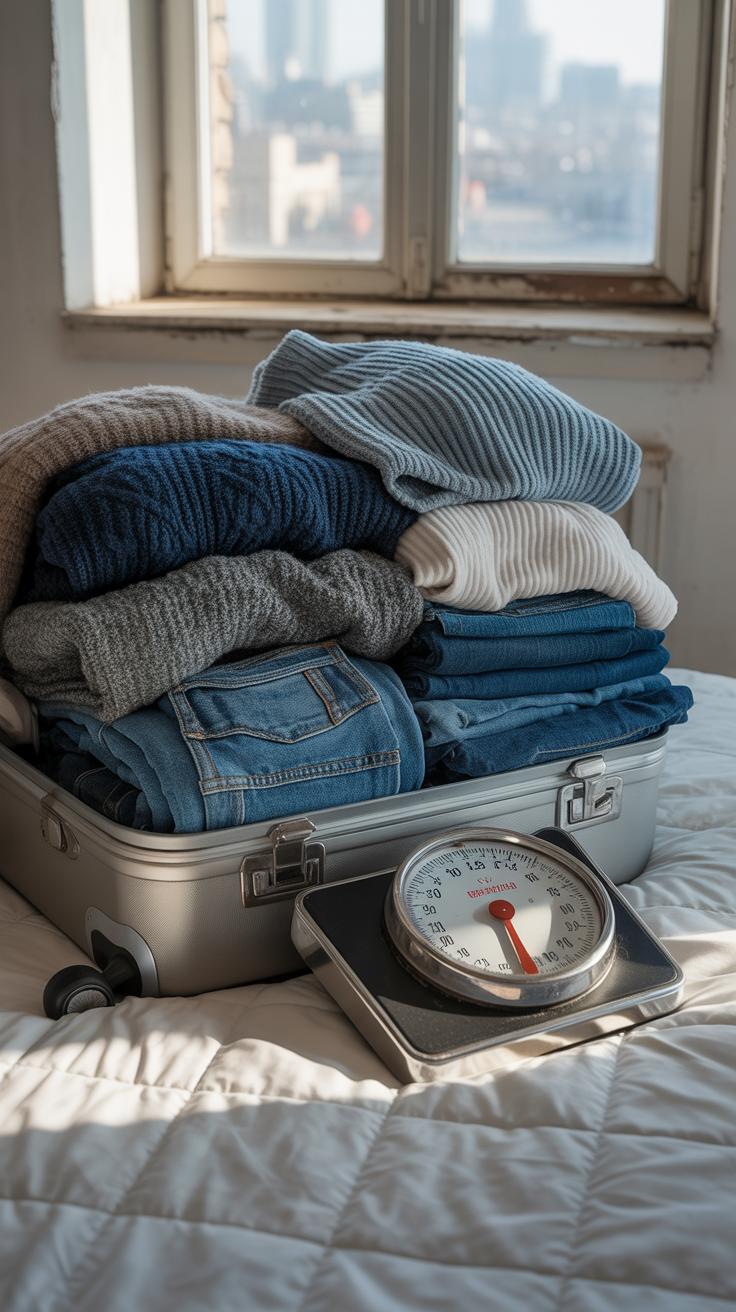
Packing your travel wardrobe can be tricky, especially if you’re not paying attention to how certain clothing choices add weight. One of the biggest mistakes? Overpacking shoes. Many travelers bring three or four pairs “just in case,” but each pair adds pounds. Then there are bulky coats and thick sweaters that take up space and push your luggage over limits faster than you expect. Have you noticed how some items end up worn once or not at all? Those outfits, no matter how perfect they seemed at home, just add unnecessary weight.
These missteps can sneakily push you past the baggage weight allowance. When that happens, airlines charge extra fees that can easily ruin your budget or cause last-minute stress. So, every extra shoe, heavy winter jacket, or single-use dress might be costing more than you realize.
Why Overpacking Shoes Adds Weight
Shoes are often the heaviest part of luggage, yet travelers still pack multiple pairs. I mean, who wants to risk not having the “right” shoes? But stuffing your bag with sneakers, sandals, heels, and boots quickly accumulates weight. Instead, think about versatility. Pick neutral, comfortable shoes that pair well with several outfits. For example, one pair of sturdy walking shoes plus slip-on flats can cover most needs.
Limiting yourself to two or three pairs reduces both weight and bulk. Also, wear your bulkiest pair during travel to save space inside your suitcase. It might feel limiting at first, but it saves you from paying extra fees and lugging around a heavier bag.
Bulky Items That Weigh Your Bag Down
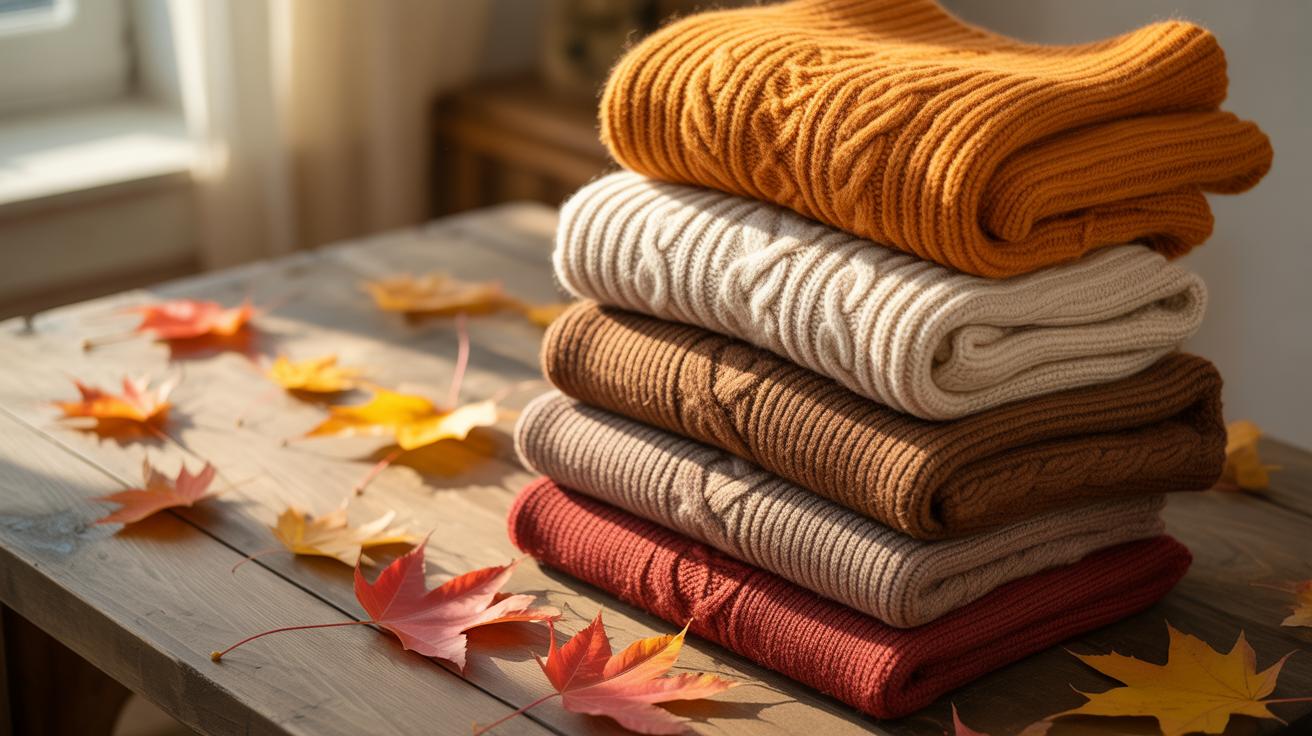
Heavy coats and thick sweaters might be necessary, but they add serious bulk and weight. Those puffy winter coats? They can easily weigh five pounds or more. Thick knit sweaters aren’t far behind. One trick is layering lightweight clothes instead of relying on one heavy item. Thin fleece layers or packable down jackets offer warmth without the baggage penalty. You can also wear your heaviest outerwear on the plane, even if it feels a bit warm at the airport.
Thinking about fabrics helps too. Wool blends can be heavy, while synthetic materials are generally lighter. Don’t just grab your warmest coat—consider if you really need it or if layering can do the job. That extra pound or two can be the difference between a free bag and a pricey fee.
Pick Clothes That Serve Multiple Purposes
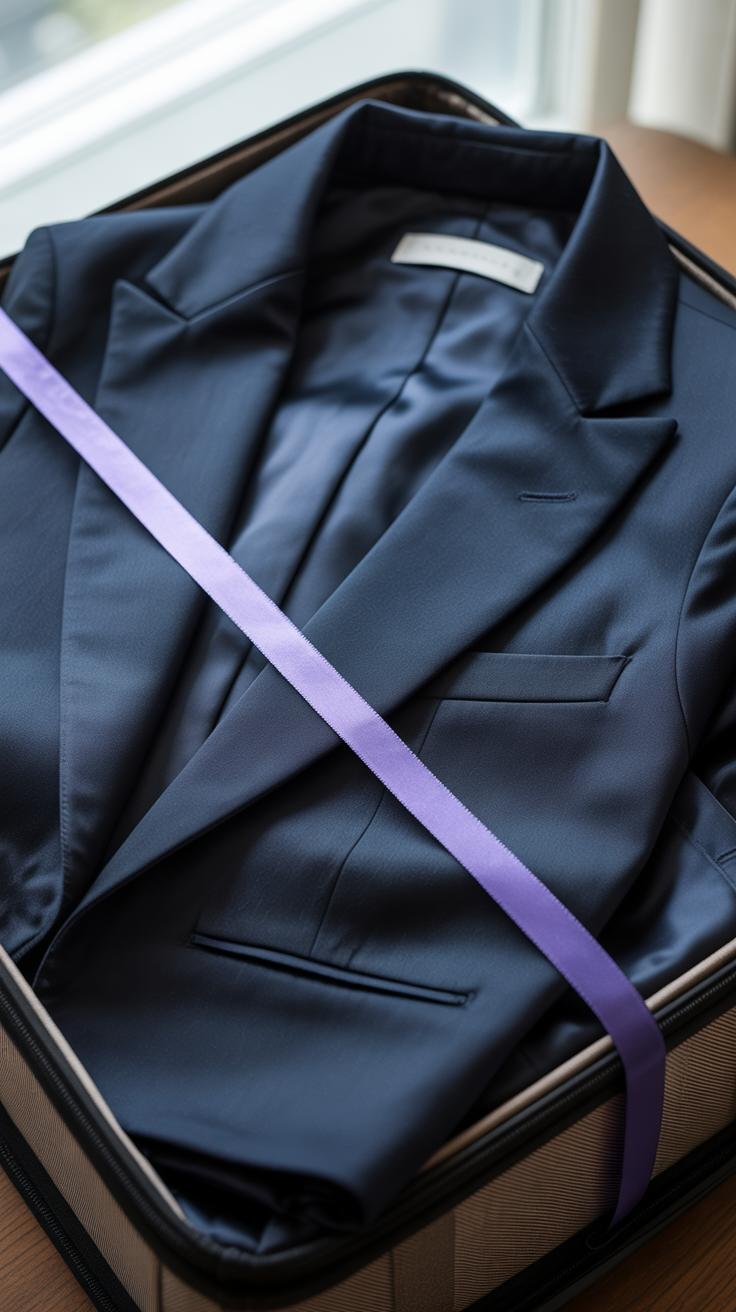
When it comes to travel, every item packed should pull double duty—maybe even triple. Choosing versatile, mix-and-match basics cuts down the total number of pieces you need. Think neutral colors and simple patterns that can pair easily. This way, one top works with different bottoms and layers without looking repetitive.
For example, a plain white shirt isn’t just a sunny day staple; layered under a sweater or jacket, it fits cooler evenings too. Selecting items that work for more than one weather condition is a bit like planning ahead for the unexpected—a light cardigan or a shirt that can transition from warm to cool keeps you nimble without bulk.
It’s tempting to toss in that extra jacket or three, but a well-chosen piece that complements everything can eliminate that. Over time, I’ve found that less is usually way better. And it lessens that nagging “did I bring enough?” stress that haunts so many trips.
Build a Capsule Wardrobe for Travel
A capsule wardrobe means a small, essential set of clothes you can interchange effortlessly. The concept isn’t new, but it feels especially useful when dragging a suitcase through airports or train stations. Imagine five tops, three bottoms, a dress or two, and a jacket that all coordinate.
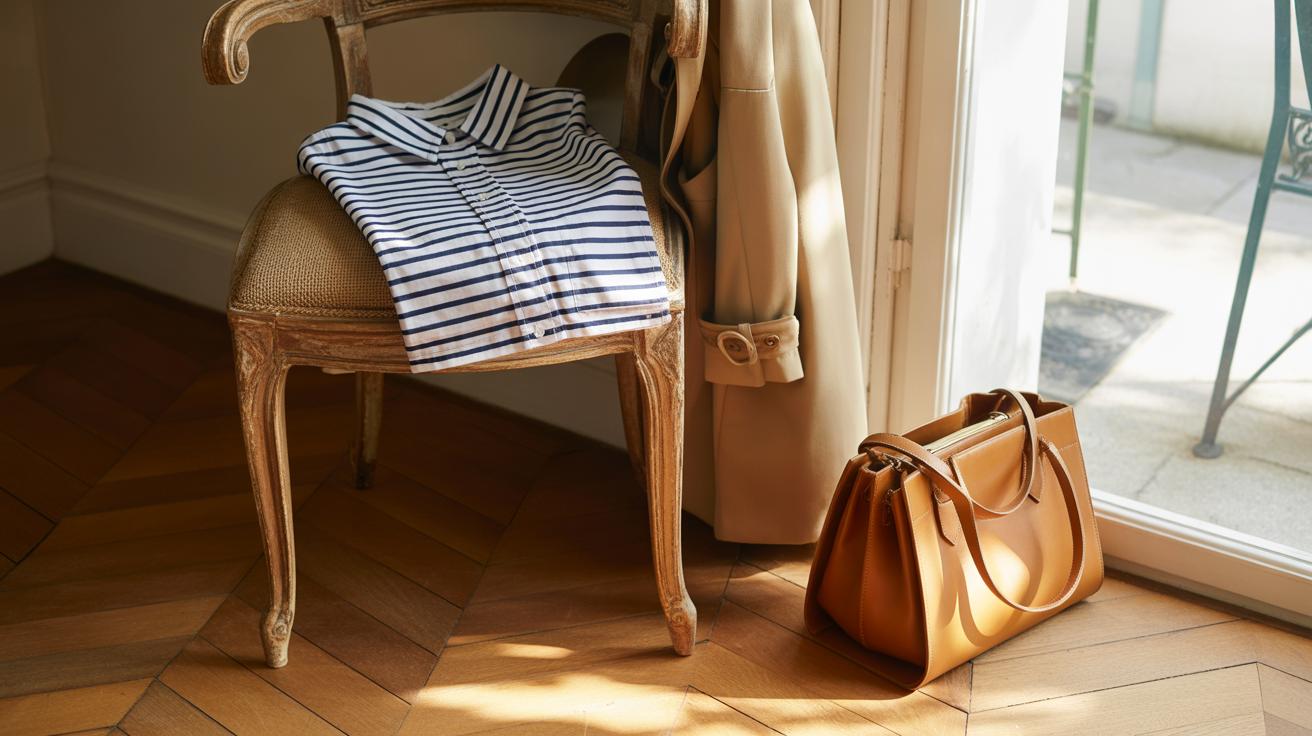
This type of wardrobe removes the overthinking about “what goes with what” and, crucially, keeps your bag lighter. I once planned a week-long trip with just seven pieces and felt surprisingly confident—and honestly, less overwhelmed. A smaller wardrobe also reduces stress since you don’t have to pack, unpack, or worry about lost items as much.
Layering Techniques for Variable Weather
Layering is a reliable trick to handle unpredictable temps. Instead of a bulky coat, you rely on thinner layers that you can add or shed. Consider breathable fabrics that trap heat without overheating—cotton, wool blends, or technical synthetics all work differently.
For me, a good base layer, a warm middle, and a weatherproof outer layer usually cover most conditions without bulk. Plus, layering lets you be flexible—you don’t end up sweating in a heavy jacket when the afternoon warms up, or freezing in just a single shirt at dawn.
This approach asks you to think beyond single heavy garments and instead focus on adjustable comfort. The layers should complement each other in style and function, or you risk looking mismatched and feeling awkward. Still, finding that balance is part of the travel wardrobe puzzle—and when it clicks, it really does ease the journey.
How Baggage Allowances Affect Your Wardrobe
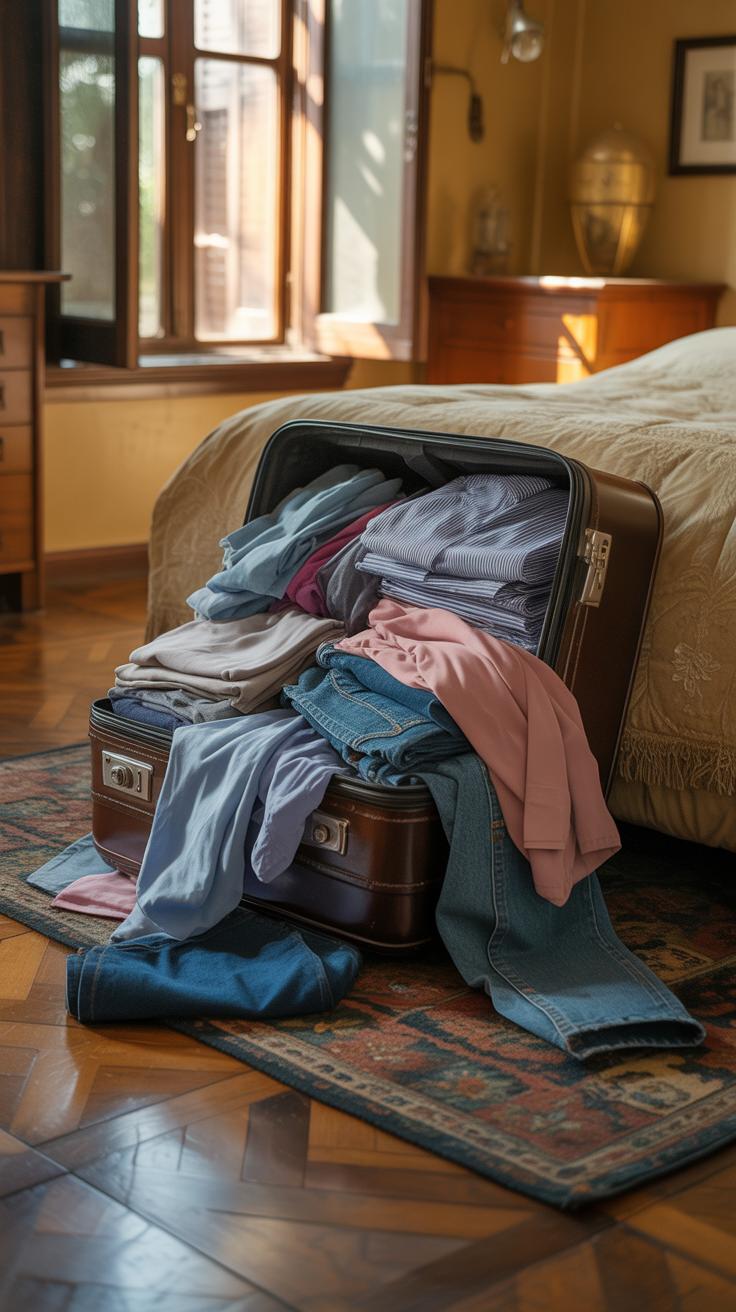
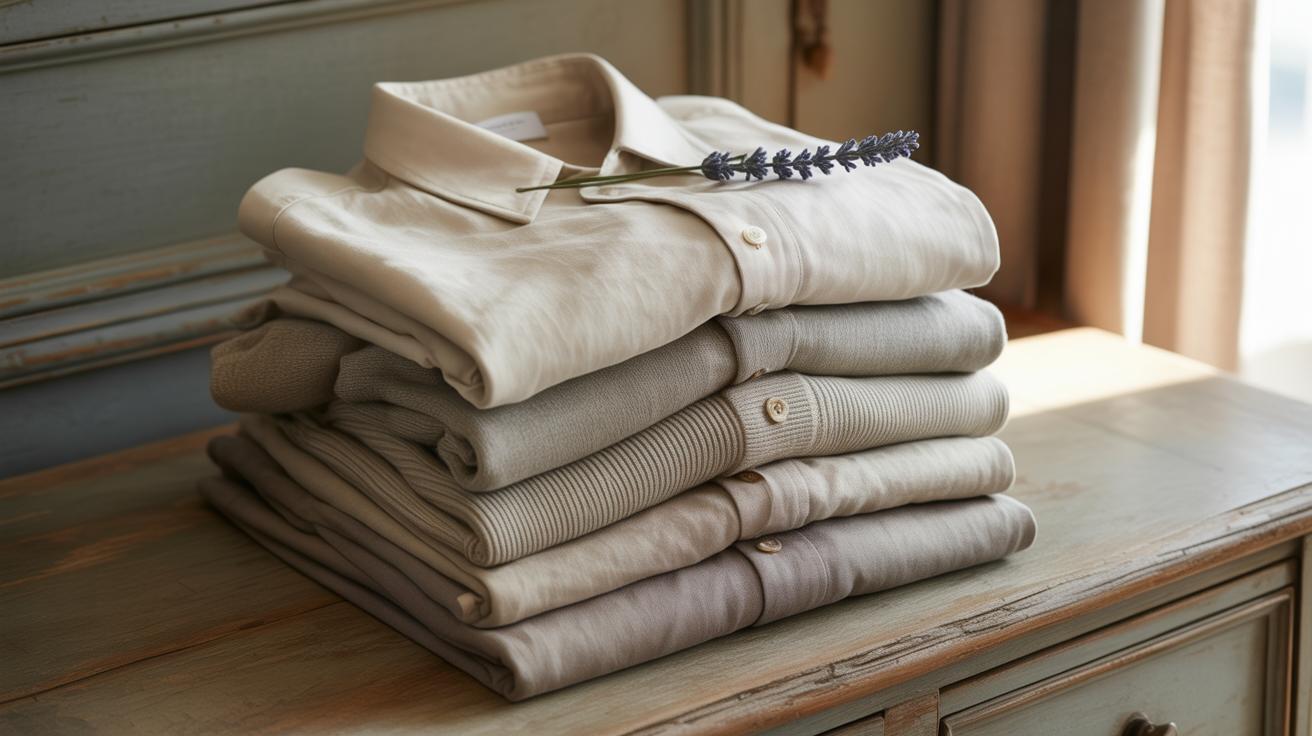
Every airline sets its own rules for baggage—size, weight, and number of bags allowed. Most airlines limit checked bags to around 23 to 32 kilograms (50 to 70 pounds), but carry-ons typically max out at 7 to 10 kilograms (15 to 22 pounds). The size limits vary, too. For checked luggage, you might see a total dimension cap near 158 cm (length + width + height), while carry-ons must fit in overhead bins or under seats, often around 55 x 40 x 20 cm.
If you don’t check these details before packing, your carefully planned outfit choices could balloon into extra fees or last-minute decisions. Knowing how much—and how big—your bags can be helps you prioritize. Will you pack bulky sweaters or just one jacket? Which shoes truly matter?
Different Rules for Checked and Carry-On Bags
Checked baggage gives you room—more than carry-on—but it comes with the risk of overweight fees and slow access to your stuff. Carry-on bags are smaller, lighter, but they let you keep essentials close. Many travelers aim to pack everything in carry-ons, yet the weight limits often mean you have to be selective.
Think about your travel wardrobe this way:
- Reserve checked bags for heavier, less-needed clothes or bulkier shoes.
- Carry-on bags should hold versatile, lightweight items you’ll want during the flight or right after arrival.
- Sometimes you have to sacrifice that extra pair of shoes or pants to stay under weight limits.
At least once, I tried stuffing a big coat into my carry-on, only to be asked to check it at the gate because of size rules. Annoying, and avoidable.
Steps to Check Your Airline’s Allowance
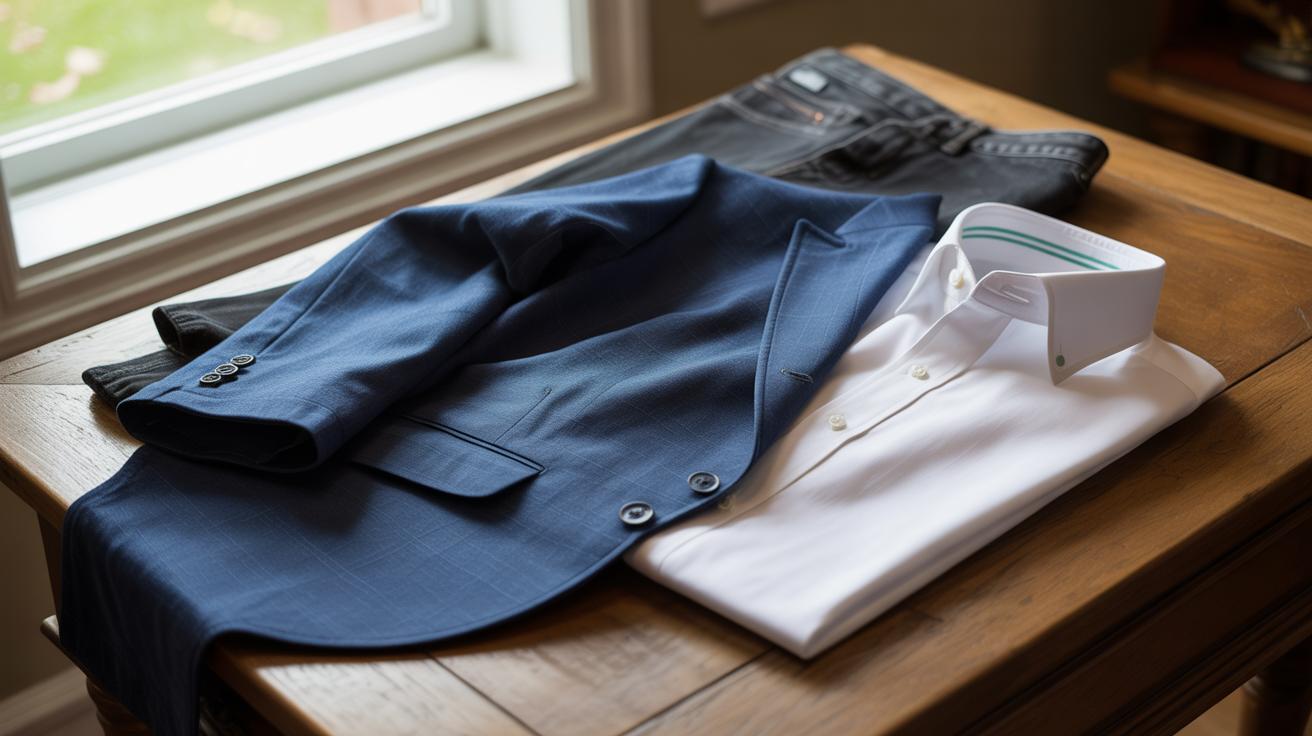
Before you pack, check your airline’s baggage policy online. It’s usually under “baggage” on their website. Don’t rely on generic advice—look up your exact flight, as rules can change by route or fare type.
Try apps like TripIt or airline mobile apps—many show your baggage limits once you input your trip info. You might even find weight calculators or packing checklists.
Double-check closer to your travel date. Airlines sometimes update policies or have seasonal promotions that affect checked bag fees or allowances.
Knowing your limits upfront makes it easier to plan a travel wardrobe that fits, saving you money and, well, stress.
Use Packing Tools to Stay Organized
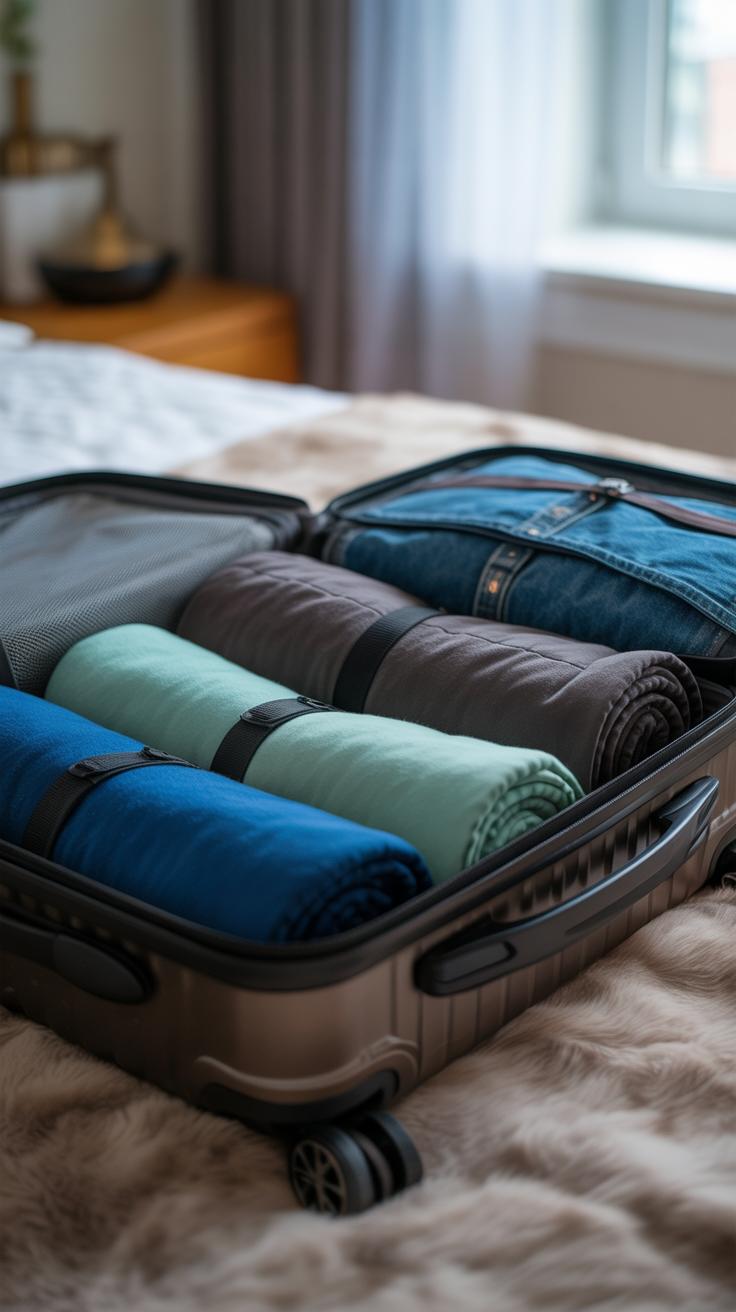
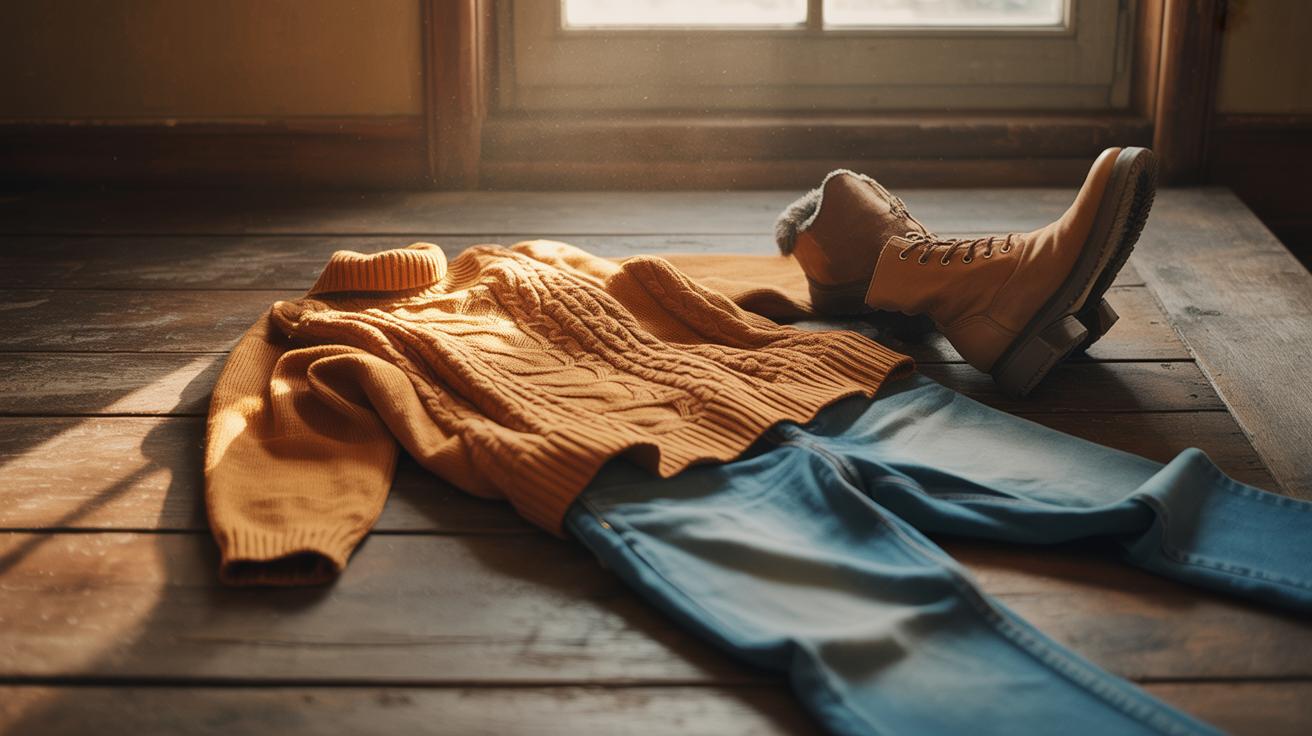
Packing cubes and compression bags can make a surprising difference in how much you fit into your luggage. They’re not just about space-saving; these tools actually help you stay organized. When you use packing cubes, everything has its place—shirts in one cube, underwear in another. You won’t be digging through a messy suitcase to find what you need, especially after a long day of travel.
Think about how much easier it is to unpack at your destination when your clothes come out neatly packed in cubes. You can pull out an entire cube just for pajamas or for workout gear. This not only saves time but also helps you keep track of what you’ve already worn. There’s less “maybe I packed that” uncertainty, which is oddly satisfying.
Compression bags can shrink bulky sweaters or coats, which are usually the biggest space hogs. They flatten those thick fabrics down so you can squeeze in a few extra items without worrying about your bag bursting at the seams. Maybe you don’t need everything, but packing that one extra sweater just might make your trip more comfortable.
At the end of the day, these tools help you stick to your baggage limits because you’re not wasting inches on untidy clothing. You might even avoid those annoying fees, which is already a win on any trip. It’s probably worth trying at least once before your next getaway.
How Packing Smart Saves You Money
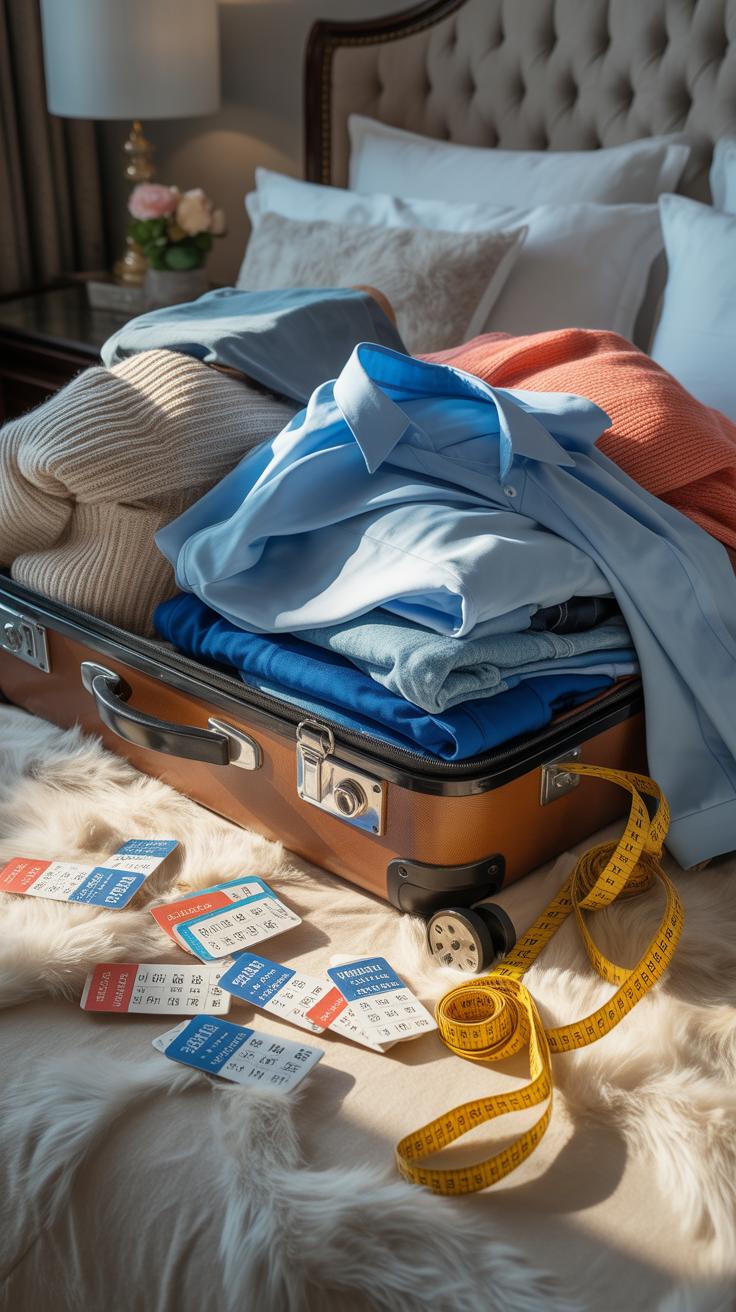
Packing smart isn’t just about fitting your favorite outfits into a bag. It directly affects how much you pay for your flight. Airlines have strict limits on how much your checked or carry-on bags can weigh. If you go over, expect extra fees. And those can add up quickly—sometimes more than the cost of a new piece of clothing.
Your wardrobe choices make a big difference here. Think about what you pack: heavy coats, lots of shoes, or multiple bulky sweaters. These items add weight fast. But if you choose lightweight fabrics instead, or limit the number of shoes, you’re more likely to stay under the limit. That’s money saved. Plus, fewer items mean less to worry about when you’re juggling flights and transfers.
It’s tempting to pack “just in case” clothes, but most travelers don’t wear half of what they bring. Trying to cover every outfit scenario can backfire, resulting in higher fees and more stress at the airport.
Calculate Your Bag Weight Before Traveling
Weighing your bags before you leave can save you a scramble at check-in. You can use a home scale, a luggage scale, or even a bathroom scale if you’re careful. Just place your bag on the scale, note the weight, then repack or rethink if needed. Some people hang their bag on a hook scale—simple and pretty accurate. Don’t guess. Airlines rarely accept “close enough.”
Try to check your bags while you are packing. That way, you won’t find out at the airport that your bag is five pounds too heavy. Weigh several times if needed. It might feel a little obsessive to some, but it pays off.
Adjust Your Wardrobe Based on Weight Feedback
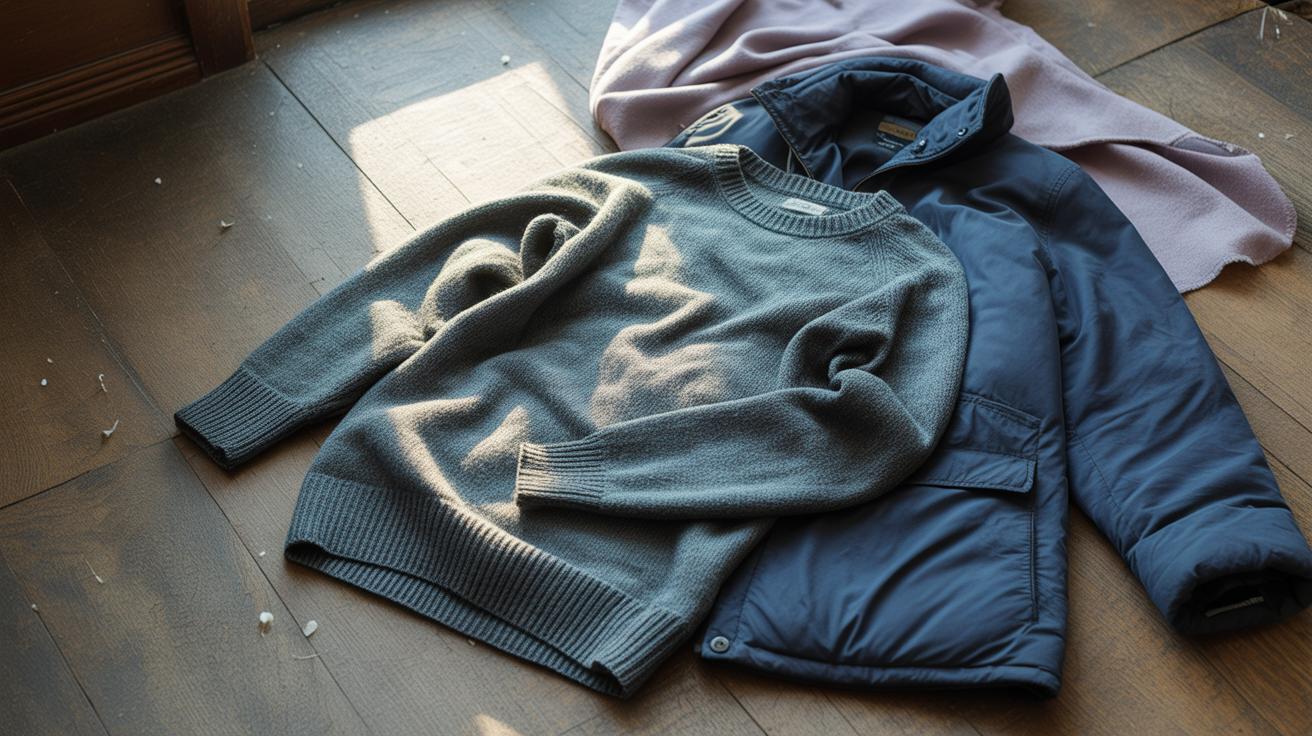
If your bag is too heavy, start with the biggest culprits—usually shoes, coats, or jeans. Shoes often weigh more than people realize, and they’re bulky. See if you can wear your heaviest pair on the plane instead. Swap out thick sweaters for lighter layers. Consider versatile pieces that work for day and night so you pack fewer items overall.
Sometimes removing just one or two items makes a difference. Or swap a jacket for a lighter one, even if it means layering. Think about what you can live without. Ask yourself: do I really need this? If packing feels like a game of Tetris, maybe you’re asking too much of your bag.
Quick Checklist for Travel Wardrobe Planning
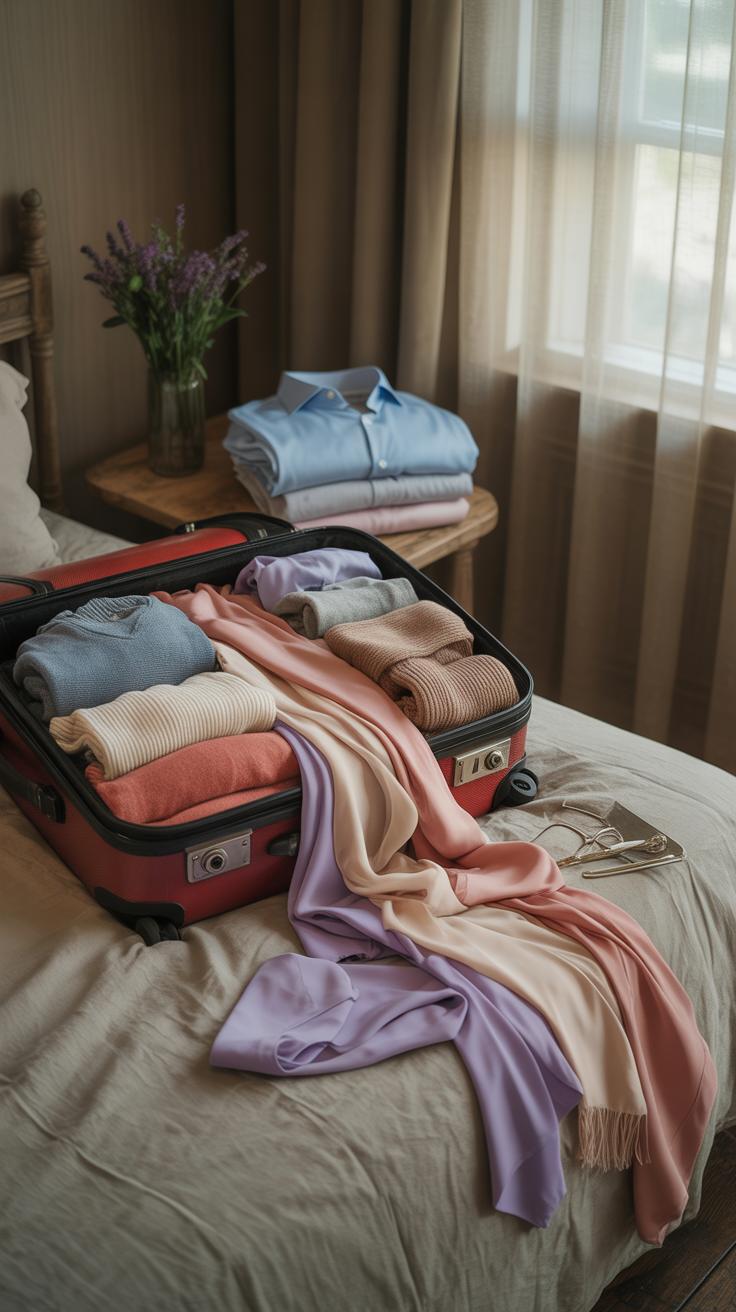
When packing your travel wardrobe, focus on a few key points: weight, versatility, and how long you’ll be away. Lighter clothes mean less hassle at the airport and more wiggle room for essentials. Think about items that mix and match easily—packs better and saves space.
Ask yourself: Can this piece work for both day and evening? Can it handle sudden weather changes? Also, consider how many days you’ll be gone. A weekend trip doesn’t need as many layers or duplicates. For longer trips, pick pieces that you can wash and reuse.
Here’s a quick checklist you might find handy:
- Choose lightweight fabrics—cotton blends, merino wool, or quick-dry synthetics.
- Pick neutral colors to mix and match.
- Limit accessories to just a few versatile ones.
- Think about layering options rather than bulky coats.
- Include one dressier item that can transition from casual to formal.
By ticking these off, you avoid that typical travel luggage overload, and more importantly, the stress of deciding what to wear.
Essentials to Pack for Any Trip
Some clothing never goes out of style when traveling. A good pair of dark jeans or solid pants covers a lot of ground—dress them up or down easily. You’ll want a couple of basics: plain t-shirts or blouses that don’t show wrinkles fast.
A lightweight jacket or cardigan is almost always useful. Trip climates can shift without warning. Also, pack a versatile dress or button-up shirt that can work for meals outings or even a meeting, just in case.
Don’t forget comfortable shoes that suit walking and occasional evenings out. Maybe one pair here and one pair there is enough; overpacking shoes is an easy mistake.
These are the items I always pull when I’m unsure. They’re solid performers, fit in travel bags with ease, and dodge that awkward “nothing to wear” feeling.
Items to Avoid to Reduce Weight
Heavy sweaters, bulky coats, or multiple pairs of jeans usually add unnecessary weight. I mean, do you really need three pairs of pants for a three-day trip? Sometimes you don’t.
Try leaving behind anything super formal unless the occasion demands it—you can usually wear a versatile dress or shirt instead. Also, avoid brand-new shoes that might cause blisters or take up extra space packed in special containers.
Instead of packing large towels or bulky pajamas, go for travel-specific fabrics that dry quickly and fold small. Bulky scarves or hats can often be skipped in favor of one multi-use item. They save much-needed space and reduce those surprise fees for overweight luggage.
Would your trip be better off with fewer, smarter choices? It’s worth thinking about, especially when extra baggage fees always lurk nearby.
Compare CarryOn vs Checked Wardrobe Items
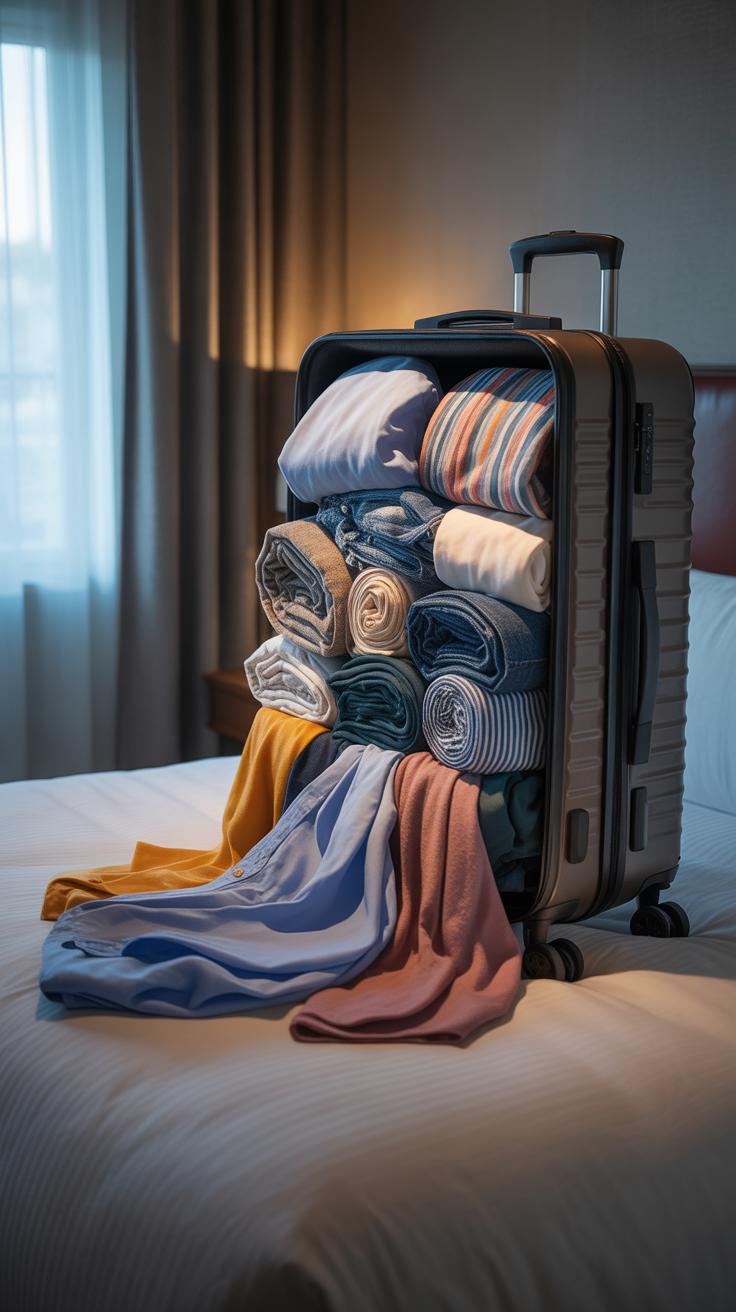
Deciding what clothes to pack in your carry-on versus your checked bag can save you both hassle and fees. Typically, lightweight, multi-use pieces go well in carry-ons. Think breathable t-shirts, thin pants, or dresses that don’t wrinkle easily. These items keep your bag light and flexible, and they’re ready to wear right after landing.
On the other hand, heavier or bulkier clothes—like sweaters, jackets, or jeans—fit better in checked luggage. They take up space and add weight, but packing them in your main bag helps avoid those pesky carry-on weight limits.
The trade-off? If you put too many bulky pieces in the checked bag, you risk overweight fees. But if you try to shove them in your carry-on, you could end up with a crammed, stressful bag or forced to check it last minute.
Choosing Lightweight Clothes for Carry-On Bags
Lightweight and wrinkle-resistant items truly shine in carry-ons. They save space and keep you looking presentable. Fabrics like merino wool, polyester blends, or travel-specific knits are great choices. For example:
- A simple, moisture-wicking t-shirt
- Stretchy leggings or travel pants
- A breathable, wrinkle-free dress or blouse
- A thin cardigan or light scarf to layer
These pieces are easy to fold or roll, dry quickly in case you wash them on the road, and—if you’re like me—they won’t look like they’ve spent hours stuffed in a tight corner.
Storing Bulky Clothes in Checked Luggage
When packing heavy coats, boots, or thick sweaters, placement matters. Put the heaviest items at the bottom of your suitcase to create a stable base, then layer lighter pieces on top. Rolling sweaters can reduce wrinkles and save space, while stuffing shoes with socks keeps their shape.
Also, consider using compression bags or packing cubes to organize bulky items without smashing them too much. But be cautious—overcompressing wool or delicate fabrics might cause unwanted creases or damage. Sometimes, a little extra room in your checked bag avoids more trouble down the line.
So, the question becomes: are you prioritizing ease and speed with a light carry-on, or are you okay with paying extra or waiting at baggage claim for larger items? Your choices here directly shape your travel experience, often more than you realize.
Real Examples of Packing Wardrobe Efficiently
Case Study of a Minimalist Traveler
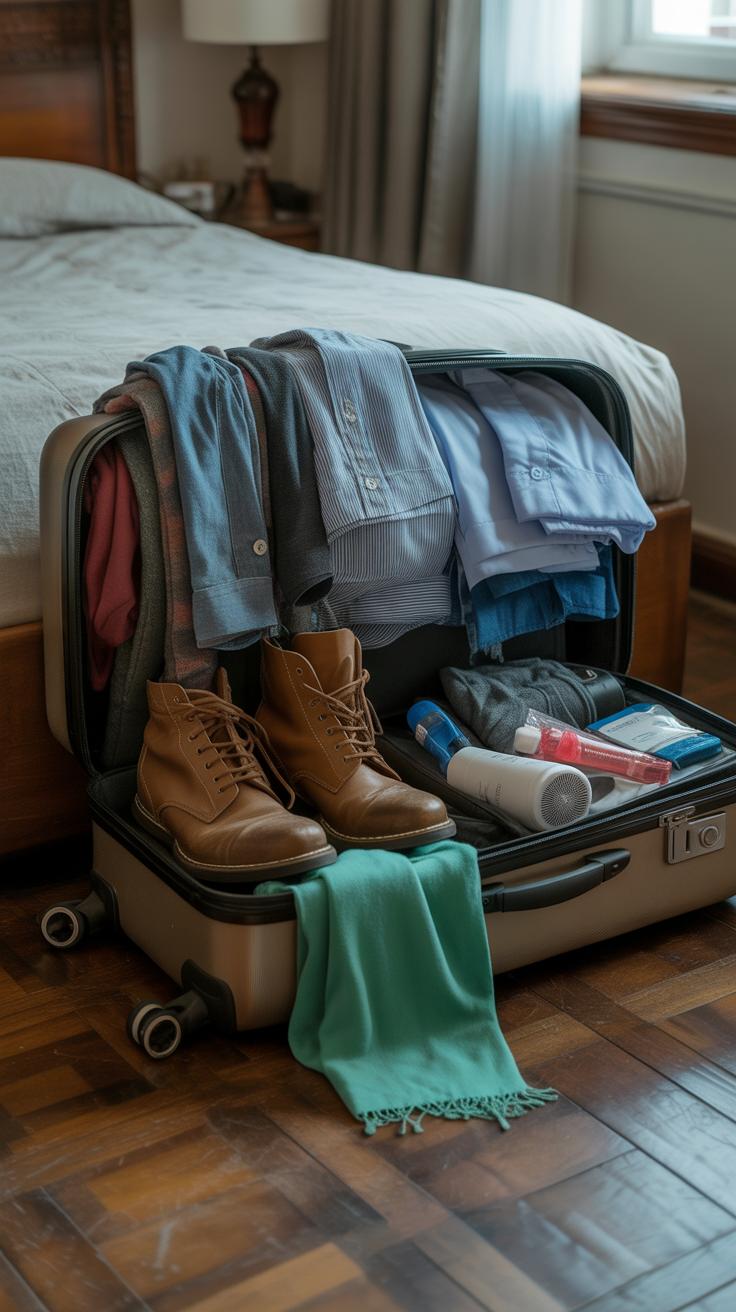
Sarah packed for a two-week trip with just 12 items. She chose a capsule wardrobe: basic tops, a couple of versatile pants, and layering pieces she could mix. No extras, no “just in case” clothes. Her carry-on suitcase stayed within airline limits, so she avoided checked-bag fees entirely. Plus, she described feeling less rushed each morning deciding what to wear, which helped reduce travel stress. It wasn’t perfect — she did miss having a dress for one formal dinner — but the overall payoff in simplicity and saved money seemed worth it to her.
Mistakes from Overpacking Stories
Then there’s Mike, returning from a business trip, who stuffed his bag with nearly double the needed clothes “because you never know.” He ended up paying extra baggage fees at the airport, which annoyed him, but more so, he had trouble finding anything beneath the mess of layers. The stress of re-packing and the fears of losing items weighed on him the whole trip. Mike later admitted he might have saved money — and a headache — if he’d planned outfits more carefully rather than just throwing everything in.
Both cases show packing isn’t just about what fits; it’s about anticipating your real needs and balancing comfort with costs. What could you cut down in your next trip to avoid fees and stress?
Plan Your Wardrobe Around Your Trip Length
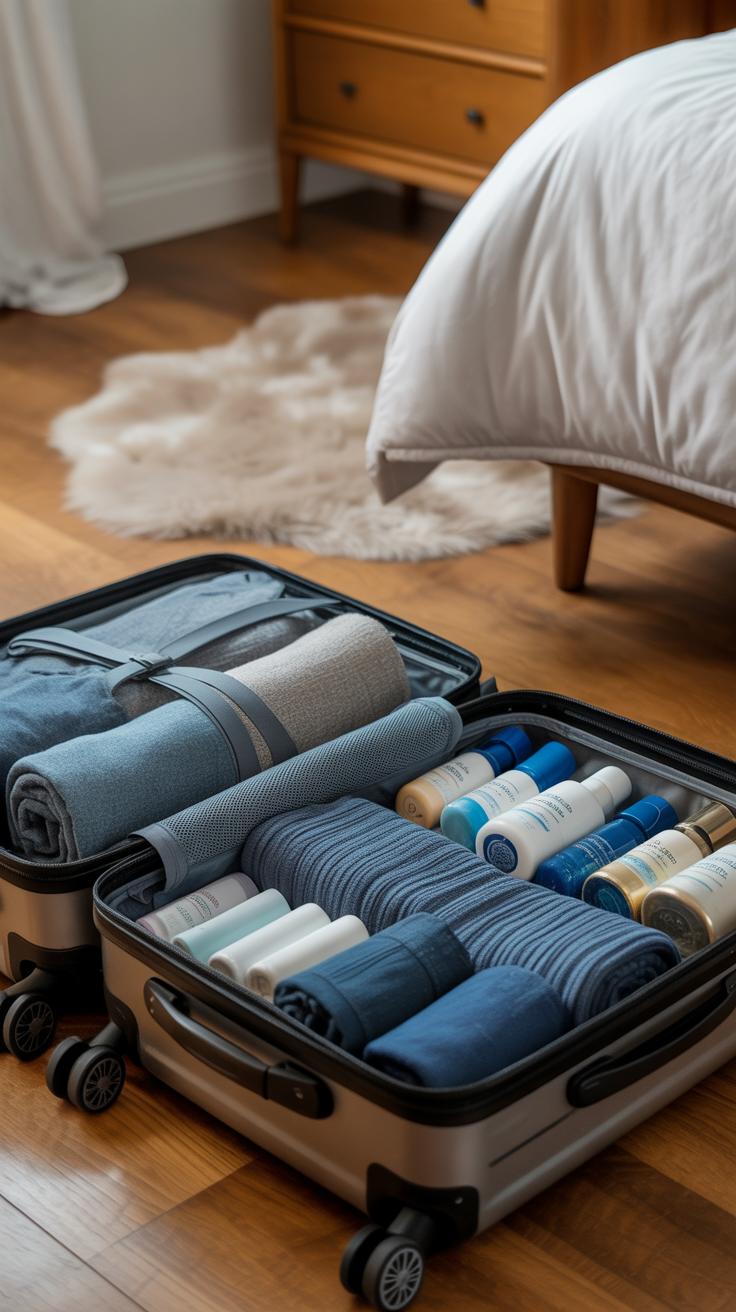
How long you’ll be away shapes your wardrobe choices in ways you might not expect. A quick two-day city break demands far less than a two-week excursion that covers multiple climates. Your luggage space is limited, so packing smart is crucial to avoid fees and stress.
For short trips under a week, focus on essentials that mix easily. Think: a few tops in neutral colors, one pair of versatile pants, and a jacket you can wear multiple times. You don’t need much variety if you can layer and accessorize smartly. I’ve found that picking pieces that work for both day and night helps shrink my bag noticeably.
Now, if you’re gone for two weeks or longer, you’ll need to increase your options—but not in a way that makes your bag spill over. A slightly larger wardrobe with some fresh outfits is fine, but planning to do laundry is key. You can rotate clothes, giving everything a chance to breathe and feel less “worn.” Doing laundry during the trip means fewer items to pack initially, and that can save both space and stress.
Ask yourself: do you really need ten shirts for two weeks, or can you wash and reuse most? Scaling your clothes to the trip length while considering laundry options might just keep your baggage fees down and your patience up.
Conclusions
Choosing the right items for your travel wardrobe directly affects your luggage weight and the possibility of baggage fees. Being mindful of clothing choices and packing only what you need keeps your baggage light and manageable. It also reduces stress during check-in and throughout your trip.
By applying these tips, such as selecting versatile pieces and avoiding overpacking, you make travel easier and more practical. Paying attention to your wardrobe while preparing can save you money and improve your overall travel experience.