The “No Ceremony” Paradox: Why Less Pomp Means More Party

Timeline Compression Creates Actual Connection
You’re worried that skipping live music signals cheapness to your guests. Wrong mechanism. The real issue is that most receptions waste three hours on dead air—cocktail hour, dinner speeches, cake cutting, first dance—all infrastructure that keeps people seated and separated. Removing the DJ doesn’t shrink your event. It forces you to compress the schedule and eliminate filler, which paradoxically makes guests more engaged because there’s actual momentum. When people aren’t waiting for the next programmed moment, they talk to each other.
The timeline becomes your operating system. Without a DJ cueing transitions, you own the flow entirely. That means you control when dinner ends, when the space opens for mingling, when music plays. This sounds harder but it’s actually easier because you’re not dependent on someone reading the room. You read it yourself and move people deliberately. Your job shifts from hoping guests enjoy themselves to engineering the conditions where they must.
Redirect Budget Toward What Guests Actually Remember
Everyone says “spend money on food and drink.” That’s the lazy version of the real principle: redirect resources from entertainment infrastructure to friction points in the guest experience. Think like operations management—you’re eliminating bottlenecks, not adding features. A DJ or band removes your control and eats 15 to 25 percent of your budget. That same money solves actual problems: better cocktail hour setup so lines don’t form, enough seating so people aren’t standing alone, or upgraded food so people don’t leave hungry and tell that story instead of any other.
The mechanism is simple: money flowing toward infrastructure you control beats money flowing toward entertainment you don’t. A curated playlist and a decent sound system cost a fraction of live performance. You pocket the difference and spend it where guests notice the absence when it’s missing—bathrooms that work, coat check that doesn’t lose jackets, bars staffed so you’re not waiting. When guests leave, they won’t remember who played the music. They’ll remember whether they felt welcomed and fed and comfortable. Allocate accordingly.
The “Silent Soundtrack” Method: Crafting DIY Wedding Music Atmospheres
Building Playlists That Actually Work
You want music that makes your guests feel something without anyone noticing the machinery behind it. That’s the real reason you care about this section. The mechanism is simple: music transitions create psychological permission for behavior shifts. When the song changes, so does the room’s energy contract. You’re not creating a party. You’re engineering permission structures.

Build playlists in three distinct blocks tied to actual events, not arbitrary time slots. Cocktail hour needs songs at 100-110 BPM with space between tracks so conversations don’t drown out. Dinner requires 90-100 BPM, vocals-forward songs that sit under conversation volume. Dancing demands 120+ BPM, but don’t load it all at once. Start at 115, build to 130 over the first twenty minutes. Each transition removes friction from the next behavior.
Speaker Placement And Output Levels
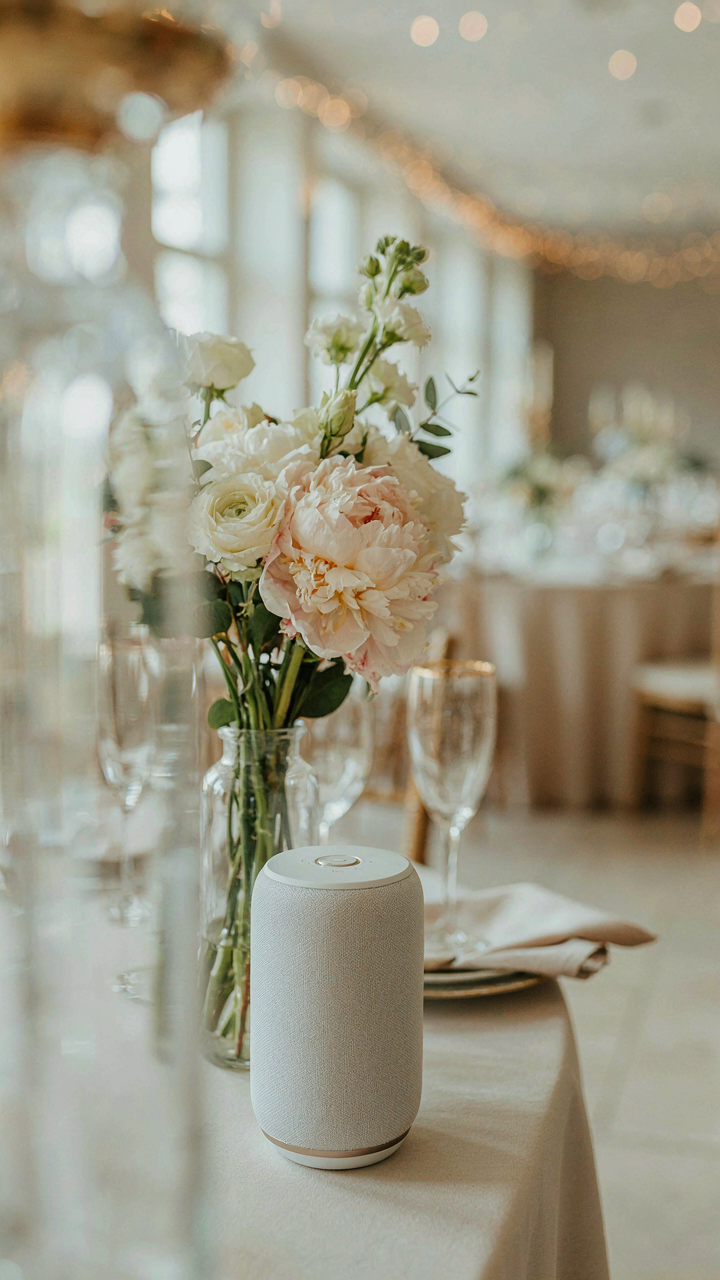
Audio engineering treats speaker placement like tactical positioning. Your reception space is a acoustic battlefield where sound either reaches people or dies in corners. Poor placement forces guests to shout over music during toasts or creates dead zones where no one can hear anything. The fix isn’t buying better speakers. It’s understanding how sound travels and where your guests actually sit.
Place your primary speakers at the front during dinner, angled downward at thirty degrees toward seating. This keeps volume contained and prevents sound from bouncing off back walls and creating echo delay. For dancing, move speakers toward opposite corners of the open area so sound converges where people actually move. Set master volume so you can speak at normal volume over the music during toasts. This single dial controls whether your reception feels human or chaotic.
Beyond The Dance Floor: Non Dancing Wedding Reception Ideas
Activities That Actually Hold Attention
You want this section because you’re afraid a reception without dancing looks boring, and boring means your guests think your wedding was cheap. The real mechanism is attention allocation. Your guests came to witness something, not sit idle. Fill the void with structured engagement, and they stop comparing your event to the last wedding with a four-piece band.

Think of this like inventory management in retail. A dance floor is one high-demand product. Remove it, and you need to stock multiple alternatives so no shelf sits empty. The difference: your guests choose what matters to them instead of defaulting to what the DJ decided was next.
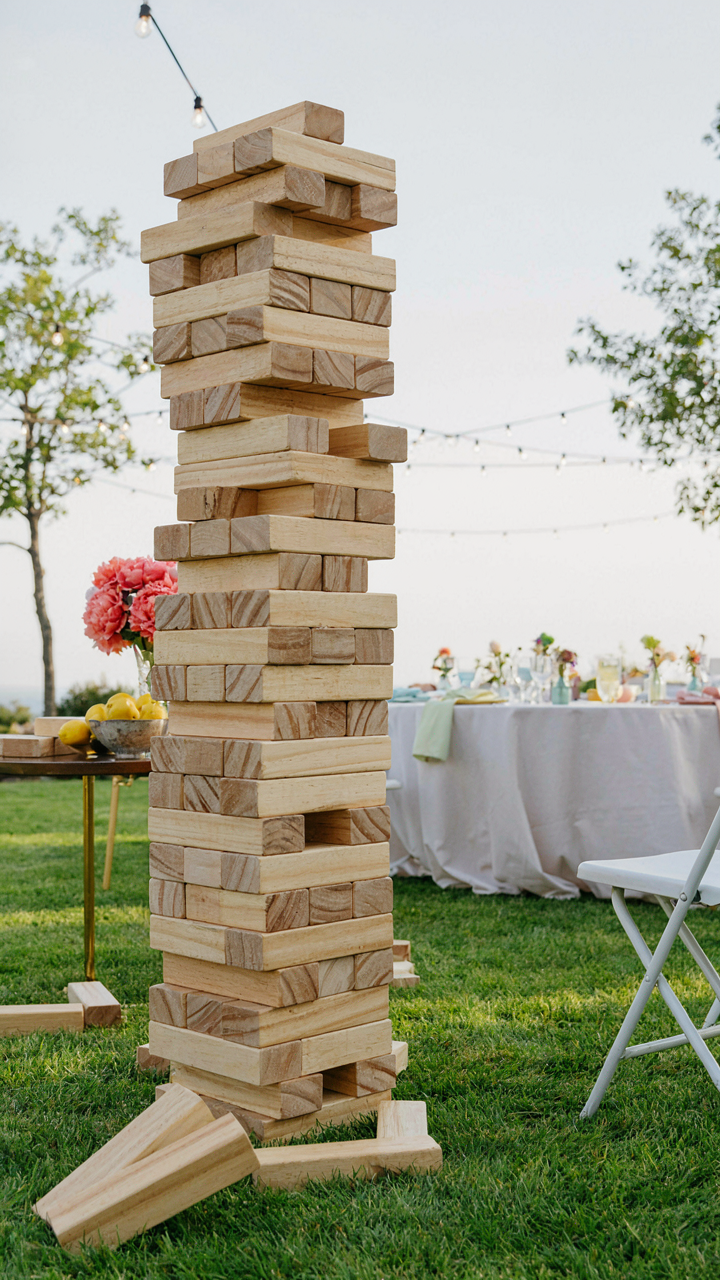
- Lawn games: Cornhole, giant Jenga, or croquet occupy hands and create natural conversation clusters. Setup takes 20 minutes and costs under $100 total.
- Photo booth or instant camera station: Guests photograph themselves, print the image immediately, write a caption. Provides a physical artifact and occupies 10-15 minutes per group.
- Card games or board games at tables: Deal cards or set up Ticket to Ride before guests sit. Eliminates dead air between courses and gives introverts a legitimate reason to stay seated.
- Trivia about the couple: Create 15-20 questions about your relationship, childhood, or shared history. Run rounds between courses. Low cost, high engagement, and guests learn things they didn’t know.
- Mad Libs or collaborative story-writing: Print sheets, pass them around tables, read the results aloud. Creates immediate laughter and takes five minutes per round.
You don’t need all five. Pick two that match your crowd’s energy and your space. Rotate them between courses or designate zones. The goal is preventing the default behavior: people checking phones because nothing is happening.
Live Performance Without The Band Budget
Performance still works in a reception without a dj or band. The distinction is scale and cost. Most couples assume “live performance” means a five-piece ensemble at three grand. That’s false. A single musician, spoken word artist, or even a rehearsed toast slot from a specific person creates the same narrative shift: something happening that guests didn’t produce themselves.
The person should perform once, for 10-15 minutes maximum. Longer kills momentum. A guitarist playing three songs during cocktail hour costs 200-400 dollars. A friend performing a five-minute poem you’ve never heard costs nothing but requires you to ask someone directly and build that into your timeline. A relative singing one song they’ve practiced creates a moment people remember. The mechanism is contrast: silence, then sound, then silence again. Guests notice transitions more than continuous activity.
The Ecosystem Of Engagement: Alternative Wedding Seating & Flow

Zone Definition Creates Behavioral Anchors
You want people to mingle instead of clustering in one corner, and you’re hoping the right seating arrangement makes it happen magically. It won’t. Urban planners solve this by mapping pedestrian flow through distinct zones, not by wishing people behave better. Your reception needs at least three functional zones: dining, circulation, and activity. Dining is fixed. Circulation is the path between tables and the bar or food station. Activity is where something happens—a cake table, photo backdrop, or conversation cluster. Define these physically with furniture placement, lighting, or floor level changes. The zones create invisible permission structures that guide movement without instruction.

Guests follow spatial logic faster than they follow social cues. When tables surround the room’s perimeter with open center space, people drift toward the middle and stop dead because nothing anchors them there. Replace this with a staggered table layout where the dining area occupies roughly 60 percent of the space, leaving defined corridors between sections. Place the bar or food station at the zone boundary, not tucked in a corner. This forces circulation. Conversations happen in the transition, not the endpoint. Setup the cake table and gift area in separate quadrants so reaching them requires crossing the room and encountering new groups.
Desire Lines Shape Where Conversations Stick
The common mistake is designing a floor plan and expecting people to use it as intended. They won’t. Landscape architects call these unplanned paths desire lines, and they appear wherever people actually need to go, not where designers hoped they’d go. Your reception’s desire lines form between the entrance, bathroom, bar, and food. Guests moving between these points become your unplanned circulation system. Place conversation-friendly furniture and high-top tables along these desire lines so people pause during transit instead of rushing through.
Conversations don’t start because seating is strategically positioned; they start because two people stop moving at the same moment. High-top cocktail tables placed at natural walking intersections trap people in conversation for 10-15 minutes as they transition between zones. A regular dining table placed in a dead corner stays empty or hosts only the people assigned to it. Position at least two high-top clusters along the route from entrance to dining, and another near the bathroom corridor. These act as conversation interceptors. Guests will naturally gather at them between courses or while waiting, which removes the social friction of standing alone.
No DJ Wedding: The Host Driven Vibe Protocol
Who Actually Runs The Room
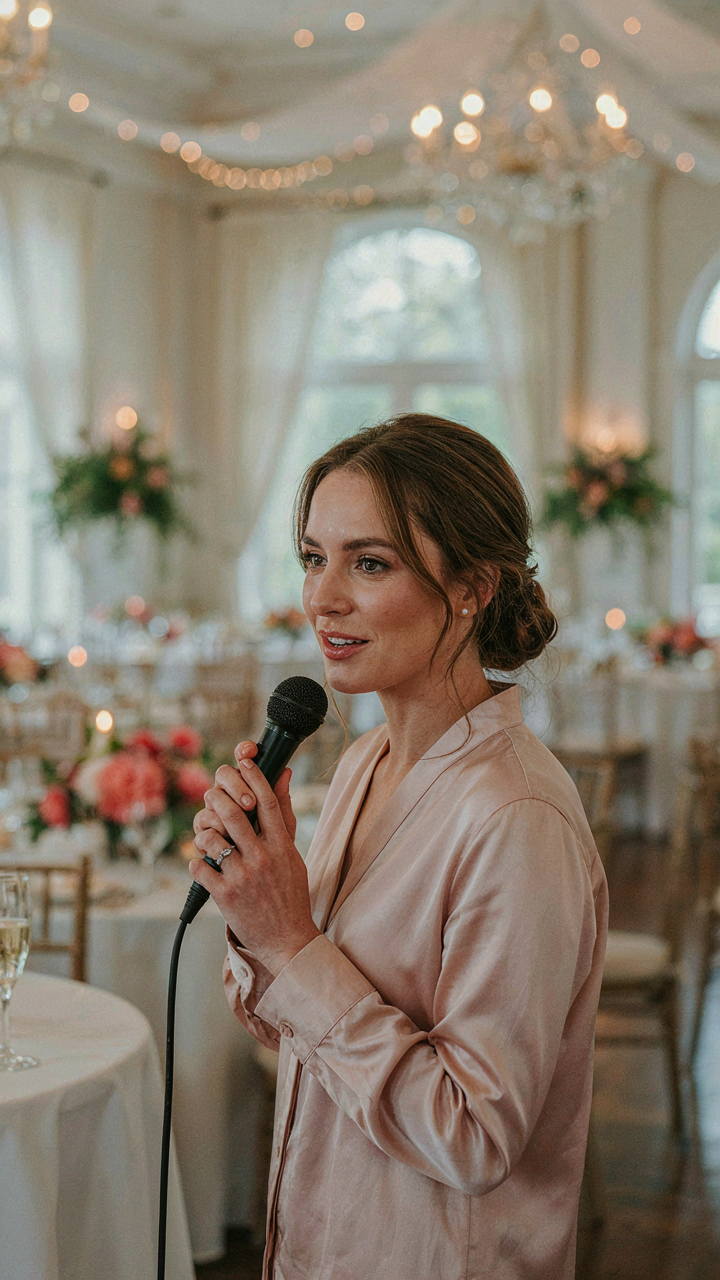
You’re worried someone needs to “control the energy” or you’ll look cheap. The real mechanism is simpler: without a hired third party, the host fills the void by default. This isn’t a problem. It’s the actual design. A charismatic host or designated MC creates permission for guests to relax because someone they know is steering the ship, not a stranger playing background music and making announcements from a booth.

The host role doesn’t require performance skills. It requires clarity and intentionality. You speak when transitions happen: before dinner, before toasts, before dancing. You name what’s happening and why. Guests follow someone who knows where they’re going. The vacuum gets filled either way. Better it’s filled by someone your guests already trust.
Planned Moments, Genuine Interactions
Common advice says “just be spontaneous” or “let it flow.” That’s incomplete. Spontaneity without structure creates dead air and confusion. You need scripted announcements paired with authentic interactions. Script the transitions: dinner start time, toast order, first dance moment, music switch. Write these down and deliver them simply. Then let the space between those moments breathe.
Interactions happen in the gaps you create, not in the absence of structure. Guests know when they’re being announced and when they can talk freely. Your job is knowing which is which and signaling it clearly. A host who says “we’re about to do toasts, grab a drink first” removes guesswork. Then step back and let people actually connect. The protocol is: announce the frame, then disappear from it.
The “Anti Reception” Blueprint: Rethinking The Traditional Format
Split The Space, Not The Timeline
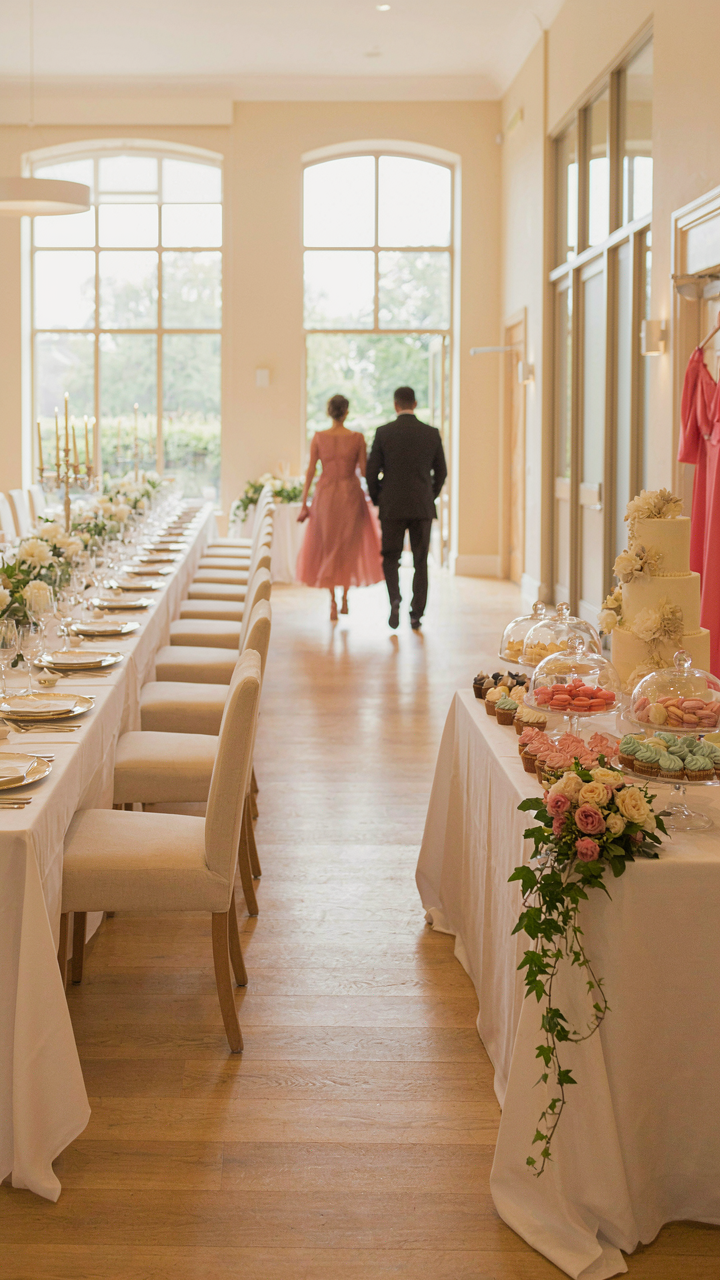
You’re worried a reception without entertainment looks cheap. That’s not the real problem. The real problem is you’re thinking like a nightclub owner instead of an event architect. Borrow from retail design: create zones with distinct functions so guests flow between activities instead of staring at a stage. Each zone becomes its own focal point. You eliminate the dead time that makes people notice the absence of a DJ.

A progressive reception moves guests through dinner, then games, then dessert in different rooms or outdoor areas. This demands intentional spacing and clear signage, but it costs nothing extra. Venues with multiple rooms or indoor-outdoor layouts work best. The motion itself becomes the entertainment. Guests experience variety without paying for a performer to manufacture it.
Compress Brilliance, Stretch Boredom
Common advice says longer receptions feel better. That’s backward. A two-hour reception with genuine interaction beats a four-hour slog with filler. Quality of attention matters more than clock hours. Design for peaks, not plateaus.
Structure your timeline around moments that matter: cocktail hour with real food stations, a meaningful dinner, one structured activity everyone participates in, dessert. Skip the hour-long dance set that nobody attends. Build in one element guests will actually remember and talk about after. Then end while energy is still high. Guests leave satisfied instead of exhausted.
Curated Conversations: Alternative Wedding Reception Ideas For Connection
Questions That Actually Matter
You want people talking because silence feels like failure, and you’re worried a roomful of relatives will sit staring at their phones. The mechanism is simple: specific prompts beat dead air because they give people permission to engage without performing. Generic “how do you know the couple” questions fail because everyone’s already asked them three times. The real move is constraint. Narrow topics, weird angles, stakes that matter to the room right now create actual conversation instead of polite nodding.

Prepare five to seven conversation starters and station them on cards at tables or announce them during toasts. Skip sentiment. Ask people what tradition they’d break, what advice they’d give their younger selves, or what skill they wish they had. Frame questions around choices, not feelings. People are defensive about feelings. They’re honest about decisions. Rotate a new prompt every twenty minutes so energy doesn’t flat line.
Shared Tasks Build Better Rooms
This borrows from theater ensemble work, where the principle of “distributed attention” means the room stops watching performers and starts watching each other. Instead of guests consuming a reception, they produce it. Build activities where people contribute to something visible. A collaborative playlist where guests add one song and explain why. A Polaroid station where couples take photos and tape them to a growing wall. A recipe collective where people write down their favorite meal and why it matters.
These aren’t activities because they’re fun. They’re activities because they create narrative. People reference what others added. They argue about song choices. They recognize themselves in someone else’s recipe. You’ve eliminated the performance gap between host and guest. Everyone works. Assign someone to facilitate or document each station, but don’t staff it like a carnival. Let it run loose. The mess is where connection lives.
Mastering The No DJ Wedding Ideas: Budget Alchemy

Where Your Money Actually Goes
You want permission to skip the DJ without feeling like you’re throwing a cheap party. That’s the real concern here. The mechanism is simple: most couples allocate 8 to 12 percent of their total budget to entertainment. When you eliminate that line item, you don’t save money—you redirect it. Budget isn’t fixed. It shifts. Removing the DJ gives you actual capital to spend on what guests remember: food quality, photography clarity, and the visual environment they inhabit for four hours.

Think of this like portfolio rebalancing from finance. You’re not reducing total investment—you’re changing asset allocation. Move those entertainment dollars into catering upgrades, a second photographer for candid coverage, or professional florals and lighting that transform the raw space. Guests forget the playlist. They remember if the ribeye was dry or the photos captured real moments. They remember if the room looked intentional or like a blank box.
Building The Experience From Your Network
DIY doesn’t mean you handle everything solo. It means you activate people who already care about you instead of paying a stranger to care about optics. Find the friend who actually knows music taste and owns good speakers—not a Bluetooth box, real equipment with actual bass response. Identify the relative comfortable with basic MC duties. Tap the person in your circle with design sense for flow and sight lines. This isn’t cheap labor. This is distributed responsibility among people motivated by something other than hourly rates.
The execution protocol matters. Create a shared document two weeks before the event. Assign one person per major element: music curation, timeline management, lighting operation, setup coordination. Give them specific windows—music runs 6 PM to 10 PM, cocktail hour needs ambient volume, dinner requires lower energy. Clarity prevents the disaster where three people assume someone else is handling the Bluetooth connection. One person owns each function. No ambiguity. Test equipment the day before, not the day of.
Your True Obstacle Isn’t The Budget; It’s The Fear Of Defying Expectation
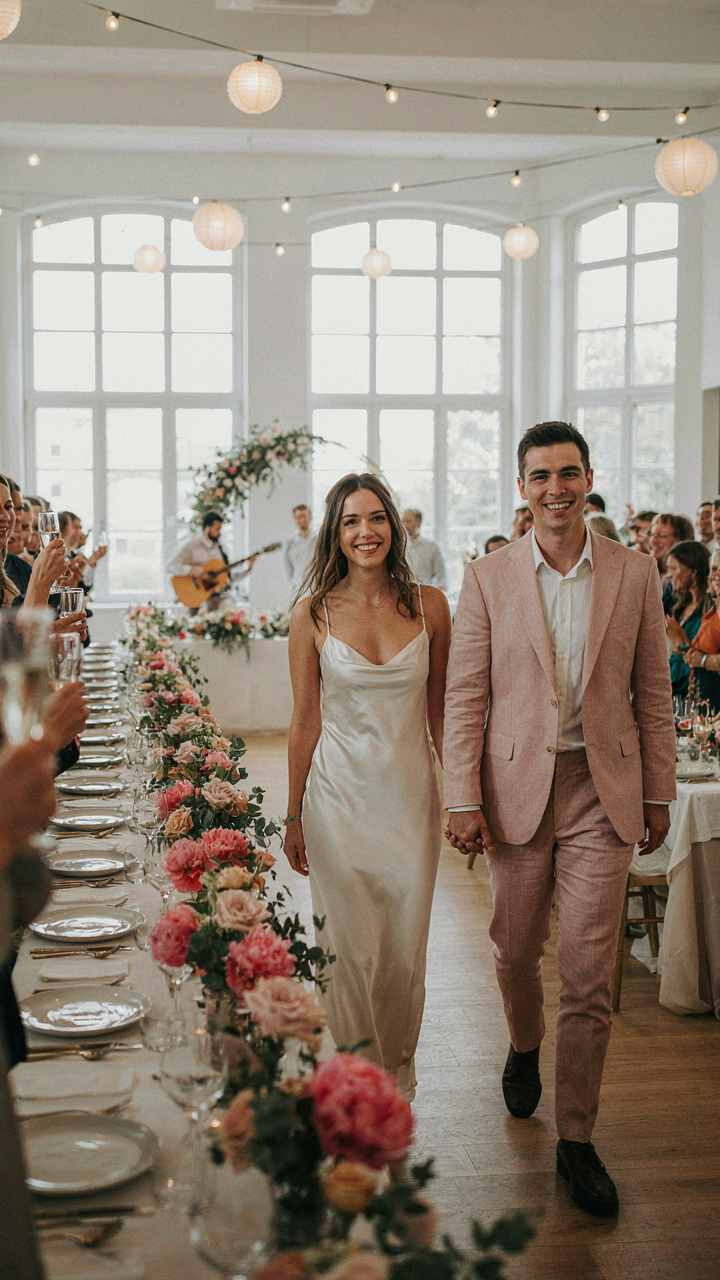
Every couple planning a reception without a dj or band faces the same real enemy: other people’s opinions. You’ll hear it. “Won’t it be awkward?” “How will people dance?” These voices aren’t problems to solve. They’re noise to ignore. Your guests came for you, not a four-piece band. The couples who nail this pull it off because they commit to their vision instead of building a defense. Stop asking permission from people who won’t pay for the party anyway. Pick your playlist today and own it.