The “Midnight Munchies” Method: Fueling The Night Without Fine Dining

Food Trucks Over Plated Service
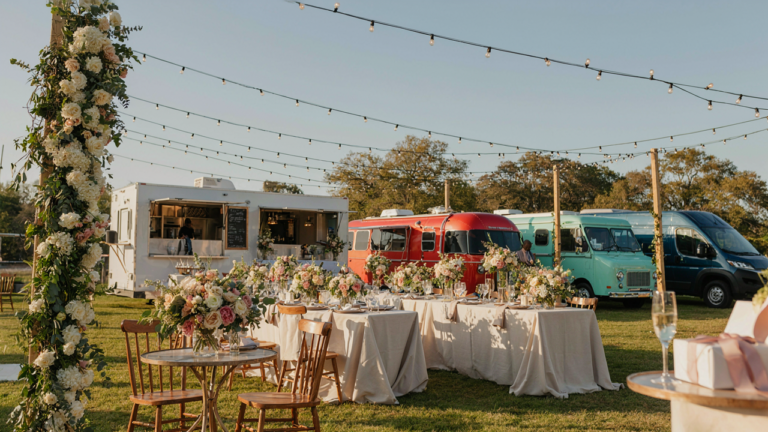
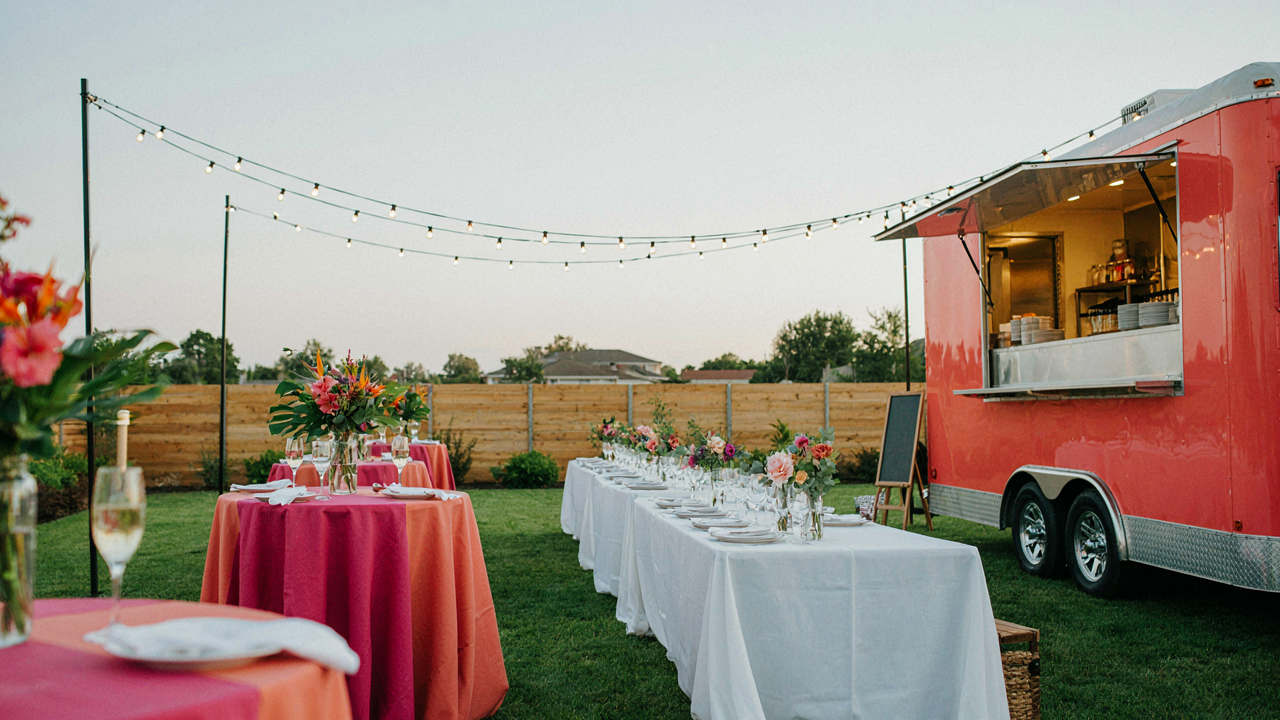
You want your guests fed without spending like you’re hosting a rehearsal dinner. The mechanism is simple: food trucks solve the margin problem that kills most budget after parties. Restaurants charge per plate because they absorb labor, overhead, and waste. A food truck owner brings his own operation and splits the venue with you. He moves volume, not margin per unit. You get real food at wholesale cost while he captures the profit he needs to show up.
Late-night food trucks operate on different economics than catering. They run lean, with minimal staffing and pre-prepped inventory. Taco trucks, slider trucks, and pizza trucks all work here. The key is booking vendors who already run night shifts, not asking a lunch operation to pivot. Contact food truck associations in your area or check platforms like Roaming Hunger. Negotiate a time block instead of a guaranteed spend when possible. You pay them to show up and sell; their revenue comes from your guests ordering.
Elevated Junk Food, Built Yourself
The conventional wisdom here is backwards: DIY snack bars fail because they’re boring or fall apart logistically. The real win is treating snack assembly like a production line, not a decoration project. Break down each component to its single job: carbs, protein, fat, salt, contrast. Buy quality ingredients at wholesale prices, not the grocery store. A charcuterie board costs triple when you build it the day of. A snack station costs half when you batch-prep and assemble in the final two hours before guests arrive.
Stock your station with items that don’t require temperature control or active assembly during the party. Pretzels, candied nuts, cured meats, aged cheese, chocolate, popcorn seasoned aggressively, and crudités with ranch hold for hours. Arrange them in shallow bowls and platters so guests grab without bottlenecking. The logistics win is here: you eliminate the need for trained bartenders or servers to manage food flow. Your job is prepping and restocking once, not managing a station all night. One person can handle refills for a 100-person crowd every 45 minutes.
DIY Decor Deconstructed: Wedding After Party Decor Ideas Beyond The Florist

Light Beats Decoration Every Time
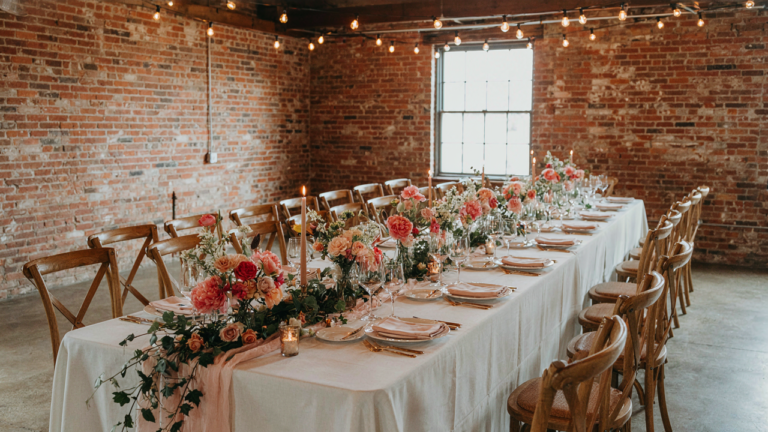
You want to look like you didn’t cheap out, but you can’t afford a designer. Here’s what actually works: light transforms a space faster than any object can. Lighting is borrowed from theater design, where one principle dominates—visibility and mood share the same tool. Fairy lights create perceived intimacy without bulk or cost. Lanterns (paper or metal) scatter light across multiple focal points instead of concentrating it in one expensive floral arrangement. Projection mapping turns a blank wall into a moving backdrop for under fifty dollars using a used projector and free software. The mechanism is simple: human eyes process light before shape, so you engineer the light first and let the space fill itself.

Timing matters more than you think. Install all lighting thirty minutes before guests arrive. Test it beforehand—dead batteries or blown bulbs kill momentum. Place lanterns at ground level along pathways and tables, not high on shelves where light scatters uselessly. Fairy lights work best strung horizontally rather than draped, because horizontal lines read as intentional design. Projections need a clean surface and darkness; run them outdoors or in a tent, not indoors competing with existing light. The after party window is narrow—usually midnight to three AM—so every visual element needs to work immediately without setup time eating into your actual event.
Repurpose What You Already Built
The ceremony already exists. Use its architecture. Arch from the ceremony becomes a photo frame or light stand for the after party venue. Centerpieces get moved to bar or cocktail tables rather than discarded. Runner or aisle fabric becomes table covering or backdrop material. This isn’t recycling sentiment—it’s inventory management. You already paid for these objects, and they serve the same purpose twice.
Found objects work because contrast reads as intentional. Mismatched bottles become candleholders. Branches from the ceremony site become structural elements for hanging lights. Old frames lean against walls as signage. The rule is consistency, not matching: if everything is salvaged or repurposed, the aesthetic coheres. Don’t mix high-end florals with found wood—commit to one direction. Stage your after party decor in one hour using only what exists on the property, then step back and adjust lighting to make it read as deliberate.
The Energy Economy Protocol: Maximizing Vibe With Minimal Spend

Replace The DJ With Intention
You want people to think your after party was expensive. That’s the real fear underneath this section. The mechanism is simple: a DJ signals money spent. A curated playlist signals taste. Borrow from audio engineering the concept of signal-to-noise ratio. Every song either amplifies the room’s energy or kills it. Most DJs play for the middle. They hedge. A playlist doesn’t hedge.

Acoustic sets work when you have a musician willing to perform. Curated playlists work always. The difference between a dead room and a vital one often comes down to song selection at critical moments—11 PM when energy dips, 1 AM when it should peak. Build your playlist in three acts: opener, climax, closer. Use Spotify or Apple Music. Test it beforehand. Skip the ambient opening hour nonsense that wedding blogs recommend. Start strong.
Games And Stations That Demand Participation
The common advice here is to set up a photo booth with props and call it a day. That’s incomplete. Photo booths only work if people care about the photos. What actually works is stations that create a social reason to move around the room and interact.
- Card games and tournaments: Set up one high-stakes game like poker or blackjack with play money. Creates a focal point and conversation anchor without requiring skill to join.
- DIY cocktail station: Guests make their own drinks from a simple spirit, two mixers, and garnish options. Active participation beats passive consumption every time.
- Polaroid or instant camera station: Guests take photos and write on them. Cheaper than a booth operator, more intimate, and people actually keep the results.
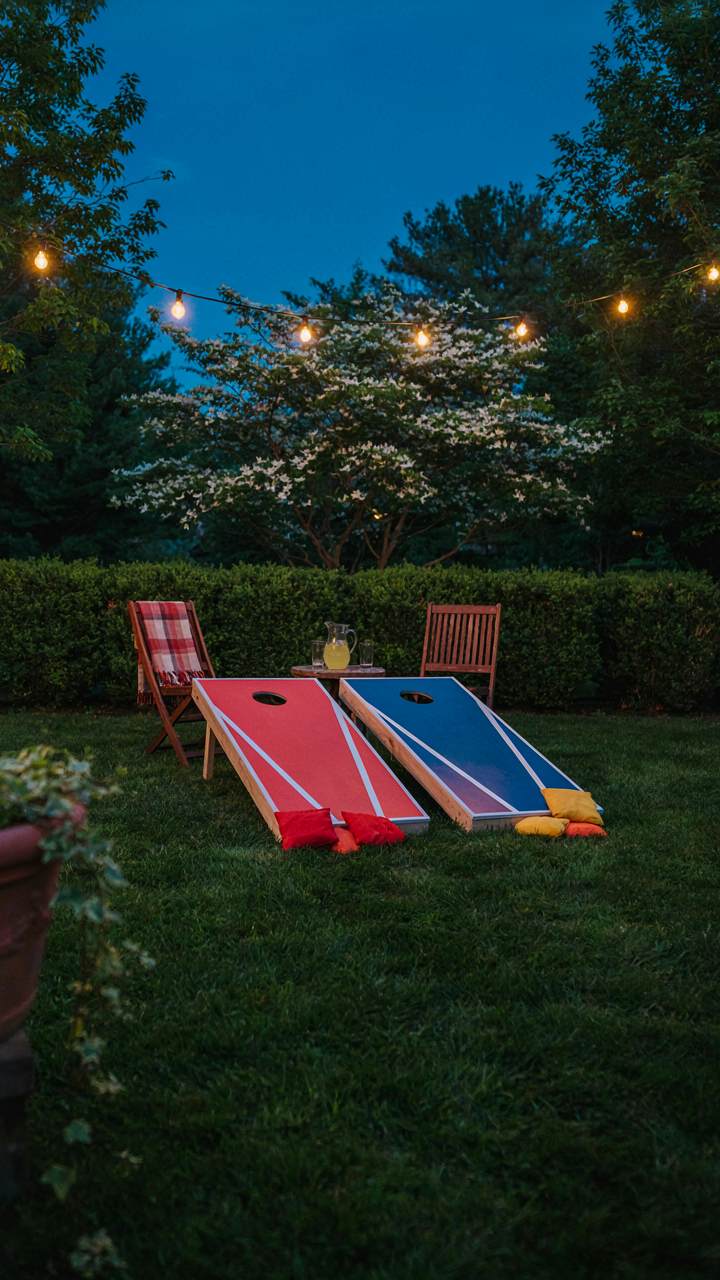
- Lawn games with prizes: Cornhole, giant Jenga, or ring toss. Low setup cost, occupies outdoor space, eliminates dead zones where people stand awkwardly.
- Trivia or prediction game about the couple: Run it in rounds. Offers a reason to gather, a shared activity, and humor that bonds strangers faster than small talk.
Energy economy treats vibe like a finite resource. You allocate it by forcing movement and interaction. When guests stay in one spot, energy collapses. Stations force migration. Run your after party like a rotation system, not a congregation. Set a timer. Move people from one station to the next every 45 minutes.
Location Leverage: After Wedding Celebration Party Ideas Outside The Venue

Public Spaces With Permission
You want the optics of exclusive without the venue bill. That’s the real driver here. Rooftops and parks work because they’re free or nearly free, but only if you handle the actual mechanism: municipal permits and liability. Most couples skip this step and gamble. The city doesn’t care about your wedding. You need written permission weeks ahead, not the night before.

Public spaces require you to understand zoning law as a resource constraint, not a suggestion. A rooftop needs structural capacity confirmation and insurance. A park needs a permit that specifies hours, noise limits, and cleanup responsibility. Contact your city parks department or the building owner directly. Get written approval in hand. The permit itself is your leverage against complaints and shutdowns.
Homes And Unique Rentals
The private space model flips the incentive structure entirely. You control the rules. No noise ordinance, no city oversight, no unexpected closures. Airbnbs and private homes work for after parties because the owner has already accepted short-term use. You’re not fighting a system designed to say no.
The real mechanism here is throughput. A home fits 30 to 80 people comfortably. It costs 150 to 400 dollars for the night in most markets. You eliminate the middleman venue markup entirely. Confirm the rental allows events beforehand, secure parking for guests, and appoint one person to manage noise and cleanup. That single accountability step prevents the landlord complaint that kills the party at midnight.
The Guest Experience Flow Applying Cybernetics To Social Dynamics
How Subtle Cues Shape Behavior
You want to know this because controlling a room without effort feels like power. Here’s the mechanism: cybernetics teaches us that systems self-regulate through feedback loops. A budget after party operates the same way. The physical setup, lighting, music volume, and drink availability send constant signals that either invite engagement or shut it down. Guests respond to these cues before they consciously notice them.

The common advice is to “just have good vibes.” That’s incomplete. A feedback loop requires a measurable output. When a dance floor sits empty, that’s feedback telling guests this isn’t a dancing event. When the bar runs dry at 2 AM, that’s feedback signaling the party is ending. You engineer loops by making one desired behavior obvious and rewarding. Put a keg in the center of the yard instead of hidden on a side table. Position speakers so sound reaches seating areas naturally. Stack empty glasses visibly so someone refills them before you ask.
Spontaneity Emerges From Structure
Unstructured events produce dead air and phone scrolling. The opposite assumption is wrong. Emergent behavior in complex systems requires clear boundaries and simple rules, not chaos. A budget after party needs a container: a defined space, a specific timeframe, known activities. Within that structure, guests generate their own interactions. Designate a lawn area for lawn games but don’t mandate participation. Set up a fire pit with logs and a lighter, then let people decide when to use it. Create conditions for spontaneity rather than hoping it appears randomly.
The mechanism works like this: constraints reduce decision fatigue and increase participation. A guest arriving to a blank backyard hesitates. A guest arriving to a space with a beer pong table, a speaker playing music, and a fire pit already burning knows the event is already in motion. They join or initiate something adjacent to what exists. Post-midnight guests especially operate this way. They want to sense momentum before committing energy. Set one activity in motion before people arrive, and let adjacent activities spawn from observation.
Non Seated Wedding Reception: Embracing The Stand Up Affair
Layout That Forces Movement
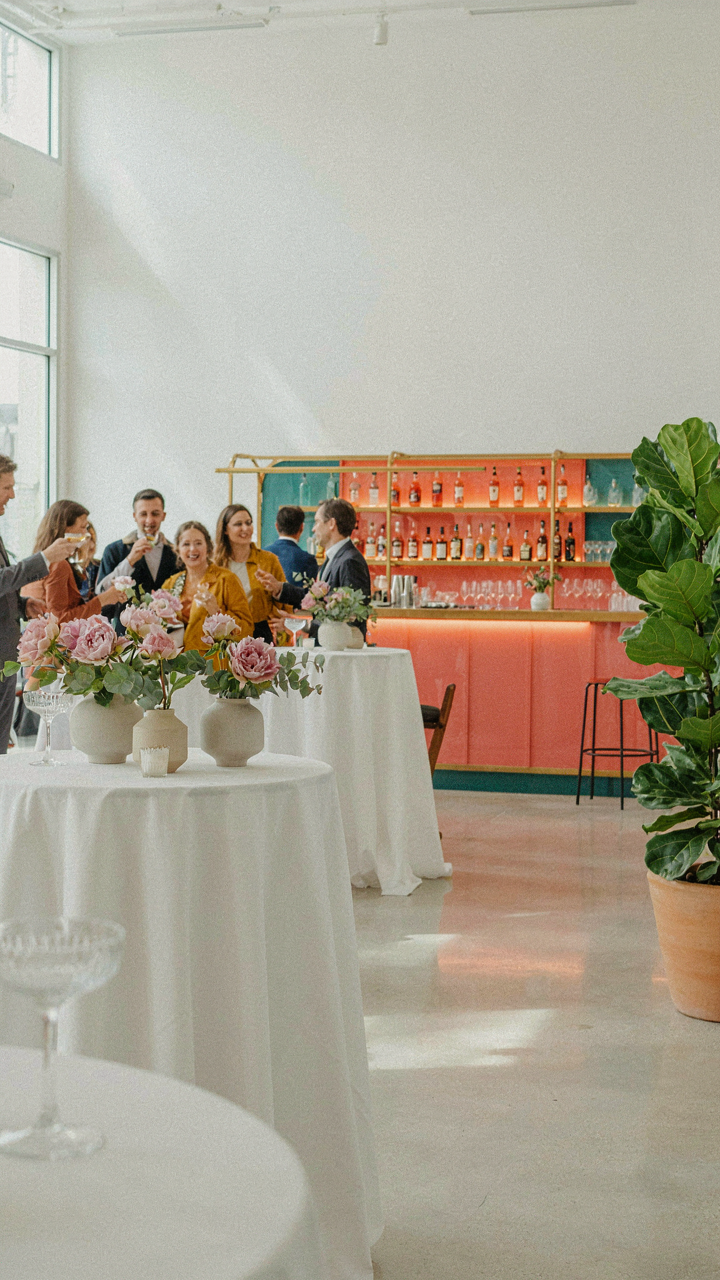
You want people mingling because you’re afraid a seated dinner costs too much and shows it. The real mechanism here is physics: standing crowds distribute energy across space instead of concentrating it at tables. High-top tables scattered throughout the venue create anchor points, not destinations. People stand, eat from a plate or napkin, then move. No one owns a seat. No one settles into a four-hour conversation with the same three people.

Rent four to six high-top tables instead of traditional banquet tables. Position them in corners or against walls, not the center. This leaves the middle of the room open for circulation. Add a few lounge-style seating clusters with low chairs and side tables if budget allows, but keep these minimal. The goal is functional rest spots, not refuge zones. Your venue layout should funnel people into movement without feeling forced.
The Conversation Engine
Everyone says mingling happens naturally at standing receptions, which is incomplete. Mingling happens when the environment removes friction from starting conversations. You need what event designers call “activity nodes”—places where people cluster around something beyond just talking. This could be a food or drink station, a dessert display, a speaker corner, or lawn games if you’re outdoors.
Position your bar and food service so guests can’t camp in one spot. Keep lines short by using multiple stations. Add a small focal point like a photo booth, a vinyl record player with guest requests, or a dessert bar that requires people to move between options. Each station becomes a reason to approach someone new. The conversation flows around the activity, not from willpower. Rotate stations every thirty minutes if the space allows, forcing another round of movement and fresh interactions.
The “Drinks By Design” Approach: Smart Sips, Not Sticker Shock
Control The Pour, Not The Guest List
You’re afraid people will think you’re cheap if the bar doesn’t run unlimited all night. That fear drives most couples to either overspend or serve watered-down garbage. Here’s the mechanism: constraint creates perception of intentionality. Economics calls this scarcity pricing—when supply limits demand, perceived value rises. A signature cocktail isn’t a compromise. It’s a designed choice that signals you’ve thought about what your guests drink instead of defaulting to “whatever.”

A signature cocktail works because it solves three problems at once. First, your bartender makes the same drink repeatedly, cutting both waste and labor costs. Second, guests remember what they drank at your party because it had a name and a story. Third, you control the alcohol ratio, which means you’re not subsidizing someone’s mission to get obliterated on your tab. Offer two versions—one with spirits, one without—and you’ve covered your non-drinkers without announcing it.
Skip The Open Bar Entirely
Most advice says “offer a limited open bar” or “beer and wine only” as if these are innovations. They’re not. They’re still you paying per drink consumed, still creating a transaction mindset, still inviting guests to optimize their intake instead of enjoy the moment. The real move: batch cocktails you make ahead, non-alcoholic options with equal visual weight, and a cash bar for anything beyond that. You’re not “limiting” anything. You’re architecting what’s available.
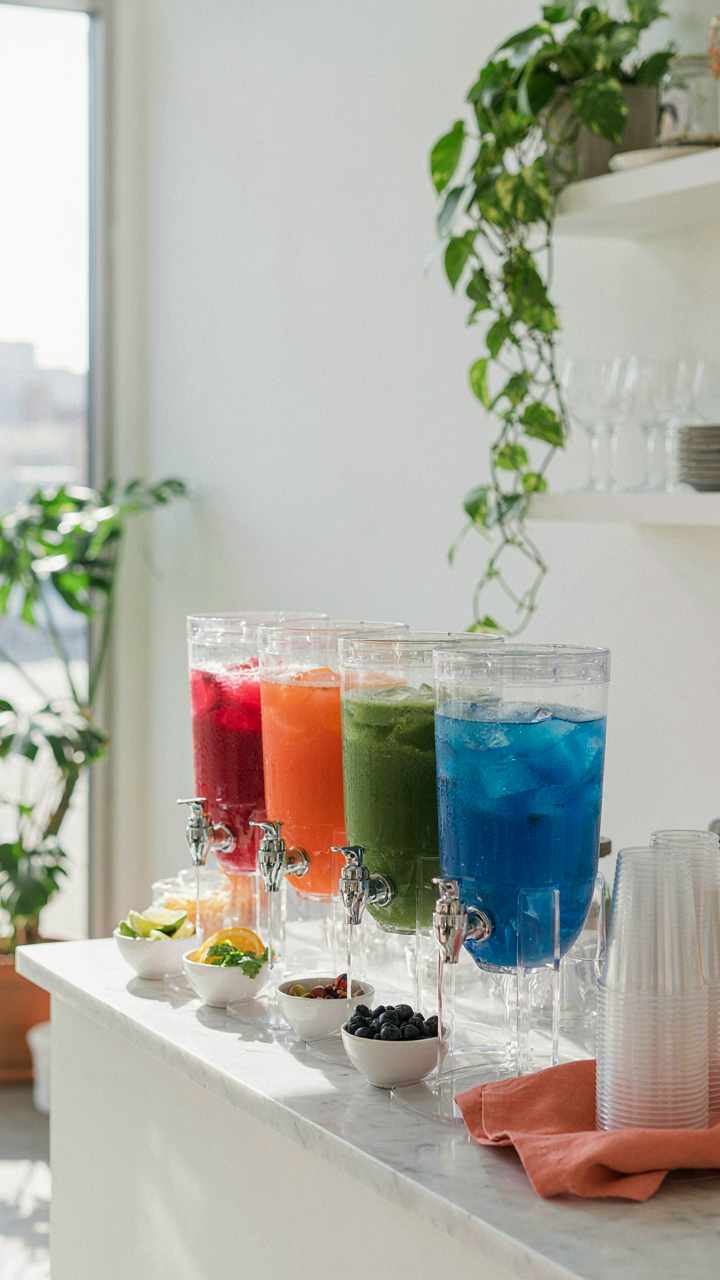
Batch cocktails are prepared in bulk before guests arrive, stored in pitchers or dispensers, served by you or a friend pouring into cups. This eliminates the bartender cost entirely and removes the psychological pressure of “getting your money’s worth” from an open bar. Ginger beer, citrus, and base spirits mix in advance. Non-alcoholic batches—sparkling shrubs, botanical sodas, cold-brew coffee drinks—take the same visual real estate. Set up a self-service station and let people refill. You pay fixed costs upfront instead of variable costs all night.
After Party Theme Ideas: Cohesion Without Cliche

Mood Over Decoration
You want the after party to feel intentional because you’re afraid it’ll look like a leftover from the reception—scattered, cheap, desperate. Here’s the real mechanism: theme is just a permission structure for what atmosphere you’re actually building. The specific decorations don’t matter. The sensory input does. You set mood through three variables: light, sound, and physical comfort. Control those three and guests feel like they entered somewhere deliberate, not just “the basement after.” A dim room with warm string lights reads as intentional. A living room with overhead fluorescents reads as abandoned. Swap the lighting and suddenly the same space has a completely different price tag attached to it in guests’ heads.

Sound design works the same way. A curated playlist—even one you build for free on Spotify—signals curation. Silence or random shuffle signals neglect. Physical comfort means seating that lets people cluster or spread out. Couches beat folding chairs. The floor works if it’s clean and you’ve got floor cushions. You’re not selling a theme. You’re selling the feeling that time moved slower there. Accomplish that and the theme becomes invisible because the experience is what people remember, not the decorations.
Personal Details As The Real Theme
Stop copying Pinterest boards of “Gatsby-themed after parties” or “rustic barn vibes.” That advice assumes theme is a costume you wear. It’s not. Theme should be the language only your guest list speaks. Your inside jokes, the music you three argue about, the random detail from your first date, the job your best man complains about constantly—these become the actual infrastructure. When your groomsmen see a single reference to something only they understand, the after party stops feeling generic and starts feeling like it was built for them specifically. That shift is free. It costs nothing but attention.
The mechanism here is recognition. Humans encode meaning through specificity. A generic “Vegas after party” could be anywhere. But if you reference the weekend in Atlantic City that went sideways, or the terrible karaoke bar where your fiancée destroyed everyone, you’ve just made the space feel authored. You’ve made it feel like it could only happen with this exact group. Pull two or three of these personal anchors into your decor, your playlist, or even just conversation starters written on cards, and guests feel welcomed into something real instead of something performed.
Day After Wedding Party Ideas: The Strategic Wind Down
The Brunch That Isn’t Really About Food
You want to feel like the wedding didn’t end, like you’re still the center of attention without the production cost. Here’s the mechanism: a day-after brunch works because it resets the energy without requiring you to build another event from scratch. You’re not throwing a second wedding. You’re extending the social momentum guests already built.

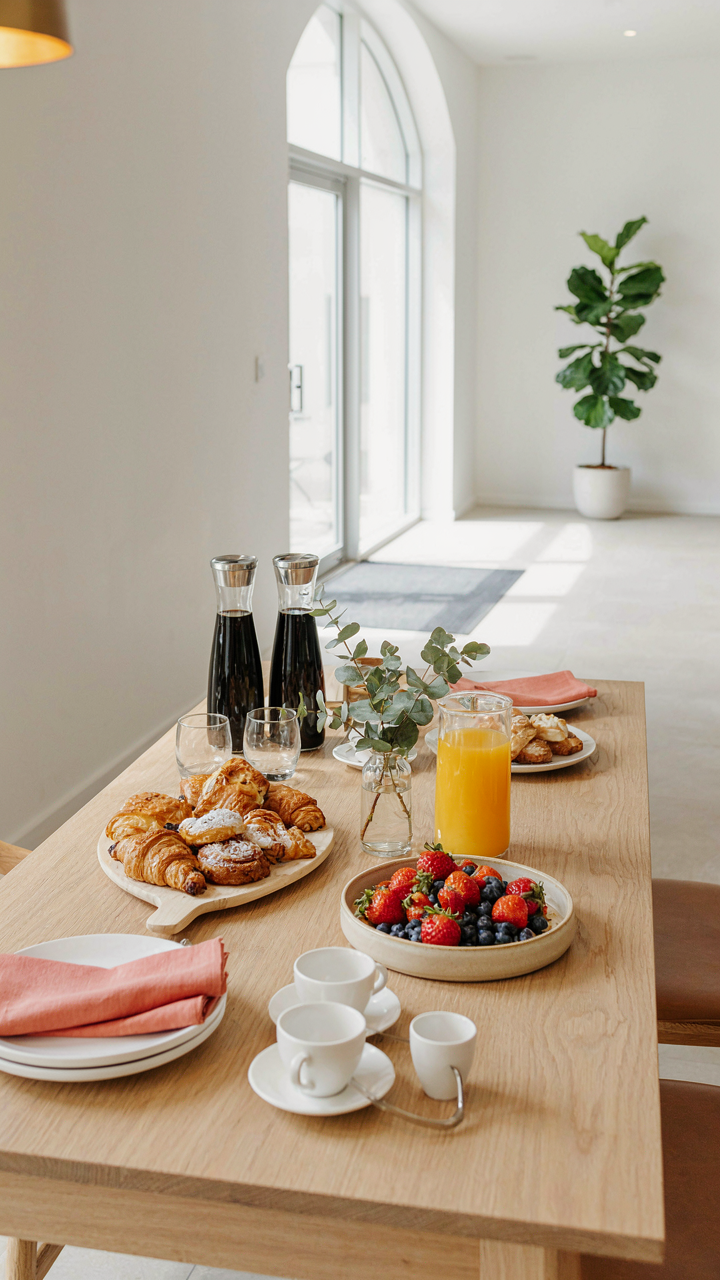
Skip the restaurant reservation fantasy. Host it where people are already staying: a hotel lobby, a rented cabin’s common area, someone’s backyard. Set a time window, not a rigid start. Provide coffee, bagels, pastries from a grocery store bakery. People self-organize around food and proximity, not around your detailed itinerary. This is recovery, not performance.
Leverage Your Existing Infrastructure
Economics teaches us about marginal cost, the expense of producing one additional unit after you’ve already paid for the base. Your wedding guests are already lodged in town. The venue or rental is paid. The remaining cost per person drops to almost nothing. Use this.
Coordinate with your hotel or rental property about common areas available the next morning. Most will let you use a lobby, patio, or dining room without extra charge if you’re already a guest. Guests who rented nearby houses often have decks or living rooms. A simple group text asking who’s willing to host fifteen minutes of casual gathering eliminates venue fees entirely. The gathering succeeds because it requires no setup, no catering coordinator, no decisions beyond showing up.
The “Post Reception Pivot” Seamless Transitions For Night Owls

Tell Guests The Plan Before The Reception Ends
You’re worried people will feel confused or abandoned when the main event wraps, so you’re looking for a way to seem organized without actually doing extra work. The mechanism is simple: guests need a clear decision point, not a mystery. Announce the after party details during the reception itself, not via text after people have already left or changed clothes. Give location, time, and what to expect. Specificity kills confusion.
Most couples bury this announcement or skip it entirely, then wonder why half their intended after party crowd never shows. You need one person making a short, deliberate announcement fifteen minutes before the reception officially closes. Not on a microphone necessarily, but stated plainly so it lands. Include the address, whether drinks are covered, and how long you’ll be there. People make decisions based on information, not hints.
Transportation And Timing Lock Everything Down
Logistics is a supply chain problem. You control the flow by removing decision points that slow people down. Transportation creates friction: people need to know if they’re driving separately, carpooling, or if shuttle service exists. Late night adds pressure. Solve this by committing to one of three models before guests arrive at the reception.
Option one is ride share coverage up to a cap per person. Option two is a rented shuttle running on a fixed schedule between the reception venue and after party spot. Option three is transparency: tell guests the after party is walkable or a short rideshare away, then let them coordinate. Never leave transportation ambiguous. Post the after party address on your wedding website or invitations weeks prior. Guests who plan ahead show up. Guests who improvise don’t.
The Real Obstacle Isn’t Your Budget, It’s Your Imagination’s Reliance On Convention

You don’t need more money for your after party. You need permission to stop copying what everyone else does. Most people default to renting a venue because they’ve never questioned it. They book a DJ because that’s the template. Stop outsourcing your creativity to tradition. Pick one unconventional element today, one thing that makes zero sense to anyone but you and your partner, and commit to it. Your guests won’t remember the expensive after party. They’ll remember the one that felt like it was made just for them.