Why Every Couple Needs A Solid Wedding Timeline Before The Big Day

The Real Cost Of Not Having A Plan What Can Go Wrong Without A Timeline
Operationally, a missing wedding day timeline creates a vacuum that chaos fills quickly. Without a defined schedule, your vendors will make independent decisions that conflict with your goals. When the photographer does not know his start time or the kitchen lacks a service window, the event loses its structure. This lack of a wedding to do list timeline leads to expensive overtime fees and missed moments.
Failure to coordinate a timeline wedding results in a logistical bottleneck. Guests become restless when the wedding invitation timeline promises a start time that you cannot meet due to poor planning. Delays during the ceremony can push dinner service past your contracted venue hours. You lose control of your budget when you pay professionals to wait around instead of executing their specific duties on schedule.
How A Clear Wedding Timeline Reduces Stress For You Your Family And Your Vendors
A professional day of wedding timeline serves as the central command document for all stakeholders. Effective itinerary design ideas allow your bridal party to know exactly where to stand and when to move. By distributing wedding timelines early, you eliminate repetitive questions throughout the day. This document empowers your vendors to solve problems independently because they understand the broader goals of your specific wedding itinerary design plan.
Consistency is the primary benefit of a well-executed wedding timeline. When everyone follows the same map, shifts in weather or minor delays become manageable rather than catastrophic. Solid itinerary design ideas ensure that sunset photos happen on time and food remains at a safe temperature. Clear communication through a documented plan keeps the focus on the event rather than on basic logistics and constant technical troubleshooting.

Understanding The Basic Structure Of A Wedding Timeline
Breaking Down The Key Phases: Getting Ready, Ceremony, Cocktail Hour, And Reception
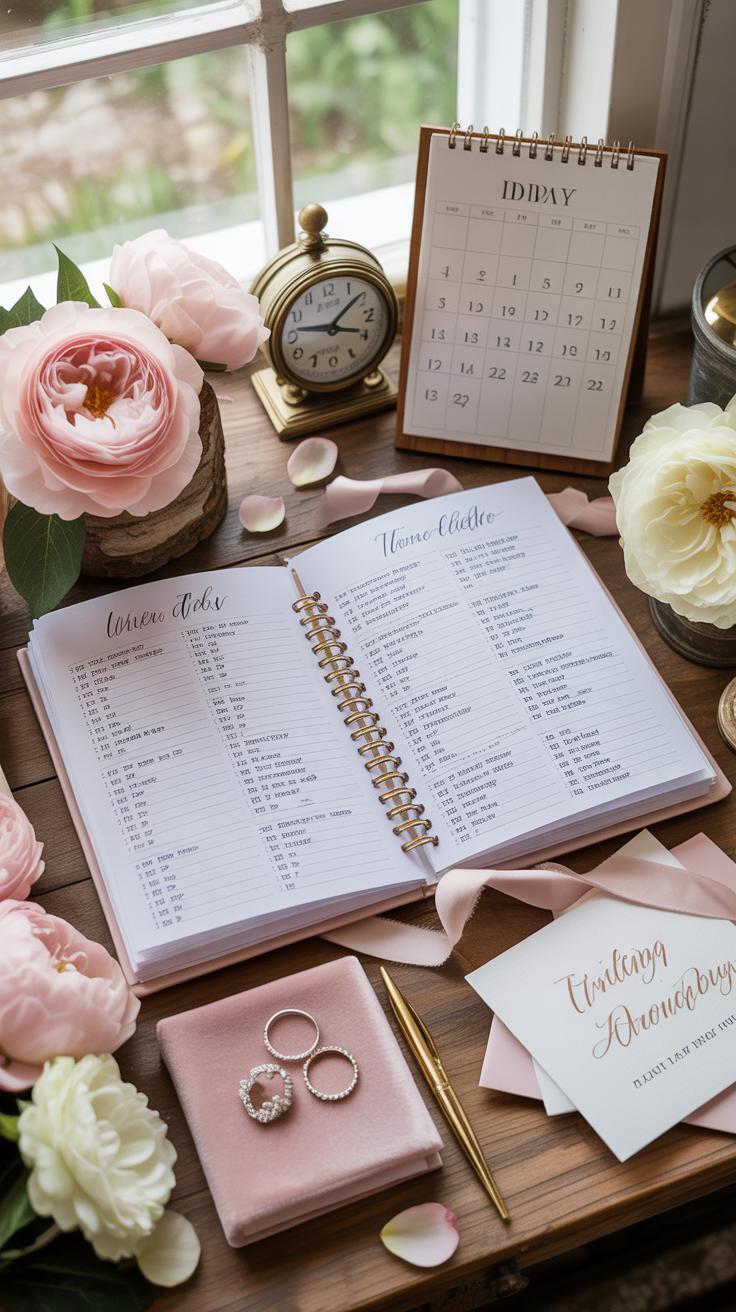
The Day Of Wedding Timeline begins with the getting ready phase. Professional hair and makeup artists require specific time blocks for the bridal party. This stage sets the foundation for the entire event. Coordination between photographers and stylists is essential here. Effective Wedding Itinerary Design ensures that bridesmaids and groomsmen are ready before the first look or ceremony starts to avoid cascading delays.
The Ceremony leads directly into the Cocktail Hour and Reception phases. This transition is the most critical part of the Wedding Day Timeline. Modern Wedding Timelines prioritize guest comfort by keeping the gap short. During the Reception, events like dinner and dancing follow a strict sequence. High quality Itinerary Design Ideas focus on maintaining energy levels while moving guests through different physical spaces efficiently and safely.
How Long Should Each Part Of Your Wedding Day Last? Realistic Time Estimates
A standard ceremony usually lasts thirty minutes. You should allocate sixty minutes for the Cocktail Hour to allow for photos and room flips. The wedding dinner requires roughly ninety minutes depending on the service style. Use a Wedding To Do List Timeline to track these specific durations. Accurate estimates prevent guests from becoming restless. Every Timeline Wedding needs these fixed points to remain organized and functional.

Strategic Wedding Timelines include buffer zones of fifteen minutes between major events. These small windows account for late arrivals or technical issues. Your Wedding Invitation Timeline must reflect the actual start time rather than the guest arrival time. Clear communication in your Wedding Day Timeline prevents confusion. Setting realistic expectations ensures that the venue staff and vendors can execute their duties without rushing through important moments.
How To Start Building Your Wedding Day Timeline From Scratch

Identifying Your Non Negotiable Anchor Times Ceremony Start And Venue Curfew
Every wedding day timeline relies on two fixed points that dictate all other movements. Your ceremony start time determines the morning preparation speed. Your venue curfew dictates the reception energy and shutdown procedures. You cannot build a wedding timeline without these two pillars. These times are usually set by legal contracts or religious requirements. They provide the structural bounds for your day of wedding timeline.
Use the ceremony time printed on your wedding invitation timeline as the primary anchor. Subtract fifteen minutes to account for late guests and seating. Then look at the end of the night. The venue exit time forces your hand on the music stop and cleanup. Efficient wedding timelines balance these bookends to ensure no part of the day feels rushed or excessively long.
Step By Step Working Backwards From Your Ceremony Time To Set The Rest Of Your Schedule
Building a timeline wedding requires reverse engineering. Start at your ceremony time and move toward the morning. Calculate travel distance between locations and add buffer time for traffic. This method ensures your wedding to do list timeline accounts for reality rather than optimism. You must allocate specific blocks for photography and logistics before guests arrive at the venue to keep everything on track.
- First Look Photography: Assign sixty to ninety minutes for this session. It allows you to finish couple and wedding party portraits before the ceremony. This tactic frees up your cocktail hour for socializing later in the day of wedding timeline.
- Hair and Makeup Completion: Set the finish time for one hour before you need to be dressed. This buffer prevents delays if a stylist runs behind. It ensures the bridal party is ready for pre ceremony photos without any unnecessary stress or rushing.
- Vendor Arrival Windows: Schedule delivery for florals and rentals at least three hours before the ceremony starts. This timing allows for setup and troubleshooting if items arrive damaged or incorrect. Early arrivals prevent logistics from interfering with your itinerary design ideas or visual setup.
- Pre Ceremony Refresh: Block out thirty minutes for the couple to hide away before guests arrive. Use this time for hydration and touch ups. It keeps you out of sight while your wedding invitation timeline brings guests into the ceremony space for seating.
- Transportation Buffers: Add twenty percent more time to every calculated driving route between the hotel and venue. Group transport often takes longer to load and unload than expected. This extra space protects your wedding day timeline from unexpected road closures or slow transitions.

Effective itinerary design ideas treat time as a finite resource. If you overlook the transit times between getting ready and the altar, the entire wedding day timeline will collapse by mid afternoon. Use professional wedding itinerary design tools to map these gaps clearly. This backward planning method identifies exactly when you must wake up to meet your goals. Accurate wedding timelines leave no room for guesswork.
Coordinating Hair Makeup And Getting Ready Moments In Your Day Of Wedding Timeline

How To Schedule Hair And Makeup For Multiple Bridesmaids Without Running Behind
Professional hair and makeup artists require specific time slots to maintain high quality. Assign each person a firm start time within your Wedding Day Timeline. Start with bridesmaids and family members first. Save the bride for the middle or late slot to ensure fresh results for photos. Calculate forty-five minutes per service for bridesmaids. Use a master Wedding To Do List Timeline to track who sits in the chair next.
Efficiency depends on organization and preparation. Every person must arrive with clean, dry hair and a moisturized face. Delays occur when stylists wait for someone to finish a meal or find their phone. Use your Timeline Wedding strategy to enforce strict rotation. This prevents bottlenecks and keeps the artist moving. Proper Itinerary Design Ideas prioritize the flow of people through the styling station to meet the photography start time.
Building Buffer Time Into Your Getting Ready Schedule So Nothing Feels Rushed
Standard Wedding Timelines often fail because they lack padding. Add a thirty-minute window between the end of beauty services and the start of dressing. This gap accounts for bathroom breaks, minor touch-ups, or late arrivals. Your Day Of Wedding Timeline must treat buffer time as a mandatory appointment. Without it, one small delay ripples through the entire afternoon. Realists plan for the unexpected to keep everyone calm and focused.

Strategic Itinerary Design requires looking beyond the mirror. You must account for the time it takes to pack bags and clear the room of clutter. Clean spaces make better photos. Use your Wedding Invitation Timeline to inform guests of when they must be fully dressed. A solid Wedding Timeline ensures the photographer never waits for a bridesmaid to find her shoes. Logistics win the day. Stick to the scheduled blocks and transition early.
Planning Your Photography And Video Shots Within Your Wedding Timelines
First Look Vs. Traditional Reveal: How Your Choice Affects Your Photo Timeline
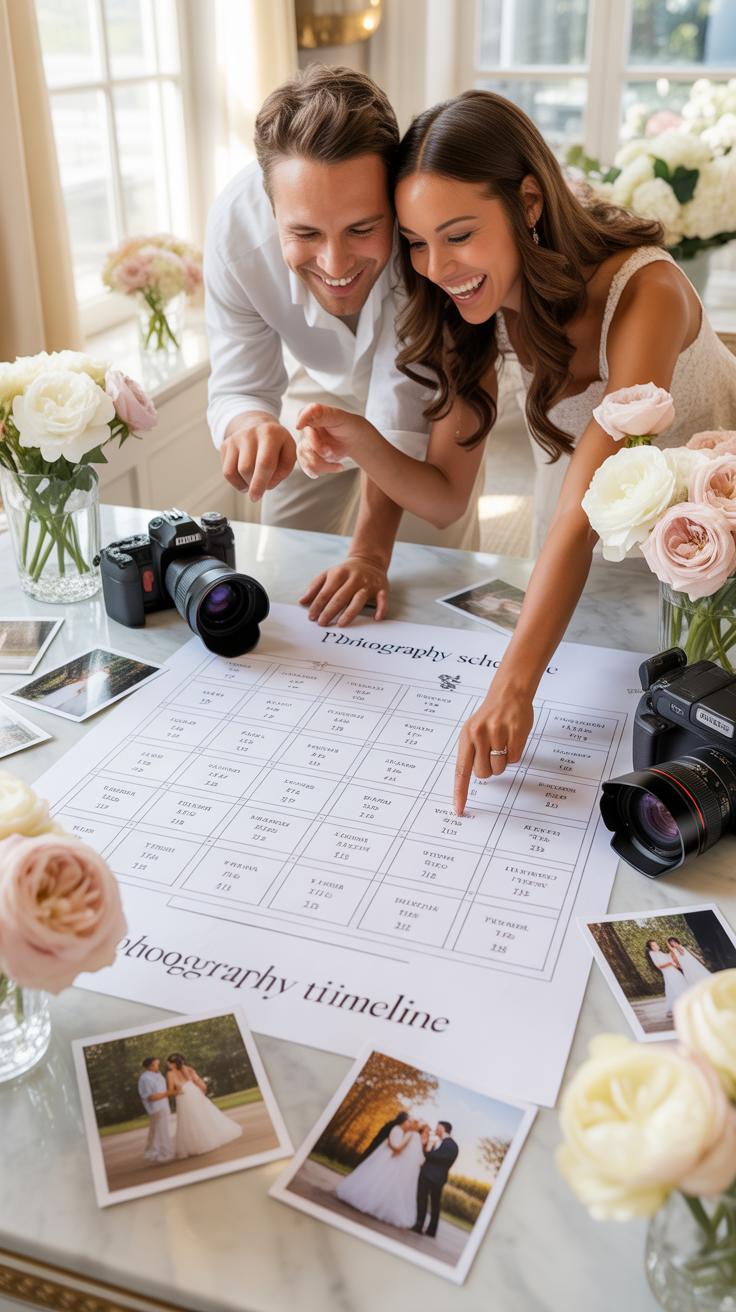
The first look is a strategic tool for any wedding day timeline. It allows you to finish couple portraits and bridal party shots before the ceremony starts. This move frees up your cocktail hour for socializing. It reduces the post-ceremony pressure on your wedding timelines. You gain more control over the light and the schedule. This choice creates a more relaxed day of wedding timeline for everyone.
Opting for a traditional reveal requires a different wedding itinerary design. You must push all formal photography into the gap between the ceremony and reception. This often forces a longer cocktail hour to accommodate the workload. You risk losing light if your ceremony runs late. Use your wedding to do list timeline to track these specific time blocks. Your timeline wedding needs extra padding if you skip the first look.
A well-planned schedule is the quiet backbone of a beautiful day, allowing you to stop watching the clock and start living in the moment. When the timing is intentional, the memories are effortless.
How Much Time To Allocate For Family Formals, Bridal Party Photos, And Golden Hour Portraits
Family formals require exactly three minutes per grouping on a professional wedding invitation timeline. Do not underestimate the chaos of moving large groups of people. Assign one person to herd family members based on your pre-set list. This keeps the wedding day timeline moving without delays. Efficient itinerary design ideas prioritize small children first. Always build in a ten-minute buffer for missing relatives who wander off to the bar.

Golden hour portraits take place roughly twenty minutes before sunset. This is the most critical window for high-quality imagery in any wedding day timeline. Block out thirty minutes for this session to account for travel to the specific location. Your wedding timelines must account for this shift away from guests. Proper planning ensures you capture the best natural light. This tactical approach prevents rushed photos and ensures the final result looks professional.
Syncing Your Wedding Invitation Timeline With Your Day Of Schedule

Why Your Invitation Start Time And Your Actual Ceremony Time Should Not Always Match
Setting the invitation start time requires tactical planning to avoid delays. Guests rarely arrive at the exact minute listed on your wedding invitation timeline. Late arrivals disrupt the processional and cause a domino effect on the rest of the day. Professional planners recommend listing a time fifteen to thirty minutes before the actual start. This buffer ensures everyone is seated before the music begins.
A timeline wedding depends on punctuality from the start. If you specify a four o’clock start, your Day of Wedding Timeline remains protected against traffic issues or parking delays. You do not want the officiant waiting for stragglers. Using a soft start time keeps the event on pace. It allows groups to settle and quiet down before the official ceremony begins without rushing your wedding timelines.
What Guest Arrival Information To Include On Your Invitation To Keep The Day Running Smoothly
Clear communication is the core of effective wedding itinerary design. Guests need to know exactly when doors open and when the ceremony starts. Use your wedding day timeline to provide precise arrival instructions. State the time the prelude music begins. This tells guests when they are welcome in the space. Giving clear directions reduces confusion and prevents early arrivals from interrupting your private photography sessions or final setup.

Smart itinerary design ideas focus on logistical transparency. Mention parking or shuttle times on your wedding to do list timeline. If the venue is remote, provide specific travel estimates. This data helps guests manage their own schedules. Accurate details on the invitation ensure the wedding day timeline stays intact. High level detail prevents the wedding invitation timeline from failing due to guest error. Precise wording keeps the entire event moving.
Designing A Wedding Itinerary For Your Vendors Wedding Party And Guests
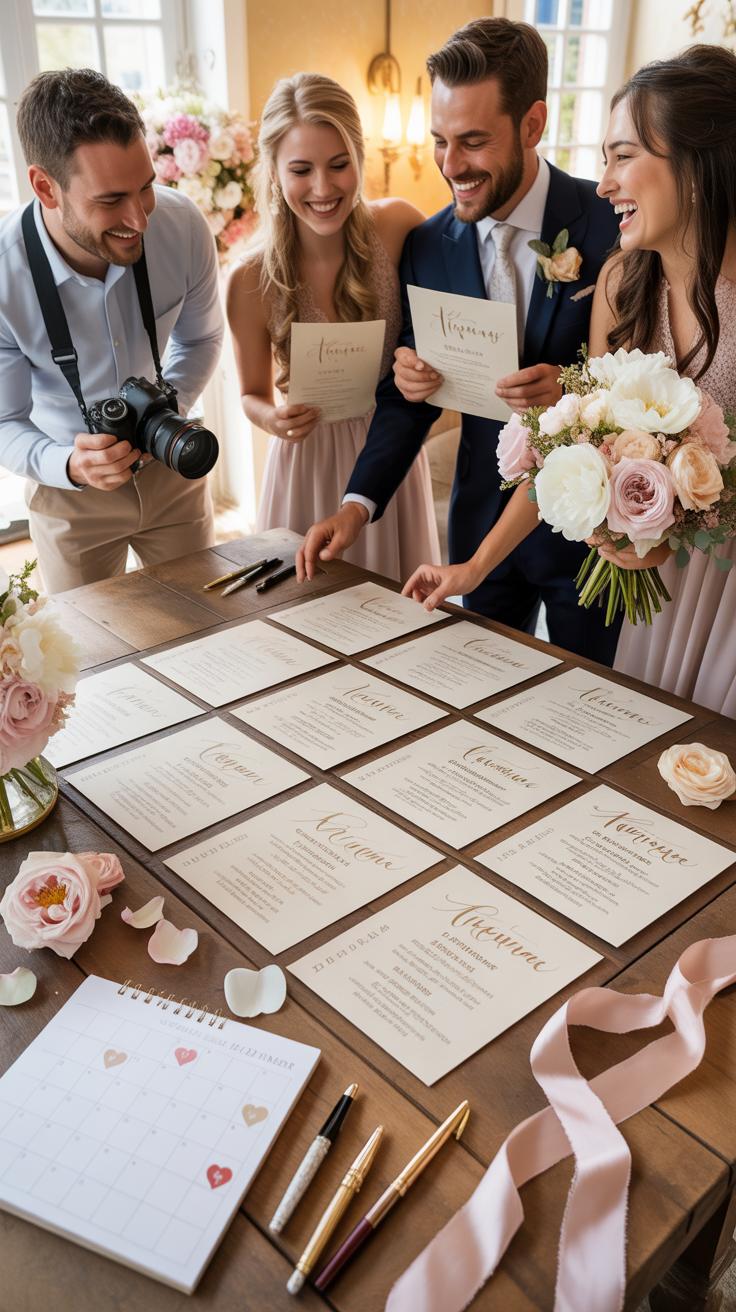
What To Include In Your Vendor Timeline Vs. Your Guest Facing Wedding Itinerary Design
Your internal Wedding Day Timeline requires granular detail that guests do not need. Vendors must see load-in times, power requirements, and specific setup deadlines. This technical document ensures the venue remains ahead of schedule. Your Day Of Wedding Timeline for staff focuses on logistical execution. It lists every contact name and delivery window. Distribute this version forty-eight hours before the event to prevent last-minute questions during the setup phase.
The Wedding Invitation Timeline serves a different purpose for your attendees. It focuses on the guest experience and basic navigation. Keep this public Itinerary Design specific to start times for the ceremony, cocktail hour, and dinner. Avoid sharing private moments like family photos or early preparation blocks. Your Wedding To Do List Timeline should track these separate documents. This ensures your Wedding Itinerary Design provides clarity without overwhelming the people attending the celebration.
Itinerary Design Ideas That Are Practical, Elegant, And Easy For Everyone To Follow
Effective Itinerary Design Ideas prioritize legibility over complex decoration. Use high-contrast fonts and ample white space to make the Timeline Wedding easy to read in dim light. Traditionally, wedding stationary follows Swiss Design principles of clarity and order. Apply these standards to your Wedding Timelines. Digital versions should use responsive layouts for mobile viewing. Paper versions work best on heavy cardstock that withstands handling throughout a long day.

Streamline your Wedding Timeline by using clear icons for major events. This visual shorthand helps guests navigate the venue quickly. Include a small map or address if the reception site differs from the ceremony. For the wedding party, a pocket-sized card ensures everyone knows their placement. Good design reduces stress and keeps the event moving. Focus on the core schedule. Eliminate any unnecessary text that distracts from the primary objective of the day.
Reception Flow Structuring Dinner Toasts First Dances And Dancing In Your Timeline Wedding
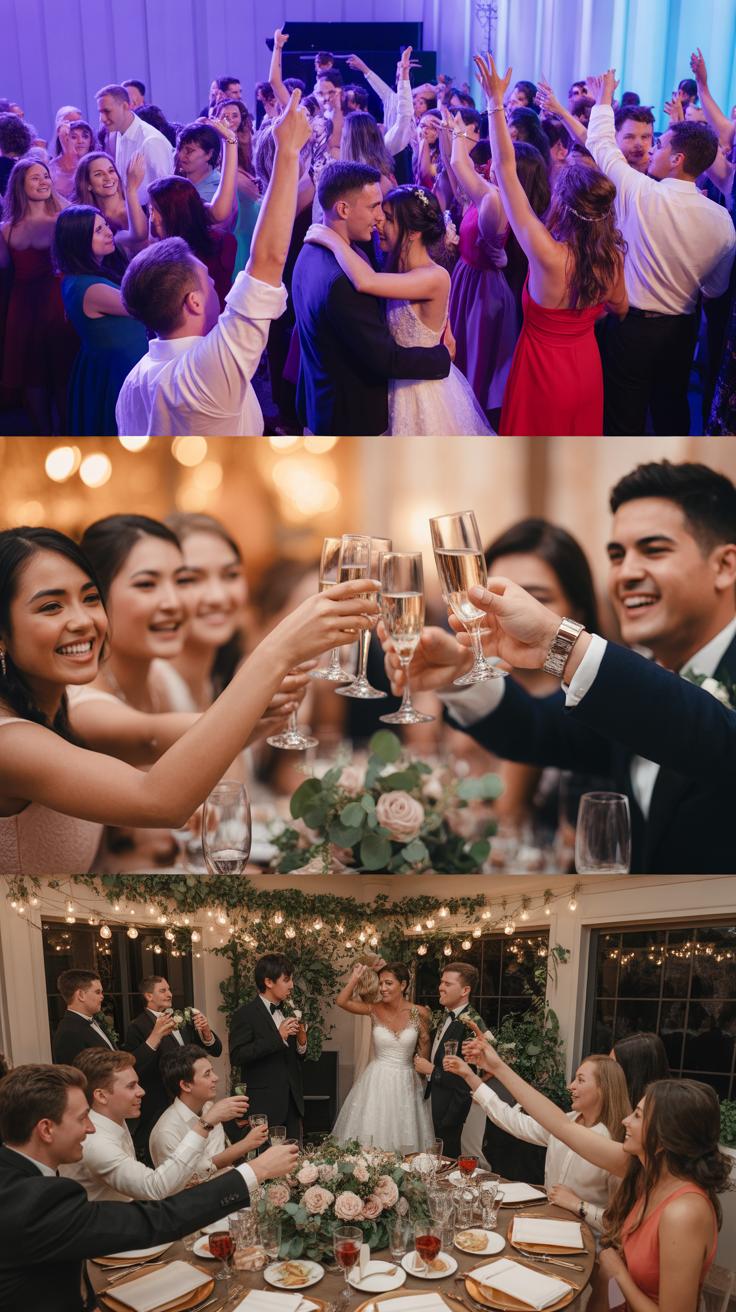
The Ideal Order Of Events During A Wedding Reception And Why Sequencing Matters
Effective wedding itinerary design starts with the grand entrance followed immediately by the first dance. Do not wait until after dinner to dance. Use this momentum to transition directly into a welcome toast or blessing. This order keeps guests in their seats while food service begins. A smart wedding day timeline ensures that the kitchen has a clear window to plate meals without interruption.
Structure the wedding timelines around the service of the main course. Schedule speeches toward the end of the meal or between courses to minimize downtime. Proper sequencing prevents a wedding to do list timeline from stalling. Finish all formal events including the parent dances and cake cutting before the dance floor opens fully. This maintains high energy and clears the way for uninterrupted partying.
How To Avoid The Most Common Reception Timing Mistakes That Drag The Evening Off Course
Long speeches destroy the flow of any timeline wedding. Limit each speaker to three minutes to maintain guest engagement. If the wedding invitation timeline suggests dinner at seven, ensure the catering staff is ready by six forty-five. Delays in food service cause the rest of the day of wedding timeline to collapse. Strategic itinerary design ideas always prioritize guest comfort and the temperature of the served meal.

Avoid the mistake of stopping the music for various events once dancing starts. Accomplish the cake cutting and bouquet toss early. Constant interruptions frustrate guests and clear the dance floor. A tight wedding day timeline relies on the DJ and coordinator working in tandem. When the schedule stays lean, the atmosphere remains electric. Focus on fewer transitions to keep the crowd focused on the celebration.
Using A Wedding To Do List Timeline To Stay Organized In The Months Before Your Wedding
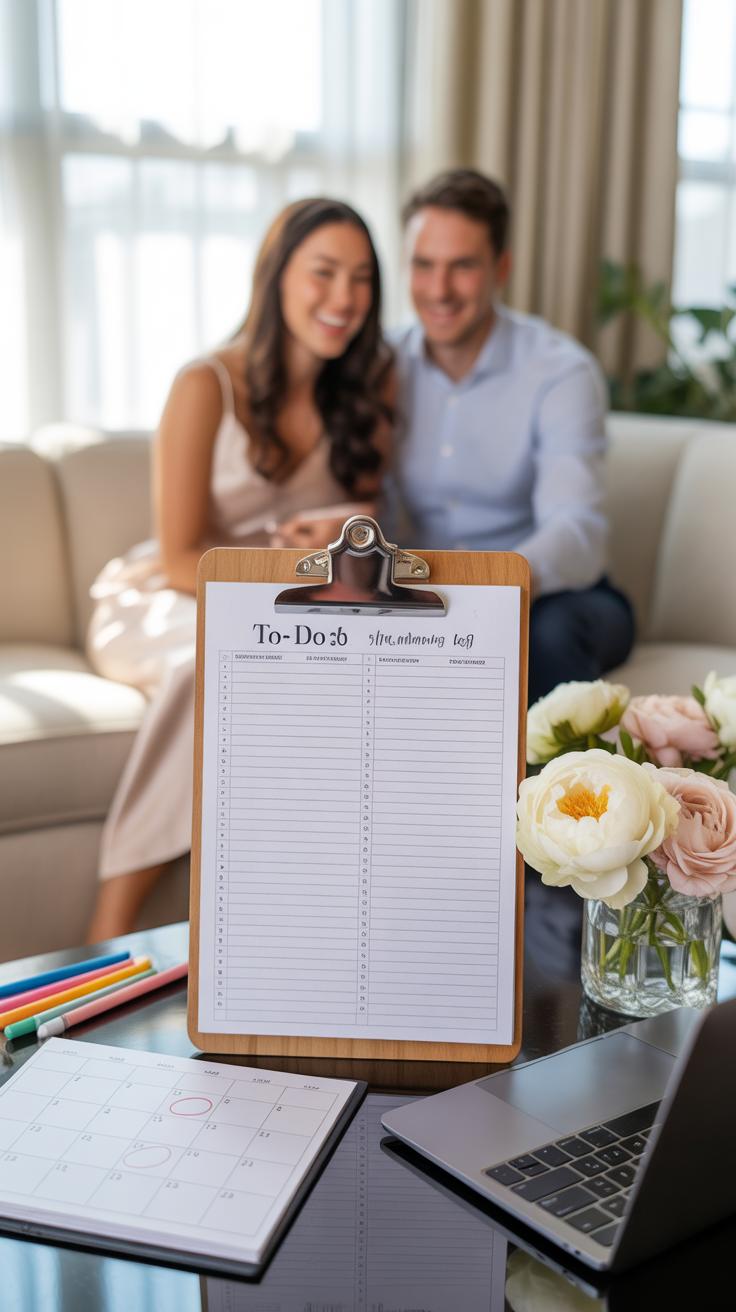
Key Planning Milestones To Hit 12, 6, 3, And 1 Month Before Your Wedding Day
A successful wedding timeline begins exactly twelve months out. High-demand venues and lead photographers book early. You must secure your primary vendors first to lock in your date. Early booking prevents compromises on quality or location. Your budget must be firm before signing any contracts. Use a wedding to do list timeline to track deposits and contract deadlines during this initial phase.
- 12 Months Out: Select your venue and primary vendors immediately. Secure your date with deposits and signed agreements. Establish a total budget to guide all future spending. Draft your initial guest count to ensure the space fits your needs.
- 6 Months Out: Order your attire and finalize the guest list. Launch your wedding website to share logistics with attendees. Research wedding itinerary design options for your printed materials. Confirm the availability of your wedding party and officiant for the specific date.
- 3 Months Out: Finalize the wedding invitation timeline to ensure guests receive mail eight weeks before the event. Purchase wedding rings and confirm floral designs. Schedule your hair and makeup trials. Start drafting the internal wedding day timeline for your vendors and bridal party.
- 1 Month Out: Apply for your marriage license according to local laws. Confirm final headcounts with the caterer. Finalize the day of wedding timeline and distribute it to all vendors. Complete the seating chart and print all place cards or escort boards.
Precision at the one month mark prevents operational failure. You must confirm every technical detail with your catering lead and floor manager. The wedding invitation timeline should have already yielded all RSVPs by this stage. Use this time to finalize the timeline wedding flow for the ceremony and reception. Clean data and clear communication at this stage eliminate confusion on the actual day.
How To Use A Wedding To Do List Timeline To Delegate Tasks And Avoid Last Minute Chaos
Delegation is the only way to maintain a functional wedding day timeline without burning out. You cannot manage logistics and enjoy the event simultaneously. Assign specific roles to trusted family members or professional coordinators. Clear instructions prevent overlapping duties. Use wedding timelines to show each person exactly where they need to be. This structure keeps the wedding itinerary design functional and efficient.
Itinerary design ideas must include contingency plans for weather or transport delays. A robust wedding to do list timeline identifies potential bottlenecks before they happen. Share the day of wedding timeline with all transport drivers and hair stylists. When everyone knows the plan, you spend less time answering questions. Strategic planning ensures the timeline wedding stays on track from the first photo to the final exit.
Tips For Handling Delays And Keeping Your Wedding Timeline On Track In Real Time

Guidance On How To Assign A Point Person On The Day To Manage The Schedule So You Do Not Have To
The Wedding Day Timeline fails when the couple tries to manage it. You must delegate authority to a professional planner or a trusted Wedding Timelines coordinator. This person enforces every Wedding Itinerary Design detail while you focus on the event. They own the schedule from start to finish. Give them a physical copy of the document to ensure they track every milestone accurately.
Your point person must have the Wedding To Do List Timeline in hand at all times. They communicate directly with vendors to keep them on task. If a photographer runs behind, the point person adjusts the Timeline Wedding flow immediately. This strategy prevents the couple from feeling the pressure of delays. It ensures the Day Of Wedding Timeline remains a functional tool rather than a source of stress.
Smart Contingency Strategies Every Couple Should Build Into Their Wedding Day Plan
A successful Wedding Timeline requires buffer zones. Add fifteen minutes to every transition during the Wedding Invitation Timeline planning phase. Traffic or wardrobe issues will happen. Building extra time into your Wedding Day Timeline prevents a single delay from ruining the entire night. These pads act as insurance for your schedule. They allow the event to breathe without cutting into the photography or meal service.
Review your Itinerary Design Ideas for bottlenecks like transport or hair and makeup. These areas almost always cause delays. Factor in extra time for moving large groups. If you stay ahead of the Wedding Day Timeline, you gain extra time for portraits. If you fall behind, your buffers absorb the impact. Stick to these hard limits to ensure the reception starts exactly when your guests expect it.
Frequently Asked Questions

What is a wedding day timeline and why is it important for my big day?
A wedding day timeline is a master schedule that outlines every event from your morning hair appointments to the final grand exit. It serves as a vital roadmap for your vendors and bridal party, ensuring everyone stays on track. Without a structured plan, common delays like late arrivals or long photo sessions can derail your ceremony, causing unnecessary stress on what should be a joyful and seamless celebration.
How do I calculate how much time to allocate for each wedding segment?
To build an effective wedding day timeline, work backward from your ceremony start time. Consult with your photographer and hair stylist, as they often require the most significant blocks of time. Always add a ten-minute “buffer” between major events to account for minor delays. A practical tip is to prioritize your hair and makeup first, as these sessions set the pace for the remainder of your morning preparations.
Can I create an organized wedding schedule without hiring an expensive professional coordinator?
Absolutely! You can design a high-quality wedding day timeline without a professional planner by using free digital templates and scheduling apps. Focus on the core pillars of your day: the ceremony, cocktail hour, and dinner. By communicating your finalized schedule clearly to your wedding party and vendors via email, you can ensure a smooth flow and professional-level organization while keeping your budget focused on decor and guest experiences.