The Illusion Of “Budget”: Why Most Cheap Dessert Table Ideas Fail

What “Budget” Actually Means To You
You want permission to spend less and still look like you spent more. That’s the real motive here, and it kills most dessert bars before they start. The mechanism is simple: people confuse “budget” with “low cost per item” when they should be thinking about cost per guest impression. A single exceptional dessert that costs eight dollars creates more perceived value than six mediocre ones at two dollars each. The math is backwards in most advice you’ll read.
The dessert bar fails not because it’s cheap, but because it tries to hide being cheap. Bulk-purchased grocery store sheet cakes stacked three high with dollar store decorations don’t read as intentional. They read as neglected. A budget dessert bar works when every choice reflects strategy, not restriction. Pick a lane, commit hard, and execute it cleanly.
The Real Constraint You’re Not Naming
Economics borrowed the term “opportunity cost” from military strategy: every resource spent here is unavailable there. Your dessert bar has a fixed budget and a fixed table space. Most couples waste both by trying to offer variety instead of impact. Twelve mediocre options scattered across a table compete for attention and dilute memory. Three exceptional options arranged with intention dominate the moment and the photos.
Stop treating budget like a punishment and start treating it like a filter. Constraints force decisions. You can’t afford to hedge. You must pick: mini pastries only, or chocolate-focused, or locally sourced bakery items, or a single stunning cake with strategic sides. The couples who nail budget dessert bars aren’t doing more with less. They’re doing less with intention, and that difference is everything.
The Scarcity Protocol: Maximizing Impact With Minimal Desserts For Wedding Reception
Curated Selection Over Endless Variety
You’re worried people will judge your wedding as cheap if you don’t offer fifteen dessert options. That’s the real fear here. The mechanism is the opposite: constraint forces intentionality, and intentionality reads as taste. Restaurants that win awards serve five desserts, not fifty. A bakery with three signature items outsells one with twenty mediocre options. Your guests don’t want choice paralysis at a wedding. They want permission to enjoy what’s in front of them.

The common advice says offer variety to please everyone. Wrong. Offer specificity to impress everyone. Three desserts executed well beat ten desserts executed poorly. Choose your three based on contrast: temperature, texture, flavor profile. One warm item, one cold item, one that sits in between. That structure removes decision fatigue and makes each dessert feel deliberate. Your guests will notice the difference, even if they can’t name it.
The Perception Of Abundance
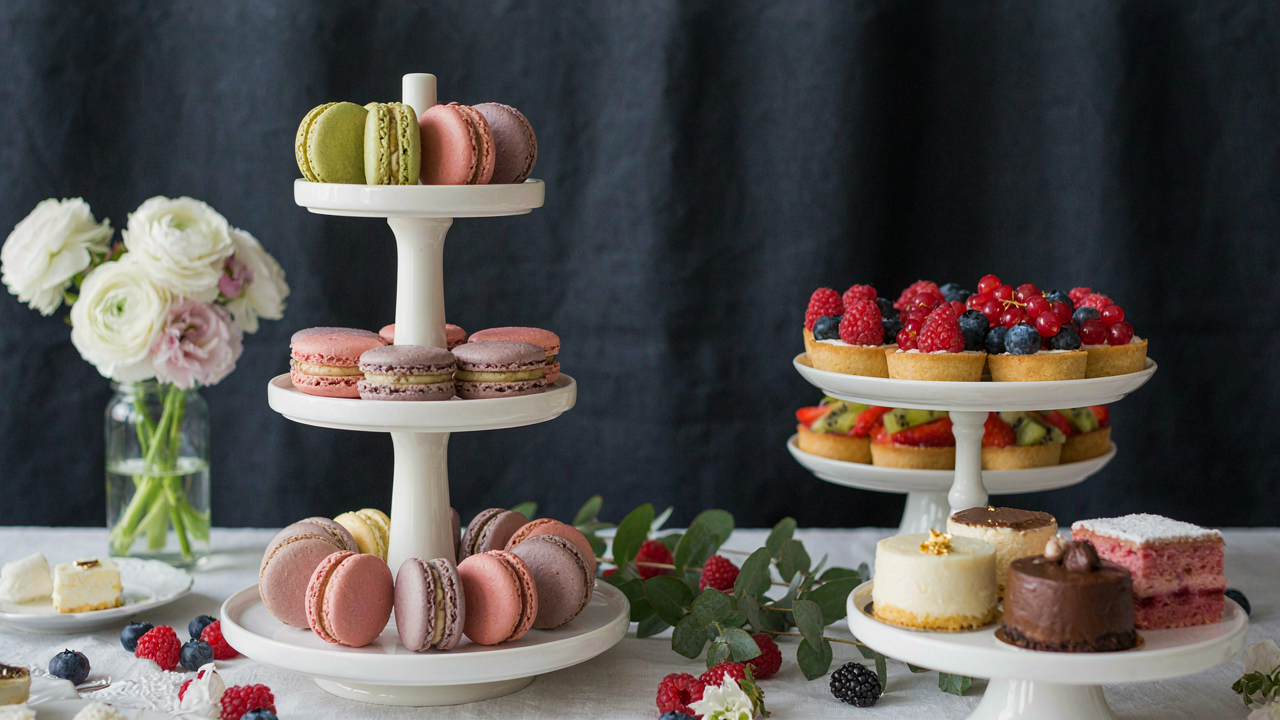
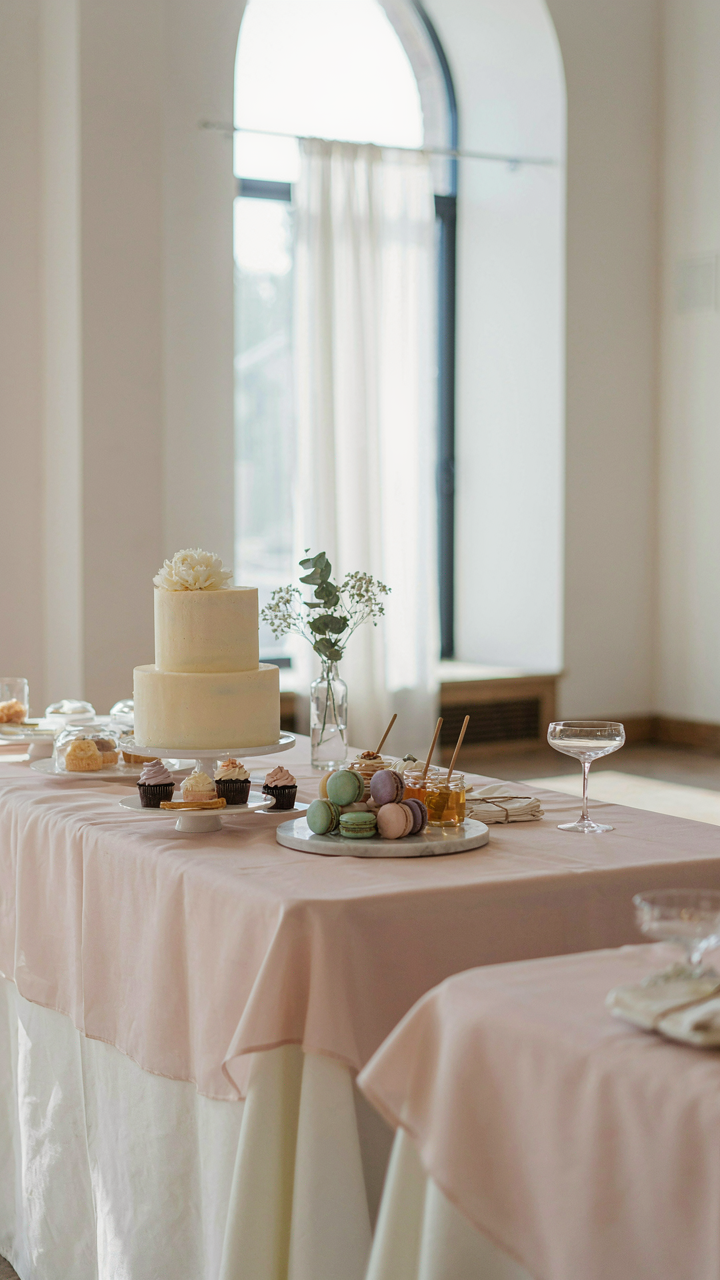
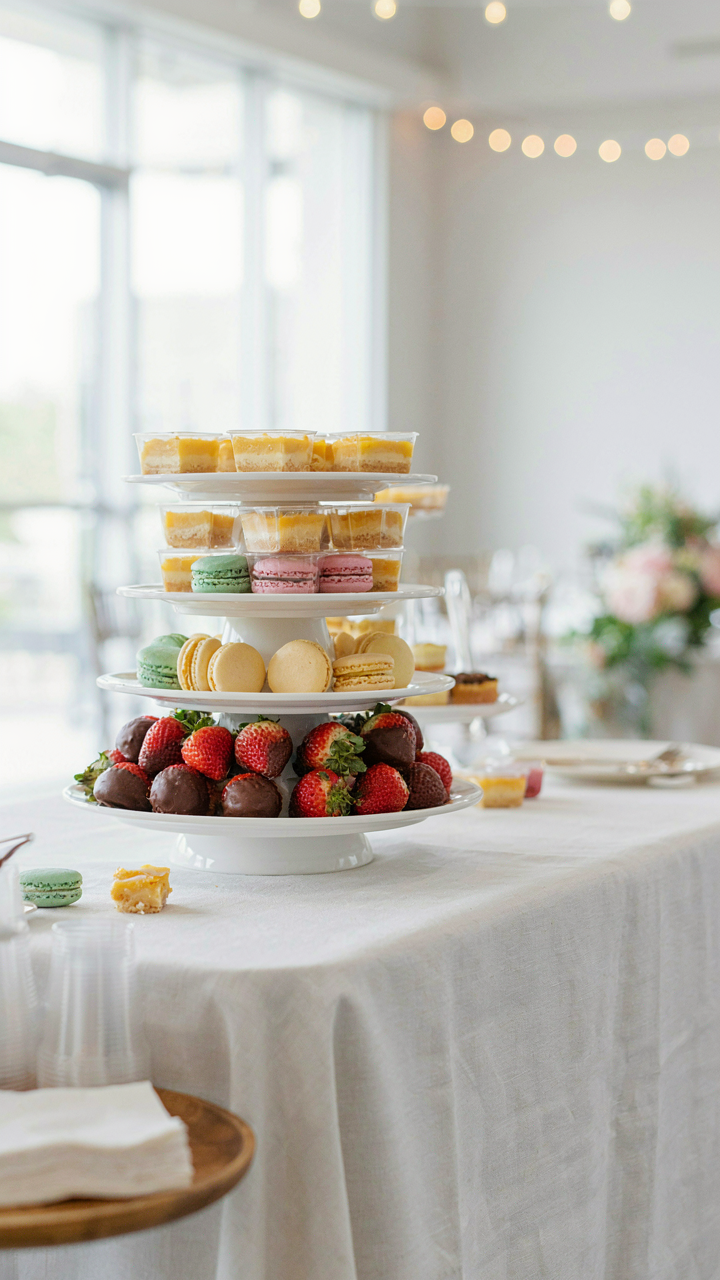
Abundance in retail psychology isn’t about raw quantity, it’s about visual density and repetition. A small table stacked strategically with the same three desserts in varying heights and angles creates more perceived abundance than a sparse table with ten items. Layer your display: use cake stands, tiered platters, and height variation. Repeat your three desserts across multiple serving stations if space allows. The human eye registers repetition as abundance, not monotony.
Plating and presentation determine whether three desserts feel abundant or sparse. Use smaller individual portions so the table stays full longer. Add garnishes, fresh flowers, or chocolate pieces to each plate. Soft lighting and clean white or dark linens make desserts pop. Control the narrative with your display, not your inventory. A crowded, well-lit dessert table with three items beats a half-empty table with seven.
Operationalizing Efficiency: Your Wedding Dessert Bar As A Lean System
Eliminate Waste: The Production System For Desserts
You want this section because you’re afraid you’ll overspend on sweets nobody eats, then waste money and look cheap. The real mechanism is borrowed from manufacturing: Toyota Production System identifies seven waste types, and your dessert bar commits all of them. Overproduction (too many flavors), inventory (desserts sitting out degrading), motion (guests waiting in line), and defects (melted chocolate, stale cookies) are money bleeding out visibly. Map each waste type directly to your setup, and you stop throwing margin away before service even starts.
The fix isn’t buying less. It’s ruthless prioritization and tighter sequencing. Run three dessert types instead of eight. Pre-portion everything in small vessels so nothing sits exposed to air or temperature swings. Arrange the bar so guests move in one direction without doubling back. Stock reserves in a cooler ten feet away and refresh every thirty minutes instead of leaving everything out front. This isn’t frugal thinking—it’s operational discipline. When you eliminate waste, you actually save money and deliver a better product.
Optimize Flow: Bottlenecks In Dessert Bar Setup
The generic advice says “make it pretty and guests will help themselves.” That’s incomplete. You need to map actual guest movement and identify where people stack up waiting. Most wedding dessert bars fail because they’re designed for visual appeal, not throughput. One serving utensil per item creates a choke point. A single entry and exit forces crowding. Tables positioned too close to walls limit approach angles. These aren’t small problems—they cascade into guests skipping dessert entirely or rushing through.
Solve this with three moves: position the bar so people can approach from multiple sides simultaneously. Give each dessert two serving utensils. Station a handler near the bar whose only job is restocking and clearing dirty plates. This person is invisible infrastructure, but they’re the difference between a smooth fifteen-minute dessert service and a chaotic thirty-minute jam. The handler keeps the bar physically clean, which keeps guests moving faster and makes everything look intentional rather than overwhelmed.
The Unconventional Palate: Elevating Cheap Dessert Table Ideas
Flavor Combinations That Actually Work
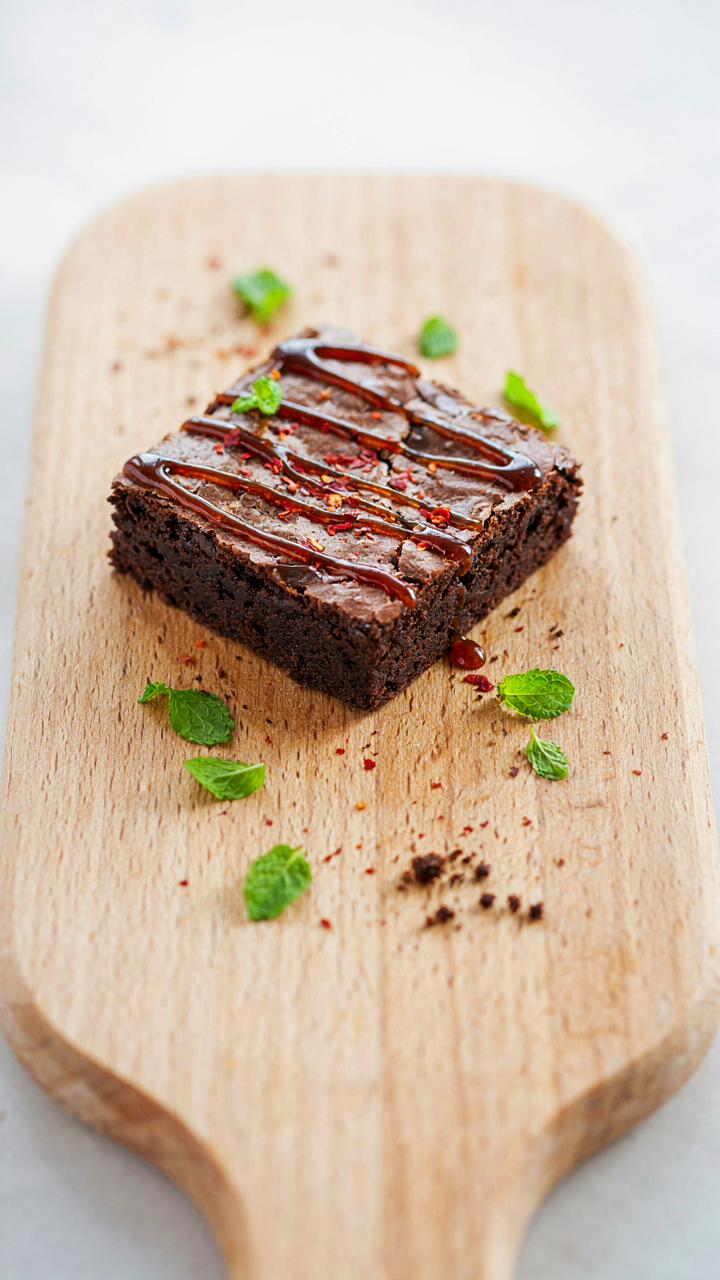
You want your dessert bar to feel expensive without the price tag. That’s the real motive here—status without the financial damage. The mechanism is contrast. In culinary terms, you’re borrowing from molecular gastronomy’s principle of tension: opposite flavors amplify each other when placed side by side, which means your cheap ingredients read as intentional rather than budget-constrained. A three-dollar box of brownie mix tastes premium when paired with a tart lemon curd or spiced cardamom glaze that costs almost nothing to make.

The common advice says to stick with “tried and true” combinations. That’s wrong. Safe pairings fade into the background. Your guests remember what surprised them. Pair dark chocolate mousse with a sharp balsamic drizzle. Layer vanilla sheet cake with miso caramel. Put a subtle chili powder in your sugar cookie dough. These cost pennies more but rewire how people perceive your entire dessert spread. The pairing does the heavy lifting, not the ingredient quality.
Sourcing From Your Region
Local sourcing isn’t romantic nostalgia—it’s a supply chain arbitrage play. When you buy from a regional producer instead of a distributor, you cut middleman markup and get fresher product at lower cost. A local honey producer charges less per jar than wholesale bulk honey. A neighborhood bakery moving day-old croissants sells them for 70 percent off. Regional fruit farmers selling direct at farmers markets price lower than grocery stores during peak season.
Visit your farmers market two weeks before your wedding. Talk to vendors about bulk pricing and day-of availability. Ask bakeries about their rejected batches or day-old inventory. Many will negotiate rates for volume buys. You get unique items—heirloom apple crisps, unusual jam flavors, artisanal granola—that chain grocery stores never carry. Your dessert bar becomes locally distinctive instead of generic. Lock in sourcing agreements with three to five vendors at least ten days out.
DIY Or DI Don’t: Strategic Delegation For Wedding Dessert Station Ideas
The Real Cost Of Your Time
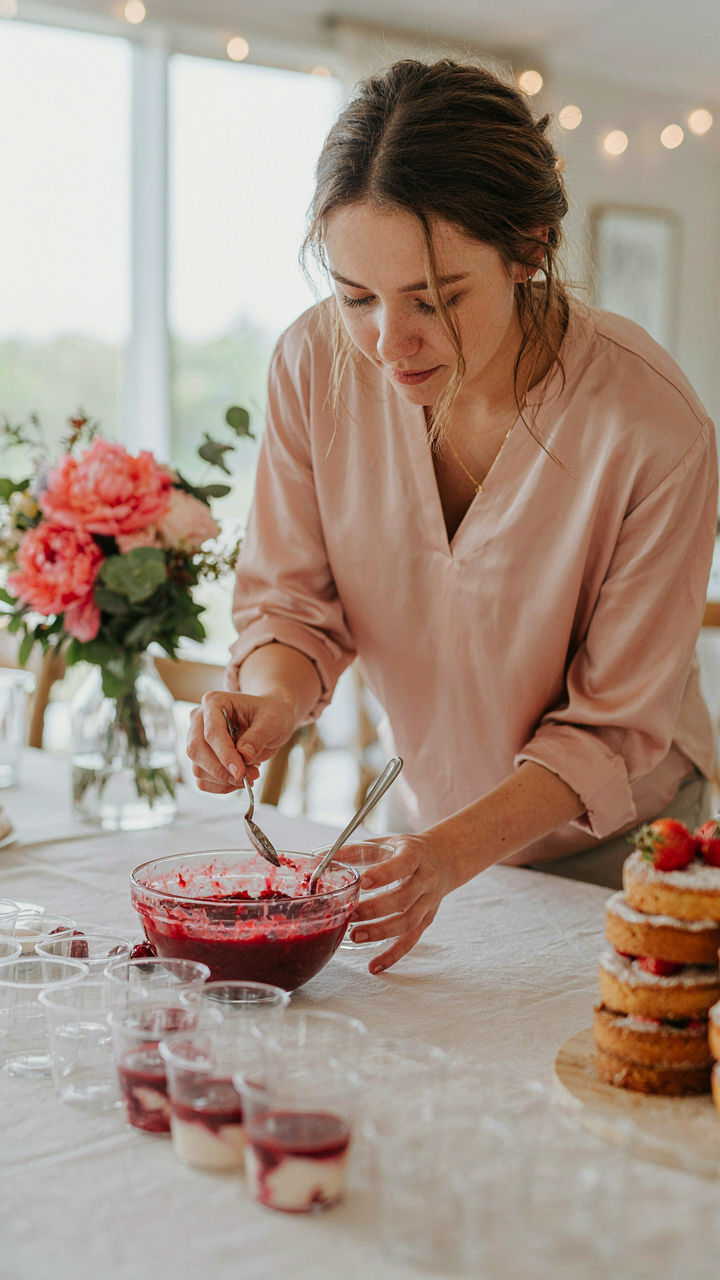
You want to DIY because you think it saves money. That’s the lie you’re telling yourself. Economics calls this opportunity cost—the value of what you give up by choosing one path over another. When you bake 200 brownies instead of hiring someone, you’re not just spending kitchen time. You’re trading hours you could spend on logistics, vendor coordination, or literally anything else that moves the wedding forward. Most couples never do the math: if your time is worth $25 an hour (conservative), and baking takes fifteen hours, you’ve spent $375 in hidden labor cost. Add stress, failed batches, and cleanup. The actual number is higher.

The decision hinges on this: what’s your hourly rate in the wedding planning process itself? If you’re a detail person who saves money by catching vendor mistakes or negotiating discounts, your time is valuable. If you’re just filling hours, DIY desserts bleed money sideways. Track exactly what you spend on ingredients, containers, and your actual hours. Then compare that number to a local baker’s quote or a bulk order from a bakery that does sheet cakes and pre-assembled components. You’ll usually find DIY wins by thirty to fifty dollars, not hundreds. That margin disappears fast.
When Your Network Actually Solves The Problem
Forget the generic advice about “asking talented friends to help.” That creates obligation, resentment, and mediocre desserts. Here’s what actually works: identify which specific task matches which specific person’s actual skill and capacity. Your friend who runs a catering side business? Ask her to source bulk brownies and coordinate plating. Your mom who decorates cakes weekly? Assign her cupcake assembly two days before. Your college roommate who works retail? Have her manage setup and restocking during the reception. The mechanism is match, not ask.
The real play is outsourcing what you can’t control, keeping what you can. Buy base components from wholesale bakeries or Costco. A sheet cake costs twelve dollars. Five bakeries bid on custom tiered cakes for sixty dollars each. You see the difference. Leverage your network for labor on assembly, plating, and logistics—not creation from scratch. Set expectations in writing before you ask. Pay them or cover their costs explicitly. People resent unpaid emotional labor. They don’t resent a clear task with clear compensation.
Beyond Edibles: Crafting The Wedding Dessert Bar Experience
How Your Table Layout Controls Guest Behavior
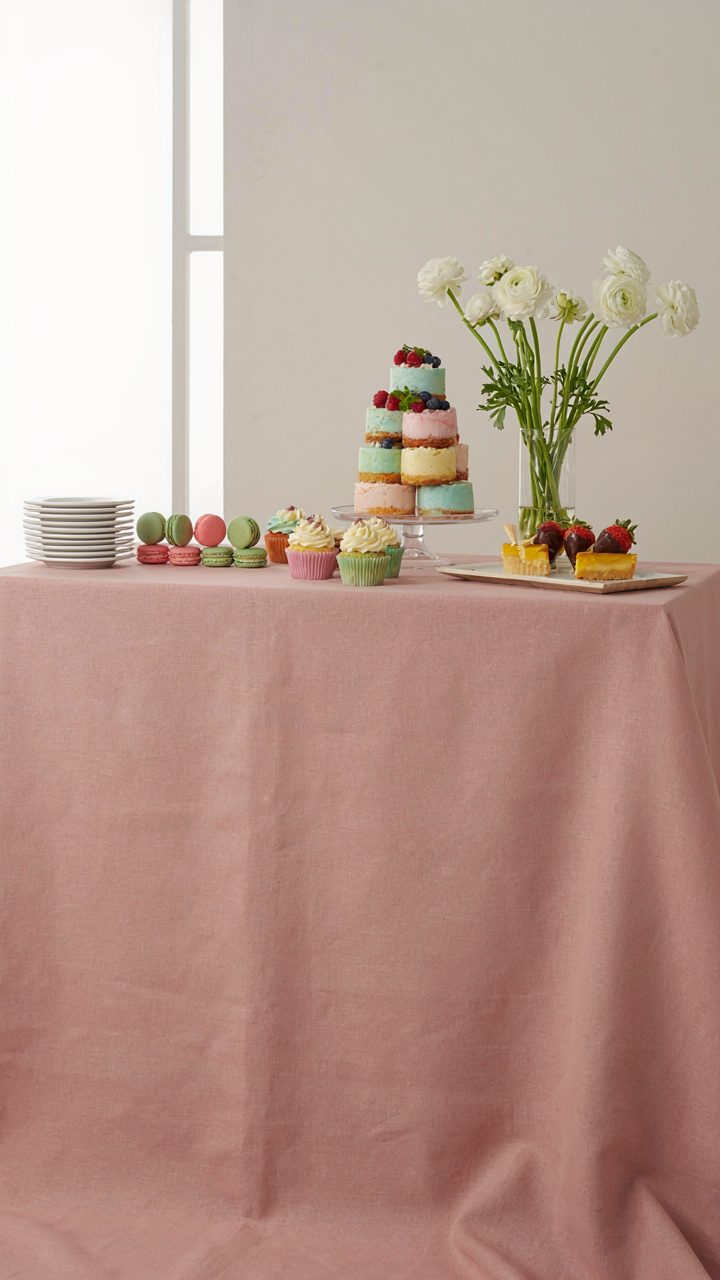
You want people to think your dessert bar is premium, not panicked. That’s the real fear driving this section. The mechanism is flow architecture. Borrowed from retail design, what’s called “traffic pattern optimization” directly applies here. A congested dessert table creates bottlenecks. Guests bunch up, hesitate, leave without taking anything. A well-spaced layout moves people through like a checkout line that doesn’t feel like a line.

Your table depth matters more than width. A 36-inch depth works better than a shallow 24-inch setup because guests approach from one side without crowding the back. Plates go on the left end, desserts staged left-to-right by size, serving utensils beside each item. This forces sequential movement instead of guests reaching across each other. Wider tables actually fail here because they create dead zones in the middle.
Strategic Placement Changes Perception Of Value
Lighting does the obvious work: it makes things visible. But the real mechanism is contrast. Stage your desserts so ambient room light hits them at angles, not flat overhead. This creates shadow and dimension that makes simple items read as intentional rather than thrown together. Use a single uplighter behind the table, not multiple spotlights that flatten everything into uniform brightness.
Positioning matters tactically. Place your highest-effort items at eye level. Budget cupcakes below eye level. This isn’t deception. It’s how human vision actually registers value. A single $8 tiered cake at 48 inches high registers differently than six $1 cookies spread across a table. Drape the front of the table with a simple fabric in a single solid color to anchor the whole setup and hide the table’s functional legs. Execute this during the final 15 minutes before guests arrive so nothing shifts.
The Post Reception Advantage: Leftovers As Assets, Not Liabilities
Make Surplus Desserts Work For You
You want to feel like you didn’t waste money. That’s the real fear driving this question. The mechanism is simple: desserts don’t spoil the moment the reception ends. They’re still edible, still valuable, still capable of generating goodwill or reducing your actual cost per guest. Treat leftovers like inventory management treats excess stock—not as failure, but as opportunity to redistribute value.

Day-old baked goods work fine for staff meals, vendor snacks, or morning-after gatherings with the wedding party. Chocolate-based items and macarons last longer than fruit tarts. Freeze unbaked components immediately if you overbought. Donate unopened packaged items to food banks if surplus is significant. The goal isn’t heroic waste prevention—it’s routing predictable excess toward an actual use before it dies in your fridge.
Smart Packaging That Guests Actually Use
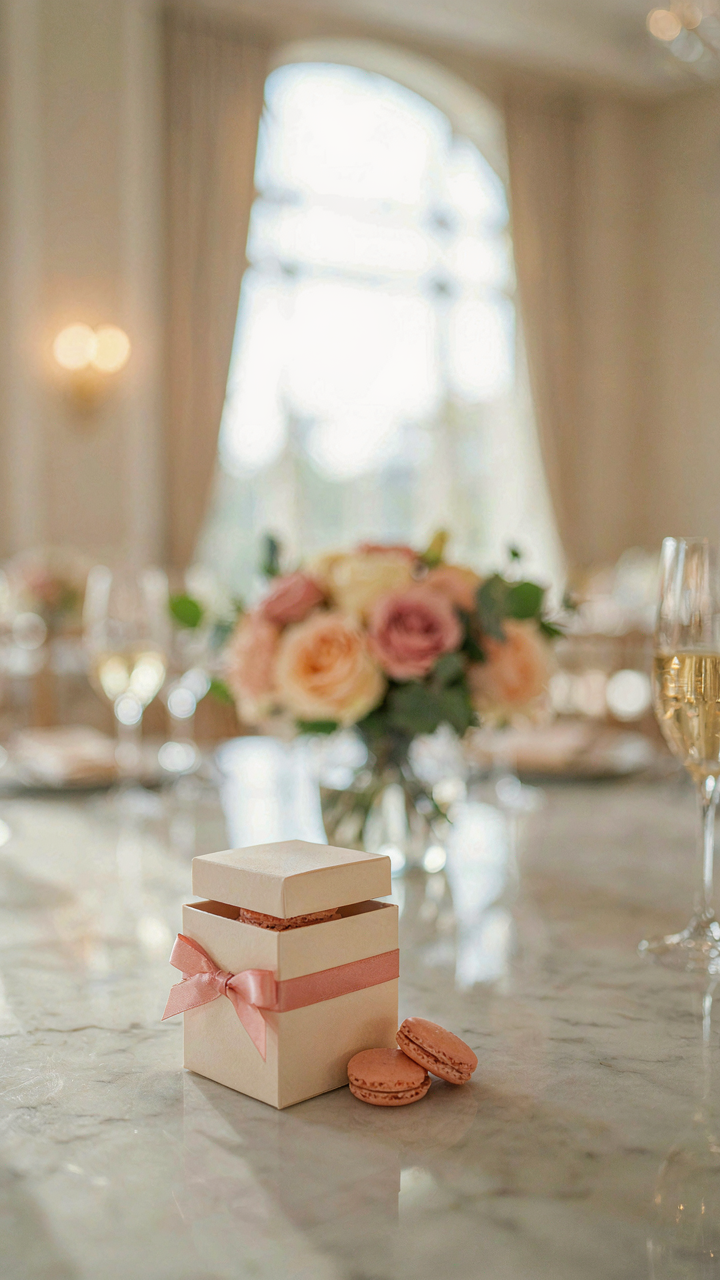
The common advice here is wrong: most “favor boxes” end up in trash because they’re decorative theater, not functional containers. What actually works is packaging that solves a guest problem. Provide takeout containers that function as real food storage, not Instagram props. Guests keep food they can reasonably transport and eat later. Make the container useful first, pretty second.
- Kraft bakery boxes with clear windows: Stackable, protect contents, resealable, and guests recognize them as food-appropriate. Cost under 50 cents per box at scale.
- Parchment paper wraps with twine: Works for cookies, brownies, biscotti. Minimal material cost. Guests unwrap easily without feeling precious about waste.
- Disposable aluminum containers with lids: Insulates temperature-sensitive items like mousse or cream-filled desserts. Guests see it as practical, not forced sentimentality.
- Paper bags with printed labels: Best for volume. Guests fill their own, reducing packaging waste and giving them control over quantity.
- Compostable clamshell containers: Address environmental concern directly. Slightly higher cost pays back in guest perception if sustainability matters to your crowd.
Label containers with dessert names and any allergen information. Print date and storage instructions on the label so guests know these aren’t keepsakes but actual food to consume within 24 to 48 hours. Station containers near exits so guests grab them on departure, not mid-reception. The protocol is this: offer takeaway containers at point of departure, not during dinner service.
The Investment Fallacy: Where To Actually Spend On Wedding Dessert Bar
Quality Over Quantity Wins Every Time
You’re afraid you’ll look cheap. That’s the real reason you’re reading this section. Here’s the mechanism: people remember taste and presentation far longer than they remember counting how many items were on a table. Economics calls this the substitution effect—you trade volume for value. A dessert bar with five exceptional pieces beats fifteen forgettable ones because your guests taste the difference in the first bite and talk about it for months. The budget constraint forces you to choose: spread dollars thin across mediocre options, or concentrate resources on items that actually execute well.

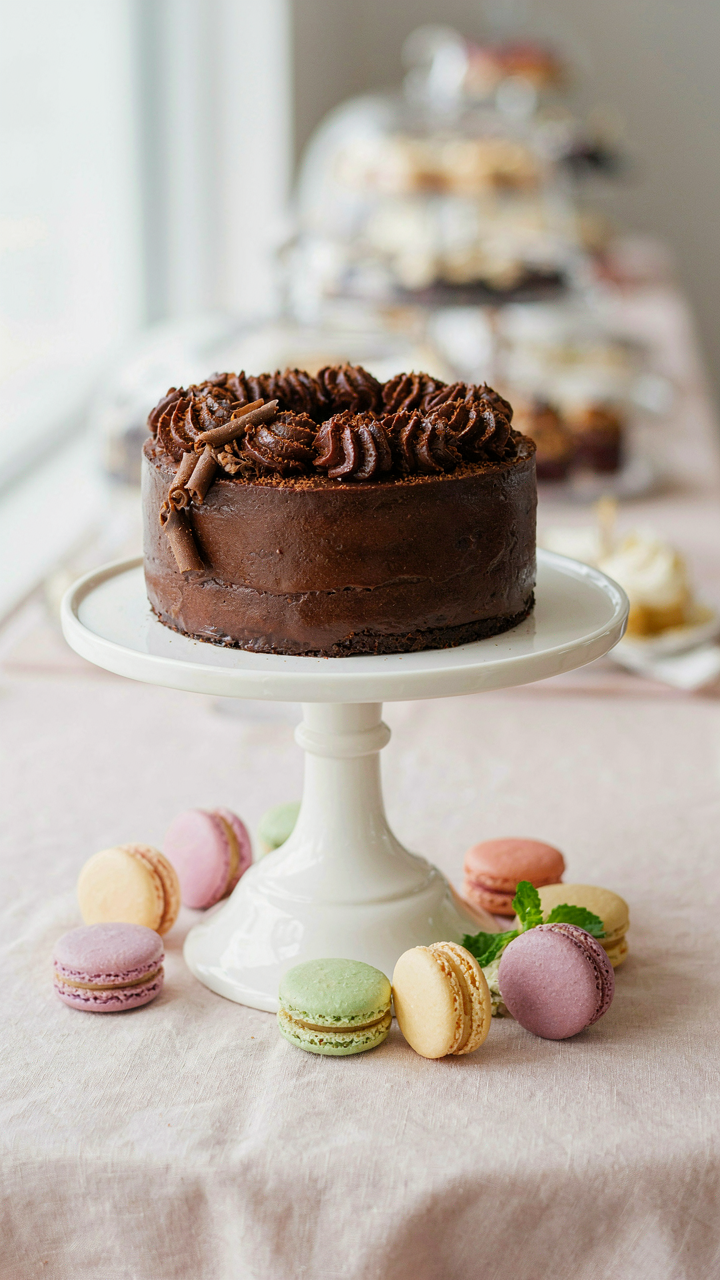
Spend on execution, not variety. A single outstanding chocolate torte costs less per serving than six adequate sheet cakes. Focus your budget on items requiring skill: hand-dipped chocolates, properly tempered confections, or items with real flavor complexity. Skip the filler. Your guests came to celebrate, not to graze through a quantity game that screams budget limitations. The dessert bar becomes a signal of intentionality when every piece reflects real attention to craft.
Stop Funding The Real Money Drains
Most couples waste budget on what looks expensive but costs nothing to execute poorly. Elaborate tiered cake stands, decorative linens, and thematic servingware absorb 20 to 30 percent of dessert bar budgets without touching flavor or quality. The common advice says to DIY everything, but that’s incomplete—DIY only what you actually have skill executing. Cupcakes look good on rustic stands but taste mediocre. A three-tier naked cake on a plain table with superior filling destroys an overdressed cupcake tower every time.
The real drain is labor for complex presentations you could skip. Individually hand-decorated cookies, piped meringues, or elaborate sugar work sound impressive until you price the hours required or the baker’s markup. Buy finished goods from suppliers who specialize in volume production—brownies, macarons, fudge—then spend your remaining budget on one or two showcase items requiring actual skill. The money moves to flavor and quality execution, not presentation theater.
Future Proofing Your Sweet Ending: Trends Vs. Timeless Wedding Dessert Bar Ideas
What Actually Stays And What Doesn’t
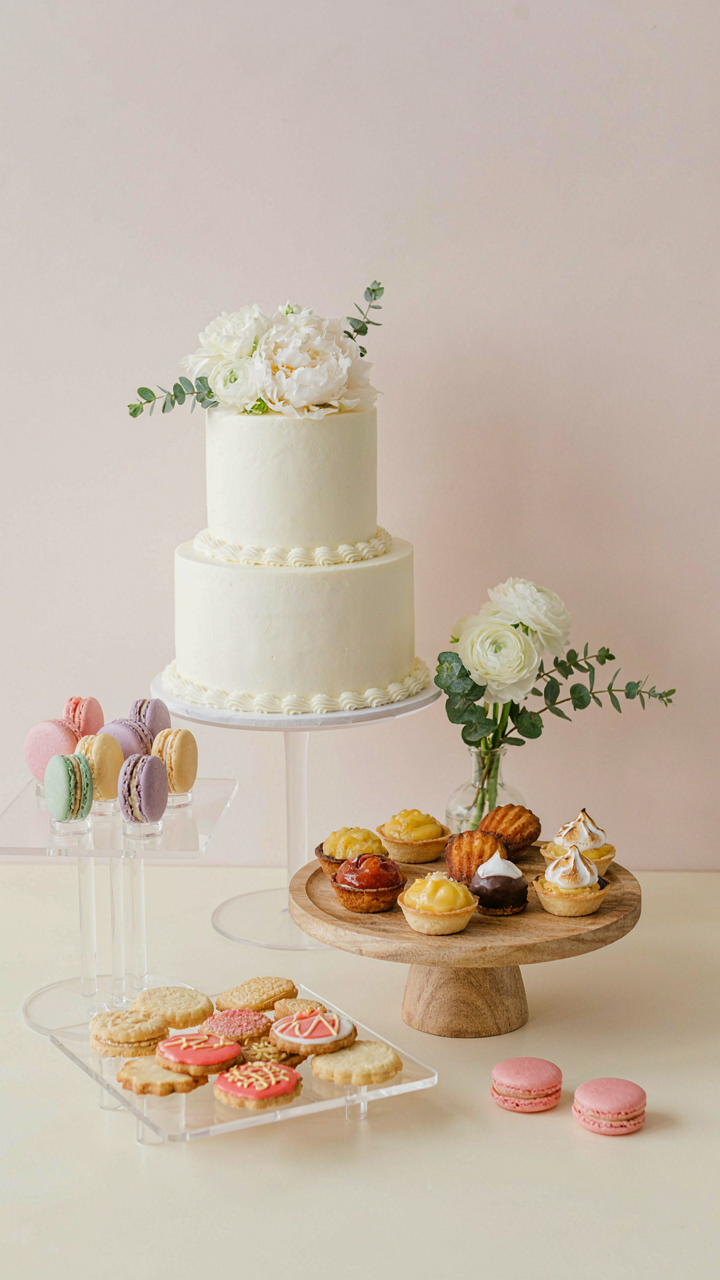
You’re reading this section because you’re afraid your dessert bar will look dated in wedding photos within three years. The mechanism at work is confusing ephemeral aesthetics with structural design. Trends in wedding desserts follow consumption patterns, not taste cycles. Macaron towers peaked because Instagram made them visible, not because they tasted better. The actual constraint is budget and execution, not whether your bar matches 2024 design.

The difference between trend and timeless comes down to material longevity and guest functionality. Naked cakes, geometric metal stands, and color-blocked candy arrangements will read as dated. Simple white frosting, wood or acrylic surfaces, and organized abundance stay neutral across decades. Photographs age differently than the memory people carry. The dessert bar guests actually remember is the one that had what they wanted, not the one that looked aspirational on film.
Principles That Survive Budget Constraints
Behavioral economics applies here: guests evaluate dessert bars on accessibility and variety, not presentation complexity. The “friction cost” of reaching a dessert should be minimal. High friction means elaborate tiered structures, unclear labeling, or crowded layouts that require navigation. Low friction means desserts at arm level, clear signage, and enough space to move. Your budget dessert bar competes on removal of barriers, not visual novelty.
Three structural principles never fail regardless of decade: abundance signals generosity, variety signals thoughtfulness, and clarity signals control. These are not subjective. Stock your bar heavily so guests see fullness even as items deplete. Offer distinct flavor categories—chocolate, fruit, vanilla, spiced—so different preferences feel represented. Label everything clearly with ingredients. When guests encounter organization, they relax and enjoy more. When they encounter chaos, they grab one item and leave. The mechanism is simple: clarity drives consumption and satisfaction. Execute this protocol from setup through service.
The Real Obstacle Isn’t Your Budget; It’s Your Imagination Constrained By Tradition
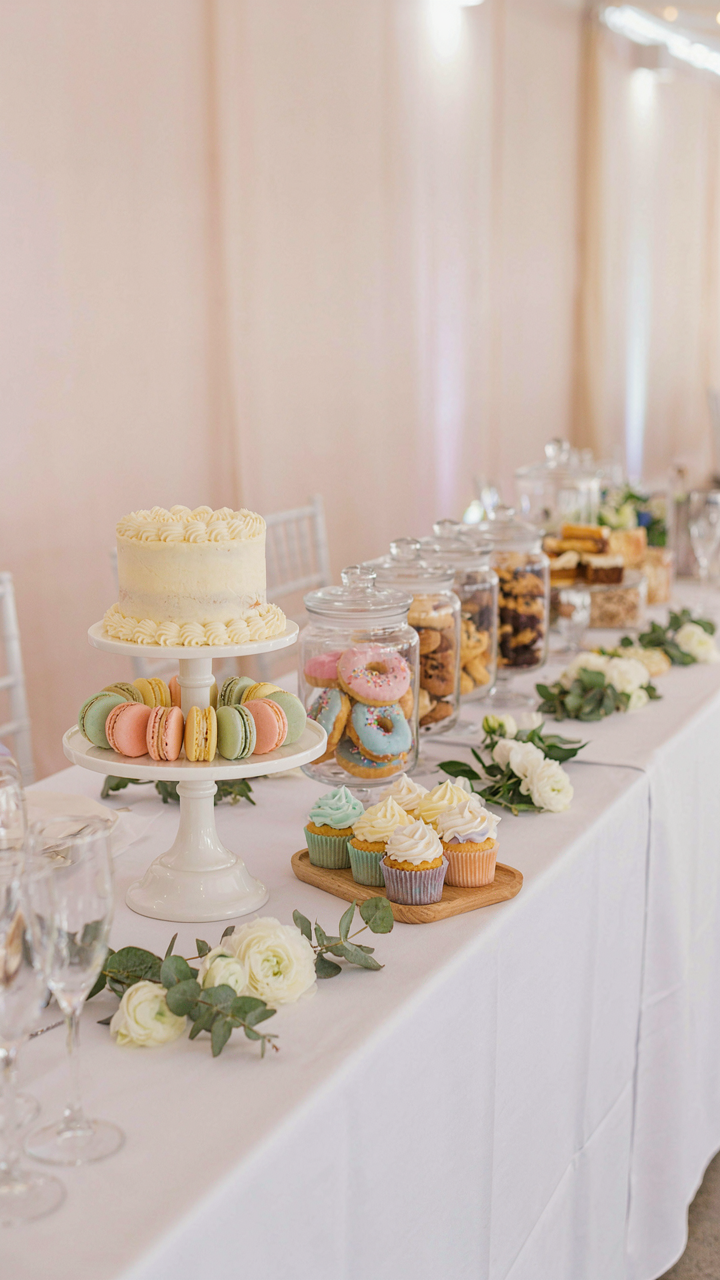
Most couples spend money on dessert bars because they think that’s what weddings require. You’re spending money on permission, not desserts. Stop copying Pinterest boards and ask yourself what your guests actually want to eat. Then build backwards from that. Pick one dessert idea today, text three friends to validate it, and commit to it. The weddings people remember aren’t the ones that looked most expensive. They’re the ones that tasted like a real choice.