
The Un Wedding Protocol: Redefining Your Day

What You’re Actually Afraid Of Losing
You’re worried people will think you’re cheap. That’s the real fear underneath all this planning. The mechanism is simple: society ties wedding size to commitment level, and you’ve internalized that equation without questioning it. Strip that away and you get clarity. A just us two wedding isn’t a compromise or a budget hack. It’s a statement that your relationship matters more than the audience watching it. The people who matter already know this. Everyone else is noise.
What remains after you kill the performance aspect is the actual substance. You stop planning for a crowd’s perception and start building something that reflects how you two actually operate. This is where the real decisions happen. You’re not choosing between a venue and a backyard because of cost. You’re choosing because one environment shapes the day the way you want it shaped. That distinction matters tactically because it unlocks spending decisions that feel solid instead of defensive.
The Non Negotiable Inventory
Forget the generic advice to “identify what matters most.” That’s too vague. You need an inventory: the specific moments, locations, or rituals that would make you feel like you actually got married instead of just signing paperwork. Economics calls this constraint optimization. You have limited budget and unlimited wants. You solve this by identifying the binding constraints—the one or two elements that, if they’re wrong, the whole day fails. Everything else gets cut or simplified.
Write down three things right now: What do you want to feel during this day? What would make you regret this decision five years from now if it didn’t happen? What do you actually want to remember? Your answers are your non negotiables. Everything else is noise competing for your attention and money. Once you know these three things, every other decision becomes a yes or no question. You either spend on something because it serves those three elements, or you don’t. The protocol is simple: measure every expense against the inventory before the money moves.
Budget Arbitrage: Leveraging Small Spends, Big Impact

Where Money Actually Matters
You want permission to spend nothing and look like you spent everything. That’s the real question here. The mechanism is scarcity allocation: in economics, it’s the principle that every resource has alternative uses, and spending on one thing means losing it elsewhere. With a tiny wedding budget, this isn’t theoretical. Every dollar spent on florals is a dollar not spent on photography or food. The math is brutal and honest.

Most couples waste money backwards. They cut the visible stuff—venue, flowers, catering—and then blow budget on things guests forget by Tuesday. The real lever is knowing what creates memory and what creates guilt. Invest in food, photography, and the ceremony moment itself. Abstain from chair covers, uplighting, and decorative elements that photograph as “trying too hard.” Your guests came for you, not for ambient mood lighting rented at markup.
Skills You Already Have
Start with what you can actually do. Photography, design work, cooking, music, writing—if you have the skill, you own the supply chain and eliminate the middleman premium entirely. A friend who photographs weddings charges two thousand dollars because they own expensive gear and have insurance. You own a smartphone and the willingness to learn composition. That’s not the same product, but it’s honest and it works.
- Photography and video: Shoot on smartphone with manual mode apps. Golden hour light and stable framing beat expensive gear. Recruit a friend with a basic DSLR if you need backup coverage for key moments.
- Playlists and sound: Curate a ceremony and reception playlist through a free or cheap streaming service run through rented speakers instead of hiring a DJ. Control the vibe directly, no middleman interpreting your taste.
- Design and invitations: Use Canva or Adobe Express to design digital invitations or simple printed cards. Avoid paying design firms hundreds for templates you can iterate yourself in an hour.
- Cooking or baking: If you cook well, prepare appetizers or desserts yourself. Buy bulk ingredients, prep days ahead, freeze strategically. This saves three to five times what catering charges for the same food.
- Ceremony script and vows: Write your own ceremony language or adapt published vows. A friend can officiate after a quick online ordination. Skip the wedding planner markup for coordination.
The leverage here is real: you trade time for money, and time is what you have when money is scarce. The second half of this equation is that DIY work signals intentionality to guests. It reads as authentic, not cheap. The difference matters for how people experience the day.
Location Hacking: Intimacy Over Grandeur

Where To Actually Get Married Without Renting A Ballroom
You want permission to skip the venue markup without looking cheap. That’s the real calculation here. The mechanism is simple: traditional venues charge because they’ve built pricing around convenience and liability coverage. They’re selling you the infrastructure that handles logistics so you don’t have to think. When you step outside that system, you remove their middleman cost entirely. A public park costs nothing to use because the government already maintains it. A friend’s property costs nothing because there’s no commercial operator extracting margin. The trade-off is you handle the setup yourself. That’s not a loss—it’s the actual lever.

Public parks work because municipalities want community use. You’ll find flat terrain, existing structures like pavilions or picnic areas, and often electricity hookups. Natural landscapes—lakeside clearings, forest edges, beaches—give you a visual backdrop without paying a photographer to fix bad lighting in post. The constraint forces better design choices. You’re not fighting a beige ballroom; you’re working with what exists. Sites with existing infrastructure reduce your labor and material needs. The goal is finding a location where the environment does the heavy lifting.
Permits And The Legal Boundary
What everyone skips over is that permits aren’t optional—they’re the only thing protecting you from a shutdown. Here’s the actual sequence: most jurisdictions require permits for gatherings above a certain size, even on public land. The permit cost is usually low, fifty to three hundred dollars depending on location. What costs money is the uncertainty of not getting one. When the police arrive mid-ceremony because a neighbor complained, you’re not rescheduling—you’re shut down. The permit is insurance against that outcome. It’s also how you prove to your venue contact or property owner that you’ve cleared the legal track.
Different jurisdictions have different thresholds and requirements. Some require liability insurance even for small events; others don’t. Some allow ceremonies but not receptions on public land. Some require you to hire a licensed caterer; others let you bring your own food. You call the parks department or zoning office for your specific location and ask for the wedding or event permit requirements. Get the rules in writing. Many municipalities post permit applications online now. The action: before scouting locations, call your city or county office and ask what size event requires a permit and what the process costs. That number shapes your location decision immediately.
The Minimalist Menu: Curated Culinary Experiences

Excellence Through Subtraction
You’re worried people will judge your wedding as cheap. That fear drives couples toward buffets and mediocre catering to prove they spent money. The real mechanism here is constraint. Economics teaches us diminishing returns—each dollar spent past a certain point buys almost nothing extra. A $10k wedding with five exceptional dishes beats a $25k wedding with fifteen forgettable ones. Your guests remember taste and attention, not headcount on the menu.

Strip the menu to three or four standout dishes. A single exceptional protein, one vegetable preparation done perfectly, bread that matters, one dessert. This forces the caterer to execute at a higher level because there’s nowhere to hide mediocrity. The smaller guest count of a just us two wedding means you can afford premium ingredients per person without inflating total spend.
Private Chefs And Strategic Outsourcing
Most couples default to traditional catering because it’s the known path. But traditional catering built its model around volume and markup. A private chef for twelve people costs the same per head as a mid-tier caterer, except the chef controls ingredient quality and cooking method directly. You pay for skill and attention, not logistics overhead.
Contact culinary school graduates or chefs between restaurant jobs. They price lower than established catering companies but execute better. Set a fixed budget, give them your three to four dish direction, and let them source. Ask for a tasting beforehand. For a just us two wedding with twelve guests total, one chef for the day costs between $800 and $1,800, with food included. That’s your meal problem solved without compromise.
Fashion Deconstructed: Style Beyond The Price Tag

Where Vintage Meets Intention
You’re worried people will judge your outfit because you’re not spending five figures on a dress. That’s the real mechanism at play. But here’s what actually matters: vintage and rental markets exist because high-end pieces depreciate the moment you wear them. You’re not settling by buying secondhand or renting. You’re avoiding the trap of sunk cost. A 1970s designer gown costs a fraction of retail and carries genuine craft most new wedding dresses lack. Rental services like Rent the Runway price formal wear at 30 to 50 percent below retail. The math is simple.

Bespoke accessories shift the visual weight without the price tag. A tailored veil, custom earrings, or a vintage brooch pinned to a thrifted dress reads expensive because it is intentional, not because it costs more. Invest time sourcing pieces from consignment shops, estate sales, and specialized vintage retailers. One strong focal point beats a generic everything-new approach. The goal is presence, not proof of spending.
Investment Pieces Over Seasonal Noise
The common advice is to buy what makes you feel confident. That’s incomplete. What you need is to identify which pieces in your wardrobe survive five years without looking dated, then buy those at the highest quality you can afford right now. A silk blouse, tailored trousers, or structured blazer worn for your ceremony and rehearsal dinners will outlive any trend-dependent item. Designer diffusion lines and contemporary brands offer better construction than fast fashion at a reasonable price point. Focus your budget there.
Timeless doesn’t mean boring or invisible. It means the silhouette, fabric, and color palette won’t trigger the “that’s so 2024” response in three years. Neutrals with one strong personal detail work. A structured wedding suit in cream or gray with a nontraditional tie or pocket square says you made a choice. Second weddings over 40 benefit from this approach because you already know what actually suits your body and lifestyle. Buy pieces that serve double duty: ceremony wear that transitions into regular rotation. That’s the mechanism that justifies the investment.
Photography As Investment: Capturing Authentic Moments

Choose Documentary Over Everything Else
You want proof that your wedding happened. That fear drives most couples toward “coverage” instead of craft. But here’s the mechanism: documentary photographers cost less because they don’t stage, pose, or direct. They observe. This removes the largest expense from traditional wedding photography—the time spent on orchestrated moments nobody will actually remember. You pay for presence and reaction capture, not production management.

Documentary photographers have already eliminated the technical overhead that inflates studio rates. No lighting rigs, no assistant coordination, no shot list padding. They show up, they see, they shoot. Research photographers by looking at full wedding galleries, not highlight reels. If every image looks composed and lit, they’re not documentary—they’re theatrical. You want someone whose eye works in available light across uncontrolled moments.
Limit Hours, Concentrate Value
Ceremony and first hour after rarely costs the same as eight-hour coverage. This is economics in action: you reduce the unit cost by reducing the input. But most couples don’t actually think about what happens during hour seven. Nothing. Cutting hours doesn’t cut the best moments—it cuts filler. Set a hard window: ceremony plus one hour of immediate celebration. Some photographers offer three-hour minimums. That’s still half the cost of full-day rates.
The real move is timing specificity. Tell the photographer exactly which moments matter: vows, first kiss, walking out, first dance if you’re doing one, detail shots if you want them. Concentrate their attention. They’ll deliver sharper work in three focused hours than they will scattered across eight. Build a shot list together before the wedding day. Then they know exactly what to prioritize and you know exactly what you’re paying for. That alignment is the protocol that prevents wasted frames and wasted money.
The Celebration’s Energy Signature: Reciprocity Model

Energy In, Energy Out
You’re worried this wedding won’t feel “real” without a crowd to validate it. Here’s the mechanism: physics teaches us that in a closed system, energy input equals energy output. Your just us two wedding is exactly that kind of closed system. The two people present determine the total emotional energy available. You can’t manufacture presence. You work with what exists between you.

Most couples waste mental energy trying to conjure atmosphere through decorations or playlists when the actual variable is attention. Two people giving full attention to each other create density. A room of eighty people half-watching creates diffusion. The energy signature of your wedding depends entirely on what you bring into the room, not what you buy to fill it. That distinction changes everything about budgeting.
Attention As Currency
The guest experience framework everyone skips is this: emotion flows where focus goes. In a traditional wedding, guests experience the day as consumers. They sit, watch, eat, leave. They invest attention selectively and receive little in return. Your just us two model inverts that. Every moment you generate creates immediate reciprocal response from one other person who’s locked in.
This means your budget for “experience” should target depth of exchange, not breadth of spectacle. A five-minute exchanged vow in front of a courthouse wall creates more felt experience than a hundred-person ceremony where half the guests check their phones. You control what that exchange contains: specificity, vulnerability, inside references, sensory markers they’ll track backward to this moment forever. The protocol is simple: script nothing that isn’t true, choreograph nothing that isn’t earned, and measure success by whether both people felt seen.
Legal Logistics Simplified: The Essentials Only (Wedding Under 10000)

Marriage License: What Actually Matters
You’re worried you’ll miss some bureaucratic trap and waste money fixing it later. That fear is backwards. The marriage license is the cheapest part of this entire operation, and the requirements are public record. Every state has a vital records office with a website. Go there first, not to a wedding planner’s blog.

The application process is identical everywhere: you show up with ID, pay a fee (typically 20 to 100 dollars), wait a few days, and they hand you a license. Some states require blood tests (rarely anymore) or a waiting period. Some don’t. You need to know your specific state’s rules because they differ. Call the county clerk’s office directly. They answer this question fifty times a day. The license itself is valid for thirty to ninety days depending on your state, so time your application accordingly. File it with your officiant after the ceremony and you’re legally married.
Officiant Selection: Skip The Confusion
The mechanism here borrows from contract law: you need an authorized agent to execute the agreement, not a performer. Most couples fixate on emotional connection and completely miss that the person signing your license must have legal authority in your state. A friend with charisma will not work unless they’re ordained by your state’s standards.
Three pathways exist: hire a justice of the peace (cheapest, fifty to two hundred dollars, purely transactional), use an online ordination (Dudeism, Universal Life Church, similar organizations that cost five to fifty dollars and work in most states), or find a religious officiant through your faith community (free to one hundred fifty dollars). Verify with your county clerk that your choice holds legal weight before confirming anything. The marriage license is what makes you married, not the officiant’s words. Their only job is signing the document. Pick whoever is cheapest and legally valid, then focus your emotional energy on your actual ceremony.
Post Ceremony Blueprint: Extending The Experience

The Mini Moon That Actually Pays For Itself
You want proof the wedding wasn’t just a transaction—that it meant enough to invest time after. The real mechanism here is simple: travel forces you into new environments where you can’t default to routine. You’re not trying to have a “magical experience.” You’re trying to reset your baseline together without spending what a standard honeymoon demands.

The budget play is arbitrage on timing and location. Shoulder seasons exist because demand drops but the place remains objectively the same. Driving six hours to a state park costs gas money. Flying to a place with currency advantage—Mexico, Portugal, Southeast Asia during their low season—actually costs less per day than your rent. Book after the wedding when you have real date flexibility, not before when hotels charge peak pricing for the “honeymoon window.”
Financial Synergy Post Wedding
Economics calls it “compounding returns.” Your wedding taught you both to make decisions under constraint. Apply that same discipline to shared accounts now, because the couple that budgets together stays together—not for romance, but for alignment on what money means.
Open one joint account for shared expenses. Not for control. For visibility. Track three categories: fixed costs (rent, insurance), recurring joint goals (home fund, travel fund), and discretionary split. Review it monthly for six months. The couples who fail financially don’t fail because they earn too little. They fail because they never built a protocol for discussing money in real time. Make the Wednesday money check a standing calendar block. No emotions, no surprises, no “I didn’t know we spent that.” The mechanism works because it removes the conversation from crisis mode into administrative mode.
The Real Obstacle Isn’t Your Budget; It’s Your Fear Of True Intimacy Without External Validation
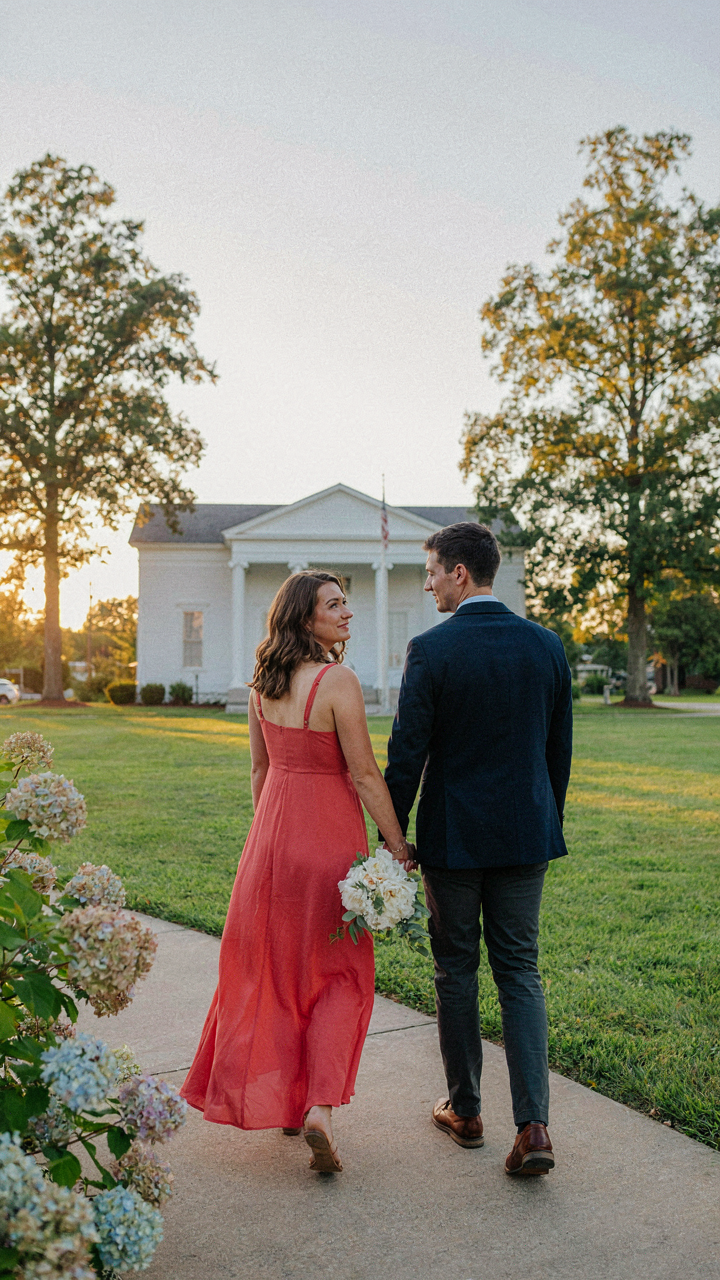
You don’t actually want a small wedding. You want permission to have one. That’s the real cost you’re paying. A just us two wedding forces you to stop performing for an audience that doesn’t matter. Stop asking what people will think and book the courthouse tomorrow. Your marriage doesn’t need witnesses to be real.