The Un Wedding Manifesto: Ditching The Generic Vineyard Wedding

What Your Guest List Actually Reveals
You’re worried people will judge you for not inviting them, so you’re padding your list with names who won’t remember the day anyway. This is a resource allocation problem borrowed from operations management: you’re treating every relationship as equally valuable when scarcity demands you prioritize. The mechanism is simple. Constraints force specificity. Without financial or logistical limits, you default to people-pleasing. A vineyard elopement removes those constraints only if you actually enforce them. Thirty people you chose beats two hundred you felt obligated to include.
The standard advice says invite “close family and friends.” That’s meaningless. It keeps you stuck at sixty people, which defeats the point of small. Instead, identify who changes the actual day. Those eight to twelve people matter. Everyone else waters down the intimacy you’re paying for. The vineyard’s beauty amplifies when fewer eyes dilute it with distraction and logistics overhead. Write down names. Count them. If the number surprises you upward, you haven’t been honest about who belongs.
Reframing What Elopement Means Now
Most people think elopement means secret or spontaneous or just the couple. That’s historically inaccurate and tactically useless for what you’re actually trying to do. Modern elopement is a business decision: maximizing experience per dollar and authenticity per attendee. You’re not running from something. You’re running toward control. The difference changes everything about how you plan. You’re not hiding. You’re being selective. Intentionality looks like freedom because it removes the noise that pretends to matter but doesn’t.
The real elopement framework lets you spend money on what you experience directly, not on what others perform for. Hire a photographer who stays for two hours instead of eight. Bring a chef to cook lunch instead of a venue with a catering mandate. Involve people who add energy, not obligation. This isn’t cheaper than a traditional wedding by accident. It’s cheaper because you’ve eliminated the entire category of spending that exists only to signal status to people you won’t see again. The mechanism is brutal: spend on what you’ll remember, cut everything else.
Beyond The Instagram Filter: Authentic Vineyard Wedding Photos

The Moment Before The Pose
You want proof that your wedding mattered. That’s the real reason you care about photos. Here’s what nobody tells you: the moment before someone knows the camera is on contains more truth than any directed shot. In photography, this is called the decisive moment—borrowed from Henri Cartier-Bresson’s work in photojournalism. At a vineyard elopement, your photographer either camps in the margins of your day or stages choreographed scenes. One documents what actually happened. The other manufactures evidence that it was special.

Raw moments demand a photographer who sits still and watches instead of directing traffic. Your guests hug. Someone cries during vows. Light hits the valley at an angle that won’t repeat. A photographer hunting these moments doesn’t ask you to “do that again” or “walk toward the arbor naturally.” They position themselves to catch the exhale, not the inhale. This matters because vineyard light changes in minutes. Staged poses consume that time. By the time your photographer resets for the second take, the golden hour is gone.
Saying No To The Experience Checklist
The advice tells you to prioritize “the experience over the photos.” That’s incomplete. You need to understand what creates both simultaneously. A vineyard elopement with ten guests doesn’t benefit from the full wedding photography playbook. Hourlong couple portraits, bridesmaids lineup shots, elaborate ceremony-processional coverage—these formats exist for 150-person weddings where the photographer needs material to fill an album. You don’t need filler. You need documentation of decisions you made.
The mechanism is simple: compress the coverage, compress the decisions. Instead of five hours of photography, book three. Instead of formal group photos, let the photographer capture your family naturally during the ceremony and meal. Spend your mental energy on the actual ceremony, the conversations with your guests, the taste of the wine you picked. The best vineyard elopement photos happen when you stop treating the day as content production and start treating it as something you’re actually living. Your photographer captures that shift the moment it happens.
The Minimalist Vineyard Elopement Protocol

Strip Down To Core Vendors Only
You want permission to spend less money and feel sophisticated about it. Here’s the mechanism: every vendor you add multiplies coordination points exponentially, not linearly. In operations management, this is called “dependencies.” Each new vendor creates two more decision nodes. A photographer and officiant require one handoff. Add a caterer, florist, and planner, and you’ve created eight coordination points where failure cascades.

Most couples default to the full vendor stack because they’ve seen it modeled everywhere. That’s wrong. A vineyard elopement needs three things: someone to legally marry you, someone to document it, and access to the land. Everything else is optional. Eliminate the planner entirely. Communicate directly with the vineyard coordinator and photographer via email threads. This cuts your moving parts by forty percent and your stress proportionally.
Concentrate Budget On Experience, Not Setup
The real money doesn’t go to flowers or linens. It goes to what you’ll actually remember and what the photos will show. Invest in a photographer who understands vineyard light and can shoot for six hours minimum. Invest in a meal that tastes specific to the region, not generic catering. Invest in the time of day when the vineyard looks like itself.
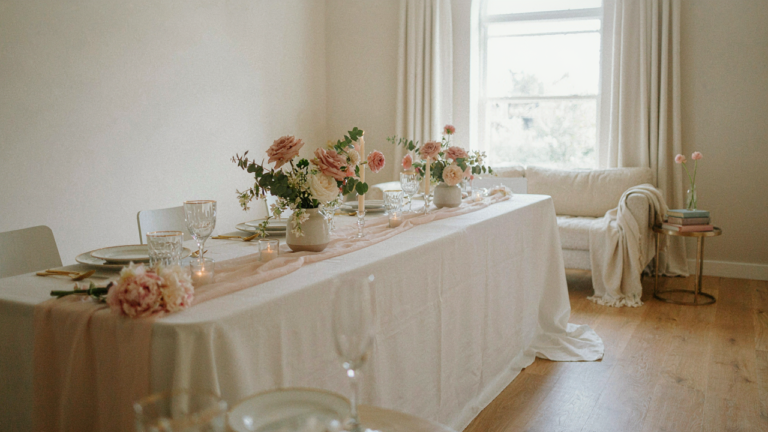
Skip the decorative excess. Vines are already there. A cloth runner on a table costs three hundred dollars and adds nothing to your memory. Spend that on a wine selection that matters to you or a better ceremony location scouted in advance. The mechanism is simple: photographs capture moments, not objects. Your brain files away what you experienced, not what you bought.
Deconstructing The “France Vineyard Wedding” Fantasy

The Real Cost Of Chasing Someone Else’s Instagram
You want the France vineyard wedding because it signals you’ve arrived. Status, mostly. Here’s the mechanism: you’re treating location like a borrowed credential instead of solving the actual problem you have, which is a meaningful ceremony. International elopements operate under the same constraint model as military logistics: you have limited supply lines (visa requirements, vendor availability, weather windows), and every variable you can’t control multiplies your risk and cost. The Provence fantasy costs double what you budget because you’re paying for discovery, coordination across time zones, and backup plans you don’t know you need until they fail.

Most couples skip the obvious math. European vineyards charge premium rates to English-speaking couples, then add 30-50% for logistics fees, travel time for vendors, and currency fluctuation. You’re not paying for better wine or better light. You’re paying for the story you can tell. The actual mechanism is simpler: excellent vineyard elopements exist wherever wine grows, and the couples who report the highest satisfaction aren’t the ones who flew furthest. They’re the ones who started with a specific vision, then found a vineyard that matched it, not the other way around.
Building Terroir Without A Passport
Terroir is the geology, climate, and tradition that makes a region’s wine distinct. Apply that to venue selection: find a vineyard that has genuine history and soil identity in your region, not one that imports European aesthetics. American, Australian, and South American vineyards have their own established character and often charge 40-60% less than European counterparts while delivering the same visual and sensory payoff. The machinery of a small wedding works better at a locally-rooted vineyard because vendors know the property, the soil drains properly in rain, and you can actually visit before commitment.
The practical step: contact regional wine associations, not wedding planners. Get a list of vineyards with at least 15 years of operation in your state or country. Call the owners directly, not the event coordinators. Ask about soil composition, which direction the vines face, and how many weddings they actually host per year. Vineyards that specialize in events often compromise the land. The ones that barely tolerate them often provide the better setting. Schedule a tasting visit on a Tuesday, not a Saturday, and observe how the staff treats non-paying guests. That’s how they’ll treat you when something breaks.
The Cognitive Bias Of “Small Wedding Ideas”

Why You’re Anchored To The Wrong Baseline
You want “small wedding ideas” because you’re afraid a real elopement looks cheap. Anchoring—a term from behavioral economics—describes how the first number you see becomes your mental reference point, warping every decision after. Most couples anchor to traditional weddings: 150 guests, formal catering, a timeline measured in months. That anchor is a trap. A vineyard elopement works backwards from intimacy and wine quality, not guest count. The baseline shifts everything.

When you anchor to traditional weddings, you unconsciously spend to justify the format. You add vendor layers, décor, timeline padding. Vineyard properties charge per-person for catering or impose minimums. The system rewards scale. Small weddings don’t need ideas borrowed from big ones—they need a different decision framework entirely. The real constraint isn’t budget or guest list. It’s whether you’re designing for people or for the appearance of formality.
Concentration Of Force On Signal Over Scale
Military strategists call this concentration of force: deploy resources where they create disproportionate impact, not where they seem logical. A vineyard elopement should concentrate force on the one element that matters most: the meaning between two people in a real place. Everything else dilutes that signal. Most small wedding advice fragments your attention: ceremony décor, escort cards, favor packaging, lighting design. Those are dispersed effort. They muddy the actual event.
Instead, concentrate force on one irreducible element. For vineyard elopements, that’s either the quality of the location itself or the presence of people who genuinely matter to you both. Choose one. Build the entire day around amplifying that single signal. A photographer who understands intimacy, a vintner who talks about the vineyard’s history, a meal that reflects the property’s terroir. Everything else is noise you’re paying to add. Your job is to remove it.
Winery Wedding Photoshoot: Leveraging Light And Landscape

Use The Rows, Not The View
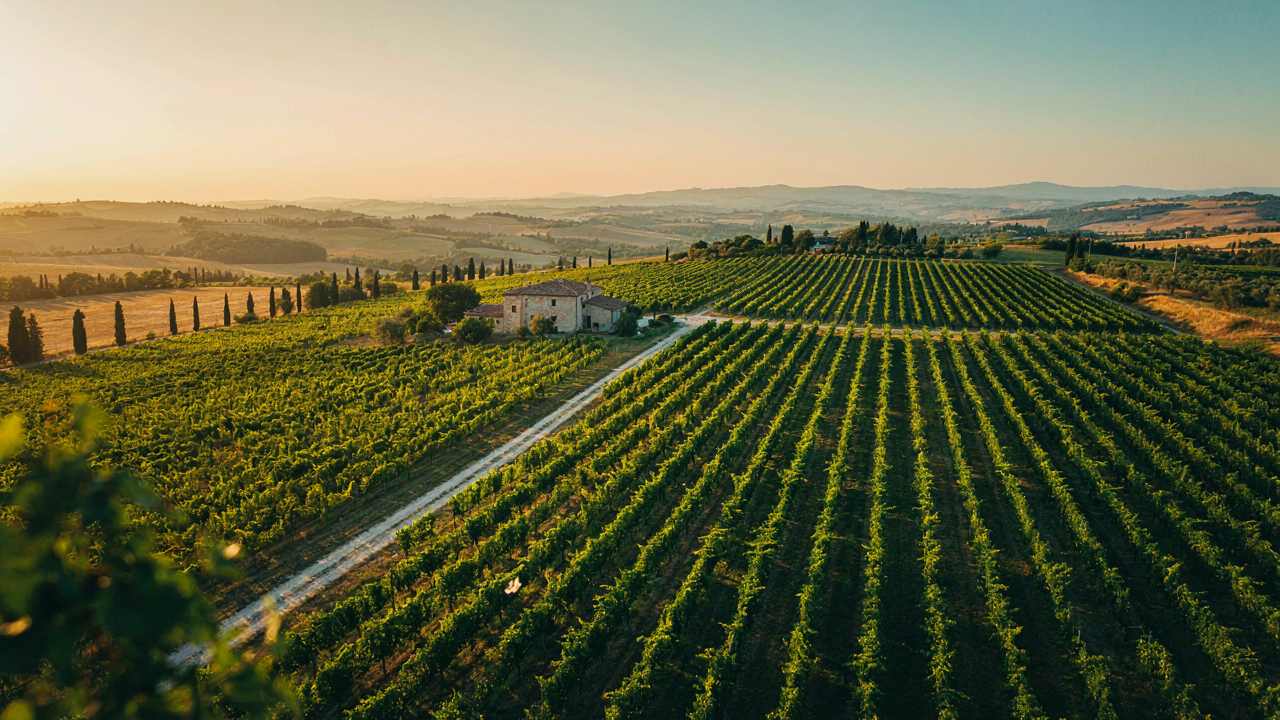
You want the photos to look effortless. That’s the real fear underneath this decision—that your small wedding will look small, that the landscape won’t compensate for the guest count, that you’ll regret not having a sprawling backdrop. Here’s what actually matters: the vineyard rows function like leading lines in composition, a principle borrowed directly from landscape photography. Each row pulls the viewer’s eye toward the couple, compressing depth and scale. The rows solve your problem mechanically. Most couples fixate on open vistas. They position themselves in the middle of a valley, distant and isolated. The rows work the opposite direction—they frame, contain, and amplify.

Position the photoshoot during the late afternoon, roughly two to three hours before sunset, when shadows stretch between the rows without flattening the terrain. This timing accomplishes two tactical goals simultaneously: the light sculpts dimension into the vineyard floor and into the couple’s faces without creating harsh contrast, and you avoid disrupting the winery’s tasting room operations. The photographer shoots into the sun at a 45-degree angle, which turns the rows into definition rather than monotony. This is a protocol, not a preference—stick to it.
Golden Hour Timing Without The Chaos
Most advice treats golden hour as a vibe. It’s actually a window where the sun’s angle—roughly 6 degrees above the horizon—produces diffuse light without the infrared spike that flattens skin tones and saturates greens into garbage. The constraint is real: you get 20 to 30 minutes of usable time. Plan the photoshoot to end as the sun hits that angle rather than beginning then. You lose the scramble and the rushed final shots.
Coordinate with your winery contact weeks before the ceremony. Most vineyards have infrastructure built around tour groups and tastings. Scheduling the photoshoot outside those windows means no background foot traffic, no staff repositioning tables, no visual noise competing for frame space. A small wedding has an advantage here—the winery doesn’t need to sacrifice revenue operations. Book the photoshoot 90 minutes after the ceremony concludes to let the light drop, then work backward to confirm your start time based on sunset data for that specific date and location. Use a local sunrise-sunset calculator, not an app estimate.
Redefining The Vineyard Experience

Activities That Aren’t Generic
You want your vineyard elopement to feel exclusive because you’re afraid it’ll look like everyone else’s. That fear is rational. The mechanism is this: most couples outsource their day to the vineyard’s standard package, which means their wedding becomes indistinguishable from the fifty others that year. You need activities that require your input, not the venue’s inventory.

Work directly with the winemaker or vineyard manager three months before your date. Ask what happens during harvest, fermentation, or pruning season. Time your elopement around an actual vineyard operation, not around “wine tasting hour.” You’ll document real work. Your photos will look different because they show something true, not staged.
What Terroir Actually Reveals
Terroir isn’t poetry. It’s the geological and climatic fact that soil composition, elevation, and water drainage determine what grapes produce. Bring that framework into your elopement planning: your experience should change based on the specific conditions of that vineyard, that season, that moment.
Skip the standard tour. Instead, walk the rows with someone who can explain why this block produces different fruit than the one fifty yards away. Taste wines made from those specific blocks side by side. Have your photographer capture you standing in the actual dirt where those grapes grew. The specificity becomes your story, not a generic wine country backdrop.
The Anti Aesthetic: Crafting A Unique Vineyard Elopement Aesthetic

Stop Copying What Works For Everyone Else
You want to look different without looking like you’re trying. That’s the real problem here—status anxiety dressed up as taste. The mechanism is borrowed from contrast theory in visual design: distinctiveness registers only against what’s familiar. Your vineyard elopement aesthetic gains power by rejecting the consensus baseline, not by adding more elements to it.

Most couples treat Pinterest as a checklist instead of a warning. They assemble the same string lights, the same wooden signs, the same blush color palette every other couple used last season. What actually works is the opposite move: identify what the venue already broadcasts, then subtract. A mature vineyard has texture, patina, and established mood. Layering trend aesthetics on top dilutes that. Strip it instead.
Working With What The Vines Already Built
Vineyards are production spaces, not blank canvases—and that’s the advantage people miss. The existing character is already there: grapevines in rows, weathered fence posts, soil tones, natural light angles at specific times of day. In systems thinking, this is called “working within constraints.” Your aesthetic emerges from the site’s constraints, not from overriding them.
Scout the property during the exact time of day you’ll be there. Notice where shadows fall, how the light hits the rows, which angles feel intentional and which feel forced. The strongest vineyard elopement aesthetics use minimal intervention: good camera angles, intentional positioning, maybe a single focal element that echoes the existing structure. Photograph the raw space first before deciding what needs to change. Most venues benefit from subtraction, not addition.
Strategic Vendor Selection For Your Vineyard Wedding

Who Actually Understands Your Vision
You want vendors who won’t question you—that’s the real fear underneath this decision. But what you actually need is someone who pushes back when your idea won’t work on this specific land. This is supply chain thinking: in logistics, a true partner identifies bottlenecks before they become crises. Your vineyard vendor does the same. They flag what the terrain won’t allow, what the season dictates, what the light actually does at 6 PM in July versus what you imagined.

The difference between order-takers and collaborators shows up in their first response to your requirements. Order-takers confirm everything. Collaborators ask specific questions about your site visit observations, your guest count breakdown, your backup weather plan. They’ve already walked the vineyard. They know where power runs and doesn’t. They mention constraints before you ask about them.
- Florists who’ve worked that specific vineyard: They understand soil quality effects on flower freshness, seasonal bloom availability, and whether the venue allows outside flowers or has preferred vendors hiding in the contract.
- Photographers with documented work from that location: Portfolio proves they’ve solved lighting challenges unique to the terrain, tree coverage, and time of day you’re choosing. Look for shot variety across seasons.
- Caterers who’ve plated food there before: They know power access, kitchen limitations, wind patterns that affect outdoor setup, and realistic guest flow in that space. They’ve handled real constraints, not theoretical ones.
- Coordinators with venue history: They’ve managed timelines specific to that property, know the owner’s actual rules versus posted rules, and have contingencies for issues unique to vineyard terrain.
- Rentals companies serving that region: They understand local ground conditions, wind exposure, what structures hold on slopes, and delivery logistics specific to rural vineyard access roads.
Vet vendors by asking them to name specific problems they’ve solved at your vineyard. If they hesitate or give generic answers, they haven’t actually worked there. Move to someone who has.
The Real Negotiation Isn’t About Price
Most people try to negotiate package prices downward. That’s weak leverage. What you should negotiate is scope customization and timeline flexibility—things that cost vendors less than you think but save you more than you know. A florist who delivers arrangements the morning-of instead of the night-before reduces their labor cost but eliminates your storage anxiety. A photographer who shoots four hours instead of six stays profitable but matches your actual needs.
The mechanism here is this: vendors build packages around their average client needs and their operational efficiency, not your specific situation. Your job is to identify which parts of their standard offer you don’t need and trade that value for what you actually do. You’re not haggling. You’re restructuring the deal so both sides win harder. Ask them directly: “What would this cost if we removed X, Y, and Z?” Then ask what becomes possible when you add that budget to what matters to you. Document the revised scope in writing before you commit.
Cultivating A Post Elopement Legacy, Not Just Memories

The Values You Actually Live By
You want proof that your elopement meant something. That’s the real driver here. Most couples treat the wedding as the end point, then wonder why the marriage feels disconnected from the decision that started it. The mechanism is simple: your elopement rejected the default path. If you don’t anchor that rejection into how you actually operate as a couple, you’ll drift back into convention within months.
A vineyard elopement signals independence, intentionality, and rejection of performance. Those aren’t decorative qualities. They’re operational values. The couples who stay aligned with their elopement philosophy don’t just reminisce about the day. They build decision-making frameworks around the same principles that made them elope in the first place: what matters to us versus what performs well for others. Your marriage functions better when you codify those values into recurring choices about finances, time, social obligations, and priorities.
Rituals That Reinforce The Pattern
Forget “date nights” and generic renewal of vows language. That advice is lazy and misses the point. What you need is a protocol that mirrors the structural choice you made at the vineyard. In ecology, positive feedback loops amplify existing conditions. Your elopement was a positive feedback loop rejecting social pressure. Build rituals that actively reinforce that same loop.
Start with an annual return to the vineyard in the off season, not to perform for photos but to revisit the specific conversations you had about why you chose this path. Second, establish a quarterly decision audit where you explicitly ask: did this choice come from our values or from external expectation? Write these down. Third, create a rule about saying no to one social obligation per month that doesn’t align with your actual priorities. The mechanism isn’t the sentiment. It’s the repetition and accountability embedded in a structure.
Your True Obstacle Isn’t The Guest List; It’s The Invisible Committee Dictating Your Definition Of ‘wedding.’

You don’t have a planning problem. You have a permission problem. Your parents, your friends, Instagram, tradition, they’re all whispering that a real wedding needs three hundred people and a DJ and a dress that costs more than a car. A vineyard elopement with twelve people scares you because it breaks the rules nobody wrote down. Here’s what you do today: tell one person your actual vision without apologizing. Just say it. Watch what happens. You’ll realize the only wedding worth having is the one that didn’t need anyone’s approval to matter.