
The Cognitive Overload Protocol: Why Most Lists Fail

Stop Making Decisions You’ve Already Made
You’re scared you’ll forget something critical and look incompetent in front of people who matter. Here’s what actually kills wedding task lists in the final month: you’re making the same decision repeatedly because your list doesn’t distinguish between “settled” and “still pending.” Your brain treats both the same, burning energy on resolved items. This is decision fatigue disguised as forgetfulness. The mechanism is simple: every time you see a task, your brain reactivates the decision loop around it, even if you already committed to an answer.
Most wedding planning advice tells you to “organize by priority” or “group by category.” That misses the point. You need to separate executed decisions from open ones. The moment you book a caterer, that task stops being a decision and becomes a checkpoint. Move it to a different section. Your list should only show genuine choices that still require your attention. Everything else becomes noise that drains your cognitive budget.
Lock In Your Non Negotiables Early
Decision paralysis hits hardest when you treat every detail as equally important. Economics calls this the paradox of choice: more options create decision fatigue, not clarity. Your final thirty days should have almost zero open variables on core elements. Venue is locked. Catering approach is decided. Guest count is final. Photography style is chosen. These aren’t tasks anymore; they’re anchors that make the remaining thirty days executable instead of chaotic.
The real work happens before day thirty. If you’re still debating between three florists or two band options when there are four weeks left, you’ve already lost. You’ll second-guess yourself, request multiple revisions, and burn mental cycles that should go to execution. Create a hard cutoff: by day thirty, your major vendors and aesthetic choices are nonnegotiable. Everything in your task list from that point forward should be confirmations, logistics, and minor adjustments only.
The Inversion Principle: What NOT To Do With Your Wedding Timeline Checklist

Stop Adding Tasks You Don’t Own
You’re afraid of missing something, so you keep adding items to feel in control. The real problem is different. In project management, scope creep is the silent killer—each new task dilutes focus and creates false urgency around things that don’t matter. Your final thirty days aren’t the time to discover new problems. They’re the time to execute the decisions you’ve already made. Every task you add now competes for mental energy you need for actual execution. The wedding happens. You either prepared the right things or you didn’t. Adding more tasks thirty days out doesn’t change the outcome—it just makes you feel busier.

Strip your list down to the tasks only you can do or must verify personally. Confirm final headcount with the caterer. Sign final paperwork. Walk through the venue setup with the coordinator. Everything else is either already delegated or it’s a symptom of poor planning that happened months ago. A lean task list isn’t incomplete. It’s honest about what control you actually have.
Trust Your Vendors Or Replace Them Now
The common advice says to stay in touch with vendors constantly. That’s not strategy, that’s anxiety dressed as diligence. In systems thinking, redundant oversight creates bottlenecks without improving outcomes. You’ve hired professionals. Thirty days before the wedding, either you trust them or you don’t. If you don’t trust them, you should have replaced them six months ago, not now. Constant check-ins don’t make a bad vendor better. They just signal you’re unsure about your choice.
Set one final confirmation meeting with each vendor two weeks out. Confirm logistics, timing, and contingencies. Then step back. Your job isn’t to manage them—your coordinator handles that. Your job is to show up and get married. Vendors who need constant hand-holding in the final month are showing you their real character. Document that for next time, but don’t waste energy trying to fix it now.
Critical Path Management: Applying Military Logistics To Your Last Minute Wedding Checklist
The Dependency Chain
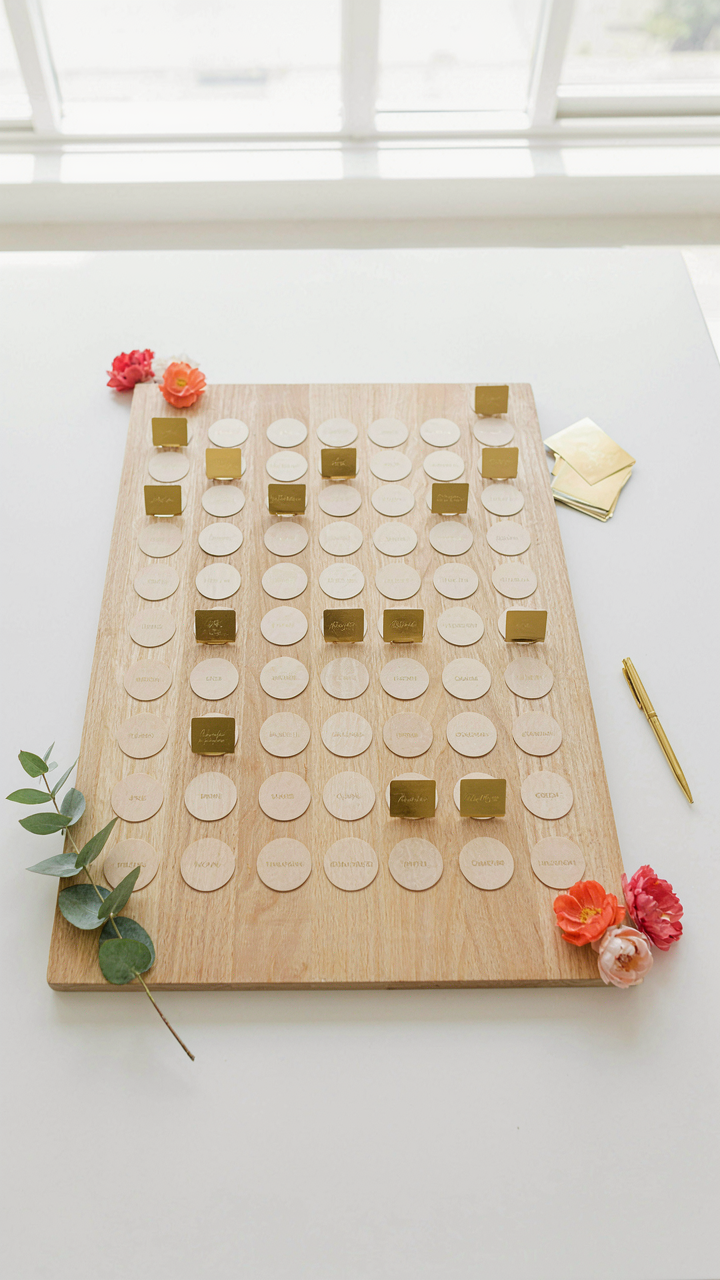
You want to believe everything matters equally so you feel like you’re in control. You’re not. Military logistics borrowed the concept of critical path from manufacturing: the sequence of tasks where any delay cascades through the entire operation. Your wedding has one. Identify which tasks block everything else. Venue confirmation unlocks catering numbers. Final headcount unlocks seating charts. Seating charts unlock escort cards. One broken link halts the line.

Most people waste energy on tasks that have float time built in. Your florist can work two weeks out. Your photographer’s contract binds them regardless of when you finalize the shot list. Your caterer cannot move forward until you lock guest count. Map backward from the wedding day. What absolutely must lock first? Work only those tasks in week one. Everything else gets scheduled once dependencies clear.
The Mission Critical Milestone
Every wedding planner uses the same generic checklist. It fails because it treats confirmations like they’re done once they’re booked. They’re not. A confirmation is a starting point, not an endpoint. The actual milestone is the final locked detail. Your real milestones are: headcount frozen by day twenty, all vendor final details submitted by day ten, seating finalized by day five, timeline walk-through completed by day two.
These dates exist because they trigger the next batch of work. Freezing headcount lets caterers order food. Vendor details locked means no rewrites on the day. Seating done means place cards, escort cards, and table numbers can be prepped. Every milestone is binary: locked or not locked. You execute tasks to hit milestones, not to check boxes. When a task doesn’t directly move you toward a frozen milestone, it’s filler.
The “No Surprises” System: Mastering Wedding Decor Checklist And Vendor Finalization
Lock Down Vendor Arrival Windows
You want this locked down because you’re terrified of a vendor not showing up or showing up at the wrong time, and that terror is legitimate. In supply chain management, this is called “just-in-time” coordination—every node arrives exactly when needed or the system collapses. A florist arriving three hours early wastes your setup crew’s attention. A caterer arriving late costs you service time. Thirty days out is when you stop assuming “they know what they’re doing” and confirm exact arrival times in writing.

Contact every vendor with a direct question: what time do you arrive, what entrance do you use, and who on their team checks in with you on the day. Get their phone number. Confirm they have your venue address, parking instructions, and the weather contingencies if relevant. Write the arrival time into your master timeline, not their timeline. This is the difference between coordination and chaos.
Nail Down Decor Layout Before Week One
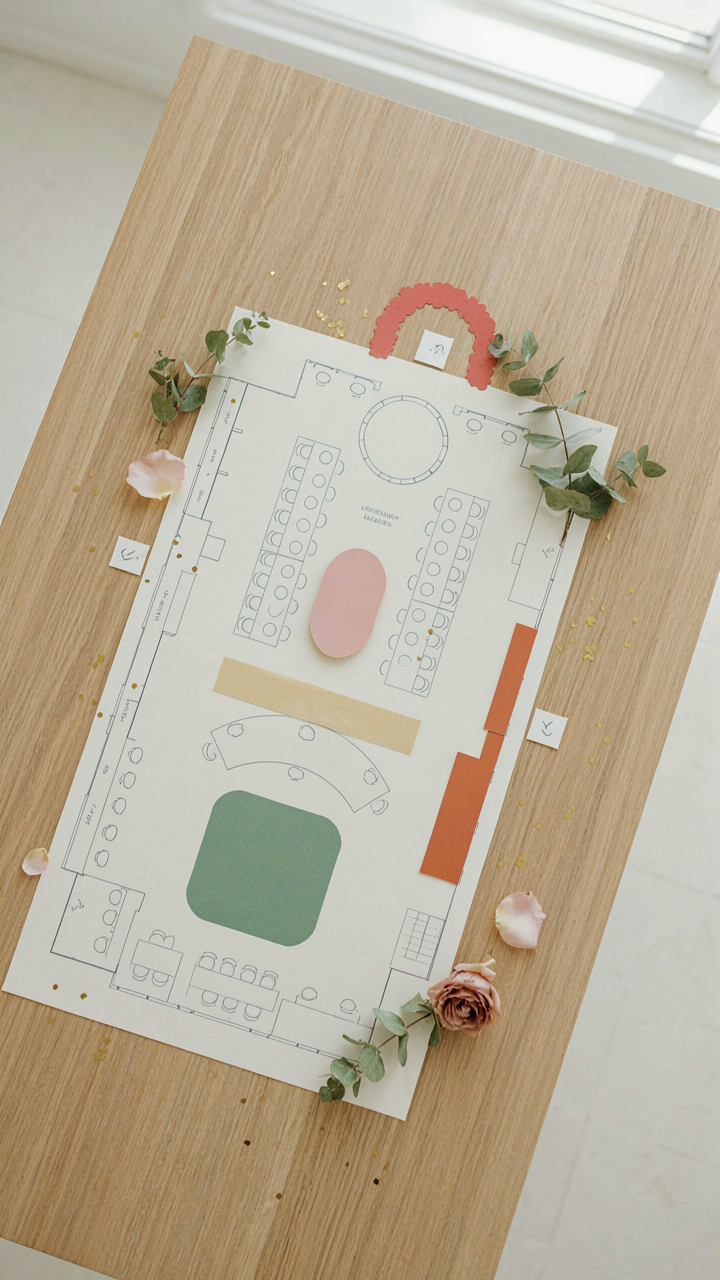
This is where most couples waste the final week in paralysis. The common advice is “keep it flexible” or “you’ll figure it out,” which is code for you’ll make rushed decisions at 4 PM the day before the wedding while tired and emotional. Map every decor element now: centerpieces on which tables, ceremony arch position, where lighting hangs, how the entrance transitions into the reception. Decor changes day-of eat time, money, and focus you don’t have.
- Ceremony arch or backdrop placement: Confirm its exact position relative to seating, lighting rigs, and photographer sightlines. Measure twice.
- Centerpiece counts and table assignments: Specify which florals go on which tables. Identify any oversized elements that need special placement.
- Lighting fixture positions: Mark where uplighting, string lights, or spotlights install. Coordinate with venue power sources and timing.
- Entrance flow and transition zones: Define how guests move from ceremony to reception, including any archways, signage, or decor thresholds.
- Day-of decor installation timeline: List what decorators install when, in order. Build in 30-minute buffers between major setup phases.
Lock your decor layout into a physical diagram or floor plan that both your coordinator and decorators sign off on now. This becomes the reference document that stops every “where should this go” question in real time. Hand it to your vendors, not as a suggestion but as the operational blueprint.
Information Centralization: The Single Source Of Truth For Wedding Info

One Master Document Holds Everything
You’re afraid of the moment when two people need the same information and discover they have different versions. That’s the mechanism. A single master document prevents the cascade of contradictions that eats thirty days alive. This lives in Google Docs or a shared drive everyone can access in real time. Names, phone numbers, vendor confirmations, timeline, seating changes, final headcounts. Everything in one place. No version control chaos. No “I thought we decided that last week” arguments three days before the event.

The document structure matters. Create sections for each category: Vendors and Contacts, Timeline and Deadlines, Guest Information, Logistics, and Decisions Made. Use a simple header system so anyone can find what they need in ten seconds. Assign one person as the document owner. They make updates, flag changes, and ensure old information gets deleted. Everyone else reads it daily. No email threads repeating the same details. No phone calls asking what time the florist arrives. The answer is already there.
Distribute Access With Ruthless Precision
Common advice says share everything with everyone. Wrong. You create information chaos that way. The real move is distributing access based on actual need. Your mother does not need the vendor contract. Your wedding planner does. Your DJ needs the timeline but not the guest seating chart. Your caterer needs the final headcount but not the budget breakdown. Compartmentalize access to reduce confusion and noise.
Create three tiers: Full Access (coordinator, planner, you), Read-Only Access (vendors, wedding party), and Specific Section Access (family members get only their relevant section). This prevents someone from reading outdated notes in the document history and acting on information that changed. Set clear permissions in your sharing settings. For vendors, create a separate document with only the information they need to execute their job. The florist gets delivery address, time window, and contact name. That’s it. No budget, no guest list, no emotional context.
The Day Of Command Post: Your Wedding Day Checklist For Bride And Groom

Who Handles What When Everything Breaks
You’re anxious about losing control on your wedding day. The real mechanism is simple: chaos fills the vacuum left by unclear authority. When your florist calls with a delivery problem at 2 PM, someone needs to answer that phone and make a decision without consulting five people. Assign roles like a military operation assigns ranks. Your wedding planner or a trusted family member becomes the command post. The bride and groom do not field logistics questions. Give your command post contact information to every vendor, wedding party member, and family lead. They collect problems, solve what they can, escalate only critical issues to you.

The command post person needs a simple job description written down. They manage vendor arrivals, handle timeline adjustments, relay messages, and make judgment calls on minor issues. Give them your phone numbers, backup contact info, and the number for every vendor. They need to know your priorities if compromises happen. This person should not be your mother or someone emotionally invested in specific details. They need distance. Meet with this person one week before the wedding. Walk through the timeline together. Give them permission to make decisions without checking with you first. That authority is what prevents ten small problems from becoming one catastrophic collapse.
Your Actual Emergency Kit
Most wedding day kits are theater. Brides pack makeup they never use and solutions to problems that won’t happen. Here’s what actually fails on wedding days: clothing tears, pain management, visibility issues, and timing breakdowns. Build your kit around these mechanisms.
- Sewing kit with thread matching your outfit: Rips happen in fabric, hems, and seams during movement. Five minutes with needle and thread beats changing clothes or walking down the aisle with a torn dress. Include multiple needle sizes.
- Pain relief and blister solutions: You will stand for six hours in new shoes. Bring ibuprofen, adhesive blister pads, and compression bandages. Pain clouds judgment and shows on your face in photos.
- Touch up supplies in your exact shades: Lipstick, powder, and concealer only. Bring one backup of each. You will need this after eating, crying, or sweating during ceremony prep.
- Clear deodorant and stain remover: Wedding clothes show everything. Sweat marks and spills derail your confidence. Bring a small bottle of liquid stain remover and solid deodorant that won’t transfer to fabric.
- Phone charger and backup battery pack: Your photographer needs to reach you. You need to reach your command post. A dead phone creates a communication blackout. Bring a full charge and a portable battery.
Keep this kit in a single bag and hand it to your wedding party coordinator or command post person. They own it. Tell them exactly when you need access to it. Assign one person to carry safety pins, a small sewing kit, and stain remover on their person during the ceremony. Accessibility matters more than completeness. A pain reliever in your purse beats an emergency kit locked in a car. Your kit only works if someone can grab it in thirty seconds without asking questions.
Budgetary Black Swan: Preventing Last Minute Wedding Expenses Checklist Shocks

Confirm Every Invoice Before Final Payment
You’re scared of getting blindsided by a bill you thought was already settled. The mechanism is simple: vendors send invoices on different timelines, and your brain assumes paid equals done when it really means nothing until money moves. Most couples review invoices once. That’s the mistake.

Pull every single vendor contract and invoice into one document right now. Photographer, caterer, florist, venue, rentals, transportation, bar service, cake. Cross reference each invoice against your contract line items. Confirm the amount, the date payment is due, and whether you’ve actually sent the money. A vendor saying “we’re all set” is not confirmation. A cleared bank transaction is.
Build A Contingency Buffer That Actually Works
Everyone says “set aside ten percent.” That’s useless without knowing what breaks. In portfolio management, they call this tail risk: the low probability event that wipes out your plan. Your wedding has three tail risks that show up in the last month. One vendor cancels and you scramble to replace them at premium rates. A guest count spikes and you need extra chairs, meals, or bar stock. Something gets damaged in setup and needs last minute repair or replacement.
The real move: calculate your total spend, then add exactly two thousand dollars if your wedding is under fifteen thousand, or three thousand if it’s over. Keep this as untouchable cash in a separate account. Don’t allocate it. Don’t plan to use it. Track every unplanned expense against this buffer in the final two weeks. When the month ends, whatever you didn’t spend rolls into your honeymoon or disappears. You’ll actually use this money because you’ve named the specific failure modes instead of pretending randomness won’t happen.
The Post Event Protocol: Beyond The Comprehensive Wedding Planning Checklist

Closing Out Logistics And Gratitude
You want closure because unfinished business haunts you. Here’s the mechanism: your brain treats incomplete tasks as open loops, which means they drain cognitive energy until resolved. The last thirty days built momentum toward a finish line that doesn’t actually exist on the wedding day itself.

Assign specific people to handle returns within 48 hours of the event. Rental companies charge late fees. Borrowed items need immediate tracking or relationships fracture. Thank you notes should go out within two weeks, not three months later. Delegate this to someone with a checklist, not to yourself with good intentions.
Learning From What Actually Happened
Common advice says to “reflect on the day” weeks later when emotions settle. That’s wrong. The actionable data decays instantly. People forget what broke, what vendors delivered, what timing worked because they were exhausted or distracted during the event.
Collect feedback from your wedding party and key vendors within 72 hours while details are sharp. Ask specific questions: Did the timeline feel rushed? Where did bottlenecks happen? What surprised you? Document this in a shared document immediately. This becomes your operating system for future events, whether that’s anniversary celebrations, renewal vows, or helping others plan. The mechanism is simple: memory fades, but written records compound in value.
The Real Obstacle: Your Belief That More Effort Equals More Control. It Never Does

You don’t need a longer task list. You need permission to ignore what doesn’t matter. Most couples crash the final month because they confuse motion with progress, filling their lists with tasks that feel important but aren’t. Your wedding task list for the last thirty days works when it kills distractions first, not when it adds more. Open your current list right now and delete three things that won’t change the actual day. The couple that gets married isn’t the one who worried most, it’s the one who decided what actually counted.