The “Perfect Photo” Delusion: Why Less Is More

What The Wedding Industry Sold You
You want permission to spend less and still feel like you got something worth having. The wedding industry manufactures scarcity through imagery. Wedding publications and Pinterest boards show heavily styled first looks with coordinated outfits, professional hair teams, and location scouts. This creates the false premise that emotion scales with production value. It doesn’t. You’re paying for the illusion that complexity equals depth, when the actual mechanism is attention. Where you direct the camera’s lens determines what gets captured, not how much you spend staging the moment.
The commercialized first look ideal exists because it’s easy to sell. A couple needs four things: location, lighting, wardrobe, and timing. Vendors build service packages around these variables and charge per layer added. But here’s what nobody states plainly: a first look’s impact depends entirely on genuine reaction, not backdrop investment. A couple seeing each other for the first time in a parking garage with harsh midday sun will generate stronger photographs than a styled couple in a rented garden who’ve already practiced their expressions. The setup is irrelevant if the emotion is hollow.
Reaction Over Rentals
Prioritizing raw emotion means dismantling the assumption that you need a curated setting. Most couples believe location matters more than it does. The location is context. The reaction is content. In photography economics, you optimize for the variable that generates the highest return. Here, that variable is genuine surprise and vulnerability, not the square footage behind them. When you stop spending on location rental, florals, or wardrobe coordination specifically “for the first look,” you free up budget to capture what actually matters: the unfiltered moment before anyone remembers they’re being photographed.
The mechanism is simple. Emotion reads on camera before anything else. A couple’s authentic response to seeing each other creates momentum that carries into all subsequent photos. The photographer works faster. Poses feel natural. Other wedding party members react genuinely instead of watching a performance. You build this by protecting the first look from over-production, not by increasing it. A simple protocol: arrive at the location, wait five minutes for nerves to settle, tell the couple to turn around, and shoot. No poses. No “do it again but smaller.” No prompts. The photographer watches and documents. The budget for this approach is whatever your photographer charges for the time block.
First Look Budget: The Unseen Costs You’re Ignoring
Time As Currency You Can’t Recover
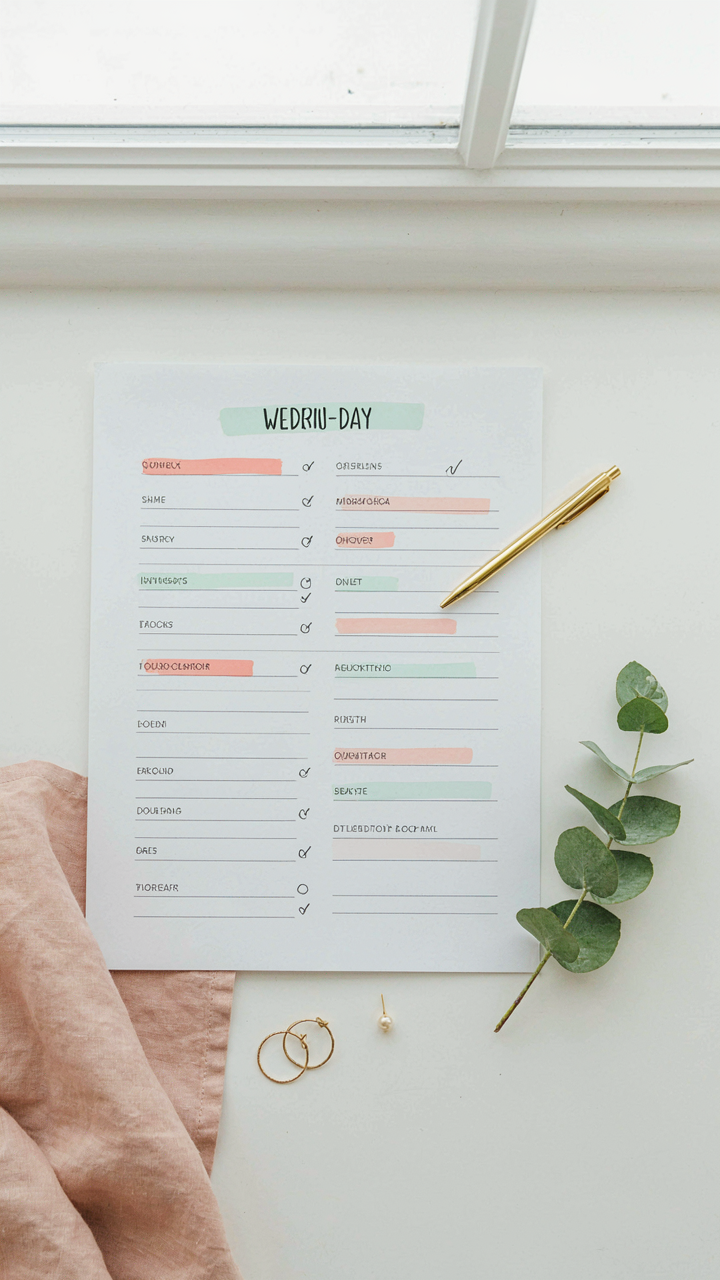
You want to know the real budget because you’re afraid you’re wasting a day on logistics instead of getting shots. Here’s the mechanism: time is capital with no interest accrual. Physics calls this entropy—disorder increases unless energy is applied. In first look sessions, every unplanned minute compounds. A coordinator who arrives late, a location scout that wasn’t done, a backup outfit not staged—each eats minutes you never get back. Budget time before you budget money.

The difference between a coordinated first look and a chaotic one isn’t luck. It’s knowing exactly where people are thirty minutes before they need to be there. This requires a timeline built backward from your first shot, not forward from when everyone wakes up. Without it, you’re reactive. You’re solving problems instead of capturing moments. Build your time budget first, then attach dollars to execution.
The Cost Of Wasted Emotional Labor
Nobody talks about this because it’s not a line item. Emotional drain is real operational overhead that kills decision-making speed and image quality. A bride who’s anxious about timing makes different choices than one who knows the schedule. Unnecessary logistics create anxiety. Anxiety creates bad decisions—rushed hair touches, poor location choices, tension in the frame. The couple feels rushed. You feel rushed. Both of you perform worse.
The solution is radical clarity on what happens when. Send a detailed timeline three days before. Specify exact meeting times, locations, and what to wear to each location. Eliminate every decision point that isn’t about appearance or emotion. When logistics are invisible, the couple focuses on connection instead of wondering what’s next. This costs nothing. It saves everything.
The “Essentials Only” First Look Photography Protocol
What Actually Moves The Needle
You want permission to cut corners without feeling like you’re settling. Here’s the mechanism: a first look session creates emotional intensity through intimate framing and genuine reaction, not through location grandeur or prop complexity. Borrowing from economics, you’re optimizing for marginal utility per dollar spent. Each element either captures authentic emotion or it doesn’t. Anything else is waste dressed up as tradition.

The real constraint isn’t what you need—it’s what you’re willing to admit doesn’t matter. Most couples pay for elaborate setups because they assume they should, not because those setups change the emotional core of the photos. Your job is separating what actually registers in the final image from what exists only in the planning phase.
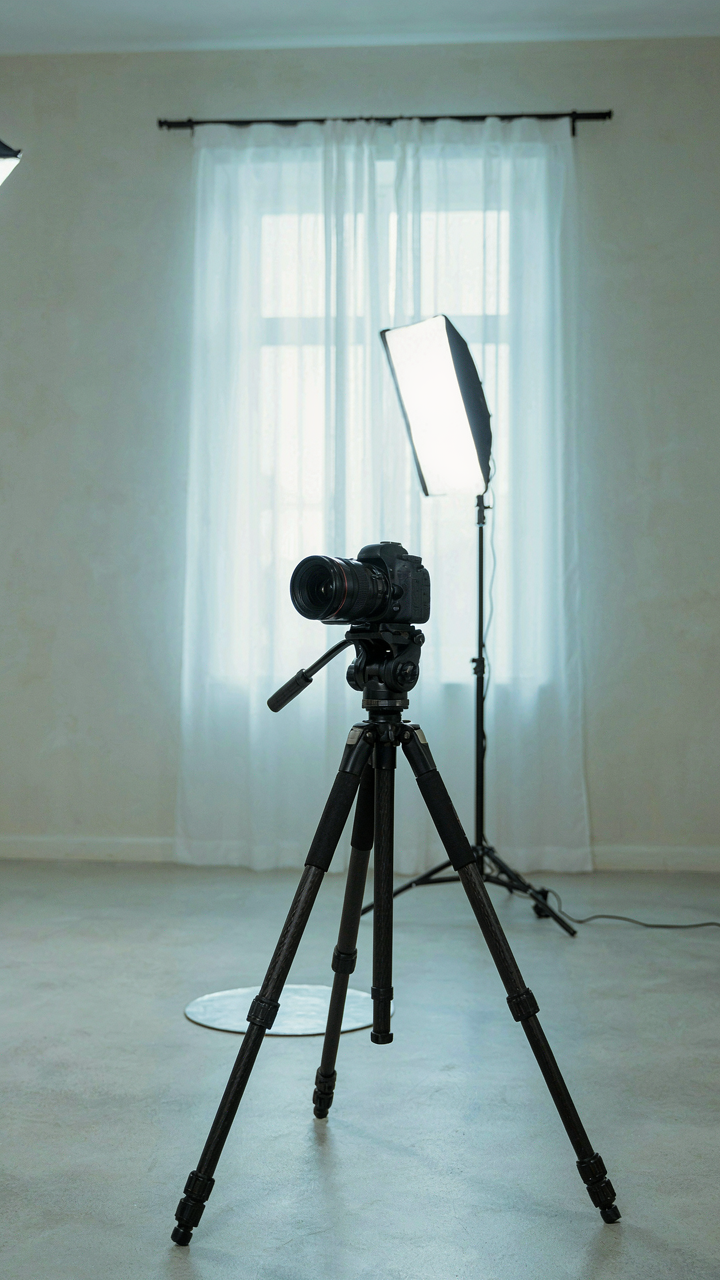
- Camera and one lens: A 35mm or 50mm prime lens handles first looks in tight spaces without requiring expensive zoom glass or additional equipment burden.
- Consistent natural light direction: Position the couple with light on their faces, typically window light or open shade. This eliminates the need for reflectors, fill flash, or location scouting.
- Simple backdrop or location context: A blank wall, doorway, or existing architectural feature works. Renting a location or building a set provides zero additional emotional value.
- One outfit change maximum: Shoot in the actual wedding attire. A second outfit doubles wardrobe logistics and adds zero narrative weight to the session.
- Thirty minute window: First look moments happen fast. Longer sessions just repeat the same expressions. Thirty minutes captures all the material that matters.
Every other consideration is negotiable because it doesn’t alter what the camera sees. Expensive florals in the frame add cost, not depth. Matching aesthetics to your wedding theme is design theater. The couple’s first glimpse of each other in full wedding dress and suit—that’s the only variable that produces a genuine reaction worth photographing.
Strip Away Everything Without Personal Meaning
The advice you’ll hear says to preserve “timeless traditions” for your first look. That’s incomplete. Traditions are just choices previous couples made, and most of those choices were made by vendors, not by the couple. If unity ceremonies, special song selections, or coordinated positioning don’t mean anything to you specifically, they’re budget leaks masquerading as ritual.
Question every element: Why are we doing this? If the answer is “it’s what people do,” you’ve found your cut. The session costs less because you’re removing overhead, not because you’re sacrificing quality. You’re trading stuff for focus. A couple exchanging genuine words while standing in an empty room creates more powerful images than a couple performing choreography in a decorated space. The mechanism is simple—authenticity scales down, artifice requires investment.
Leveraging Existing Venues: Beyond Dedicated First Look Pictures
Repurposing Ceremony And Reception Spaces Strategically
You want a first look that looks intentional, not like you’re making do. The real mechanism here is borrowed from inventory management: you’re extracting hidden asset value from spaces you’re already paying for. Most couples waste the venue’s full potential by treating ceremony and reception areas as fixed-purpose zones.

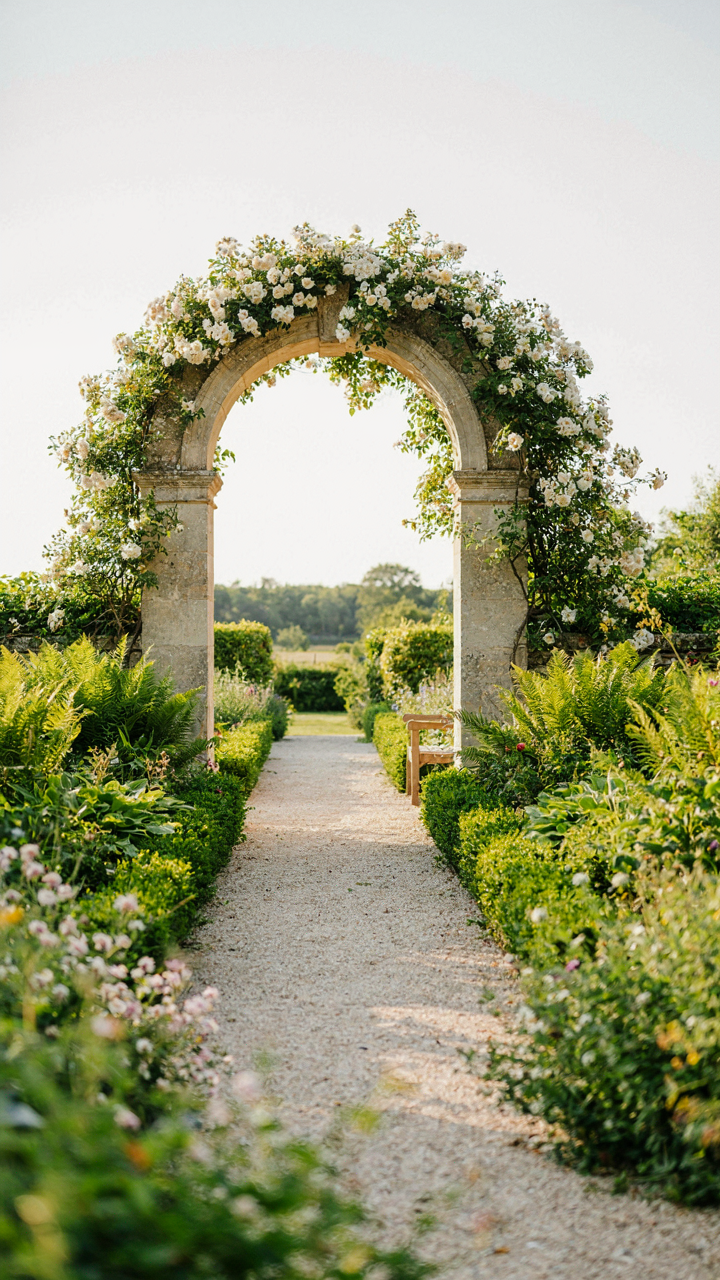
The venue you book has timing gaps. The ceremony space sits empty before guests arrive. The reception hall is bare hours before setup finishes. These windows are free real estate. Scout your venue during daylight and identify corners with directional light, architectural frames, or textural walls. A simple wooden door, exposed brick, or garden archway becomes your backdrop without a second rental fee. Time your first look to hit these spaces when light works, then move on.
Natural Backdrops As Cost Free Artistry
Skip the lecture about finding natural light. That advice misses the actual constraint: you need natural backdrops that don’t require property owner permission, location fees, or travel time that eats your timeline. Public parks, tree lines on the venue grounds, and architectural details already part of the property work because they’re free and immediate.
Water, foliage, and architectural geometry have visual weight without staging. Position yourselves to use these elements as framing devices rather than decoration. A pond behind you costs nothing and creates depth. A grove of trees provides directional light and eliminates cluttered backgrounds. Proximity matters more than rarity. The best backdrop is the one you can reach in five minutes without logistics friction, not the one two miles away that looks better on Instagram. Scout before the day. Confirm access the week before. Arrive early and nail your positioning so the photographer captures clean light without chasing perfection.
The First Look Photographer Gambit: Negotiating Smarter

Hourly Rates Versus Package Traps
You’re hoping the photographer will cut you a deal because you’re “just doing a first look.” They won’t. Here’s the mechanism: photographers price by perceived value, not time spent. A two-hour first look session creates the same production burden as a full shoot—location scouting, travel, setup, weather contingency, editing—compressed into less revenue. Hourly rates actually work against you because they incentivize speed over quality, and negotiating down an hourly rate signals you don’t understand what you’re paying for.

Package pricing is where leverage exists. A photographer with a fixed “first look only” package has already absorbed the operational overhead into that price. Your move: ask what their package includes, then remove components you don’t need. Requesting a photographer to strip editing, album design, or digital files from their standard package is far more effective than haggling the rate itself. They retain margin on what remains, so they’ll negotiate. This works because you’re reshaping the deal, not insulting their labor.
Second Shooter Economics In First Look Work
Borrowing from economics: diminishing returns apply to second shooters in first look sessions. Most couples assume two photographers capture twice the value. They don’t. A first look is a contained moment—typically five to fifteen minutes of actual interaction. One skilled photographer positioned correctly captures every angle that matters. A second shooter becomes redundant insurance, not production necessity. The cost doubles while output value plateaus.
Deploy a second shooter only if your first look location has genuine spatial complexity: multiple rooms, natural light variations across distance, or simultaneous detail and emotion capture requirements. Otherwise, negotiate the package down to one photographer and redirect that budget toward better lighting gear, location time, or additional edit turnaround. Ask the photographer directly: “What does the second shooter actually capture in a first look that the first shooter can’t?” If their answer is vague, you’ve found your cost cut.
Minimalist Attire For Maximum First Look Photo Impact

Fewer Accessories, Sharper Reactions
You’re worried that stripping down visually means you’ll look cheap in the photos. The real mechanism is this: every accessory you add is visual noise competing for attention in the frame. In portrait work, constraint forces the camera to land on what matters—the face, the emotion, the moment between two people. Overdressing the first look doesn’t protect your budget; it dilutes the shot.

Remove the bracelet. Lose the layered necklaces. Kill the patterned scarf. A single statement piece—a watch, simple earrings, or a structured belt—reads clean and intentional. The photographer’s job becomes easier because the composition clarifies itself. Your genuine reaction becomes the focal point instead of fighting against competing visual elements. This is how you engineer impact without spending more.
Comfort Determines Whether Authenticity Even Shows
Common advice says formal attire creates the “right” mood. That’s incomplete. Discomfort physically blocks authentic emotional display. If your collar restricts your neck, your shoulders stay tense. If your shoes hurt, your face tightens unconsciously. If your pants are too tight, your posture collapses. The camera captures all of it—not as elegance, but as constraint.
Choose fitted, not tight. Soft fabrics over structured ones. Shoes you’ve actually worn before, not new ones. The first look demands vulnerability, and your body won’t deliver it while fighting your clothes. A t-shirt and well-fitted jeans photographed genuinely will outperform formal wear shot stiffly. Your budget gets maximized when the camera captures you as you actually move through the world.
The “Signal Vs. Noise” Method For Wedding Photo Ideas First Look
Eliminate The Visual Clutter First
You’re drawn to this section because you’re terrified of missing a “Pinterest-worthy moment” and looking cheap by comparison. Stop. Information theory teaches signal-to-noise ratio: the strength of useful data against irrelevant input. Your first look session budget has a signal-to-noise problem. Most couples load their shot list with redundant angles, duplicate emotions, and ideas borrowed from other weddings. You end up paying the photographer for repetition instead of intentionality.

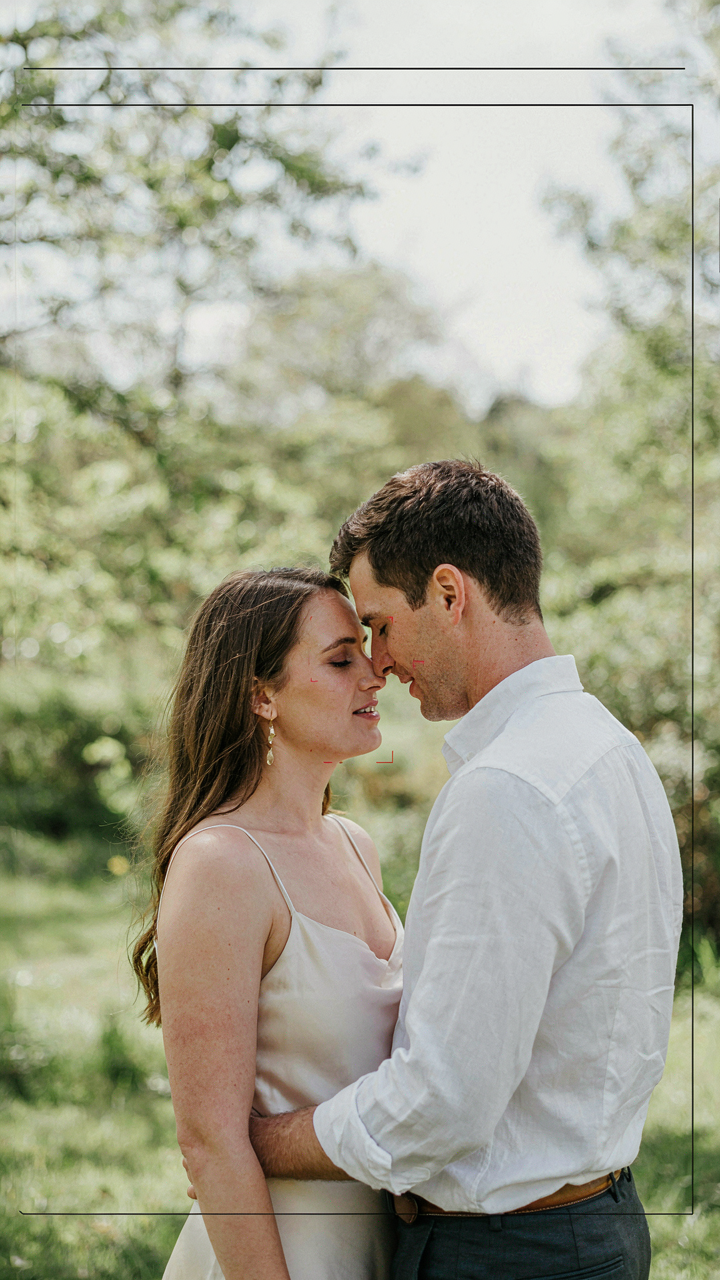
Strip the list down to moments that actually change between takes. One location. Three genuine emotional beats: anticipation, recognition, connection. Everything else is noise that eats your budget without adding meaning. Your photographer shoots the same reactions fifty times because you never defined what matters. Tighter constraints force better decisions, and better decisions mean fewer wasted frames and lower session costs.
Build Around The One Essential Shot
The common advice tells you to “capture everything.” That’s incomplete and expensive. One shot exists in every first look that doesn’t repeat: the exact second of first visual contact. Everything before and after is variation on the same emotional arc. This is your anchor. Plan backwards from it.
Position yourself, lighting, camera angle, and timing around that single frame. Variations happen naturally after. Your photographer stops shooting 200 near-identical frames and shoots 40 that move through actual progression. Fewer shots means shorter session time, smaller file delivery, and lower editing load. Define the mechanism: one core moment determines composition, location, and duration. Everything else serves that frame or gets cut.
DIY First Look Setup: Strategic Delegation, Not Full Burden

Who Actually Executes This
You want to believe you can run this solo because it feels cheaper and more authentic. The mechanism is simple: you’re conflating control with cost savings. Borrowing from operations management, a first look session requires a “critical path”—the sequence of tasks that cannot be compressed without delaying the outcome. You identify those tasks, do them yourself. Everything else gets delegated to someone with clear instructions and zero creative authority.

The difference between a budget first look and a chaotic one isn’t effort. It’s role clarity. One person handles positioning. One handles light. One handles the couple’s emotional state. You don’t need professionals for this. You need people who follow a system.
- The Photographer (You): Controls timing, framing, and the shot list. Does not manage logistics or people flow. Stays behind the camera.
- The Light Handler: Holds reflectors, moves scrims, adjusts angles on your call. Needs a 60-second verbal brief on what “more light on her face” means.
- The Logistics Person: Manages the couple’s arrival, walk-through route, and timing. Texts you five minutes before they arrive. Keeps them from seeing each other until you’re ready.
- The Emotional Anchor: Usually a parent or close friend of the couple. Stays with them during setup. Reminds them this is supposed to be joyful, not clinical.
- The Gear Manager: Holds backup batteries, extra cards, second camera body. Positions bags where you can reach them without moving from your spot.
The person handling light doesn’t need photography knowledge. The logistics person doesn’t need to understand composition. Each role has one job. Write it down. Send it before the wedding day. Test it with one dry run if possible. This structure costs nothing but saves hours of on-site confusion.
Minimalist Aesthetic As Constraint, Not Compromise
The common advice says “work with what you have.” That’s lazy. Real minimalism is a design choice, not a concession. Japanese aesthetic principles like “ma” (negative space) and “shibui” (restrained beauty) deliberately use sparse elements to intensify focus. Apply this to your first look: fewer locations mean better light control. Fewer props mean faster setup. Fewer people mean clearer sight lines. Constraint becomes your budget’s advantage, not its limitation.
Pick one location. Use existing architecture or natural features instead of building a backdrop. If it’s an urban wall, use it. If it’s a garden, use the path. If it’s a street, use the sidewalk and a single doorway as framing. One location means your assistant learns the light there once. One background means no time wasted scouting or repositioning. You shoot the entire session in 20 to 30 minutes because you’re not moving. When you stop moving, your lighting, angles, and positioning all improve.
Beyond The Instagram Filter: Authenticity In First Look Pictures

When The Pose Breaks
You want permission to skip the manufactured moments because you’re terrified unpolished photos won’t prove the day mattered. Here’s the mechanism: posed authenticity is a contradiction. The camera catches what you’re trying to project, not what you’re actually feeling. When a couple locks eyes without instruction, the photographer doesn’t direct the moment into existence. The moment directs the photographer. Budget constraints force this choice naturally. You can’t afford the setup, lighting crew, and costume changes that sell the illusion anyway.

Unguarded first looks cost the same as staged ones. The difference is permission. Stop treating the moment like it needs performance validation. Natural light, simple framing, and genuine reaction require zero additional budget. What kills the shot is a photographer narrating the experience instead of witnessing it. The couple’s job is to meet. The photographer’s job is to stay out of the way and capture what happens when they do.
The Photos That Actually Last
Economics separates disposable media from keepsakes: scarcity creates value. A polished first look photo circulates, gets forgotten, competes with thousands of identical images. An unvarnished one—the real catch of breath, the actual tear, the laugh that wasn’t forced—becomes singular. You can’t replicate it because it only existed once. This is why couples return to these photos years later, not to the ones that looked perfect.
Authenticity in first look pictures compounds over time, while trend-dependent poses expire. Build your first look session around capturing the genuine response, not engineering it. This means minimal setup, minimal direction, and a photographer positioned to observe rather than choreograph. The lasting image isn’t the one that looked good on the wedding day. It’s the one that still feels true when you look at it ten years later.
Your First Look, Unburdened By Others’ Expectations

What Actually Matters In Your Photos
You’re worried someone will judge your first look as cheap or small or poorly executed. That fear is the real budget killer. Success isn’t about matching Pinterest boards or proving something to guests who won’t remember the details. Success is capturing the moment when you see your partner’s face before the ceremony. Everything else is noise.
Define success before the session starts. Write down what you actually want: genuine reaction, specific lighting, particular background, real emotion. Not what you think you should want. When you know this clearly, every budget decision filters through one lens instead of a thousand competing opinions. You stop paying for things nobody will notice and start investing in what matters to your actual memory of the day.
The Power Of Saying No
Economics teaches scarcity creates value. Apply that here: your first look session budget becomes stronger when you remove options, not add them. The common advice says more locations, more outfit changes, more poses equals better results. Wrong. More constraints force better creative decisions and faster execution. You move intentionally instead of wandering.
Strategic indifference means you stop caring what’s trendy and start caring what works for your specific light, your specific location, your specific budget. Skip the wardrobe change if one outfit does the job. Skip the sunset backup location if golden hour at your chosen spot delivers what you need. Every no you say buys you focus and breathing room. The budget constraint becomes a filter that cuts away everything except the shot that actually matters.
The Real Cost Isn’t Monetary; It’s Your Addiction To External Validation

You’re not actually worried about saving money on a first look session. You’re worried people won’t think your wedding was expensive enough to matter. The budget constraint you invented gives you permission to feel validated through scarcity. Stop outsourcing your worth to other people’s opinions and shoot the session you actually want. Your couples won’t remember what you spent. They’ll remember if you looked like you believed in what you created.