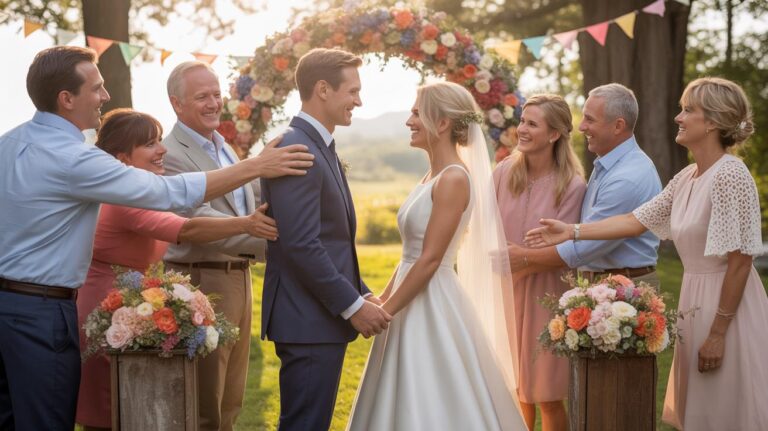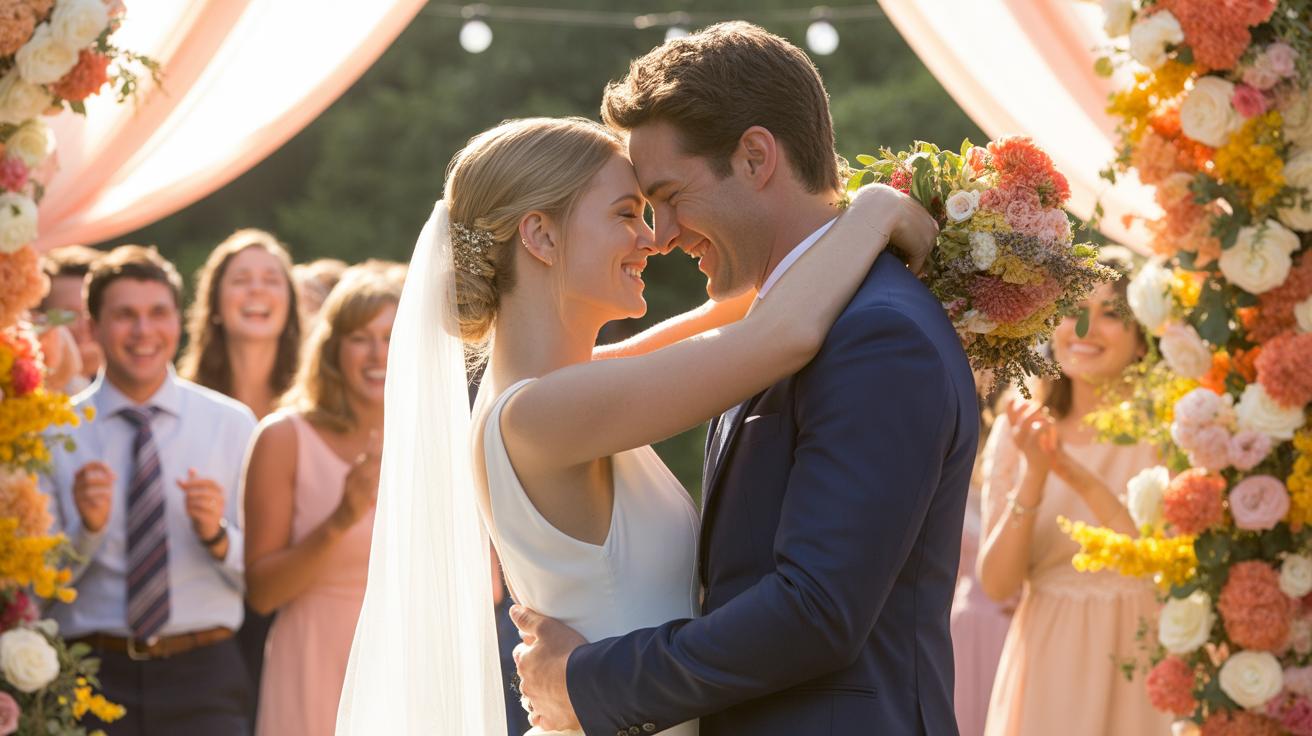
Why Staying Present Is One Of The Most Important Wedding Day Tips

The Science Behind Being Present And Why It Matters On Big Life Events
High stakes events trigger the sympathetic nervous system. This response releases cortisol and adrenaline into your bloodstream. While these hormones help you react to stress, they also impair your ability to form clear linear memories. Focusing on the present moment lowers your heart rate. It keeps your brain in a state where it can actually process and store the events occurring around you.
The prefrontal cortex manages your focus and emotional control. When you are distracted by logistics or future worries, this part of the brain loses its grip. You end up in a mental fog. Staying present keeps the prefrontal cortex active and engaged. This allows you to make better decisions and react calmly to changes. You cannot enjoy a day that your brain perceives as a threat.
How Mindfulness On Your Wedding Day Can Shape Your Long Term Memories
Memory formation depends on sensory input and focused attention. If you are not present, your brain skips the encoding process. You will find large gaps in your recollection of the wedding day later. Mindfulness allows you to anchor specific details like sounds and smells into your long term memory. This creates a vivid mental record that lasts decades instead of a blurry sequence.
The peak end rule suggests people judge experiences based on how they felt at their peak and their end. If you are stressed during the ceremony, your brain tags the entire event as negative. Being present helps you manage your emotional peaks. You control the narrative of your own history. Sharp focus ensures you remember the actual experience rather than just the photos or video.

Essential Bride Tips For Wedding Day Morning Routines That Set A Calm Tone

How To Structure Your Getting Ready Schedule To Avoid Last Minute Stress
Efficiency on your wedding morning requires a strict timeline. You must pad every appointment with fifteen minutes of buffer time. Professionals call this a contingency gap. Hair and makeup often run late. If you do not plan for delays, you will feel rushed. A rushed bride becomes a stressed bride. Start your services earlier than you think is necessary to maintain total control.
Designate one person as the point of contact for all vendors. This removes the burden of logistics from your plate. You should focus solely on your personal preparation. Keep your getting-ready space clean and organized. Clutter creates mental noise. Use a separate room for hair and makeup to isolate the mess. This tactical setup ensures you remain calm while the team works around you.
Simple Breathing And Grounding Techniques To Start Your Wedding Morning Right
Cortisol levels spike during high-stakes events. You can manage this biological response with box breathing. Inhale for four seconds. Hold that breath for four seconds. Exhale for four seconds. Wait for four seconds before the next breath. This technique resets your nervous system instantly. Perform this three times before you leave your bed. It stops the physical symptoms of anxiety before they start.

Grounding connects you to the physical environment. Identify five things you can see and four things you can touch in your room. This practice forces your brain to quit worrying about future events. It pulls your focus back to the present moment. Repeat this every hour. Consistent grounding prevents the day from feeling like a blur. You gain mental clarity by staying in the immediate physical space.
Smart Wedding Day Tips For Bride When It Comes To Delegating Responsibilities

Which Tasks To Hand Off To Your Maid Of Honor, Planner, Or Trusted Family Member
Identify specific logistical burdens that slow you down on your wedding day. You cannot manage vendors and guests while trying to get ready. Offload any task that requires a phone call or a physical check. Give these jobs to people who handle stress well and know your vision. This strategy keeps you focused on the actual ceremony instead of behind the scenes problems.
- Vendor Point of Contact: Assign a planner or bridesmaid to answer all vendor questions. They handle arrivals and placement so you never have to look at your phone. This keeps the schedule moving without your direct involvement.
- Personal Item Security: Give your designated person your phone and lipstick for the day. They should also hold the rings and any cash tips for vendors. This ensures valuables stay safe while you move between locations for photos.
- Guest Management: Tasks like directing late arrivals or managing the guest book belong to a family member. They know the family dynamics and can resolve seating issues quietly. This prevents guests from approaching you with minor complaints during the reception.
- Payment Distribution: Hand over pre-filled envelopes with final payments or tips to your planner. They will distribute these at the end of the night or upon service completion. You should not be handling financial transactions while wearing a wedding gown.
- Emergency Kit Access: Ensure one person carries a kit with safety pins and stain remover. They must stay near you during the photo sessions and the cocktail hour. This person acts as your immediate fixer for any wardrobe or makeup malfunctions.
Clear communication is the only way this delegation works effectively. Write down these assignments three days before the event starts. Do not wait until the morning of the wedding to explain these roles. Provide each person with a hard copy of the timeline and relevant contact numbers. This preparation ensures everyone knows their exact domain so you can remain completely detached from the logistics.
Why Letting Go Of Control Actually Helps You Enjoy Your Wedding Day More
Micromanagement kills your ability detect the passage of time correctly. When you focus on small details, your brain stays in work mode rather than social mode. Scientific studies show that multitasking increases stress hormones like cortisol. High cortisol levels prevent you from forming clear memories of the event. Relinquishing control allows your nervous system to relax and absorb the emotional significance of the day.

Decision fatigue will ruin your mood if you try to handle every small choice. By the time you reach the reception, you will be mentally exhausted. Strategic delegation protects your energy for the people who matter most. Trusting your team demonstrates that you have prepared well. Accept that small errors might happen and let your delegates fix them. Your only job is to be present and participate in your own celebration.
Day Of Wedding Tips For Managing Unexpected Moments With Grace
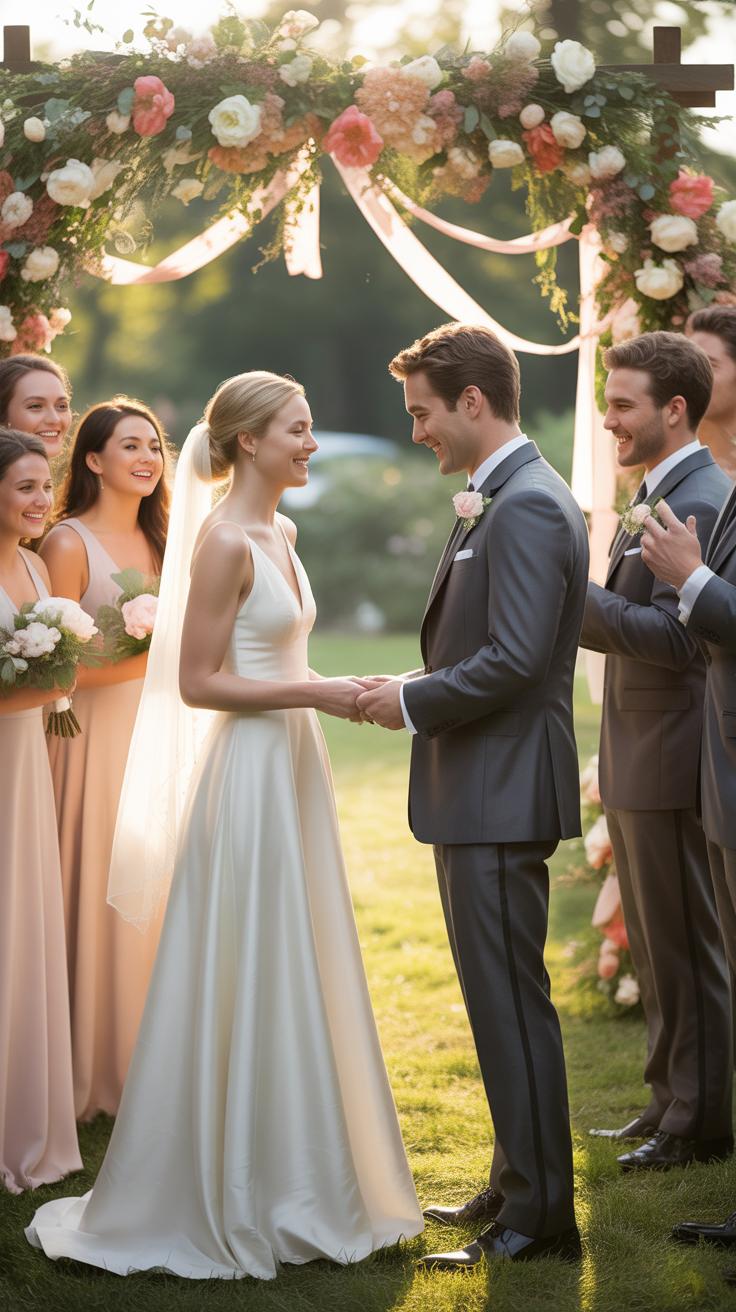
How To Mentally Prepare For Small Hiccups Without Letting Them Derail Your Day
Accept that perfection is a statistical impossibility. Large events involve hundreds of moving parts, multiple vendors, and unpredictable weather. You must decide before the ceremony that your mood does not depend on flawless execution. Tactical preparation means identifying a point person to handle logistics. This allows you to stay in the moment while someone else manages the minor friction.
Shift your focus from the schedule to the objective. The primary goal is the legal and emotional union, not the timing of the salad course. If a vendor arrives late or a floral arrangement misses the mark, assess if it stops the ceremony. If it does not, ignore it. Mental discipline requires you to stay present by refusing to fixate on operational errors.
Real Strategies For Reframing Imperfections As Part Of Your Unique Wedding Story
View mistakes as data points in a long-term narrative. Historically, weddings served as social contracts and community merges where logistical gaps were common. Modern expectations for cinematic perfection are recent and often unrealistic. When things go wrong, document them as part of the authentic record of the day. These deviations from the plan often become the most memorable and discussed moments in future years.

Practice cognitive reframing to maintain your composure. If the weather changes, see it as a shift in the lighting and atmosphere for your photos rather than a disaster. High-pressure events often create unique bonds between people through shared struggle. By embracing the chaos, you lead the energy of the room. Your guests will mirror your reaction, so stay calm to keep the environment positive and stable.
Wedding Tips For Protecting Your Energy And Emotional Well Being All Day

How To Set Gentle Boundaries With Guests While Still Being Present And Warm
Guests often demand constant attention which drains your battery. You must master the tactical pivot to remain polite but mobile. Acknowledge every guest with eye contact and a warm smile. Keep conversations brief by using exit lines that focus on your schedule. Tell guests you must check on another table or finish a specific task. This approach maintains warmth without stuck conversations.
Hire a professional coordinator to act as your shield. They handle logistics and gatekeep your time so you do not have to. Direct all technical questions or guest complaints to your staff immediately. Do not engage with drama or logistics yourself. Protecting your space allows you to stay emotionally available for meaningful moments. Clear boundaries ensure you run the day instead of the day running you.
The Importance Of Eating Hydrating And Taking Short Quiet Moments During The Reception
Adrenaline masks hunger and thirst until you crash. Low blood sugar causes irritability and physical fatigue that ruins your mood. You must schedule three dedicated times to drink water and eat a full meal. Task your maid of honor with bringing you a plate during the cocktail hour. Fueling your body is a tactical requirement for staying focused and present for your spouse.

Physical exhaustion forces your brain into survival mode. You cannot enjoy the party if your body is failing. Retreat to a private room for ten minutes every two hours. Use this time to breathe and reset your sensory input. These micro-breaks prevent emotional overwhelm and keep your energy levels stable. A rested bride makes better decisions and remembers the details of the night more clearly.
Wedding Advice On Being Fully In The Moment During Your Ceremony
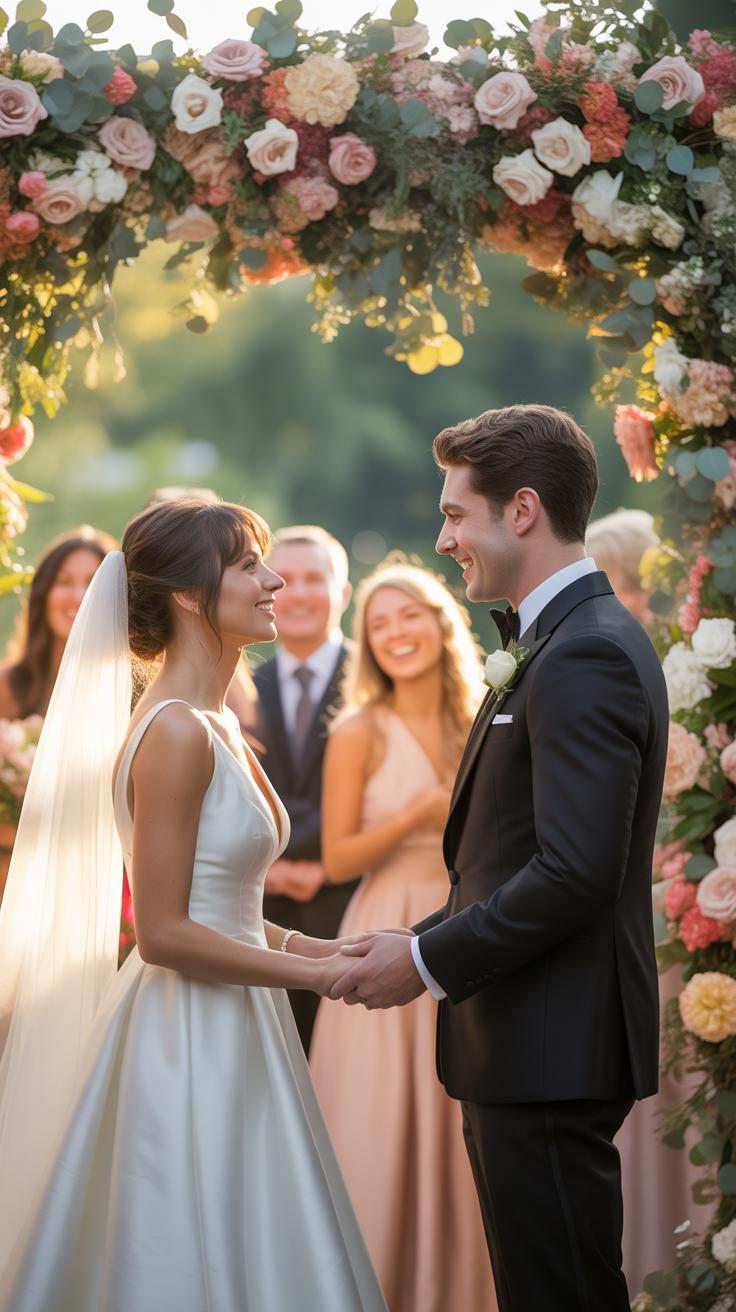
Guidance On How To Focus On Your Partner Instead Of The Crowd During Your Vows
Maintain direct eye contact with your partner throughout the entire vow exchange. Your visual field dictates your mental focus. Looking at the audience or the floor invites distraction and fuels nervous energy. Lock your gaze on your partner to create a private mental space within the public setting. This physical action forces your brain to prioritize the immediate interaction over the surrounding environment.
Position your body to face your partner directly. Do not stand at an angle toward the guests. Physical alignment signals your brain that this conversation is exclusive. If you feel overwhelmed by the crowd, look at your partner’s forehead or nose to ground yourself. This tactical focus reduces peripheral vision and lowers your heart rate. It ensures your words remain sincere and your attention stays fixed on the commitment.
Sensory Anchoring Techniques That Help You Absorb Every Second Of Your Ceremony
Use physical touch as a grounding mechanism. Hold both of your partner’s hands to create a tactile loop. This physical connection acts as a sensory anchor that prevents your mind from wandering to logistics or guests. Feeling the direct weight and warmth of their hands keeps you present in your body. It provides a constant physical reminder of where you are and what you are currently doing.

Incorporate auditory and olfactory cues to solidify memories. Listen specifically to the ambient sounds like the wind or the music. Notice the scent of the floral arrangements or the wood in the venue. These sensory details bypass mental filters and store the moment in your long term memory. Engaging multiple senses prevents the day from becoming a blur. It allows you to recall the ceremony with specific clarity later.
Tips For Brides On Wedding Day Photography Without Losing Authentic Moments

How To Communicate With Your Photographer To Balance Posed And Candid Shots
Provide your photographer with a specific shot list for family portraits before the wedding day starts. This list prevents unnecessary delays and keeps the session moving quickly. Tell the photographer you prioritize documentary style over staged poses for the reception. Clear communication ensures they capture real emotions rather than forced smiles. A professional photographer needs this direction to manage their time and your expectations effectively.
Schedule a pre-wedding consultation to discuss your preferred visual style. Explain that you want minimal interruptions during the ceremony and main events. This directive allows the photographer to use long lenses and stay in the background. High quality candid photos require the photographer to anticipate moments rather than create them. Set these boundaries early to ensure the final gallery reflects the true energy of your wedding day.
Why Limiting Phone Use During Key Moments Leads To A More Joyful Experience
Phones create a physical barrier between you and your guests. Constant checking of notifications or camera apps pulls your attention away from the current environment. This distraction stops you from feeling the actual impact of the ceremony. Put your phone in a bag or give it to a trusted friend. Eliminating digital noise allows you to focus on the sensory details of the event.

Ask your guests to keep their devices away during the ceremony. Professional photos look better when the background is free of glowing screens and raised arms. An unplugged ceremony forces everyone to engage with the couple directly. This collective focus increases the emotional weight of the moment for everyone involved. You will feel more supported when you see faces instead of plastic phone cases and camera lenses.
Wedding Tips For Bride On Connecting Deeply With Your Partner Throughout The Day

The Value Of Scheduling A Private Moment Together Away From Guests
Schedule a ten minute block immediately after the ceremony for just you and your partner. This period allows the reality of the legal and emotional commitment to sink in without external noise. Most couples lose themselves in the shuffle of guest greetings and logistics. Securing a private room or a quiet outdoor area prevents the day from becoming a performance for others.
A private moment regulates your nervous systems before you enter the high energy reception environment. Use this time to hydrate and consume a small meal together to maintain glucose levels. Constant social interaction drains energy. Stepping away preserves your mental clarity for the rest of the night. You will remember the day better if you take brief breaks from the crowd to focus on each other.
Be present in all things and thankful for all things. The goal is to be a person who breathes in the moments as they happen, rather than watching them fade away.
Small Intentional Gestures That Strengthen Your Bond From The First Look To The Last Dance
Physical touch maintains a grounded connection during the reception. Hold hands during toasts or place a hand on your partner’s back while navigating the room. These small tactile signals keep you linked in a crowded space. They remind you that the event serves your union rather than the entertainment of the guests. Non verbal communication is your most efficient tool when music and voices are loud.

Plan specific points to regroup and check in on each other. Meet at the bar or the edge of the dance floor every hour. Use a specific phrase or look to signal if you need a break from a long conversation. This teamwork builds a shared narrative of the day. You leave the wedding feeling like you experienced it together instead of simply attending the same party.
Future Wedding Plans To Make After The Day That Help You Relive And Celebrate It

Meaningful Ways To Preserve Your Wedding Day Memories Beyond The Photo Album
Digital photos capture the visual timeline but often fail to trigger deep sensory recall. Tactical preservation requires physical artifacts that exist in your daily living space. You must decide on preservation methods within forty eight hours of the event. Failure to act quickly leads to decayed botanicals and lost ephemeral details. Real preservation secures the investment you already made in your wedding day.
- Professional Floral Preservation: Send your bouquet to a specialist who uses silica gel or freeze drying techniques. This process removes moisture while maintaining the structural integrity of the blooms. Professionals then encase the flowers in resin or shadow boxes to prevent UV damage and physical degradation over time.
- Textile Conservation: Store your wedding attire using acid free tissue paper and archival quality boxes. Standard dry cleaning bags trap moisture and cause yellowing of delicate silk or lace fibers. Proper conservation protects the fabric from pests and light. This ensures the garment remains a viable heirloom for future generations.
- Custom Fragrance Archiving: Scent is the strongest link to memory in the human brain. Continue using the specific perfume or candle scent from your wedding day during special anniversaries. This deliberate olfactory association triggers immediate emotional recall. It allows you to re-experience the specific atmosphere of the ceremony through chemical signals.
- Vow Art Transcription: Convert your handwritten vows into permanent physical art via letterpress or high quality calligraphy. Placing these words in a visible area of your home serves as a constant tactical reminder of your commitment. This move transitions your promises from a hidden notebook into a fundamental element of your shared environment.
- Digital Video Archiving: Transfer raw footage and highlight reels onto multiple physical hard drives and cloud storage systems. Technology formats change rapidly and digital files can sit on dead links. Periodically update these files to modern standards. Consistent digital maintenance ensures your wedding film remains accessible as hardware evolves over several decades.
Smart couples schedule these tasks before the honeymoon starts. Entrust a specific family member or friend with the immediate delivery of items like flowers or attire to professionals. Delays reduce the quality of the final product. High quality preservation turns a single day of celebration into a lifetime of tangible assets. These items serve as anchors for your new domestic life.
How Reflecting On Your Wedding Day Together Builds A Stronger Marriage Foundation
Regular reflection on your wedding day reinforces the social contract you signed. Use your first anniversary to review your vows and discuss your progress. This practice keeps the original intent of your union at the forefront of your relationship. It prevents the ceremony from becoming a distant or forgotten event. Active reflection creates a baseline for measuring the growth of your partnership.
Shared memories act as a buffer during moments of marital stress. Recalling successful logistics and emotional highs reinforces your ability to solve problems as a team. You should treat your wedding history as a strategic resource for your future. Use the positive momentum from that day to navigate new challenges. This habit builds a resilient foundation for a long term commitment that lasts decades.
Frequently Asked Questions

Why is it so difficult to stay present on your wedding day?
Many couples struggle to stay present because the day is packed with high expectations, complex logistics, and emotional intensity. Between following a rigid timeline and greeting dozens of guests, your brain often shifts into “autopilot” mode. To combat this and truly enjoy your wedding day tips often suggest letting go of perfectionism. When you stop worrying about small details, you can finally focus on the joy of the moment.
What is the most effective way to slow down the pace of the celebration?
The best practical strategy is to schedule “buffer time” throughout your itinerary. Instead of rushing from photos to the ceremony, build in ten-minute windows to breathe, hydrate, and reflect. Another one of my favorite enjoy your wedding day tips is to plan a private five-minute escape with your new spouse immediately after the ceremony. This intentional pause allows the gravity and beauty of your commitment to sink in before the reception begins.
Can I find ways to stay grounded without hiring an expensive wedding coordinator?
Absolutely; mindfulness doesn’t require a large budget. You can stay grounded by delegating specific small tasks to trusted friends or family members who are happy to help for free. Simply appointing a “point person” for vendor questions allows you to remain in the moment rather than troubleshooting. Using free tools like meditation apps or practicing deep breathing exercises during hair and makeup can also help you maintain a calm, present mindset.