Understanding The Legal Requirements For Getting Married Abroad
How To Research The Marriage Laws Of Your Chosen Country
Start your research at the official government website or consulate of the destination country. Each nation sets its own rules for residency and blood tests. Some countries require you to stay in the country for several days before the ceremony. Ignore blogs or travel sites for legal data. Only trust official government portals to verify current marriage statutes for foreign nationals.
Contact the local civil registrar in the specific city where you plan to wed. Rules often vary by municipality or region within a single country. Ask about the mandatory waiting period between filing your intent and the actual ceremony. Confirm if the country requires a civil ceremony to make the marriage legal. Religeous ceremonies alone often lack legal standing in many foreign jurisdictions.
Essential Documents You Will Need To Marry Legally As A Foreigner
You must gather specific paperwork to satisfy international legal standards. Most foreign governments require original documents or certified copies with an Apostille stamp. This stamp verifies the document for international use under the Hague Convention. Missing even one small seal will stop your wedding immediately. Organize these papers at least six months before your departure date.
- Valid Passports: You and your partner need passports that remain valid for at least six months beyond your planned return date. Some countries require color photocopies of every page including blank ones.
- Birth Certificates: Provide full long-form birth certificates that list your parents’ names. Short-form versions usually fail to meet foreign legal requirements. Ensure these documents have an official raised seal from the issuing city.
- Affidavit of Eligibility to Marry: This document proves you are currently single and free to marry. You often obtain this at your embassy in the destination country. Some nations call this a CNI or Certificate of No Impediment.
- Divorce Decrees or Death Certificates: If you were married before you must prove the end of that union. Provide the final decree absolute or a certified death certificate. These must show the official court seal and the judge’s signature.
- Apostille Stamps and Translations: Non-native documents usually require professional translation into the local language. You must then attach an Apostille stamp to the original. This process validates the signature of the official who issued your documents.
Hire a local wedding planner or legal expert to review your document package. They know the specific quirks of local officials that websites might miss. Send digital scans of all paperwork to the local registrar for pre-approval before you fly. This step prevents arrival day disasters caused by minor clerical errors or missing stamps. Verify everything twice to ensure a valid legal union.

Choosing The Best Wedding Locations Abroad For Your Ceremony
Popular Countries Known For Welcoming Foreign Couples To Marry
Denmark stands as the most efficient European option for foreign couples. The government maintains a dedicated agency to process marriage applications for non-citizens. This centralized system reduces local bureaucracy and speeds up document approval. Couples often choose Copenhagen for its logistical simplicity. You only need basic identity documents and proof of legal stay to begin the process. It remains a top choice for international pairs.
Gibraltar and Cyprus offer straightforward legal frameworks based on English common law traditions. Gibraltar requires only a twenty-four hour stay before the ceremony. This makes it ideal for rapid elopements. Cyprus provides civil ceremonies that most international jurisdictions recognize without extra authentication. Both locations offer services in English, which removes language barriers in legal contracts. These regions prioritize the wedding industry to boost local tourism revenue.
How Climate And Season Should Influence Your Destination Choice
Climate data dictates your logistical success and guest comfort. High humidity in tropical regions can damage sensitive electronics and formal attire. Extreme heat in Mediterranean summers often forces ceremonies into late evening slots. You must analyze historical weather patterns for your specific dates. Seasonal rain patterns in Southeast Asia can cause sudden flooding or transport delays. Choose your date based on physical safety and operational reliability.

Peak seasons drive up costs for flights and lodging. High demand during European summer months limits venue availability and increases service prices. Winter in the northern hemisphere offers lower costs but introduces travel risks like flight cancellations. Off-peak timing provides more leverage for negotiating with local vendors. You gain better access to premium spaces when tourist crowds are thin. Match your budget to the local seasonal economic cycle.
Budgeting Smartly For Your Weddings Abroad
Breaking Down The True Costs Of A Destination Wedding
Mainland costs often hide logistical expenses that inflate your total spend. You must track local taxes and mandatory service fees. These vary by country and impact your bottom line. Currency exchange rates fluctuate daily and can erase your budget gains. Always set aside a cash reserve for these shifts. Do not ignore import duties if you ship items from your home country.
Legal fees represent a fixed cost that many couples underestimate. Translation services and Notary Public fees are necessary for document validation. Local marriage licenses require direct payments to government offices. Travel and lodging for site visits also add up quickly. Factor in the cost of professional planners who specialize in your chosen region. These experts prevent expensive mistakes and navigate complex local tax laws.
Practical Ways To Save Money Without Compromising Your Wedding Vision
Choose a location that uses local materials and seasonal flowers. Importing specific decor increases shipping costs and environmental impact. Use local vendors to avoid travel fees for staff. Mid-week ceremonies often cost significantly less than weekend events. Look for venues that offer all-inclusive packages to simplify your accounting. These bundles often provide better value than booking separate vendors for every single need.

Keep your guest list small to reduce food and beverage totals. Micro-weddings allow you to spend more per person on high-quality experiences. Use digital invitations to save on printing and international postage costs. Book your flights and hotel blocks early to lock in lower rates. Consider a country where your home currency is strong. This strategy gives you more buying power for luxury venues and high-end catering.
Creative Wedding Ideas Abroad To Make Your Day Truly Unique
How To Incorporate Local Culture And Traditions Into Your Ceremony
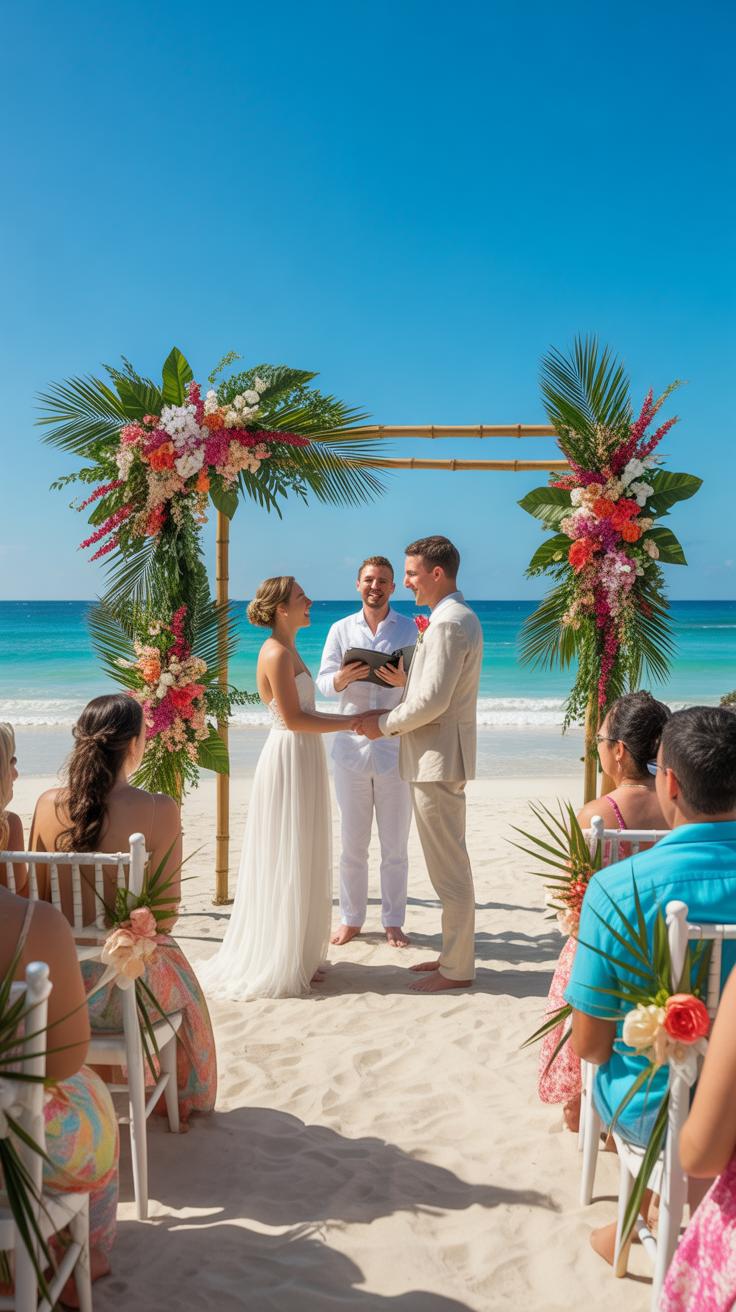
Research the specific wedding customs of your host country to add depth to your event. In Greece, couples often wear stefana crowns joined by a ribbon to symbolize unity. In Mexico, the lasso ritual involves placing a decorative rope around the couple during vows. These actions provide immediate cultural context. They respect the local heritage while creating a distinct memory for your guests.
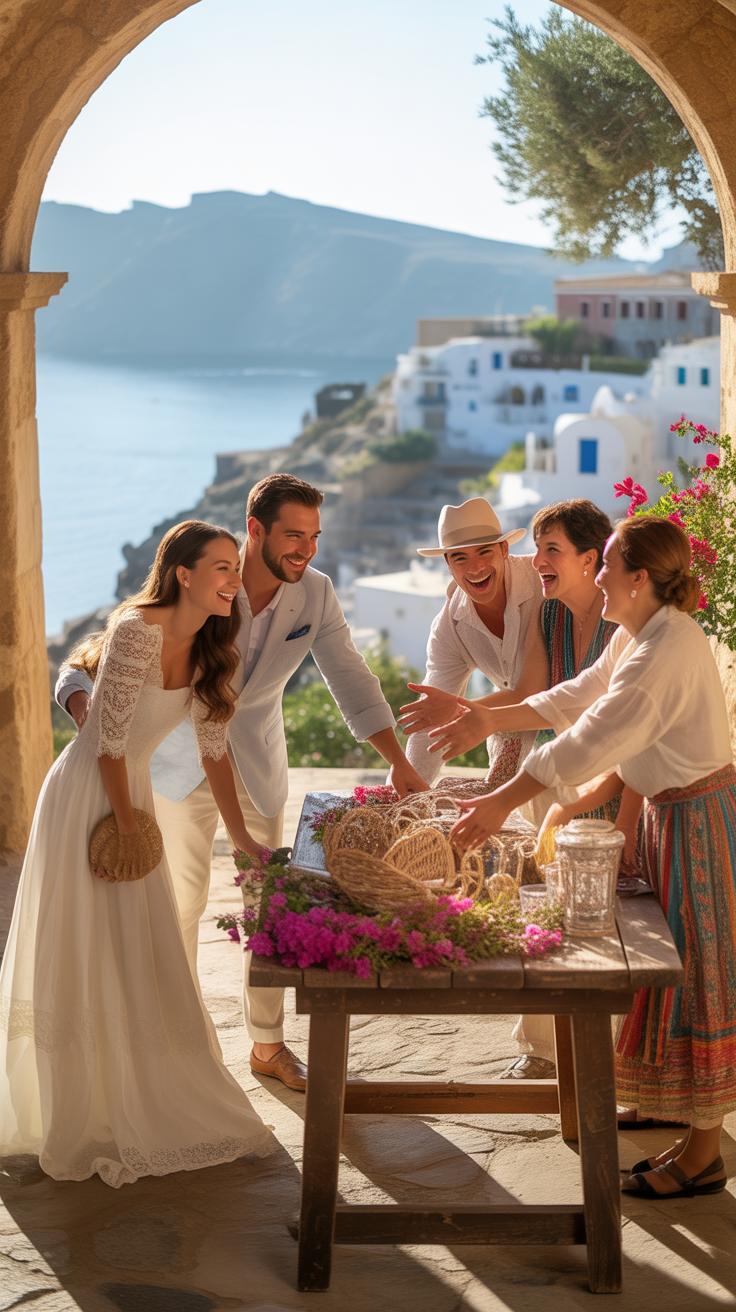
Work with local artisans to source authentic materials for your decor and attire. Use indigenous textiles like Peruvian weaving or French lace to ground the ceremony in its location. Hire local musicians who play traditional instruments such as the Spanish guitar or Italian mandolin. Avoid generic playlists. Authentic sounds and textures create a sensory experience that defines the regional atmosphere without relying on tired stereotypes.
Venue Styles That Work Best For Outdoor And Destination Weddings
Select venues that require minimal decoration to save on logistics and costs. Natural landscapes like the limestone cliffs of the Amalfi Coast or the volcanic beaches of Iceland provide built-in drama. High-altitude vineyards in Mendoza or Tuscany offer structured outdoor spaces with existing infrastructure. These locations utilize the geography to create impact. You reduce waste by letting the natural environment serve as your primary backdrop.

Historical ruins and industrial heritage sites offer structural integrity and unique aesthetics. Choose restored villas in Spain or stone farmhouses in Provence for a sense of permanence. These sites often feature thick walls that provide natural cooling in hot climates. They offer wind protection and established pathways for guest movement. Focus on stone, wood, and iron materials. These elements withstand weather changes and maintain a professional, high-end appearance.
Planning A Small Wedding Abroad Without The Stress
Why Intimate Weddings Abroad Are Growing In Popularity
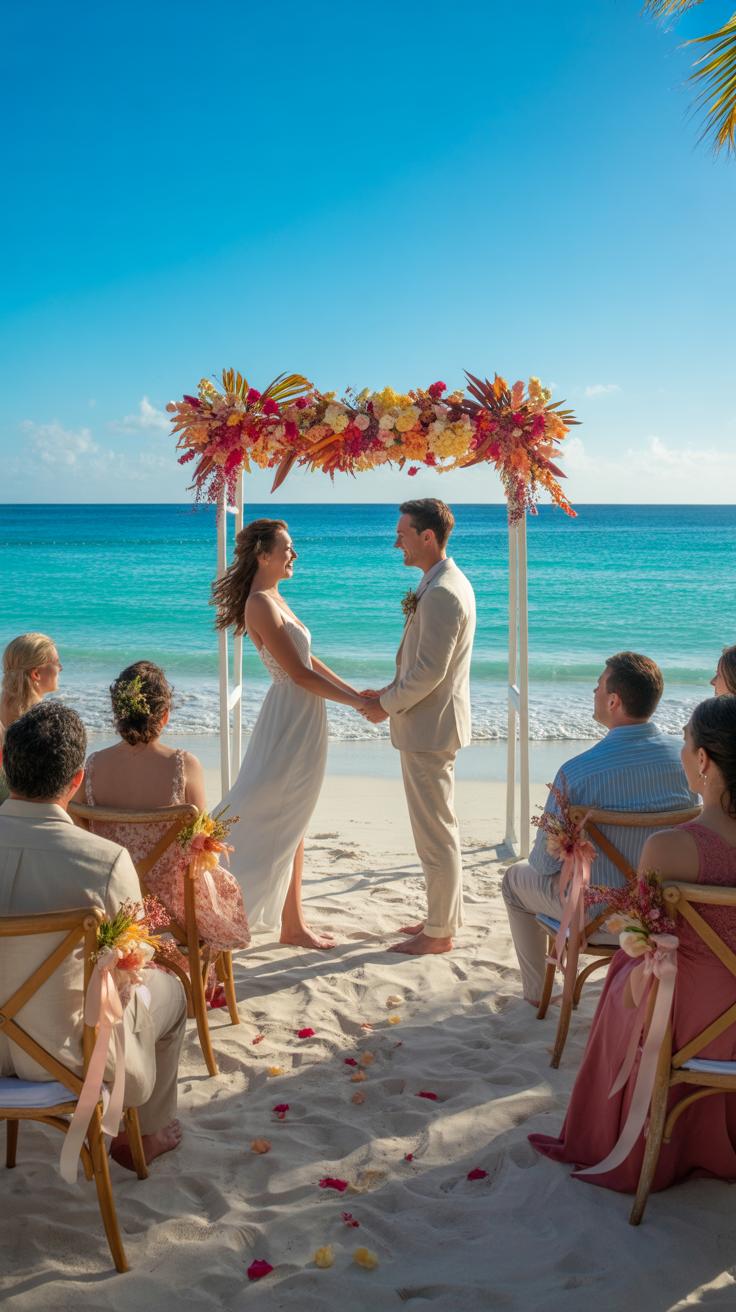
Couples now prioritize high quality experiences over large guest counts. Small weddings abroad reduce total costs while increasing the budget per person. This shift allows for premium venues and luxury dining that large local events cannot match. Managing ten guests in a foreign country is simpler than managing one hundred. Lower headcounts also minimize the logistical burden of coordinating international travel and local transportation for groups.
Digital connectivity makes remote planning easier than in previous decades. Couples use local planners and video calls to secure historical villas or private estates. These smaller groups can access unique locations that do not accommodate large crowds. This trend reflects a move toward intentional spending. You gain more control over the environment and the schedule. Small groups move faster and adapt better to foreign customs and regional travel requirements.
How To Communicate Your Plans To Family And Close Friends
Clear communication prevents conflict when planning a destination wedding. Tell your immediate family about your decision before making public announcements. Explain your reasons for choosing a small event abroad. Send out save the date cards at least twelve months in advance. This gives guests time to check passport expiration dates and save for travel costs. Be direct about who is and is not invited.

Provide a detailed website with travel logistics and expected costs. List specific hotels and local transport options to reduce guest anxiety. Use a firm tone when discussing the limited guest list to avoid negotiations. Offer a local celebration option for those who cannot travel if your budget allows. High transparency regarding the location and legal requirements helps set realistic expectations. Early notice shows respect for your guests’ time and financial commitments.
Hiring The Right Local Vendors For Your Wedding Abroad Ideas
What To Look For When Vetting Local Photographers, Caterers, And Florists
Vet every vendor for local permit knowledge and equipment backup plans. Foreign environments present unique challenges like high humidity or power surges. Ask for full galleries of past work at your specific venue. Portfolio highlights often hide technical flaws. Verify that the caterer holds license for off-site food service. This step prevents legal shutdowns on the event day. Secure everything with a written contract in your native language.
Confirm the vendor understands the lighting and weather patterns of the region. A photographer must know how the sun hits your location at sunset. Florists should use hardy, local species that do not wilt in the specific climate. Avoid importing out-of-season flowers because customs delays will ruin them. Check recent reviews from other foreigners. They will highlight communication issues or hidden fees. Focus on reliability over artistic flair alone.
The Role Of A Local Wedding Planner And When You Should Hire One
A local planner acts as your boots on the ground. They bridge the language gap and manage local bureaucracy. Hire one if you cannot visit the location at least twice before the wedding. They have established networks and can negotiate better rates than a tourist. They handle sudden issues like local strikes or road closures. This role is essential for complex logistics and large guest counts.

The planner manages the legal paperwork requirements in the host country. They ensure you meet residency rules or religious criteria for a valid marriage. Hire them early to secure the best dates and venues. They prevent costly mistakes during the initial booking phase. A good planner understands local customs and etiquette. This knowledge prevents you from offending local staff or guests. Focus on their logistical track record and crisis management skills.
Navigating Guest Travel And Logistics For Weddings Abroad Ideas
How To Help Your Guests Plan And Book Their Travel With Ease
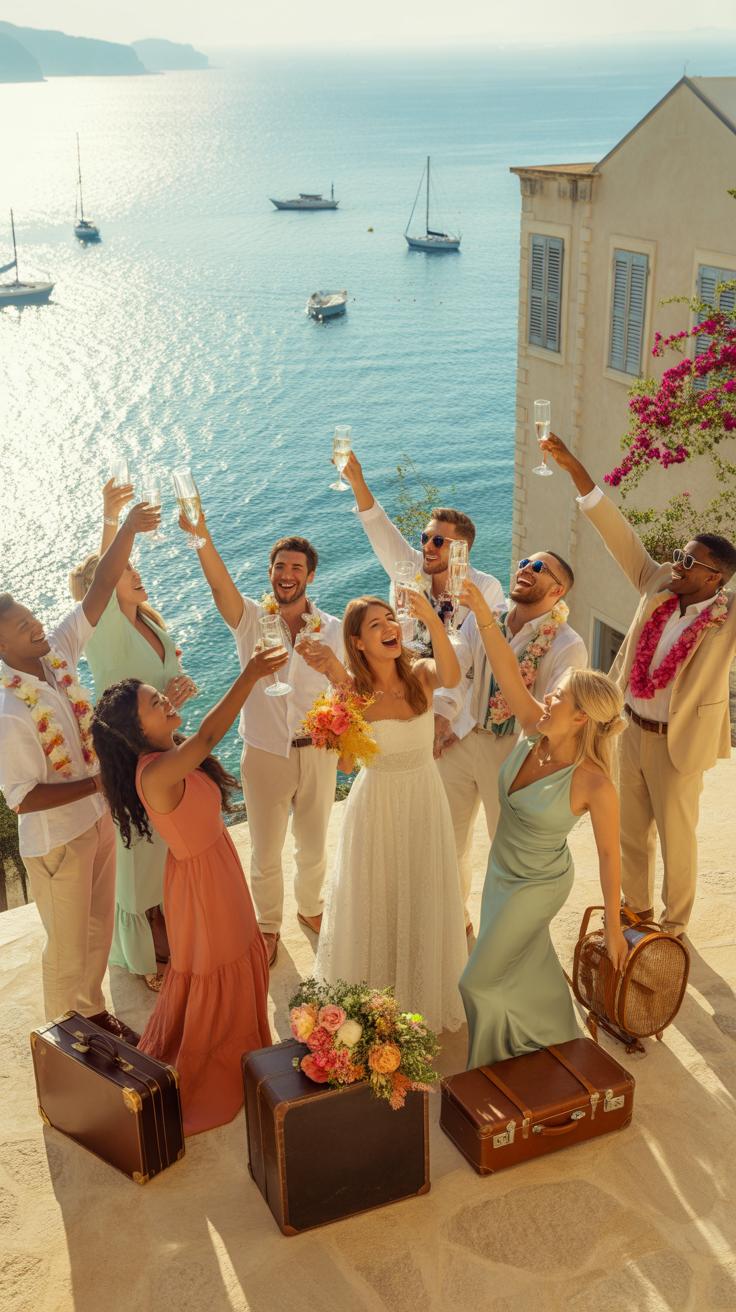
Successful destination weddings require clear communication to reduce guest stress. You must provide technical travel details at least twelve months in advance. Clear instructions on flight hubs and ground transport are essential. Guests prioritize cost and convenience when booking international trips. Your role is to simplify their logistics by centralizing all data. This prevents repetitive questions and ensures everyone arrives on time for the ceremony.
- Formal Wedding Website: Build a digital hub containing all flight and visa information. List the nearest international airports and average taxi costs. Update this site frequently to reflect changes in local travel regulations or schedules. This acts as the single source of truth for your guests.
- Flight Tracking Tools: Recommend specific apps or websites that track price drops for your destination. Suggest guests set alerts for your specific dates and airport codes. This helps them secure the lowest possible fares without constant manual checking. Early booking usually yields the best rates.
- Custom Digital Maps: Create a shared map with pinned locations for the venue, hotels, and local landmarks. Include pins for hospitals and pharmacies for safety. Guests can open this on their mobile devices to navigate the foreign city confidently. This reduces the risk of people getting lost.
- Detailed Itinerary Documents: Distribute a physical or digital PDF outlining the full schedule of events. Note specific pickup times for any hired shuttles or buses. Mention the dress code for each event so guests pack correctly. Clarity on the timeline prevents confusion and late arrivals.
- Local Transport Guides: Explain how to use local ride-share apps or train systems. Provide written instructions in the local language for guests to show taxi drivers. This is vital in countries where English is not the primary language. It ensures guests move between locations safely.
Organize a central contact person for travel emergencies. This person should not be the bride or groom. Use a professional travel agent if the group size exceeds fifty people. They handle complex booking issues and flight cancellations. Reliable transport plans show respect for your guests’ time and money. This logistical foundation allows everyone to focus on the wedding events rather than travel hurdles.
Love knows no borders and the world is your home when you follow your heart across any horizon. To travel is to live, but to marry in a faraway land is to weave your soul into the history of the earth.
Accommodation Options And Group Booking Strategies For Destination Weddings
Secure a room block at a primary hotel to keep guests together. This strategy often results in discounted rates and complimentary upgrades for the wedding couple. Research hotels within three price points to accommodate different budgets. Ensure the main hotel is within twenty minutes of the wedding venue. Proximity reduces the cost of hired transport and simplifies the daily schedule for all attendees.

Execute a formal contract for group bookings to lock in prices. Watch for attrition clauses that penalize you for unfilled rooms. If a hotel block is too restrictive, provide a list of verified rentals nearby. Use a local coordinator to inspect these properties for quality and safety standards. Consistency in housing makes it easier to distribute welcome bags and coordinate group departures for the ceremony.
Considering An Elopement Abroad As A Romantic Alternative
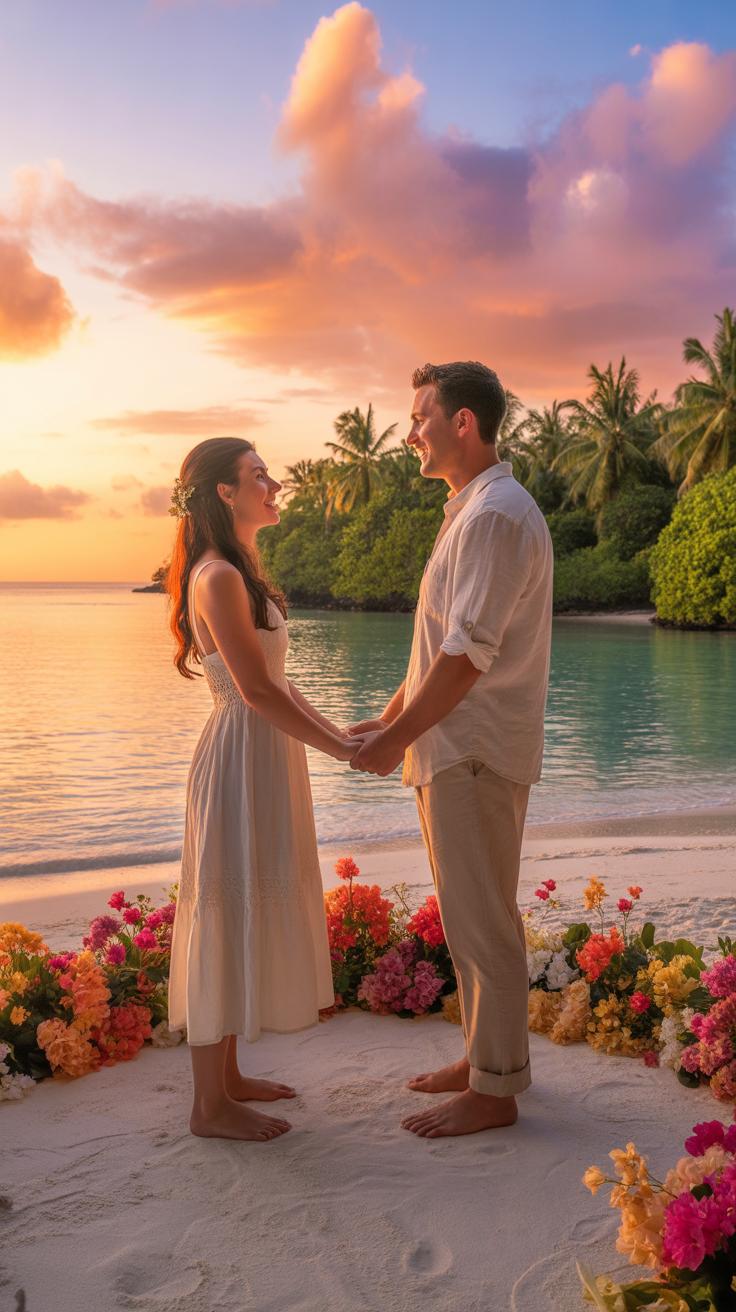
What Legally Constitutes An Elopement And How It Differs From A Destination Wedding
An elopement is a small, focused ceremony centering on the couple. Legally, an elopement requires the same paperwork as any marriage. You must meet local residency laws and file specific documents. This includes birth certificates and affidavits of eligibility. Most elopements involve two witnesses and an authorized official. Without these pieces, the marriage is not valid. It remains a symbolic event only.
Destination weddings differ because they prioritize guest experience and large events. Elopements focus on speed and privacy. You bypass the complex logistics of hosting others. However, you must still track legal deadlines in the host country. Some nations require you to arrive days before the ceremony. Always verify if your home country recognizes the foreign marriage certificate. Failure to do so creates massive legal headaches later.
Best Destinations Around The World Ideal For A Romantic Elopement
Denmark remains a top choice for international couples. Their government keeps the process fast and simple. You can often get approval in weeks rather than months. Iceland offers unique natural backdrops for adventure elopements. It has straightforward laws for foreigners. Local officials speak English well, which aids the process. These locations provide reliable legal frameworks that reduce the risk of paperwork errors.

The Seychelles and Mauritius offer streamlined processes for non-residents. These island nations specialize in foreign marriage logistics. They provide clear checklists and fast processing times. Italy is excellent for those who want historic settings. However, Italian paperwork requires more lead time and specific translations. Pick a country based on its legal efficiency. High-speed administration saves money and reduces stress during the planning phase.
Ensuring Your Abroad Wedding Ideas Are Legally Recognized Back Home
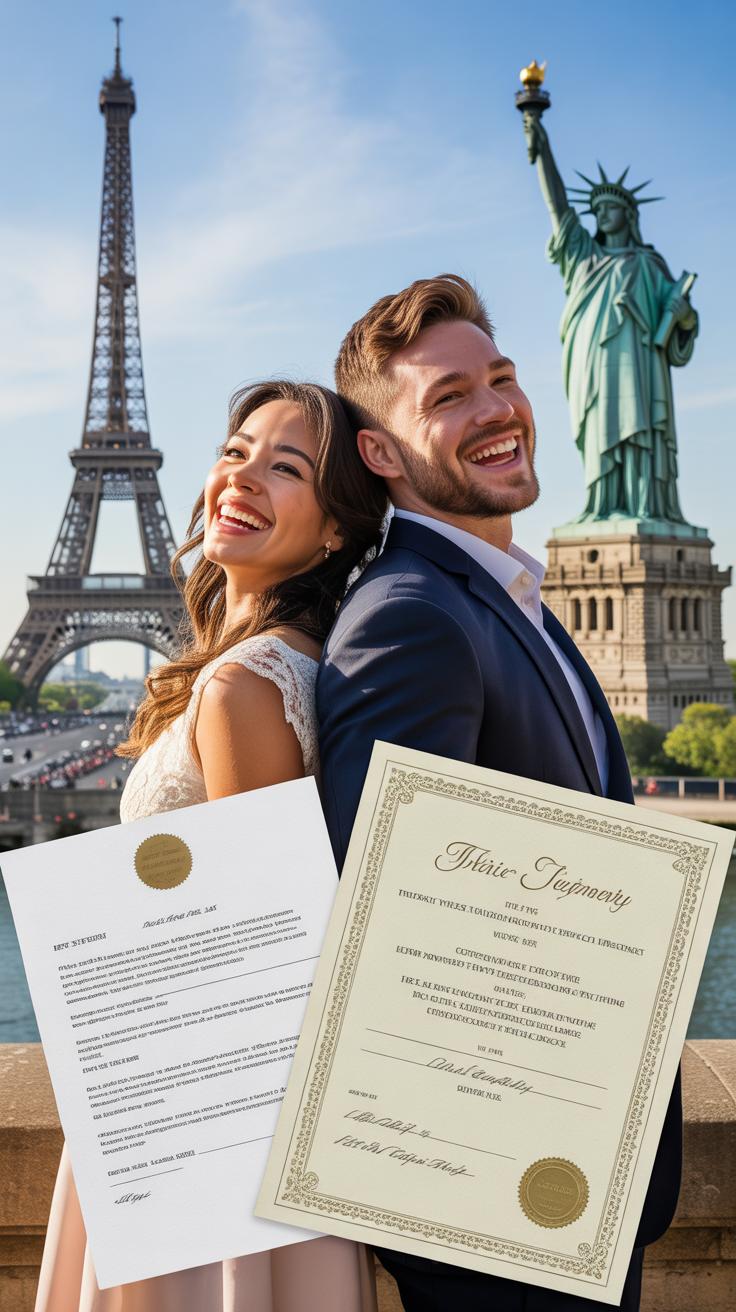
How To Register A Foreign Marriage Certificate In Your Home Country
Most countries do not require you to register a foreign marriage for it to be valid. Your foreign marriage certificate serves as primary proof of the union. You must ensure the document is in the correct format before leaving the host nation. Usually, this means obtaining an Apostille stamp or a legalization certificate from the local Ministry of Foreign Affairs.
Translation is the next critical step for legal recognition. If the certificate is not in your native language, hire a certified translator. Submit these documents to government agencies like the Social Security Administration or the DMV to update your records. Keep multiple original copies of the legalized certificate. Replacing a lost foreign document from home is often difficult and expensive.
When To Consult A Legal Professional For Cross Border Marriage Recognition
Complex asset structures require expert legal oversight before any international ceremony. If you own significant property or business interests, a foreign marriage can trigger unexpected inheritance and tax laws. A lawyer ensures your prenuptial agreement remains enforceable across different jurisdictions. They verify if the wedding location laws conflict with your home country statutes regarding asset division and marital rights.
Consult a professional if your residency status is tied to your marital status. Immigration laws are strict and often require specific visa types before the wedding occurs. A legal expert confirms that your ceremony meets all substantive and formal requirements of both nations. Relying on a wedding planner for legal advice is a mistake. Only a qualified attorney provides the protection needed for high-stakes international unions.
Frequently Asked Questions

Is a wedding performed in another country legally recognized back home?
Generally, yes! Most marriages performed abroad are legally valid in your home country as long as you follow the local laws of the destination. One of the most important getting married abroad tips is to verify if you need an Apostille stamp or official translation to certify your marriage certificate. Checking with your local government office before you depart ensures your international union is recognized without any legal hiccups once you return.
What essential documents do I need to prepare for an international wedding ceremony?
Preparation is key for a seamless experience. You will typically need valid passports, birth certificates, and a “Certificate of No Impediment” to prove you are free to marry. To ensure success, follow these getting married abroad tips: start gathering paperwork at least six months in advance, as many countries require documents to be notarized or translated into the local language. Always double-check embassy requirements to avoid last-minute administrative delays during your travels.
How can we manage the costs of a destination wedding on a budget?
Getting married in a far-off location can actually save you money if you plan strategically. Consider choosing a country with a lower cost of living or opting for an all-inclusive resort package that bundles the venue, officiant, and decor. To keep expenses down, limit your guest list to immediate family or host your ceremony during the shoulder season. This approach allows you to enjoy a luxury experience without the premium price tag.