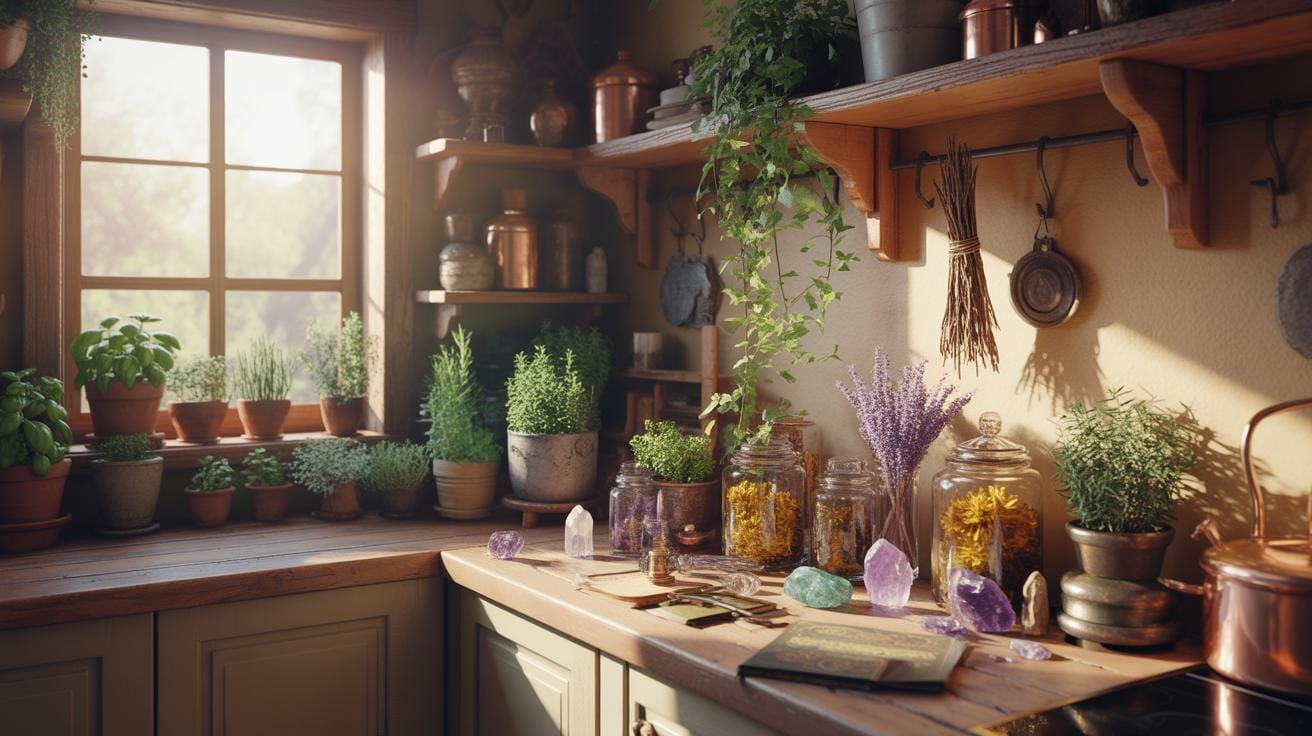
The Magic Of Starting A Green Witch Herb Garden In Your Kitchen
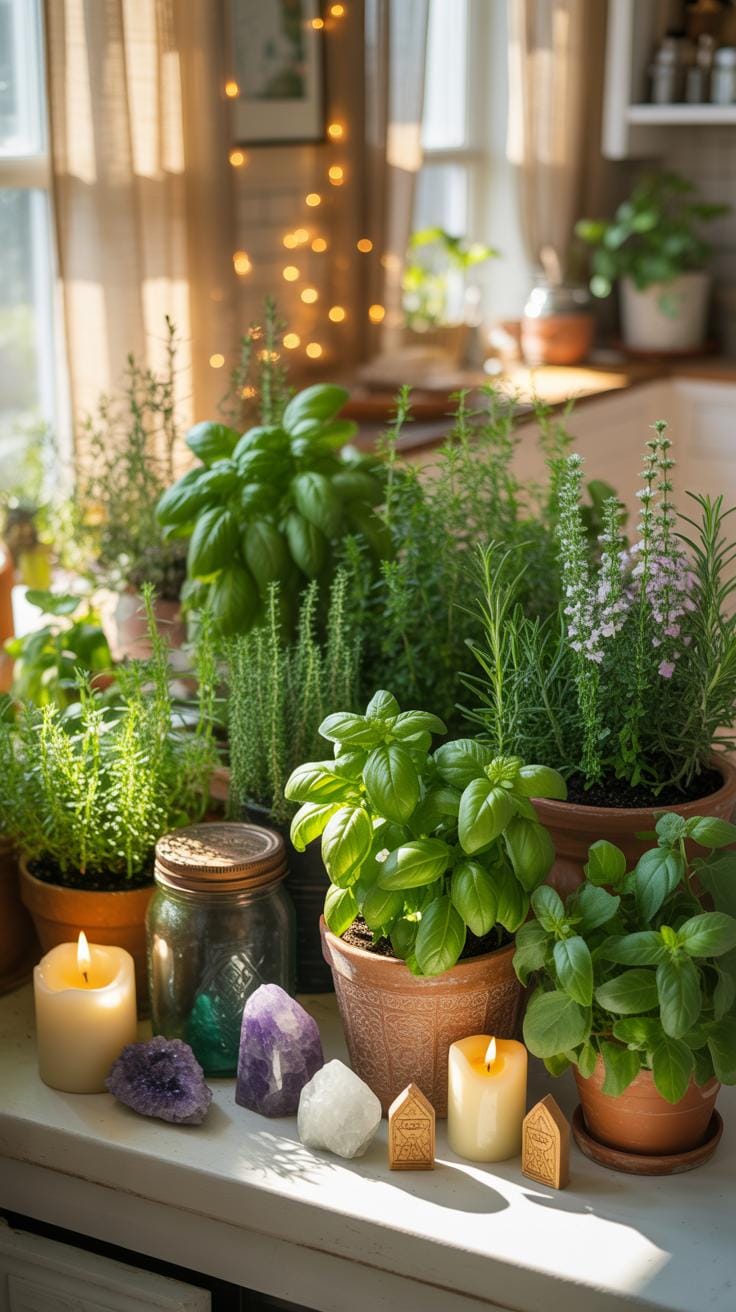
Connecting With Nature Indoors
Establishing a Green Witch Herb Garden in your kitchen provides immediate access to the earth’s energy. Modern green witchcraft emphasizes the direct relationship between the practitioner and the plant. By growing Witchy Herb Garden species on your countertop, you observe the life cycle from seed to harvest. This practice grounds your spiritual routine in the physical reality of biology and seasonal growth patterns.
Strategic gardening allows you to sync your intentions with the natural world. Tending to Green Witch Garden plants requires daily discipline and observation. High-quality soil and clean water act as the foundation for your work. You are not just growing food or medicine. You are building a living ecosystem that mirrors the larger environment. Use this space to practice mindfulness and master the specific needs of Witches Garden Herbs.
Selecting Your Kitchen Sanctuary Space
Success depends on light and temperature control. Most Witch Garden Plants require at least six hours of direct sunlight every day. South-facing windows offer the most consistent light levels for a healthy Witchy Herb Garden. Avoid drafty areas or spots near heat vents that can dehydrate delicate leaves. Use a sturdy windowsill or a dedicated plant stand to keep your Witches Herb Garden organized and accessible.
Drainage and airflow are critical technical factors for Herbs For A Witches Garden. Choose pots with drainage holes to prevent root rot. Grouping your plants creates a microclimate that maintains necessary humidity levels. Monitor the sun’s movement throughout the day to ensure every pot receives enough exposure. Proper placement reduces stress on your Witches Garden Herbs and ensures they maintain high potency for your culinary or spiritual projects.

The Core Essentials For Your Witchy Herb Garden
Potting And Vessel Selection
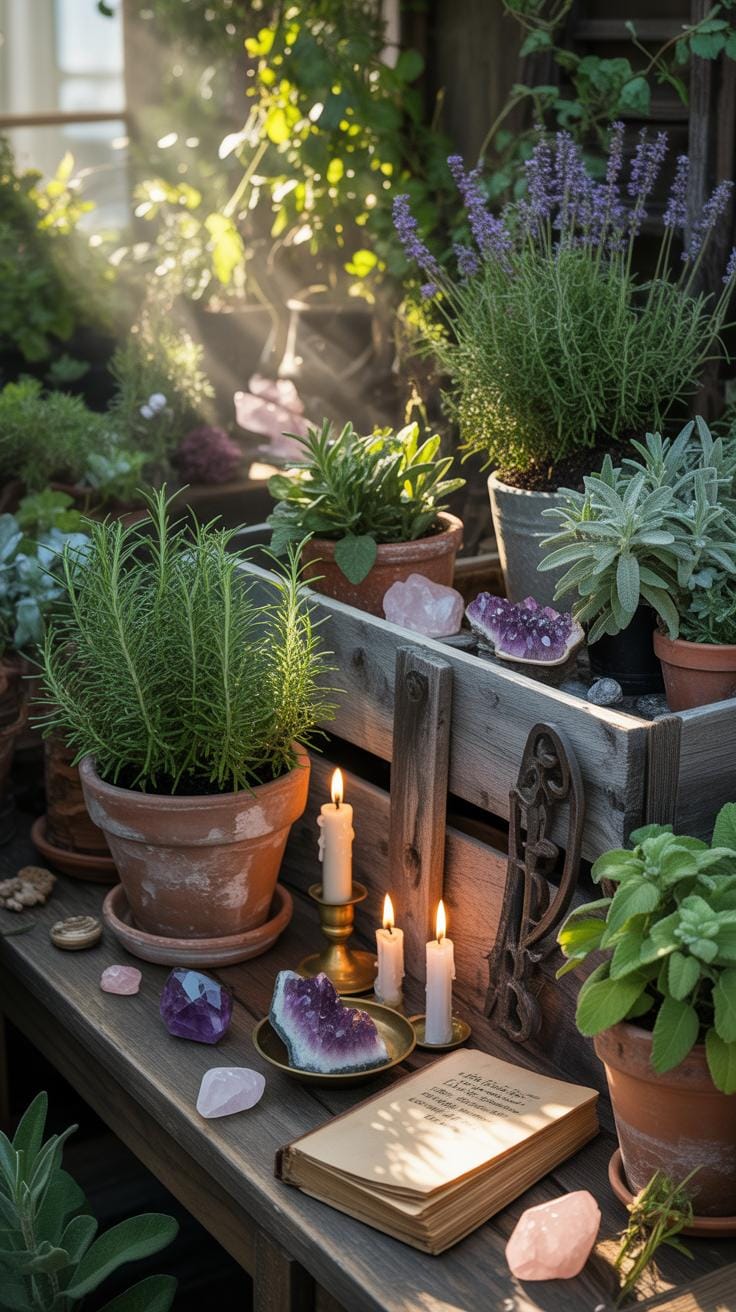
Functional vessels dictate the health of your witchy herb garden. Terracotta remains the industry standard because the porous clay allows roots to breathe and prevents rot. Proper drainage holes are mandatory to stop stagnant water from killing your plants. Ceramic pots work well for moisture loving herbs but require careful monitoring. Select heavy bases to stabilize tall stalks and ensure your green witch herb garden thrives in a kitchen environment.
The material of your container impacts the energy and temperature of the soil. Plastic pots retain heat too long and can leach chemicals into your witches garden herbs. Use glazed stone or clay to maintain a consistent root climate. Proper sizing ensures your witch garden plants have room to expand their root systems without becoming cramped. Always match the vessel size to the specific growth rate of the herbs for a witches garden.
Organic Soil And Nutrients
Soil is the foundation of every witchy herb garden and requires high quality organic components. Avoid cheap commercial mixes containing synthetic fertilizers or chemical pesticides. These additives ruin the purity of your garden and can harm your health when used in cooking or rituals. A clean mix of peat moss, perlite, and organic compost creates the perfect medium for your witches herb garden to grow strong.

Nutrient management involves using natural amendments like worm castings or kelp meal. These supply steady food for your witch gardens without the risk of chemical burns. Healthy soil results in potent oils and better flavor for all witch garden plants you harvest. Maintain a neutral pH to ensure nutrient uptake remains efficient. This strategic approach keeps your green witch garden productive and safe for every intended use throughout the year.
Top Witchy Herbs To Grow For Enchanted Home Cooking
Must Have Kitchen Witch Herbs
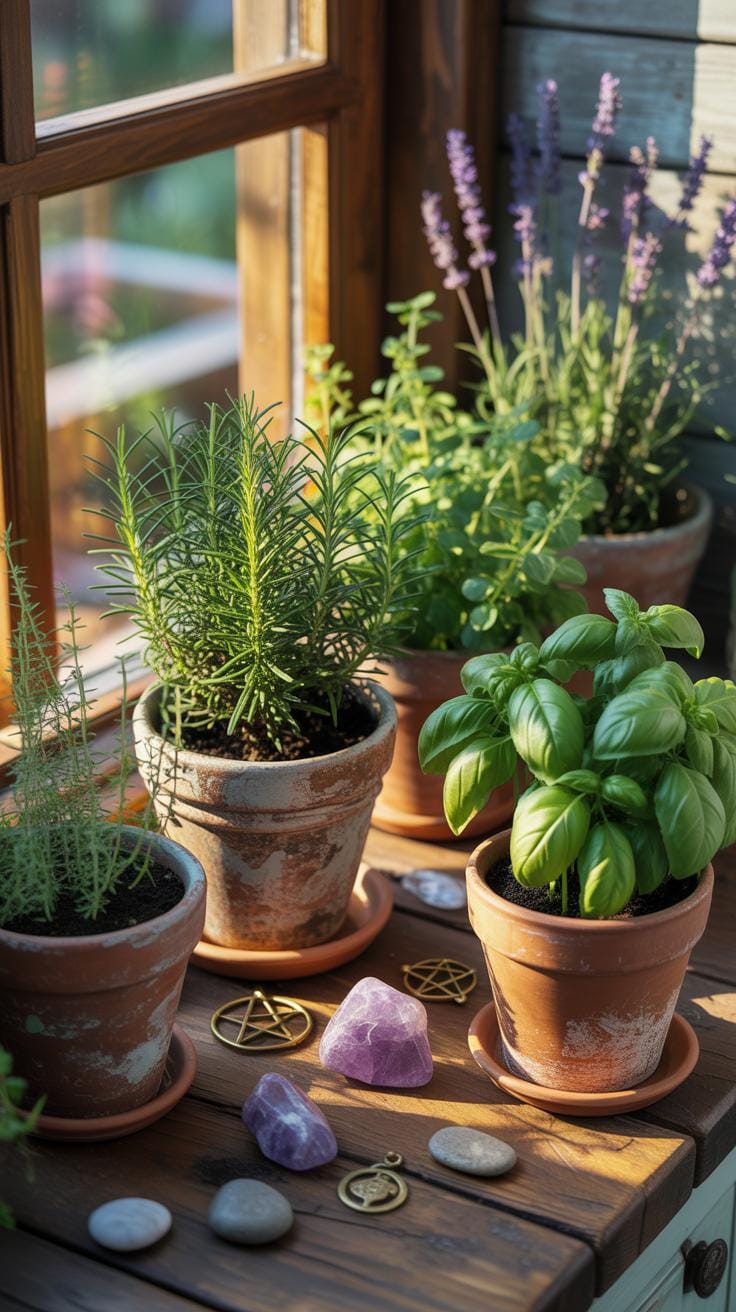
A functional Witchy herb garden prioritizes plants that work in the skillet and the spell jar. These specific witch garden plants offer high oil content for flavor and strong historical associations for ritual. You need hardy perennials that survive indoor conditions. Grow these in well-draining soil with at least six hours of sunlight. Strategic placement near your food prep area ensures you use them daily.
- Rosemary: This woody perennial is essential for any green witch garden focused on memory and protection. It thrives in pots with sandy soil and needs deep watering only when the top inch is dry. Use it in heavy stews or burn dried sprigs to clear stagnant energy.
- Basil: Known as one of the most popular herbs for a witches garden, basil attracts prosperity and luck. It requires consistent pruning to prevent flowering and maintain leaf production. This plant needs warmth and light, making it a perfect windowsill addition for culinary and financial manifestation.
- Sage: This herb is a staple for purification and wisdom within a witches herb garden. Gardeners must avoid overwatering to prevent root rot in this drought-tolerant species. Its velvety leaves are indispensable for smudging spaces or seasoning rich meat dishes to promote mental clarity and health.
- Thyme: Choose this low-growing plant to bring courage and health to your home. It spreads quickly and fills containers easily, making it a reliable choice for your witch gardens. The small leaves contain high concentrations of thymol, which serves both medicinal and protective purposes in traditional practice.
- Mint: This aggressive grower represents abundance and fresh energy in any green witch herb garden setting. Always plant mint in its own container to prevent it from overtaking other species. Its rapid growth mirrors its symbolic use in spells intended to increase wealth or refresh a tired mind.
Select high-quality organic seeds to ensure your witches garden herbs remain safe for consumption. Avoid chemical fertilizers that alter the chemical composition of the plant and its energetic profile. These core witchy herbs to grow provide a foundation for both physical nourishment and spiritual intent. Consistency in care leads to more potent essential oils. Use these plants to bridge the gap between mundane cooking and intentional magic.
The smell of herbs floating through the kitchen is the very essence of a home where magic and memory are brewed.
Sustainable Harvesting Techniques
Effective harvesting keeps your witchy herb garden productive throughout the year. Never remove more than one-third of the plant at once to avoid shock. Focus on cutting just above a leaf node or a set of branching stems. This tactic stimulates dormant buds to grow, resulting in a bushier and healthier plant. Use sharp, clean shears to ensure clean wounds that heal quickly without attracting pests.

Timing is critical when gathering your witch garden plants for maximum potency. Harvest in the morning after the dew dries but before the sun is at its peak. This window captures the highest concentration of essential oils within the leaves. Approach the plant with clear intent and express gratitude for its sacrifice. This practice respects the life cycle of the vegetation while providing high-quality ingredients for your rituals and recipes.
The Symbolism Behind Herbs For A Witches Garden
Folklore And Historical Uses
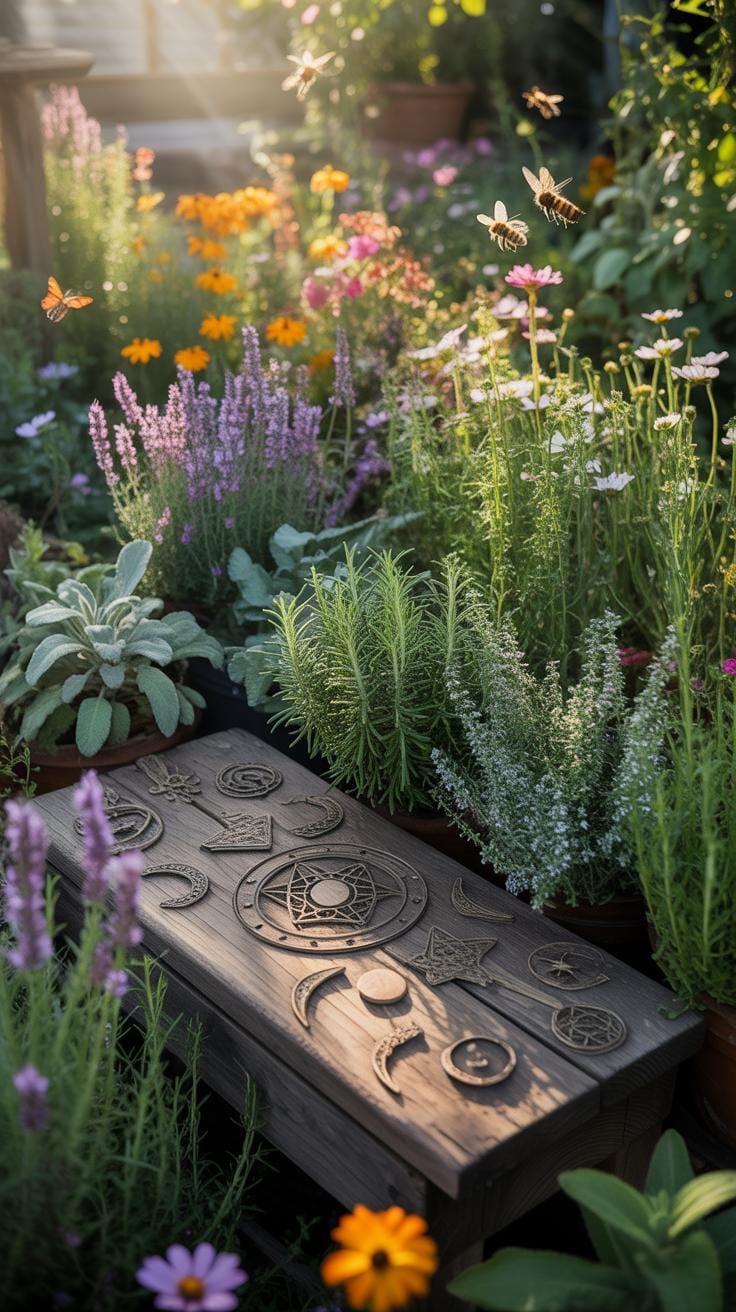
Historical use of witch garden plants centers on survival and protection. Medieval households grew rosemary near doorways to repel evil spirits and prevent illness. Thyme served as a remedy for respiratory issues and a tool for courage in battle. These traditions form the primary foundation for any modern Green Witch Herb Garden. You must understand that these plants were once essential medical and spiritual infrastructure.
European folklore dictates specific placement for Witch Gardens to maximize their effectiveness. Early practitioners planted mint near water sources to ensure prosperity and clarity. Sage was traditionally used to measure the health of a household. If the sage thrived, the family lived in peace. This historical context provides the tactical logic behind selecting specific Witchy Herbs To Grow in a functional kitchen space today.
Matching Plants To Intentions Scraps
Building a Green Witch Garden requires aligning biological needs with specific metaphysical goals. Basil serves as a primary tool for wealth and protection in a Witches Herb Garden. You plant it to attract positive energy and financial stability. Keep it in a sunny window to maintain its potency. This deliberate selection process transforms a standard spice rack into a strategic Witches Garden Herbs collection.

Effective Herbs For A Witches Garden function through focused intent and chemical properties. Lavender promotes calm and sleep through its scent and its traditional associations. Strategically place it in areas where you need stress reduction. This method works for anyone maintaining a Witchy Herb Garden or general Witch Gardens. You select each plant for its specific utility to ensure your kitchen space serves your exact mental and physical needs.
Cultivating Your Witches Garden Herbs With Care
Watering Rituals And Schedules
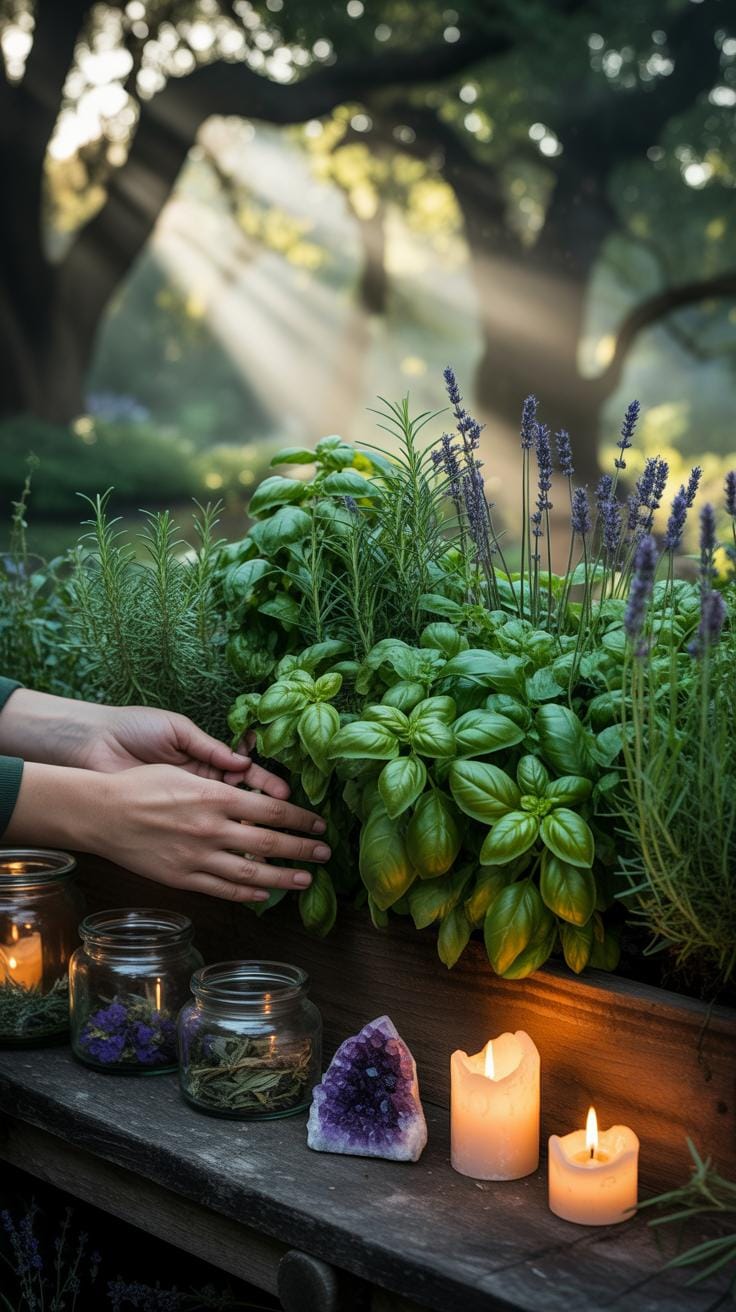
Mastering a Green Witch Herb Garden requires precision in hydration. Most herbs thrive in well-drained soil with a drying period between sessions. Check the soil depth daily with your finger. Water at the base to prevent fungal growth on leaves. Morning is the best time for this task to ensure plants absorb moisture before peak heat. Use this routine to visualize protection for your home.
Consistency defines a successful Witchy Herb Garden. Overwatering kills more plants than drought. Research the specific drainage needs of your Witches Garden Herbs to avoid root rot. Group plants with similar water needs together to simplify the process. This tactical approach saves time and keeps your plants healthy. Your focus on their physical needs strengthens the energetic bond between you and your Witch Garden Plants.
Managing Light And Temperature
Successful Witch Gardens require specific environmental controls to sustain year-round growth. Most Witchy Herbs To Grow need six to eight hours of direct light daily. South-facing windows offer the most intensity for your Green Witch Garden. If natural light is low, install full-spectrum LED grow lights. Keep a thermometer near your plants to monitor shifts. Drafts from windows can stun growth during colder months.

Temperature stability is vital for Herbs For A Witches Garden. Most Mediterranean varieties prefer daytime temperatures between sixty five and seventy five degrees. Move your Witches Herb Garden away from heaters or air conditioning vents to prevent leaf scorch. High heat dries out the soil too fast and stresses the roots. Manage these variables to ensure your Witch Garden thrives through every season. Maintaining these physical standards ensures high-quality results.
Designing Aesthetics For Witch Gardens Indoors

Incorporating Crystals And Symbols Scraps
Place clear quartz or amethyst directly on the soil surface of your Witchy Herb Garden. Crystals act as structural energy conductors and stabilize soil moisture levels. Grouping stones by their mineral composition helps maintain consistent vibration near your Witches Garden Herbs. Use copper or zinc markers to label each pot clearly. This prevents cross-contamination of different species and keeps your workspace organized during fast-paced harvest sessions.
Engrave planetary symbols or elemental sigils onto your herb markers to align with your Green Witch Herb Garden goals. These symbols serve as visual shorthand for the specific properties of Herbs For A Witches Garden. Use natural materials like slate, wood, or unglazed ceramic. Avoid plastic markers that leach chemicals into the root systems of your Witch Garden Plants. Practical labeling ensures you select the correct botanical specimen for every unique ritual or recipe.
Vertical Gardening For Small Spaces
Maximize your kitchen square footage by installing wall-mounted racks or tiered shelving units. Small kitchens require strategic placement to keep Witches Herb Garden projects off your primary food preparation surfaces. Hanging planters utilize the vertical air space near windows where sunlight is most intense. This height prevents domestic pets from disturbing various Witchy Herbs To Grow. It also streamlines your workflow by keeping fresh greens within arm’s reach.

Integrate a mobile vertical cart to store your Green Witch Garden equipment and pots. Wheels allow you to rotate the entire setup to track the sun throughout the day. This movement ensures even growth for all Witch Gardens regardless of seasonal light shifts. Use stainless steel or treated wood to resist humidity and spills. Proper vertical organization turns a cluttered corner into a high-yield Witch Garden that functions with professional-grade efficiency and minimal footprint.
Harvesting And Preserving Your Witches Herb Garden Bounty
Methods Of Preservation
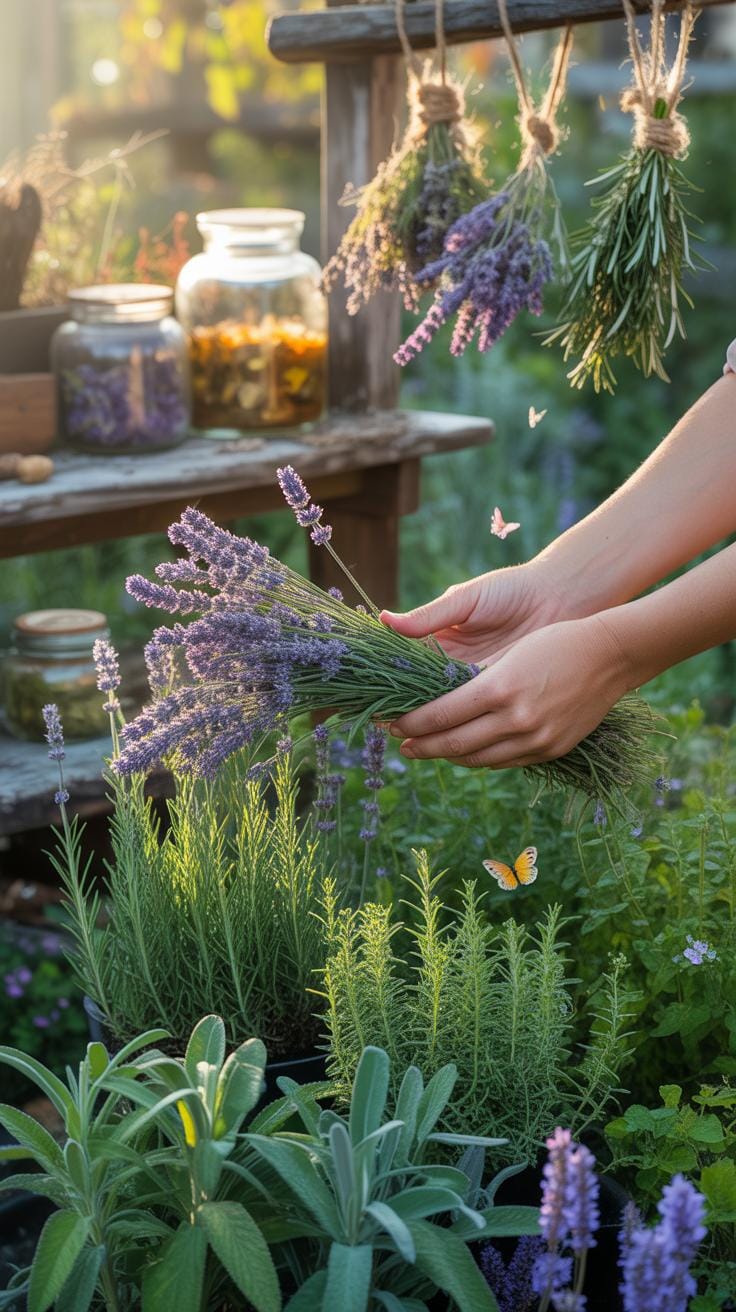
Preservation maintains the chemical and energetic properties of your Green Witch Herb Garden. Harvest in the morning after dew evaporates but before the sun depletes volatile oils. Timing ensures maximum potency for Witch Gardens. Quick processing prevents mold and degradation. You must select the method based on the moisture content of the specific Witchy Herbs To Grow in your space.
- Air Drying: Tie sturdy Witches Garden Herbs like rosemary or thyme in small bundles. Hang them upside down in a warm, dry area away from direct sunlight. This traditional method prevents moisture buildup and preserves the structural integrity of the plant material for long term kitchen or ritual use.
- Freezing: Place soft leaf herbs like basil or cilantro in ice cube trays with water or olive oil. This technique stops oxidation and locks in the flavor profile. It is the most effective way to keep delicate Witch Garden Plants ready for immediate culinary application.
- Herbal Salts: Layer fresh minced herbs with coarse sea salt in a jar. The salt acts as a desiccant, drawing out moisture while absorbing the essential oils. This provides a shelf-stable way to use Witches Herb Garden yields to season food or cast circles.
- Infused Vinegars: Submerge fresh herbs in apple cider or white wine vinegar. Store the container in a cool place for several weeks. This extracts the medicinal and flavor properties. It creates a versatile liquid tool for any Green Witch Garden and simplifies daily kitchen practice.
- Oil Infusions: Place dried herbs in a carrier oil like olive or grapeseed. Heat gently or let sit for weeks to draw out fat-soluble compounds. This method is essential for creating topical salves or flavored cooking oils from your personal Witchy Herb Garden harvest.
Freezing and drying serve different tactical purposes. High-moisture herbs rot if air-dried improperly, making freezing a safer choice. Conversely, woody stems thrive with air circulation. Use specialized screens for individual leaves to ensure even airflow. Proper preservation allows you to utilize Herbs For A Witches Garden during winter months when local growth remains dormant and unavailable for fresh picking.
Storing Dried Goods With Intent
Organization dictates the efficiency of your Witchy Herb Garden workflow. Use airtight glass containers to protect dried materials from humidity and oxygen. Clear jars allow for visual inspection, but you must store them in dark cupboards to prevent UV light from bleaching the color and neutralizing the active compounds. Label every jar with the common name, botanical name, and harvest date.

Standardized labeling prevents dangerous mix-ups during preparation. Knowledge of shelf life is vital, as most dried botanicals lose chemical efficacy after one year. Group your inventory by use, such as culinary, medicinal, or ritual categories. This systematic approach ensures you can find the correct Herbs For A Witches Garden quickly. Disciplined storage maintains the standard of your Green Witch Herb Garden year-round.
Selecting Unique Witch Garden Plants For Indoor Use
Low Light Alternatives For Shady Kitchens Scraps
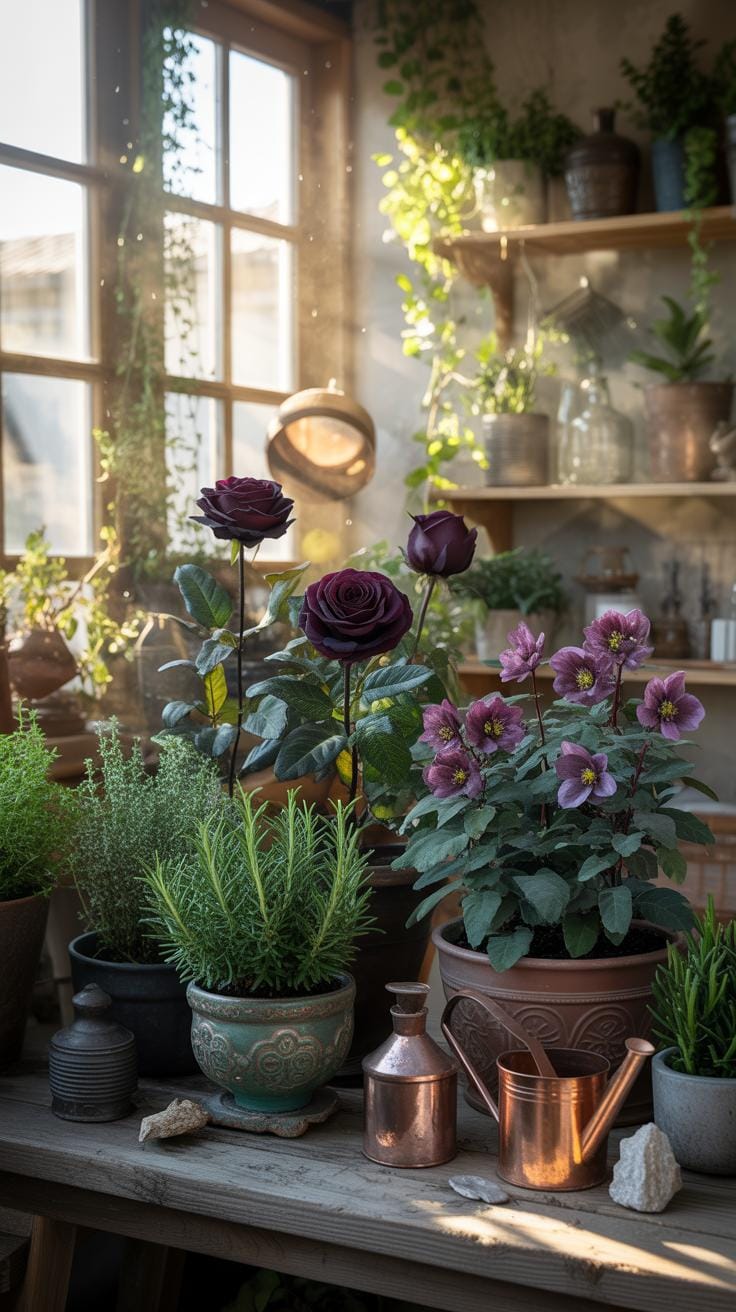
Not every green witch herb garden gets full sun. You can still grow effective witchy herbs to grow in north-facing windows. Lemon balm thrives in partial shade and tolerates lower light levels better than Mediterranean species. Chives also adapt well to moderate light. Place these plants in the brightest spot available. Use well-draining soil to prevent root rot in cooler, shaded areas of your kitchen space.
Managing a witches garden herbs collection requires matching light availability to plant biology. Shady kitchens stay cooler and hold moisture longer. Adjust your watering schedule to avoid soggy roots. These witch gardens plants remain productive even without direct midday sun. You can use lemon balm for calming tea and chives for protection rituals. Focus on soil health to keep these herbs for a witches garden strong in low-light environments.
Exotic Additions To Your Collection
Expanding your witch herb garden requires specific environmental controls for exotic species. Bay laurel grows slowly but provides essential leaves for manifestation work. It needs a massive pot and consistent drainage to survive indoors. Lavender requires intense light and very little water. Use a supplemental grow light if your window lacks six hours of sun. This setup ensures your green witch garden remains healthy throughout the winter months.

A high-performance witches herb garden often includes woody perennials that double as air purifiers. Bay laurel historically represents victory and wisdom in Greek tradition. Lavender provides a strong scent profile that alters the energy of a room. Prune these witch garden plants regularly to maintain their size in kitchen containers. Proper airflow prevents powdery mildew on lavender leaves. Mastering these temperamental plants separates a basic layout from a professional witchy herb garden.
The Spiritual Connection Of A Green Witch Garden
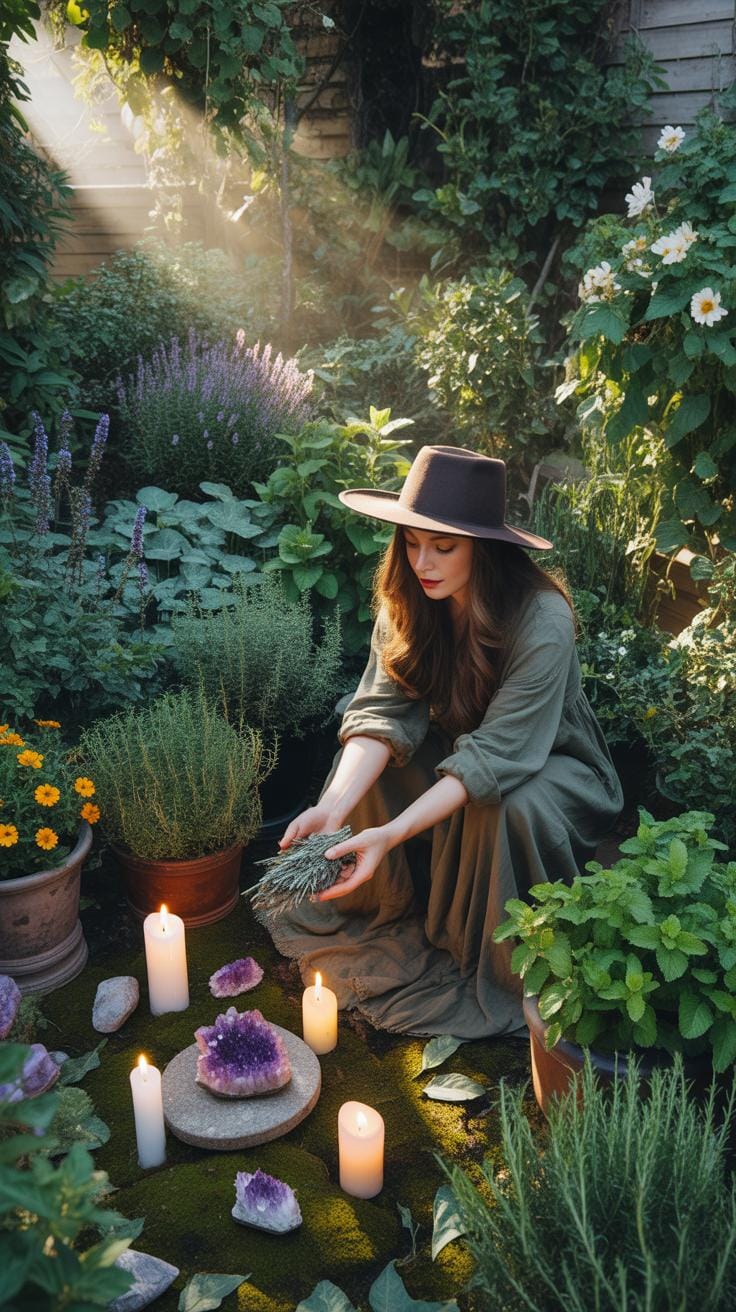
Daily Mindfulness In Tending Herbs
Maintaining a Green Witch Herb Garden requires consistent physical contact with the soil and foliage. Pruning and watering are not just chores. They are tactile ways to ground your internal energy. You monitor soil moisture and remove dead leaves to keep the cycle of growth moving. This focus forces your mind to stay in the present moment. It creates a mental break from external stress and digital noise.
Your Witchy Herb Garden serves as a physical feedback loop for your intent. When you care for Witch Garden Plants, you observe the direct results of your labor and attention. This discipline builds a bridge between the mundane world and your internal spiritual state. Regular maintenance ensures you stay connected to the seasons. This grounding practice turns basic garden maintenance into a daily ritual that centers your focus.
Creating A Living Kitchen Altar
A Witchy Herb Garden in the kitchen functions as a living engine for your craft. You transform a simple window herb shelf into a power center by organizing Witches Garden Herbs with purpose. Position your pots so they face the light. This setup links your cooking directly to your spiritual Work. Every time you harvest fresh sprigs, you pull active energy from your Green Witch Garden into your meals.
Select specific Witch Gardens layouts that prioritize accessibility and cleanliness. Use durable materials like terracotta or stone to house your Herbs For A Witches Garden. A clean, organized Witches Herb Garden reflects a disciplined mind and a focused practice. By treating your growing space as an altar, you bridge the gap between nutrition and ritual. Your kitchen becomes a functional site of power where you manage your Witch Garden daily.
Frequently Asked Questions

What exactly defines a witchy herb garden compared to a standard indoor garden?
While both focus on cultivation, a witchy herb garden prioritizes the spiritual and symbolic properties of plants alongside their culinary uses. It often incorporates intentional placement, lunar cycles for harvesting, and a selection of herbs like rosemary for protection or lavender for peace. This approach transforms your kitchen into a sacred space where gardening becomes a mindful ritual, blending botanical science with ancient folklore to create a functional, magical sanctuary.
How do I choose the best location in my kitchen for these magical plants?
Most herbs thrive on a sunny windowsill that receives at least six hours of bright, indirect light daily. To successfully cultivate your witchy herb garden, consider the elemental energy of your kitchen. South-facing windows offer the most consistent warmth for sun-loving basil and sage. If your kitchen is dark, don’t worry; you can use stylish clip-on grow lights to mimic the sun’s energy, ensuring your ritual herbs grow strong and vibrant.
Can I create an enchanting herb display if I am on a tight budget?
Absolutely! You don’t need expensive supplies to begin your journey. Upcycling glass jars, vintage teacups, or even cleaned food tins adds a charming, rustic aesthetic to your collection. Focus on starting from seeds rather than mature plants to save money, and use decorative stones or found twigs to add personal flair. Creating a witchy herb garden is about your intention and connection to nature, not how much you spend on luxury planters.