The Permit Paradox: Your Biggest Obstacle Is Bureaucracy, Not Cost

Apply Months Before You Plan To Marry
You’re worried permits will blow your budget. They won’t. You’re actually worried you’ll miss the window and lose control. That’s the real fear underneath. Here’s the mechanism: national parks use scarcity as their gating tool, not price. Most parks cap weddings per day or per season. First-come, first-served with a filing deadline. You apply late, you don’t get a slot at all. Cost becomes irrelevant if your date vanishes.
Most parks require applications three to six months in advance. Some, like Yosemite, book out a full year. The fee itself is minimal, usually between 50 and 500 dollars depending on the park. The permit cost is not your constraint. Availability is. Submit your application the moment the park’s calendar opens. Waiting costs you options, not money. Call the park’s wedding coordinator directly. Don’t rely on their website alone. Get the exact submission date in writing.
When Permit Fees Matter Less Than You Think
The permit is a tax on access, not a tax on your vision. Economics calls this a “price ceiling”: the government sets a hard limit on what they’ll charge, often far below market rate. Your real elope in national park budget gets choked by travel, accommodations, and photographer fees, not paperwork. A permit runs 100 to 300 dollars in most parks. Your flights alone will exceed that. The permit is a rounding error in your actual spend.
Where people miscalculate: they think the permit fee is the bureaucratic cost. It isn’t. The real cost is time spent gathering documents, waiting for approval, and revising plans if your first date slot fills. That’s unpaid labor. You prevent it by applying early and giving yourself buffer dates, not by negotiating the fee. Build permit approval into your timeline as a three-month minimum window before your wedding. Everything else flows from that single decision.
Beyond The “Free” Views: The Hidden Costs Of Scenic Spots

The Crowd Tax On Your Time
You want the iconic spot because you think it costs nothing and looks unbeatable in photos. But that’s where the real expense lives: the time you burn waiting, coordinating around peak hours, and managing logistics that popular locations demand. Economics calls this “congestion pricing” and it applies here whether money changes hands or not. Every extra hour you spend managing crowds is an hour you’re not executing your actual ceremony.

Popular viewpoints inside national parks operate on scarcity of space, not scarcity of access. You can reach them free, but you cannot occupy them freely. Summer weekends at places like Angels Landing or Moro Rock mean arrival times of 5 AM, permit lotteries, or waiting until shoulder seasons. That’s not a minor inconvenience. That’s operational friction that compounds into stress, rushed logistics, and compressed time windows for photography, vows, and the actual moment.
Accessibility Against Your Wallet
Easier access doesn’t mean cheaper. It means more competition for the same resource, which forces you into costlier workarounds. A less-trafficked location inside the same park often requires a guide, special permits, or logistics coordination that a popular spot doesn’t. But those costs are predictable and controllable. The hidden cost of popularity is the forced optimization you cannot avoid.
Lesser-known trailheads and vistas inside national parks give you control over your timeline and atmosphere. You pay upfront through effort or a guide fee, not through scheduling constraints and backup plans. This is where budget-conscious couples actually save money: by trading the free-but-congested spot for a moderately priced alternative that eliminates cascading logistical costs. Pick your location based on permit availability and required timing, not based on Instagram frequency.
The Spartan Logistics Protocol For Elope National Park
What You Actually Need To Pack
You want to feel prepared without admitting you’re terrified of looking unprepared in front of witnesses. Here’s the mechanism: most people pack for a hypothetical worst-case scenario that never happens, then carry dead weight that drains money through transportation costs and time spent managing gear. National park elopements reward constraint, not coverage.
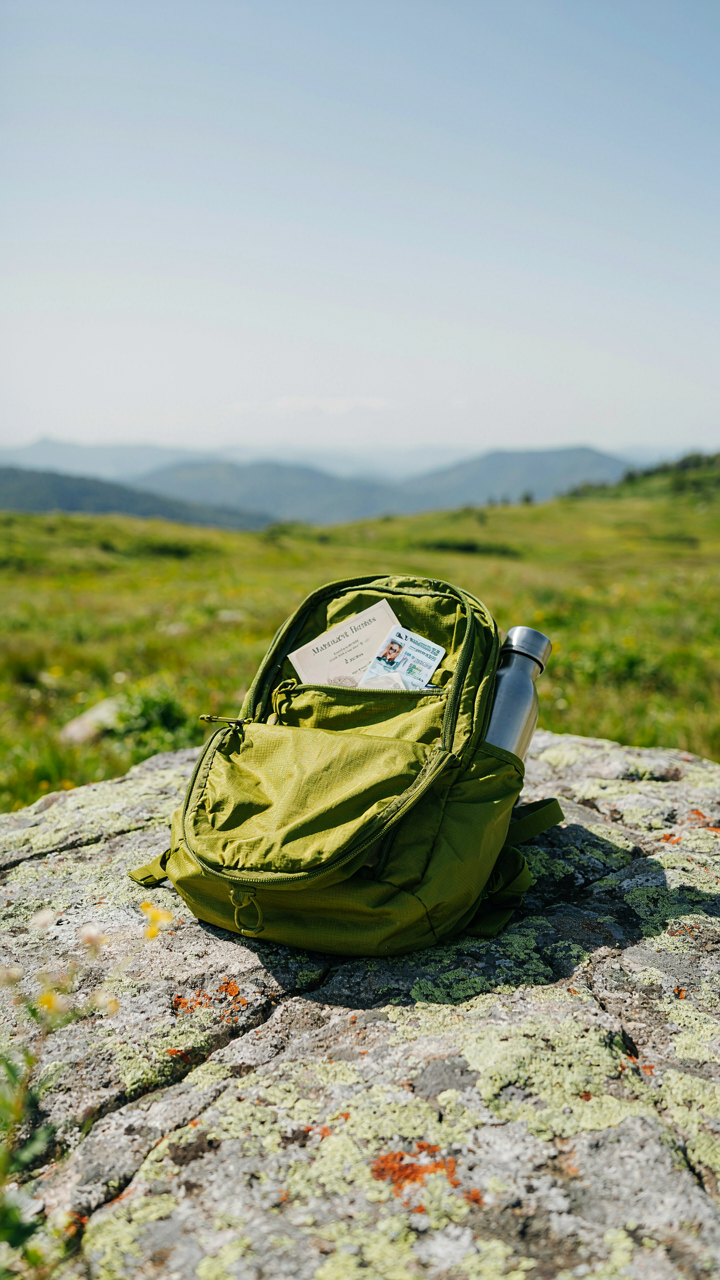
- Marriage license and valid ID: Non-negotiable. Most parks require proof you’re legally allowed to marry. Verify your specific park’s documentation requirements two weeks before the date.
- Outfit you already own: Skip rental fees. One complete outfit you’ve worn before works. Your body moves naturally in familiar clothes, which matters more than newness.
- Minimal photography gear or phone only: A smartphone camera produces usable images in daylight. If hiring a photographer, they bring equipment. If self-documenting, phone plus one external battery covers the day.
- Weather-appropriate layer and flat shoes for terrain: Park terrain varies. Research your location’s elevation and typical conditions. One extra layer and hiking-appropriate footwear prevent emergency purchases and discomfort during the ceremony.
- Basic toiletries and medications for two people, one day: Hotels near parks charge premium rates. Bring what you need for your stay. Don’t assume you’ll find supplies at the park entrance.
The rest is noise masquerading as necessity. Bring a witness, a valid license, clothes that fit, and water. Everything else you convince yourself matters rarely gets used and always costs more than expected.
Where The Budget Hemorrhages And How To Stop It
Everyone advises you to “book early” and “compare prices.” That’s incomplete and ignores the actual mechanism: transportation and accommodation consume 70 percent of elope budgets because people treat these as separate line items instead of a single logistics problem. The money doesn’t leak from decisions—it leaks from failing to treat the park location as the anchor that determines everything downstream.
Your transportation method determines where you can stay affordably. Driving to a park accessible by car means cheaper nearby motels and fewer logistics. Flying into a park requires ground transportation once you land, hiking to a permit zone, and hotels in gateway towns that know you’re trapped. Choose the park type first, then build logistics backward from that constraint. Many people reverse this and wonder why costs spiral. Stay within a three-hour drive from your residence or choose a park with existing transit infrastructure. Skip the romantic story of flying across the country for an elopement—the logistics cost more than the ceremony itself.
Vendor Selection: Strategic Partnerships, Not Price Shopping

Where Your Money Actually Moves The Needle
You want to feel smart about cutting costs without looking cheap to your partner or guests. Here’s what actually matters: in portfolio theory, you allocate capital where it compounds—photography in a national park elopement compounds because it’s the only deliverable you keep forever. Everything else degrades or disappears. Spend on the photographer. Cut everywhere else without guilt.
The common advice says “get three quotes and compare.” That’s lazy. Price shopping for vendors in a constrained environment like a national park is backward because you don’t have inventory depth—you have maybe two or three qualified people per service category per park. You’re not negotiating rates downward. You’re deciding whether the one person who actually understands that specific landscape is worth their rate or not. They usually are.
Local Expertise: The Unfair Advantage Of Insider Knowledge
Park rangers, lodge staff, and local photographers know permit windows, weather patterns, and photography spots that don’t appear in guidebooks. They know which trails clear of tourists by 7 AM and which overlooks face into morning light versus afternoon glare. This knowledge saves money because it eliminates failed attempts, weather reshoot costs, and permit fines. A local guide costs $200 to $400 for a few hours. A failed shoot costs thousands in travel, time, and rescheduling friction.
Build the vendor team around one anchor—usually the photographer—then ask them for referrals to the florist, officiant, or coordinator they’ve worked with before in that park. They’ve already vetted them against park regulations and logistics constraints. You skip the research phase. You skip the vendor who doesn’t understand permit timelines. You pay fair rates to people who move fast because they’ve done this before. This is your protocol: lock the photographer first, then ask for the network.
The “Scarcity Mindset” Advantage For National Parks To Get Married In
Supply And Demand Creates Your Real Negotiating Power
You want to feel like you’re getting a deal. That’s the real thing driving this section. But the actual mechanism is economics, and in economics, scarcity determines price. Popular national park wedding destinations like Yosemite or Zion operate under constraints: limited permit slots, high demand, inflated fees. Fewer people know this constraint exists, so they overpay or get shut out. The parks with genuine scarcity control the market.

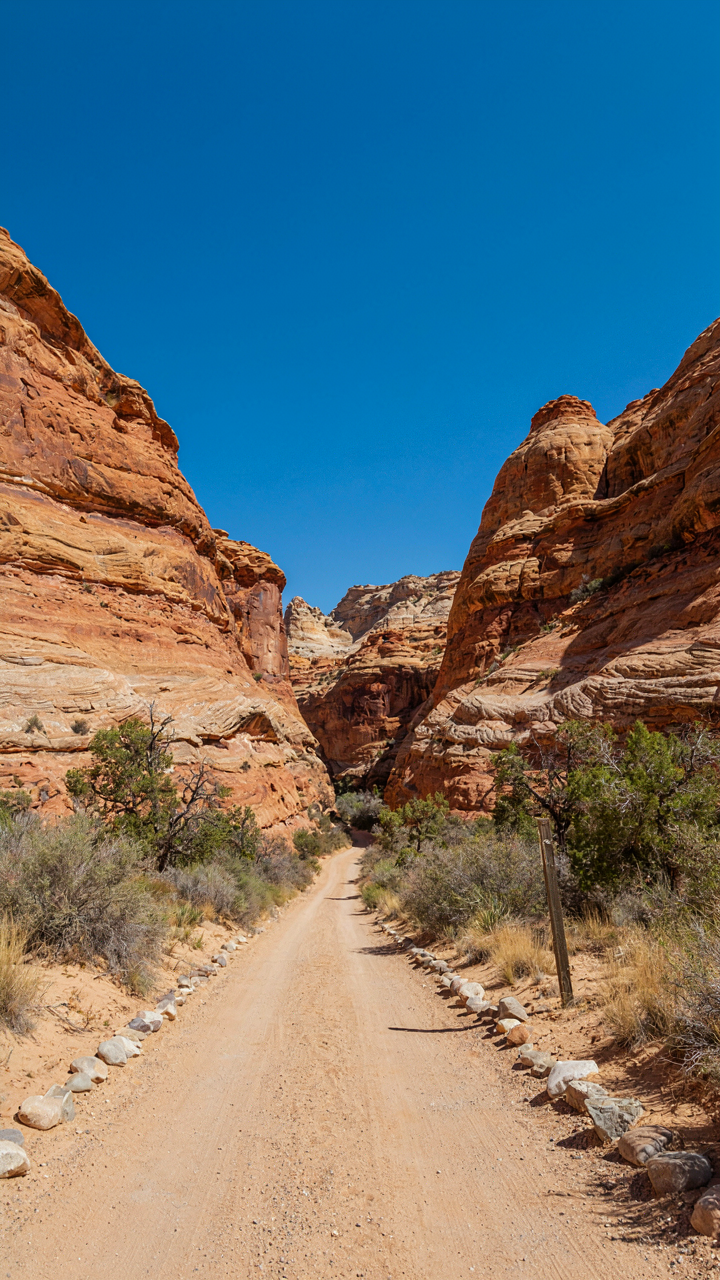
The parks themselves price based on visitor volume and infrastructure demand. A well-known location charges what it can because supply can’t scale. An obscure canyon or lesser-known valley in the same park system has identical legal standing but zero queue. You’re not getting a discount because you’re clever. You’re getting market rate for a location nobody else is competing for.
What You Actually Gain By Choosing The Overlooked Route
The common advice says “pick a lesser-known park and save money.” That’s incomplete. You’re not just saving money. You’re eliminating the scarcity premium entirely. Opportunity cost economics teaches this: every choice to do X means not doing Y. When you choose an obscure spot over Tunnel View, you’re trading visibility for capital efficiency.
The real play is this: you save on permits, you eliminate vendor markups built for tourist volume, and you reduce coordination overhead. Fewer people means fewer stakeholders, fewer logistics problems, fewer price gatekeepers adding margin. The mechanism is simple. Call the park superintendent’s office directly and ask which locations allow ceremonies outside peak season. Then book it. You’ve just removed yourself from the demand curve entirely.
Designing Your National Park Micro Wedding: The Constraints As Catalysts
When Park Rules Become Your Design Brief
You want permission to feel like you’re getting away with something. That’s the real pull here. But the mechanism that actually saves you money is constraint-based design, borrowed directly from industrial engineering: limitations force you to eliminate waste and expose what actually matters. National parks don’t hand you a blank canvas. They hand you a permit with boundaries, a ceremony window, a footprint limit. This isn’t a problem to work around. It’s the problem statement that solves itself.

Most parks require permits for weddings. Most permit applications specify guest count caps, site restrictions, noise hours, and setup windows. These aren’t bureaucratic obstacles. They’re requirements that automatically eliminate the expensive rituals everyone else defaults to. You can’t rent a tent for eight hours if the park won’t allow overnight setup. You can’t invite 150 people if the ceremony site holds 40. The park does the editing for you. Your job is to design inside those bounds instead of fighting them.
Impact Through Subtraction, Not Addition
The advice to “focus on what matters” is everywhere and useless. Here’s what actually works: ruthless inventory of every element you think you need, then remove each one until someone objects. A catered dinner? Gone. A DJ? Gone. A videographer? Gone. What remains are the components nobody argues against: the location itself, the legal participant requirement (officiant and witnesses), and whoever you’re committing to. Everything else is infrastructure that eats budget.
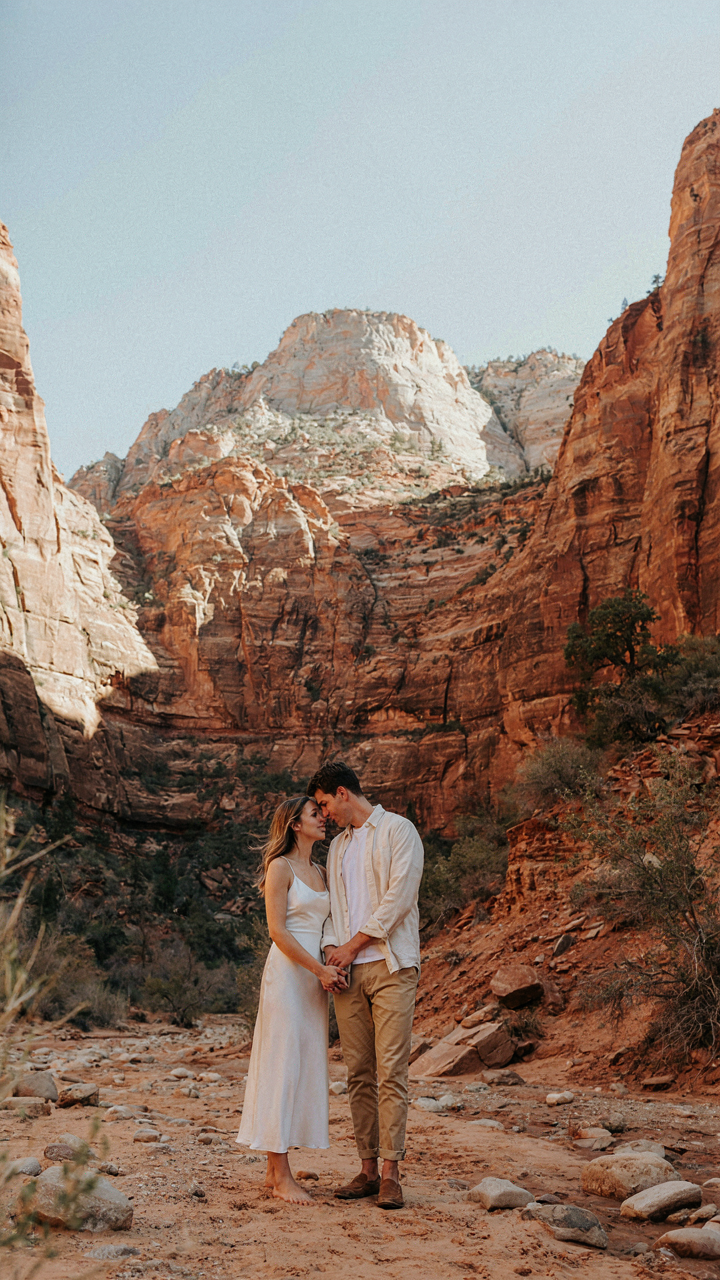
Small ceremonies in national parks leverage the environment as your primary visual. You’re not paying to manufacture atmosphere. Yosemite’s granite. Zion’s red rock. The Grand Canyon’s scale. These do the work. Your budget goes to logistics: parking passes, permit fees, transport for elders who can’t hike, maybe a photographer for two hours instead of eight. The park’s visual weight means you subtract decoration costs entirely. Work backward from what the landscape already provides, not forward from a list of wedding traditions.
Post Ceremony: Extending The Experience Without Inflating The Bill
Celebrate Without The Venue Markup
You want people to remember this day, which means you’re terrified a simple picnic will feel cheap. Here’s the mechanism: venues charge for exclusivity and service staff you don’t actually need. A national park gives you the exclusivity for free. The celebration works because the location does the work for you.

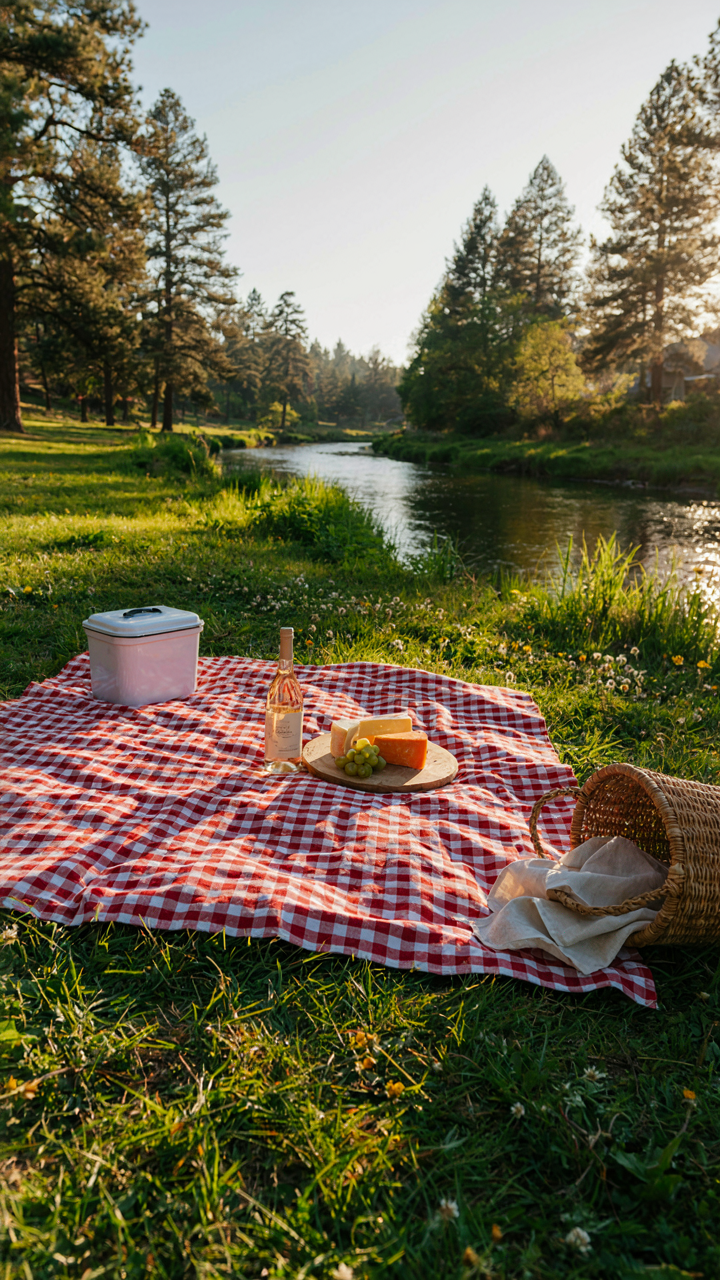
Skip the lodge rental or catering package. Instead, pack a cooler with local wine, cheese from a grocery store deli counter, and bread. Set it on a blanket near your ceremony spot at golden hour. The NSA (National Scenic Area) designation that makes the park worth visiting also makes any gathering there feel intentional. Cost difference: $400 vs $4000. The mechanism is substitution, not sacrifice.
Hire Documentation Strategically
Most couples waste money on full day photography coverage they’ll never watch. The real need is simple: capture the vows, the rings, the location. One photographer for two hours costs $300 to $600. A skilled second shooter on a budget runs $150 to $300 more. Split the day into shooting the ceremony and thirty minutes after. Anything beyond that is scope creep masquerading as memory preservation.
Alternatively, hire a photography student with portfolio work to build. Budget $150 to $300 for raw files with minimal editing. You keep the originals and edit them yourself later using free tools like Lightroom’s mobile version or Canva. The protocol: confirm the photographer knows national park regulations, has permit access if required, and delivers unedited RAW files within two weeks.
The Post Elopement Power Play How Your Choice Signals Value

What Your Decision Says About You
You’re wondering if choosing a national park elopement makes you look cheap instead of intentional. Here’s the mechanism: you’re signaling scarcity management, not resource scarcity. Economics calls this the difference between budget constraint and preference constraint. A budget constraint means you have no choice. A preference constraint means you chose the harder path because it aligned with your values. That distinction shapes how people perceive you.

When you elope in a national park on a lean budget, you communicate that you’ve identified what actually matters and eliminated everything else. Most people add layers of expense because they can’t tell the difference between tradition and necessity. You removed the noise. That reads as clarity, not deprivation. The people who matter notice the difference immediately.
Returns Stack Differently Than You Think
The long-term play isn’t the wedding itself—it’s the financial and relational capital you keep. Conventional weddings consume seventy to eighty percent of budget on elements that evaporate after six hours. A national park elopement reverses that math. You front-load experience and keep liquidity. That money stays deployable for the relationship itself: travel, homes, education, businesses you build together.
Beyond money, elopement establishes a protocol for future decisions. You’ve trained each other to ask “What actually matters here?” instead of “What are we supposed to do?” That question becomes your operating system as a couple. You make better choices about time, spending, and priorities because you’ve already pruned the expectation noise once. The real return is the decision-making competence that compounds across decades.
The Real Obstacle Isn’t Your Budget; It’s Your Inability To Define True Value

Most people fail at budget elopements because they chase someone else’s definition of meaningful. You don’t need a $30,000 wedding. You need clarity on what actually matters to you and your partner. Stop scrolling Instagram venues and spend two hours writing down three non-negotiables: location, experience, or intimacy. That’s it. Pick one today and build everything backward from there. Your cheapest elopement becomes your most memorable one the moment you stop pretending other people’s priorities are yours.