The Scarcity Advantage: Rethinking Fall Wedding Aesthetic
What Actually Costs Money At A Wedding
You want permission to spend less and still look intentional. Here’s the mechanism: most fall spice weddings fail because people treat decoration as a visual problem, so they buy more stuff. It’s not. Decoration is a sensory stack. The nose detects cinnamon, clove, and nutmeg before the eye registers color. The skin feels the weight of a linen napkin. The ear catches the crack of a cinnamon stick in a drink. Scent is the only sense that bypasses the thalamus and hits the limbic system directly, which means it creates memory and emotion faster than sight. Budget the scent layer first, the texture second, the color third.
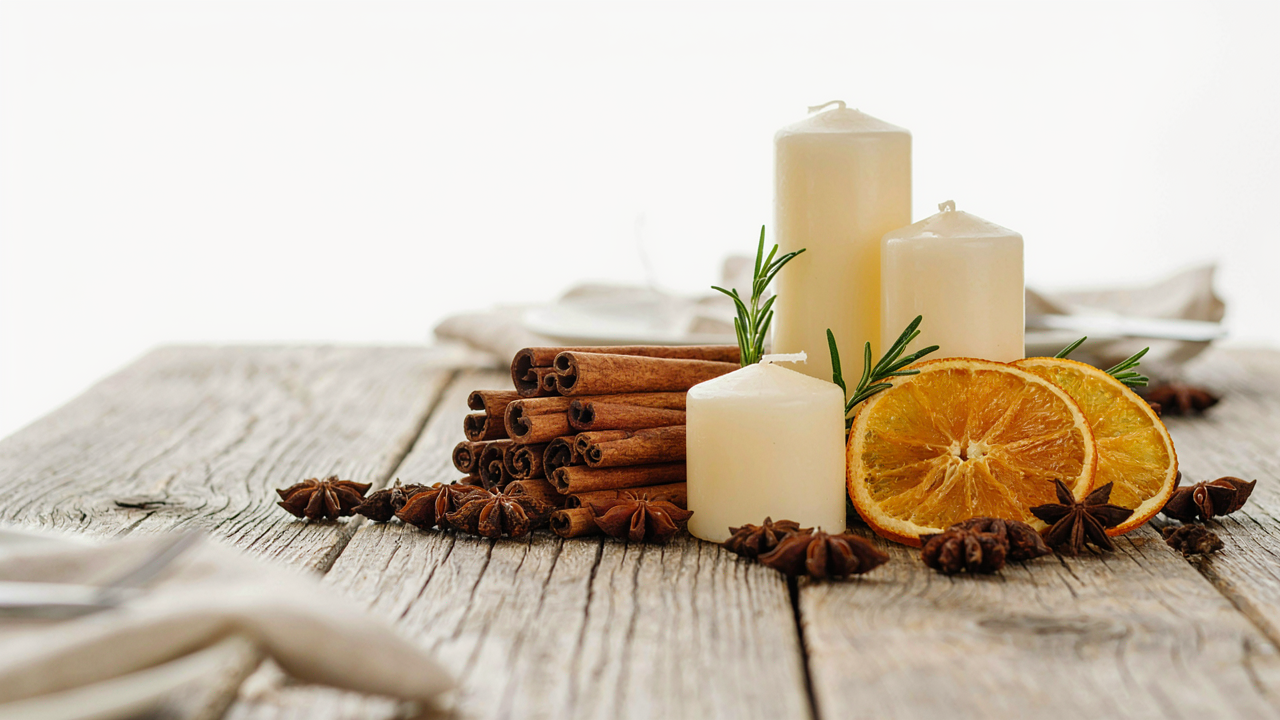
Fall spice weddings have an unfair advantage here. You’re not competing with spring florals on budget. A florist’s peony arrangement costs 80 to 150 dollars per centerpiece. A mason jar filled with cinnamon sticks, star anise, and dried orange slices costs under five dollars, smells stronger, and reads as intentional rather than filler. The economics work backwards from typical wedding design. You’re using the season’s actual harvest as your material, not renting the illusion of it.
Texture Over Trend
Most wedding planners lead with color palettes. That’s the wrong door. Texture is what your guests touch, and texture is what survives a tight budget. Burlap, muslin, and raw linen cost less than silk and read as intentional in a fall context because they match the harvest aesthetic historically. Canvas table runners run 15 to 25 dollars each. Silk runs 40 to 80. Both cover the table, but canvas has weight. It feels deliberate.
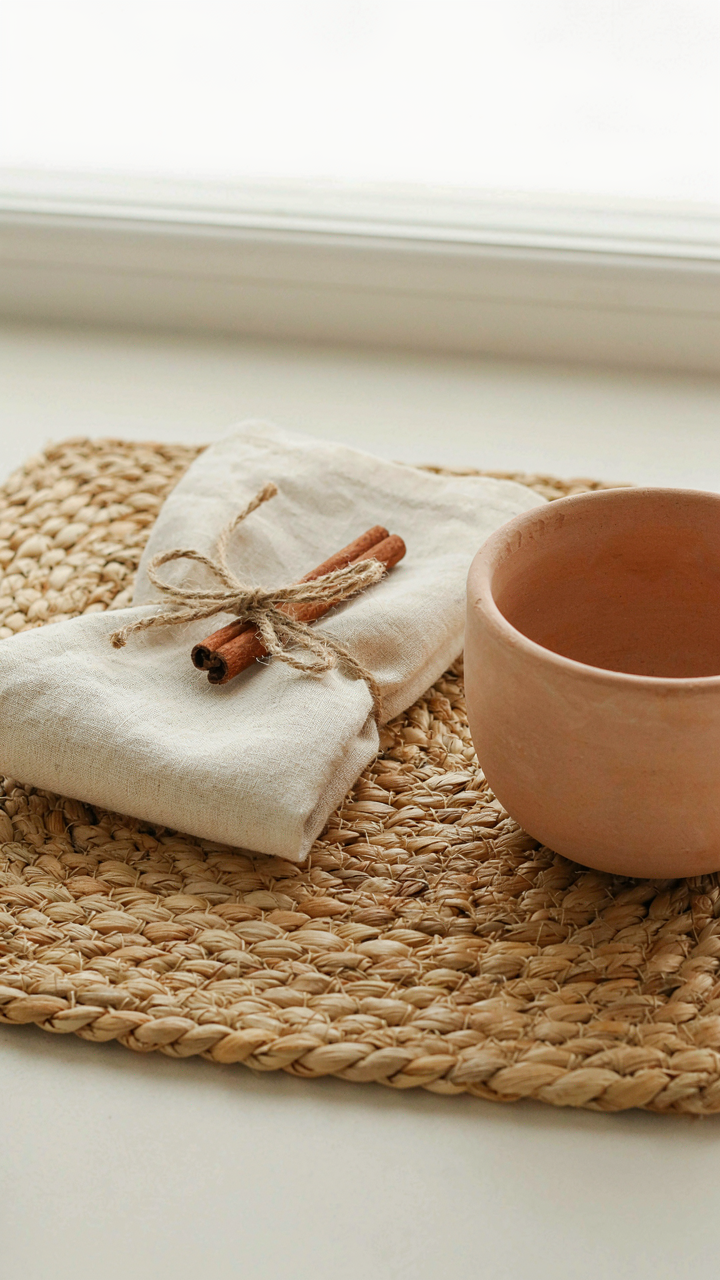
Layer textures instead of layering décor. A single linen napkin wrapped with twine and a cinnamon stick does the work of three separate centerpiece elements costing three times as much. Rough wood surfaces, woven placemats, and unfinished ceramic vessels all reference the harvest without requiring special commission work. The mechanism is substitution, not addition. You’re replacing expensive finished goods with raw materials that cost less and signal authenticity harder.
The Hyper Curated October Wedding Backdrop Protocol

Work With What The Venue Already Built
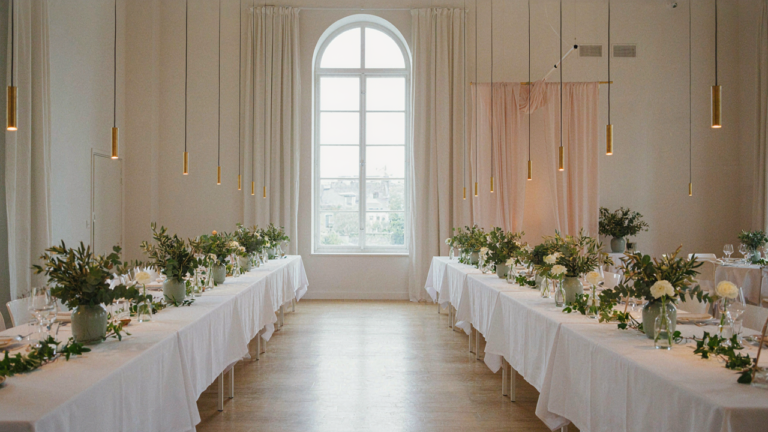
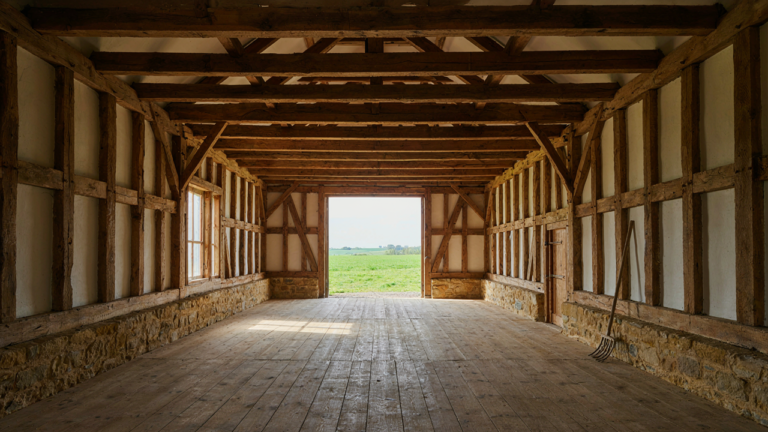
You want your wedding to look intentional, not like you threw money at a problem. That fear drives most couples toward over-decorating. Here’s the mechanism: venues built their bones in specific ways. Existing architecture, materials, and light create a baseline you cannot replicate cheaply. Ignore this and you spend double trying to mask what’s already there. Start by identifying what your venue did right. Brick, wood beams, stone, high ceilings, natural windows. These cost nothing extra but frame your entire event.
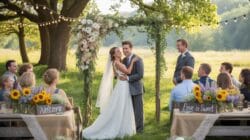
Fall spice colors work because they complement existing materials most venues already have. Deep oranges, burgundies, and browns echo brick and wood naturally. You’re not fighting the space. You’re amplifying signals the venue already sent. The cheapest backdrop is the one the venue built for you. Stop thinking of your venue as a blank canvas needing rescue. Think of it as raw material with inherent value.
Attack Two Focal Points Instead Of Everything
Most couples make this mistake: they try to decorate the entire space evenly, spreading budget thin across nothing memorable. That’s not design. That’s clutter with a budget. Strategic focus uses economics from theater production. Theater doesn’t light an entire stage equally. Directors choose entrance points, the stage right corner, the back wall. Light those aggressively. Leave the rest dim. One impactful focal point beats ten mediocre ones across a room.
Pick your ceremony arch and one reception area. For a fall spice theme on budget, this means concentrated spending on materials that matter. Achieve maximum impact with 40 percent of your decoration spending by placing it where eyes actually stop. The ceremony backdrop draws focus for photos and vows. The cake table or bar draws focus during reception. Spend on these two anchors. Let the rest of the room recede into comfortable background. That discipline frees your actual budget for quality materials in the spots people photograph.
November Wedding: The Foraging & Found Object Method

What Actually Grows In November
You want this to feel authentic without spending money on it, which means you’re hoping authenticity is cheap. It’s not, but proximity is. Foraging operates on the same scarcity principle as supply and demand: what grows locally costs nothing because it has no middleman markup, only your time investment to locate and harvest it responsibly.
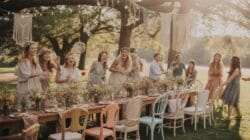
November’s growing window varies by region, but deciduous trees drop their best materials then. Dried seedpods, bare branches with structural integrity, nuts still in shells, and late-blooming hydrangeas appear only if you know where to look. The mechanism is simple: go to state or county forestry websites, find public land, confirm what’s legally harvestable without permits, then move fast before weather degrades materials.
- Dried seed pods from native plants: Stripped of leaves but retaining structure, these provide texture and spice-adjacent visual weight without florist markup. Locate them on woodland floors near oak, maple, or ash trees.
- Bare branches and twigs with character: November branches photograph well in centerpieces and archways. Seek gnarled or unusual shapes in parks or along roadsides where tree maintenance occurs.
- Nuts and acorns in natural casings: Fill bowls or scatter across tables for minimal effort and zero cost. Collect before November rain makes them rot or disappear from the forest floor.
- Late-season hydrangea blooms: These dry naturally and hold their form through winter. Request permission from property owners before harvesting, or find dried varieties at farmers markets weeks before your event.
- Birch or poplar bark pieces: Peeling naturally in fall, bark adds rustic texture to place settings and garland. Harvest only where trees already shed, never strip living bark.
Ethical foraging means respecting landowner permission and avoiding endangered species. Contact local Native plant societies or extension offices to confirm what’s protected in your area. This step prevents legal problems and protects the ecosystem you’re borrowing from. Budget 4-6 hours of collection time two weeks before your wedding, split across multiple trips to let materials dry and cure properly.
Household Items Worth Stealing From Your Own Shelves
The common advice here is wrong: Pinterest boards showing mason jars and burlap are not what this means. You’re not creating a rustic aesthetic by accident. You’re systematically identifying items already taking up space in your home that share visual properties with spice wedding design, then repurposing them.
Glass jars of varying sizes work as vases or votives because you already own them. Unused candles from previous years layer into centerpieces without purchasing new stock. Fabric scraps, old linens, and blankets cut into runners or backdrop panels. Wooden cutting boards, serving platters, and even old picture frames become card holders or spice displays. Books stacked intentionally add height variation to table clusters. Your kitchen cabinets contain the raw materials for 40-60 percent of typical fall wedding decor if you stop thinking of them as kitchen items first.
The protocol: walk through your home with a list separated by category (glass, fabric, wood, metal, ceramics). Photograph each item from three angles. Then lay out your table design on paper and match items to specific functions. This prevents the amateur mistake of grabbing random things and hoping they work. You’ll find gaps only after mapping, so you’ll spend money on exactly what you need instead of filling holes with generic rentals.

Spice, Not Sugar: Authentic Fall Wedding Decorations
Real Scent Beats Fake Decoration
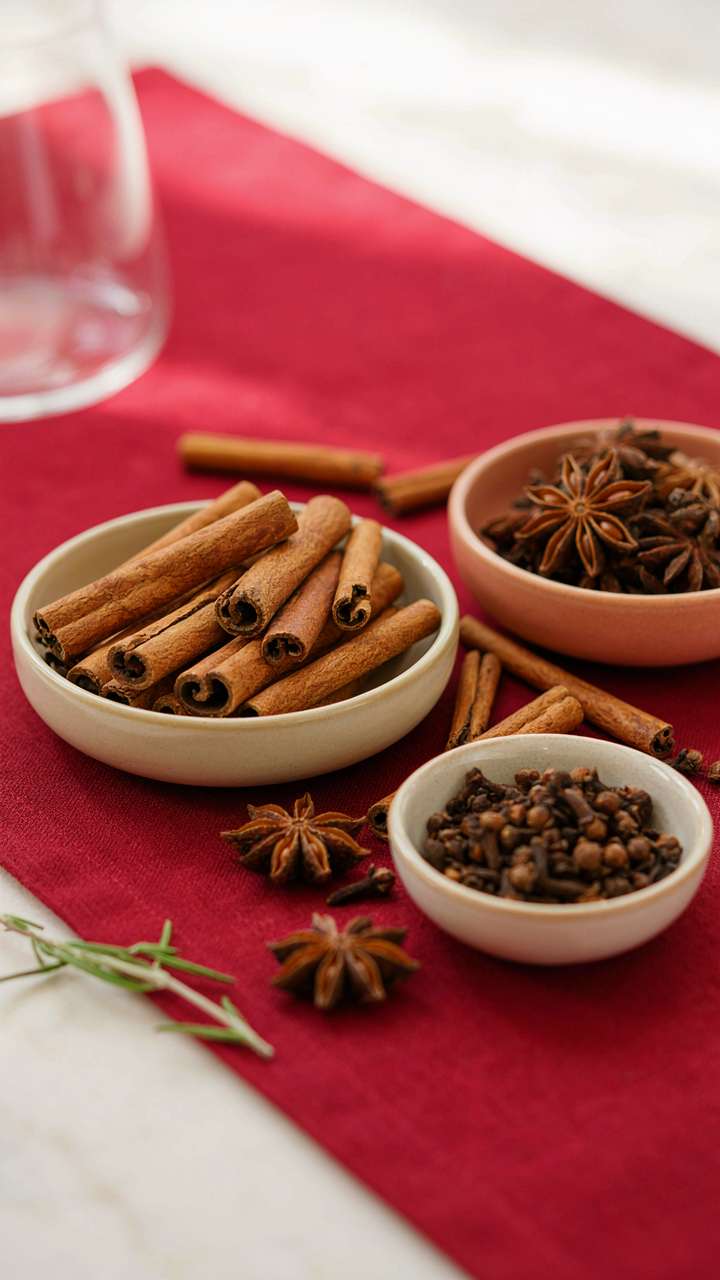
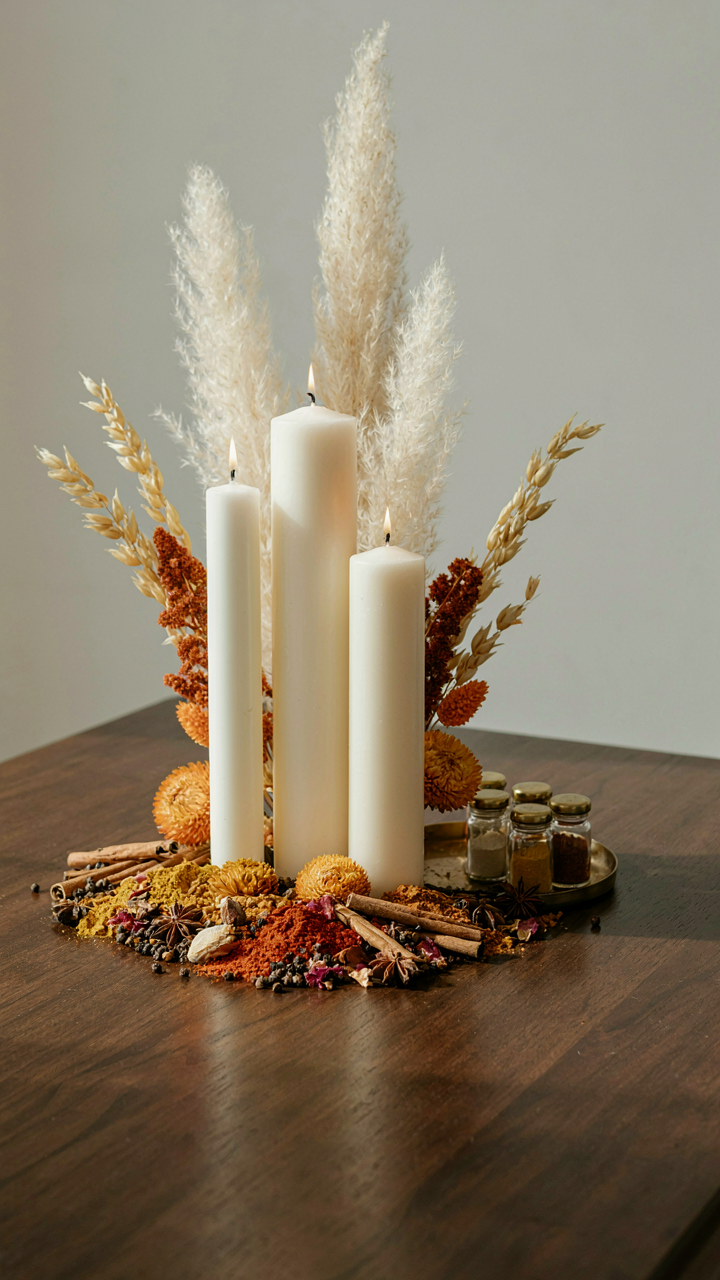
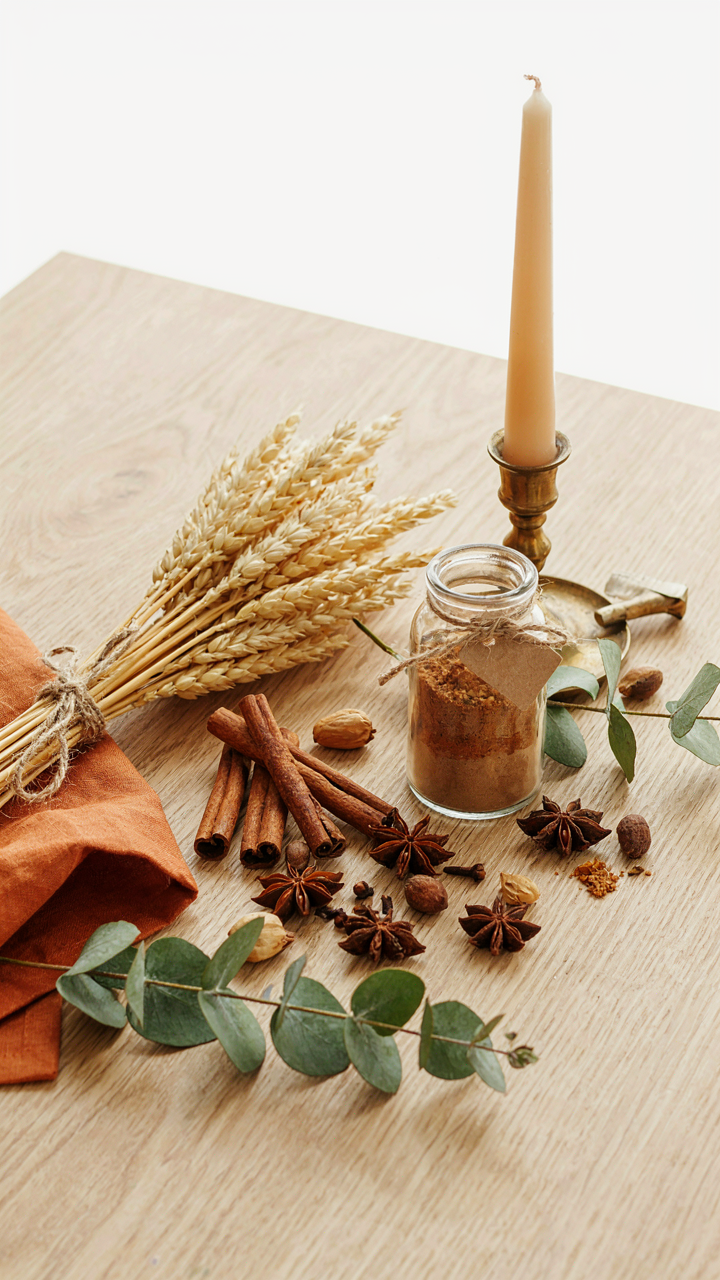
You want people to remember your wedding as elevated, not as another Pinterest board somebody else executed better. The mechanism is simple: actual spices create layered olfactory depth that synthetic fragrances can’t replicate. Cinnamon sticks, star anise, cloves, and nutmeg have structural integrity and visual texture. Place them in shallow bowls, tie them into muslin bundles, or scatter them across table runners. The cost is negligible because you’re buying bulk spices from restaurant suppliers, not premium wedding florals.
Real spices trigger memory faster than decoration alone. Guests smell cinnamon and their nervous system registers “autumn” before their eyes process the color palette. This is why restaurants have always used scent as part of the dining experience. Your venue becomes a sensory environment instead of a decorated room. Source whole spices in bulk from Penzey’s or local spice merchants, then distribute them strategically where guests gather: entryway, cocktail tables, near the ceremony arch. The investment is under fifty dollars for an entire wedding.
Reject The Catalog Look
Generic fall decor is mass-produced backstory without substance. Those pre-wrapped pumpkins, plastic leaves, and orange string lights exist because retailers built supply chains around them, not because they’re aesthetically sound. You see them at every fall wedding because they’re easy to order and difficult to mess up. Authenticity requires one decision: what actually grows or exists in your region during your wedding month. If you’re in the Northeast in October, sourcing local gourds and branches from a farm costs less than renting coordinated centerpieces from a catalog vendor.
The real cost difference is negligible, but the perception gap is massive. A centerpiece made from actual branches, local pumpkins, and scattered cinnamon costs twenty dollars and looks intentional. The same budget spent on rented “fall-themed” pieces looks like you hired a service and trusted their judgment. Visit local orchards, pumpkin patches, or farmers markets two weeks before the wedding. Buy what’s actually abundant and cheap that week. Build arrangements yourself or hire a local florist who sources locally, not a chain operation shipping identical arrangements nationwide.
The “Less Is More” Wedding Inspiration Fall Formula
Where Your Money Actually Goes
You’re reading this because you’re afraid you’ll spend more than necessary and still end up with a generic wedding. That fear is rational. The mechanism worth understanding comes from economics: the principle of diminishing returns. Spend your first dollar on cinnamon and clove in your florals, and you get massive impact. Spend your tenth dollar on a seventh fall-themed detail, and you get almost nothing. Most couples waste budget on redundant elements instead of isolating the few that actually shape perception.
Fall spice weddings live on sensory saturation, not volume of decor. A room filled with fifteen different pumpkin arrangements reads as chaotic. A room with three strategic cinnamon-scented focal points reads as intentional. The budget decision isn’t about cutting corners. It’s about cutting noise. Identify which elements your guests will actually notice, then fund only those. This is not deprivation. This is focus.
Amplify Three Details, Eliminate Everything Else
The common advice here is garbage: “Add fall touches everywhere.” That’s how you end up with a wedding that feels like a seasonal retail store. Stop treating every surface as a canvas. Eliminate the decoration for decoration’s sake. Pick exactly three elements that will dominate the space: perhaps the ceremony arch, the floral centerpieces, and the dessert display. Every other detail becomes secondary support, not featured content.
Each of your three chosen elements gets the budget and design attention it deserves. A cinnamon-wrapped arch with trailing amaranthus costs less than six scattered pumpkin clusters across the venue. A single high-impact centerpiece using real spices, dried florals, and candles commands more attention than watered-down fall decor distributed across twelve tables. The protocol is simple: identify your three anchor points, design those with intent, then let the venue’s existing architecture do the rest of the work.
Simple Fall Wedding: Strategic Guest Experience Design
Atmosphere Without The Price Tag
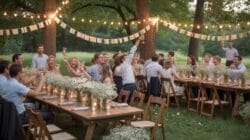
You want people to feel like they attended something intentional, not cheap. The mechanism that matters: atmosphere is built from sensory inputs and pacing, not materials. Borrow from retail design—a field obsessed with “dwell time”—where stores engineer how long customers stay engaged through environmental cues. Your wedding’s dwell time depends on what guests encounter moment to moment, not on silk linens or imported décor.
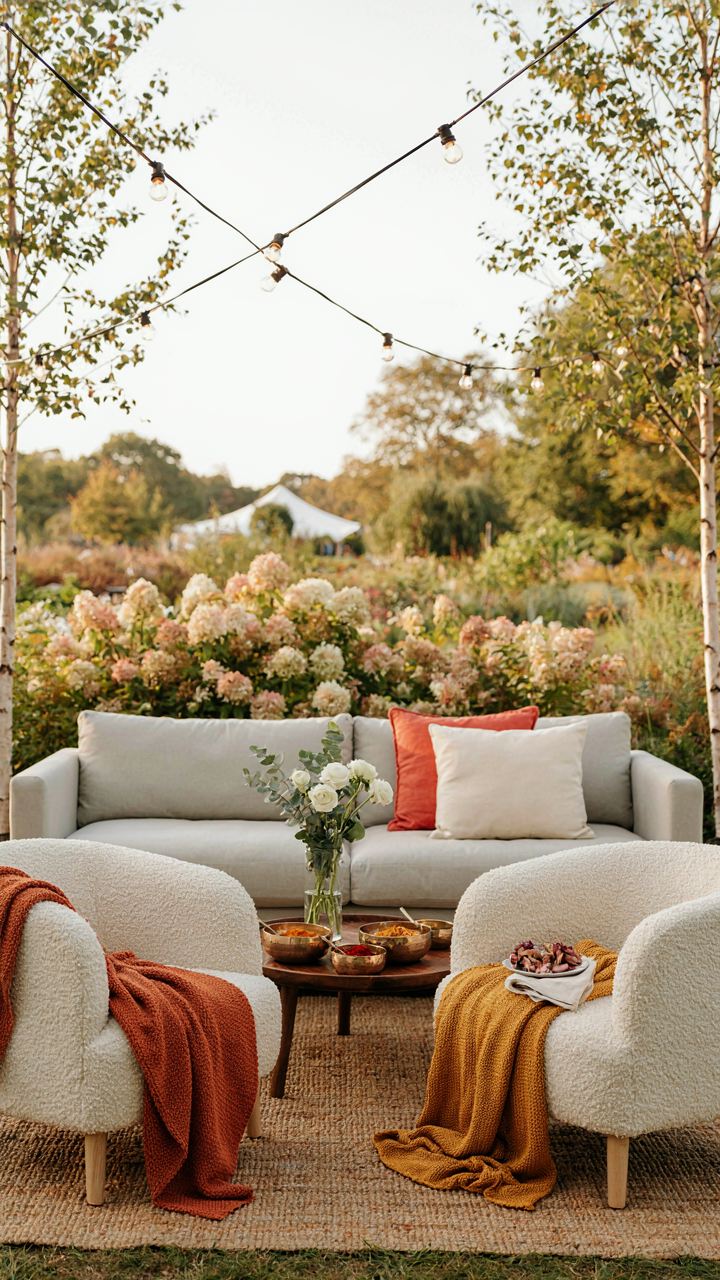
Fall spice works here because scent is the cheapest sensory lever available. Cinnamon, clove, and nutmeg cost under fifty dollars to deploy across an entire venue through simmering pots or dried bundle arrangements. Guests register scent before conscious thought, so a ten-dollar investment in spice hits harder than a hundred-dollar floral centerpiece. Layer in warm lighting—string lights or candles, both budget-friendly—and you’ve built genuine atmosphere with strategic inputs instead of brute spending.
Warmth That Reads As Genuine
Most wedding advice says “make guests comfortable” then stops. That’s incomplete. Comfort in a crowd requires three things: temperature management, permission to move, and natural gathering points. Fall spice weddings solve all three simultaneously without extra cost.
Set the actual room temperature two degrees warmer than normal. Provide blankets or shawls for outdoor sections. Create corner seating clusters around your spice-scented focal points—not rows facing the altar. These aren’t design flourishes; they’re friction removers. When guests feel physically settled, their attention shifts to connection instead of logistics. End the reception by explicitly designating one final fifteen minutes for guests to move through the space freely, say goodbye in clusters, and linger without feeling rushed.
Small Fall Wedding Ideas: The Network Effect Of Vendors

How Referral Economics Actually Works
You want vendors to fight for your budget. That’s the real reason you’re reading this section. Here’s the mechanism: vendors operate on referral commission structures, not just cash transactions. In economics, this is called an agency problem. When a florist refers your catering contact to another couple, the florist doesn’t earn money directly, but they earn reputation capital within a closed network. That reputation compounds when they’re known as the connector who brings good clients. A florist who consistently refers quality vendors gets referred back, creating a bidding war in their favor. You exploit this by positioning yourself as a connector between vendors rather than a demanding client. Ask your florist for their preferred caterer. Ask your caterer for their preferred photographer. This single act flips the vendor hierarchy because you’re now a source of future business referrals, not just a transaction.
The common advice is to “get three quotes.” That’s incomplete. What actually happens is vendors price you based on your perceived network influence. A client who mentions they’re referring friends to the florist signals higher lifetime value than one comparing prices on a spreadsheet. When you book your photographer through a florist’s referral, both benefit from the reinforcement. You pay less because the photographer trusts the florist’s vetting. You move faster because the florist has already negotiated terms with vendors they trust. The protocol: contact your primary vendor and ask directly, “Who do you work with best for catering in our budget range?” Then call that vendor and lead with the referral. Watch the price drop.
Leverage Your First Vendor To Negotiate The Rest
Playing vendors against each other doesn’t work on a fall spice wedding budget. Here’s what does: game theory says the prisoner’s dilemma dissolves when players interact repeatedly and know it. Lock in your first vendor early, ideally someone with deep network ties like a florist or planner. A florist sources flowers seasonally, which means they already have established relationships with other seasonal vendors. They know which caterers buy from the same local suppliers, which photographers specialize in warm-toned lighting for fall weddings, which venues offer the best rental discounts in October. That knowledge is leverage you can’t buy separately.
Once your florist is locked in, you’ve created what game theory calls a coalition. You’re no longer negotiating solo against each vendor. You’re negotiating as part of a trusted network. The florist has incentive to help you negotiate because your successful wedding reflects on their work. They’ll tell you when a venue is overcharging, when a caterer is padding labor costs, when a rental company has discounted packages for off-peak booking. Request a meeting with your florist specifically to map out vendor introductions before you contact anyone else. This single step cuts negotiation time by half and savings by 15 to 25 percent because vendors price based on referral quality, not isolation.
Fall Wedding Ideas On A Budget: DIY Beyond The Obvious
Recruit Skilled People, Not Just Bodies
You’re looking for permission to ask for help without feeling like you’re extracting favors. Here’s the mechanism: delegating creative work to people with actual skill removes two costs at once—labor and the cost of your own failed attempts. A friend who designs graphics saves you the $300 designer fee and the three rounds of revisions you’d waste on Canva templates. A family member who cooks saves you catering markup while delivering something guests actually remember eating.
The catch is specificity. Don’t ask for “help with decorations.” Ask your cousin who has an eye for color to source cinnamon-toned linens and arrange them. Ask your friend with landscaping knowledge to source bulk branches and dried florals from suppliers. You’re not trading on friendship—you’re matching their existing skill to a specific output. They finish faster, the result costs less, and they actually enjoy the work because it uses what they’re good at.
High Impact Projects That Cost Almost Nothing
Most budget advice says “DIY your centerpieces” without naming which projects actually move the needle. This is wrong. Centerpieces are seen for five seconds. The real leverage sits in three categories: scent delivery, layered lighting, and tablescapes that read as intentional rather than sparse.
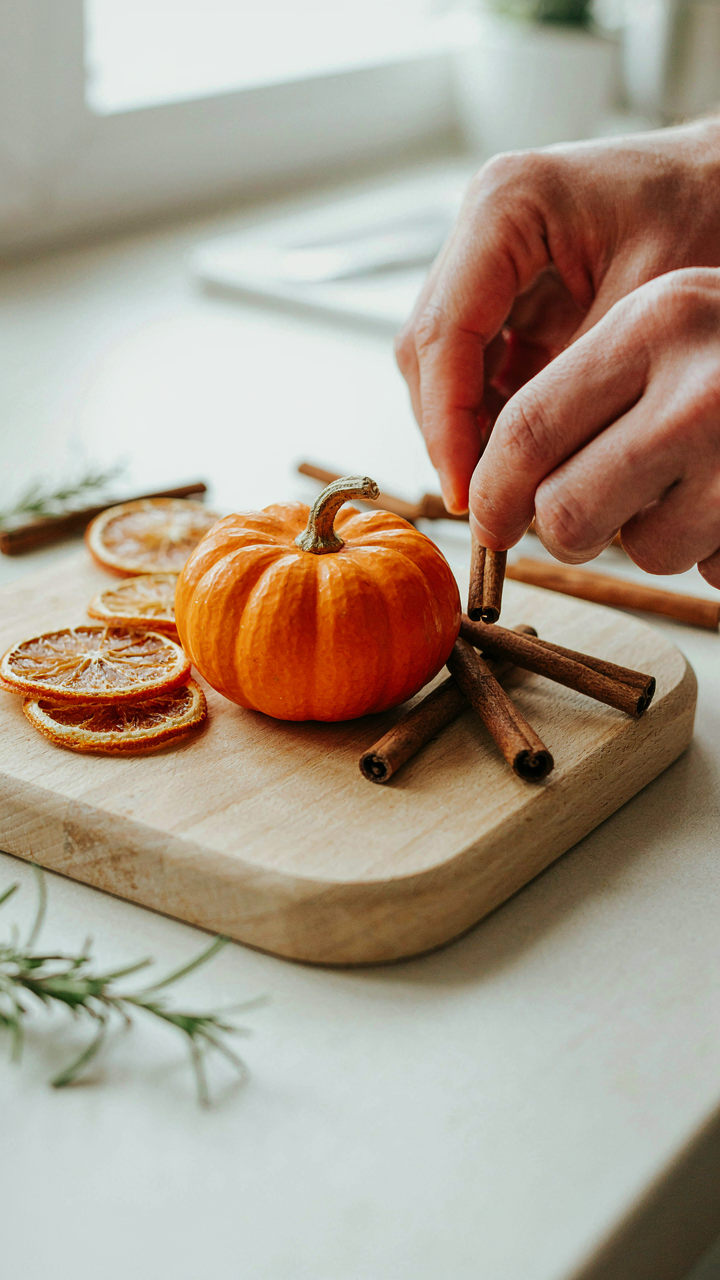
- Spice-infused votives: Simmer cinnamon sticks, star anise, and cloves in melted soy wax. Cost per unit runs two to three dollars. Guests smell the theme before they see it. This is olfactory branding on a margin.
- Dried citrus garland: Slice oranges and lemons thin, dehydrate them in a home oven at low heat for four to six hours, string them with twine. Materials cost under fifteen dollars total. Install above the entrance or along the table edge for visual depth without bulk.
- Layered paper lanterns in warm tones: Buy plain paper lanterns and layer burnt orange, rust, and cream tissue paper inside before lighting. Costs five to eight dollars per lantern versus twenty for pre-designed versions. Transforms a plain space into something that reads “intentional” rather than “budget.”
- Spice jar table markers: Fill small glass jars with whole spices—nutmeg, cardamom, cinnamon sticks—and clip a calligraphy card to each one. Guests take them home as favors. Cost per unit is one to two dollars. Doubles as decor and exit gift.
- Cinnamon-dusted escort card display: Arrange escort cards on a table you already own, dust the perimeter with ground cinnamon in a geometric pattern, place tea lights around it. Costs nothing beyond materials you’re already buying. Creates a focal point that photographs like you spent two hundred dollars.
Pick one per table section and execute them flawlessly rather than spreading your effort thin across eight mediocre projects. The visible output matters more than the number of outputs. Assign one person per project type so you get consistency without bottlenecking yourself on execution day.
The Renegade’s Guide To Fall Wedding Renewal Ideas
Rituals That Mean Something
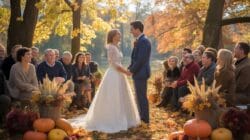
You want the ceremony to feel special without hemorrhaging money. The real trap is believing authenticity costs more. Most couples default to whatever their venue suggests or what they saw on Instagram, which is just borrowed meaning wearing someone else’s costume. The mechanism is simple: rituals work because they carry intention, not because they cost money. A handfasting with rope you’ve chosen together beats a choreographed first dance you hired someone to teach you. The spice theme gives you cover to build something actual.
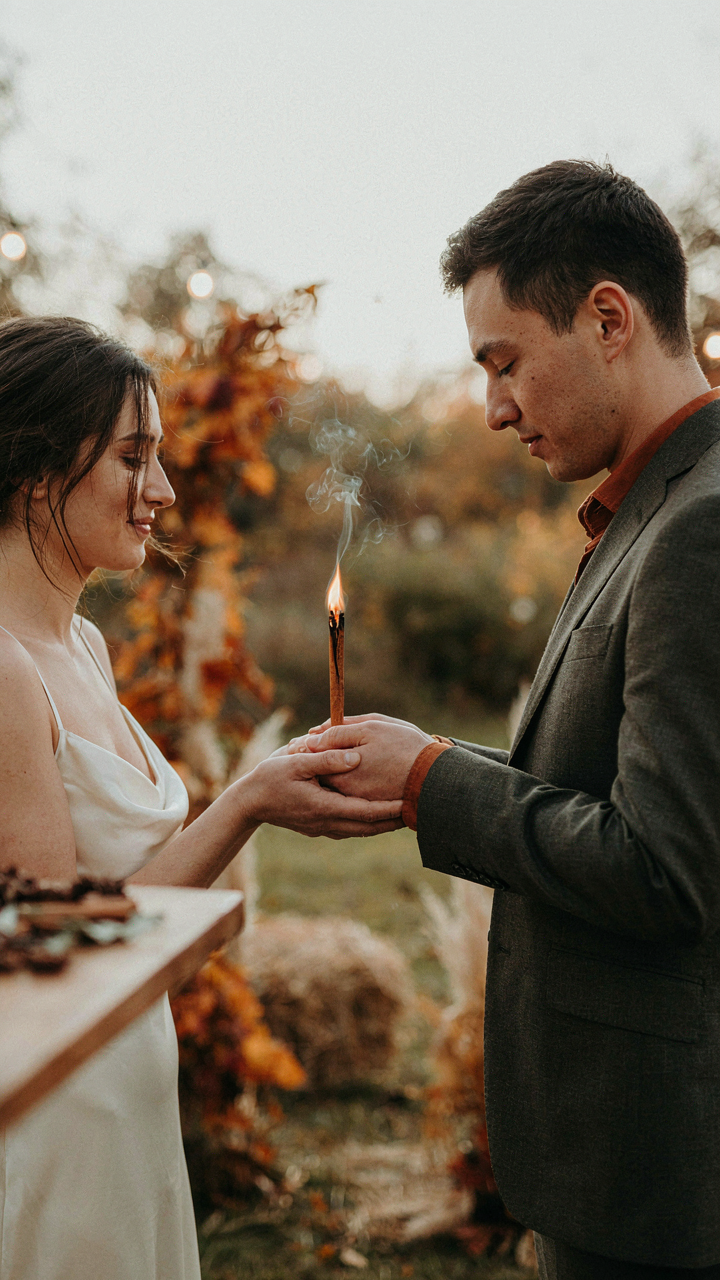
Strip the ceremony back to what you’re actually committing to. Write vows that reference your specific story, not generic promises. If cinnamon or clove matter to you, work them into the language instead of just the decor. Burn a cinnamon stick during the exchange instead of releasing balloons. This costs nothing and makes the moment stick. The renewal lives in the specificity, not the production value.
Intention Before Display
Economics has a concept called signal value, and most wedding spending is pure waste signaling. You’re spending to prove something to an audience instead of strengthening something with your partner. A fall spice wedding on a budget forces you to ask what actually matters: Are you renewing your vows because you want witnesses, or because you want to remember why you chose this person? The answer determines every dollar you spend.
Start by listing what you want people to feel when they leave. Not “beautiful” or “elegant,” but actual emotions tied to your actual relationship. Then build backward from that. If warmth and intimacy matter more than scale, intimate gatherings around food cost less and deliver more. Serve spiced cider and apple cake instead of a full reception. The renewal ceremony itself becomes the event, not the backdrop to an event. That’s how you stop spending money on things nobody remembers.
The True Cost Of Convenience: Undoing Wedding Industry Lies

All Inclusive Packages Hide Margin Stacking
You want someone else to make decisions because you’re afraid you’ll mess it up. Here’s what vendors do with that fear: they bundle services and mark up each layer. A venue that charges $2,000 rental adds 40% to their preferred florist’s pricing, who adds 35% to their supplier cost, who adds 25% to the raw material. Economics calls this vertical integration markup. In fall spice weddings, this compounds fast because the color palette and seasonal materials feel limited, so vendors control scarcity perception.
When you book an “all-inclusive” package, you’re paying for their convenience, not yours. The $5,000 package that feels like a deal includes florals, décor, and rentals at prices each vendor would charge individually plus their commission cuts. Unbundle it. Call florists directly. Get rental quotes from companies outside the venue’s referral list. The markup disappears when you skip the middleman who profits from your assumption that bundled equals cheaper.
Status Anxiety Funds The Entire Industry
The wedding industry doesn’t sell events. It sells the fear that your day won’t look like the Instagram version everyone expects. This fear creates demand for premium services you don’t need. Venues charge 30-50% more for “styled” shoots because photographers need backdrops. Florists charge extra for “trend-forward” arrangements that expire in days. Rental companies push high-end linens over basic ones because margins are better on perceived luxury.
Fall spice themes make this worse because rust, burgundy, and gold read as “elevated” to untrained eyes. Vendors price accordingly. The real move: stop referencing other weddings. Define what actually matters to your guests—the food, the company, the music—then build backward. A $40 table arrangement with cinnamon sticks, dried citrus, and bulk candles looks intentional and costs a fraction of florist markup. The industry profits because you believe their curation is necessary. It isn’t.
The Real Obstacle Isn’t Your Budget; It’s Your Unexamined Assumptions About What A Wedding Should Be
You think you need a massive budget because you’ve internalized what weddings “should” look like. You haven’t. A fall spice wedding theme actually rewards constraint. It forces creativity. Stop scrolling Pinterest for validation and audit your real priorities instead. Open a blank document today and write down three non-negotiables, then cut everything else. The couples who build memorable celebrations aren’t the ones with bigger budgets. They’re the ones willing to look ridiculous defending what actually matters to them.