Introduction
Creating a classic wardrobe means choosing pieces that last and look good year after year. It saves you money because you buy less often but wear your clothes more. Classic pieces are simple, well-made, and never go out of style. They can be mixed and matched easily to create many outfits.
This article will explore how to build a classic wardrobe step-by-step. You’ll learn which basics to include, how to care for your clothes, and tips for smart shopping. You’ll see how classic wardrobe basics can help you look sharp without spending too much.
Wardrobe Basics You Should Own
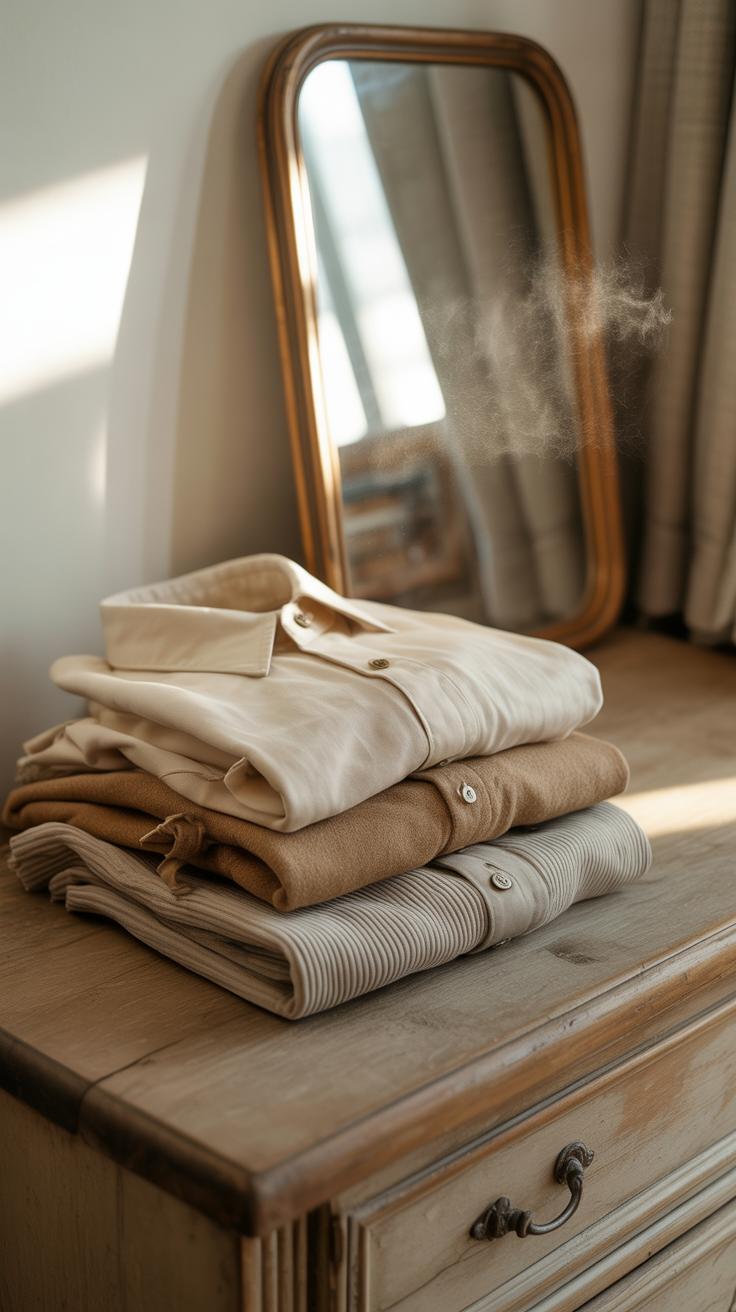
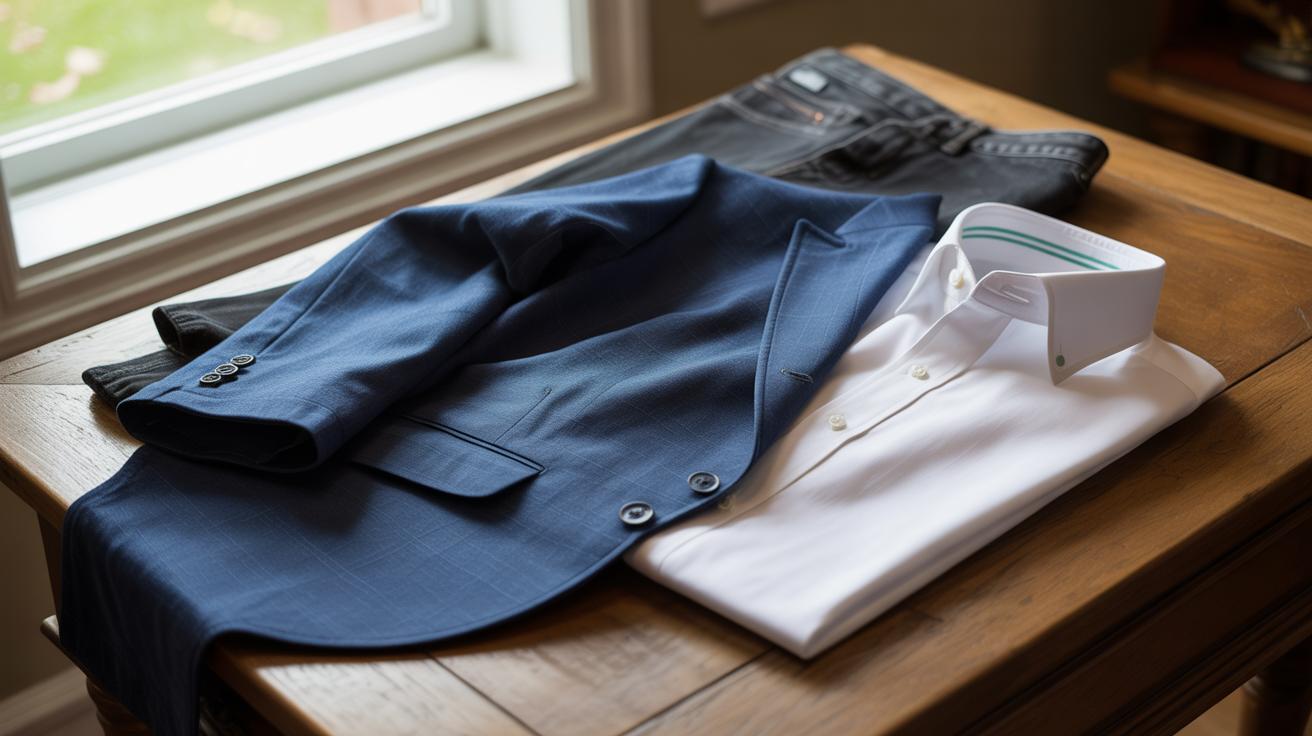
Every classic wardrobe relies on a handful of core pieces that never really go out of style. Think of a crisp white shirt, for example. It’s simple but versatile—you can wear it tucked into dark jeans for a casual day or under a blazer for something sharper. Speaking of blazers, a well-structured navy or black blazer instantly lifts an outfit without trying too hard. Dark jeans are a must too. They work year-round and don’t show wear as obviously.
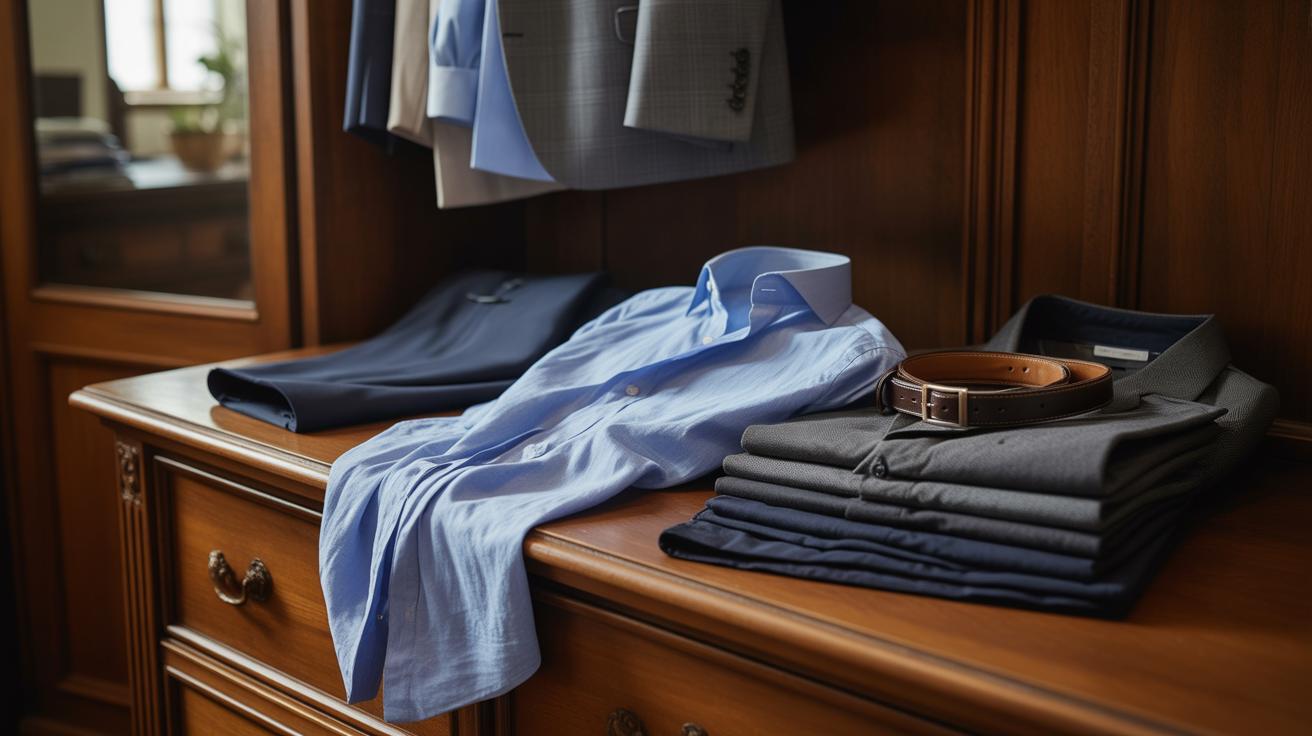
These items last because they’re made from durable fabrics and cut in timeless shapes. Cotton shirts with a slight stretch, heavy denim with clean seams, and blazers with proper lining and reinforced stitching—these details keep your basics reliable. They serve as the foundation for almost any look, making dressing easier overall.
Choosing Quality Over Quantity
It can be tempting to stock up on many pieces, but buying fewer, better-quality clothes often saves money in the long run. When shopping, focus on materials first. Natural fibers like cotton, wool, or linen tend to hold up better than synthetic blends. The stitching matters too—check hems and seams for even, tight stitches without loose threads.
Fit plays a big role as well. Clothes that fit well feel better and tend to last because they avoid unnecessary strain on fabric. I remember a blazer I bought cheaply once—it looked okay but stretched awkwardly after a few months. Spending a bit more on a piece that fits your body correctly pays off beyond just looks.
The Role of Colors and Fits
Neutral colors like white, navy, black, beige, and gray form a versatile base. They make mixing and matching easier and keep the wardrobe cohesive. When a white shirt pairs effortlessly with dark jeans or a blazer, your outfit choices multiply without extra effort.
Fit is just as crucial as color. Clothes that suit your body shape feel comfortable and look cleaner. Avoid pieces that are too tight or baggy. If needed, consider minor tailoring—a small adjustment can make an affordable shirt or jacket look far more polished. The interplay of good fit and neutral colors makes your wardrobe practical and, well, flattering on most days.
How to Build Your Wardrobe Step by Step
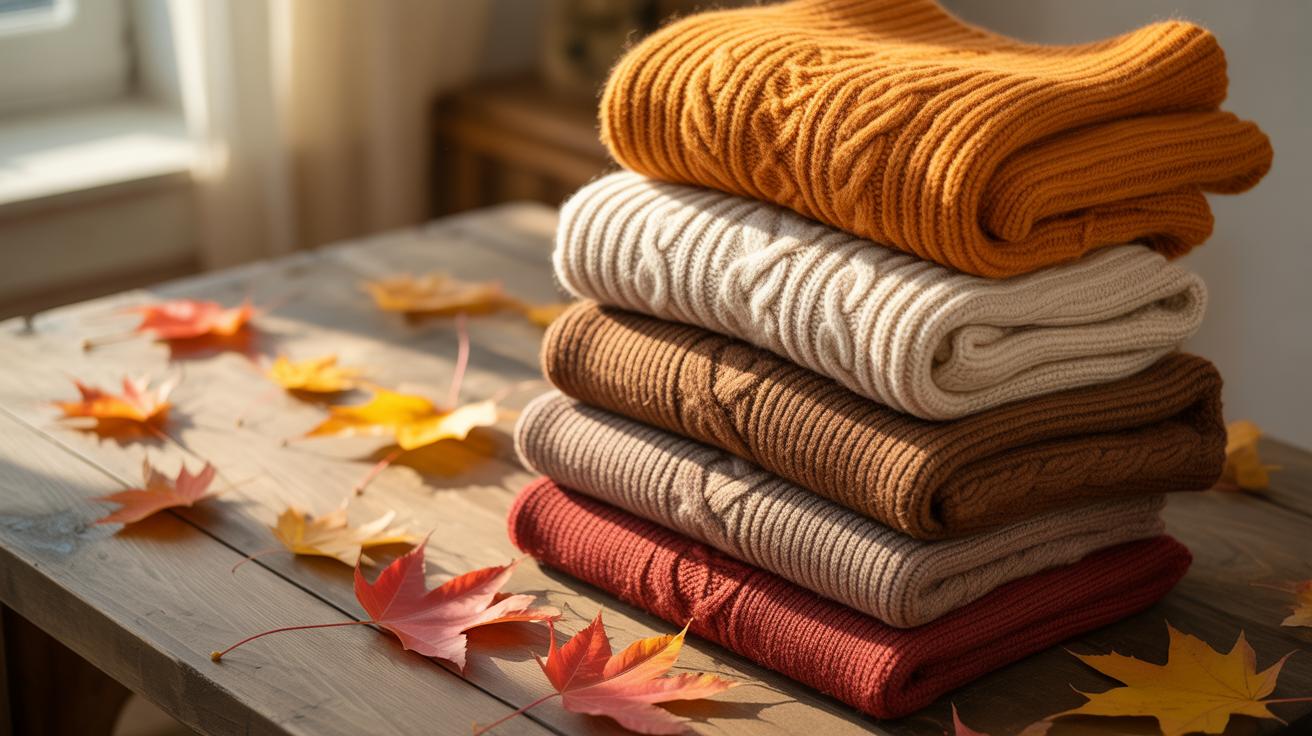
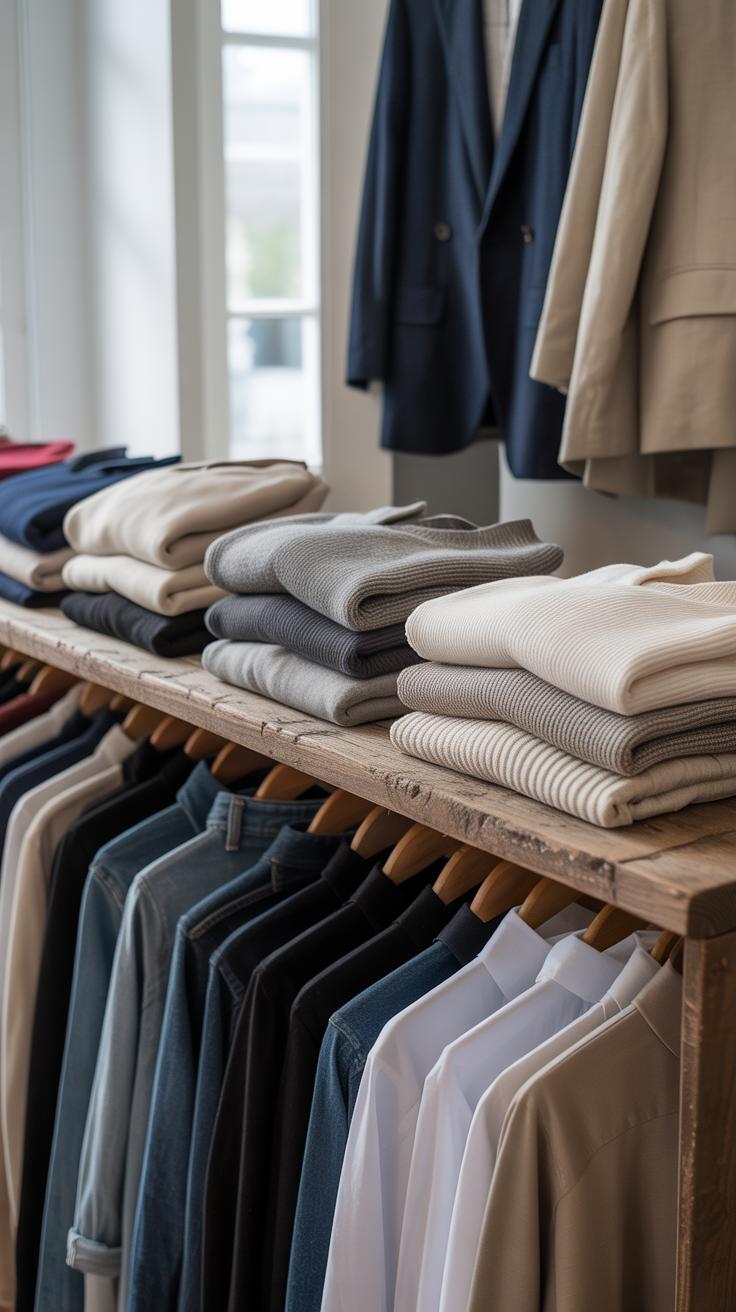
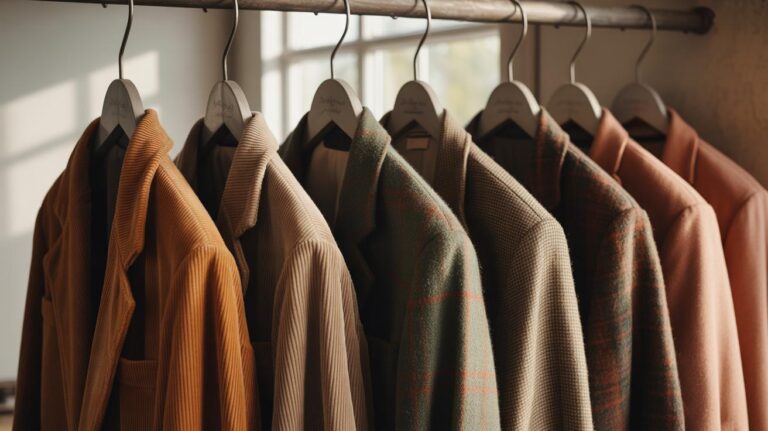
Starting with the basics makes the whole process less overwhelming. Think about what you wear most often, and begin there. For example, a plain white shirt, well-fitting jeans, and a neutral blazer are solid foundations. These pieces work for work, weekends, and casual outings. Prioritize quality over quantity at this stage, even if that means buying fewer items.
Shop with patience. Look for sales but don’t rush just because there’s a discount. Ask yourself whether you really need that piece or if it’s just a fleeting want. Checking your existing wardrobe helps too—buy what you’re missing, not what you already have duplicates of. It might take months or even years, but building thoughtfully pays off.
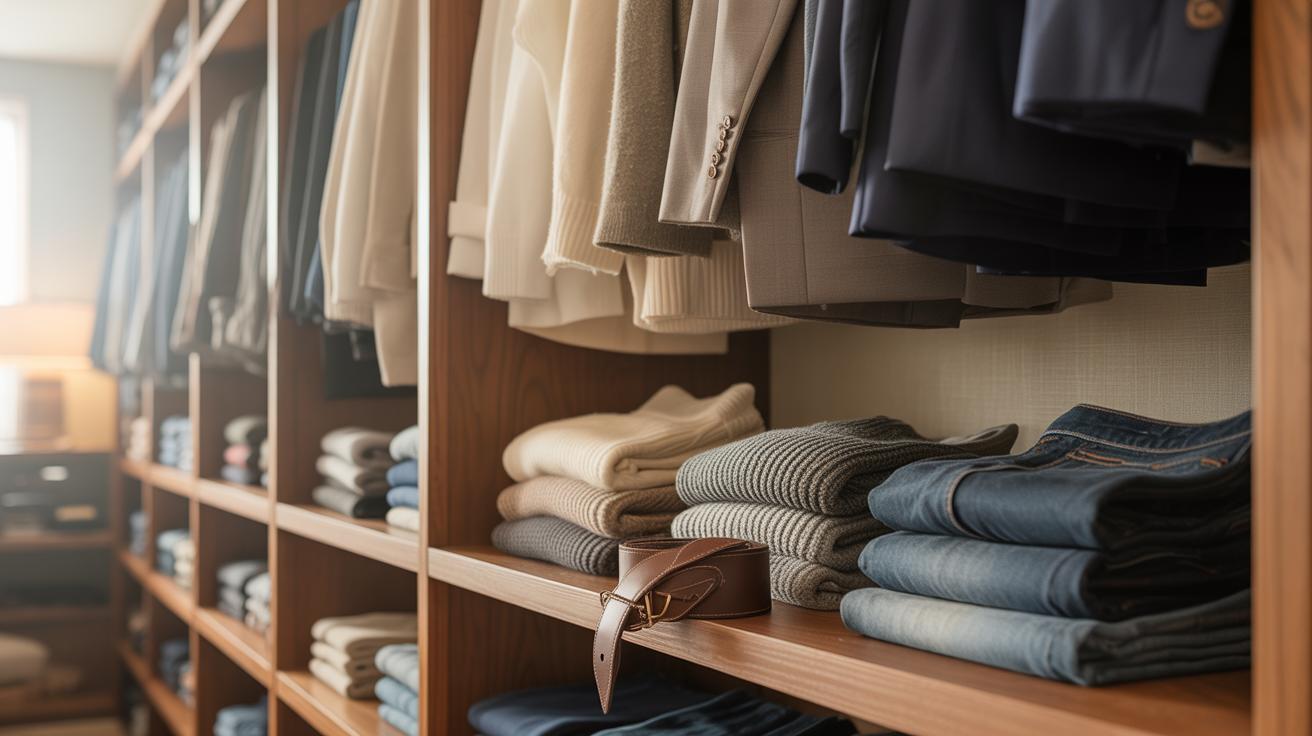
Once you have core items, start layering. Cardigans, lightweight jackets, and scarves add dimension to simple outfits and give more options without cluttering your closet. A classic leather belt or a silk scarf can change the whole feel of a look. Accessories let you express personality while sticking to your basics.
For instance, I once bought a navy cardigan on sale after building a solid base; it instantly made a bunch of my outfits feel fresh. You might find yourself doing the same without even thinking much about it. These small additions make your wardrobe stretch beyond the expected.
Mix and Match Your Classic Pieces
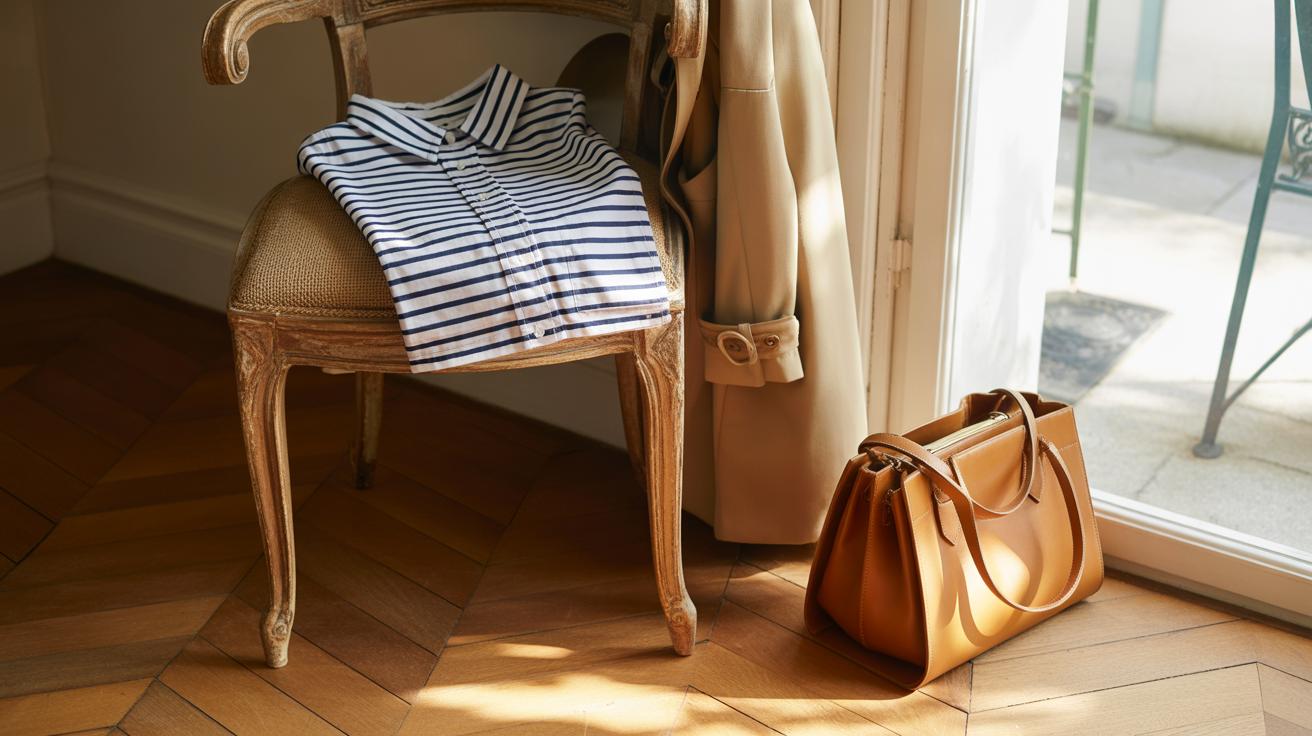
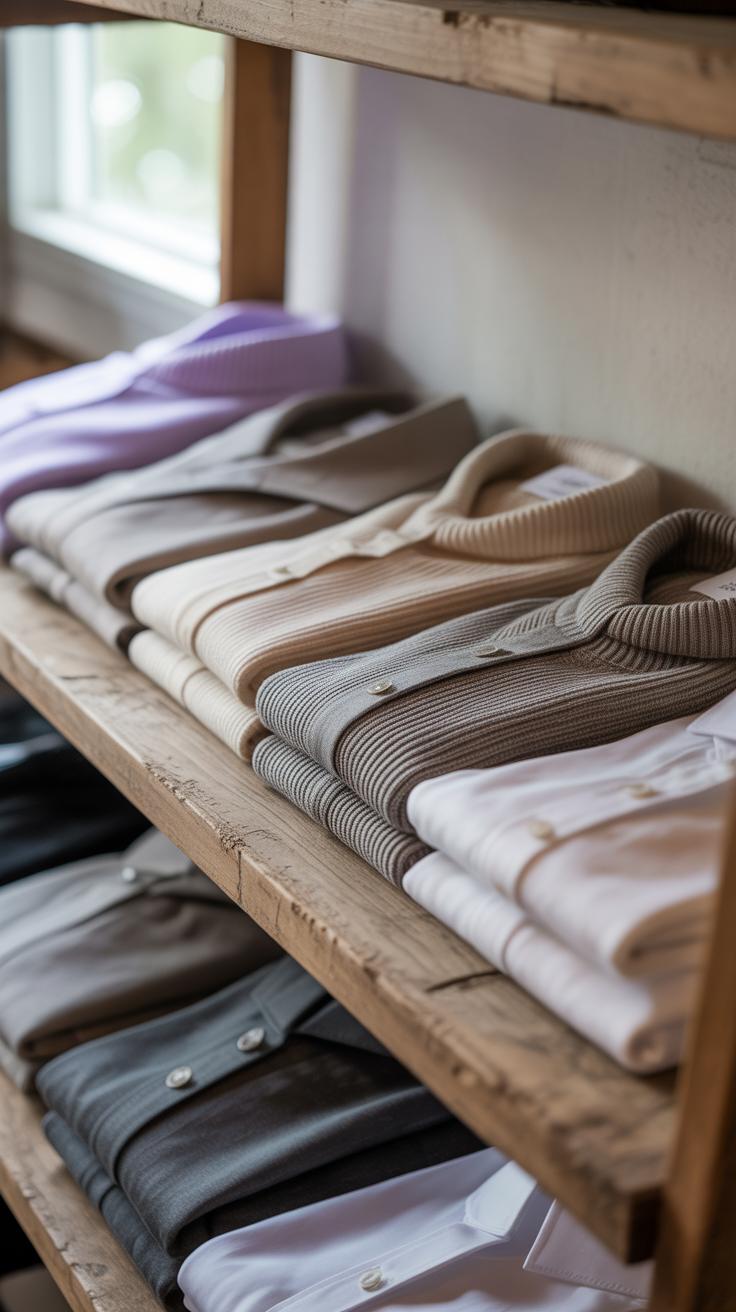
Having a wardrobe built around classic basics means you can create so many different looks without buying new clothes constantly. The real magic lies in mixing and matching those pieces. Think of a well-fitted white shirt—it goes just as naturally with jeans on weekends as it does with tailored trousers for work. Swapping out shoes or accessories can change everything about an outfit.
Some benefits that might surprise you:
- You don’t have to spend long deciding what to wear.
- Pieces work together in many ways, shrinking your overall wardrobe size.
- It’s easier to spot what’s missing or what you truly need next.
When you choose interchangeable pieces, like neutral blazers, plain tees, or dark denim, you unlock endless combinations. Start by pairing basics for casual comfort—jeans with a soft tee and sneakers. Then, add a blazer or swap sneakers for loafers to step into work mode. For formal occasions, layering a classic blazer or adding a silk scarf can elevate the same shirt. It’s not just about what you wear, but how you wear it.
Creating Casual and Formal Looks
Let’s look closer at one piece—a navy blazer. Worn with jeans and a white t-shirt, it feels relaxed and approachable. But switch to a crisp button-down and tailored pants, and suddenly you’re ready for a meeting or dinner. I’ve done this myself many times. A simple shift in shoes—sneakers to leather—also helps. Accessories like watches or subtle jewelry contribute, too.
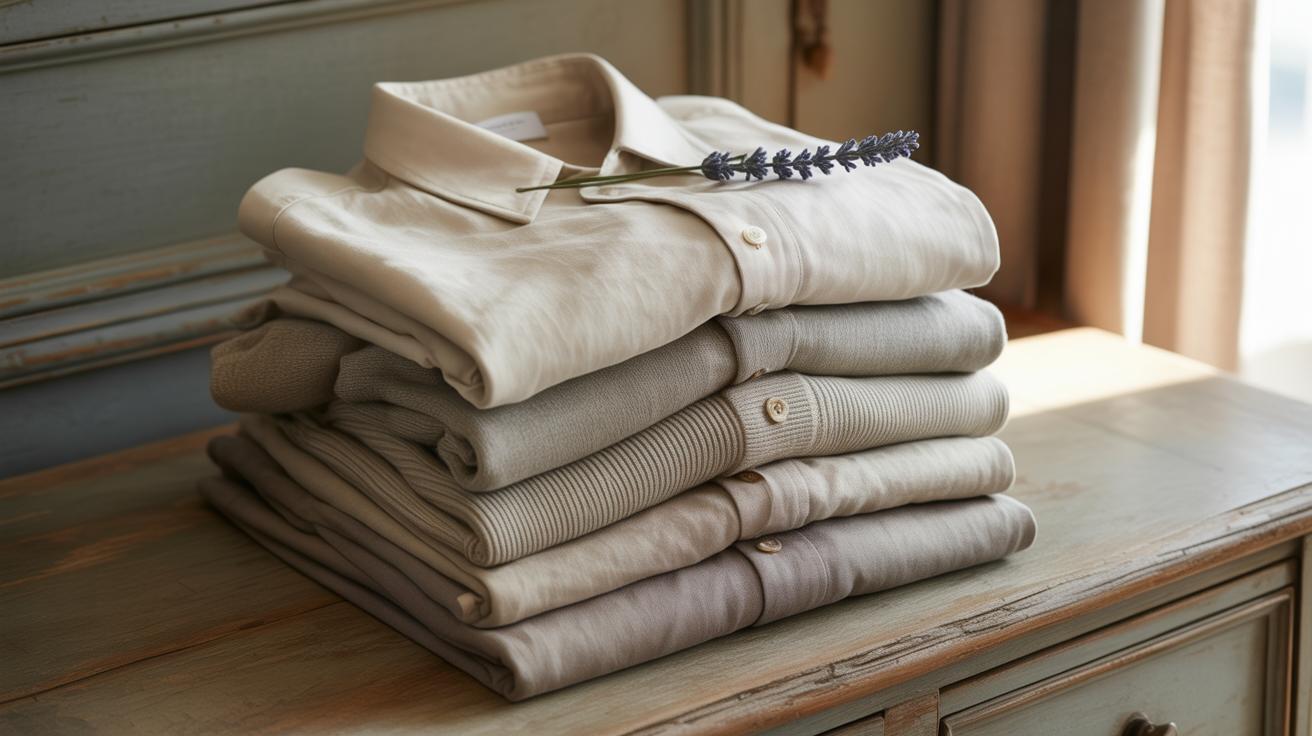
Another example is a neutral crewneck sweater. It pairs well with casual chinos for weekends. But tuck it into a pencil skirt, add heels and a structured bag, and you have a surprisingly refined outfit. These shifts seem simple but take planning. You might wonder: how many “basics” do you really need? I think fewer than you expect, if you mix thoughtfully.
Using Patterns and Textures
Basic colors can feel a bit flat if you rely just on solids. Mixing patterns and textures adds subtle interest without overwhelming your look. For instance, pair a classic white shirt with a thin striped scarf or a houndstooth skirt. Texture matters, too. Think wool sweaters with soft silk or leather with cotton. I find pairing smooth and rough fabrics creates a pleasant balance.
Stick to one statement pattern per outfit and keep the rest neutral. If you wear a plaid blazer, for example, pick solid pants. Or a ribbed sweater works well with smooth trousers. There’s always a way to add something unexpected without losing the timeless feel. Sometimes, just choosing a velvet shoe or a knit tie makes your basics feel fresh. It’s subtle but noticeable.
Smart Shopping for Wardrobe Basics
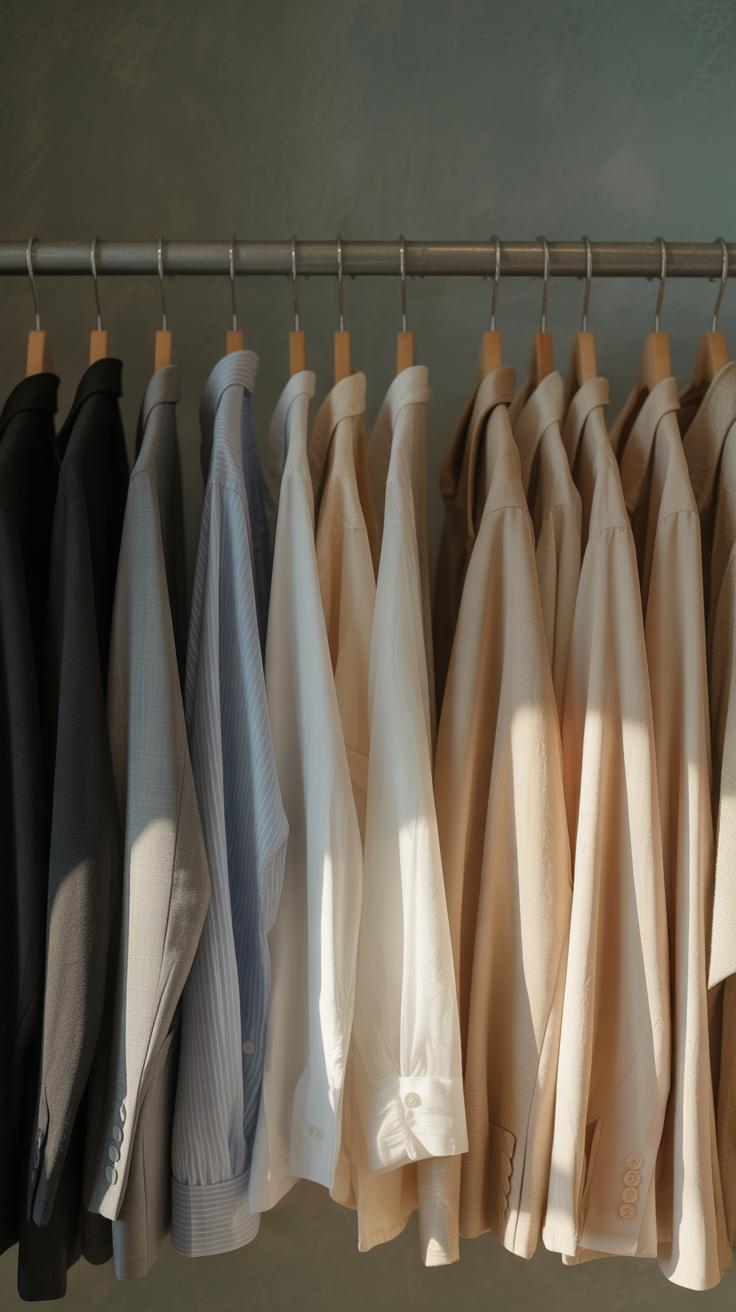
Finding classic wardrobe pieces without breaking the bank can feel tricky. But actually, it often comes down to knowing where—and when—to shop. Look beyond the obvious chain stores. Online outlets and factory stores might have better deals on timeless shirts or trousers. Sometimes, checking the less glamorous sections in department stores reveals surprisingly good finds.
Pay attention to sales that happen just before a season ends. Buying wool sweaters in late winter or tank tops in early autumn can save you a lot. Off-season purchases aren’t always glamorous, but your future self will thank you.
Fabric labels tell stories too. Natural fibers like cotton, linen, or wool generally last longer and breathe better. Synthetic materials often come with lower prices but might not wear as well. Still, blends can offer unexpected durability. Don’t write off a mixed fabric right away; just look at the weight and feel.
Thrift shopping might seem a gamble to some, but it’s often a goldmine for classic pieces. Patience matters here—you might have to dig through racks, but when you find a quality blazer or a well-made denim jacket, the savings and satisfaction are worth it.
Sustainable brands sometimes get a reputation for being overpriced, but they focus on durability and ethical production. That means fewer replacements. Think of it this way: spending a bit more upfront may actually save you money over years. Plus, it feels good to support companies taking responsibility for their products.
Have you ever thought about why a cheap fabric shrinks or fades quickly? Buying less but better usually means less waste—and more style that lasts. It’s not always an easy balance, but paying attention to these little details makes a difference over time.
Caring for Your Classics to Last
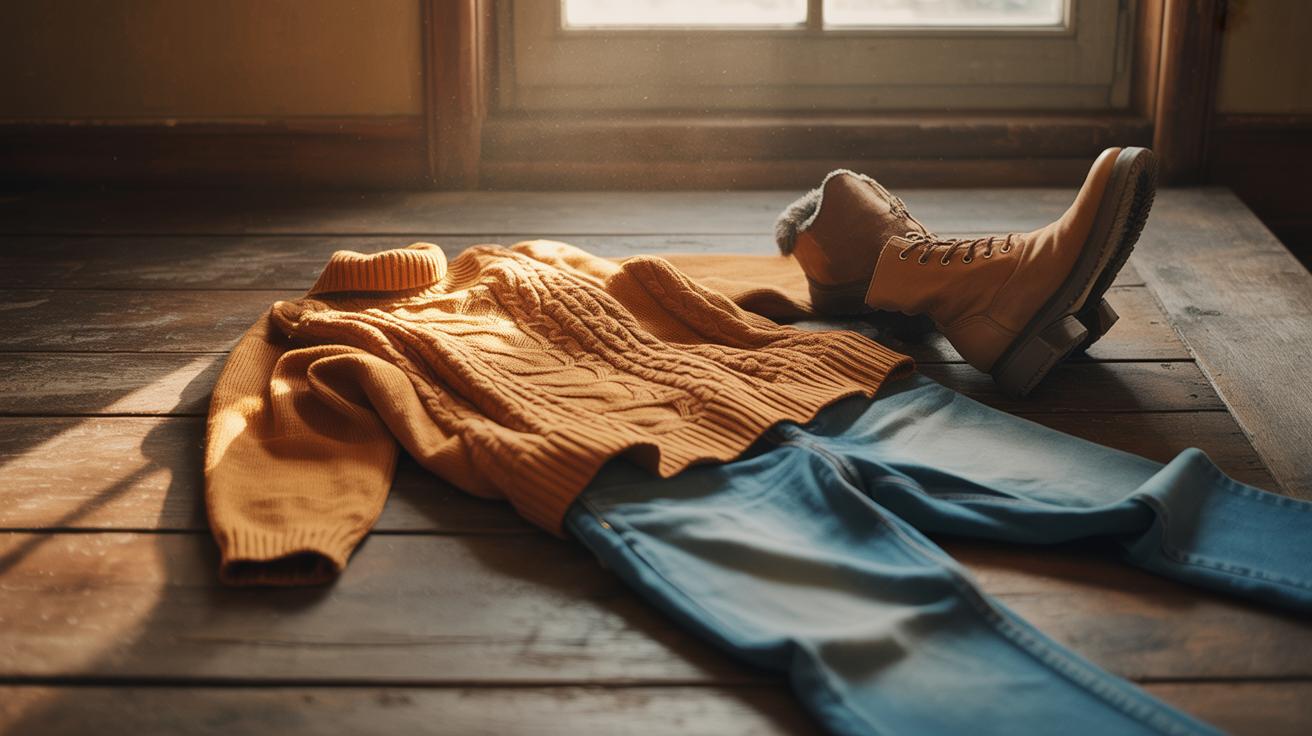
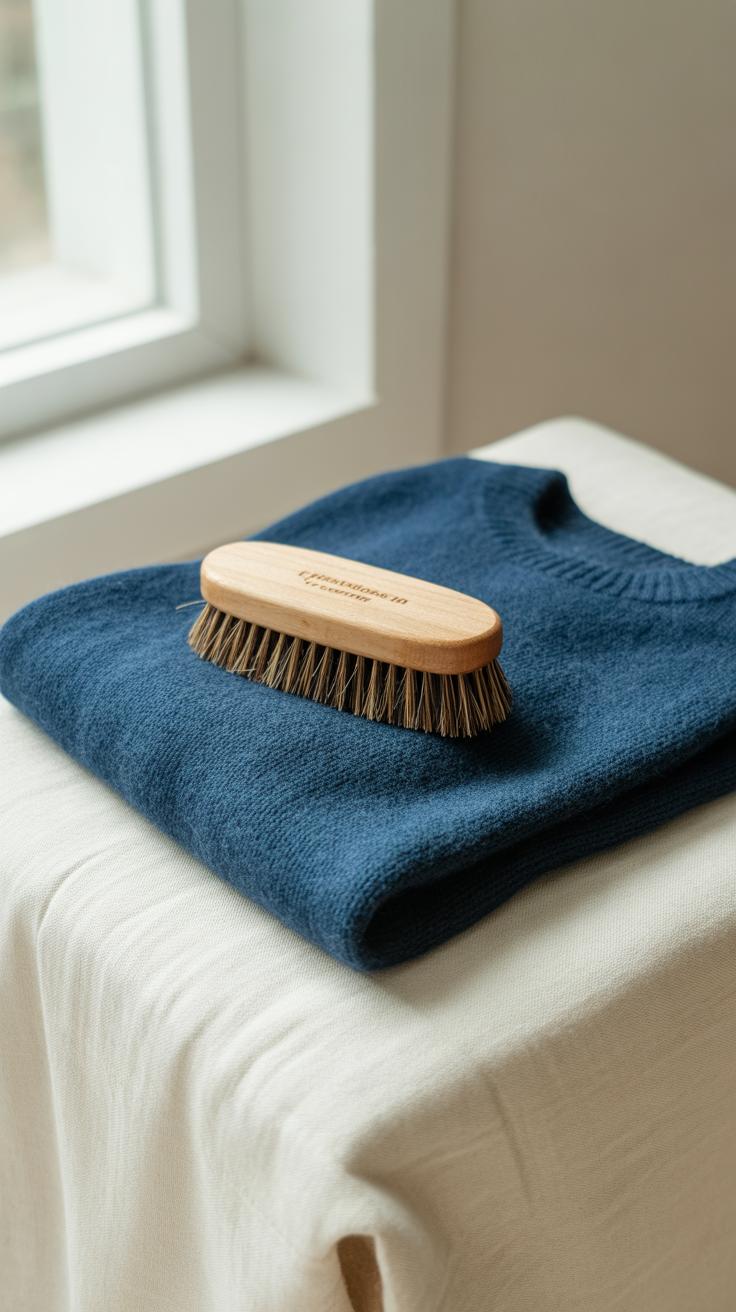
Taking care of your classic wardrobe pieces might seem like a small detail, but it really makes a big difference in how long your clothes stay wearable. When you think about washing, storing, and fixing your basics, you might hesitate, wondering if it’s worth the extra effort. I’ve found that even simple habits can stretch the life of a favorite shirt or pair of pants by years.
For washing, try to avoid hot water unless the fabric specifically calls for it. Cold water preserves the colors and keeps fibers stronger. It might feel like skipping the hot wash won’t clean quite as well, but usually, it does the job just fine—and without shrinking your clothes or fading them.
Storage is another point people often overlook. Just stuffing your sweaters or tops on a crammed hanger can lead to stretching or misshaping. Folding knits and using padded or wooden hangers for blouses and coats helps keep their shape. Also, giving your clothes some breathing space stops mildew and weird odors from settling in.
Small repairs can really save your wardrobe from turning into landfill. Sewing on loose buttons, fixing minor tears, or even reinforcing weak seams keeps pieces going. You don’t have to be an expert; learning some basic mending skills allows you to feel confident about handling these fixes at home. Sometimes fixing a shirt feels more satisfying than buying a new one.
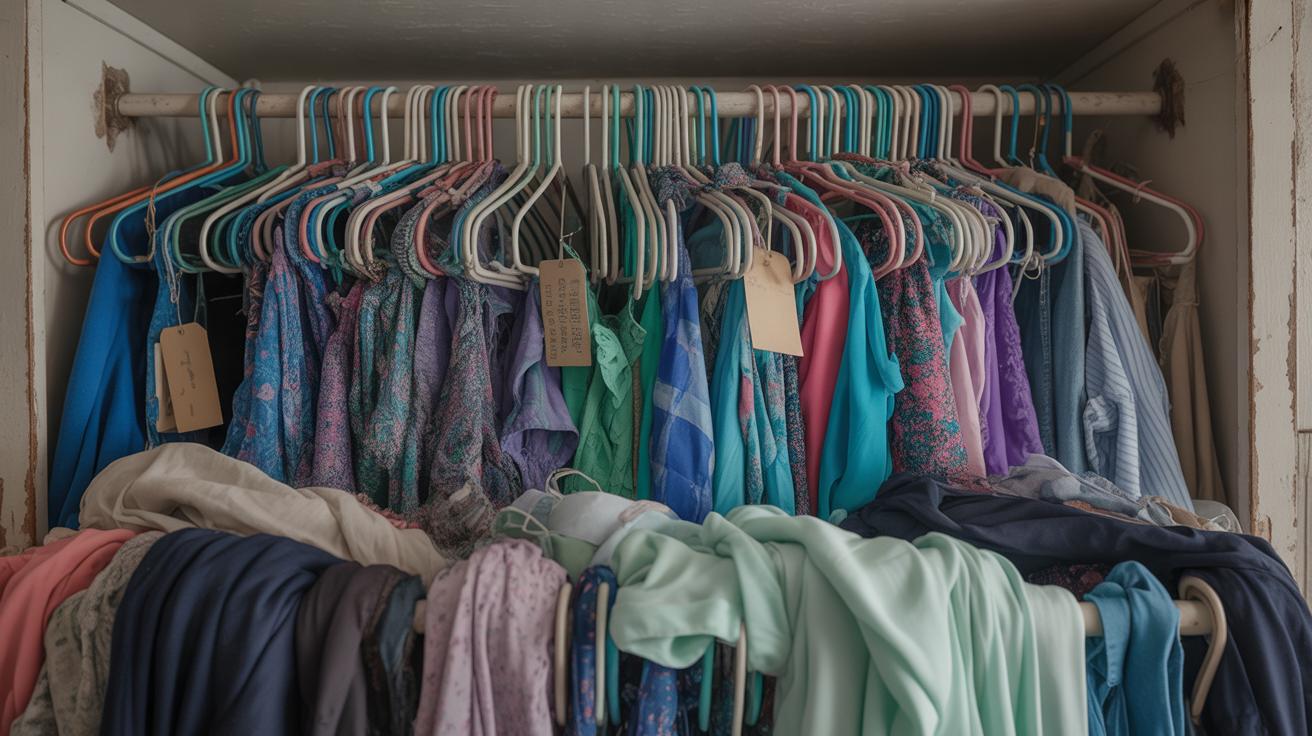
Are you curious about which care steps you might be skipping? Maybe the way you store your blazers or wash those delicate tops isn’t quite right. Trying these simple tips might mean your classics last longer—and you save money in the process.
Common Mistakes in Building a Classic Wardrobe
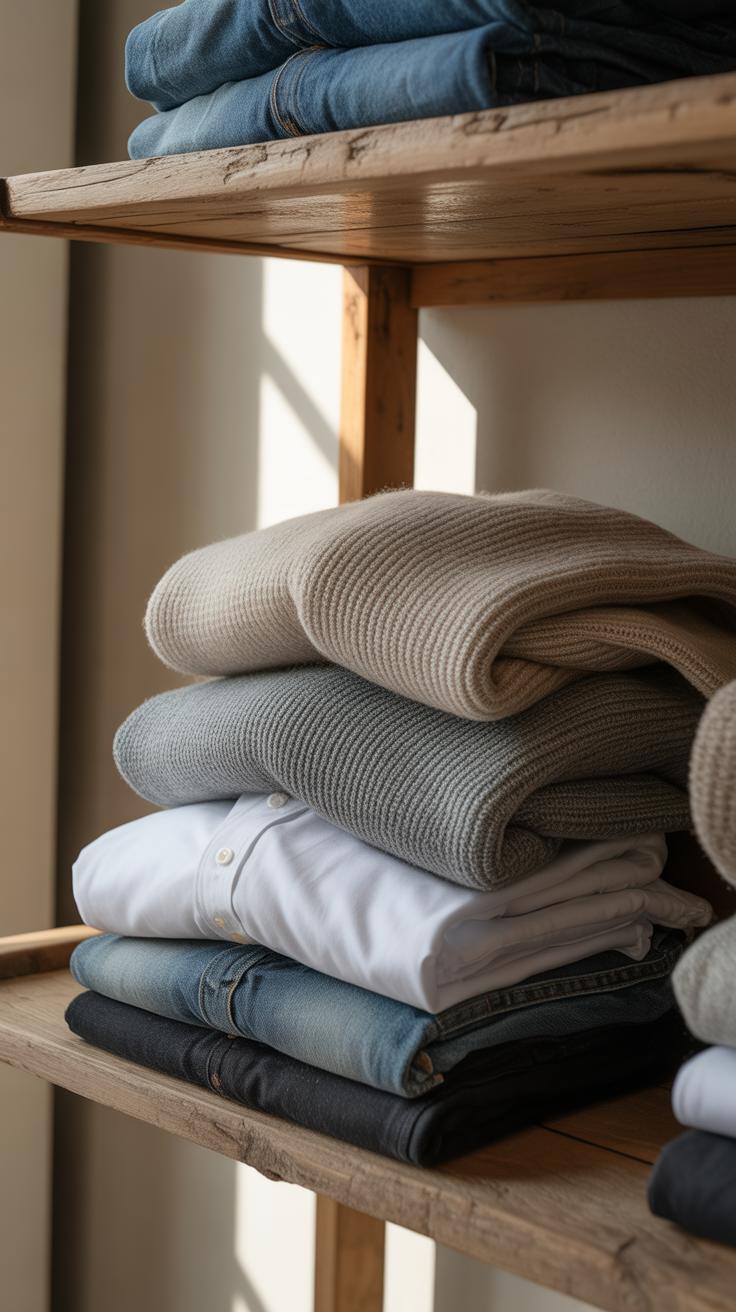
Many people aiming for a classic wardrobe get tripped up by some familiar missteps. One of these is buying too many pieces without a clear plan, ending up with duplicates or items that don’t work well together. It might feel like variety is good, but if your clothes don’t coordinate, you waste money and time deciding what to wear.
Another common error comes from overlooking the quality of materials. It’s easy to choose a cheaper option thinking it saves cash, but those fabrics wear out faster. You might spend more replacing items sooner, which defeats the goal of longevity.
Also, people often forget to consider their lifestyle when picking basics. For instance, if you rarely wear formal shoes, buying several pairs won’t add value. It’s better to focus on what you’ll actually use—that way, your wardrobe isn’t just classic, but practical too.
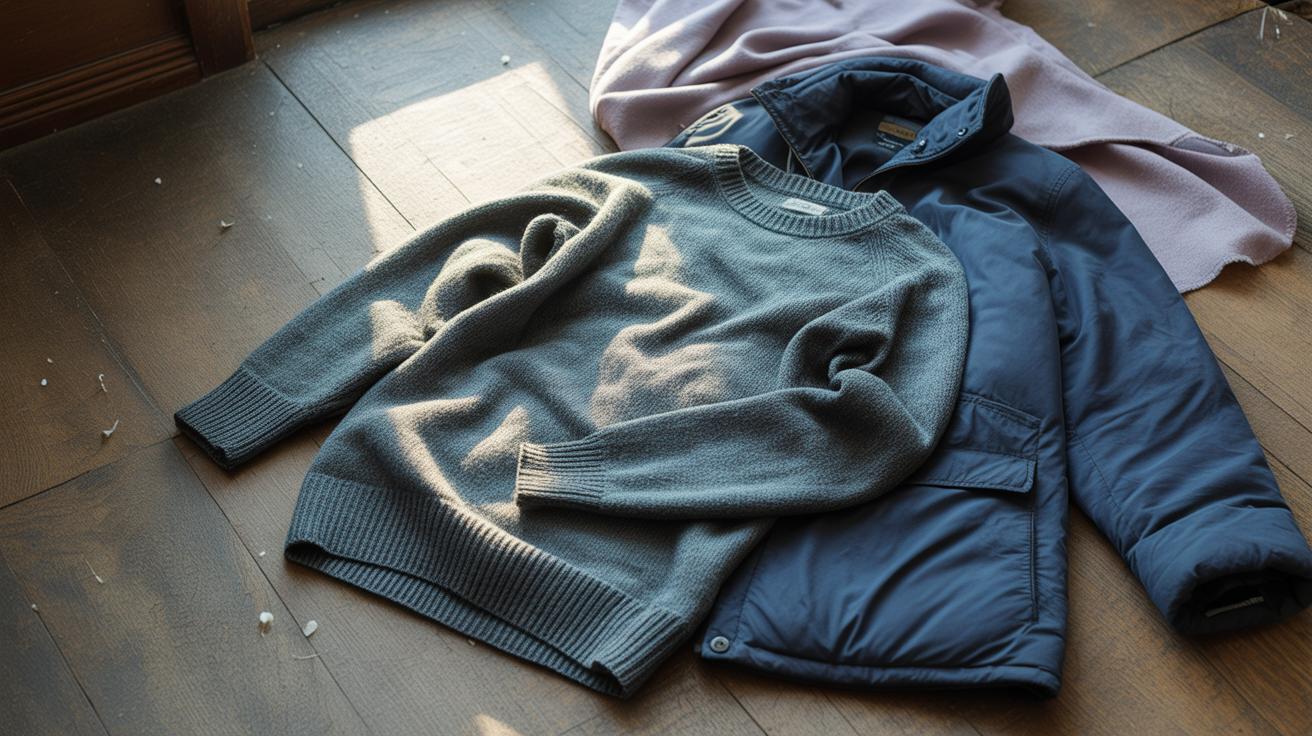
To avoid these pitfalls, take a moment before purchasing. Ask yourself if the piece truly fits your style, matches what you already own, and if it feels right on you. Your future self—and wallet—will probably thank you.
Classic Wardrobe Versus Fast Fashion
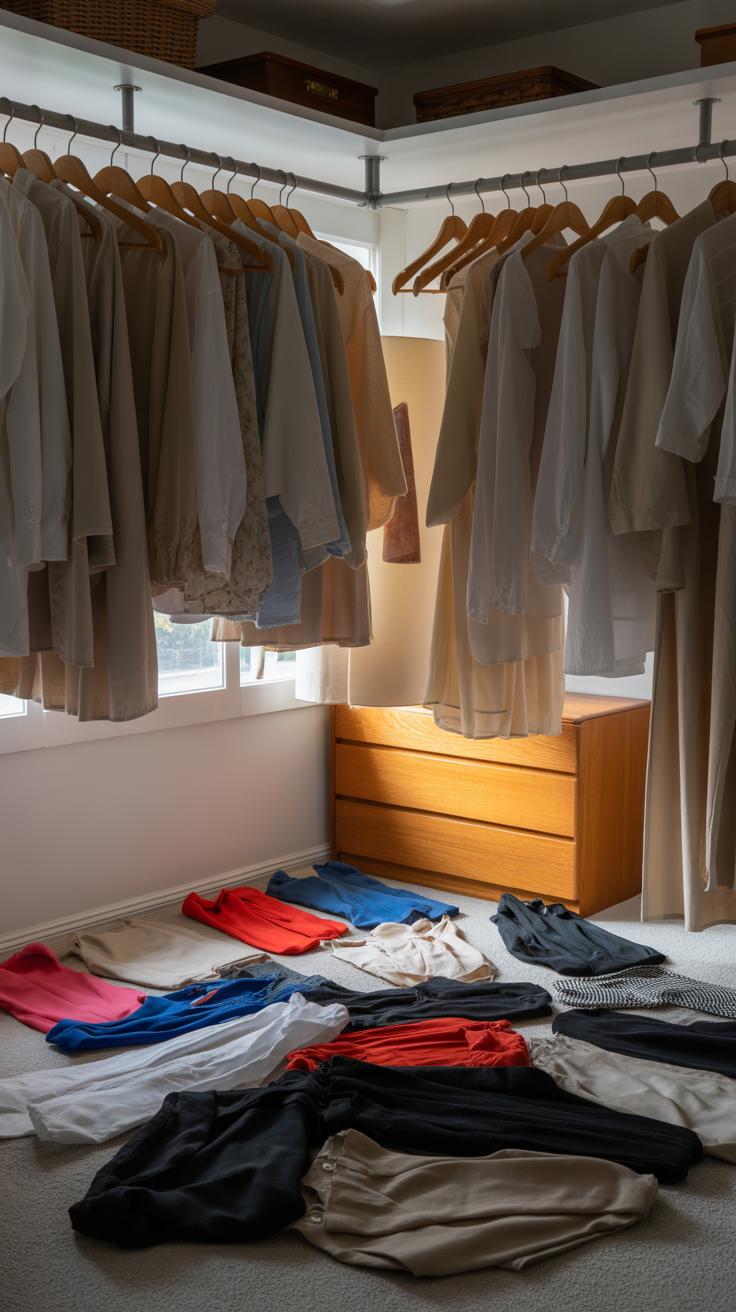
Comparing Financial and Style Impacts
You might notice how fast fashion trends pop up quickly and disappear just as fast. They’re tempting with low prices but often don’t last long. Classic wardrobe basics, on the other hand, offer a steadier approach. Think of a well-made white shirt or a good pair of dark jeans; they don’t shout for attention, but they work in many settings and won’t look outdated after a season.
Fast fashion can feel like a deal but buying a new outfit every few weeks adds up. Classic pieces might cost more upfront but you wear them again and again. It’s a bit like paying once and benefiting multiple times—if you ask me, that’s a smarter way to spend.
Cost Breakdown Over Time
Let’s imagine you spend $25 on a fast fashion T-shirt and replace it every two months because it fades or tears. That’s $150 a year on just six shirts. Compare that to a $75 classic T-shirt that lasts at least two years without losing charm. Over two years, fast fashion costs $300 versus $75 for classic basics.
Throw in a few staple items, and you start seeing how your wallet feels lighter with classics. Still, it requires patience. Building a timeless wardrobe isn’t about instant gratification but about steady investment. It’s tempting to chase trends, but numbers tell a clear story.
Environmental Impact Considerations
Fast fashion’s quick cycles lead to mountains of discarded clothes. Fabrics, often synthetic, don’t decompose easily. The production process eats water, energy, and creates pollution at alarming rates. Meanwhile, classic clothing tends to be made with sturdier materials and worn longer, cutting waste significantly.
Choosing classics doesn’t erase fashion’s environmental problems, but it nudges you towards more thoughtful purchases. Could you imagine feeling good about what’s in your closet, knowing it’s less wasteful? That kind of awareness can change how you shop, and maybe even how brands operate one day.
Examples of Classic Wardrobe Staples
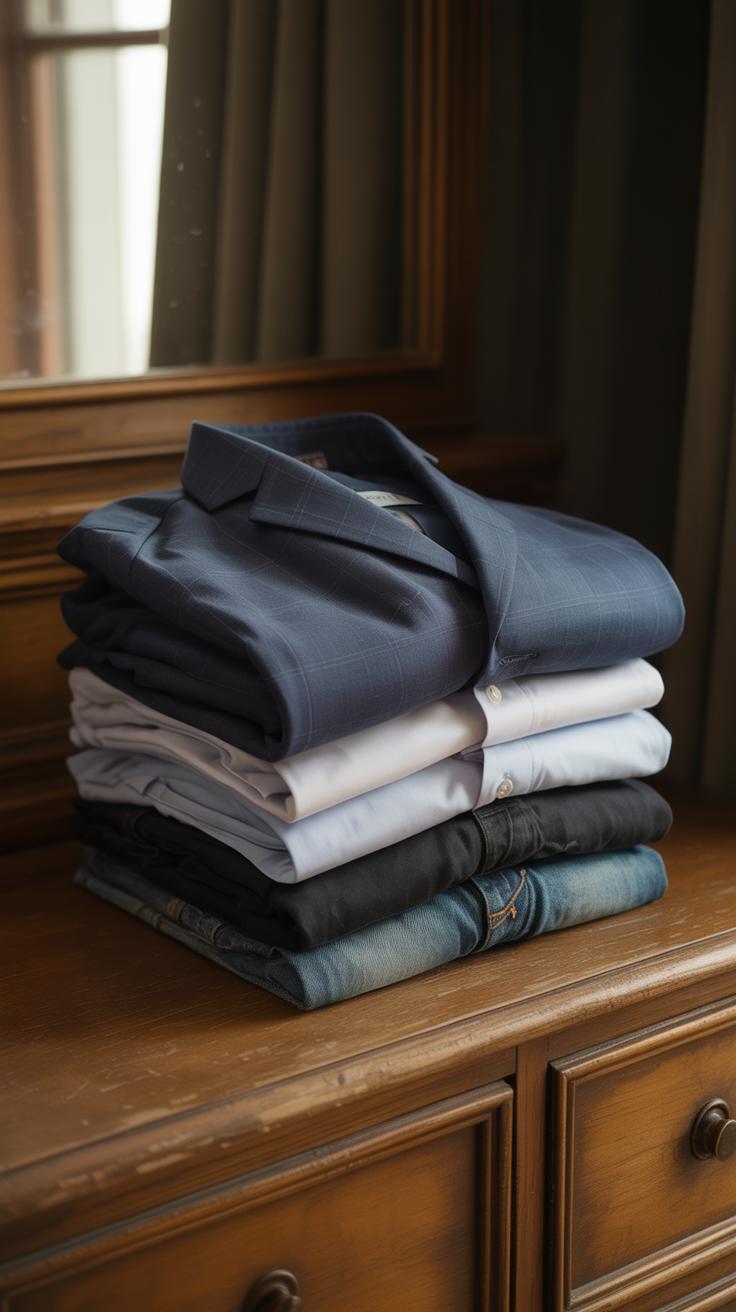
Men’s and Women’s Timeless Must-Haves
You might be surprised how just a few key pieces can carry you through countless occasions without much fuss. For men, think of a tailored blazer—not too trendy, not too loose. Pair that with a crisp white shirt; it’s simple but sharp. Black trousers fit almost everywhere, from office to evening. Then there’s the classic trench coat, perfect for layering and never quite goes out of style.
For women, the little black dress is almost legendary. It adapts easily, whether you dress it up with heels or keep it casual with flats. A well-fitted blazer also makes an appearance here, versatile for work or weekend. A white button-down shirt acts as a blank canvas for so many looks. And classic jeans, not too skinny, not too baggy, just perfectly balanced.
These staples matter because they don’t scream for attention, yet they offer a strong foundation. The key is in their cut, quality, and color—neutral shades and tailored fits hold up over years, resisting changing fashions so you don’t have to worry all the time.
How These Pieces Work Together
What’s really interesting is how these items can be mixed and matched. A man’s white shirt under a navy blazer with black trousers creates a clean, professional look. Swap the shirt for a plain tee and the trousers for jeans, and you’ve shifted to smart-casual without buying anything new.
For women, imagine a black dress layered under a blazer for a meeting, then just the dress with boots for dinner. Or jeans teamed with a white shirt and a trench coat—simple layers that feel fresh. Each staple supports the others, making your wardrobe more flexible than you’d sometimes expect.
Have you ever noticed your wardrobe feeling limiting? These basics challenge that. They’re not flashy, yet their quiet presence pulls lots of outfits together convincingly. That’s where real style starts. Isn’t that worth thinking about?
Conclusions
Classic wardrobe basics help you spend less while looking better. Sticking to timeless pieces means your clothes stay useful over many seasons. You won’t need to replace them often, so your overall costs drop. A simple, well-chosen wardrobe also makes getting dressed easier and quicker.
By investing in classic items and caring for them, you build a strong foundation for your style. This approach benefits your wallet, your appearance, and the planet by reducing waste. Use the tips in this article to create a wardrobe that supports both your style and budget needs.