The Illusion Of Budget In Rain Wedding Photos
What Budget Actually Means Here
You’re not really trying to save money. You’re trying to avoid looking cheap in photos that will circulate for years. That’s the real mechanism at play, and understanding it changes everything about how you shop. Budget doesn’t mean “lowest price.” It means maximum return on the specific dollars you spend. In economics, this is called elasticity of substitution: you’re looking for the point where a small increase in spending produces a disproportionate jump in perceived quality. With wedding umbrellas, that threshold exists, and it’s lower than you think. Most people overshoot it by refusing to spend at all, then undershoot it by panicking into mid-range purchases that scream compromise.
The confusion starts because “budget umbrella” gets thrown around like it describes a category. It doesn’t. A budget umbrella is simply one where you’ve identified what actually matters for your specific photos, then spent accordingly on just those elements. Everything else you ignore. This eliminates waste instantly. Photographers who shoot rain weddings all report the same finding: the umbrella’s visibility in the frame matters more than its construction quality. If it’s barely visible, material and durability become irrelevant. If it dominates the shot, cheap materials become a liability. Your shopping decision should track that reality, not marketing language.
The Visibility Problem Nobody Names
Most couples pick umbrellas based on what feels right in their hands at a store. That’s backward. You should pick based on how the camera sees it. This is pure optics: what your eye perceives as appropriate size and color shifts dramatically under flash, in overcast light, and especially when compressed into a two-dimensional frame. A 48-inch umbrella that feels massive in person often reads as undersized in photos. A white canopy that looks clean becomes blown-out and featureless. A black canopy that looks elegant becomes a void.
The mechanism is simple. You’re not buying an umbrella. You’re buying a prop that controls the light and frames the subjects. Its primary job is to create visual separation from the background while staying in proportion to the couple’s bodies. A budget approach means selecting a size that photographs at roughly 30 to 40 percent of the frame width when held at natural arm height. Test this by having someone hold candidate umbrellas while you photograph them from ten feet away, then zoom to frame them as a photographer would. This reveals instantly whether you’re wasting money on features that don’t show, or about to buy something too small to register.
The Weather Vane Protocol For Rainy Day Wedding Photos
Reading The Forecast Like A Position
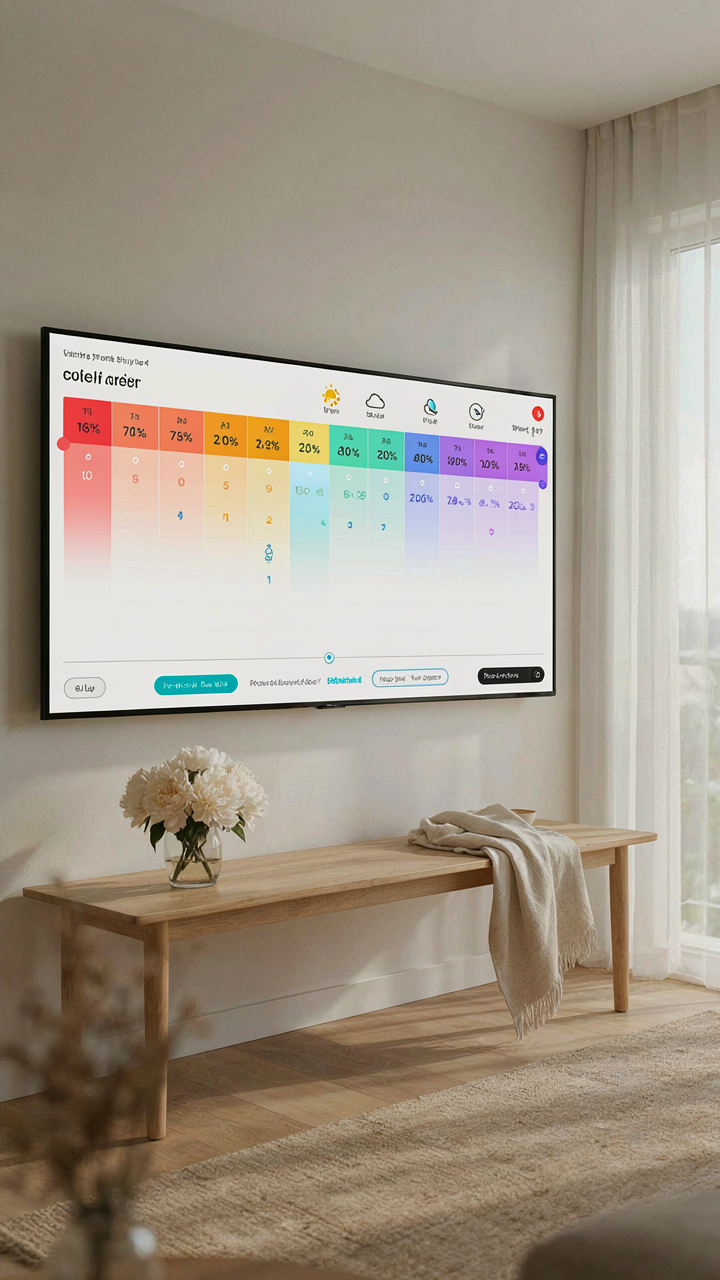
You want the photos to look intentional, not like you got caught in a downpour. That’s the fear underneath this decision. Meteorology teaches us that weather systems move in predictable patterns, and you can treat a rainy wedding day the same way: map the storm’s trajectory, not just its current state. Check the hourly forecast 72 hours before the event, then again at 24 hours and 6 hours. Identify the window when rain lightens or pauses. Budget umbrellas fail because couples treat rain as constant. It isn’t.

Most couples wait until the morning of the wedding to think about rain logistics. By then, the decision is reactive and panicked. You need a three-day observation window. Look at wind speed alongside rainfall probability. A budget umbrella in high wind becomes a liability that ruins photos and frustrates your photographer. If gusts exceed 20 miles per hour, the umbrella becomes decoration, not protection. Set a threshold now: if wind exceeds 20 mph or rain probability stays above 80 percent for more than six hours, shift your photo schedule to before or after the storm system passes through.
The Umbrella As A Compositional Element
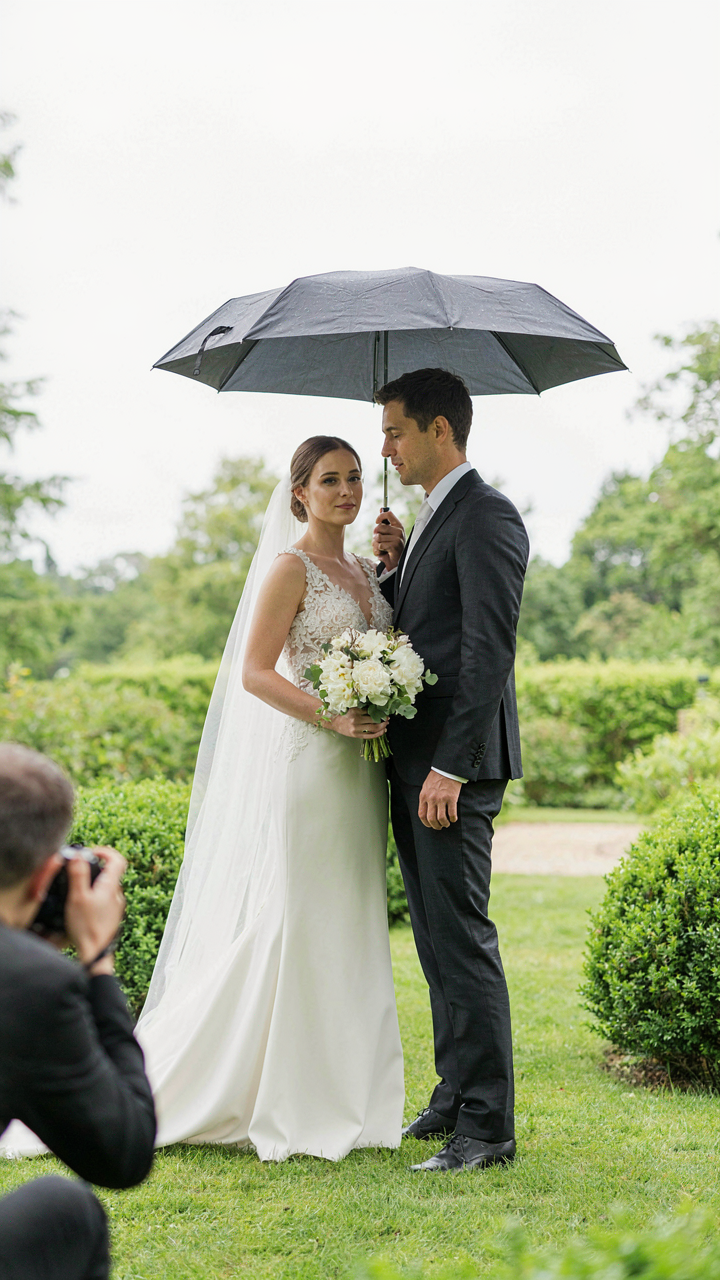
Common advice treats the umbrella as invisible support. It’s not. The umbrella is a compositional choice that either anchors the frame or distracts from it. Framing here means the visual structure of your photos—what the camera captures and how it organizes the space. A budget white or cream umbrella held above bride and groom reads as intentional elegance. A clear umbrella disappears into gray skies and creates a visual void. A black umbrella in a moody rainy shot grounds the composition and makes the couple the focal point instead of the weather.
Your photographer needs to know the umbrella color and size before the day arrives. This is not decorative detail. A 42-inch umbrella held at eye level creates shadow on faces. A 60-inch umbrella angled back and to the side keeps light on the couple’s faces while defining the frame. Shoot a test photo with the umbrella during the final walk-through or rehearsal. Budget umbrellas with wooden or metal handles photograph better than plastic because they don’t reflect light and distract. The mechanism is simple: the umbrella either becomes part of the visual story or it becomes an obstacle to the real one.
Beyond Transparency: The Real Art Of Wedding Photos Rain

Opaque Vs. Transparent: What Photographers Actually Prefer
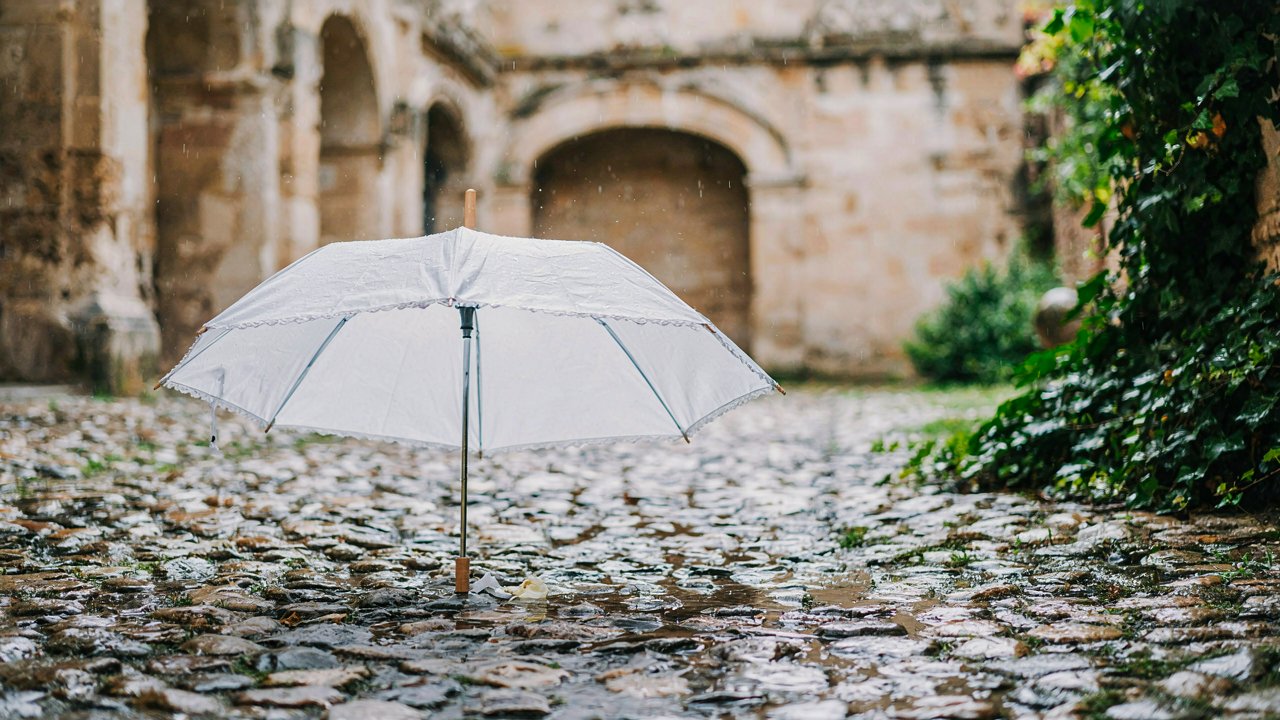
You want the transparent umbrella because you think it looks better in frame. The real mechanism is this: opaque umbrellas control light, transparent ones scatter it. Photographers choose based on what they need to control, not aesthetics. A solid white or ivory umbrella acts as a diffuser, softening rain-generated shadows on faces. Transparent umbrellas let ambient light through unevenly, creating hot spots and uneven exposure across the subject’s face.

Opaque umbrellas dominate professional wedding photography in rain for one reason: consistency. The photographer sees exactly what light hits the couple’s faces and can position flash or reflectors accordingly. Transparent umbrellas force constant exposure compensation and repositioning. Budget umbrellas in opaque white polyester or cotton blend run twelve to twenty-five dollars and outperform transparent versions costing twice as much because material density matters more than price point.
Reflective Surfaces For Dramatic Light Play
Borrowed from stage lighting design, the inverse square law governs how light behaves near reflective surfaces: double your distance from a reflective source and you quarter the light intensity. A budget umbrella with a metallic or pearl interior becomes a secondary light source, not just rain protection. This is the mechanism most couples miss. When rain falls under gray skies, the reflective interior bounces available light back onto faces, creating dimension that flat opaque umbrellas cannot achieve.
Budget umbrellas with silver polyester linings cost five to ten dollars more than plain white versions and deliver measurable contrast in rainy conditions. The couple stands under the umbrella, the interior surface catches diffused sky light, and that light fills shadows on their faces without looking artificial. Position the umbrella at forty-five degrees to the camera, not directly overhead, to maximize the reflective bounce onto skin. This positioning step is non-negotiable for the effect to work.
Durability Over Dollars: The Systems Engineering Of Wedding Pictures Rain
Wind Load And Frame Geometry
You want the umbrella to survive the moment without becoming a liability in your photos. Here’s what nobody says plainly: this is physics. A wedding umbrella operates under the same wind resistance principles as a sail or aircraft wing. The frame absorbs force through its geometry, not through price tag alone.

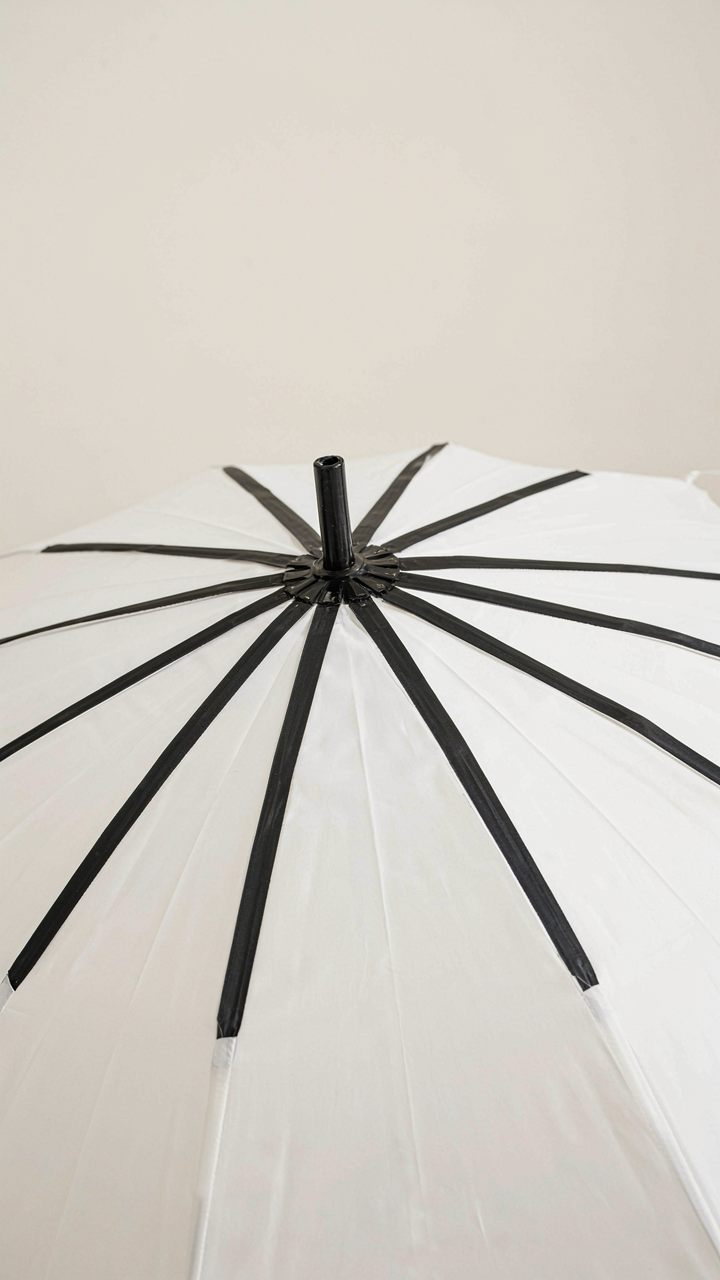
Budget umbrellas fail because they use thin aluminum ribs and a canopy cut too shallow. A shallow dome catches wind like a net. The ribs bend inward, fabric ripples, and the structure collapses into itself. Better geometry doesn’t cost more to manufacture. It costs more to engineer upfront.
- Rib count and spacing: Eight to ten ribs distribute load more evenly than six. Closer spacing forces wind to flow over the canopy rather than under it, reducing upward lift that collapses the frame.
- Canopy dome angle: A steeper dome naturally sheds wind rather than trapping it. Shallow designs prioritize packed size over stability. Check the angle visually before buying.
- Frame material thickness: Aluminum ribs should measure at least 6mm diameter. Thinner ribs bend under lateral pressure. Test by pressing gently on the canopy edge yourself.
- Runner and slider design: These joints connect the pole to the canopy opening mechanism. Loose or plastic runners fail first in wind. Metal runners with tight tolerances hold the structure rigid.
- Pole taper and balance: The pole should taper slightly from base to handle. Uniform diameter creates weight imbalance. A heavier pole base keeps the umbrella stable when planted in muddy ground.
Most budget umbrellas cut corners on the runner assembly and rib gauge because these parts stay hidden. You can’t see them in photos, so manufacturers save money there. That’s where failure starts. Inspect the underside before checkout. Spin the runner along the pole. It should move smoothly with zero wobble.
Fabric Tension And Material Selection
Fabric degrades from moisture retention, not from rain itself. Cotton and polyester blends used in cheap umbrellas absorb water and stay wet. They dry slowly, harbor mold, and the fabric loses elasticity over time. Nylon dries faster and resists mildew, but only if the weave is tight enough to shed water rather than absorb it.
The real damage happens at stress points where fabric connects to ribs. Budget umbrellas sew fabric directly to the rib tip with thin thread. Wind pressure creates a concentrated load at that single stitch line. The thread tears. The fabric separates from the frame. This happens during photos, not weeks later. Higher quality construction uses a fabric sleeve that slides over the rib tip and locks with a reinforced casing. The load distributes across multiple stitch rows instead of one.
Nylon with a 190T denier count is the practical threshold for wedding use. Below that, fabric punctures easily. The weave should feel tight when you press it with your thumb. If it gives way with light pressure, wind and rain will find every gap. Check the stitching where panels meet. Look for thread bunching or loose knots. That’s where the umbrella splits open mid-ceremony.

The Chromatic Camouflage Principle For Rainy Wedding Photos
Mood Trumps Distraction Every Time
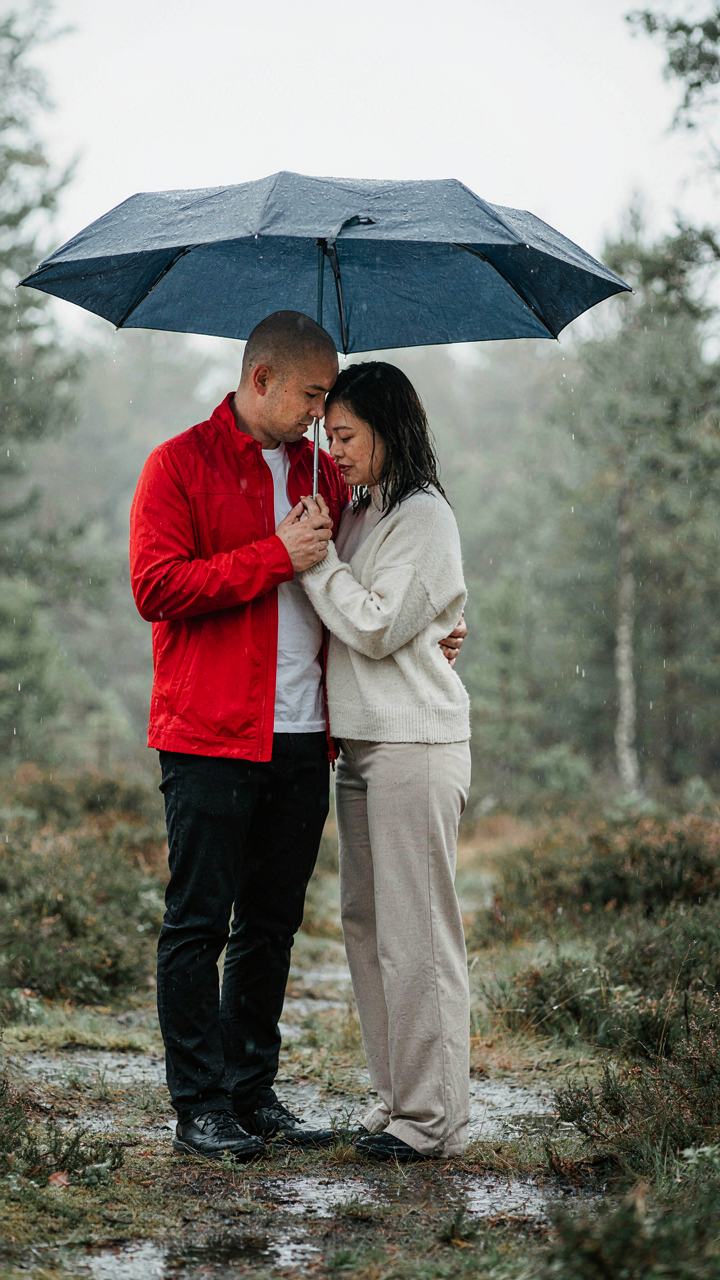
You want the umbrella to disappear into the emotional tone of the shot, not dominate it. That’s the real game here—you’re afraid the umbrella becomes the story instead of the couple. Psychology distinguishes between mood induction and visual salience. A budget umbrella functions like visual salience in frame composition: it either competes with or complements the focal point. Dark umbrellas recede. Bright umbrellas advance. The mechanism is contrast ratio, not sentiment.
Choose umbrella color based on the dominant light source and background, not on what “feels romantic.” Rain photos under gray skies demand umbrellas that read as neutral density—black, charcoal, or deep navy create visual silence. If the couple wears light colors, a dark umbrella acts as a visual anchor that frames them without screaming for attention. The photographer controls mood through exposure and framing, not through umbrella psychology.
Create The Pop When You Need It
Conventional advice says avoid bright umbrellas because they distract. That’s incomplete. Bright umbrellas distract only when the background competes for the same visual bandwidth. In flat, overcast conditions—which is most rain days—a single saturated color like deep red or forest green creates intentional contrast that reads as artistic direction, not accident. Budget umbrellas in solid jewel tones cost the same as neutral options.
The tactic: use bright umbrellas only when the background is monochromatic or desaturated, and only when the couple’s clothing won’t create a color clash. Photograph the location first in the same light conditions. If you see three or more competing colors already in frame, go neutral. If the background is a single tone, the umbrella becomes a compositional element you control. Test the exact umbrella color against the location before the wedding day arrives.

Handle With Intent: Ergonomics Of Rainy Wedding Pictures
Grip Comfort For Extended Sessions
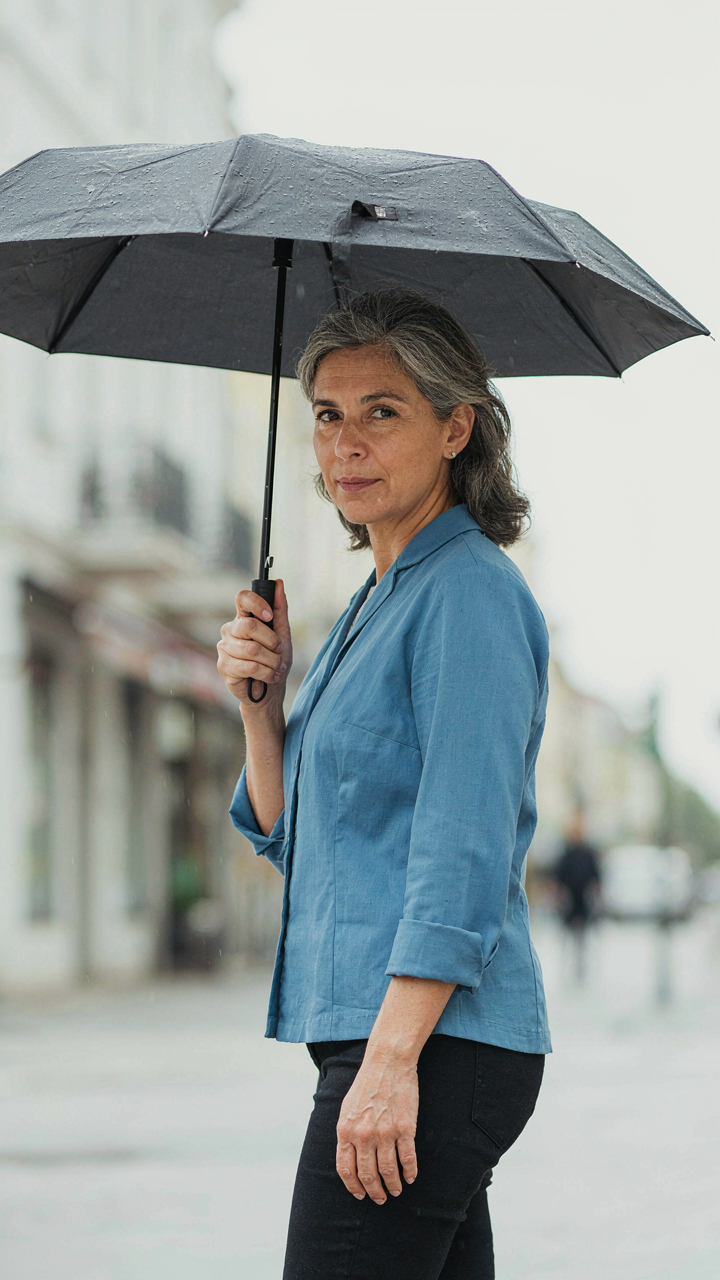
You want to look composed in photos, not exhausted. That matters more than you admit. Grip comfort is an ergonomic problem, not aesthetic. In ergonomics, load distribution prevents fatigue during repetitive tasks. A wedding umbrella handle distributes force from rain weight and arm tension across your palm and fingers. A cheap handle concentrates that load in one spot, cramping your hand within thirty minutes. Your grip tightens unconsciously. Tension radiates up your arm and into your shoulders. The camera sees it. The photographer sees it. You look stiff.
Budget umbrellas use molded plastic grips with no contour. They’re designed for occasional use, not four-hour photo sessions. Foam or rubberized handles cost more because they spread pressure across a wider surface area. Diameter matters too. A handle thinner than one inch forces your fingers to work harder to maintain grip. Test grip comfort before buying by holding the umbrella at shoulder height for five minutes. If your hand starts to ache, that umbrella won’t survive a rainy wedding shoot.
Handle Material Shapes The Frame
Common advice says handle material doesn’t matter. That’s wrong. Material affects how you position the umbrella relative to the lens, which changes what’s visible in every shot. Wood handles weigh more but give you better positional control. You can hold them steady at specific angles without muscle strain. Plastic handles are lighter, which sounds good until you realize you’re overcompensating with micro-adjustments that read as fidgeting. The photographer loses clean compositional space because your hands move more.
Handle material also influences how wet the frame gets. Wood absorbs water and becomes slippery without grip tape. Rubber stays grippy when wet. Textured rubber is factually better for rainy conditions. Before you buy, touch the handle while your hands are damp. If it slides, your hand will slip during the session. That kills stability. Pick a handle with a textured rubber coating at least one eighth inch thick. Test it under actual rain if possible. Buy accordingly.

The “Pre Flight Checklist” For Rain Wedding
Test The Mechanism Before Game Day
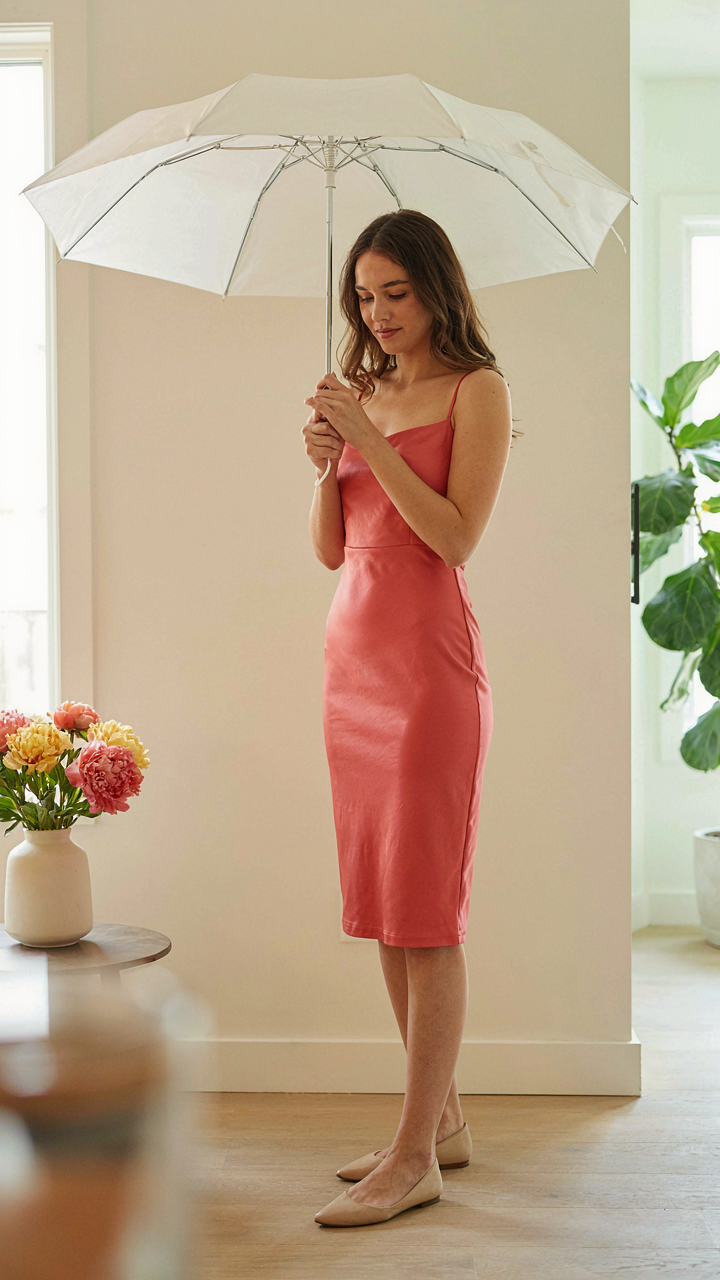
You’re worried about looking incompetent in front of your photographer and guests. Here’s the mechanism: a budget umbrella’s canopy deployment system fails under pressure because you’ve never actually used it. Borrow or buy the exact umbrella you’ll use on the wedding day. Deploy it fully in your living room. Retract it completely. Do this ten times. Watch for snags, bent ribs, or a canopy that won’t seat properly when closed. Most budget umbrellas have weak friction joints where the shaft meets the canopy. A single test cycle reveals this before it sabotages your rain photos.
The second failure point is handle grip under wet conditions. Your hands will be cold and wet during the ceremony. Grip the umbrella handle for two minutes while holding it steady. If your palm slips or your fingers cramp, the umbrella will shift during shots. A textured or rubberized handle costs pennies more than plastic and eliminates this variable. Document what you find during testing. You now know exactly what will and won’t break.
Backup Umbrellas Are Your Insurance Against Single Points Of Failure
Most couples treat the umbrella as a single asset. This is tactical error. Military logistics doctrine calls this “redundancy in critical systems.” Your budget wedding umbrella is a critical system. Buy two identical umbrellas. Store one in your car and keep one with your photographer. If the primary umbrella’s canopy tears, the shaft breaks, or the handle gives out during photos, you swap to the backup without halting the shoot. A torn canopy creates harsh shadows and exposes you to rain. A broken shaft collapses entirely. Either scenario kills your photos.
The backup umbrella also protects against loss or damage before the wedding day. People borrow umbrellas and forget to return them. Guests step on them. Wind gusts flip them inside out. Having a second identical unit costs an extra fifteen to thirty dollars. You use it after the wedding for normal rain days. This is not redundancy as waste. This is redundancy as structural integrity.

Post Rain Protocol: Preserving Your Prop For Future Rainy Wedding Photos
Drying And Storage That Actually Works
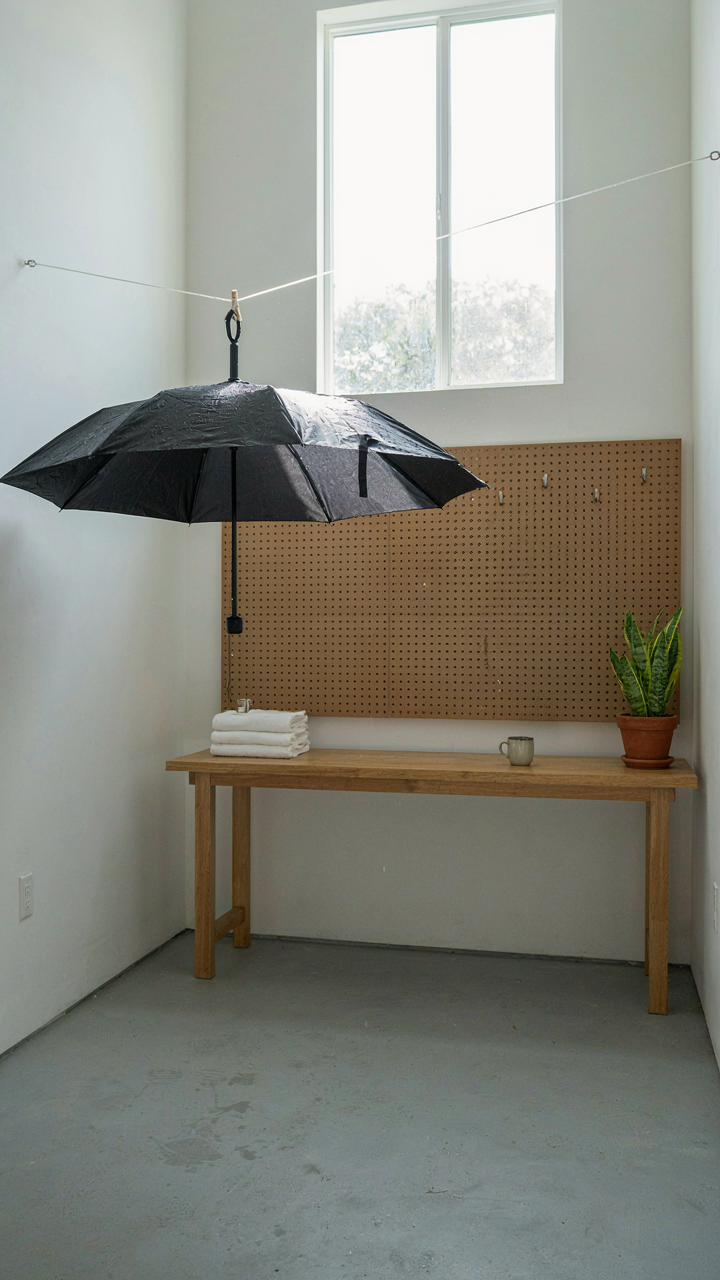
You want to believe you can toss a wet umbrella in a closet and forget it. You can’t. Mold and rust don’t care about your budget constraints or your timeline to the next wedding. The mechanism here is simple: trapped moisture accelerates decay. Fabric stays damp in enclosed spaces. Metal corrodes when oxygen can’t reach it. Open air beats storage every time.
Dry your umbrella vertically, handle down, in a well-ventilated area for at least 24 hours before storing it. Never roll it tight while damp. Leave it partially open or hang it from the handle to allow airflow through the canopy. This prevents moisture pockets that breed mold on polyester or nylon. Once fully dry, store it in a breathable cover, not plastic. Plastic traps residual moisture and creates the exact environment you’re trying to avoid.
Treating Your Umbrella Like Equipment, Not Garbage
Most people buy a budget wedding umbrella and treat it like a disposable prop. That thinking destroys the math on cost per use. Maintenance transforms a single-use purchase into a tool that works across multiple events and seasons. You’re thinking like a consumer instead of thinking like someone who owns assets.
Inspect your umbrella after each use. Check the canopy for small tears and seal them with fabric adhesive before they spread. Wipe the metal frame with a dry cloth to remove salt spray or debris that accelerates rust. If joints feel loose, tighten them gently with your hands or a small wrench. Store the umbrella in a cool, dry place away from direct heat. This isn’t about perfection. It’s about preventing the small failures that force you to buy another umbrella before the next rainy wedding comes around.

The Real Obstacle Isn’t The Rain, It’s Your Inability To See Opportunity In Imperfection
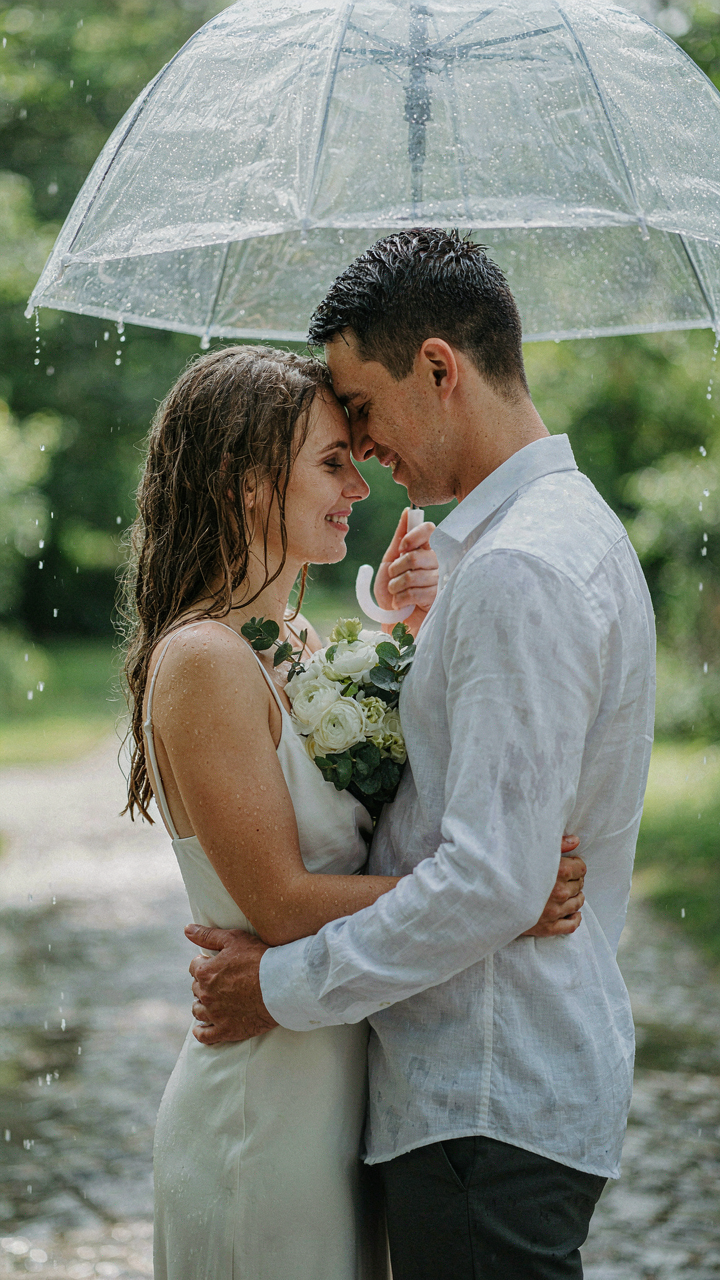
Most couples treat rain as a problem to solve instead of a story to tell. You don’t need the perfect umbrella. You need the conviction to shoot anyway. Buy a ten dollar umbrella today, stop waiting for ideal conditions, and watch how imperfection becomes your competitive advantage. Every photographer worth hiring has learned this already. The question is whether you’ll learn it before or after your wedding day passes you by.