The Illusion Of Affordable Wedding Hairstyles
What You’re Really Paying For
You want to believe a budget wedding hairstyle means you’re saving money without sacrificing appearance. That’s the trap. The real mechanism here is economics: you’re confusing price with value. A ten-dollar hair pin solves nothing if it slides out during your ceremony. A fifty-dollar professional updo that holds for twelve hours costs less per hour of reliability than a cheap pin that fails at the vows.
The wedding industry sells you “affordable” as a moral choice when it’s actually a math problem. Stylists charge based on time, skill, and material durability. Budget options exist, but they typically transfer your stress to the day itself. You save money upfront and spend it in panic. The real cost of a hairstyle is what you trade in confidence and contingency plans.
Skip The Budget Mentality Trap
Common advice tells you to hunt for discounts on fancy pins and DIY your updo to save cash. This is lazy thinking. You don’t have a budget problem. You have a decision problem. Budget language tricks you into viewing this as deprivation when you should view it as prioritization.
Choose what matters: professional styling, quality materials, or time spent learning to do it yourself. One of these three will cost you money. The other two cost you hours or risk. Decide which currency you actually have. Then allocate pins, time, and stylists accordingly. Build your solution backward from what fails least often on the day, not from what costs least upfront.
Deconstructing The White Hair Pin Myth
Why Basic Often Backfires
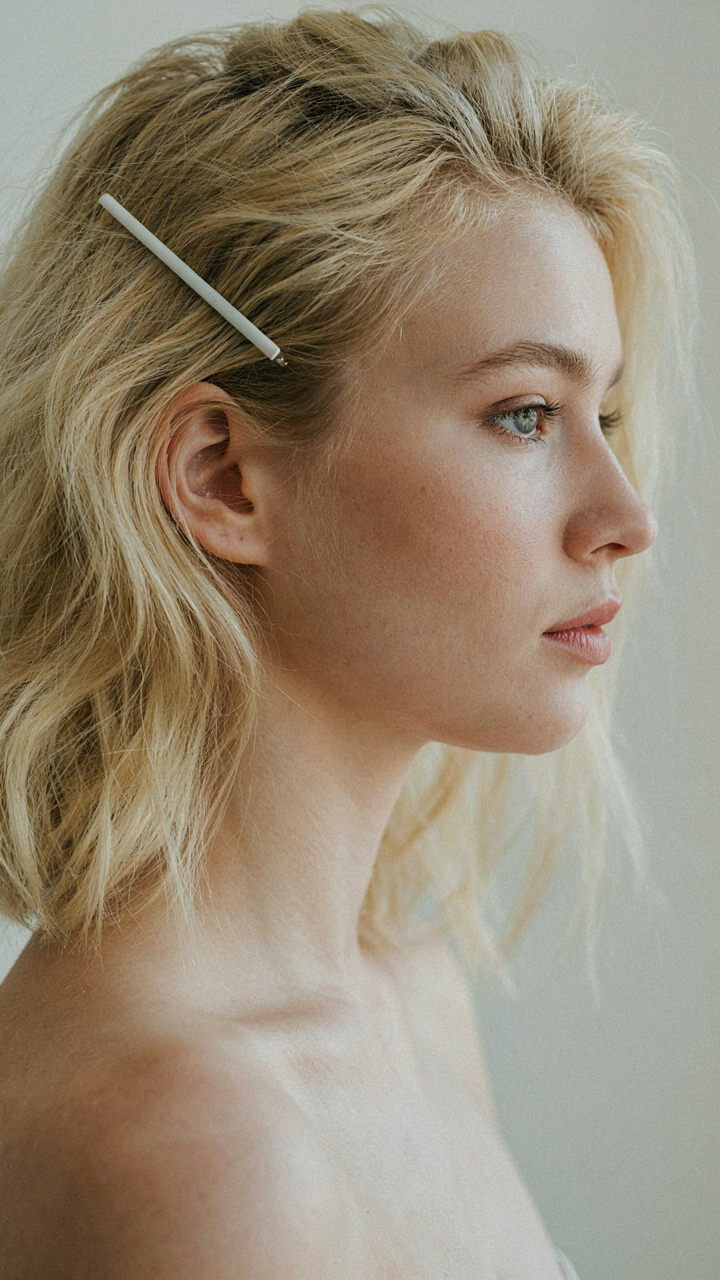
You think a white hair pin disappears into blonde hair and solves your problem on budget. That’s actually the opposite of how visibility works. A white pin against light hair creates contrast, not camouflage. The mechanism is simple: your eye tracks edges. A pin that matches your hair’s undertone blends. A pin that matches surface color alone stands out harder because the brain registers the tonal shift, not the color match.

The common advice says “match your hair color” and stops there. That’s incomplete. Metallic finish, material weight, and undertone depth matter more than the base color. A matte white pin catches light differently than a glossy one. A thin wire pin reads as fussy against thick, textured updos. You’re not choosing a pin color. You’re choosing whether light reflects off it or gets absorbed by it.
Strategic Color And Material Choices
Think like a graphic designer working with contrast and hierarchy. Your hair pin either advances or recedes in the visual field depending on reflectivity, not hue alone. Matte finishes absorb light and genuinely disappear into most updos. Glossy finishes bounce light and become a design accent whether you want that or not. Pearl-coated pins work across hair colors because their surface mimics hair’s light-diffusing properties. Metal pins demand intention: they work as visible elements, not as invisible supports.
Budget constraints force a real choice here. Cheap acrylic pins in “clear” cost two dollars but yellow over time and catch light unpredictably. Steel bobby pins in matte finish cost the same and perform consistently for years. Tortoiseshell resin pins split the difference: they run five to eight dollars, work across most hair colors without looking cheap, and hold structural integrity through repeated use. Choose material first, then color. The material determines what the color can actually do.
Silver Flower Pins For Wedding: The Understated Power
Why Metal Reads As Luxury
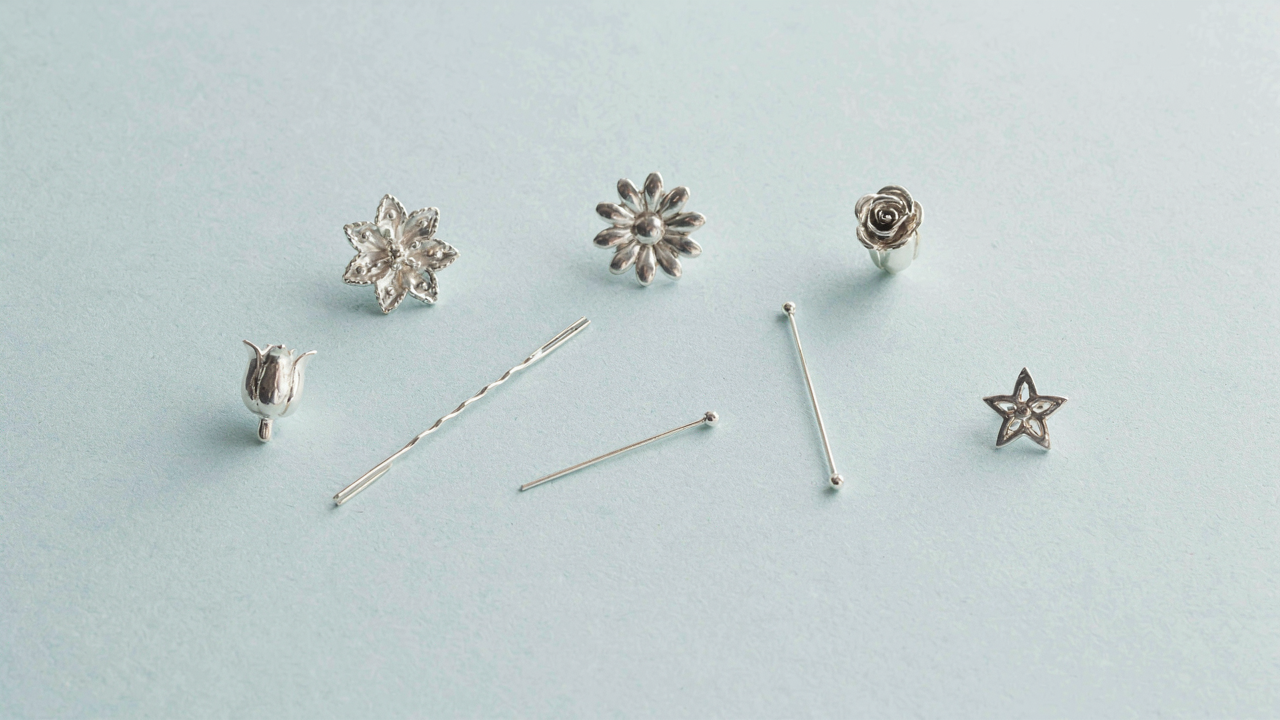
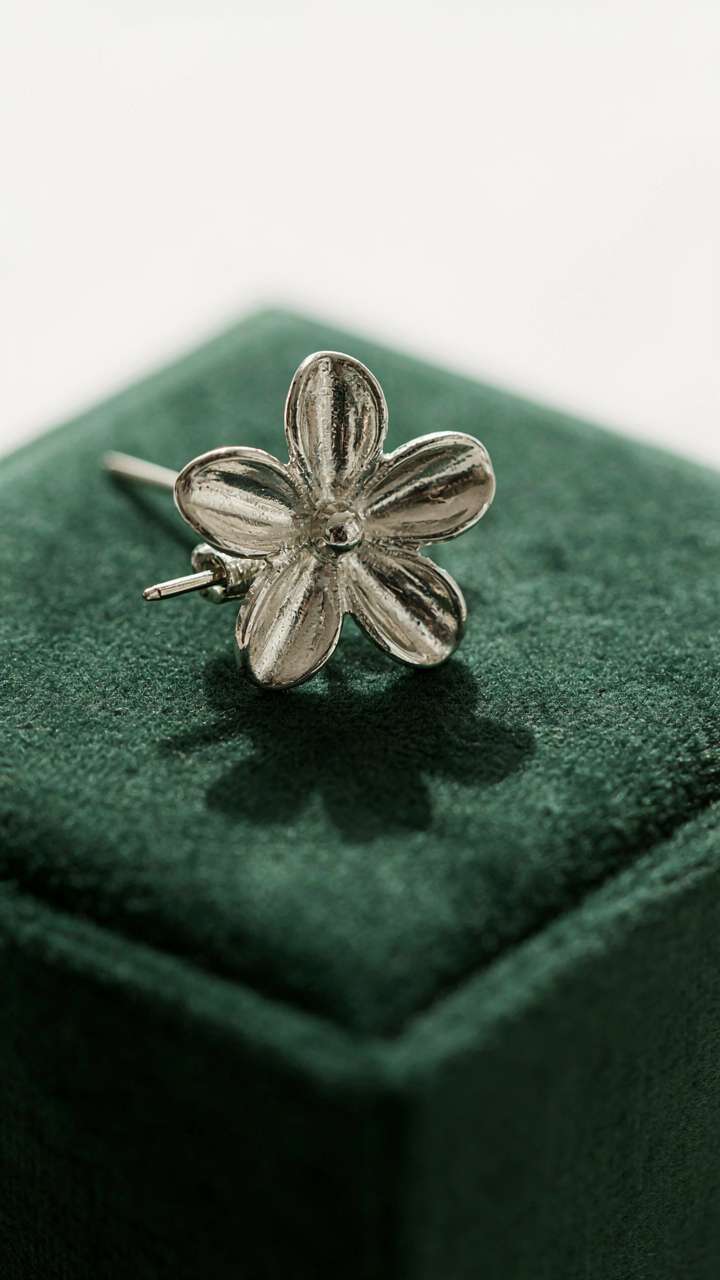
You want metal because it signals restraint, and restraint signals money. The mechanism is borrowed from economics: scarcity pricing. Silver flower pins don’t scream. They whisper, which means fewer people can identify the actual price point. A $3 silver pin reads identical to a $15 one from three feet away during photos. The material itself does the work your budget can’t afford to do verbally.

Silver oxidizes predictably and ages gracefully in photographs, unlike cheap gold plating that flakes and photographs yellow under flash. This isn’t sentiment. It’s material science applied to longevity. Metallic finishes bounce light consistently across a range of color temperatures, which means they work with every skin tone and every lighting condition at your venue. You’re not choosing an aesthetic. You’re choosing a material that performs the same job regardless of variables.
Geometry Over Gloss
Everyone chases sparkle. That’s the trap. What actually registers in wedding photographs is form, not shine. A silver flower pin with dimensional petals, raised centers, and clean lines photographs sharper and more intentional than a flat, rhinestone-covered alternative. The texture creates micro-shadows that read as sophistication, not budget constraint.
Buy pins with defined botanical shapes: anemones, ranunculus, chrysanthemums. These specific forms have clear edges that hold their visual weight in updos, even when partially obscured by hair. Avoid flat stampings or embossed designs that flatten under backlighting. The petal structure should have actual depth. When you’re securing these into an updo, the dimensional quality keeps the pin visible as an intentional accessory rather than a functional fastener people overlook.
The “Hair Accessories For Wedding” Reframe
Stop Treating Pins Like Decoration
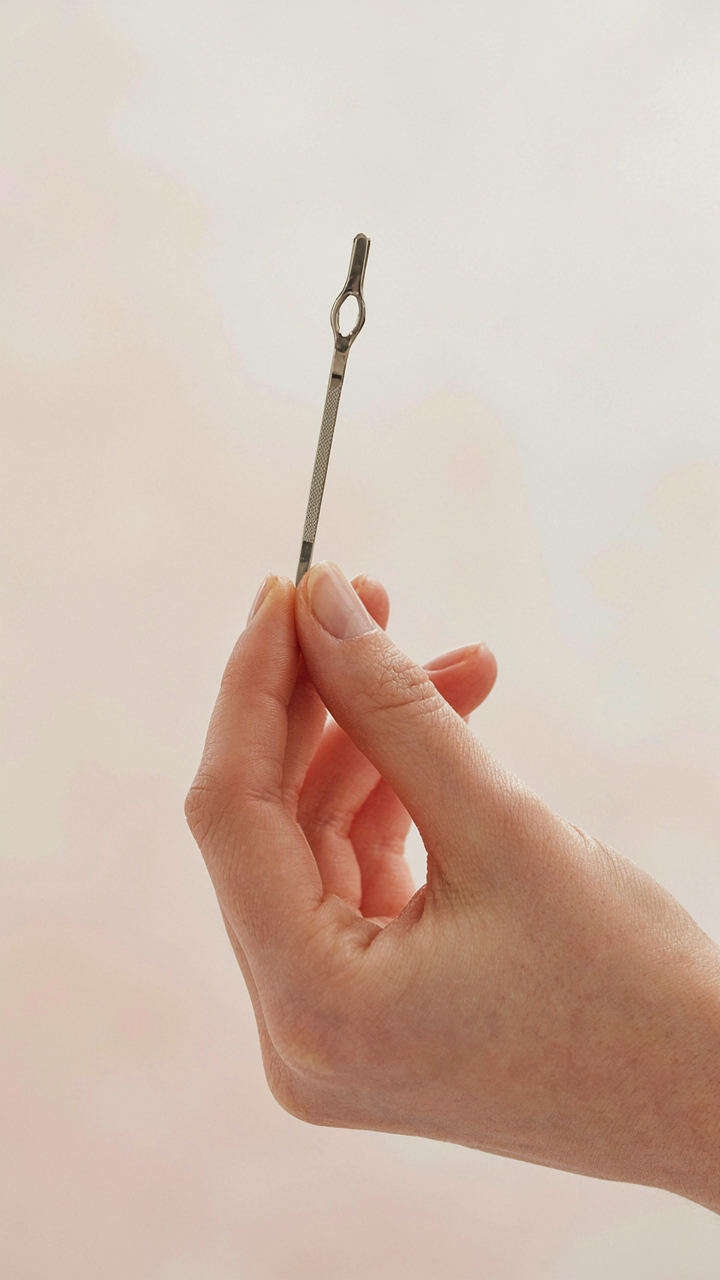
You want people to think you spent money you didn’t spend. That’s the real reason this section matters. But here’s what actually works: pins are engineering, not ornamentation. Borrow a term from mechanical design: load capacity. Your hair pins must hold the weight of your entire updo without slipping, breaking, or creating visible stress points. Cheap pins fail because they underestimate this load. The pin doesn’t just sit in your hair; it bears the distributed weight of inches of hair bundled tight.

A $2 pin and a $12 pin often use identical materials. The difference is the manufacturing tolerance. Budget pins have looser bends, thinner gauges, or poor grip texture. Your hair slides out by hour three. Premium pins hold. But you don’t need premium pricing if you buy from wedding suppliers selling wholesale, not retail markup. Check the grip pattern on the underside before ordering. Smooth pins are worthless.
Replacement Cost Over Time
Build your budget like an economist pricing durable goods, not a consumer pricing a one-time purchase. Most people buy ten pins for one wedding and throw eight away. That’s inefficient math. Wedding hair pins last five to ten years if the metal doesn’t corrode and the grip holds. Buy half that quantity but verify the materials first.
Stainless steel or aluminum alloy pins won’t rust or tarnish. Cheap plated pins oxidize within months. The real cost isn’t the upfront price; it’s replacement frequency and the emergency trip to buy more pins the morning of the event. A $3 pin you buy twice costs $6. A $5 pin you buy once costs $5. Verify the material composition on the product page before adding to cart.
DIY Flower Hair Clips Wedding: The Craft Vs. Catastrophe Principle
Why Most DIY Projects Fail Before They Start
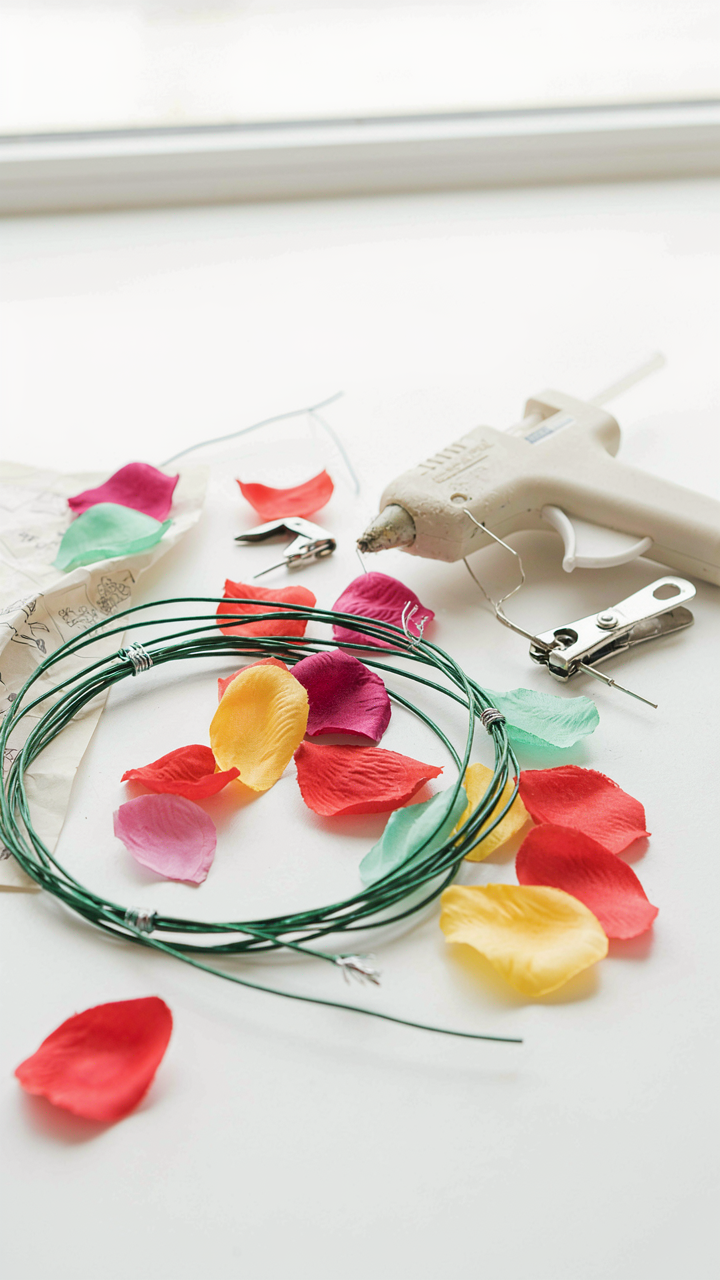
You want to believe you’ll save money by making these yourself. That’s not why you’re actually considering it. You’re hoping to prove you can execute something “handmade” without looking like you tried too hard. The real mechanism at work here is entropy: the more variables you introduce into a system, the more energy you must expend to maintain control. DIY flower clips have five moving parts—wire, adhesive, petals, base, and your own execution—before they hit a head.
Each part compounds the failure rate. Cheap hot glue guns separate from silk petals under scalp heat. Floral wire bends inconsistently, creating uneven clip tension. You spend three hours troubleshooting materials instead of assembling. The actual savings disappear the moment you buy supplies a second time after the first batch produces unusable clips. Most people don’t account for the hidden cost: wasted time is wasted money.
Brutal Triage: What Actually Deserves Your Effort
Military strategy teaches resource allocation: commit force where it creates maximum impact, abandon everything else. Most DIY wedding hair pin advice tells you to make everything yourself. That’s wrong. You should make nothing unless the material cost is the actual constraint, not the labor cost.
Pre-made clip bases cost two to four dollars each. Flowers already attached run five to eight dollars. Your time assembling them, even at conservative rates, exceeds the savings in under two hours of work. The only legitimate DIY play is buying bulk unfinished bases and attaching single statement flowers—one spray-painted brass leaf, one preserved bloom—if you already own the adhesive and workspace. Everything else is theater masquerading as thrift. Before touching a single wire, ask: does this save money or does it consume hours to save cents?
Spring Wedding Hair Accessories With Handmade Flowers: Intentional Design
Why Spring Flowers Actually Matter To Your Budget
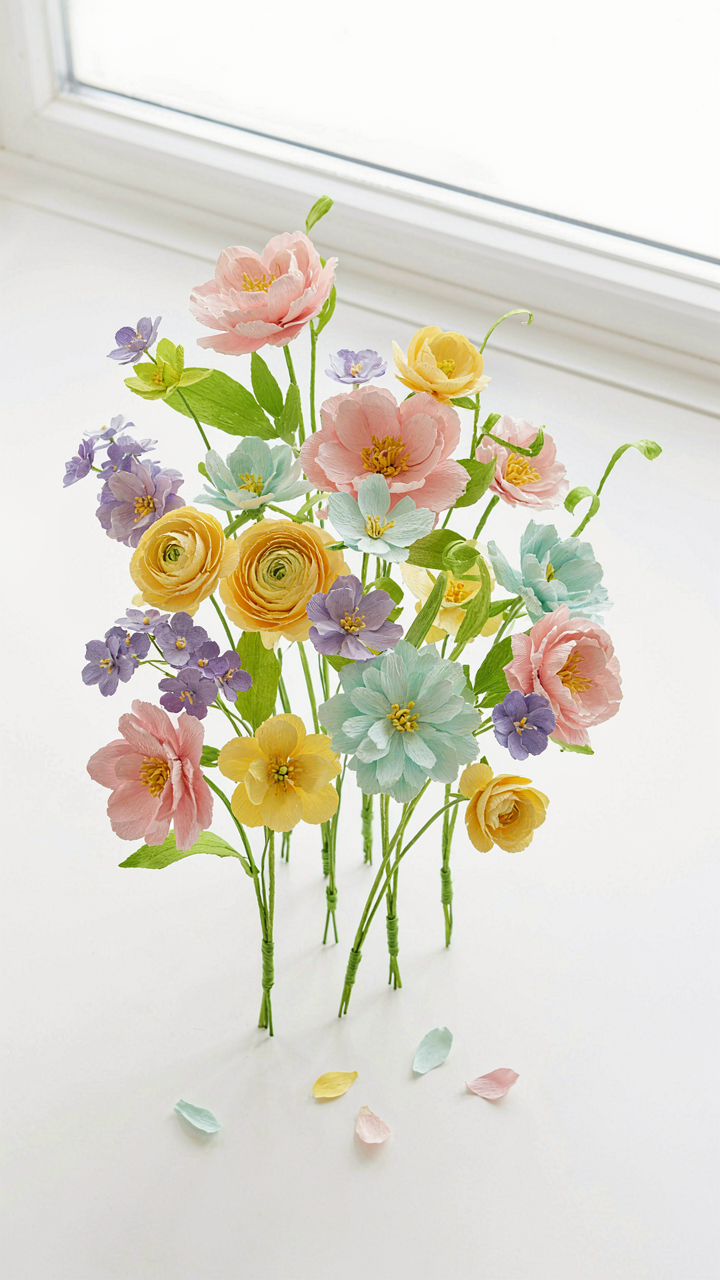
You want handmade flowers because they signal taste without the price tag of a florist. The real mechanism here is scarcity arbitrage: you’re moving a commodity (silk or paper flowers) into a category that reads as bespoke. Spring offers the most forgiving window for this trade because seasonal expectations already prime guests to see fresh elements. The abundance of spring color palettes also means you can source materials cheaply since demand spreads across dozens of color options instead of concentrating on two or three.
Seasonal relevance cuts costs in a second way that nobody mentions. Spring weddings don’t require the labor intensity of winter updos or the structural engineering of summer heat protection. Your handmade flowers work with physics instead of against it. Humidity stays moderate, gravity stays predictable, and you avoid the reinforcement costs that heavy winter accessories or sweat-resistant summer pins demand. This is where budget discipline actually compounds.
Handmade Flowers Beat Store Bought When You Stop Chasing Perfection
The common advice says handmade flowers are “more authentic” or “add personality.” Wrong frame. Handmade flowers are cheaper because you control the material cost and skip the middleman’s margin. But this only works if you accept that handmade doesn’t mean flawless. A slightly imperfect petal reads as intentional design to most observers. Store-bought flowers demand visual perfection to justify their price; handmade flowers get a pass on precision because the category itself signals craft over manufacturing.
The real pitfall is overthinking execution. Spend your effort on two elements: color accuracy and structural stability. Paper flowers hold color better than silk but break easier under tension. Silk flowers survive handling but fade if you use cheap dye lots. Pick one constraint, buy materials for that constraint, and stop trying to optimize everything at once. Attach each flower with a thin floral wire wrapped through the updo’s base section, not hot-glued to the pin itself. The wire distributes force and survives the day without cracking the bloom.
The “Floral Wedding Hair” Conundrum

Fresh Versus Artificial: What Actually Costs You
You want fresh flowers because it feels more legitimate, more “real wedding.” That’s the real motive here. But cost dynamics tell a different story. Fresh flowers demand florist labor, refrigeration before the event, and a stylist who knows how to anchor them without crushing petals. You pay for all that friction. Artificial flowers sit stable, travel without damage, and survive eight hours under heat and movement. The maintenance cost of fresh is hidden until the day of.

Artificial florals have a reputation problem they don’t deserve. Quality silk flowers now mimic real texture closely enough that guests won’t inspect your hair like botanists. The actual cost per pin runs lower for artificial. You buy them once, reuse them or gift them, and they don’t wilt during photos. Fresh flowers demand replacement if any bruise during setup. The economics favor artificial for budget-conscious planning, but you’ll encounter social pressure anyway. Pick artificial, own the choice, and pocket the difference.
Strategic Placement Stops Wasted Effort
Borrowing from architecture’s concept of load-bearing walls, your hair has structural anchor points and decorative zones. Pins work because they distribute visual weight, not because they sit everywhere. Most brides overfill their updos, treating pins like they’re free. They’re not. Each pin you add increases setup time and risk of slippage. One well-placed cluster beats scattered singles across the whole style.
The mechanism is simple: group pins at the back base or one side, where hair density gives them grip and where they photograph clearly. Side placements photograph better than full back coverage because camera angles isolate them. Concentration beats distribution. Test your placement during a trial with the exact pins you’re using. If your stylist moves pins around without a clear reason, that’s wasted time. Commit to one pattern and execute it consistently.
Romantic Wedding Hair: The Psychology Of Allure

What Actually Moves People
You want this section because you’re afraid cheap pins will read as cheap, betraying your taste on the day that matters most. Here’s what actually happens: perception of luxury operates on contrast, not price tag. In signal theory, the receptor doesn’t measure absolute value—it measures signal-to-noise ratio. A strategically placed pin with clean lines and intentional metal finish creates visual hierarchy that expensive clutter cannot. The mechanism is restraint, not material cost.
Hair pins work because they solve a specific problem: they hold structure while making structure invisible. A $3 brass pin with architectural geometry outperforms a $40 ornate pin that screams “decoration.” The eye reads intention, not expense. Weddings expose this constantly. Guests don’t photograph your pin’s price point. They photograph whether your updo looked deliberate or desperate.
Placement Strategy Over Embellishment
Every detail in your hair either reinforces the focal point or competes with it. Start with the principle of visual economy: each pin must earn its placement through function or intentional framing, never fill space. Position pins at the base of the updo where they anchor structure, or use one strategic pin as a design element at the crown. Avoid clustering multiple pins in visible areas—this reads as compensation for poor construction.
- Crown Pin: Place a single metallic pin horizontally across the crown to frame the face and mark the updo’s highest point without adding bulk.
- Nape Anchor: Use brass or matte silver pins at the nape to secure the base while staying hidden beneath layers of hair.
- Side Support: Position one pin on each side where the updo curves away from the face to define the shape without visible texture.
- Texture Break: If using bobby pins, alternate matte and metallic finishes in a deliberate pattern rather than random placement.
- Asymmetrical Balance: Place pins off-center to create visual interest and direct attention toward your best angles.
The real leverage comes from treating pins as architectural tools, not decorative afterthoughts. Budget constraints force this clarity: you cannot hide weak structure under expensive ornamentation. A $2 pin in the right position becomes invisible—which is precisely the point. Your hair style works when the pin disappears and only the updo remains.
The Floral Accessories Hair Minimalist Manifesto
One Strong Anchor Beats Ten Weak Distractions
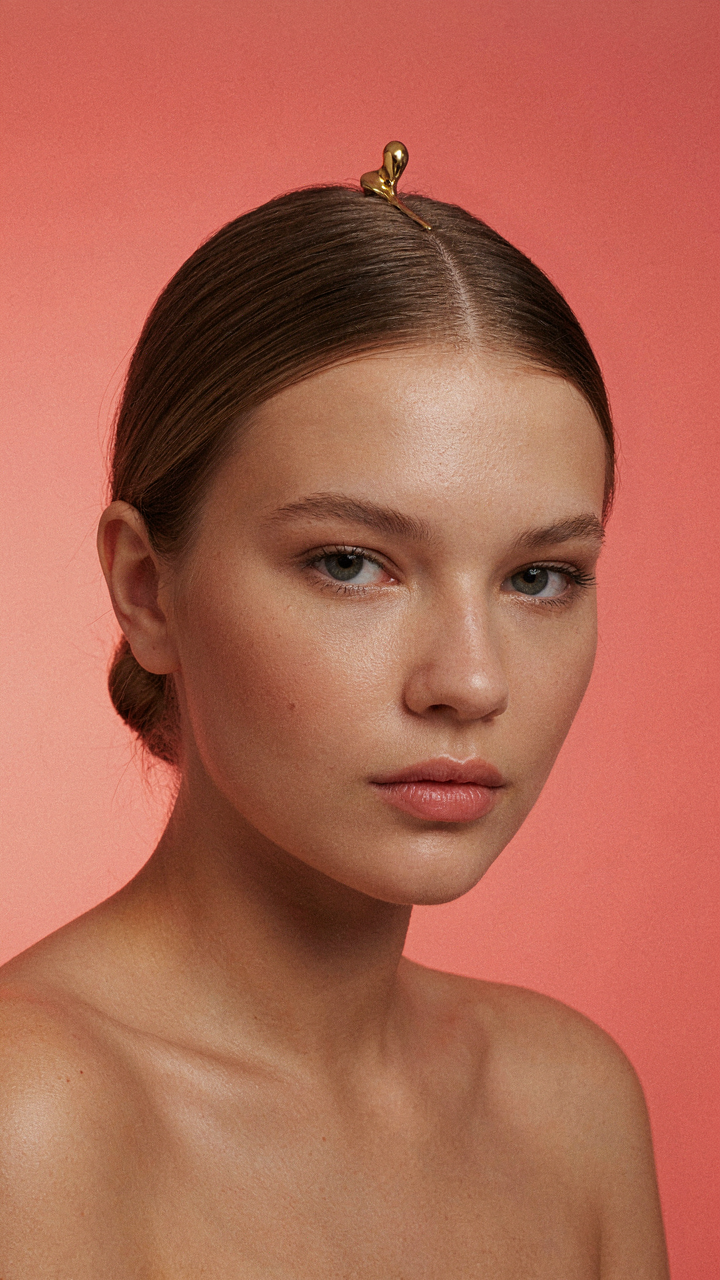
You want permission to buy less and look like you spent more. That’s the real tension here. The mechanism is simple: your brain processes visual hierarchy first, detail second. One intentional pin creates a focal point. Ten scattered pins create noise. Luxury brands learned this decades ago. They sell restraint, not abundance. A single statement pin in gold or pearl anchors an updo and costs half what a scattered collection does. That’s the trade.

Strategic placement matters more than quantity. Position your statement pin where light hits it, usually near the crown or at the base of a twist. This forces the eye to land there first, making the entire hairstyle feel designed rather than assembled. The budget follows the principle: spend on one quality piece, skip the rest.
When Emptiness Becomes The Design
Negative space is an architecture term. It means the empty room matters as much as the walls. In updo design, the gaps between sections and the exposed scalp create visual rhythm. Fewer pins expose more scalp, which reads as intentional minimalism rather than budget constraint. High-end wedding hair designers use this technique constantly. They leave sections of the updo deliberately loose and unfilled.
This shift changes how you spend. Instead of buying ten cheap pins to fill every gap, you buy two quality pieces and let the updo breathe around them. The empty space becomes part of the aesthetic. Clients pay premium prices for this exact look. Your pin budget drops because the design no longer depends on coverage. Place pins only at structural pivot points, not cosmetic ones.
The Real Cost Isn’t The Pin; It’s Your Inability To Define True Elegance On Your Own Terms
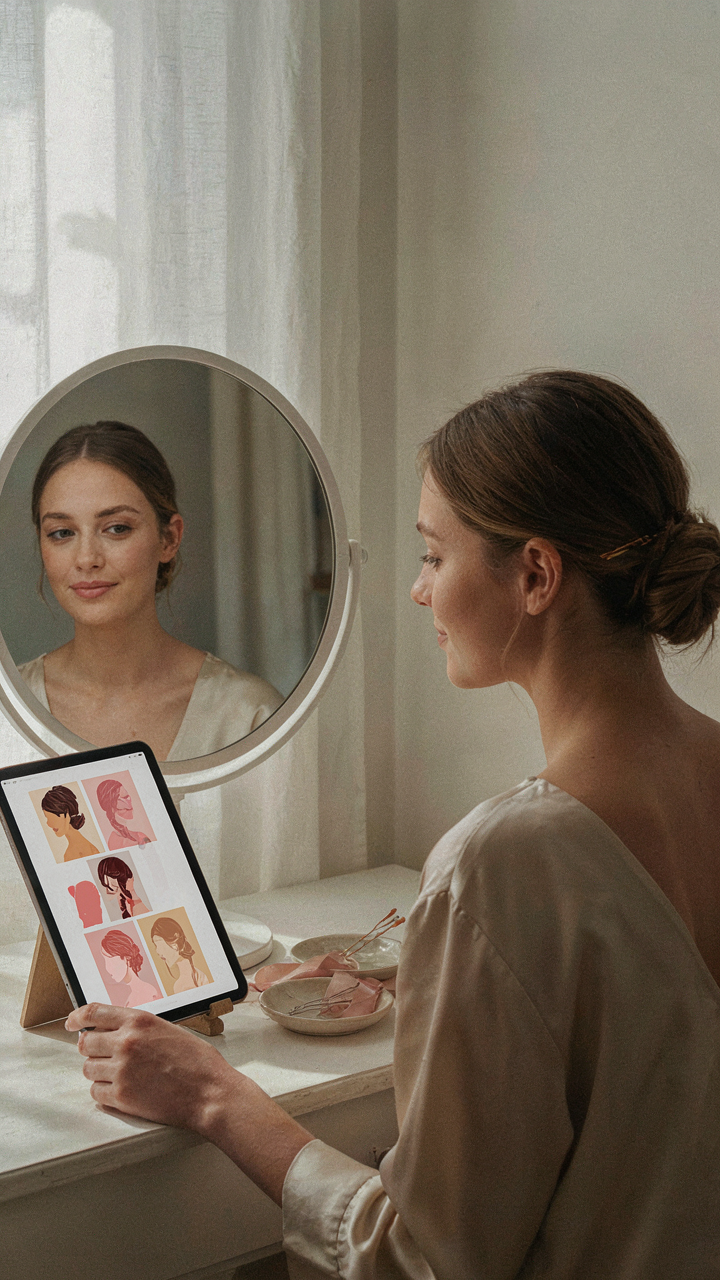
Most brides outsource their aesthetic to Pinterest instead of building it themselves. You don’t need expensive pins. You need conviction about what actually looks good on you. Spend the next hour scrolling through only the updos you’d genuinely wear in real life, not the ones that photograph well. Screenshot five. That clarity costs nothing and changes everything. Your wedding hair pin choice reveals whether you’re dressing yourself or dressing an idea of yourself.