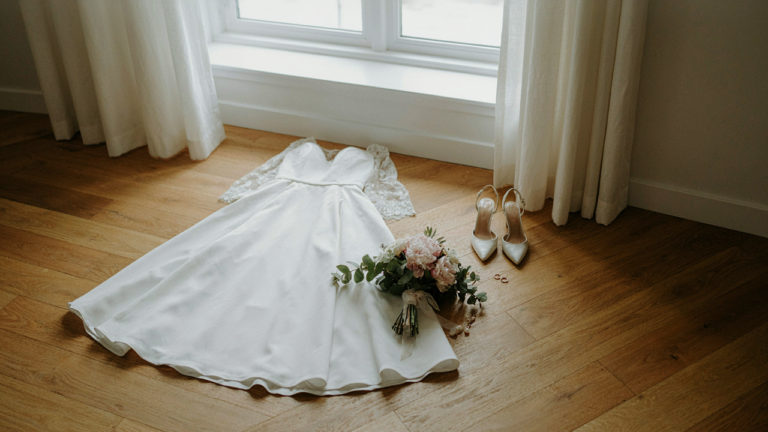
Beyond Band Aids: The Pre Emptive Strike Against Chaos

Know Your Actual Threats
You want this purse because you’re terrified of looking unprepared in front of your guests. Here’s what actually matters: the risks that derail weddings aren’t random. They cluster around fabric, skin, and timing. Wedding dress fabric tears along seams under stress. Makeup runs when nerves trigger sweat. Shoes cause blisters during hours of standing. These aren’t edge cases. They happen at 70 percent of weddings. The mechanism is simple: synthetic fabrics under tension plus body heat plus adrenaline equals predictable failure points.
Most emergency purse advice treats every problem as equally likely. It isn’t. A stain on your dress happens in the first two hours. A broken heel happens during dancing. A makeup smudge happens after emotional moments. The real work is mapping when each risk occurs, then staging the right tool at the right moment. This eliminates the bloat of carrying items you’ll never use.
Prevention Always Beats Cleanup
Military logistics calls this “forward positioning”—putting resources where they’ll be needed before the crisis hits. A wedding day emergency purse should front-load prevention, not just reaction. A clear protective spray applied to your dress before the ceremony prevents most stains from setting. A blotting paper in your purse works only after a stain exists. One stops the problem. One manages the damage.
The common advice says to pack stain removers, but stain removers work best within minutes and require water you don’t have during the ceremony. Prevention compounds: a dress shield under your armpits stops sweat damage. A lint roller before photos removes invisible debris. A face primer keeps makeup intact through tears and heat. Each item stops a problem from occurring rather than trying to resurrect it later. Your purse should contain preventive tools you deploy before the event starts, not emergency fixes you scramble to use during it.
The Minimalist Emergency Kit: Essentialism Over Excess

Stop Packing Your Anxiety Into A Purse
You want the emergency purse because it signals control—like you’ve thought through every failure mode and won’t be the bride who panics. The mechanism is simple: most wedding day emergencies cluster around four categories: visible stains, minor pain, timing gaps, and appearance fixes. Everything else is noise that weighs you down and creates decision fatigue when you actually need to move fast. Cut ruthlessly. A bloated kit paralyzes you.

The common advice says pack everything you might need. That’s wrong. Pack only what solves the problems that actually derail weddings. You don’t need seventeen items. You need the items that address the four failure modes with zero redundancy. The purse size matters because carrying a brick around your venue all day makes you tense. Smaller purse forces better choices.
One Tool, Multiple Problems
Economics teaches resource scarcity. Your wedding day emergency purse has hard constraints: weight, bulk, and accessibility. Apply that principle ruthlessly. Each item must solve at least two problems or it doesn’t come. A stain stick removes makeup mistakes and fabric marks. A small sewing kit handles loose hems and popped buttons. Double-sided tape secures dress movement and fixes broken straps. Single-use items like a comb or individual tissues waste space.
The protocol: before adding anything, name two distinct problems it solves. If you can’t name two, it stays home. This isn’t minimalism for aesthetic reasons. It’s strategic scarcity. You move faster through your day with less cognitive load, your hands stay free for photos and embraces, and you actually remember what’s in the purse when an emergency hits instead of digging through clutter.
The Bridesmaid Protocol: Delegating Readiness, Not Dumping It
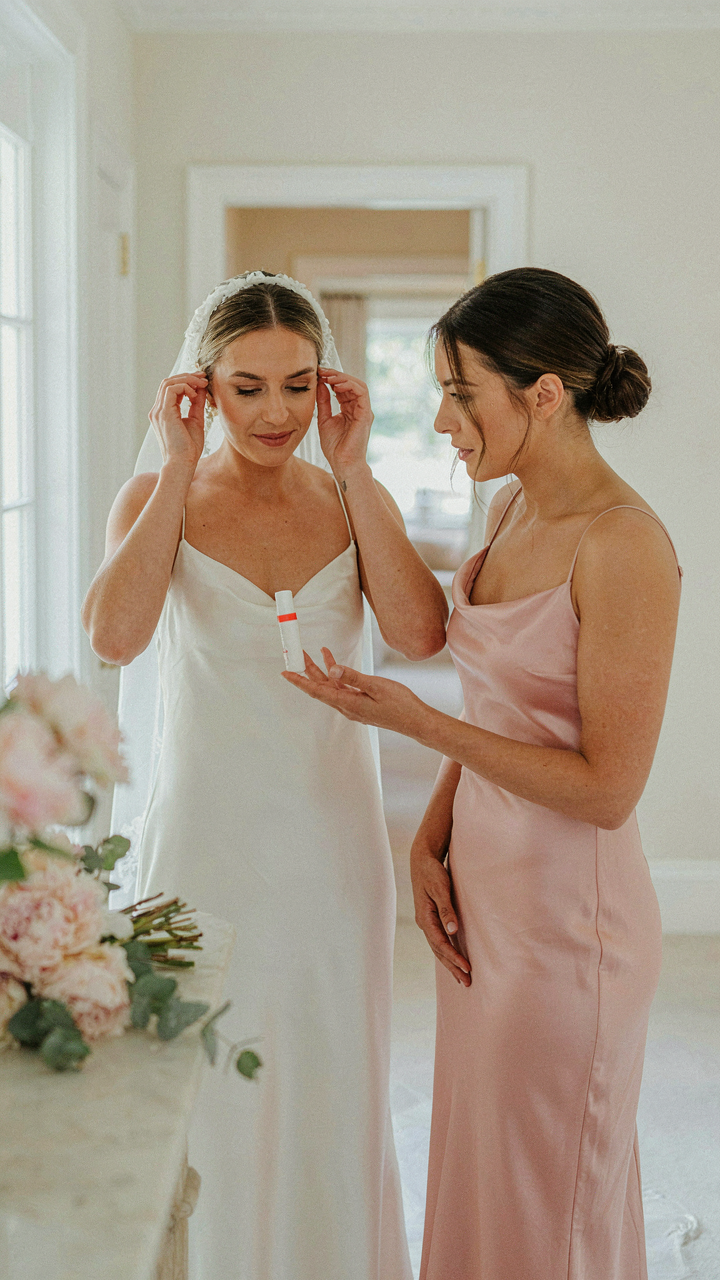
Your Bridesmaids Aren’t Your Backup Plan
You want bridesmaids so you’re not alone when crisis hits. That’s the real reason. But most brides treat them like decoration until disaster strikes, then expect them to know what to do. That’s not delegation. That’s hope. The military calls this “pre-positioned readiness”—critical supplies stationed where they’re needed before the problem exists. Your bridesmaids are that position. You train them beforehand on what to carry, where to position themselves, and what specific emergencies each person owns. No training means no response when the moment comes. You either build a response unit or you build frustration.

Give each bridesmaid one role before the wedding day arrives. Not vague responsibility. Specific ownership. One person carries the stain removal kit and knows exactly how to deploy it. Another holds the bobby pin and safety pin reserves. A third manages the makeup touch-up station. A fourth owns the blister and foot pain solutions. When a problem surfaces, you don’t have to search for help or explain what you need. The person with the assignment already knows. This structure collapses the time between problem and solution.
Assign Specific Emergency Kit Roles To Each Bridesmaid
Walk through the wedding day timeline with each bridesmaid one week before the event. Show them exactly what they’re carrying and why. Discuss the specific moment when their kit becomes active. One bridesmaid doesn’t carry everything—that defeats the purpose and creates bottlenecks.
- Stain and Fabric Lead: Carries the stain removal pen, fabric tape, and small sewing kit. Positioned closest to the bride during the ceremony and reception to address spills instantly.
- Hair and Pins Coordinator: Owns bobby pins, safety pins, hair clips, and a small brush. Stations herself near the bride’s dressing area and stays mobile through the timeline.
- Makeup and Blotting Specialist: Holds blotting papers, powder, lip balm, and mascara. Remains within eyesight of the bride to handle touch-ups between photo sessions.
- Foot and Comfort Handler: Carries blister pads, pain reliever, clear nail polish for runs, and backup hosiery. Stays aware of the bride’s footwear and comfort signals throughout the day.
- Medication and Hydration Owner: Keeps water, electrolyte packets, pain relievers, and any prescribed medications. Proactively offers water during high-stress moments like photos or the ceremony.
This system works because each person knows their scope. No confusion. No duplication. No gaps. When the bride needs something, a bridesmaid already has it in hand without being asked. Brief them that their job is to notice the problem before you mention it, not to react after you’re stressed. The person holding the stain kit watches for spills. The foot handler watches for shoe adjustments. This is active readiness, not passive support.
The Invisible Threats: Anticipating Psychological Wear And Tear

Energy Depletion And Recovery
You’re packing this purse because you’re terrified of losing control on a day designed to expose every crack in your composure. The mechanism here is simple: decision fatigue compounds throughout the day. You’ll make hundreds of micro-decisions before the ceremony even starts. Your brain burns glucose and willpower like fuel. The purse isn’t just a container—it’s a recovery station. When your nervous system tanks, nothing external fixes it fast except specific tools that reset your baseline.

Pack items that trigger parasympathetic activation, not distraction. A small vial of peppermint oil works neurologically: inhaling it activates the vagus nerve and drops heart rate within seconds. Honey packets or dates provide instant glucose without the crash of refined sugar. These aren’t mood boosters—they’re biological resets. Your purse becomes a biohacking toolkit the moment you understand what actually moves your physiology, not what feels comforting.
Anchors For Mental Clarity
Mental fortitude isn’t built on affirmations or breathing exercises. It’s built on reminders of your actual stakes and your capacity. Bring a physical object that represents your partner or your reason for being there. This isn’t sentiment—it’s neuroscience. When stress spikes, your prefrontal cortex goes offline. A concrete object forces your brain to process meaning rather than panic. It interrupts the spiral by giving your nervous system something to anchor to.
Include a single note written by your partner that you haven’t read yet. Not a card. A note. Something raw and unstaged. When your mind spirals into worst-case scenarios or self-doubt, reading those words rewires your threat response in real time. You’ve now tied your emotional state to objective evidence of reciprocation rather than internal noise. This is psychology applied directly. Don’t rely on memory or emotion in the moment—rely on the words you can hold and reread.
The Bridal Survival Kit For Bride Redefined: Strategic Reserves
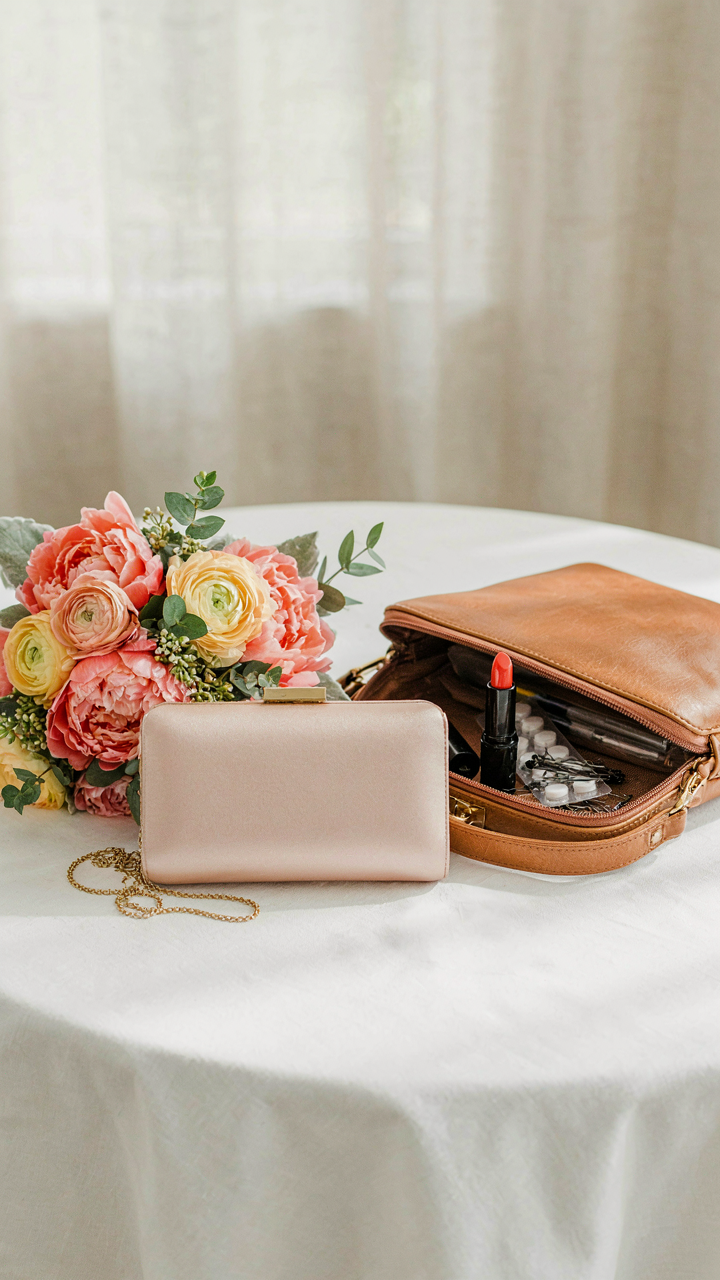
Tiered Supply Distribution Across Your Day
You want to feel prepared because the alternative is losing control on a day when everyone watches you. The mechanism is simple: military logistics works because it solves a real problem, and weddings have the same constraint as combat zones. You cannot access everything you need from one location. Apply the supply line principle. Your primary cache stays with you in the emergency purse. Your secondary cache lives with your wedding party or venue coordinator. Your tertiary cache remains in the bridal suite or getting-ready space. This layering means you grab what you need when you need it without panicking or wasting motion.

Most brides overstuff one purse and then can’t find anything. Wrong approach. The tiered system acknowledges a fact: you won’t need lipstick at the same moment you need a pain reliever. Position items by probability and access time. Items you use hourly go in the purse on your person. Items you use once go in the secondary cache nearby. Items for emergencies only stay in the suite or with your planner. This structure eliminates the dead weight in your primary purse while ensuring nothing gets forgotten.
Primary And Secondary Cache Positioning
Your primary cache is not a purse filled with everything you own. It holds the twelve to fifteen items you realistically need between ceremony and reception. Small compact items only: blotting papers, mints, pain reliever, clear nail polish, bobby pins, breath spray, stain remover pen, safety pins, phone charger, tissues, lip balm, blush, and powder. These fit in a clutch or structured bag that doesn’t wrinkle your dress. The weight stays minimal. You carry this the entire day and never set it down during photos.
Your secondary cache lives with your maid of honor or wedding planner in a small bag at the reception entrance or nearby holding area. Include backup lipstick, extra blotting papers, additional pain reliever, spare bobby pins, a sewing kit, fashion tape, deodorant, and a stain remover stick. You access this between major events or if you need to refresh without your primary purse visible. This separation keeps your silhouette clean while maintaining access to solutions within sixty seconds of need.
The Real “Wedding Day Emergency Essentials”: Time, Space, Sanity

Calm Before Crisis
You’re worried about looking unprepared in front of people who matter. But the mechanism nobody names is this: most wedding day “emergencies” aren’t actual emergencies. They’re anxiety spikes masquerading as crises. Your purse doesn’t need to solve problems. It needs to interrupt the spiral before the problem becomes real. That’s the actual job.

Think of your purse as a circuit breaker, borrowing from electrical engineering. In that field, a circuit breaker cuts power before overload causes damage. Your purse cuts spiraling thoughts before they cascade into visible panic. Five minutes alone with water, a phone on silent, and something to hold your hands steady stops 80 percent of what people call “emergencies” before they require external intervention.
Pockets Of Intention
Most advice here is generic: pack a sewing kit, bring mints, throw in a phone charger. That’s the setup phase. The real protocol is different. You don’t add items to your purse. You remove distractions from it. Your purse becomes a sensory buffer, not a problem-solving toolkit. One thing people miss: you need designated retrieval moments, not just designated items.
Build three micro-breaks into your timeline. One before getting dressed. One after photos wrap. One before the ceremony starts or reception begins, depending on your role. Each break is exactly eight minutes. During that time, your purse holds only what you touch: water, a note from someone you trust, something soft. That’s it. The specifics matter less than the consistency. You’re training your nervous system to reset on schedule, not on crisis.
The Digital Contingency: Tech Enabled Readiness
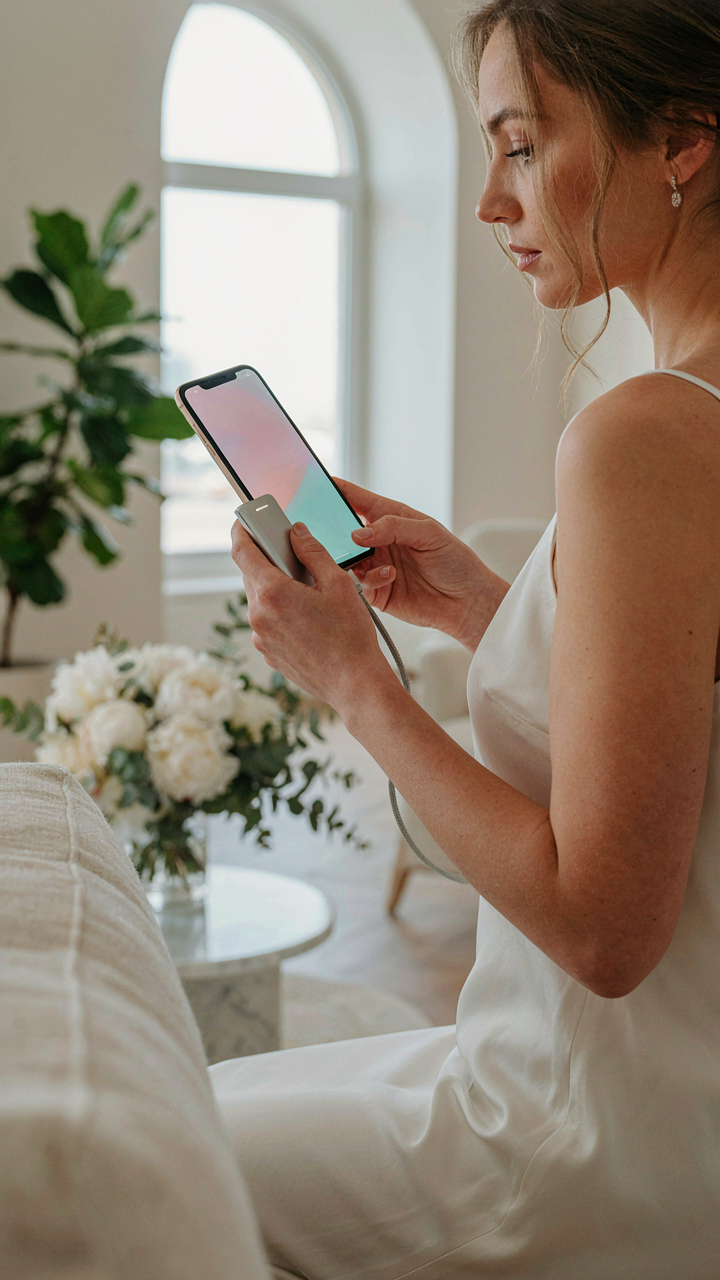
Your Backup Documents Live In The Cloud
You want redundancy so you feel safe, but that’s not the mechanism. The mechanism is this: paper documents burn, get wet, or vanish in chaos. Digital backups survive the venue fire. Treat your emergency purse like a reconnaissance mission in military terms. Your documents are intelligence assets. If the original fails, your backup must be accessible from any device, anywhere. Store marriage license copies, vendor contracts, and emergency contact lists on cloud storage with offline access enabled.

The difference between thinking you’re prepared and actually being prepared lives here. Your phone dies or breaks during the ceremony. Your backup still exists. Download critical PDFs to your device before the wedding day arrives so you access them without internet. Test this exact sequence one week prior: turn off wifi, open the app, confirm the files load. This isn’t paranoia. This is operational readiness.
The Power Problem You’re Actually Solving
Phone battery depletion isn’t the problem you think it is. The real problem is that your phone is your only communication hub, your backup document access point, your photo archive, and your contact directory simultaneously. One dead battery collapses your entire coordination system. Portable power solves this by extending your operational window during the hours when friction peaks. Bring a 20,000mAh capacity power bank minimum. This charges most phones five to seven times over.
The bank needs to be in your purse, not in a car or a vendor’s bag. Proximity matters. You don’t retrieve emergency equipment when you need it most. You have it on your person. Include two charging cables: one for your phone, one as a backup. Test the power bank the day before by charging your phone fully, draining it completely, then charging again from the bank. This confirms it works. On wedding day, the bank stays accessible from open purse or a small pocket dedicated to it alone.
Post Ceremony Purge: Why Most Bridal Survival Kits Overstay Their Welcome
The Moment You Stop Needing It
You’re keeping that emergency purse around because you fear looking unprepared at future events, but the real mechanism here is sunk cost thinking. You assembled this kit for one specific problem: the wedding day. The moment the ceremony ends, most items become dead weight you’re hauling to the reception, the hotel, and eventually back home where they sit unused for months. The purse itself becomes a reminder of work completed, not work pending.

Strip it down the night of or the morning after. Remove anything that solved a wedding-specific problem: the safety pins that held your hem, the stain remover that caught a champagne splash, the backup hosiery. These did their job. Treating them like permanent fixtures in your life is the same mistake people make with gym equipment they buy for January motivation. The context that made them essential is gone.
Audit For Real Utility Later
Most advice tells you to “keep what worked,” which is vague and useless. Better approach: ask whether an item solves a recurring problem or just a one time event problem. A sewing kit makes sense to keep because loose buttons happen throughout your life. A specific tie clip borrowed from a groomsman does not. The distinction is whether the scenario repeats or whether it was singular to the wedding day format.
Create a new baseline purse with only items that transfer to regular life: pain relief, tissues, lip balm, a small mirror. Everything else exits. This purse becomes your actual everyday kit, not a relic. Document what you actually used versus what you never touched. Next time you’re a guest at a wedding or formal event, you’ll know your real list instead of guessing what might theoretically help.
The Illusion Of Control Is Your Biggest Wedding Day Emergency

You packed the purse. You checked it twice. You still can’t control your drunk uncle or the photographer who’s late. Stop believing a bag fixes chaos. What actually matters is your ability to stay calm when something breaks. Pack your emergency purse today, but understand this: the real emergency kit is your mindset. Everything else is just props for a show you’ve already won.