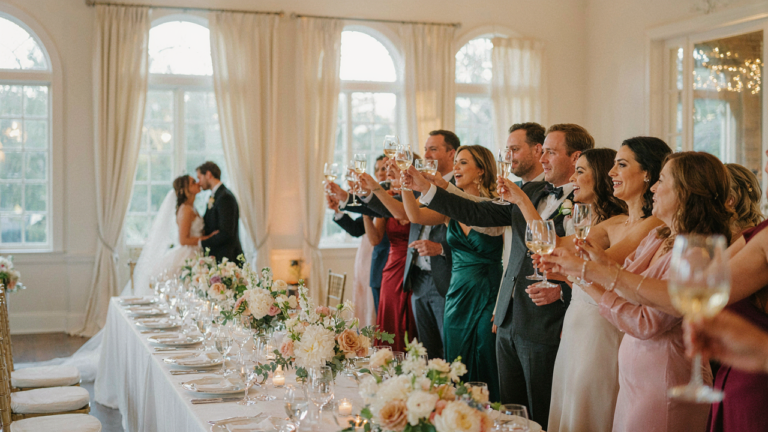
The Echo Chamber Effect: Why Generic Advice Fails
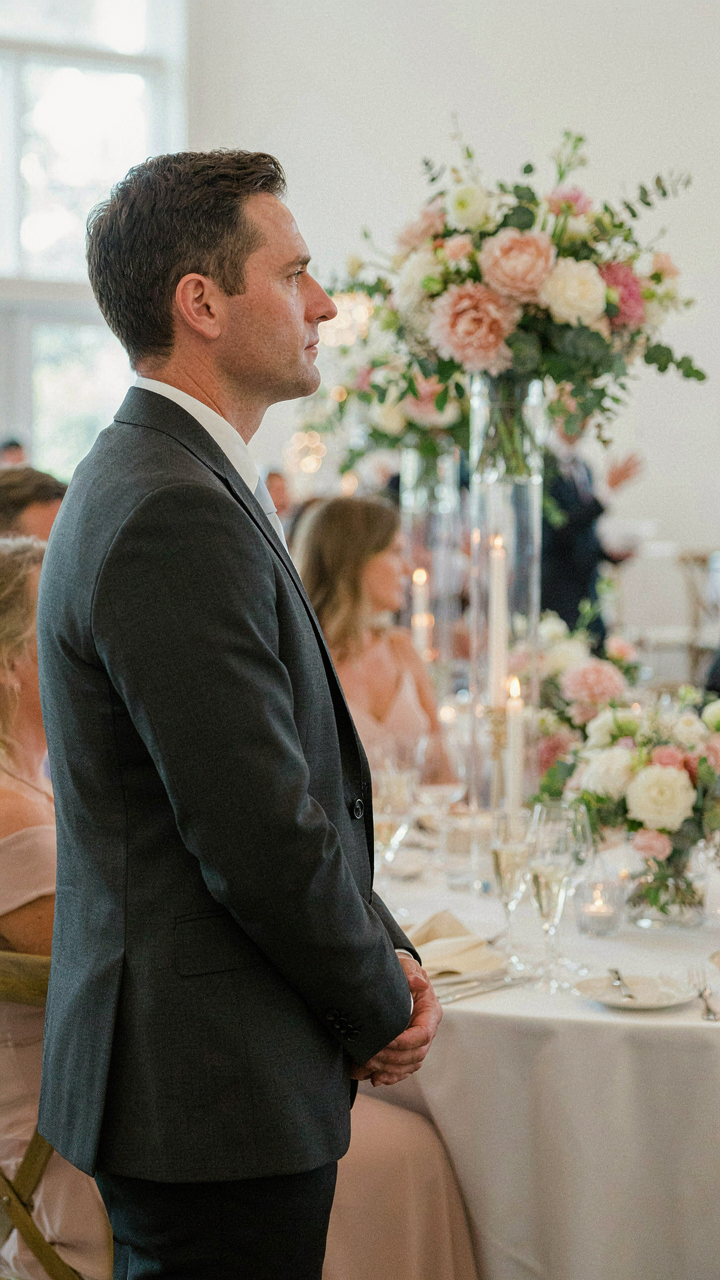
Second Marriage Isn’t An Apology Tour
You’re worried people will judge you. That’s the real reason you’re reading this section. The mechanism at play is reputation risk—you think a speech is a chance to rehabilitate your image, so you overthink it into something safe and hollow. This is backward. A second marriage speech isn’t a defense. It’s a statement of forward motion. The person giving the speech isn’t responsible for explaining the past. They’re responsible for acknowledging the present couple and why this union matters.
The worst speeches treat a second marriage like a lawsuit settlement. They hedge. They apologize for nothing in particular. They make careful statements designed to offend nobody, which guarantees the speech offends everyone by saying nothing true. Strip this instinct out. Your job is to speak about who these two people are now, not who they were before. Reference the past only if it directly illuminates something real about the relationship in front of you. Otherwise, move forward without apology.
Wisdom Isn’t The Same As Material
You have an advantage: you’ve seen relationships work and fail. Most people haven’t thought about why. The mistake is treating past experience like a credential that automatically makes your speech profound. It doesn’t. Experience becomes useful only when you extract the specific mechanism from it, not the sentiment. If you’ve learned something concrete about what makes a partnership function—about communication under pressure, about choosing someone who challenges you, about rebuilding trust—that’s material. If you’ve learned to be cautious and skeptical, keep that to yourself.
The second marriage audience expects a different tone than a first marriage audience. They’re not naive. They know relationships are hard. This means your speech can acknowledge difficulty without being dark about it. You can reference struggle as proof of commitment, not as tragedy. The protocol is simple: identify one observation from your life experience that directly applies to this couple. Make it specific enough to matter and honest enough to land. Then use that observation as the spine of one section in your speech, not as filler to pad out the whole thing.
The Authenticity Protocol: Crafting Your Real Story

What The First Marriage Taught You
You want permission to skip the hard parts of this speech. That’s what this section is really about. But that’s exactly backwards. A second marriage speech that dodges what you learned becomes noise. The mechanism is simple: vulnerability in a second marriage context signals growth, not failure. You’ve already failed once publicly. The audience knows it. Pretending otherwise makes you look defensive. Naming what the first marriage taught you flips the narrative from loss to data.

The actual work here is surgical. Extract one genuine lesson from the first marriage that shaped who you are now. Not the divorce reasons. Not blame. One specific thing you understand about commitment, communication, or yourself that you didn’t before. Then connect it directly to why this marriage is different. This isn’t therapy. It’s proof you’re not repeating the same pattern. The audience needs to see the learning, not hear an apology.
The Vision You’re Building Together
Economics calls this “revealed preference.” You show what you actually value through your choices, not your words. In a second marriage speech, your revealed preference is this: you chose again. You didn’t give up on partnership after it failed once. That choice matters more than any metaphor about new beginnings.
The second half of this protocol is forward-facing and specific. Name one concrete thing you and your partner are building together. A shared goal. A life direction. A principle you both hold. Not “love” or “forever.” Something you can actually point to. This works because it tells the audience you’ve thought past the wedding day. You have a plan. You’re not just hoping this works. You’re structuring it to work. End your speech here, on that specific vision, not on a feeling.
Beyond Vows: The Art Of The Elevated Wedding Speech

Vows For Second Marriage
You want permission to skip the guilt. That’s the real reason you’re reading this. The mechanism is simple: second marriage vows fail because people treat them like a redo of the first. They apologize in metaphor. They hedge. They spend energy managing how the room perceives their past instead of stating what they actually learned and what they’re actually committing to now.

Real second marriage vows do three things. They name what changed in you between then and now, not what went wrong before. They commit to a specific behavior or orientation, not a feeling or a promise to “do better.” They point forward only. The vow becomes credible because it’s tethered to demonstrated growth, not hope.
The Storytelling Framework That Works
Narrative structure in public speaking operates like a loading ramp in logistics: you move the audience from their current cognitive state to a new one. The common advice is to “tell a story that matters.” That’s worthless. You need to select a story where the turning point mirrors the actual turning point in the person’s life.
Pick one moment where you saw the groom or bride make a choice that showed who they actually are, not who they thought they should be. Build to that moment. Linger there. Then name what that choice revealed about their capacity for the person they’re marrying. The speech ends when you state the logical consequence of that revealed character. You move the room from not knowing something to knowing it. That’s all.
The Resonance System: Reaching Every Audience
The Family Layer: Honoring What Came Before
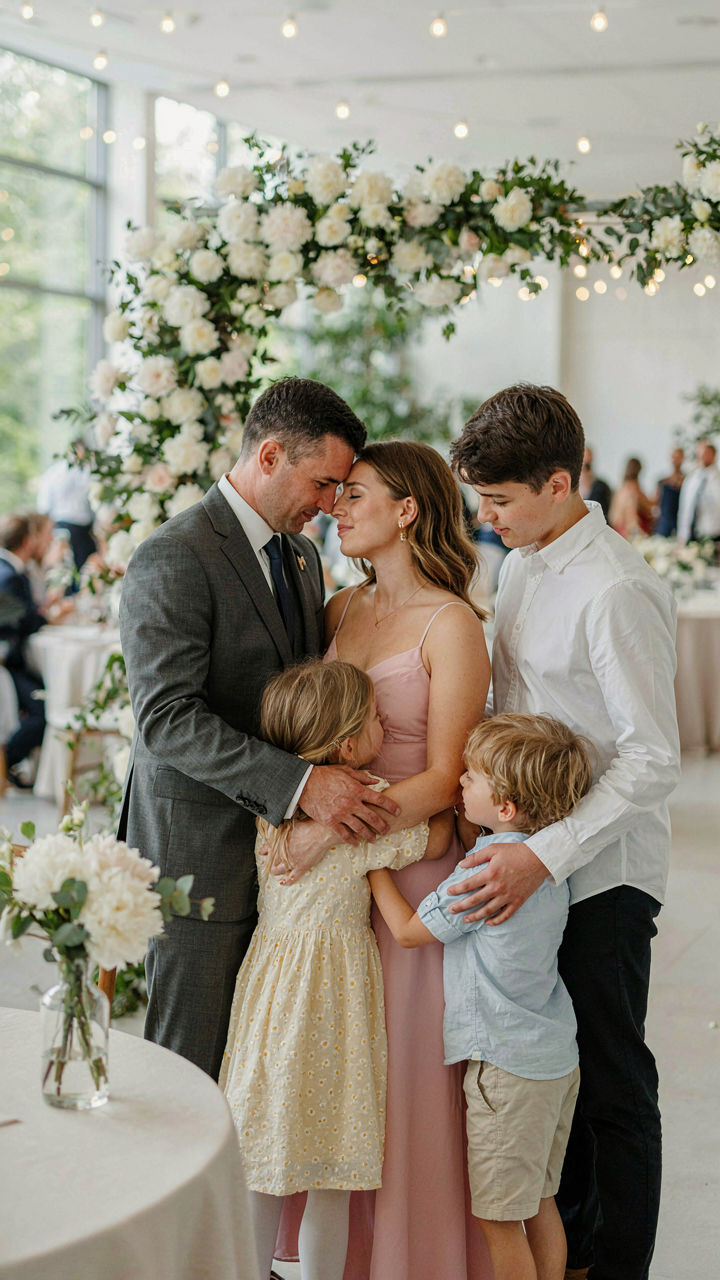
You’re nervous about how this lands because you don’t want to seem like you’re erasing the past or choosing sides in a room full of people with conflicting loyalties. That fear is the mechanism you need to understand: a second marriage speech fails when the speaker treats the first marriage like a landmine instead of like history. Borrow from systems theory, which calls this “state acknowledgment”—you name the prior state without trying to dissolve it or defend against it. The room already knows what happened. Your job isn’t damage control. It’s permission.

Name the first marriage directly if kids are present. Say the person’s name. Acknowledge the real family that exists. Then pivot to the present relationship without apology or explanation. The people who knew the first marriage aren’t fooled by erasure—they’re waiting to see if you respect what actually occurred. Specificity here builds trust faster than circumlocution ever will. When you say, “I know how much [child’s name] meant to [ex-spouse’s name], and I know how much they mean to [current spouse],” you’ve just made the room’s tension drop because you’ve stated the obvious truth that nobody wanted to say out loud.
The Integration Move: Welcoming New Layers
The common advice here is to “make everyone feel included.” That’s vague and useless. What actually works is naming the new relationships as legitimate from the first mention, not as add-ons. In organizational dynamics, this is called “co-legitimation”—two separate systems becoming one by explicit recognition from leadership. Your role in a second marriage speech is exactly that: the person who names the new family structure as real, not provisional.
Reference the new in-laws by name. Reference step-siblings, step-parents, or blended dynamics by their actual role, not as a category to be managed. Avoid saying things like “everyone here who cares about [couple]” because that’s so broad it erases the specific new kinships that just formed. Instead: “I’m grateful to [name], who brought their kids into this, and to their ex who raised them right, because [couple’s name] gets to be part of something bigger now.” The mechanism is specificity plus acknowledgment of multiple truths existing at once. That’s what makes people relax.
Deconstructing “Perfect”: The Imperfect Groom’s Speech

The Vulnerability Paradox
You’re worried the room will judge you for being here the second time. That’s the real thing. But here’s the mechanism: vulnerability in a second marriage speech works like negative space in design. The empty room around an object makes the object visible. Your acknowledgment of past failure creates contrast that makes your present commitment credible. People don’t trust flawless narratives from men who’ve already broken one.

The common advice tells you to ignore your first marriage entirely. That’s incomplete. You don’t need to relitigate what happened, but you do need to show you learned something about commitment itself. Name one specific thing you understand now that you didn’t before. This isn’t therapy. It’s proof that you’re not repeating the pattern. The audience measures your growth by how clearly you articulate what changed in how you show up.
Confidence Without Apology
Stop treating your history like a liability. The old marriage isn’t a debt you need to pay down in this speech. Confidence here means stating your choice plainly, not performing regret. You chose this person. You built something that matters to you both. That’s the entire conversation.
The mechanism is simple: apologies in a second marriage speech signal that you’re still uncertain about the decision. Certainty is what people actually respond to, not contrition. You move forward by stating your position clearly and then moving to the marriage itself. Spend 80 percent of the speech on who your partner is and why you want to build with them. The remaining 20 percent is you, present tense, committed. That ratio ends the speculation.
The “Second Chance” Fallacy: Redefining Renewal

What A Second Marriage Actually Is
You want this speech to feel redemptive. You’re worried it won’t. Here’s the mechanism: a second marriage isn’t a corrected version of the first one. It’s a fundamentally different contract. The biological term is adaptive radiation—when an organism enters a new niche, it doesn’t evolve backward into what it was. It builds new structures for a new environment. Your speech should name this openly instead of tiptoeing around “fresh starts.” The couple isn’t erasing history. They’re operating in different conditions with different resources and knowledge.

The speech fails when it treats the second marriage as a sequel to the first. It succeeds when it acknowledges that loss, failure, or change created the conditions for something new to exist. Don’t apologize for the past. Frame it as the entry point into this specific present. This honesty is what carries weight. Generic second-marriage speeches ignore that the couple has already survived something the audience hasn’t. Use that.
Audiences Already Know It’s Not A Do Over
Most wedding speech advice tells you to avoid mentioning the first marriage. That’s incomplete. You can’t unsee it, and pretending to creates distance between speaker and listener. The real move is refusing the narrative that says marriage two is marriage one with better equipment. A vow renewal for someone in their second marriage works only when it acknowledges time, change, and earned wisdom. New vows aren’t about forgetting old ones. They’re about explicitly choosing based on what you know now.
Your role is to mark that distinction without dwelling on it. Name one concrete thing that makes this marriage different from what came before. Not “they’ve learned from the past.” Specific. Did they know how to argue better? Did they stop trying to fix each other? Did they accept what they can’t control? That detail lands harder than any sentiment about second chances. It proves you understand what actually changed.
Crafting Impact: Your Unique Wedding Speech Blueprint

When And Where Poetry Lives In The Room
You want the poem to feel earned, not obligatory—that’s the real fear underneath this choice. Think of poetry like sound design in film: it’s not about adding beauty, it’s about controlling what the audience feels at a specific moment. A well-placed poem doesn’t compete with your speech. It anchors an emotional beat. The mechanism is simple: prose builds the story, poetry crystallizes it. You use one or the other at the inflection point where the narrative shifts from past to future, or from individual to couple.

Placement determines whether a poem lands or dies. Read it after you’ve established credibility and audience trust—never open with it. The strategic positions work:
- After the origin story: Once you’ve told how they met or reconnected, a short poem about second chances hits harder because the audience already understands the context.
- Before the advice or toast: A poem here transitions the room from laughter to reverence, priming them to actually listen to what you say next instead of tuning out.
- At the emotional peak of your narrative: If you’re telling a story about struggle or resilience, end that story with a poem that names what you couldn’t say in plain language.
- Never during logistics or jokes: Poems kill momentum if you drop them between light moments. They need gravitational weight around them.
- In the final 90 seconds: A short closing poem (4-8 lines) after your main message works because the audience is already primed to listen and won’t resent the brevity.
The poem itself should be short—under 20 lines. Long poems feel like recitations at a funeral, not wedding moments. If you’re using an existing poem, choose work by authors with clear names and recognizable lineage (Maya Angelou, Rainer Maria Rilke, Mary Oliver). Never use anonymous internet poetry or work by someone no one’s heard of. The audience needs to trust the source before they trust the sentiment. Read it once before the wedding to time the pauses. A 12-line poem takes 45 seconds when delivered with breath. That matters for pacing.
Presence Over Performance
Most advice about speech delivery is wrong—it tells you to project confidence or “own the room” like you’re selling something. That’s the mistake. You’re not performing; you’re bearing witness. Presence is the opposite of performance. It means your body is where your attention actually is, not where you’re performing attention to be. Your nervous system shows, and the room reads it instantly. Stop trying to hide the nervousness. Use it.
Eye contact isn’t about staring people down or hitting every quadrant of the room. It’s about finding three anchor points—left, center, right—and looking at one person for a full sentence before moving. Look at actual people, not the back wall. Pause deliberately after you finish a thought, not randomly in the middle of sentences. The pause is where the audience absorbs what you said. Without it, they’re still parsing your last line while you’re moving into the next one. Speak slower than you think you need to. Your adrenaline accelerates your natural pace by 30 percent. Account for it before you step up.
Beyond The Podium: Lasting Impressions

The Handshake After The Mic
You want people to remember you said something meaningful. That’s not vanity—it’s the only proof the speech actually landed. Most speakers disappear into the crowd after they step down, which means the moment dissolves. The mechanism is simple: reinforcement through proximity. You control the narrative for thirty seconds after you sit by positioning yourself strategically. Don’t rush to your seat. Stand near the exit or the bar. Let people find you.

When someone approaches, don’t repeat the speech or ask what they thought. That’s fishing. Instead, acknowledge them with one specific detail from their story or the couple’s history that connects to what you just said. This takes the abstract moment you created and anchors it to a real person’s life. People don’t remember speeches. They remember how a speech made them feel about themselves. That’s what sticks.
Lines Worth Stealing
Memory lives in sentences, not paragraphs. Neuroscience calls this encoding specificity—the brain tags and retrieves information through distinctive details, not generic themes. A wedding speech second marriage needs one line so clean that someone repeats it at dinner three weeks later without thinking. Not because it’s clever. Because it’s true and compact.
Build this line with no abstraction. No “love is a journey” or “second chances are beautiful.” Instead: state what you observed, what it meant, and close it with one verb that makes it their choice. Example: “They didn’t rebuild what they had before. They built something they both chose.” That’s quotable. That’s actionable in people’s minds. Write ten variations of your core message and pick the one with the fewest words. That’s your anchor.
The Real Obstacle Isn’t Crafting A Speech; It’s Your Fear Of Owning Your Past For A More Powerful Future

Most people hide from their past during a second marriage speech. They sanitize it. They apologize for it. They treat it like a liability instead of a credential. Your first marriage didn’t fail because you’re broken. It failed because you learned something crucial. That knowledge makes you dangerous in the best way. Write down three specific lessons from that relationship right now, then weave one into your opening. Own it completely. The couple watching you won’t respect a rehearsed redemption story. They’ll respect the man who stopped running from his own truth.