What Is A Wedding Ceremony Script And Why Does It Matter
The Role Of A Written Script In A Civil Wedding Ceremony
A wedding ceremony script acts as the primary governing document for a civil union. It defines the legal parameters and the sequence of events. In a civil context, the script ensures the officiant includes specific legal language required by local jurisdictions. Without this written roadmap, the ceremony risks losing its legal validity. This document provides a clear structure for everyone involved.
The script also manages time and expectations for the couple and their guests. It removes ambiguity by outlining exactly when people speak and move. A precise script prevents common errors like skipping the declaration of intent or forgetting the ring exchange. It serves as a tactical tool to maintain focus on the core objective. This objective is the legal and public transition of status.
How A Script Keeps The Ceremony Flowing Naturally And Confidently
A well-drafted script eliminates nervous hesitation during the live event. Officiants use it to maintain a steady pace and professional tone. It reduces the cognitive load on the speaker, allowing them to focus on delivery instead of memorization. This preparation ensures the transition between different segments remains sharp and intentional. A script provides the necessary guardrails to prevent awkward silence or rambling.
Confidence stems from having a proven plan in hand. The script allows the couple to review the pacing before the ceremony begins. It helps sync the movements of the officiant with the actions of the participants. By following a set structure, the ceremony remains compact and efficient. This efficiency respects the time of the attendees. A documented plan allows the officiant to lead with authority and poise.

Understanding The Simple Wedding Ceremony Script Structure
Core Elements Every Short Civil Wedding Script Should Include
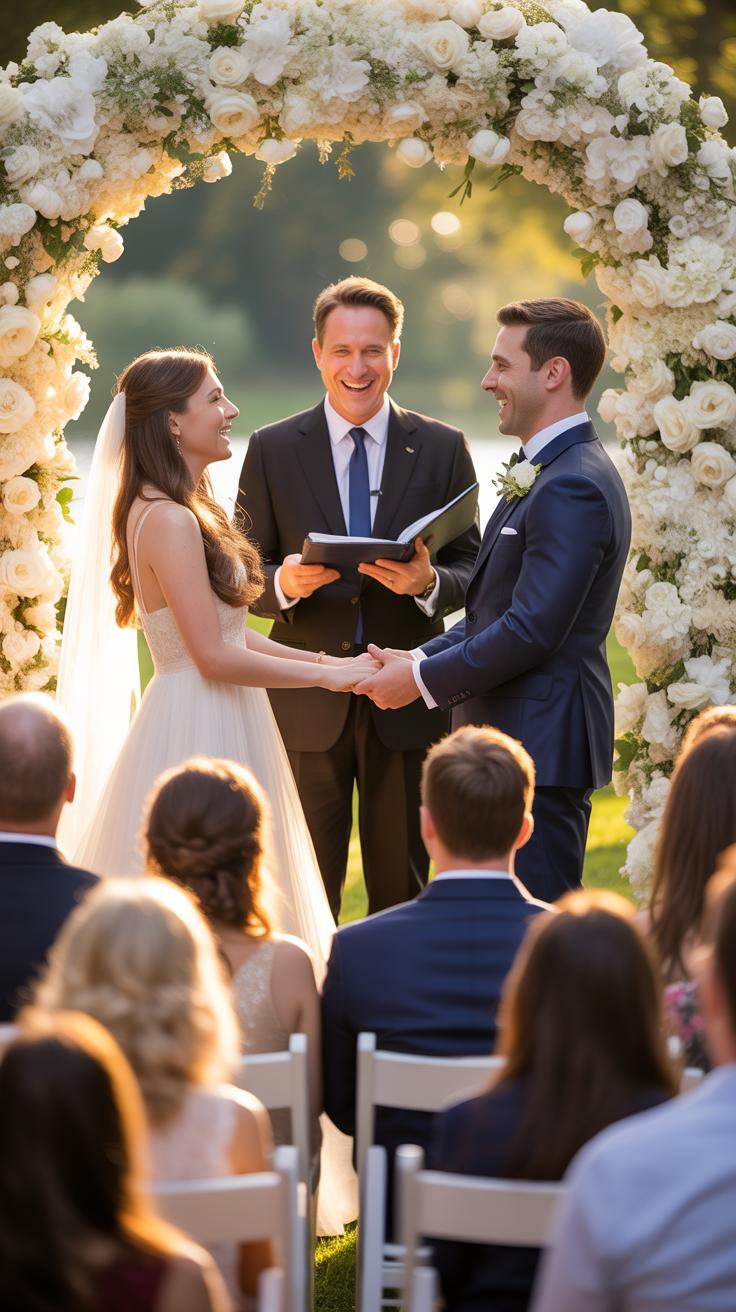
A functional civil wedding script prioritizes legal validity and structural clarity. You must strip away complex religious rituals to focus on the essential transition from individuals to a married couple. This structure ensures the officiant covers all legal bases while maintaining a brisk pace. Every word must guide the couple toward the final pronouncement without adding unnecessary bulk to the timeline.
- The Opening Statement: This brief introduction welcomes guests and sets the tone. It establishes the purpose of the gathering and confirms the couple is ready to proceed. Keep this under two minutes to maintain momentum.
- The Declaration of Intent: This is the “I do” moment where both parties formally agree to the marriage. It is a legal requirement in most jurisdictions to confirm consent before witnesses. Without this verbal confirmation, the ceremony lacks legal standing.
- The Vow Exchange: These are the promises the couple makes to one another. In a simple civil script, these can be traditional or written by the couple. Short vows keep the ceremony moving and focus on practical lifelong commitments.
- The Ring Exchange: This physical act symbolizes the verbal promises made during the vows. The officiant explains the ring as a token of the bond. Using a standard script here prevents confusion and ensures the rings are placed correctly.
- The Pronouncement and Kiss: This final act officially declares the couple as married under the law. The officiant uses their legal authority to conclude the ritual. Immediately following this, the couple shares a kiss and the ceremony concludes with a formal introduction.
Tactical planning requires knowing which parts are legally mandatory and which are optional. Most jurisdictions only require the declaration of intent and the final pronouncement by an authorized official. You can customize the rest of the script to reflect the couple. Focus on direct language to ensure the witnesses and the couple understand the weight of the moment.
How Long Should A Simple Civil Wedding Ceremony Last
A standard civil ceremony should last between eight and fifteen minutes. This timeframe covers all necessary legal elements without losing the attention of the audience. Short ceremonies work best for couples who prioritize the legal union over traditional spectacle. Professional officiants aim for efficiency to keep the event on schedule and minimize logistical friction at the venue.

Speed does not mean rushing the significant moments of the day. You must balance the pace so the vows feel substantial but the transition periods stay tight. Use concise transitions between the declaration of intent and the ring exchange. Efficient scripts eliminate filler words and repetitive sentiments. This approach ensures the couple moves to their celebration quickly while respecting the gravity of the legal contract.
Wedding Script For Officiant Roles And Responsibilities
Who Can Legally Officiate A Civil Wedding Ceremony
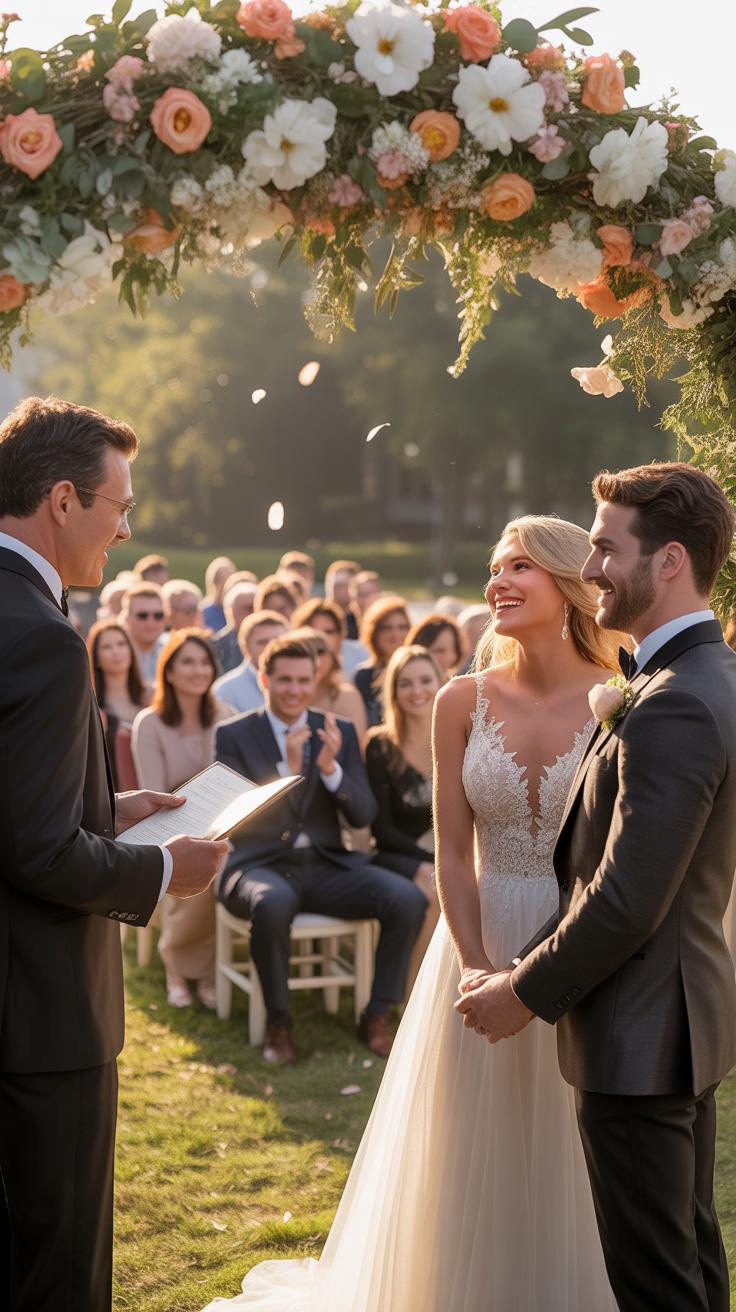
Legal authority to perform a marriage depends on local state or provincial laws. Judges, justices of the peace, and court clerks possess inherent power to officiate civil ceremonies by virtue of their office. These officials ensure the wedding meets all legal standards without religious requirements. Most jurisdictions also recognize ordained individuals from various organizations. You must verify local statutes to ensure the officiant holds valid credentials.
The officiant bears the legal burden of certifying the marriage license. They must witness the exchange of intent and sign the document after the ceremony. Failure to follow these administrative steps can invalidate the union. Some regions allow for a one day deputy status. This permits a friend or family member to legally marry a couple. Always check with the local county clerk office before the wedding.
How The Officiant Sets The Tone Using The Wedding Script
The officiant uses the script to control the pace and mood of the event. A strong wedding ceremony script removes confusion and directs the focus toward the couple. By following a clear outline, the officiant keeps the ceremony concise and moving forward. They act as a moderator who guides the audience through each transition. This structure prevents awkward pauses and maintains group attention during the civil service.

The script serves as a tactical roadmap for the entire ceremony. It defines when guests should sit and when the couple should speak. The officiant must deliver the words with clarity and authority to establish a professional atmosphere. Avoiding filler words ensures the message remains impactful. A well executed script creates a sense of order. This allows the couple to remain calm and present during their legal commitment.
Officiant Wedding Script Outline A Step By Step Ceremony Breakdown
Opening Words: How To Welcome Guests And Begin The Ceremony
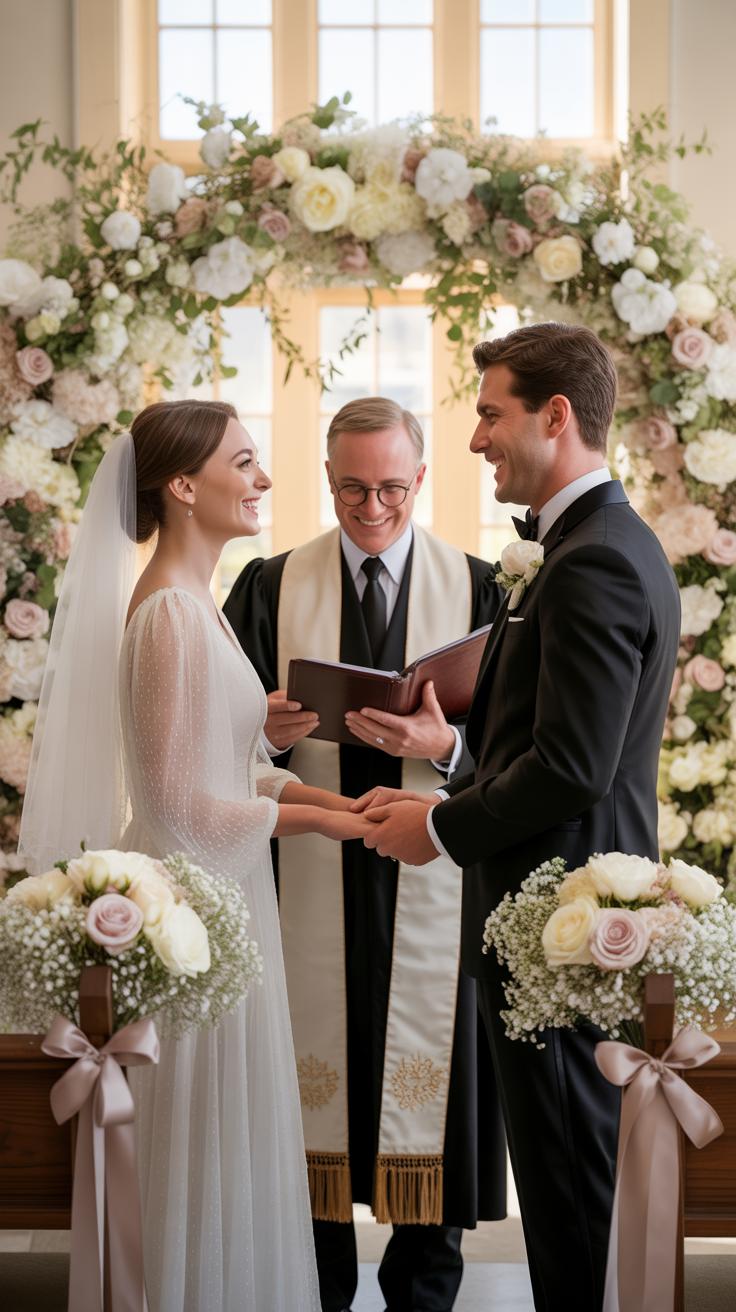
The opening statement establishes the official start of the legal proceeding. The officiant must first command the attention of the crowd to signal the transition from social gathering to formal ceremony. This welcome serves a tactical purpose by centering the focus on the couple. It creates a clear boundary between the arrival of guests and the structured matrimonial event.
Effective scripts use a processional or a call to order to ground the audience. The officiant often acknowledges the witnesses as a legal requirement for certain jurisdictions. This section must remain brief to maintain the momentum of a simple civil service. Clear instructions here ensure guests know when to sit or stand. This sets the pace for the entire nonreligious wedding ceremony script.
Declaration Of Intent And Exchange Of Vows In The Ceremony Script
The declaration of intent is the legal core of the marriage officiant script. It is the moment where both parties must verbally confirm their willingness to enter the union. This step often begins with the “I do” or “I will” phrasing. Without this verbal consent, the ceremony lacks legal standing in most regions. It serves as a binding verbal contract before the witnesses.

The exchange of vows follows the intent and focuses on specific promises. In a simple wedding ceremony script, these statements should be direct and personal. Partners outline their commitment to one another in clear language. This creates a tactical shift from state-required consent to personal obligation. Keeping this section concise ensures the ceremony remains civil and efficient while respecting the gravity of the legal bond.
Nonreligious Wedding Ceremony Script Keeping It Secular And Sincere
Why Many Couples Today Choose A Non Religious Wedding Ceremony Script
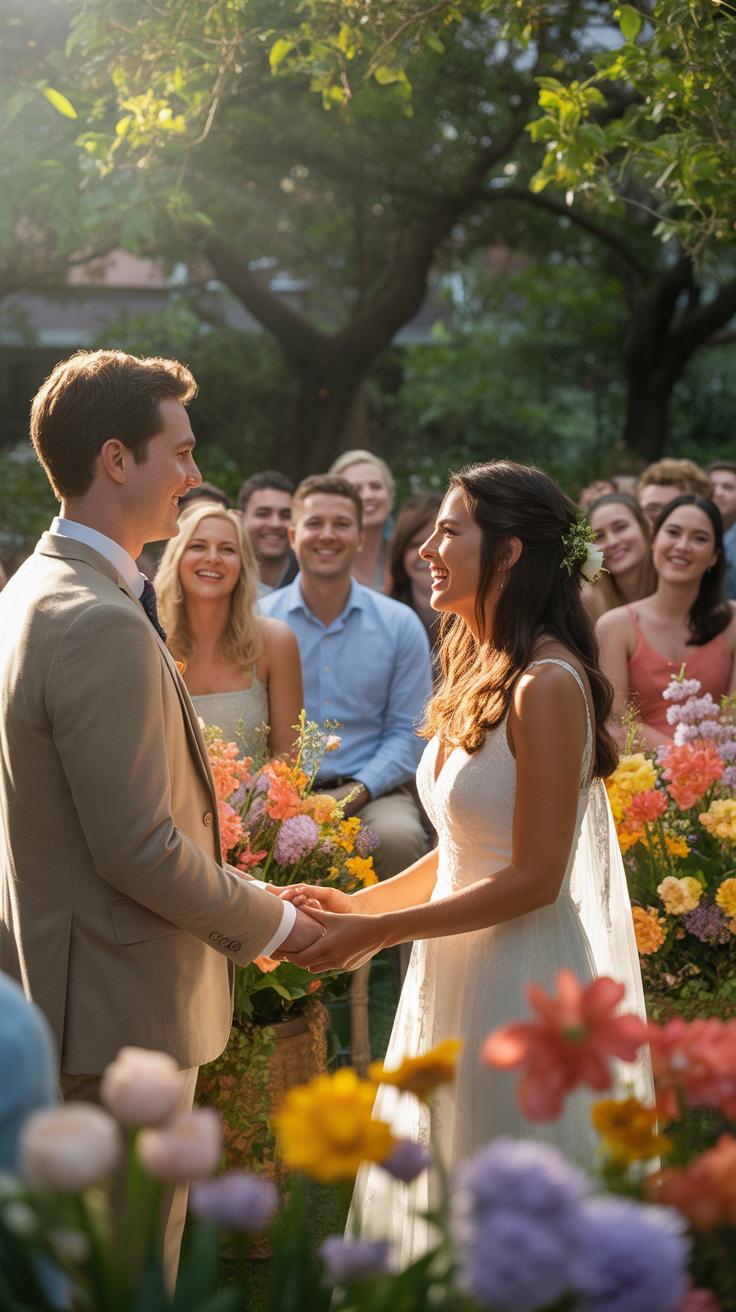
Modern couples often prioritize personal values over traditional religious mandates. A secular wedding ceremony script removes theological requirements and focuses on the human partnership. This choice reflects a shifting demographic where people identify as spiritual but not religious. Couples want a ceremony that mirrors their daily lives. They seek authenticity and want to avoid reciting scripts that do not align with their personal beliefs.
Focusing on a nonreligious script allows for greater flexibility in the ceremony structure. Officiants can tailor the language to highlight the couple’s unique history and shared goals. This approach removes barriers for guests of different backgrounds. It ensures the focus remains on the legal and emotional commitment. Stripping away dogma makes the event more inclusive. This tactical shift ensures the ceremony is relevant to everyone attending the wedding.
Love does not consist in gazing at each other, but in looking outward together in the same direction.
Sample Language For A Heartfelt Nonreligious Opening And Closing
A strong opening must establish the purpose of the gathering immediately. The officiant should welcome the guests and state that everyone is there to witness a formal contract of love. Use direct language like we are here to celebrate the union of two people. Avoid flowery metaphors about destiny or fate. Keep the focus on the conscious choice the couple is making to build a life together starting today.

The closing must provide a clear and authoritative signal that the ceremony has ended. A high-quality marriage officiant script ends with a definitive statement of legal recognition. Use a simple phrase such as by the power vested in me, I now pronounce you married. This provides the necessary legal weight without requiring religious benedictions. It transitions the event smoothly from the formal rite to the social celebration while maintaining a professional and serious tone.
Marriage Officiant Script Writing Vows That Feel Personal And Genuine
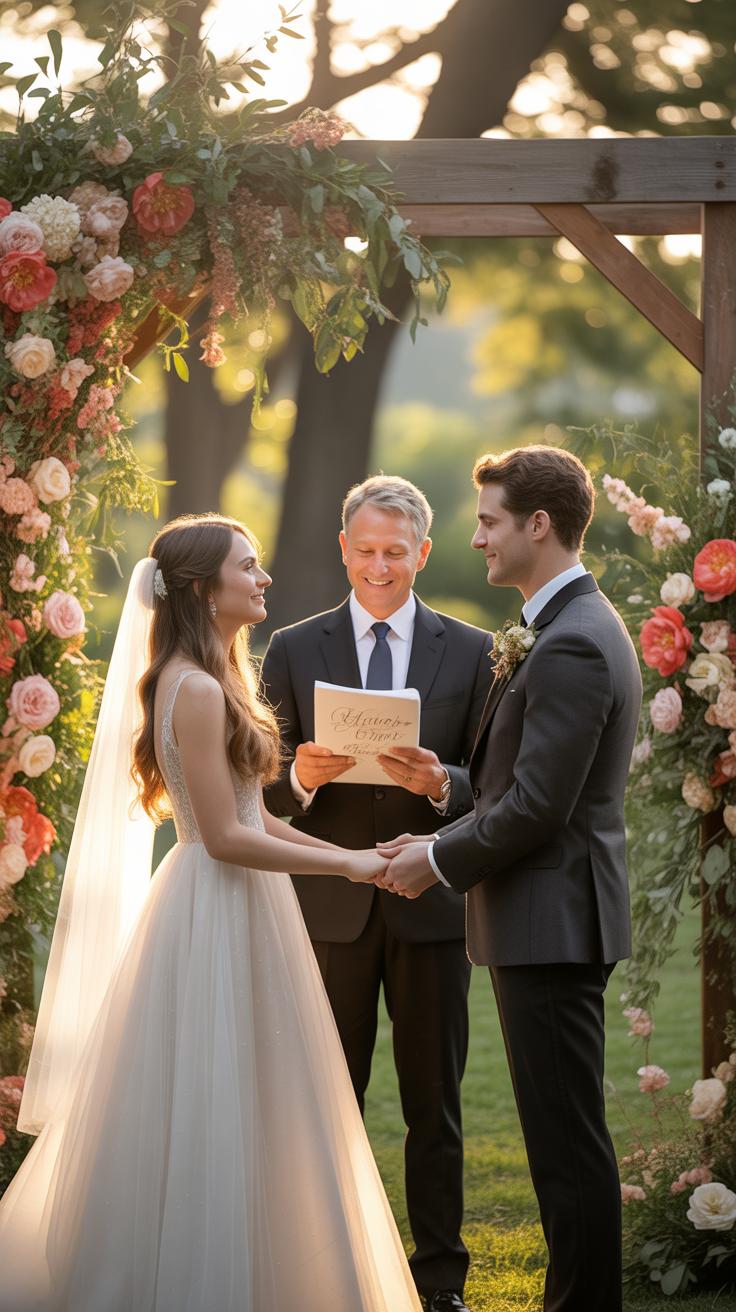
The Difference Between Traditional Vows And Personal Vows In A Civil Ceremony
Traditional vows follow a set legal or religious structure. They focus on binding promises. In a civil ceremony, these often include the standard I do statements required by law. These phrases ensure the contract is valid and recognized by the state. They use formal language to establish the commitment. This method is fast and efficient for couples who prefer a minimalist approach.
Personal vows allow for specific narratives. They move away from rigid templates. You focus on unique promises that reflect your real life. While traditional vows are about the institution of marriage, personal vows are about the individual partnership. This shift changes the tone of the wedding ceremony script from a legal transaction to a private agreement. Both styles serve the same legal purpose in the end.
Tips For Couples Writing Their Own Vows For A Short Civil Wedding
Writing your own vows requires a clear strategy to keep the ceremony brief. Start with one specific promise that defines your relationship. Use direct language and avoid complex metaphors. Focus on what you will actually do in the marriage. Short civil ceremonies demand brevity. Keep your total word count under one hundred and fifty words to maintain the pace of the script.
- Set Time Limits: Limit your speaking time to sixty seconds. This ensures the ceremony stays on track. Short vows prevent the audience from losing focus. It forces you to choose only the most impactful words for your partner.
- Focus On Action: Use verbs that describe real behaviors. Promise to support, listen, or provide. Avoid abstract concepts that do not translate to daily life. Actionable vows carry more weight than vague feelings during a legal ceremony.
- Maintain Consistency: Coordinate the length and tone with your partner. One person should not speak for five minutes while the other speaks for thirty seconds. This balance keeps the wedding ceremony script feeling professional and well planned for everyone.
- Write It Down: Never rely on memory for your vows. Print them on a clean card for the officiant or yourself. This prevents stuttering or long pauses. Having a physical copy ensures you deliver the message clearly without unnecessary stress or errors.
- Practice Out Loud: Read your draft several times before the wedding day. This helps you catch awkward phrasing or tongue twisters. Speaking the words helps you check the timing. Proper pacing is essential for a short and effective civil wedding ceremony.

Finalize your draft at least one week before the event. This prevents last minute panic and ensures the content aligns with the overall wedding script for the officiant. Simple language works best for high stakes moments. Clear words convey more sincerity than flowery prose ever will. Stick to the facts of your commitment. This approach guarantees a genuine and impactful moment for the couple.
Wedding Ceremony Script Ideas To Personalize A Civil Ceremony
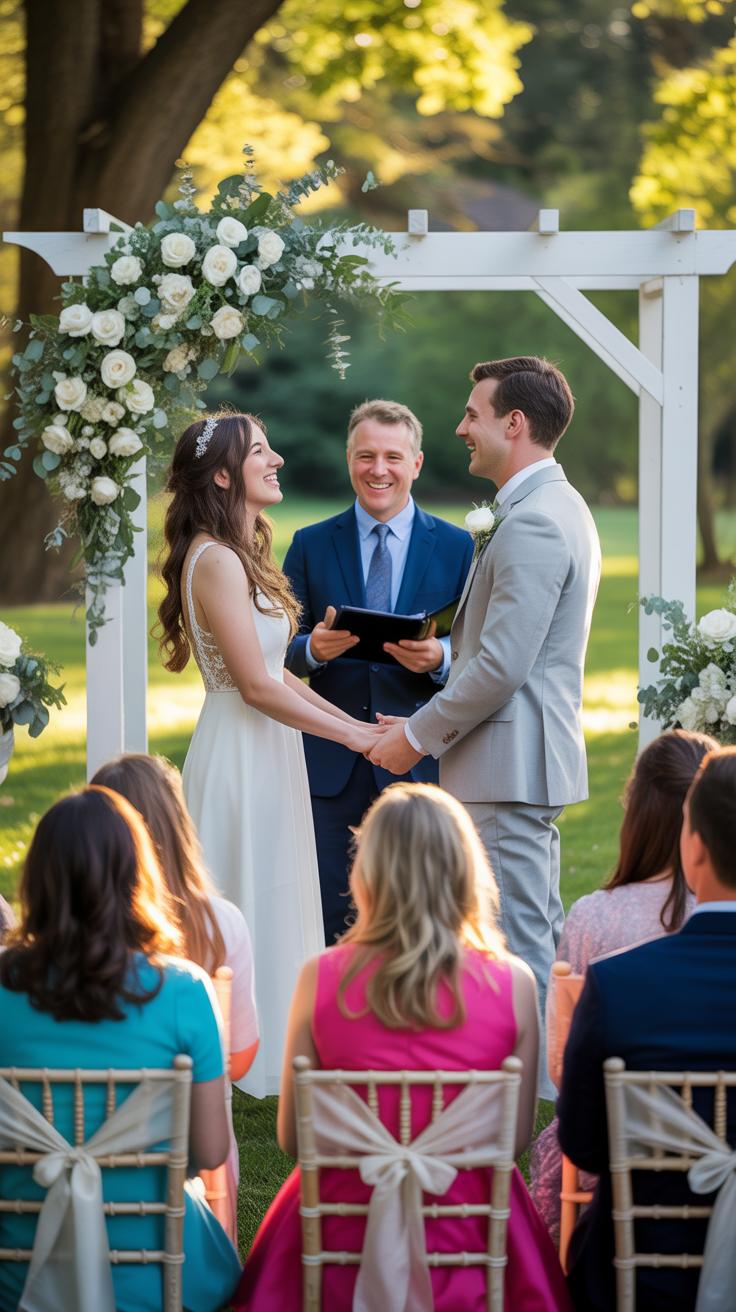
Adding Meaningful Readings Or Quotes Without Lengthening The Ceremony
Select one single reading to keep the timeline tight. Long poems or multiple speakers drag down the pace. Pick a text that mirrors your relationship values. A short quote of thirty to fifty words serves the same purpose as a full page of text. Place the reading after the opening remarks. This adds emotional weight before the legal vows begin without wasting any time.
Limit the reading to sixty seconds or less. Choose a speaker who reads clearly and stays on script. Do not allow off-the-cuff remarks during this segment. High-impact prose works better than abstract poetry in a civil setting. Use secular sources like literature or philosophy to maintain a nonreligious tone. This keeps the focus on the legal contract and your personal commitment.
Incorporating Unity Rituals Into A Short Civil Wedding Script
Unity rituals visualize the marriage bond through physical actions. In a civil ceremony, these must be brief and mess-free. Sand pouring or candle lighting are standard choices. However, a wine box ceremony or handfasting often fits a modern script better. These rituals should take less than two minutes. Perform the action while the officiant explains the symbolism. This prevents dead air and keeps the crowd engaged.

Coordinate all materials before the ceremony starts. Ensure tables are stable and tools are ready to use. Do not choose rituals that require complex setups or cleanup. A quick salt covenant or tree planting works well for outdoor venues. Keep the dialogue during the ritual minimal. The visual act communicates the message faster than words. Focus on simple motions that emphasize the transition from two individuals into one unit.
Wedding Officiant Script Unique Touches That Make A Ceremony Memorable
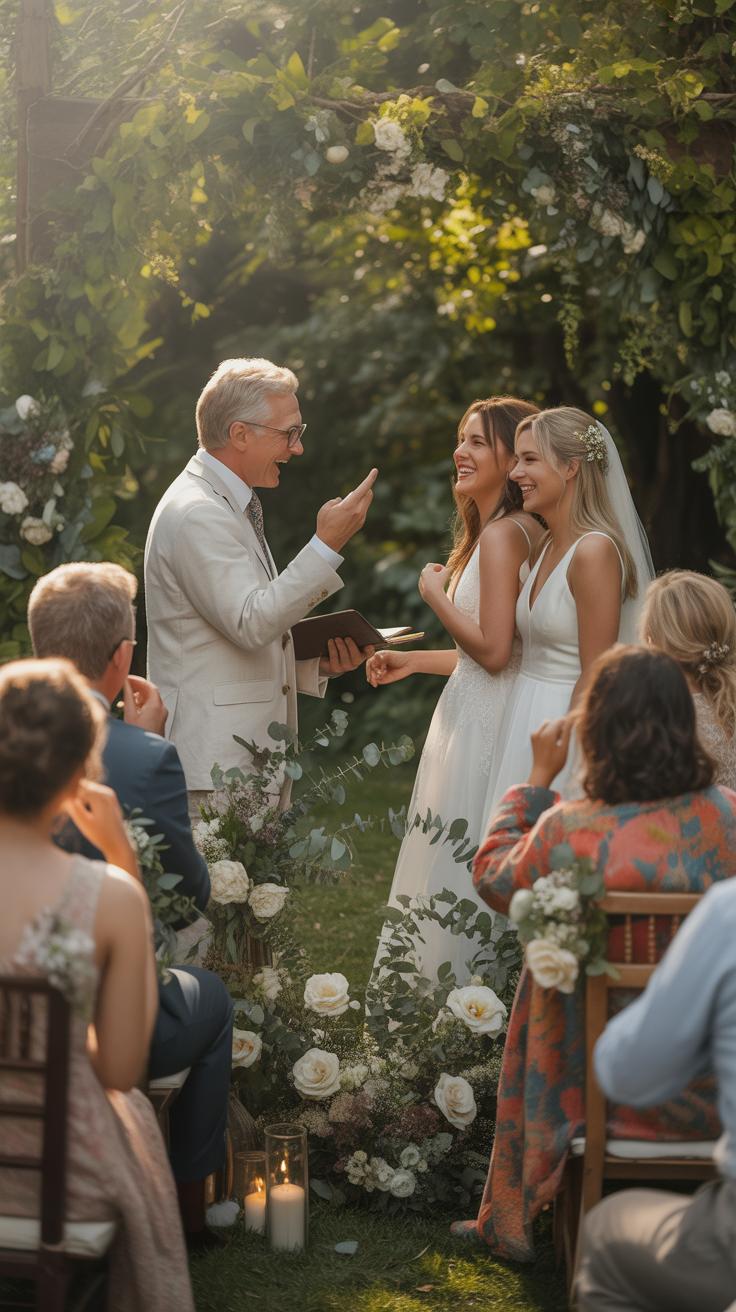
How To Reflect The Couples Story In The Officiants Opening Remarks
Effective scripts move beyond generic templates by anchoring the opening remarks in specific facts. The officiant must identify one or two defining characteristics of the couple. This approach establishes immediate relevance for the guests. Avoid recap timelines that list every date and location. Instead, highlight the shared values or goals that brought these two individuals to this specific civil ceremony today.
The opening sets the tone for the entire legal proceeding. It provides the necessary context for why the wedding is happening now. Use clear language to describe the couple’s partnership style. This technique ensures the ceremony feels personal without becoming a long biography. Fast pacing is essential here. Deliver the message quickly to keep the focus on the upcoming legal vows and commitment.
Using Humor And Warmth Appropriately In A Civil Ceremony Script
Humor in a civil ceremony must remain brief and professional. It serves as a tool to break nervous tension for the couple. Stick to light observations about their shared habits or common interests. Never use inside jokes that exclude the audience. The goal is to create a welcoming atmosphere while respecting the gravity of the law. Keep these moments short to maintain momentum.

Warmth comes from sincerity rather than flowery language. Use direct statements regarding the support of the witnesses present. Acknowledge the community gathered to see the legal union. This creates an emotional connection without using tired clichés. Balanced scripts combine the rigid structure of a legal contract with the human element of the occasion. Ensure every joke or warm comment leads directly back to the purpose of the day.
Legal Requirements To Include In Every Civil Wedding Ceremony Script
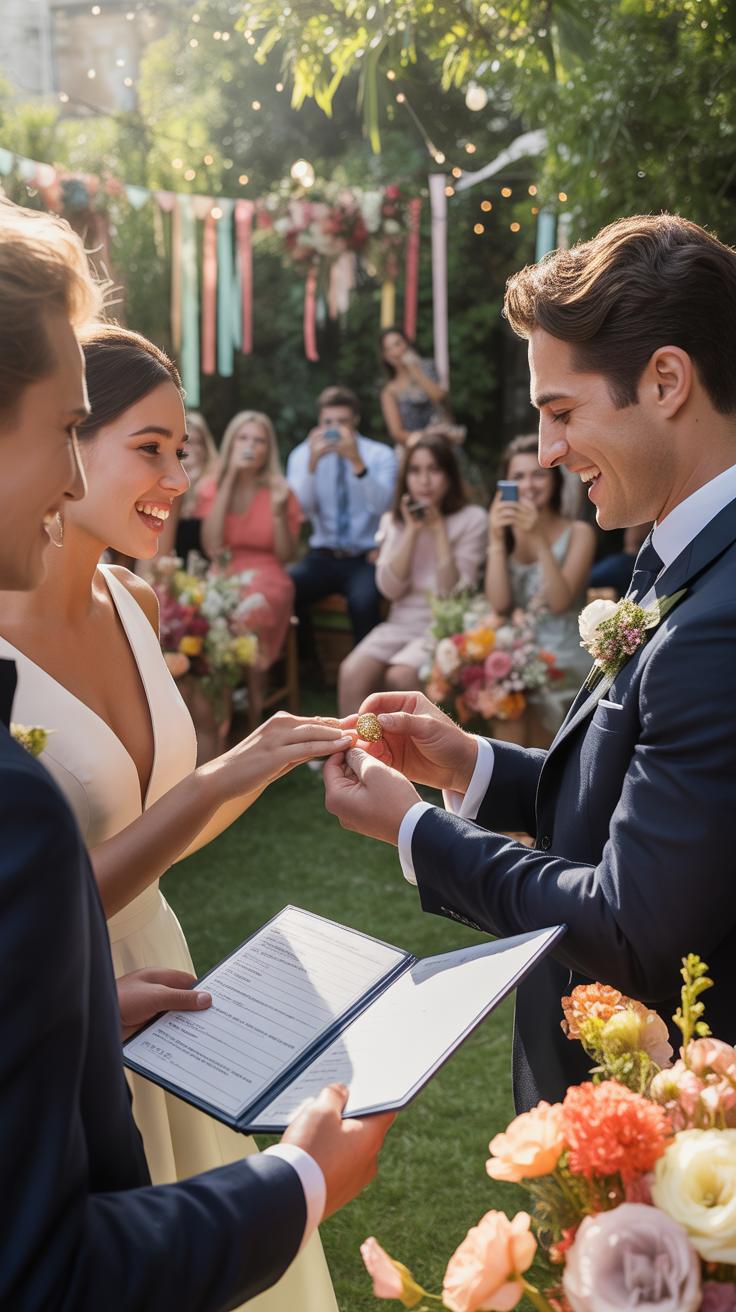
The Legally Required Declarations And Consent Statements In A Civil Marriage
A civil marriage script must contain the Declaration of Intent. This is the moment where each party confirms their desire to marry the other. You often hear this as the I do portion of the event. Without this verbal consent, the marriage remains invalid. The officiant must witness these specific words to verify that both individuals are entering the contract willingly and without any outside force.
The Ceremony of Consent follows the declaration. The couple must state their vows or a specific set of legal words mandated by the local government. In many areas, the law requires the couple to state that they take the other person as their lawful wedded spouse. This verbal exchange creates the legal bond. The officiant then pronounces them married based on the authority granted by the state and the signed marriage license.
How Marriage License Requirements Vary By State And Country
Marriage laws change based on your specific location. Every state in the US has its own rules for how to handle the marriage license. Some states require a waiting period between getting the license and the ceremony. Other states allow you to marry the same day. You must check the local county clerk website to find the exact rules for your wedding date. Failure to follow these rules voids the entire ceremony.
The officiant plays a critical role in the legal process. They must sign the marriage certificate after the ceremony concludes. Most jurisdictions also require one or two witnesses to sign the same document. In some countries, the couple must perform the legal signing at a government building before the public event. You must return the signed license to the local records office within a set number of days to finalize the union.
Full Sample Short Wedding Ceremony Script For A Simple Civil Wedding
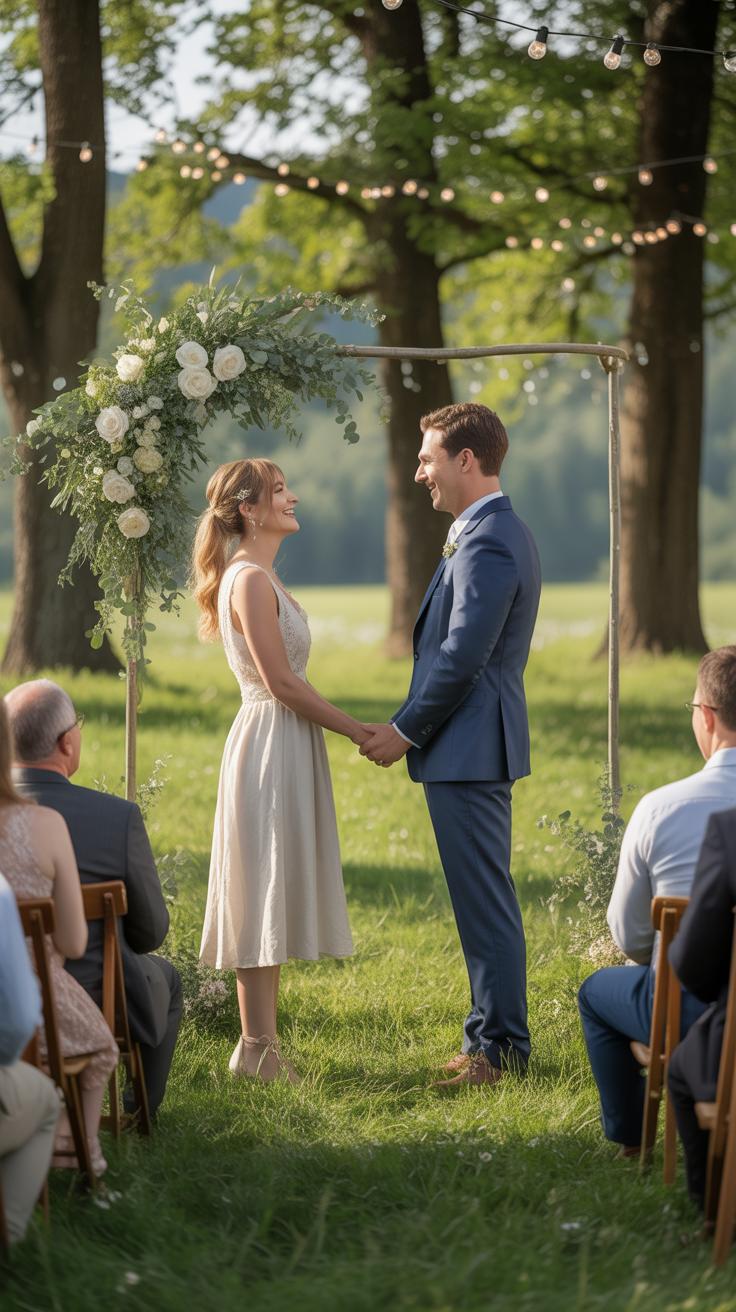
A Complete Short Civil Wedding Script From Opening To Pronouncement
The officiant begins by welcoming guests and stating the purpose of the gathering. This opening signifies the legal transition from individuals to a married couple. The script then moves to the declaration of intent. Each partner must verbally confirm their willingness to enter the contract. This prevents any doubt regarding consent. Short scripts focus on these core legal requirements to ensure the marriage remains valid and efficient.
Next the couple exchanges vows and rings. These actions symbolize the commitment and the physical seal of the contract. The officiant concludes the ceremony with the pronouncement. This statement officially recognizes the union under the law. Simple civil scripts often skip long readings or religious rituals. This approach prioritizes speed and clarity. The final act is the signing of the marriage license by all required parties.
How To Adapt And Customize This Sample Script For Your Own Ceremony
Couples can modify the sample script by adding personalized vows. Keep these additions brief to maintain the short duration of the ceremony. Swapping traditional language for modern terms helps reflect the couple’s specific values. You should check local laws before removing any specific wording. Some jurisdictions require exact phrases during the declaration of intent. Changing these mandatory parts can jeopardize the legality of the entire wedding.
Adapt the script further by including a moment for gratitude. Mentioning parents or close friends adds a personal touch without adding significant time. You can also adjust the tone to be more formal or casual. Ensure the officiant reviews all changes well in advance. Consistency between the script and the legal paperwork is vital. Proper preparation prevents mistakes during the live event. Customizing the script allows for personal expression while keeping the focus on the law.
Frequently Asked Questions

What are the essential elements of a short wedding ceremony script?
A simple civil ceremony typically contains four main components: the opening remarks, the exchange of vows, the ring exchange, and the final pronouncement. While you can customize your wedding ceremony script to reflect your personality, the primary focus is on the legal declaration of intent. Keeping these sections brief ensures a heartfelt atmosphere without the need for extensive rituals, making it perfect for an intimate courthouse setting or a backyard elopement.
How can we personalize a basic civil wedding ceremony script?
You can easily personalize a foundational wedding ceremony script by writing your own vows or selecting a meaningful poem to be read. Consider adding a brief moment of silence to honor loved ones or choosing a unique song for your processional. Even within a simple framework, small additions like a “wine box” ritual or a personalized story about your relationship can make a short civil ceremony feel incredibly special and unique to you.
Is a professional officiant required for a simple, budget-friendly ceremony?
To keep costs low, many couples ask a trusted friend or family member to get ordained online to perform the nuptials. This allows you to use a free wedding ceremony script while maintaining an intimate, low-budget feel. Just ensure your chosen officiant checks local government regulations regarding registration. Alternatively, many city halls offer affordable justice of the peace services if you prefer a streamlined, no-fuss legal proceeding without additional decor costs.