Beyond The Buzzwords: Why Most Wedding Toasts Fail
You’re Telling The Wrong Story
You want credit for being thoughtful without actually doing the work to figure out what people came to hear. Most toasts fail because they’re structured around the speaker’s relationship to the couple, not the audience’s reason for being there. The real mechanism is simple: people attend weddings to witness a commitment, not to listen to your memories. A one-minute toast compresses this problem to its skeleton. You have sixty seconds to either serve the room or waste their time. The difference isn’t sentiment. It’s whether you’ve identified what the moment actually requires from you.
A typical toast loops through nostalgia, inside jokes, advice nobody asked for, and a generic blessing. This format assumes the audience cares about your history with the groom or bride. They don’t. They care about the couple’s future and whether you recognize what’s actually happening in the room. When you structure a toast around your story instead of the couple’s moment, you force two hundred people to sit through your autobiography to reach the part they came for. In sixty seconds, that miscalculation kills the entire thing.
Attention Operates Like Currency Exchange
Borrow a concept from behavioral economics: attention has a real cost, and it’s denominated in trust. Every word you speak requires the audience to invest focus they could spend elsewhere. When you open with an unfamiliar reference, a story that needs three minutes of context, or humor only your table understands, you’re asking people to make a bad trade. They want to cash out immediately. A one-minute toast means you cannot afford false starts, tangents, or setup sentences that don’t deliver. The audience’s attention isn’t a resource you’ve earned by being in the wedding. You have to earn it inside the first ten seconds.
The single biggest attention killer is lag time between setup and payoff. You reference something from college in sentence one. The payoff comes in sentence five. For ninety-five percent of the room, sentences two through four are dead weight. In sixty seconds, you can’t survive that math. Your job is to eliminate every sentence that exists only to explain why the next sentence matters. Each statement has to work alone. The fastest way to do this is to start with the one thing the audience already knows about the couple, make one true observation about what marriage means in the context of who they are, and then stop.
The “Memory Anchor” Protocol For A Short Wedding Toast

Find The Moment Only You Know
You want people to think you’re close to the couple. That’s the real reason this section matters. The mechanism is simple: specificity signals access. Anyone can praise a bride or groom in generalities. Only someone with actual history can name the exact thing that proves it. One minute forces you to choose a single memory that only you witnessed or experienced with them. That memory becomes your credential.

The best toasts don’t describe who the person is. They show it through one unrepeatable moment. This isn’t nostalgia. It’s evidence. The couple will recognize themselves in that moment. The guests will feel the authenticity because you’re not performing emotion—you’re recalling fact. Your job is to excavate one memory that carries disproportionate weight, something that landed differently on you than it might on anyone else in the room.
Build The Story In Three Beats
Common advice says to make people laugh or cry. That’s incomplete. You need to move the audience from confusion to recognition to landing. The narrative structure borrowed from screenwriting applies here: setup, turn, payoff. Setup introduces the specific context and your relationship to it. The turn reveals why this moment mattered. The payoff connects it to who they are as a couple or what this marriage means.
Your anecdote should take thirty seconds maximum. Name the place, the circumstance, maybe one other person present. Then describe what happened that showed you something true about this person. End by stating plainly how that quality matters now, in this marriage. A one minute toast lives in constraint. The story must move fast. Every sentence either builds toward the recognition or it wastes your sixty seconds.
Eradicating Filler: The Economy Of A Powerful Wedding Speech

Words That Earn Their Place
You’re worried people will think you’re boring if you don’t fill silence with noise. That’s the real problem here. But economics teaches us about scarcity and value. In a one minute toast, every second functions like capital. You spend it or waste it. There’s no middle ground. Most toasts fail because speakers treat sixty seconds like they have five minutes, cramming in throat-clearing, false starts, and transitions that don’t move the needle.

The mechanism is simple: remove anything that doesn’t either advance a story or deepen an emotion. That means cutting the “ums,” the “so anyway,” the “I’ve known him since college,” the setup that takes thirty seconds to land a two-second punchline. Read your draft aloud. Mark every phrase that doesn’t do work. Delete it. The result feels sparse to you because you’re used to speaking loosely. It won’t feel sparse to the room. It’ll feel intentional.
What Actually Lands
Emotional weight doesn’t come from saying more. It comes from specificity and vulnerability. People remember moments, not summaries. A one minute toast lands when you name something true about the couple that only you can say, then step back. Generic wisdom about love and marriage does nothing. Everyone’s heard it. The bride’s mom has already said it better.
Your job is to move from the abstract to the concrete in under sixty seconds. Describe one specific thing you’ve seen between them. Maybe it’s how he stops talking when she enters a room. Maybe it’s that she brings his coffee the exact temperature he wants without asking. Then name what that thing means about them. That’s the full arc. Everything else is scaffolding you tear down before the ceremony starts.
The “Micro Story” Blueprint For Funny Short Wedding Toasts
Pick One Moment, Make It Specific
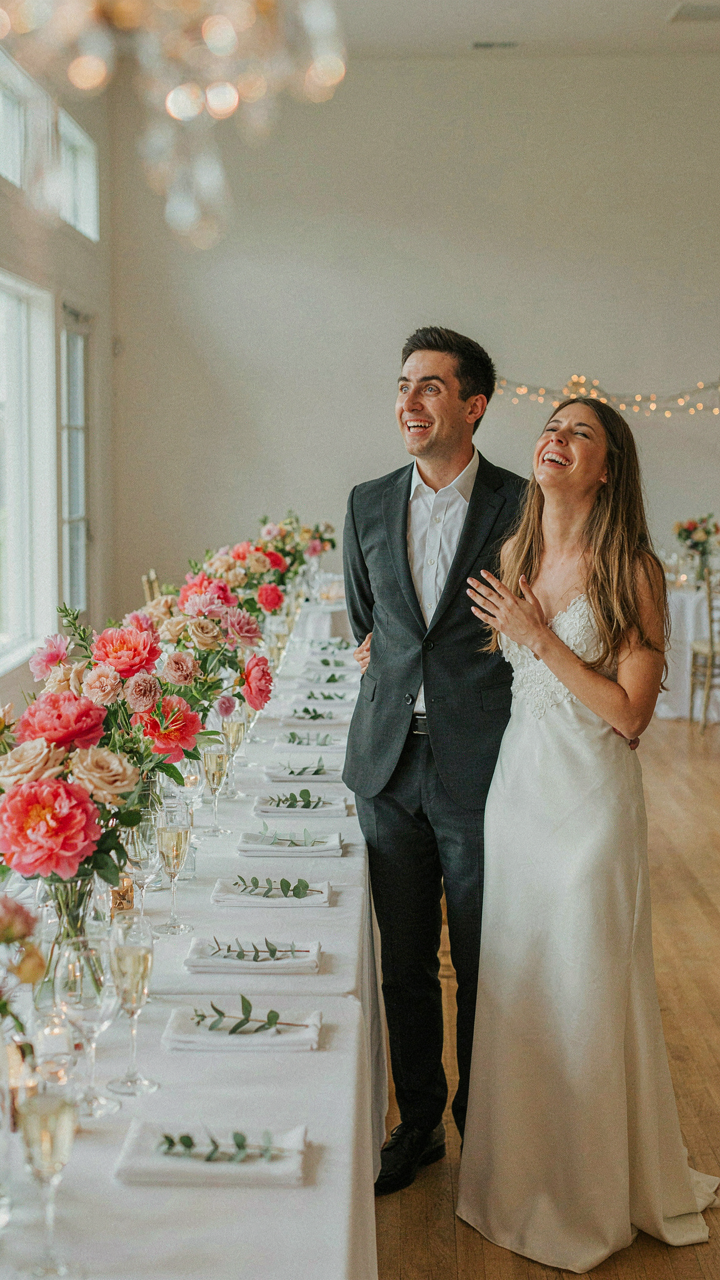
You want people to laugh because you’re terrified of silence. Here’s what actually works: one minute forces you to abandon the multi-arc narrative you think you need. The constraint is the mechanism. Borrowed from screenwriting, we call this the “inciting incident”—the single event that changes everything. Your job is to find the moment where something shifted about the couple, not a highlight reel of moments. One specific detail beats ten generic observations.

The mistake everyone makes is trying to cover “how they met, what they mean to me, and why they’re perfect together.” That’s five minutes compressed. Instead, isolate the moment you actually remember. The time he nervously asked her out. The conversation where she said yes before he finished the question. The weekend trip where you saw them together and knew. One moment. One detail from that moment. Everything else gets cut.
Land The Joke Without Throat Clearing
The conventional advice says build to a punchline with a setup. That’s correct but incomplete. What people miss is that in sixty seconds, you have zero room for failed comedic timing or false starts. In comedy writing, we call this the “economy of setup”—every word serves the joke’s architecture, nothing ornamental. Your punchline lives or dies on how clean the setup was. Skip the windup. Start already in the story.
Name the specific thing that happened. Describe one true detail about how it went down. Then flip the expectation in one sentence. That’s the structure. No “so here’s a funny story,” no “this one time,” no explaining why you’re about to tell them something. Start mid-scene. The listener’s brain catches up faster than you think. Say the joke and sit down while it still lands.
Precision Language: Applying Military Strategy To Your Toast

Say One Thing, Not Many Things
You want to sound thoughtful and comprehensive, but that instinct will kill your one minute toast. Military targeting doctrine teaches “economy of force”: concentrate firepower on one objective instead of spreading it thin across many. Your toast has one target. One. Not the couple’s journey, their families, their future, and a joke about their first date. Pick the single truth that matters most to this specific couple, then build everything around it.

The mechanism is simple: human attention collapses under choice. Each additional point you add doesn’t strengthen your message; it dilutes it. Your brain processes the toast as noise instead of signal. Sixty seconds forces you to choose between comprehensive and clear. Clear wins. Identify what you actually know about this couple that nobody else will say in a toast that day, then say only that.
Cut The Filler Between Your Idea And The Punchline
Most toasts bloat because speakers think transitions and setup make them sound polished. Wrong. They make toasts sound nervous. In military communications, redundancy exists only when signal loss is expected. Your signal isn’t degrading; your audience is sitting three feet away. Every connector word, every “so anyway,” every “as I always say” is dead weight.
Trim sentences to their load-bearing structure. “I’ve known the groom for fifteen years” works. “I’ve had the distinct pleasure of knowing the groom for many years now” does not. The second version makes you sound unsure of what you’re saying. Say what you mean in the fewest words possible, then stop. Your final sentence should land within fifty-eight seconds, not run past the minute mark while you scramble for closure.
Beyond Generic: Personalizing Wedding Toasts From Bride And Groom
The Specific Detail Over The Shared Experience
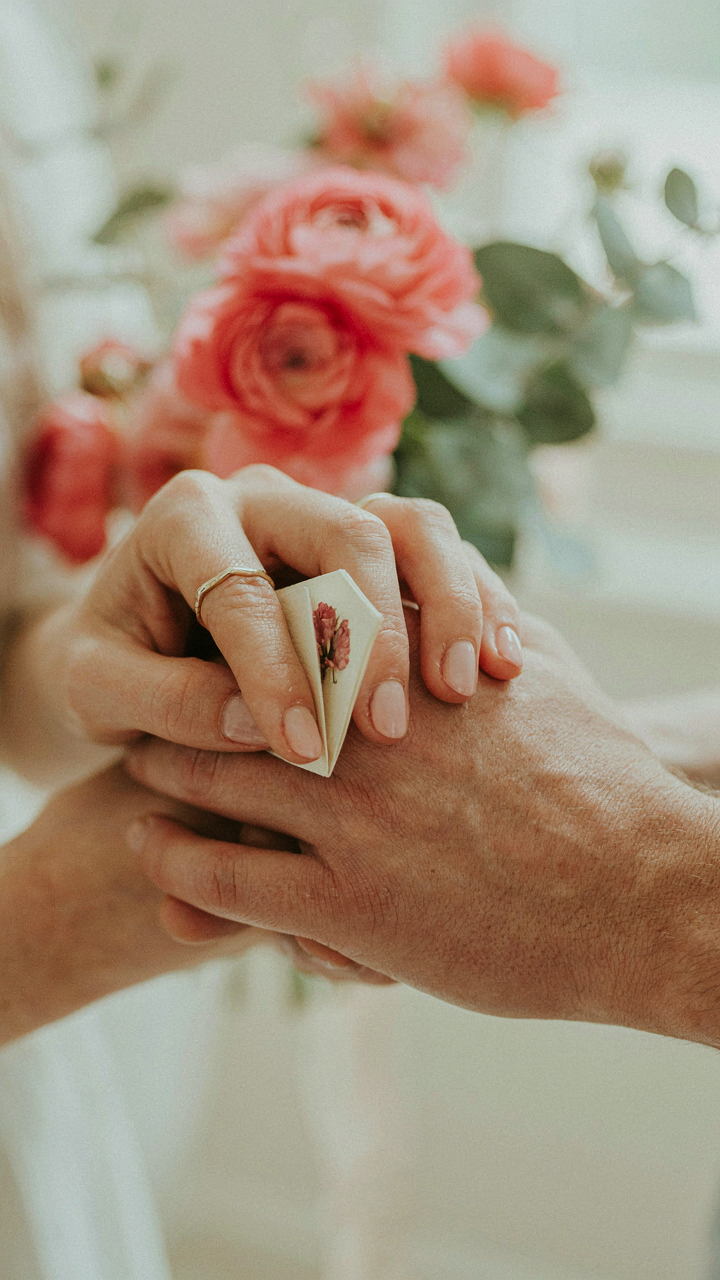
You want people to think you’re close to the couple, so you reach for universal truths instead of actual memories. That’s the mechanism: generic advice feels safer because it applies to everyone, which means it applies to no one. The real move is excavating the one dynamic nobody else knows.

Ask yourself what only you’ve witnessed. Not “they complement each other”—that’s filler. Find the actual behavior pattern. How does the groom handle pressure? Does the bride laugh at her own mistakes? Does one of them always order for the table? These aren’t cute quirks. They’re proof you paid attention. Sixty seconds means every word earns its place, so specificity is economy.
The Real Cost Of Clichés
“Love is patient, love is kind” works at funerals because it’s expected. At weddings it’s noise. The common advice says find universal truths that resonate with everyone. That’s wrong. Everyone resonates with nothing. They resonate with what they recognize from their own lives, which means you need the opposite of universal.
Pull one specific moment that reveals character. The time she drove six hours to help him move. When he admitted he was scared about the wedding. The conversation where they actually disagreed and figured it out anyway. One minute is tight enough that one real moment beats five generic sentiments. State the moment cleanly, then name what it proves about them. Stop there.
The “Emotional Arc” Of An Unforgettable Toast

Build Tension Before You Resolve It
You want people to remember you said something meaningful, not just pleasant. The mechanism is borrowed from narrative structure: tension precedes resolution. Open with a small problem, a contradiction, or a moment of genuine uncertainty about the couple. This isn’t fake drama. It’s the real gap between who they were and who they became together. Most toasts skip this and land flat because they never give the audience anything to release.

Start with a specific moment that shows friction or stakes. A time you doubted the relationship would work, or when you saw them struggle, or when you realized they’d changed each other. Hold that for two sentences maximum. Then pivot hard to the resolution: the exact moment you knew it would last. This swing from doubt to certainty is what makes the warmth land. Without the tension, warmth reads as generic sentiment. With it, it reads as earned truth.
The Resonance Happens In The Last Sentence
End with a single observation about them that they haven’t heard before and can’t argue with. Not a prediction. Not a wish. A fact you’ve noticed that captures something true about their dynamic together. Something small and specific beats something grand and abstract every time. Your last line should make them nod at each other, not make the room applaud. Applause means they heard performance. A nod means they heard you.
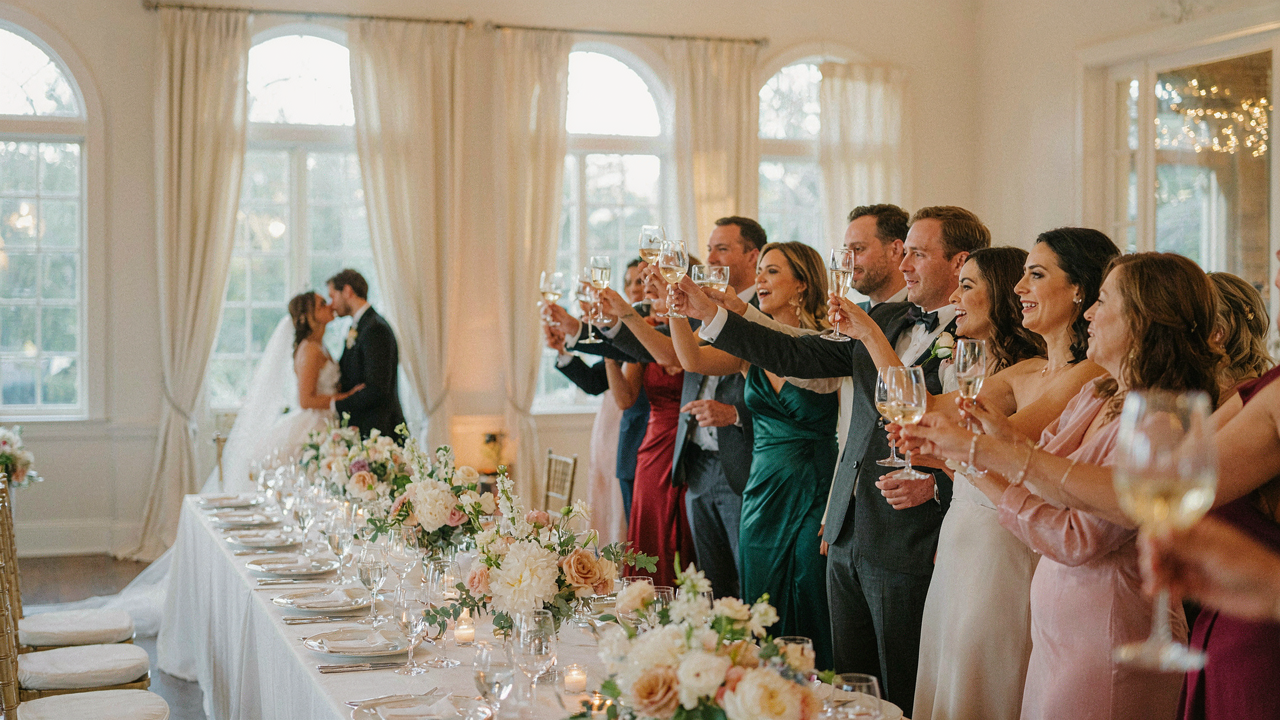
The final sentence should land in under fifteen seconds of silence. No tagline. No joke callback. No “ladies and gentlemen, please raise your glasses.” You make your point, you step back, and you let the weight of it sit. That’s the protocol: state the observation, pause for one full breath, then close with the glass raise and sit down. The restraint is what makes it stick.
Practice For Impact: Delivering A Wedding Toast With Presence
Timing Over Memory
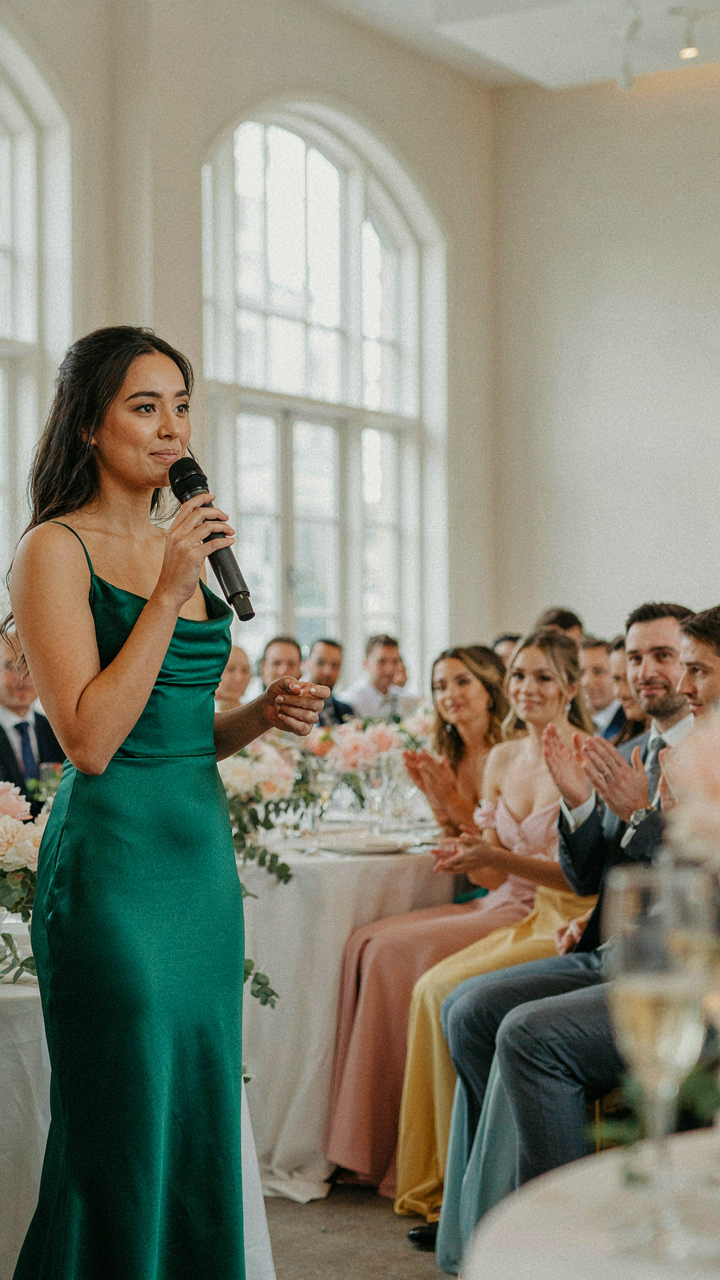
You want people to think you’re calm under pressure. The real mechanism is simple: most toasters memorize their words, then panic when a single line disappears from their brain mid-speech. Muscle memory sabotages you here. Instead, rehearse for time. Know your toast hits sixty seconds when you speak at a natural pace. Practice the intervals between stories, not the exact phrasing. Your brain remembers structure and flow faster than it remembers word-for-word text.

Record yourself on your phone. Speak at wedding volume—loud enough for the back table, not stage projection. Time it. If you clock in at fifty-two seconds, you’ve built a buffer. If you hit seventy-five, cut a sentence. Repeat this five times. By the fifth run, your nervous system knows the shape of what you’re saying. When you’re actually standing there holding a glass, you won’t freeze because you’re not relying on perfect recall. You’re just following a path you’ve already walked.
Speaking Like You Belong There
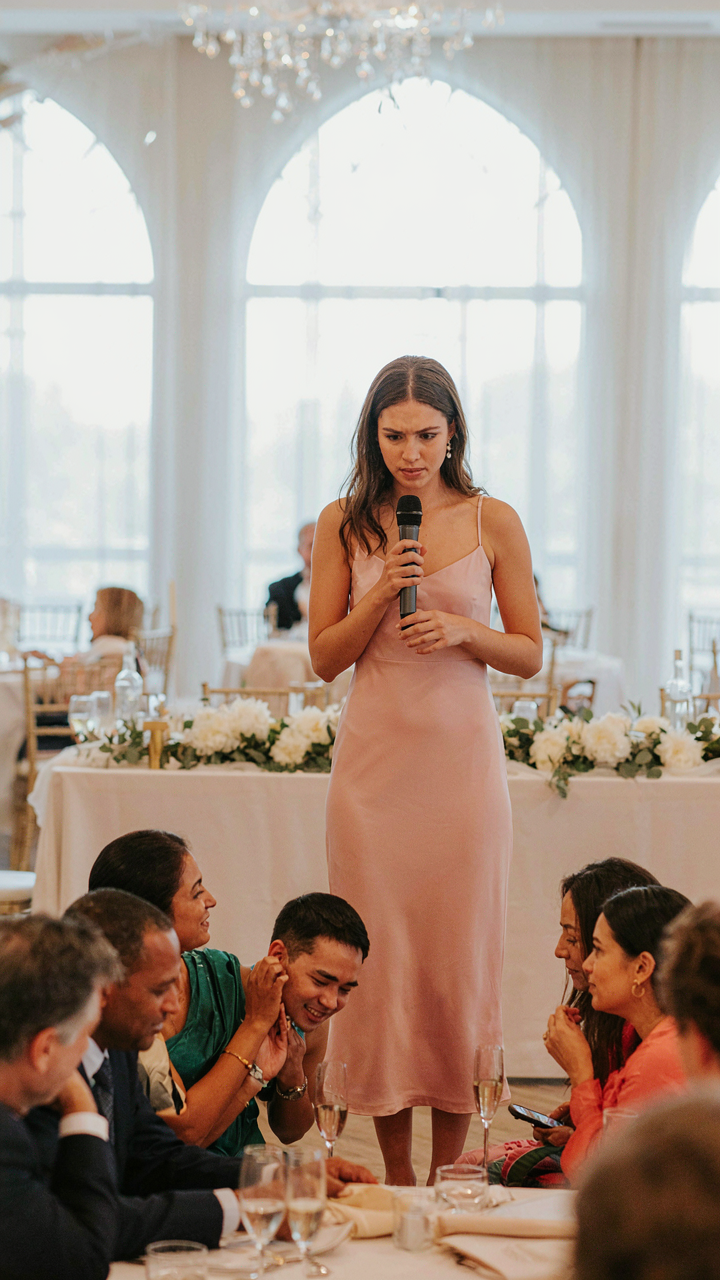
Confidence in delivery isn’t attitude or fake it till you make it energy. It’s applied theater technique: actors call it “finding your light.” You’re standing in front of an audience that wants you to succeed. They’ve already decided to listen. Your job is to remove obstacles to their listening. Eliminate filler words. Kill “um,” “uh,” “like,” “so.” These are attention leaks. Pause instead.
- Pause before the punchline: Hold two beats of silence before your biggest line lands harder because the room anticipates something.
- Eye contact with the couple first: Start your opening looking directly at the bride and groom for two to three seconds, then expand to the room.
- Plant your feet: Don’t pace, sway, or shift weight. Stand still. Movement signals nervousness even if you feel steady.
- Speak from your diaphragm, not your throat: Project from your belly so your voice carries without straining. This creates authority naturally.
- Pace slower than feels natural: What feels slow to you reads as authoritative to the room. Count one full second between sentences in your head.
The mechanism is neural priming. When an audience hears someone speak slowly with intentional pauses, their brains categorize that person as deliberate and in control. They mirror that calm. You’re not performing confidence. You’re creating the conditions where confidence is the only logical inference the room can draw. Speak at sixty percent speed, hold silence at strategic breaks, and your one minute will register as presence instead of nervousness.
The Real ROI: Your Wedding Toast As A Lasting Impression

Stop Treating It Like A Checkbox
You want people to remember you said something smart. That’s the real motive here. But most toasts fail because they treat the moment as obligation instead of leverage. Economics calls this the difference between sunk cost and invested capital. A one minute wedding toast is either wasted breath or the moment someone decides you’re worth listening to. The mechanism is simple: you either give them a reason to think about you later, or they forget you spoke within an hour.

The math is brutal. You have sixty seconds to plant something that sticks. Most people waste thirty seconds on context nobody needs. They explain how they met the couple. They list accomplishments. They hedge with self-deprecation. None of that builds recall. What builds recall is specificity paired with emotional truth. You name something true that only you would know, then connect it to why the couple matters. That’s the leverage point. Everything else is noise.
The Mechanism Behind Staying Memorable
Real connection requires you to reveal something, not perform something. The common advice says be funny or be touching. That’s incomplete. You need to be the only person in that room who could say that specific thing. In neuroscience terms, this is distinctiveness encoding. Your brain remembers what stands out from the pattern. A one minute wedding toast that sounds like every other wedding toast doesn’t encode. It gets written over within minutes.
Here’s what actually works: you tell one story nobody else knows about one person at that altar, then you state plainly why that story matters to the couple’s future together. Not how it makes you feel. Not a lesson about love. Why it proves something true about who they are together. Then you raise your glass. The specificity does the work. The rest of the room forgets their own toasts. They remember yours because you gave them something to visualize that was real.
The Real Obstacle Isn’t Time, It’s Your Refusal To Be Memorable
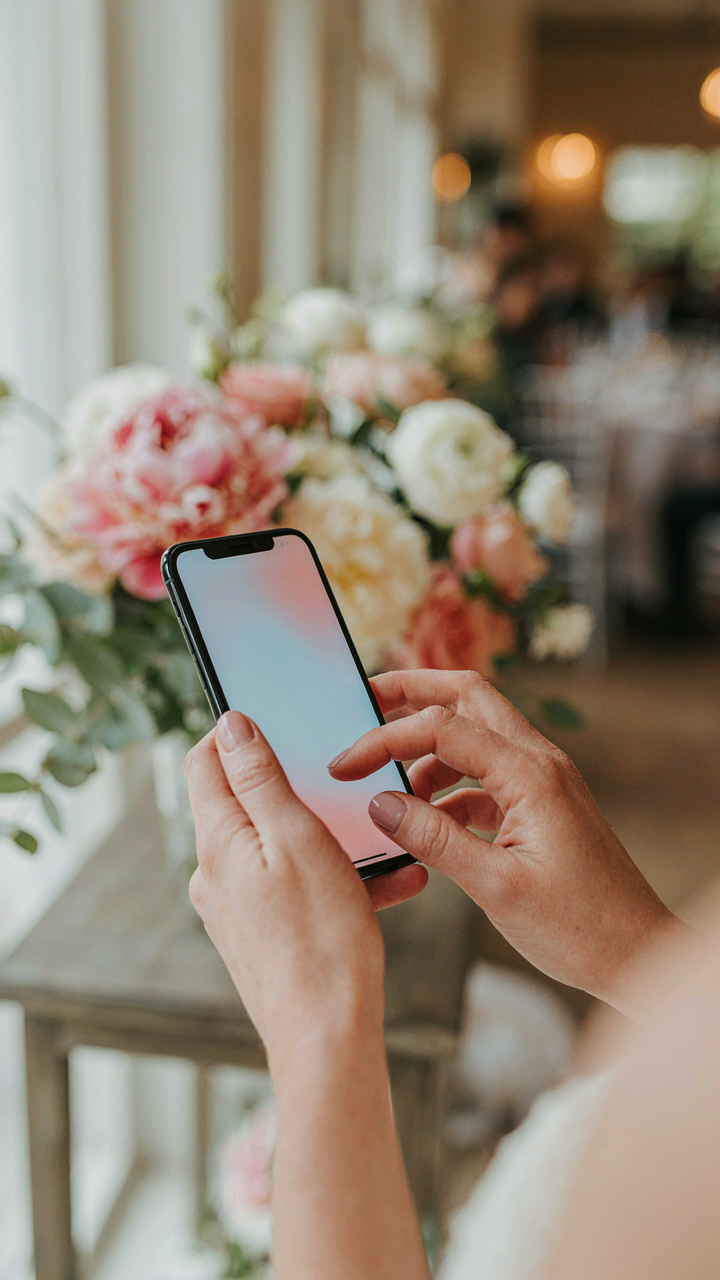
Most people bomb their toast because they chase perfection instead of connection. Sixty seconds is enough to say something true. Open your phone right now and write down one moment with the couple that actually changed how you see them. Not the generic story everyone knows. The specific one. The real one. That’s your toast. Deliver it like you mean it, and people won’t remember how long you talked, they’ll remember why it mattered.