
The Irreverent Introduction Protocol

Establish Your Position First
You’re worried people will think you’re arrogant if you don’t downplay yourself immediately. That fear is the mechanism that kills every good opening. Borrowed from military strategy, you need to establish territory before the enemy moves in. Your opening seconds determine whether the room sees you as the authority on this story or as someone asking permission to speak. Hesitation reads as weakness. Confidence reads as earned.
Start by naming something only you know. Not a secret—something about the couple that only surfaces because you’ve been in their orbit longer than anyone in that room. A pattern. A contradiction. A moment that reveals character. This isn’t bragging about your relationship. It’s demonstrating you have access to real information. The room instantly recognizes you as a primary source, not a secondary commentator reading from notes someone else wrote.
Hook Without The Obvious Setup
Everyone opens with the joke setup that bombs or the sentimental observation everyone’s heard at five weddings already. Skip both. The common advice says grab attention with humor or emotion. That’s incomplete. What actually works is specificity that creates curiosity. Nobody tunes out when you reference something they don’t yet understand but sense matters.
Open with a contradiction or a reversal that forces the room to lean in to resolve it. Not a question. Not a rhetorical device. A factual statement that doesn’t make sense yet. Example: “I spent fifteen years trying to convince [sibling] that [specific trait] would work against them in [specific context]. I was completely wrong, and here’s why.” Now they want the explanation. Now you own the tempo. You control when information arrives. That’s when you actually have their attention.
Deconstructing “Heartfelt”: The Sibling Bond As A Force Multiplier

The Specific Memory Over The Generic Emotion
You want people to think you’re close to your sibling. That’s the real reason you’re reading this. The mechanism that actually works is physics-based: leverage. A specific shared memory operates like mechanical advantage. It amplifies emotional weight without requiring you to manufacture feeling. Generic statements about love dissolve the moment the speech ends. Concrete moments stick.

The difference is operational. Instead of saying your sibling is kind, describe the exact situation where they chose kindness when it cost them something. Instead of calling them funny, replay the specific joke or incident that only the two of you understand. The audience doesn’t need to know the backstory. They need to see the mechanism: two people moving together through a real moment, which proves the bond exists independent of this wedding.
The Debt You’ll Collect Later
Naming how your sibling supported you in the past creates an implicit protocol for the future. This is not sentimental. This is transactional in the best way. When you acknowledge a specific time they showed up for you, you’re not just honoring history. You’re establishing that support flows both directions and that you’re aware of it.
The second marriage will face friction. Jobs will fail. Children will disappoint. In those moments, your sibling will remember that you publicly acknowledged their investment in your life. That memory becomes the reason they answer the phone at 11 PM when you need help. Tie your toast to a concrete example where they absorbed risk so you wouldn’t have to. Then state plainly that you’re doing the same for them now.
The “Inside Joke” Fallacy: Strategic Humor, Not Exclusion

Humor That Bridges, Not Alienates
You want to seem clever and close to your sibling, which is why inside jokes feel safe. They prove you have history. The mechanism is simple: inside jokes compress shared memory into a moment only two people understand. But weddings aren’t intimate rooms. They’re rooms full of strangers watching you prove your bond. The audience doesn’t care about your bond. They care about permission to laugh.

Generic wedding advice says “tell inside jokes.” That’s incomplete. Inside jokes work only when the setup lands for everyone, then the payoff surprises the people who know the context. A joke about your sibling’s embarrassing haircut in 2009 lands nowhere unless the room first understands why haircuts matter. Lead with universal observation. Embed the specific reference inside it. The room laughs first. Your family laughs harder because they remember.
Funny Wedding Speech For Brother: Universally Relatable Anecdotes
Anecdotes that work use the same structure as comedy: expectation, then reversal. Your brother expected one thing. Reality delivered another. The audience has expected the same thing in their own lives. That’s the bridge. Don’t start with “Remember when we were kids?” Start with what anyone recognizes: a specific, ordinary moment that reveals character.
The trap is mistaking specificity for relatability. “My brother always organized his sock drawer by color” is specific but useless. “My brother is obsessively organized, which is why it shocked everyone when he showed up to his own rehearsal dinner forty minutes late” works because the tension between trait and behavior mirrors real human contradiction. Every person in the room knows someone who violates their own rules. Name the contradiction first, then deliver the punchline. That’s when the room becomes your co-conspirator, not your audience.
Sister Of Bride Speech: The Value Proposition Of A Lifetime
The Specific Moments That Built Her
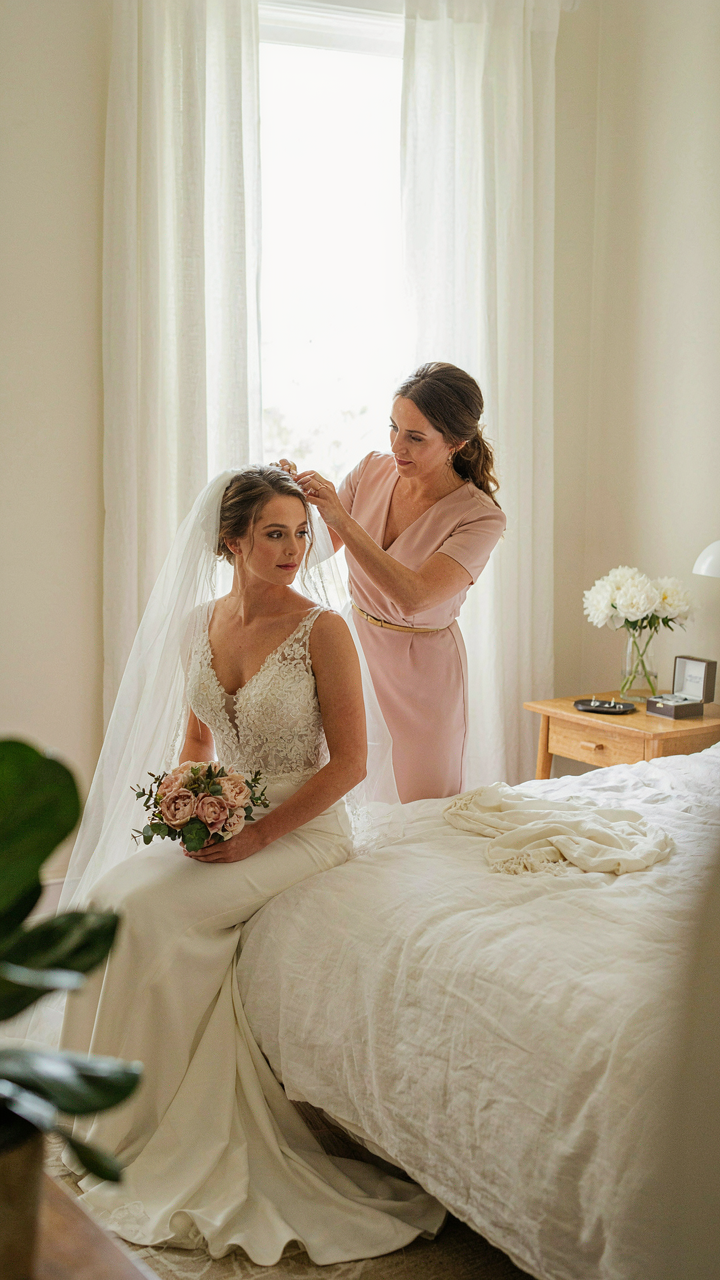
You want this toast to feel personal because you’re afraid a generic one makes you look like you don’t actually know your sister. That’s the real fear. But here’s the mechanism: people don’t remember broad statements about character. They remember the specific moment when you did something that changed how she saw herself. That’s the leverage point.

Think of sibling relationships like compound interest in psychology. Small actions accumulate into identity shifts. When you caught her after she failed at something and didn’t make it worse, you were actively reshaping her confidence. When you stood your ground against her on something that mattered, you showed her what disagreement looked like without abandonment. Name one moment where you materially changed her trajectory by doing something concrete, not by being nice.
Your Role After Today Shifts, Not Ends
The common advice is to promise you’ll “always be there” for her. That’s lazy. Marriage doesn’t erase the sibling bond, it complicates it. You need to articulate what your role becomes, not what it stays. This is future-proofing the relationship by being honest about the new constraints and the new value you provide.
A sister’s job after marriage shifts from peer to anchor. You become the person who remembers who she was before, who validates her when marriage makes her question herself, and who stays consistent while everything else reorganizes around her spouse. Don’t promise availability. Promise specificity. Tell her you’ll be the one who tells her the truth when her husband can’t, and that you’ll do it because you’ve known her longer. Then name one concrete way you’ll show up that way.
The Borrowed Theory Framework: Economic Scarcity In Relationships

Why Your Sibling Cannot Be Replaced
You’re reading this because you’re afraid your toast won’t matter, that anyone could stand up and say the same generic lines. Economics calls this “substitutability”—the degree to which one good can replace another. Your sibling relationship is the opposite. In economics terms, you’re an irreplaceable asset, not a commodity. You have specific history, specific knowledge, specific moments nobody else witnessed. The wedding guest list contains hundreds of substitutable people. You are not one of them.

This is why generic toasts fail. They treat the moment like it’s interchangeable with any other wedding speech. It’s not. You were there for formative events the groom or bride never repeated with anyone else—failures, victories, humiliations, inside jokes that only compress years into seconds when stated aloud. Your value isn’t in eloquence. It’s in scarcity. Only you can deliver the evidence that this person’s character formed in a specific way because you watched it happen.
What Makes You Non Substitutable
The common advice says “be authentic” and “share a personal story.” Both are incomplete directions. They miss the mechanism. Your bond exists because you accumulated shared context that cannot be recreated or paralleled. Cousins have similar history. Best friends chose each other. Only siblings have both time and zero choice in the matter. That forced proximity created memories nobody else owns. When you reference them in a toast, you’re not being sentimental. You’re documenting scarcity.
A financial advisor cannot replace a sibling’s testimony about who your brother or sister actually is under pressure. Your parents cannot deliver it without bias. Friends cannot speak to the foundation. You prove value by naming specific moments only you witnessed, then connecting them to who your sibling became as a spouse. The mechanism is simple: reference one memory nobody else in the room knows, explain what it revealed about character, then connect that character trait directly to why they’ll be a good partner. That’s non-substitutability in action.
Sister Of Groom Speech: Elevating Their Partner, Not Just Your Sibling

Positioning The New Spouse In Your Shared Story
You want to sound like you’ve accepted this person into your life, not like you’re tolerating them. Most sisters default to generic praise—”they’re so great,” “they make my brother happy”—which actually signals the opposite: you haven’t built a real relationship yet. The mechanism is simple: shared memory creates belonging. When you place the new spouse inside stories only your family knows, you’re not just complimenting them. You’re rewriting the narrative so they were always part of it.

Dig up moments where your brother’s partner shows up in ways that matter to your family’s actual behavior. Not virtues they possess, but specific things they’ve done that align with how your family operates. If your brother is sarcastic and his partner matches that energy, mention the joke only your circle would get. If they’ve already adjusted plans for family traditions without being asked, call that out by name. You’re not inventing history. You’re recognizing they’ve already proven they understand the code. That’s the only endorsement that sticks.
How They Change What’s Possible For Everyone
Common advice tells you to talk about how your brother will grow. Skip that. He’s the same person he always was. What shifts is what the family unit can now do. In network theory, a new node doesn’t just add another person—it creates exponentially more connection points. Your brother gained a partner. Your parents gained a different kind of access. You gained an ally who sees your family from outside and can call things nobody internal would say.
Be specific about the structural change:
- Holiday logistics become actual planning: Someone else now cares about timing, location, and who needs what. Your family stops defaulting to “we always do it this way.”
- Your brother gets honest feedback from someone invested but unburdened: His partner has no sibling baggage with him. They’ll tell him things you can’t say the same way.
- Your parents have another person who might catch things they miss: Two pairs of eyes on aging parents matters. A spouse notices differently than blood relatives do.
- You have someone new to process family dynamics with: Your brother’s partner is your only peer who’s chosen to be here. That’s different from family you’re stuck with by default.
- Crisis response improves because there’s actual redundancy: When something breaks, you’re no longer the default backup. Your brother has his own first call now.
Close this section by naming the one concrete thing their presence makes possible that wasn’t before. Not sentiment. Not potential. Something that changes today because they’re now in the room. That’s what they’ll remember you said.
The Authenticity Matrix: Avoiding Generic Wedding Speech Traps

Concrete Moments Over Vague Platitudes
You’re afraid the toast won’t sound meaningful. The real mechanism is this: your brain confuses abstraction with depth. Specificity is the opposite of generic. Name the actual day your sibling did the thing, describe what they wore, repeat the exact words they said. Generic advice tells you to “talk about their character.” That’s backwards. Character reveals itself through incident, not declaration. A single remembered conversation beats ten minutes of their virtues.

The difference is measurable. When you anchor a toast to a specific moment, your audience stops performing attention and actually pays it. They see the scene. They remember similar moments in their own lives. That’s transference, and it’s the only mechanism that makes a toast land. Pull three specific moments from your shared history. Order them. Connect them with one thread. Skip everything else.
Genuine Emotion Without Contrivance
Emotion experts call this the difference between felt response and performed response. Your voice betrays you instantly if you’re reaching for a feeling instead of reporting one you actually have. Most wedding toasts fail here because the speaker believes emotion needs amplification to count. It doesn’t. A crack in your voice means more than theatrical delivery ever will. The goal isn’t to make yourself cry. The goal is to say something true and let your body respond to the truth.
Start by identifying what actually matters to you about your sibling’s choice of partner. Not what should matter. What does. If you can’t find genuine stakes in the marriage itself, anchor to what this moment means for your sibling’s life trajectory, or what it cost them to get here. Then say it plainly. Skip the jokes that soften the landing. The audience can handle sincerity. They prefer it.
Funny Speech For Brothers Wedding From Sister: The Understated Power Of Sarcasm

Irony Over Insult
You want people to laugh at your brother without remembering it as cruel. That’s the real tension here. Sarcasm works because it creates distance between you and the statement itself, making cruelty optional. The mechanism is simple: you say the opposite of what you mean, the audience catches the gap, and they laugh at the truth hiding underneath instead of at your brother’s expense.

Mean-spirited jabs land flat because they require the audience to pick a side against someone. Irony doesn’t demand that. When you say “My brother has always been known for his reliability and on-time arrivals,” while everyone knows he showed up three hours late to his own rehearsal dinner, the laugh belongs to the observation, not the attack. The bride smiles. Your brother grins because he’s in on the joke. This is the difference between a toast people repeat and one they cringe about later.
Timing Beats Punchlines
Delivery matters more than material because the audience reads your face before processing words. If you land a line with a deadpan expression and hold it slightly too long, the subtext does the work. This isn’t about theatrical pauses or performative acting. It’s about speaking at the natural rhythm of conversation, then letting silence sit where a normal person would rush to fill it.
The best sarcastic moments in toasts happen when you commit to the bit completely. State something absurd about your brother as fact without winking. Let the cognitive dissonance sit for one beat. Then move forward as if nothing unusual happened. The audience fills the gap themselves, which makes the laughter theirs, not something you extracted from them with effort. This approach keeps the tone sophisticated instead of hacky.
The Unforgettable Close: Your Lasting Impression Strategy

Anchor The Bond In Concrete Terms
You want them to remember you said something meaningful. That’s the real driver here. Most siblings default to vague sentiment about “always being there,” which lands nowhere because it applies to literally everyone. The mechanism is specificity. In psychology, this is called the “encoding specificity principle” – memory sticks when you attach information to concrete details, not abstractions. Name a specific moment, a specific trait, a specific way your sibling showed up. One example beats a hundred generic promises. The room will lean in because they’re suddenly hearing something real instead of a template.

The close isn’t where you earn points for eloquence. It’s where you prove you actually know this person by referencing something only you two would recognize. A specific inside joke. A decision they made that shifted how you saw them. A moment when they chose you over the easier path. This is what separates a toast people forget by dessert from one that lands in their chest. End this part by saying something true about them that nobody else in that room could have said.
Land The Final Line Clean
Generic toasts end with “everyone raise your glass.” That’s where 90 percent of people fold. Your exit needs one sentence they repeat to each other later, the kind of line that survives the night. Not a joke that requires setup. Not a life lesson. A declarative observation about your sibling or the marriage itself, stated with zero qualification. Short. True. Done. The best wedding toast closes don’t crescendo with emotion – they hit with clarity and then stop.
Deliver the final line slower than the rest of your speech. Pause before it. Let the room notice the shift in your pace. This isn’t a performance trick – it’s a signal that what you’re about to say matters differently than the rest. After you say it, raise your glass, look at your sibling directly, and hold the look for two full seconds before turning to the room. That pause is the protocol. It gives the line room to land before people start drinking.
The Real Obstacle Isn’t Finding Words; It’s Overcoming Your Fear Of Truly Asserting Your Unique Value In Their New Equation

You’re not scared of public speaking. You’re scared of claiming your specific role in their story. Your siblings need you to say the hard thing, not the safe thing. The thing only you know. Write down three moments nobody else witnessed. Pick the one that makes you uncomfortable. Lead your toast with that. You’ll either connect deeper than you thought possible, or you’ll realize you were never the problem. Either way, you stop hiding behind generic compliments and start mattering.