The Folly Of Over Complication: Why “Pinterest Perfect” Fails
What Kids Actually Want Versus What You Think They Want
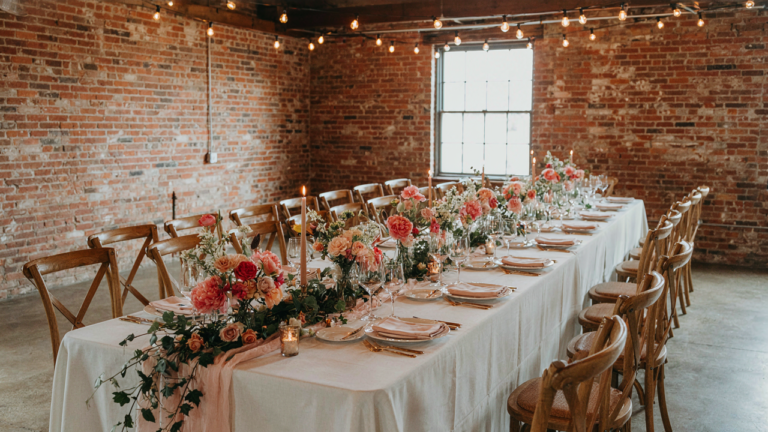
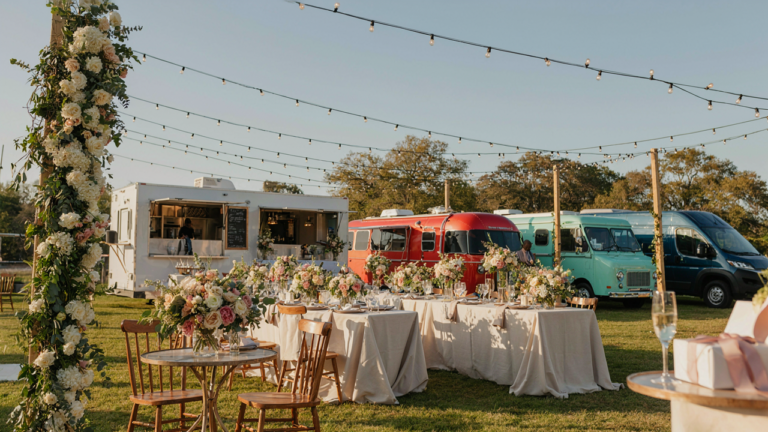
You’re scrolling Pinterest because you believe an elaborate kids table signals that you respect your guests’ children. That’s the real fear underneath this decision. But here’s the mechanism: children operate on a different economy than adults. They don’t decode visual effort or thematic coherence. They want autonomy, novelty, and the ability to move. The gap between what impresses parents and what engages children is where budget wedding kids table ideas fail hardest. You’re solving for an audience that isn’t paying attention to the problem you’re trying to solve.
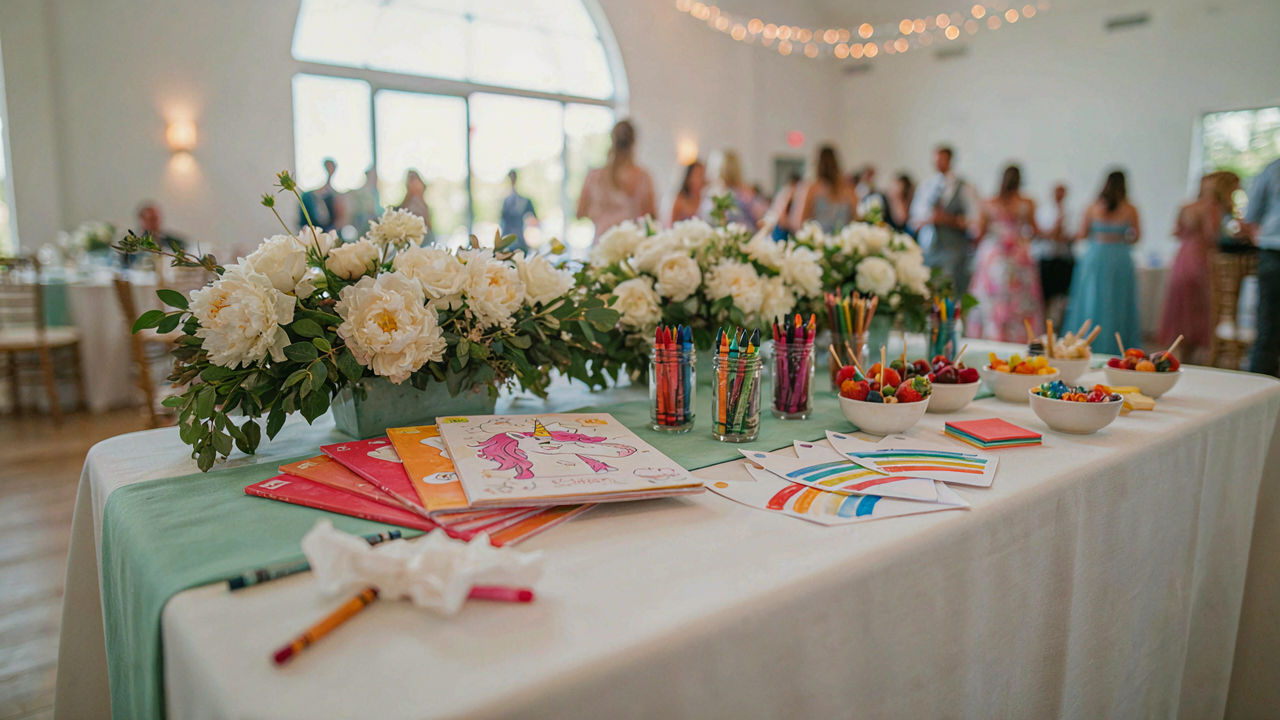
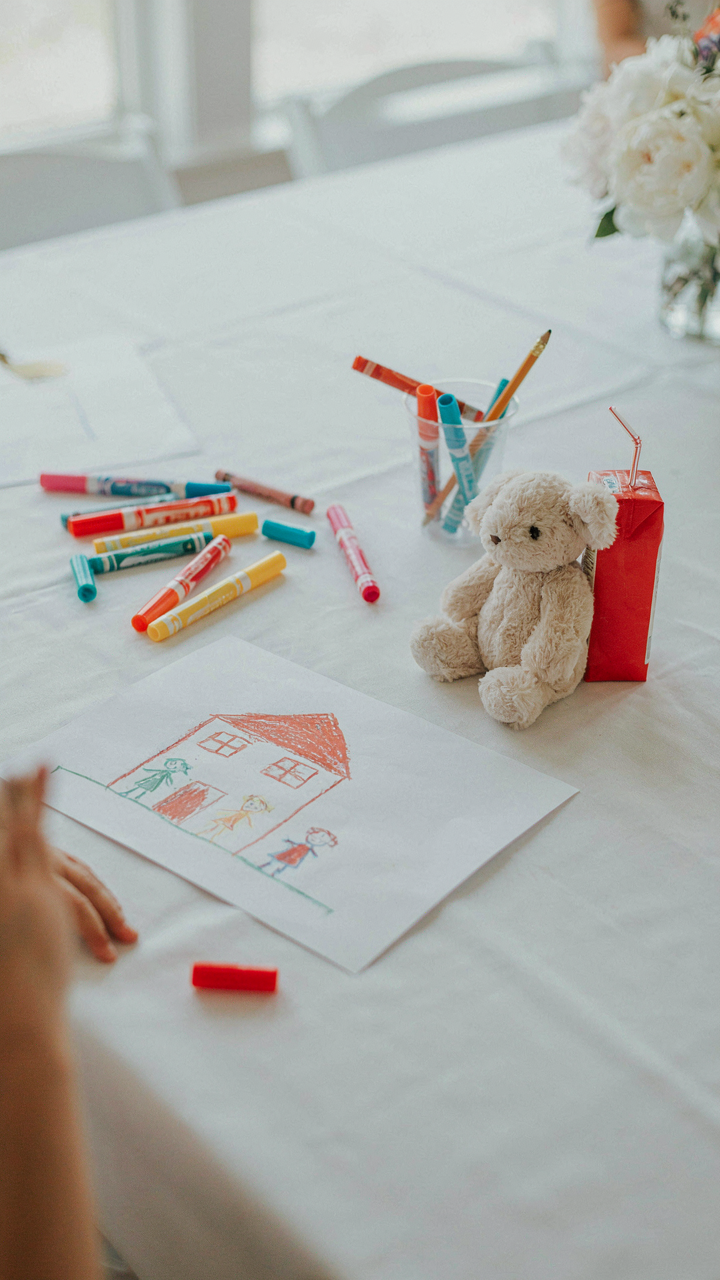
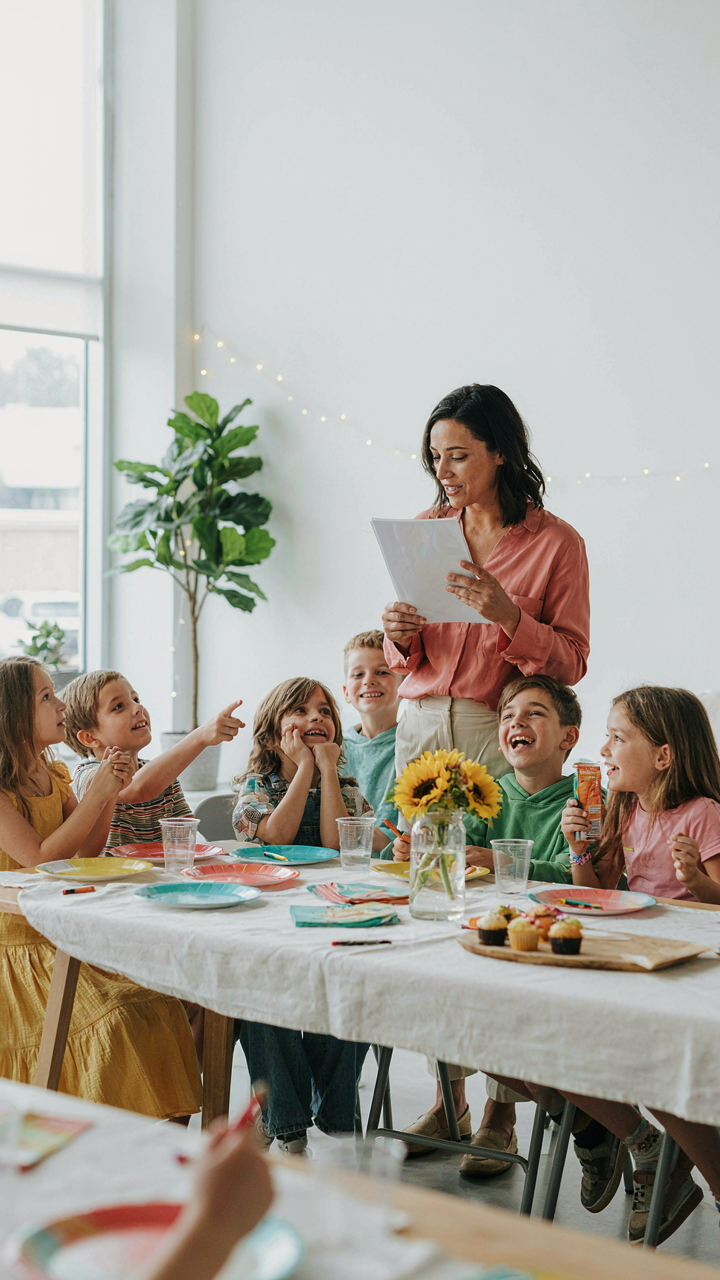
A table with twelve coordinated place cards, custom napkin rings, and a three-tiered centerpiece communicates one thing to a seven-year-old: sit still and don’t touch anything. Meanwhile, a table with markers, paper, and permission to move communicates play. Kids will remember the wedding they were allowed to participate in, not the one where they were styled like decorative objects. The shift from “curated” to “functional” isn’t a downgrade. It’s a redirect toward what actually works.
The Real Cost Hidden In Elaborate Setup
Most budget wedding advice ignores the labor equation entirely. Building custom place card holders, hand-painting table numbers, or assembling favor boxes doesn’t cost money in the obvious way. It costs your time in the weeks before the wedding when you’re already running on fumes. Economics calls this “opportunity cost”—the thing you give up by choosing one action over another. In wedding planning, that thing is usually sanity. Every Pinterest project you commit to is time you’re not spending on parts of the wedding that guests actually experience directly.
Then there’s assembly failure. You make thirty DIY items. Seven of them break during transport or setup. Three disappear. Five look worse in person than in photos. You’ve now spent six hours plus materials on items that either failed or nobody noticed. The protocol here is simple: if you can’t buy it pre-made in under an hour, it shouldn’t be on the kids table. Your energy should go toward feeding them well and keeping them occupied, not toward craft projects that masquerade as hospitality.
The “Boredom Buffer” Protocol: Essential Wedding Kids Ideas
How Long Before Kids Lose Focus
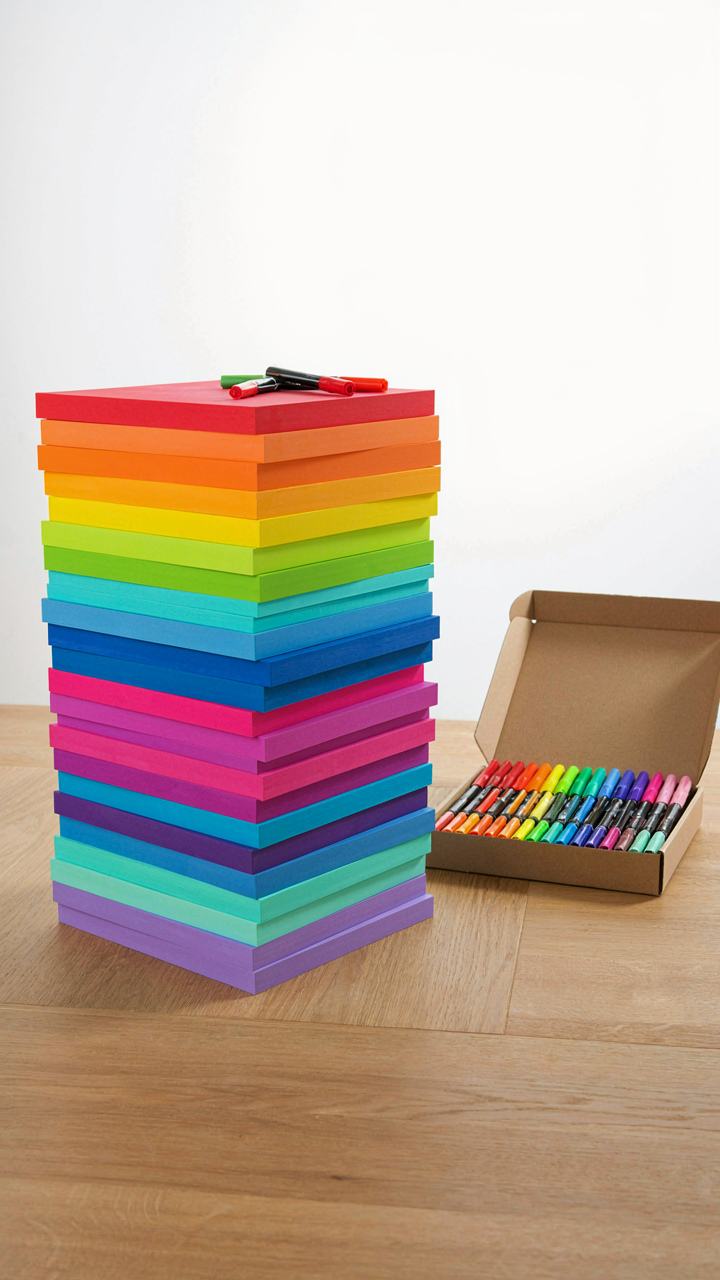
You’re worried about chaos breaking out at your reception because you don’t want to look like you can’t manage your own event. Here’s the mechanism: attention span isn’t fixed, it’s a supply problem. Kids don’t run out of focus—they run out of novelty. The threshold shifts based on activity type and stimulation level, not age alone. A passive activity like coloring maxes out around 20 to 30 minutes. An interactive game with rules and competition extends that to 45 to 60 minutes. A tactile craft activity lands somewhere in between at 35 to 50 minutes.

The mistake most people make is treating all activities as equal time blocks. They aren’t. A kids’ table with one activity option guarantees restlessness because engagement drops the moment novelty wears thin. Budget constraints force you to compress your options, which is actually an advantage: you’re forced to pick activities that genuinely hold attention, not padding that looks busy. Plan for three distinct activities, each designed to fill a specific window of time within the 90 to 120 minute reception span. The first activity starts immediately when kids sit down. The second launches 30 to 40 minutes in. The third fills the final stretch.
Reduce Options, Increase Engagement
Common advice says offer variety so every kid finds something they like. That’s wrong. Too many options create decision paralysis and scattered attention. Economics calls this the “choice overload paradox”—more options reduce satisfaction and increase abandonment. Apply that directly: a kids’ table with five craft stations and three games becomes a buffet kids sample and abandon. A table with one designated craft and one designated game creates focus. Kids commit because the path is clear.
The real constraint on budget weddings isn’t money—it’s complexity. Fewer supplies mean easier execution, less setup time, and no scattered materials creating visual noise. Pick one primary activity that accommodates 15 to 20 minutes of structured engagement, then one secondary activity that fills the remaining time. Stock only what those two activities need. This forces clear thinking about what actually works instead of what looks good on a Pinterest board. Execution wins on a budget because you control variables. Buy poster board and markers for one coloring mural, and colored pencils for a single group craft. That’s the entire supply chain.
Beyond Crayons: Kid Activities For Wedding That Actually Work
Split Kids Into Age Bands, Not One Group
You want the kids occupied so adults stop watching them instead of eating and talking. The real mechanism is cognitive load: a five-year-old and a twelve-year-old operate in completely different attention spans and social hierarchies. Mixing them forces you to choose activities that bore one group or frustrate the other. Separate them into two zones minimum: under eight and eight and up. This isn’t cruelty, it’s physics.

The under-eight group needs constant small-scale input and physical movement. They lose focus in thirty-minute blocks. The older group needs autonomy and mild competition. They’ll self-organize if you give them a framework. Staffing matters here. One adult per five younger kids works. Older kids need supervision too, but they’ll flag you if something breaks rather than eating it. Assign a parent or trusted older teen per table zone before the reception starts, not during.
Give Them Open Problems, Not Coloring Sheets
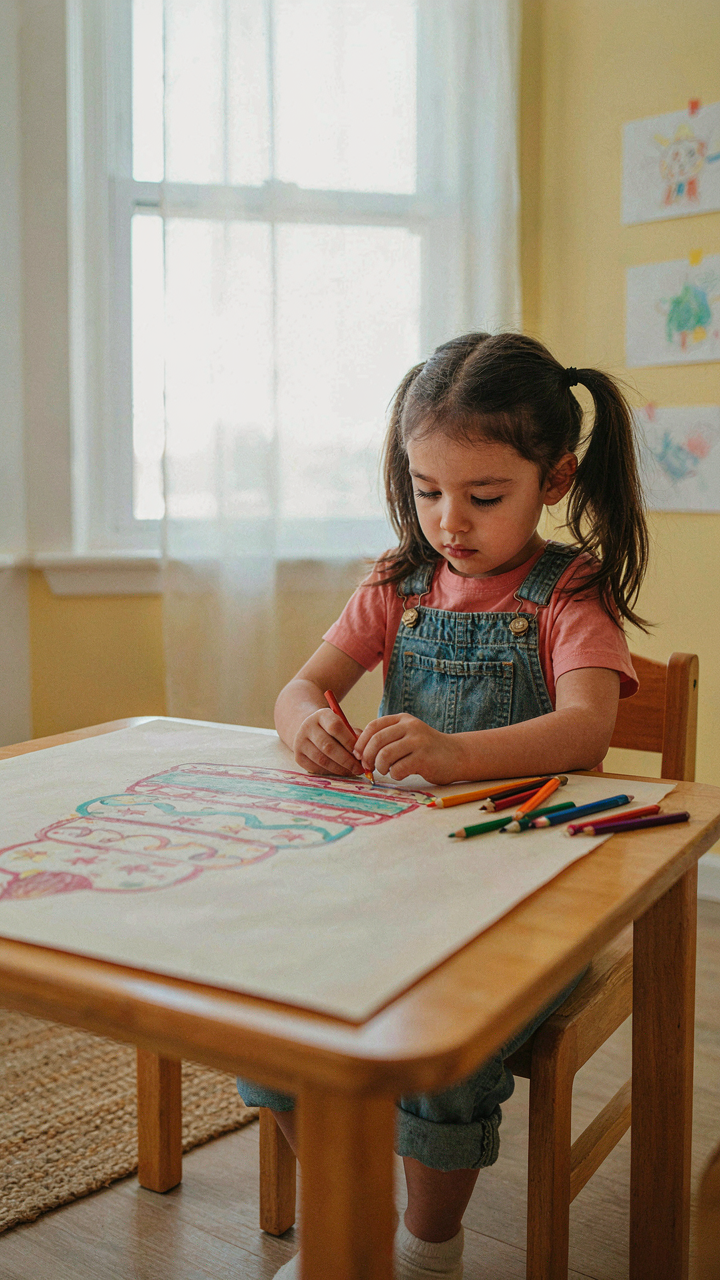
Coloring sheets don’t work because they require nothing. Kids finish in five minutes or ignore them entirely. Generic crafts are the same trap. Open-ended prompts work because they let kids decide the scope and complexity. Psychology calls this self-determination theory: people engage longer when they choose the direction, even within constraints.
Set up a “design the wedding cake of the future” station with paper, markers, and basic shapes. Kids draw, build, modify based on their own ideas. Or a “guest interview” sheet where they ask three people a specific question and write answers. The structure gives them purpose. The openness lets a six-year-old draw a three-tier cake while a twelve-year-old architects a rotating sugar structure. The activity works across the age band because each kid escalates it to match their own threshold. Rotate stations every twenty to thirty minutes to reset attention before boredom sets in.
The “Quiet Zone” Fallacy: Redefining Kids Corner Wedding Ideas
Where Kids Actually Belong
You want the kids contained and invisible because you’re afraid they’ll disrupt your moment. That’s not tactical thinking—that’s denial disguised as planning. The real mechanism: kids who sit isolated get bored, act out, and require constant management from parents who should be present at the reception. Proximity to the action, not distance from it, is what controls behavior.

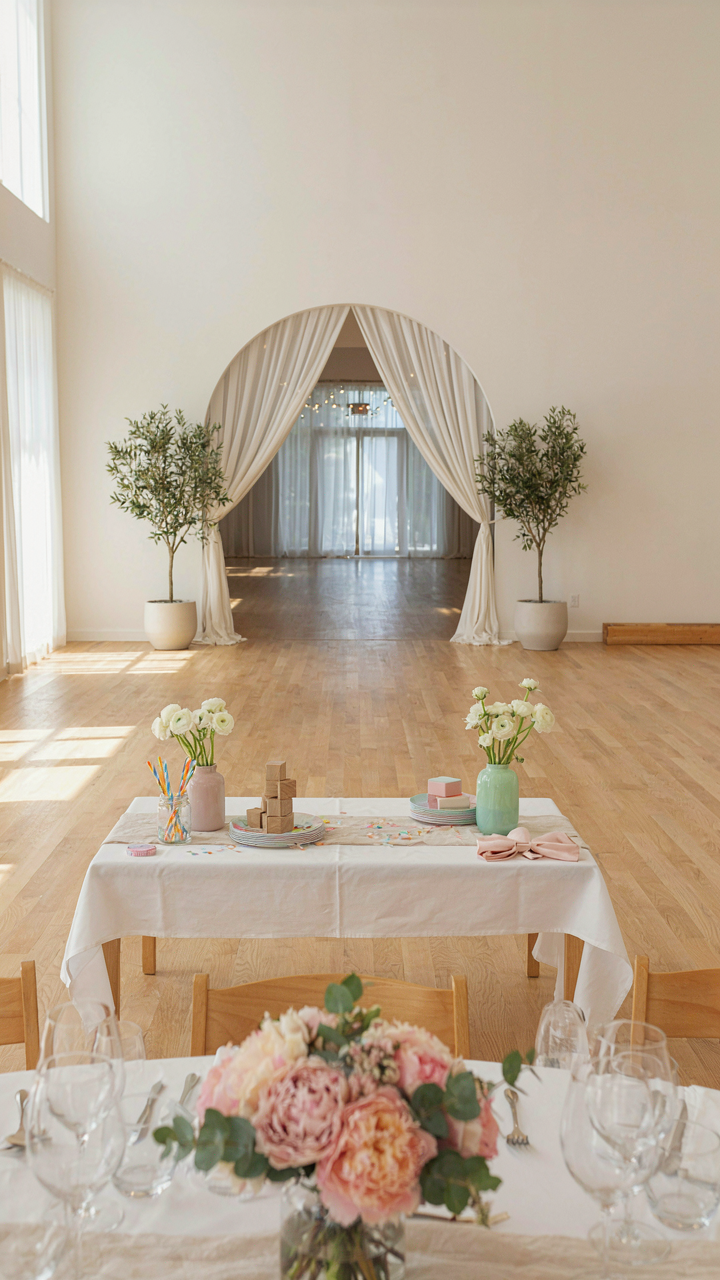
Think about this like event architecture—the principle of “sight lines” from stadium design. Kids need visual access to the ceremony flow, the music, the movement. When you exile them to a back corner with a coloring station, you’ve created a containment problem instead of a participation structure. They’re not entertained; they’re abandoned. Budget-smart weddings solve this by placing the kids table in the reception hall’s active zone, usually near the dance floor entrance or within sight of the cake cutting. The behavior cost drops because engagement replaces boredom.
Who Watches What Actually Matters
Forget the advice about “creating a fun kids space” and letting them self-entertain. Parents need clear sightlines to their children from their own seats, period. If you place the kids table where a parent has to turn around or crane their neck to see their child, you’ve outsourced supervision to unprepared teenagers or stressed relatives. The mechanism is simple: proximity reduces parental anxiety, which reduces their need to leave the reception to check on things.
The practical move is this—map your room layout and identify which spots let parents at adult tables see the kids table without obstruction. Furniture placement, not decoration, drives this. A low centerpiece on the kids table instead of a tall one means parents sitting ten feet away maintain visual contact. Budget constraints actually help here because you’re not tempted to spend money on elaborate room division. You’re working with what the venue gives you, which usually means open space that naturally allows sightlines. Position kids where parents can monitor without effort.
The “Engagement Economy” Model: Applying Behavioral Economics
Reward Systems That Actually Hold Attention
You want the kids occupied so you can relax, but generic advice tells you to just “set up activities.” That’s denial. Behavioral economics calls this the problem of sustained engagement: kids abandon tasks when the reward structure collapses. The mechanism is simple. A single activity has a built-in shelf life. Once novelty wears off, attention flatlines. You need staged rewards that trigger dopamine hits at intervals, not all at once.

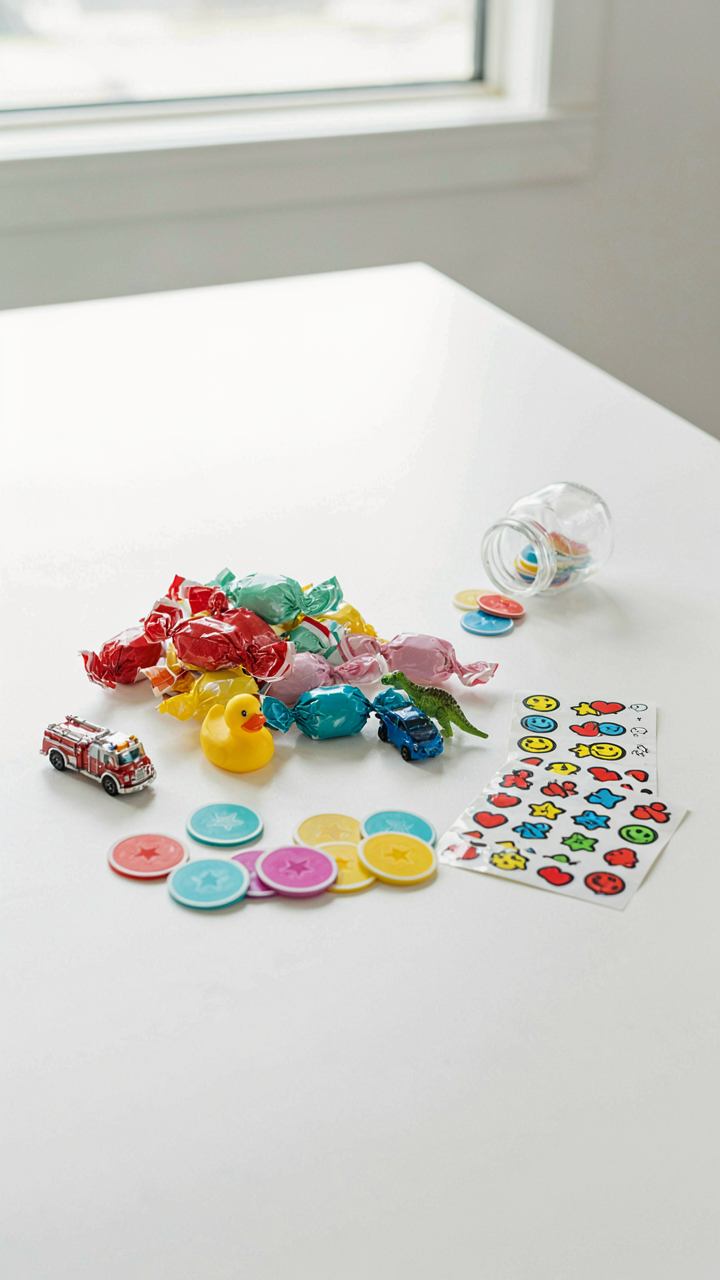
Structure your kids table around a point system tied to physical objects they can hold and trade. Give each child five tokens at the start of the meal. They earn tokens for specific behaviors: staying seated through the first course, helping younger kids with napkins, not interrupting toasts. At the end of the reception, tokens convert into small prizes from a physical table they can see. This creates predictable incentive loops instead of relying on willpower or parental threats.
Managing The Collapse Point Before It Happens
The common mistake is overloading the kids table with too many activities. Three crafts, two games, snacks, a photo booth station. What actually happens: kids burn through novelty in forty minutes, then chaos follows. Diminishing returns from behavioral psychology shows that stimulation intensity must taper, not spike randomly. Constant novelty creates exhaustion, not engagement.
Plan backward from your reception timeline. If the kids table runs three hours, allocate ninety minutes for eating and structured activities, then shift to lower-intensity options for the final hour. Rotate between high-engagement tasks and low-engagement buffer activities. Example: craft activity (30 min), snack break (15 min), table games (30 min), coloring stations (30 min), then screen time or quiet table games (final 45 min). Build fatigue management into your schedule instead of hoping kids self-regulate.
DIY Disaster Avoidance: Practical Kids Wedding Table Ideas
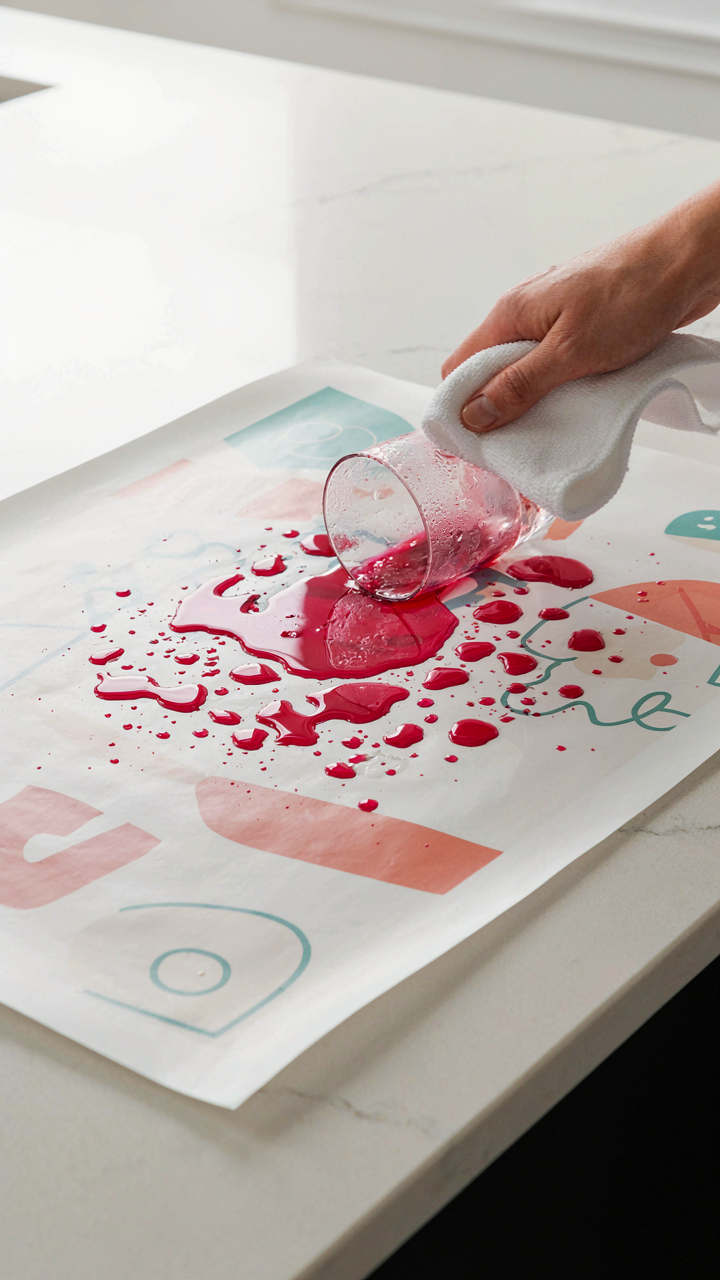
Materials That Don’t Betray You Under Pressure
You’re worried about stains because you know they signal negligence to guests—that you didn’t plan ahead. The mechanism is simple: porous materials absorb liquids fast, and once absorbed, the damage becomes permanent evidence. Cotton tablecloths, paper placemats, and untreated wood absorb everything. Polyester blends and sealed surfaces repel spills long enough for you to wipe them clean before they set. This isn’t about being precious. It’s about choosing substrates that give you reaction time.
Laminated paper placemats, plastic-coated tablecloths, and sealed wood tables buy you minutes instead of seconds. Marker stains wash off laminated surfaces but embed into paper. Food grease beads on plastic rather than spreading through fabric fibers. Silicone placemats—originally engineered for craft studios—resist both liquid and heat damage better than traditional options. The math is clear: non-porous materials cost less to replace and require zero cleanup strategy. Buy surfaces that work against the mess, not with it.
Build Ahead Activity Packs That Actually Hold Attention
The common advice says “just give them crayons and coloring pages.” Wrong. Kids need novelty to stay seated, and loose materials scatter across the floor within minutes. Pre-assembled packs eliminate the setup tax on parents and create boundaries for what kids can access. You’re controlling the environment by compartmentalizing the tools.
- Crayon packs with activity booklets: Bundle crayons with tear-out activity books inside a small kraft box. Kids open one box per table, crayons stay contained, booklets provide 20-30 minutes of engagement before restlessness sets in.
- Sticker sheets with cardstock templates: Pre-cut cardstock templates with outlined areas for stickers. Stickers don’t stain, don’t require supervision, and kids complete one template in 15-20 minutes before moving to the next.
- Puzzle card sets in labeled envelopes: Small jigsaw puzzles or logic puzzles sealed in individual envelopes. Kids open one per 15 minutes. Envelopes prevent piece loss and create natural stopping points between activities.
- Magnetic games with contained boards: Travel-sized magnetic chess, checkers, or connect-four games. The magnetic board contains all pieces, prevents setup chaos, and accommodates two to four players simultaneously at one table.
- Temporary tattoo packs with instruction cards: Each pack includes 5-10 temporary tattoos with water and simple application steps. Zero mess, 10-15 minutes of engagement, and kids leave the table with a tangible outcome.
Assemble these packs one week before the wedding. Use clear labeling so servers know which packs go to which tables at which time intervals. Stagger distribution—deploy the first pack when kids sit, the second midway through appetizers, the third before the main course arrives. This prevents activity burnout and gives parents natural conversation breaks between each deployment.
The “Attraction Multiplier”: Activities For Kids At Weddings
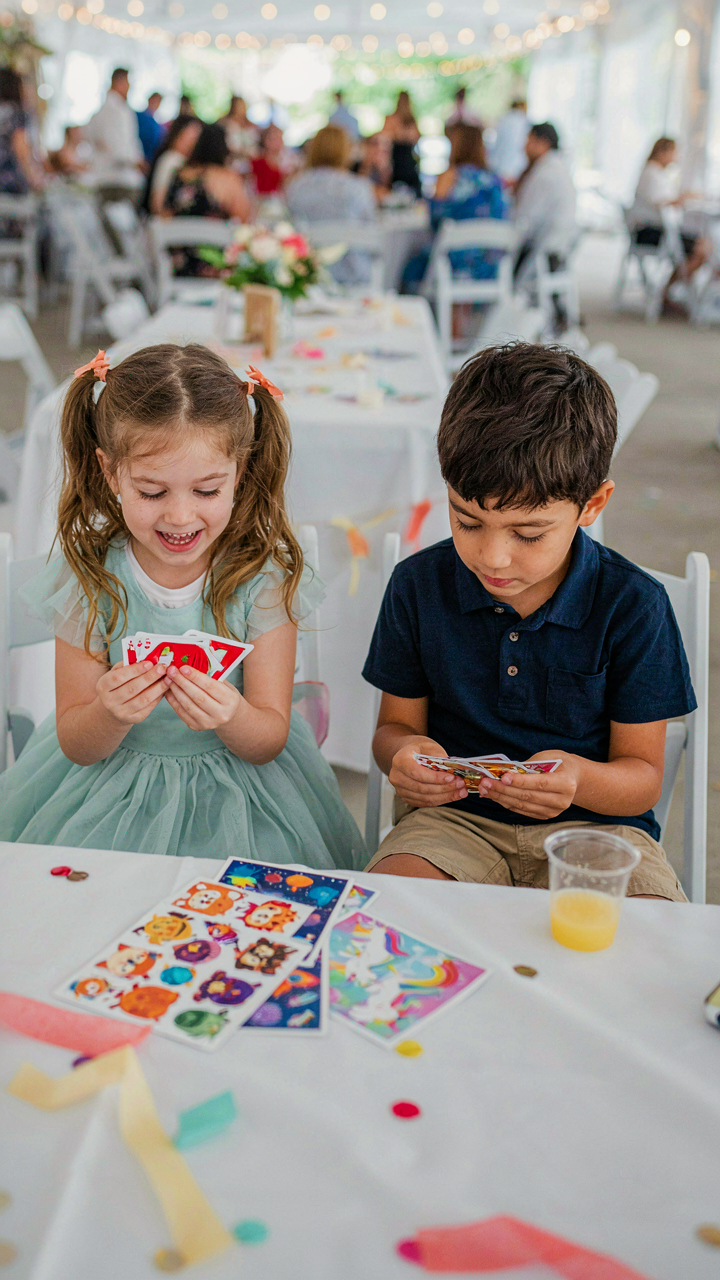
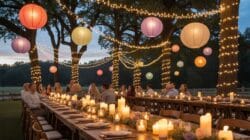
Games That Keep Kids Seated And Occupied
You want to avoid the moment when kids bolt from the table and wreck your carefully planned reception timeline. The real mechanism here is attention capture, borrowed from behavioral economics: you’re competing against every other stimulus in the room. The winner is whatever holds focus longest without requiring adult intervention every thirty seconds.

Games work because they create a closed loop—start, play, finish, repeat—with built-in rules that kids already understand. Skip the assumption that kids need constant novelty or expensive entertainment. Seated games tied to the meal (completing them before dessert) anchor kids to the table and give them a concrete finish line. Coloring sheets, word searches, and card games cost under a dollar per child and produce two to three hours of unbroken focus when executed properly.
Stations Kids Control Without Asking For Help
Self-directed exploration removes you from the equation entirely. This is the operational difference between passive consumption and active engagement—kids move through their own choices rather than waiting for permission or instruction. Set up three to four distinct stations around or near the kids table: a craft station with no-mess materials, a puzzle station with age-appropriate difficulty, and a performance zone where kids can show their work to each other.
The key constraint is materials that produce zero spillage and require zero explanation. Pre-assembled craft kits, dry-erase activities, sticker scenes, and modular building blocks all fit this criteria. Kids naturally rotate through stations when boredom hits one activity, which spreads their attention load across the entire reception rather than concentrating restlessness into one moment. Supply ratio matters—one activity per two children prevents bottlenecks and keeps momentum steady throughout service.
Food As Function: Kid Friendly Wedding Activities & Fuel
Snacks That Don’t Destroy The Venue
You’re worried kids will get bored and loud, and you’re right to be. The mechanism is simple: fed kids have less energy to burn on chaos. Hunger creates behavioral noise. The common advice says “serve cute finger foods,” which is incomplete. You need foods that don’t generate collateral damage—no sticky hands on tablecloths, no crumbs ground into carpet, no staining on rented chairs.
- Cheese cubes and crackers: Pre-cut blocks stay contained on plates. No mess transfer to surfaces. Pairs with grapes for variety without complexity.
- Fruit skewers: Pineapple, melon, and berries on wooden sticks give structure. Kids hold the stick, not individual pieces. Less dropping, less spreading.
- Soft pretzels or breadsticks: Carbs sustain energy longer than sugar. No grease residue like chips leave behind. Serve at room temperature or slightly warm.
- Veggie cups with ranch: Individual cups prevent communal dipping contamination. Carrots and celery don’t stain. Keeps hands dry compared to wet fruit.
- Popcorn in paper cones: Contained in a vessel. Kids eat directly from the cone. Minimal debris on the table surface itself.

Portion control matters here. Overfeed kids and you amplify the energy problem, not solve it. Set up the snack table away from the main reception flow so kids can access food without running through ceremony spaces. Replace empty bowls every 20 minutes—stale food signals neglect and kids will leave the table searching for entertainment.
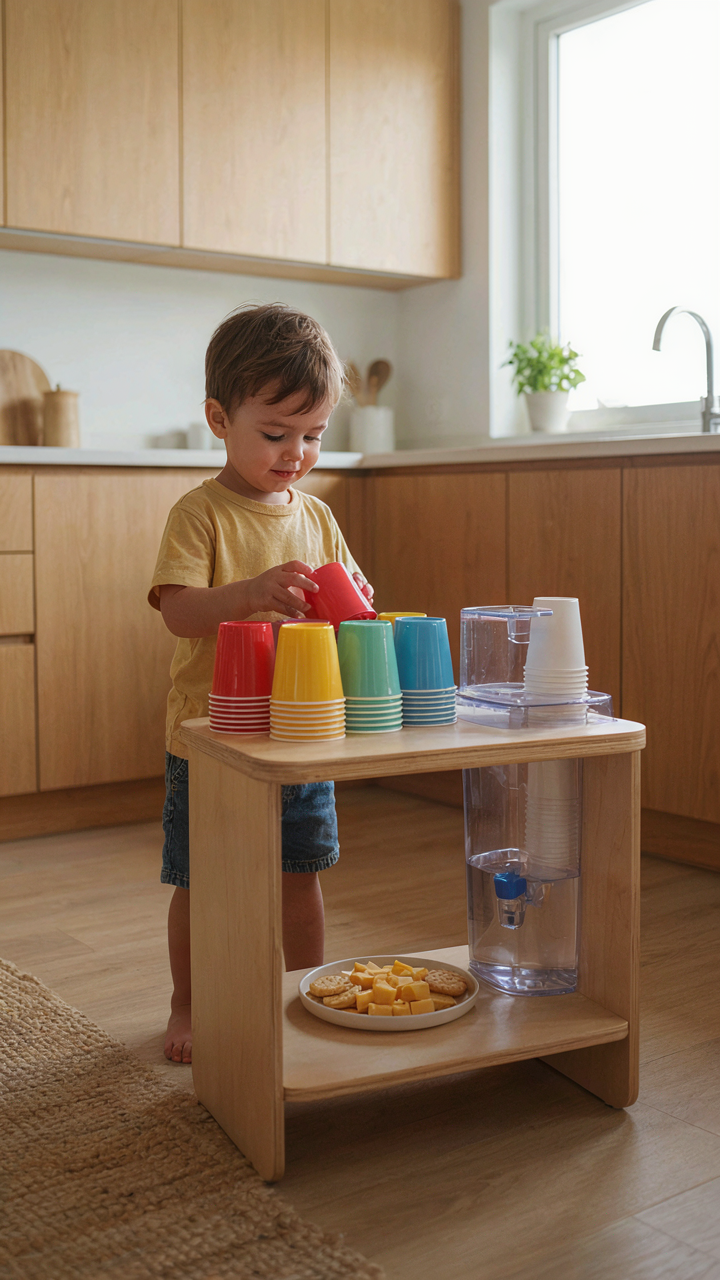
Self Service Drink Stations
Parents think hydration is about health. It’s actually about behavioral regulation. Dehydrated kids get cranky and combative. A self-serve station removes the dependency on adult service, which means fewer interruptions to your reception timeline and fewer kids sitting idle waiting for a drink.
The setup matters. Place a low table or cart at kid eye level, not adult height. Stock small cups (8-ounce size), not full water glasses that spill easily. Include water as the base option, then one juice option diluted with water to reduce sugar spike. Add a small bucket underneath for condensation drips so wet surfaces don’t become slip hazards. Train one designated family member to refill cups every 15 minutes rather than expecting kids to manage a pitcher.
Delegation, Not Domination: Managing The Kids Table Wedding Reception
Assign Supervisors Before The Ceremony
You’re worried someone will drop the ball and your wedding photos will show chaos instead of control. Here’s the real mechanism: supervision fails because nobody owns it. Borrow from military chain of command—assign one responsible adult per eight to ten children, giving each supervisor a specific zone and explicit authority to make decisions without checking back with you.

Name supervisors three weeks before the wedding. Give them a one-page brief covering meal timing, bathroom access, noise escalation, and what counts as a genuine problem versus normal kid behavior. They need to know whether they’re managing a quiet craft station or supervising active games. Clear authority prevents supervisors from freezing when something unexpected happens.
Emergency Contact Protocol
Write down every child’s parent or guardian phone number on a laminated card. Keep one copy with each supervisor and one in your pocket. You don’t need elaborate systems—you need instant access to someone’s actual parent if a kid gets injured, sick, or violates a hard boundary.
Before guests arrive, walk each supervisor through the card and confirm they understand which child belongs to which contact. This takes five minutes and eliminates the ten-minute panic search when you actually need it. Test the system: give supervisors permission to contact you or a designated backup if anything requires an adult decision they’re uncertain about.
The “Post Mortem” Principle: Refining Kids Table Wedding Activities

What Actually Worked
You want to know what worked so you don’t repeat failures at the next event. That’s the real reason you’re reading this. Most people skip the feedback loop entirely, which means they throw money at the same broken activities year after year. The mechanism is simple: activities succeed or fail based on three factors—setup friction, attention span match, and whether kids can execute without constant adult intervention. You measure these during the event, not after. Document which activities held engagement past the first ten minutes, which ones created cleanup chaos, and which ones left parents scrambling.
The data you need is bare: Did the activity keep kids occupied for its intended duration? Did it create messes that required extra cleanup staff? Did kids ask to do it again or abandon it halfway through? Compare craft complexity against the actual age range seated. Note whether table supervisors reported behavioral issues during specific activities. These observations take ninety seconds to record per activity. Most couples never capture them because they’re stressed during the reception. Assign one person to jot down notes on a single page. That page becomes your blueprint.
Stress Test Before Scaling
Activity design in controlled conditions rarely predicts real-world performance, a principle borrowed from systems engineering where prototypes fail in production environments. Your kids table activities fail the same way: what works in a calm test run collapses under actual wedding noise, energy levels, and table dynamics. Run each activity with the exact age group invited, in a space with similar ambient noise and distractions. Set a timer for the full planned duration. Watch where execution breaks down. Do markers dry out? Do younger kids get frustrated? Does the activity require more space than your table provides?
After stress testing, document what changed between your ideal scenario and reality. Adjust materials, simplify instructions, or extend timing based on actual performance. Then test the revised version once more with fresh kids. This costs almost nothing and eliminates the most expensive wedding mistake: paying for catering and rentals around activities that collapse. When you finalize your activity list, each one should have passed at least one real-world trial run.
The Real Obstacle Is Your Need For Control; Kids Tables Thrive On Elegant Chaos, Not Rigid Itineraries
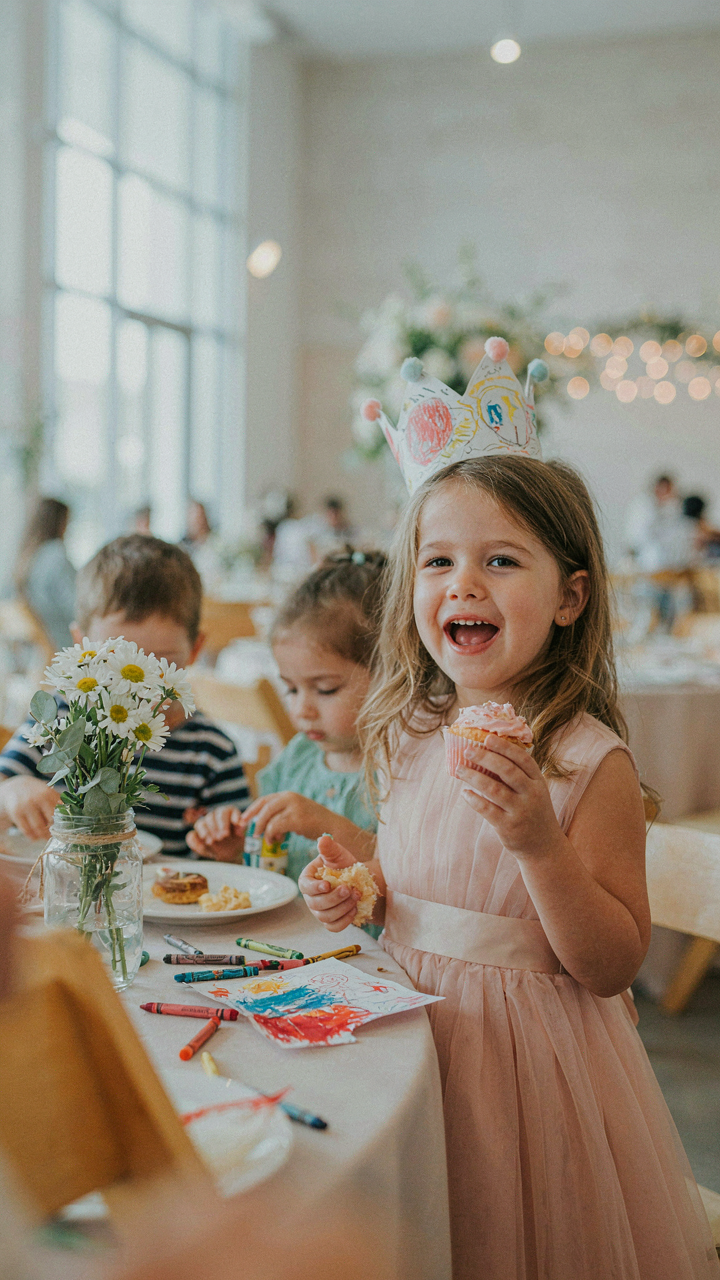
You’ve been fighting the wrong battle. You don’t need a perfect budget kids table setup. You need permission to let it work without you micromanaging it. Kids entertain themselves when you give them one solid anchor: food, activity, or both. Stop designing the experience. Start removing obstacles. Pick one idea from this article, buy the supplies today, and trust that boredom breeds creativity faster than any Pinterest board ever will. The best kids table isn’t curated, it’s unsupervised.