The Illusion Of Budget And The Live Wedding Painter Conundrum

Why Generic Budget Advice Collapses
You want to feel smart about spending less while getting more, and budget advice tells you that’s possible. It isn’t, not in the way you think. The real mechanism at work is constraint displacement. Economics calls it the problem of scarcity: you can’t optimize all variables at once. Wedding couples try to anyway. They cap the painter’s fee, then watch hidden costs multiply across setup time, canvas size, paint quality, framing, and delivery logistics. Each cost you don’t name upfront doesn’t disappear. It gets absorbed somewhere else or the project fails silently.
Generic budget guidance fails because it treats live painting as a simple commodity purchase instead of a service with structural dependencies. The advice says “get quotes from three painters and pick the cheapest.” What it doesn’t say is that the cheapest option often compresses margins so thin that the painter cuts corners on preparation, canvas prep, or post-event touch-ups. The real cost isn’t the hourly rate. It’s the quality variance that comes with underbidding, which you notice weeks later when the painting hasn’t aged well or the colors have shifted. Budget planning for a live painter requires naming every dependency before negotiating price, not after.
Hidden Costs That Wreck The Budget
The painter’s fee is visible. Everything else hides in plain sight. Travel costs escalate based on venue distance and setup accessibility. Many couples pay the quoted rate and assume that covers arrival, setup, and departure. It rarely does. If the venue requires the painter to arrive two hours early to assess light conditions or space constraints, that’s billable time most couples never budget for. Parking, equipment transport, and liability insurance get absorbed into the base fee, which means painters either overcharge everyone or undercharge and cut quality. Insurance alone runs fifty to two hundred dollars depending on coverage level and state requirements.
Canvas and material costs spike with reception size and painting complexity. A painter quoting for a standard three-hour event might discover halfway through that the couple wants a larger canvas than discussed, or wants the finished piece framed and delivered weeks after the event. Framing typically runs three hundred to eight hundred dollars depending on materials and size. Post-production touch-ups, varnishing for longevity, and delivery create a second tier of expenses that couples discover after the event ends. The mechanism to avoid this is to lock down specifications in writing before signing any contract: exact canvas dimensions, material grade, framing decision, delivery method, and timeline for any post-event work.
The Scarcity Leverage: Optimizing Your Live Painting Wedding Investment
Capture Key Moments, Not The Whole Event
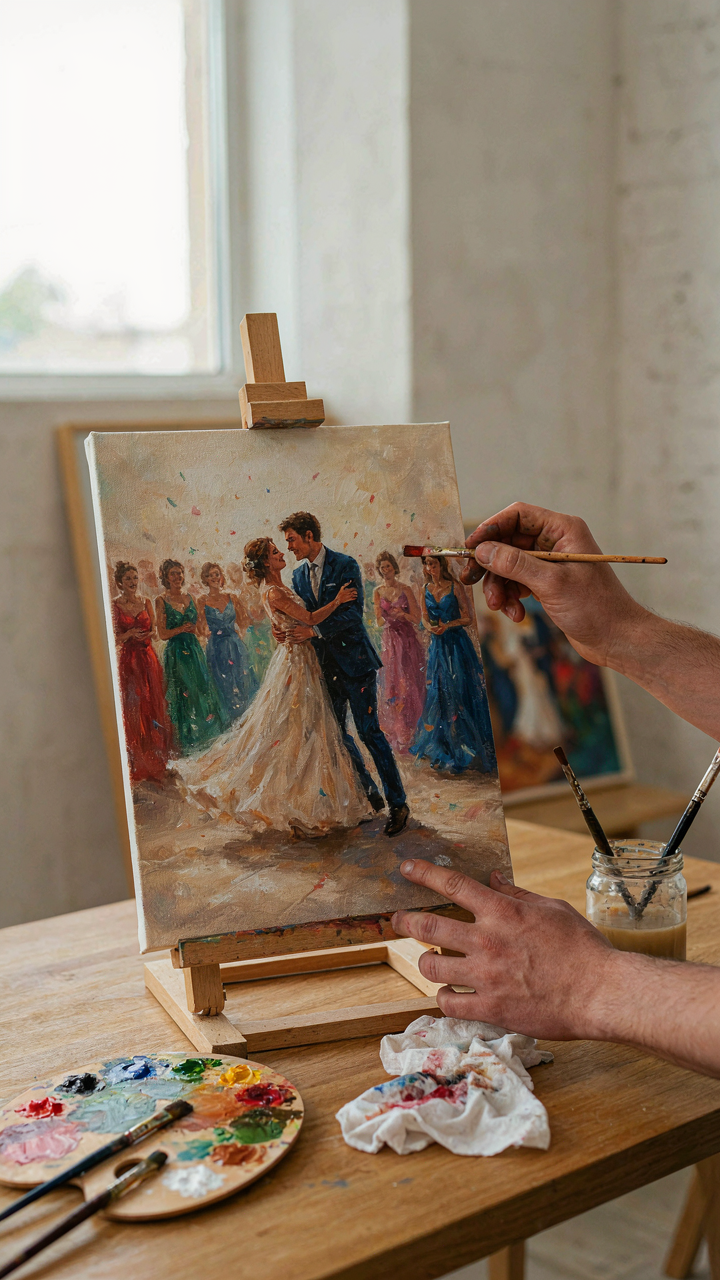
You’re worried a live painter will feel incomplete if they’re not there the entire reception—that you’re somehow cheating the investment. Here’s the mechanism: painters work in concentrated attention spans, not endurance. Economics calls this marginal utility. In budget reception live painting, your painter’s output degrades after three to four hours of active painting. The brushwork stays sharp only during peak moments.

Book your painter for ninety minutes to two hours, positioned during cocktail hour and first dances. This is when genuine emotion surfaces and lighting remains controllable. The painter captures the actual substance of your event, not hours of filler dancing nobody remembers. Your cost per usable painting hour drops by 40 to 50 percent compared to full-reception rates, and the final piece reflects better work because fatigue hasn’t set in.
The Real Negotiation Beyond Hourly Rates
Most couples ask painters for discounts. That’s lazy negotiation. What you actually need: deliverables specificity, not cheaper hourly labor. Ask what you own after the event. Do you get the original canvas or a print? Can they paint on your chosen surface? Will they incorporate specific people into the composition, or is it purely landscape and atmosphere? These questions restructure the entire value exchange.
The painter’s rate matters less than what they commit to produce. Negotiate for a smaller canvas at standard rates rather than a full-size piece at discounted rates—you spend less total, get a finished product worth displaying, and the painter maintains quality work. Ask if they’ll provide a high-resolution photo within one week and whether revisions are included. This specificity locks in actual value and prevents scope creep.
The “Artist Wedding” Micro Optimization Protocol
Power, Lighting, And Artist Placement
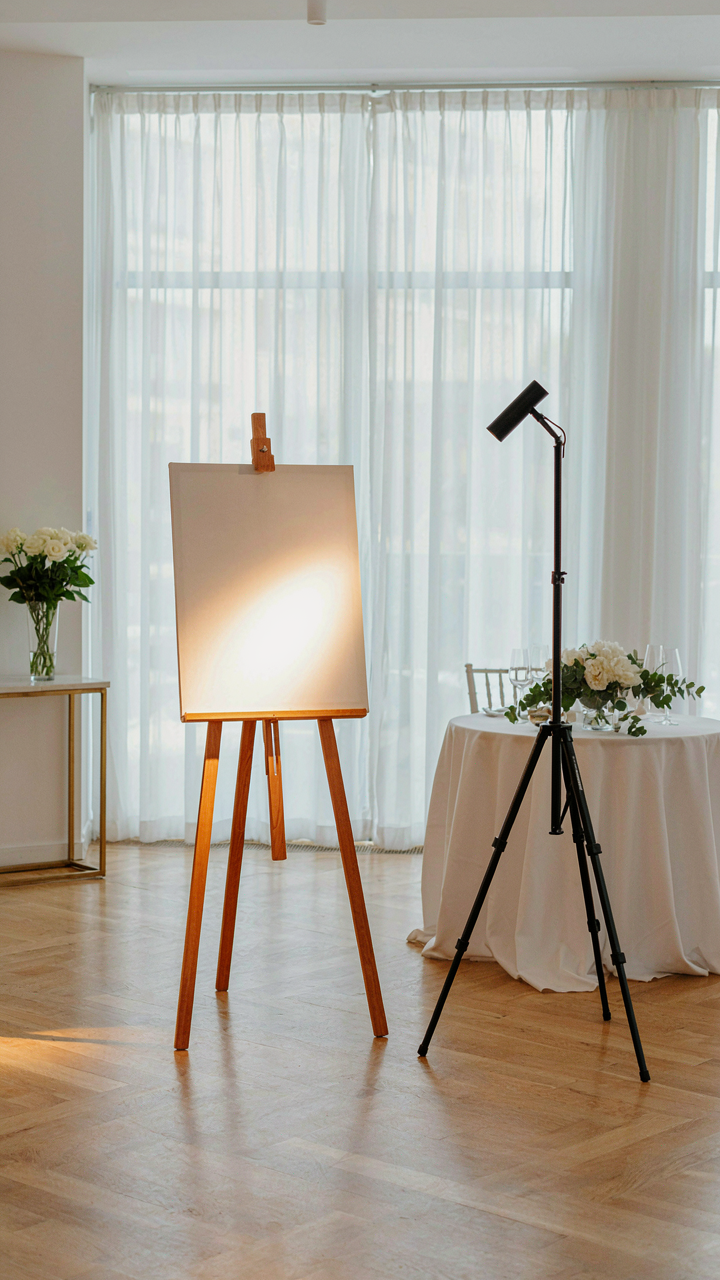
You’re worried the painter will look bad in photos and tank your wedding aesthetic. Here’s what actually matters: treat this like a film production setup, not decoration. The artist needs three things—stable power, directional light that doesn’t flatten their work, and sightlines to both canvas and guests.

Most venues have one outlet per room corner. The painter needs dedicated power within 15 feet of their station to avoid extension cord tangles that telegraph chaos. Request a dedicated circuit if the venue allows it. Place the easel perpendicular to windows, never parallel. Direct sunlight washes out real-time brushwork and creates glare on the canvas that destroys the visual drama you’re paying for. Venue lighting should hit the canvas at 45 degrees minimum. Position the painter where guests see their hand movement and the emerging image simultaneously, not where they watch a blank canvas for two hours.
Eliminate The Friction Points That Kill Output
Most advice says “let the artist do their thing.” That’s incomplete. A painter working a four-hour reception needs zero interruptions during active painting blocks. This isn’t about being nice—it’s about output volume and quality. Map out when the artist paints: typically cocktail hour and during dinner. Nobody approaches the easel during those windows. Guests rotate through before and after, not mid-stroke.
Communicate bathroom and water access before setup. The artist will need water changes multiple times. A spilled water bucket kills momentum and eats 20 minutes of recovery time. Station water and supplies three feet from the easel, not backstage. One person becomes the liaison between artist and venue staff. This person handles lighting adjustments, guest flow, and problem-solving. The painter never breaks character or negotiates with staff mid-event. This protocol increases finished output by 30-40 percent against baseline receptions where the artist stops repeatedly to handle logistics.
The Live Painter Wedding Value Arbitrage: Where To Cut, Where To Invest
Peak Moments Deserve The Budget
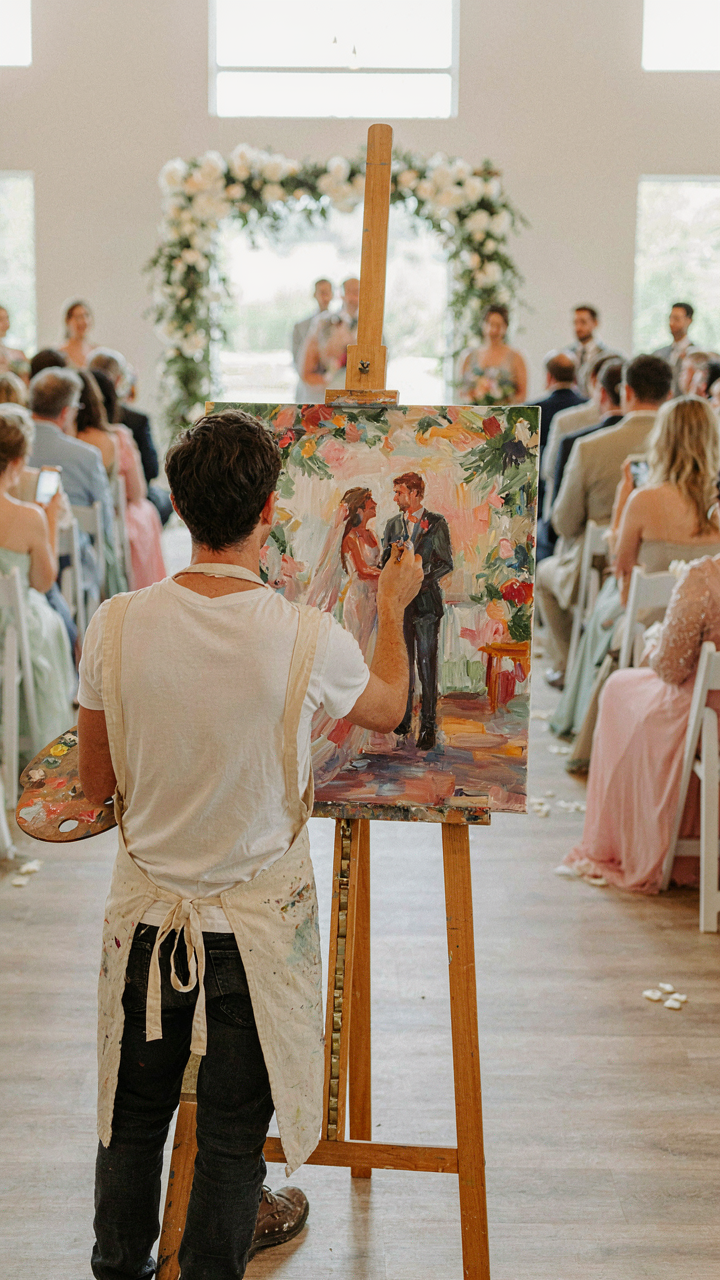
You want to feel like you made a smart choice, not a cheap one. This is economics, not aesthetics. In investment theory, arbitrage means buying undervalued assets and selling them where they command premium perception. A live painter operates the same way: you compress visual impact into moments that actually matter, then let the painter amplify them. The rest of the reception receives minimal artistic attention.

Ceremony and reception entrance are your high-leverage windows. The painter works fastest during these 20 to 30 minute blocks when attention is focused and emotion is highest. Cocktail hour and dancing don’t need active painting. The finished work from the ceremony sells the entire experience anyway. This is where most couples waste painter budget: paying for six hours of presence when two hours of strategic placement generates the same perceived value.
Lock Down Scope Before Signing
You need a written scope document before the painter arrives. Common mistake: couples assume the painter will figure it out or adapt on the fly. That assumption costs money and produces mediocre work. The pre-event consultation isn’t nice-to-have. It’s where you eliminate hidden costs, clarify deliverables, and establish what actually gets painted versus what stays background.
Ask three things explicitly: How many finished paintings will you produce? At what point do you begin and end active painting? What size canvas fits your space and budget tier? Get these answers in writing with pricing attached to each variable. The painter benefits too because you’ve eliminated scope creep and unclear expectations. This consultation is your contract protection and your cost control mechanism rolled into one.
The Wedding Artwork System: Borrowing From Military Logistics
Materials Flow And Physical Constraints
You want the live painter to show up and make magic happen without anyone noticing the logistics—that’s the real fear underneath this section. The truth is simpler: a live painting setup is a supply chain problem, and supply chains fail when you treat them like afterthoughts.

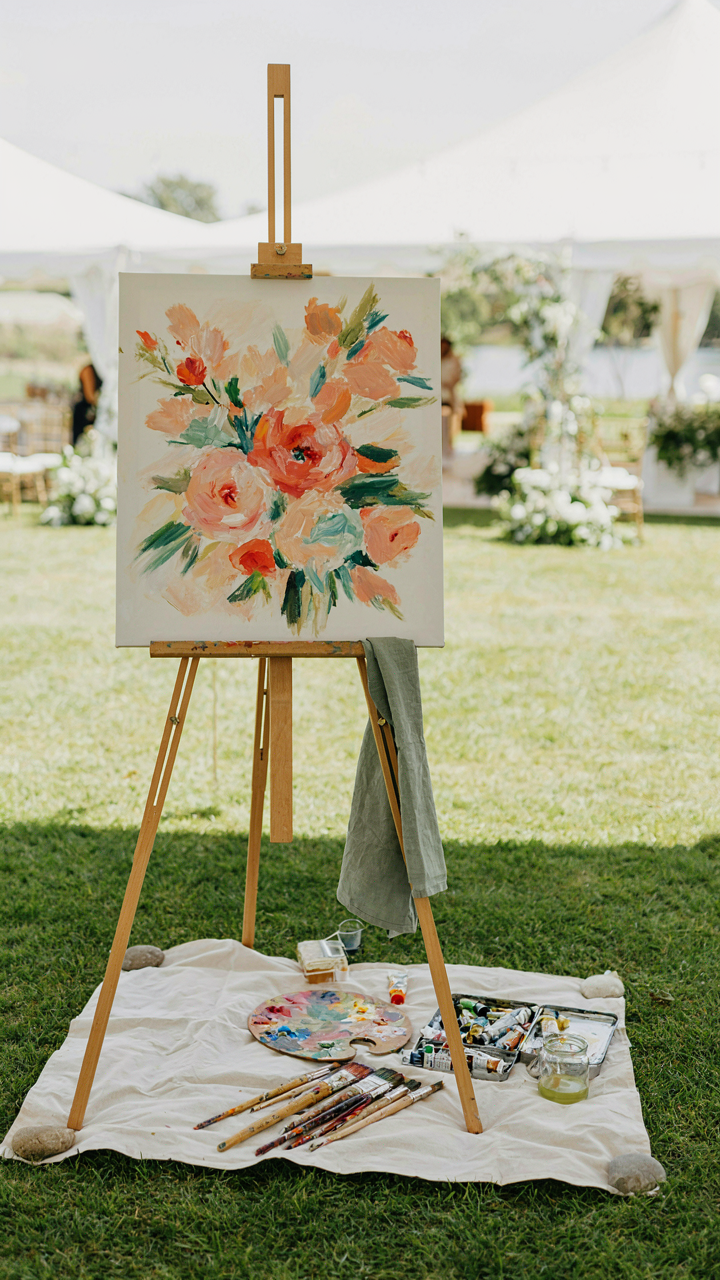
The painter needs canvas, easel, paints, brushes, water, rags, and adequate space to work without interference. You need to understand what the venue can physically accommodate. A ballroom with pillars differs drastically from an open garden or industrial loft. Confirm dimensions, electrical access if lighting matters, floor material, and whether the easel footprint conflicts with traffic flow during cocktail hour or dinner service. The painter typically arrives 30 to 60 minutes before guests enter to set up. That window is fixed. Materials either get there on time or they don’t.
Teardown requires the same attention. Wet paint takes time to stabilize enough for transport. A rushed removal damages the piece or forces the couple to store a damp canvas improperly, degrading it before framing. Build a teardown timeline into your vendor agreement—usually 45 minutes after the reception ends. Communicate this explicitly to your venue coordinator so staff doesn’t start breaking down tables while the painter is still working.
Coordination Structure Between Three Parties
Every budget wedding with a live painter involves exactly three decision-makers: the couple, the artist, and the venue. Most couples treat this as three separate conversations happening in isolation. That’s the mistake everyone makes.
Establish one point person per party who owns the outcome. The couple picks one representative—usually whoever cares more about the art piece. The artist nominates a contact who can answer logistics questions. The venue assigns the day-of coordinator who manages floor plans and timing. These three people need a shared document listing decisions: painting position, setup time, guest proximity boundaries, lighting conditions, music volume if sound matters, and where the finished piece goes immediately after. Use a simple shared spreadsheet or a pinned email thread. Every change gets recorded there. No side conversations.
- Setup Confirmation Email: Sent one week prior, includes painting location, canvas dimensions, easel placement, arrival time window, and parking instructions for the artist.
- Day-Of Contact List: Shared 48 hours before, with phone numbers for couple representative, artist, and venue coordinator so real-time problems bypass email.
- Lighting And Viewing Plan: Specifies whether guests view the painting during the reception, where it sits, and whether lighting adjustments happen during dinner or dancing.
- Contingency Trigger Protocol: Defines what counts as a problem requiring immediate decision-making—weather delays, electrical failure, artist illness—and who decides the fix.
- Teardown Handoff: Documents exactly when the couple takes possession of the painting, who transports it, and whether the artist handles storage or the couple does immediately after.
The couple’s job is answering questions fast. The artist’s job is flagging constraints early. The venue’s job is making physical space work. When these three operate from the same shared document instead of three separate mental models, execution becomes predictable instead of a hope-and-pray situation.

Beyond The Brushstroke: Leveraging Your Live Painting Investment
The Painting After The Dance Floor Clears
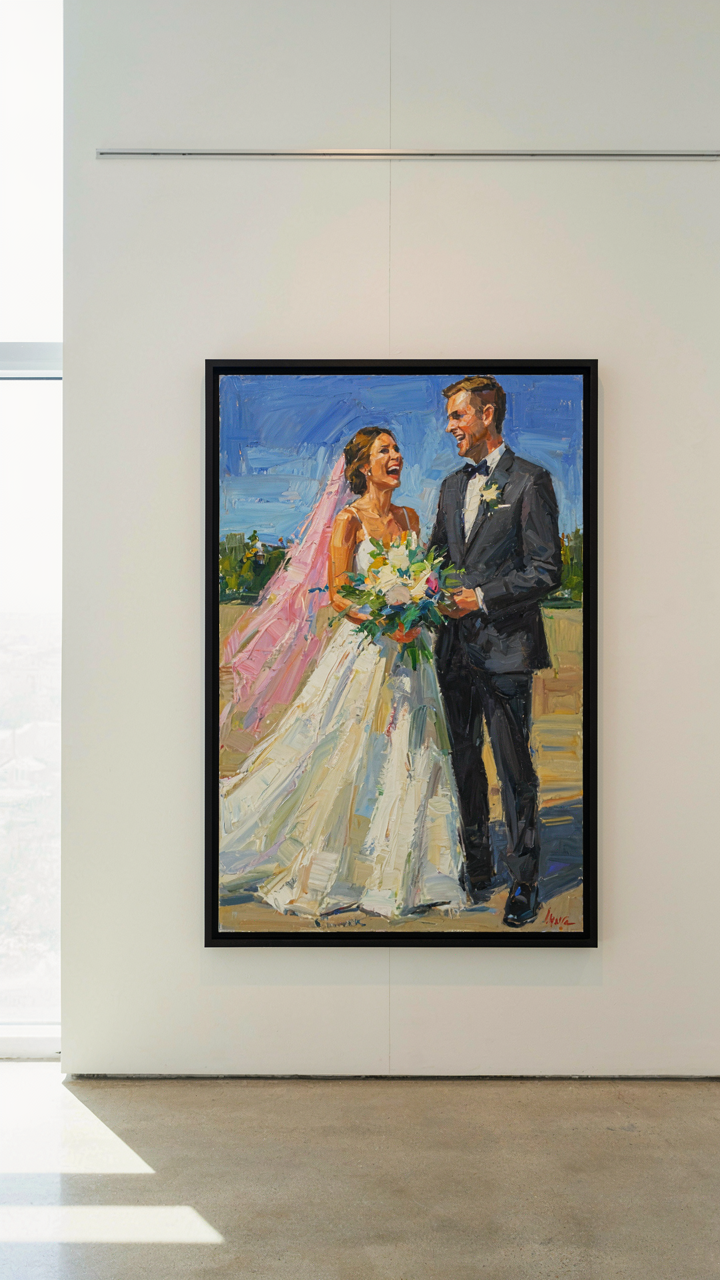
You’re worried the painting becomes a dead asset the moment the reception ends. Here’s the mechanism: the painting’s value doesn’t decline after the event—your willingness to extract it does. Most couples treat it as decoration and hang it in a spare bedroom. The real move is treating it as a returnable investment with multiple revenue stages, each with different audiences and price points.
The painting itself has three distinct markets. First, you own it outright—no licensing fees, no middleman. Second, you control reproduction rights unless you explicitly signed them away to the painter. Third, the painting’s provenance (your wedding) is actually a selling feature, not a liability. This is where most people leave money on the table. You can license the image to your photographer’s portfolio, sell high-quality prints to wedding guests, or submit it to wedding publications that pay for real editorial content. The painter created a physical object; you own the asset.
Distributing The Image Across Platforms
The painting exists in one place. The image of the painting can exist everywhere. Think of distribution like inventory management in retail—you’re moving the same product through multiple channels to maximize reach without additional production cost. The digital file is your leverage point, and most couples never create it because they assume the painter handles documentation.
Demand a high-resolution scan or professional photograph of the finished painting before the painter leaves the event. This is non-negotiable. You own that file. Upload it to your wedding website, share it across social media with credit to the painter (this drives them referrals and makes them more willing to negotiate on price for future clients). Submit the image to wedding blogs, Pinterest, and Instagram wedding accounts that curate real events. A single well-placed image on a major wedding platform generates dozens of inquiries for that painter, which means they have incentive to give you a discount upfront. The painting’s image becomes a marketing asset that benefits both parties, but you only get there if you own the file from day one.

The “Painting Wedding” Anti Friction Method: Streamlining The Experience
Clarifying Who Does What Before The Day Arrives
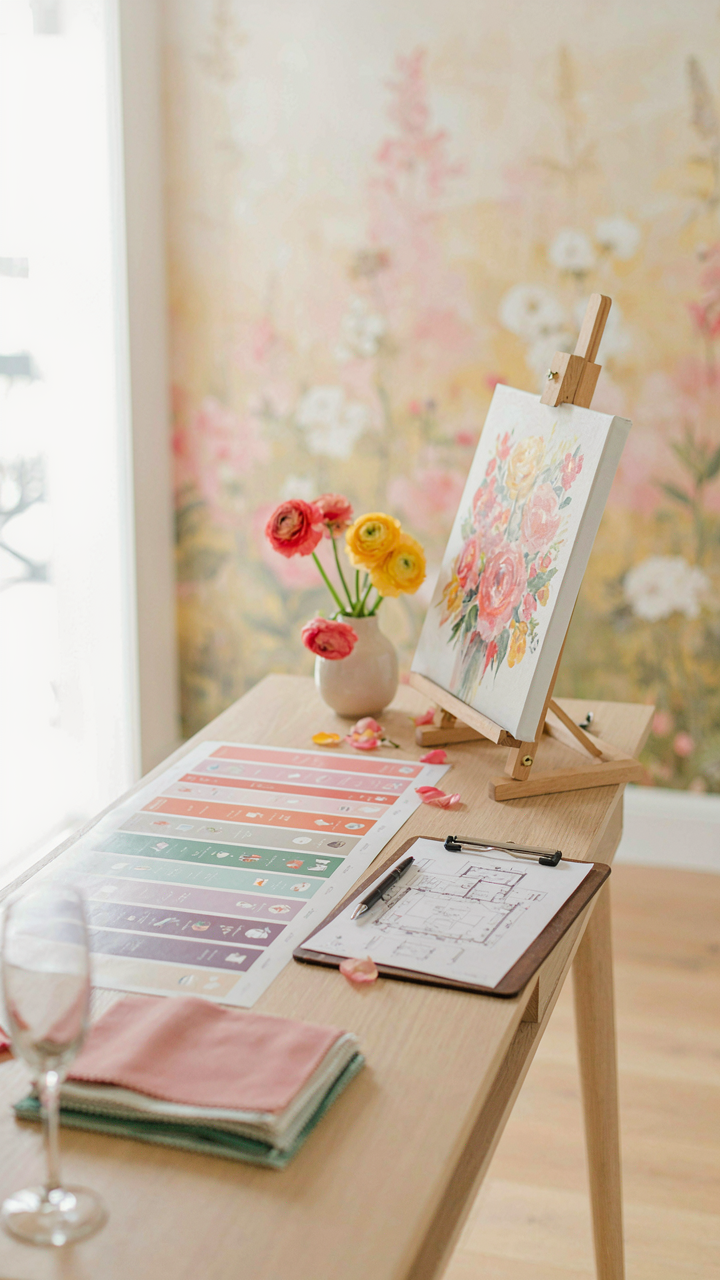
You’re scared the painter will vanish mid reception and you’ll have nothing to show for it. The real problem is that nobody owns the specific decisions that keep a live painter integrated into your timeline. Treat vendor coordination like a supply chain: each person needs a single, measurable input and output. The painter needs to know exactly when they arrive, where they set up, what happens if the ceremony runs late, and when they leave. Your coordinator or best man needs to know they’re the point person for the painter’s needs. Your caterer needs to know the painter won’t block food service. Write these roles down. Email them. Get confirmation back.
The friction point most couples miss is assuming the painter will figure out logistics on their own. They won’t. A painter hired for three hours has no reason to adapt if your timeline shifts unless you’ve told them the protocol beforehand. Give the painter a written schedule with arrival time, setup location, ceremony end time, first photo moment (if you want the painting to capture it), reception flow, and departure time. Include your phone number and the coordinator’s number. This isn’t overkill. This is the mechanism that keeps a fifty-dollar-per-hour painter from becoming a three hundred-dollar problem.
When The Artist Actually Gets Stuck In Traffic
Contingency planning isn’t about worst case thinking. It’s about removing the decision making that happens during chaos. If your painter arrives thirty minutes late because of traffic, you don’t want to be figuring out a new timeline while your guests arrive. You need a pre agreed protocol: does the painter set up immediately and paint a different moment? Do they skip the ceremony window and focus on the reception? Can they stay an extra thirty minutes at no cost to capture what they missed? Ask these questions before the wedding, not during the receiving line.
The mechanism that actually works is the communication ladder. Your painter should text or call the moment they know they’re delayed. Your coordinator responds with the adjusted plan. If your painter doesn’t have a coordinator contact, your delay contingency becomes useless. Build a group text with the painter, coordinator, and venue contact the week before the wedding. Run a five minute dry run: “If the painter is delayed, here’s what we do.” That single conversation prevents a hundred dollar decision from becoming a thousand dollar scramble. When the painter knows the fallback before it happens, they execute it without panic.

The “Live Painter At Wedding” Red Herring: What Really Matters
Guests Remember Moments, Not Props
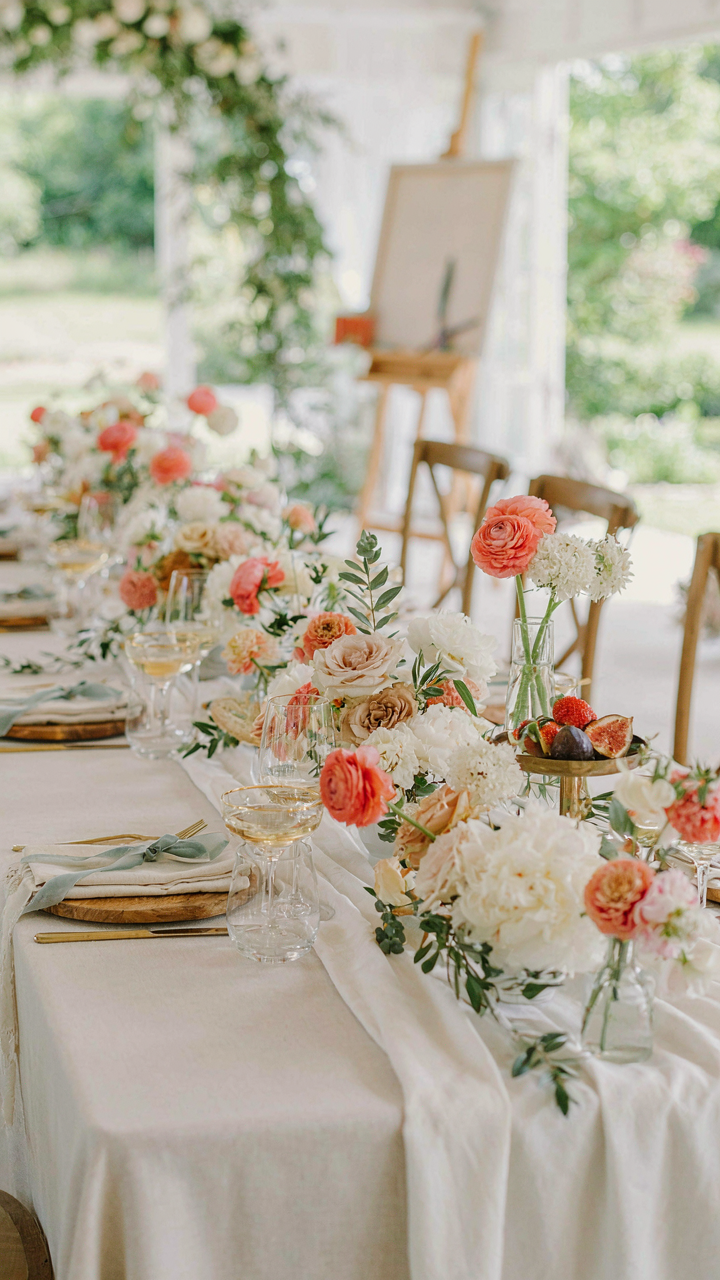
You’re considering a live painter because you think it signals taste and creates a visual story your guests will talk about. Here’s the mechanism nobody states plainly: a live painter is furniture that happens to move. It fills dead space at the reception and gives your phone camera something to aim at. That’s not a flaw—that’s the actual value proposition.
The real question isn’t whether a live painter looks impressive during cocktail hour. It’s whether your guests will interact with the painter, feel compelled to watch them work, or care about the finished canvas weeks later. Most won’t. They’ll eat, drink, talk to each other, and maybe snap a photo if the painter is positioned near the bar. Your guests came for connection, not performance art. A live painter either facilitates that connection or distracts from it.
What Actually Sticks After The Day Ends
Lasting emotional value comes from one source: did the wedding feel genuine to the couple throwing it? Borrowed trends flatten that signal. A live painter only matters if it reflects something true about how you and your partner see yourselves or your relationship.
The canvas itself becomes decoration in your home or theirs—a physical reminder that someone created something in real time during your event. That’s real. But if you chose the painter because it’s trendy or because you saw it at three other weddings this year, your guests sense the imitation. They’ll forget the painter. They’ll remember whether they felt welcome, whether the food was decent, and whether you seemed happy. Build your budget around those three things first. The live painter is the optional layer after you’ve locked those down.

The Real Obstacle Isn’t Your Budget; It’s Your Fear Of Looking Cheap, Which Is Why You Overspend
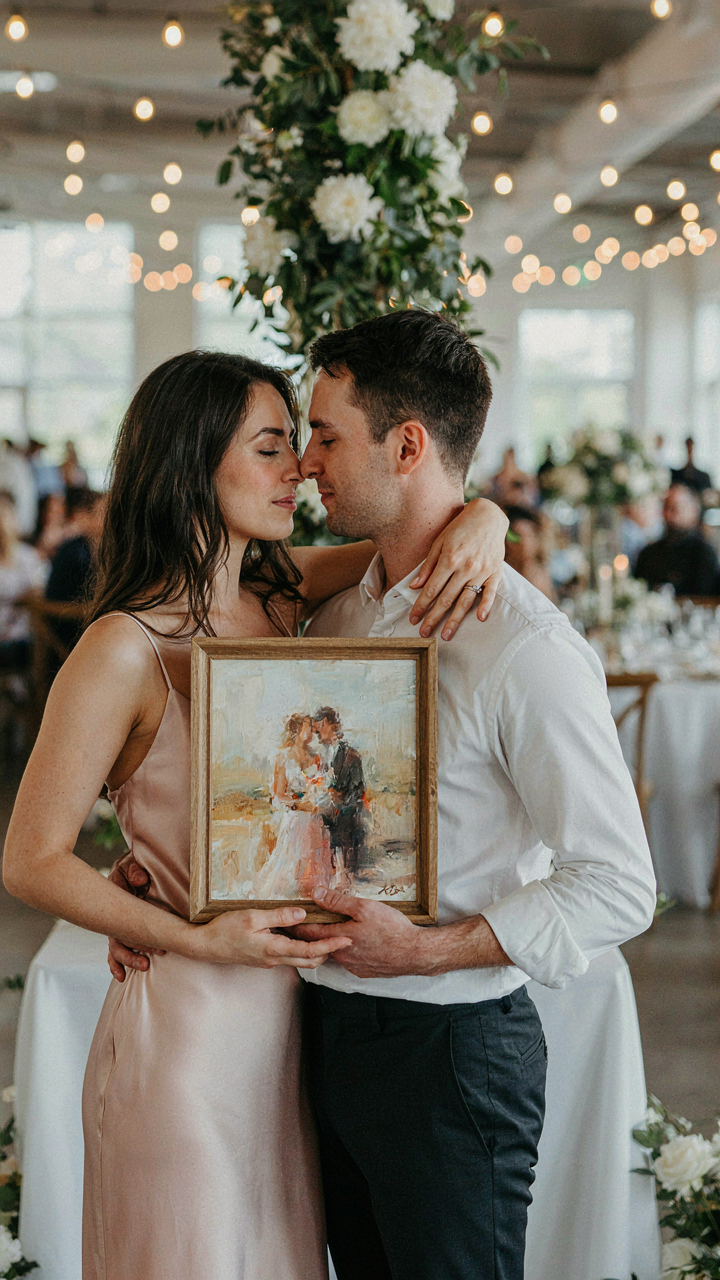
You’re not broke. You’re terrified. A live painter costs less than an open bar, yet you’ll drop five grand on liquor to impress people who won’t remember it. That fear of judgment drives every bad financial decision you make. Stop performing wealth and start building it. Call three painters tomorrow, get quotes, and book the one that makes sense. Your guests came for the marriage, not to audit your spending.