The Illusion Of Scarcity: Rethinking Wedding Refreshments

Premium Costs Are Manufactured, Not Inevitable
You’re worried that a cheap welcome drink screams cheap wedding. That’s the real concern. But here’s the mechanism: pricing in hospitality works like supply-side economics. Scarcity drives cost. Bartenders and venues mark up ingredients they source through limited channels at high volume minimums. Buy the same base spirits, juices, and mixers through retail or food service wholesale, and your per-drink cost drops 40 to 60 percent. The ingredient itself doesn’t cost more at a venue. The middleman margin does. Strip the middleman and the perceived quality stays identical to the guest.
Cocktail components have no inherent price tier. A well-made mojito costs the same in materials whether it’s served at a Michelin restaurant or a backyard reception. Venues depend on guests not knowing this. They bundle labor, glassware, and ice into a per-drink fee that obscures actual input costs. You control the narrative by sourcing directly and managing prep yourself or delegating to a trusted bartender hired on flat rate rather than venue markup. This single shift moves you from being priced by scarcity to being priced by reality.
Seasonal Timing Collapses Ingredient Costs
Buying out-of-season produce is the tax you pay for ignoring the calendar. Citrus prices swing wildly between winter peaks and summer valleys. Berries cost triple in January what they cost in July. This isn’t opinion, it’s agricultural fact. Wedding dates that align with peak harvest for your chosen ingredients cut ingredient costs without sacrificing flavor or presentation. A summer wedding with stone fruit or berries uses ingredients at their cheapest point. A winter wedding built around citrus does the same.
The mechanism is simple supply and demand operating at the farm level. When an ingredient is in season, farmers flood the market, prices collapse, and quality peaks simultaneously. You get better flavor from fresher, more abundant stock at lower wholesale cost. Don’t choose a welcome drink first, then source it. Choose your wedding date or adjust your drink formula to match what’s abundant and cheap during your month. A pineapple-forward punch in August costs half what it costs in March. The drink tastes better and your budget reflects it.
Strategic Simplicity: The One Ingredient Impact Method
Pick One Base And Own It
You want your welcome drink to feel intentional without looking cheap. The mechanism is constraint: one base spirit forces you to build flavor through precision rather than complexity. Bartenders call this “economy of means” from mixology’s modernist movement. A single base eliminates decision paralysis for your bartender, reduces inventory waste, and creates coherence guests actually notice even if they can’t name it.

Prosecco, rum, or vodka each work. Choose based on your climate and guest preference, not trend. Rum works year-round and pairs with both tropical and spiced garnishes. Prosecco signals celebration without requiring skill to execute. Build everything around that one base for the entire welcome period. Your bartender pours faster. Your margins stay intact. Your drink tastes intentional.
Garnish Becomes The Entire Visual Argument
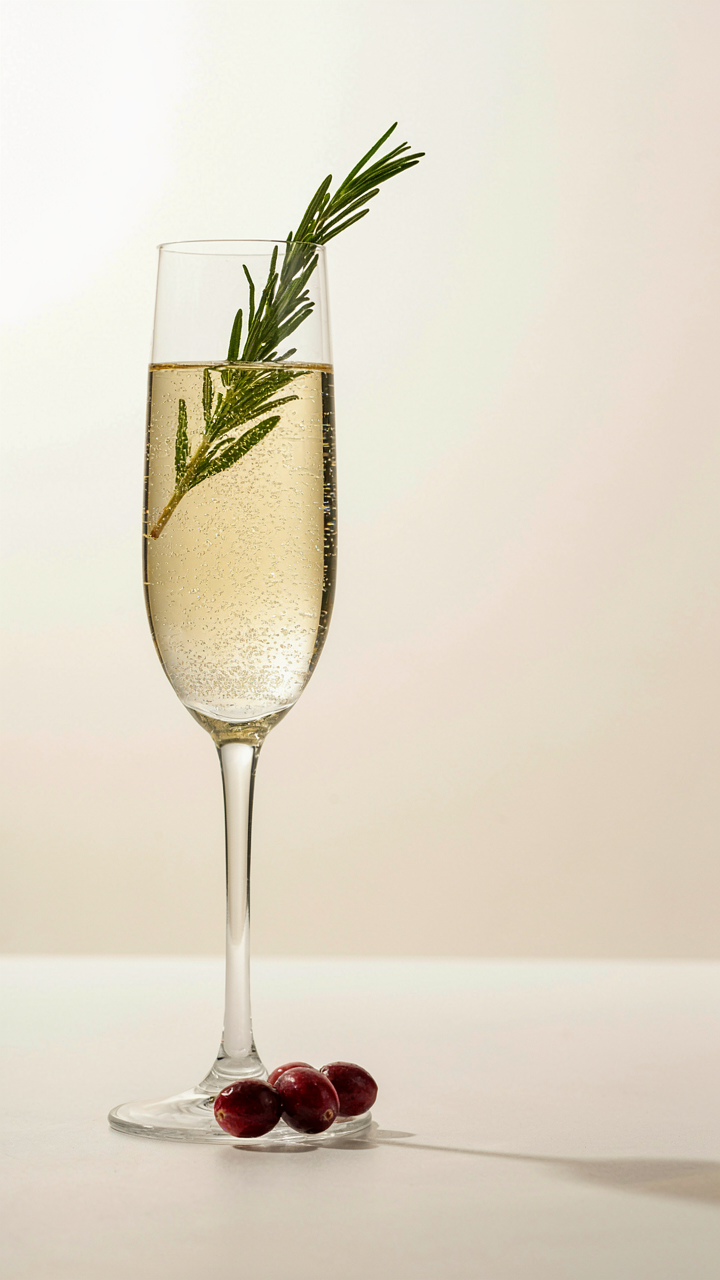
A lime wheel reads cheap. A rosemary sprig reads expensive. The garnish is the primary differentiator in a budget welcome drink because guests assess quality in the first two seconds before tasting. This isn’t psychology. It’s basic visual hierarchy. You’re spending $2 on liquid. You spend 20 cents on garnish. That 20 cents determines perceived value.
- Fresh Rosemary Sprigs: Adds visual depth and aromatic complexity. Cost under $0.15 per drink when bought in bulk from restaurant supply. Pairs with citrus or ginger bases. Looks intentional.
- Citrus Wheels (Lemon, Lime, Orange): Standard but effective when cut fresh on-site. Order whole fruit from suppliers rather than pre-cut. Total cost $0.10 per wheel. Signals freshness and care.
- Edible Flowers (Pansies, Nasturtiums): Dramatically increases perceived luxury for minimal cost. Buy from farmers markets or specialty suppliers. $0.20-$0.30 per flower. Changes perception entirely.
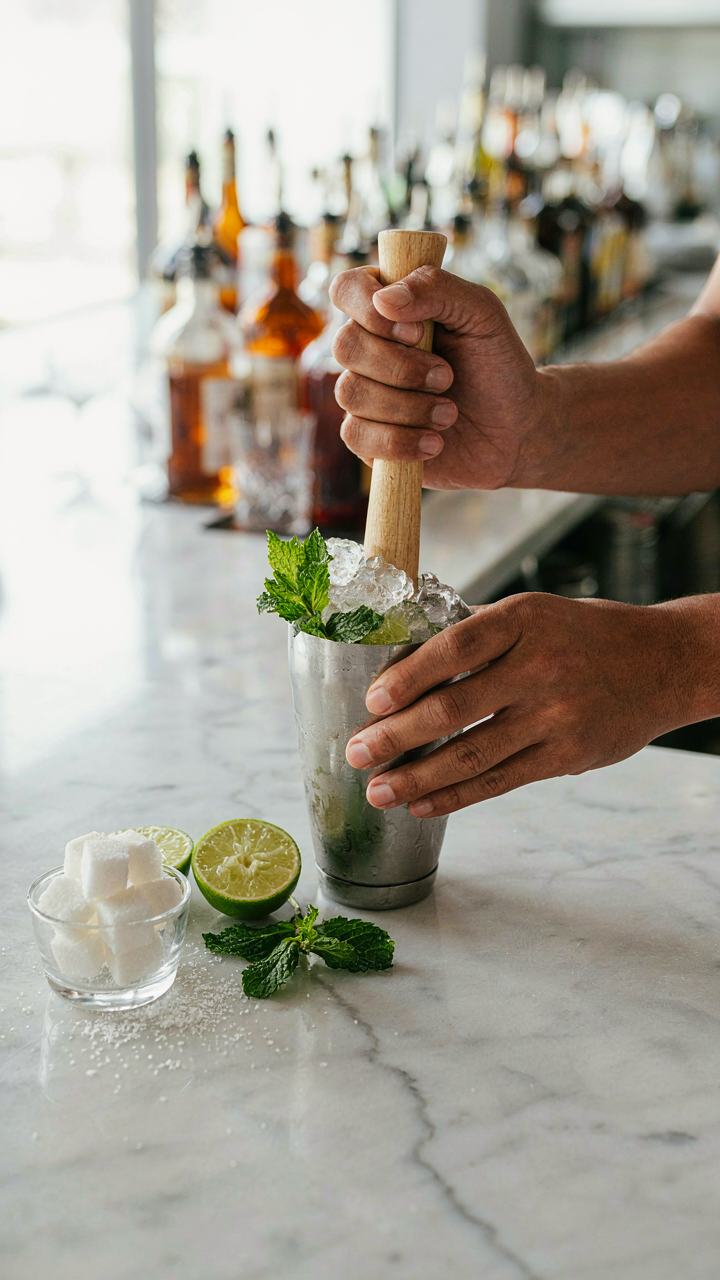
- Mint Bundles: Fresh mint costs less than $1 per bunch and yields 50+ servings. Pick right before service. Smells fresh, looks intentional, ages well in humid venues.
- Cinnamon Sticks or Star Anise: Adds texture and aroma without taking space in glass. Buy bulk from spice suppliers. $0.05-$0.08 per drink. Works year-round with warm or cold bases.
Order garnishes from restaurant supply companies, not grocery stores. You pay 60 percent less per unit and get exactly what you need. Prep them 4 hours before service. Assign one person to garnish every drink. A fresh, consistent garnish communicates competence. A wilted one communicates carelessness.
The Experience Economy: Beyond Just Drinks For Wedding Reception
Curate A Moment, Not Just A Beverage
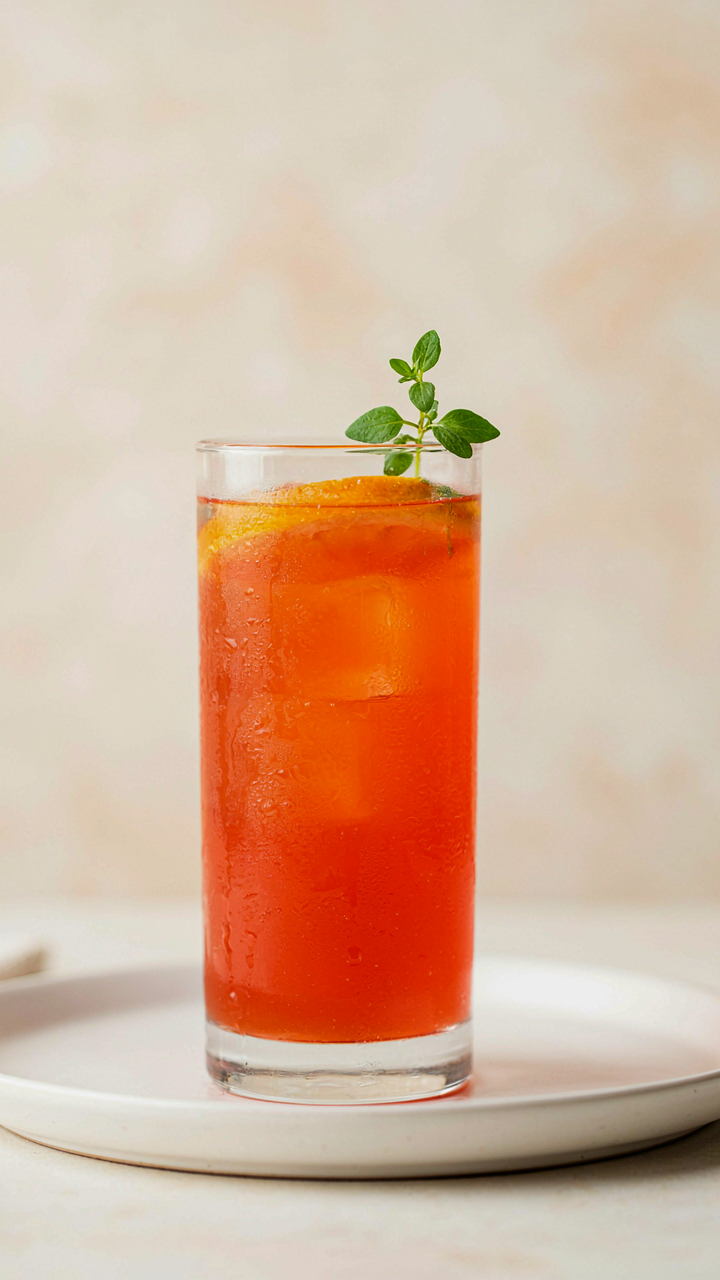
You want people to feel like your wedding cost more than it did. That’s the real motive here. The mechanism is simple: people remember moments, not inventory. A welcome drink isn’t a transaction—it’s a signal. It’s the first 90 seconds where guests decide if they’re at an event or an obligation. When you design that moment intentionally, you compress perceived value into a single interaction. A signature drink with a name, a garnish that takes three seconds to add, a server who hands it to them instead of a self-serve table—these cost almost nothing more but shift the entire frame.
The experience economy principle applies here: engagement replaces commodities. Your drink becomes a ritual, not a refreshment. This means the presentation layer matters more than the liquid itself. A two-dollar spritz with a fresh herb sprig and a card explaining what it is reads as intentional. A cooler full of generic punch reads as filler. You’re not competing on taste or price—you’re competing on whether the moment feels designed or default.
The Ritual Of Making It Visible
Most wedding advice says “have a drink station.” That’s incomplete and lazy. The real leverage is in the act of creation happening in front of your guests. Borrowed from manufacturing and process design, you want to make the value-add visible—this is called transparency in systems thinking. When a bartender builds a drink in front of someone, they see the effort. They taste authority. They feel witnessed. A pre-batched punch nobody sees being made reads as cheap, even if it tastes identical.
Set up your welcome drink station where guests can see the construction. Position it near the entrance. Use clear glassware. If you’re doing a simple cocktail, have the server pour, stir, and garnish while they watch. A mocktail station with fresh citrus cuts and herb sprigs visible signals craft, not corners cut. The interaction takes 45 seconds. During that time, you’ve anchored their perception of your entire event. That visibility gap—between seeing a drink made versus receiving one pre-made—is where most budget weddings leave money on the table in perceived value.
The “Limited Edition” Protocol: Crafting Exclusive Welcome Event Ideas
One Drink, Not Ten
You want people to feel like they got something rare, not like you ran out of money. That’s the real mechanism here. In economics, this is called artificial scarcity, and it works because humans equate limitation with value. One signature welcome drink accomplishes this without the cost burden of stocking a full bar.

When guests arrive to a single, intentional option instead of a choice menu, two things happen. First, you eliminate decision fatigue for the bartender and guest alike. Second, you create a shared experience. Everyone drinks the same thing, which builds cohesion. The drink becomes the opening ritual, not a commodity grab.
Scarcity Reads Premium When Positioned Right
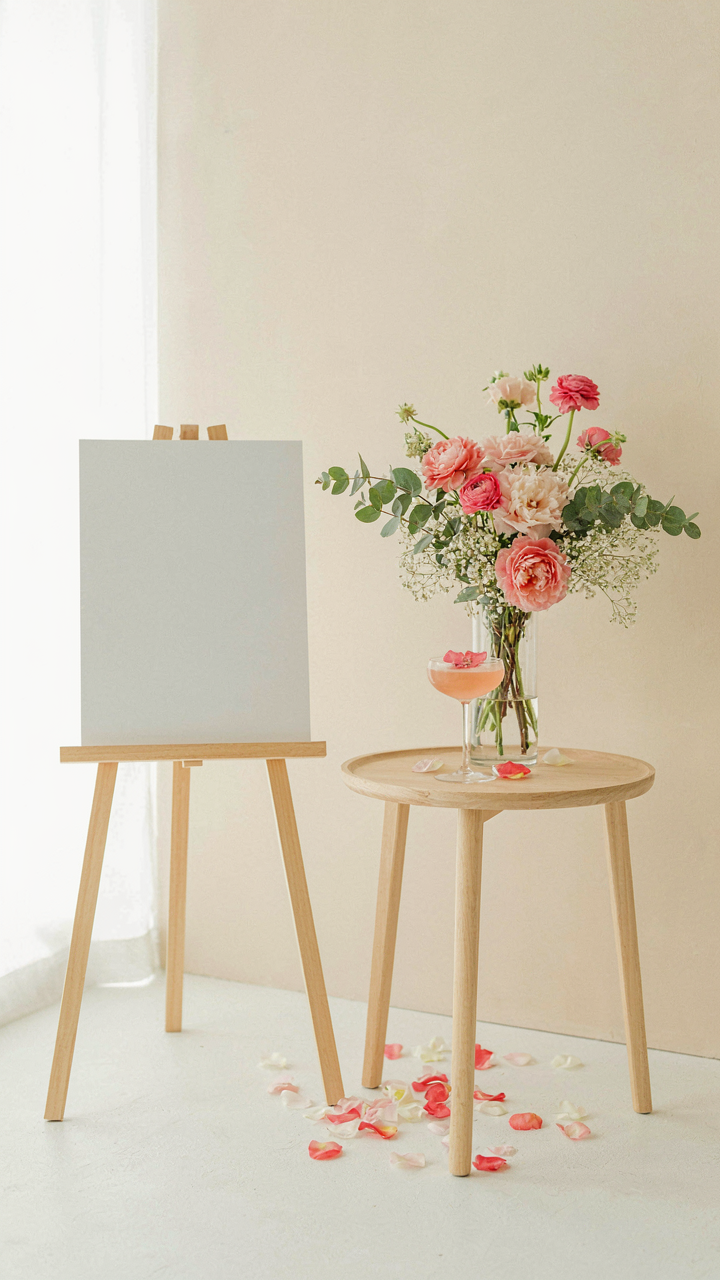
Most budget weddings fail here because they frame limitation as constraint. You say “we’re just doing one drink” and guests hear “budget.” The fix is reframing through narrative, not price. Call it a signature cocktail. Name it something. Make it intentional in the story you tell.
The positioning determines perception, not the actual cost of ingredients. A five-dollar-per-person drink served as “our welcome signature” lands differently than “that one thing they’re offering because it’s cheap.” Put the drink on a small sign at the entrance. Mention it in your timeline or wedding program. The container around the offer matters more than the offer itself.
Logistical Leverage: Optimizing Your Drink Station For Wedding
Self Serve Beats Staff Bottlenecks
You want this section because you’re afraid your welcome drink moment will collapse into a line of irritated guests waiting for one person to pour. The mechanism here borrows from biology: symbiosis means two organisms thrive by working together, not replacing each other. Self-serve and staff aren’t opponents. They’re a system where guests who know what they want grab it immediately, while staff focuses on the confused or those requesting variations. This eliminates the single point of failure that kills momentum at arrival.

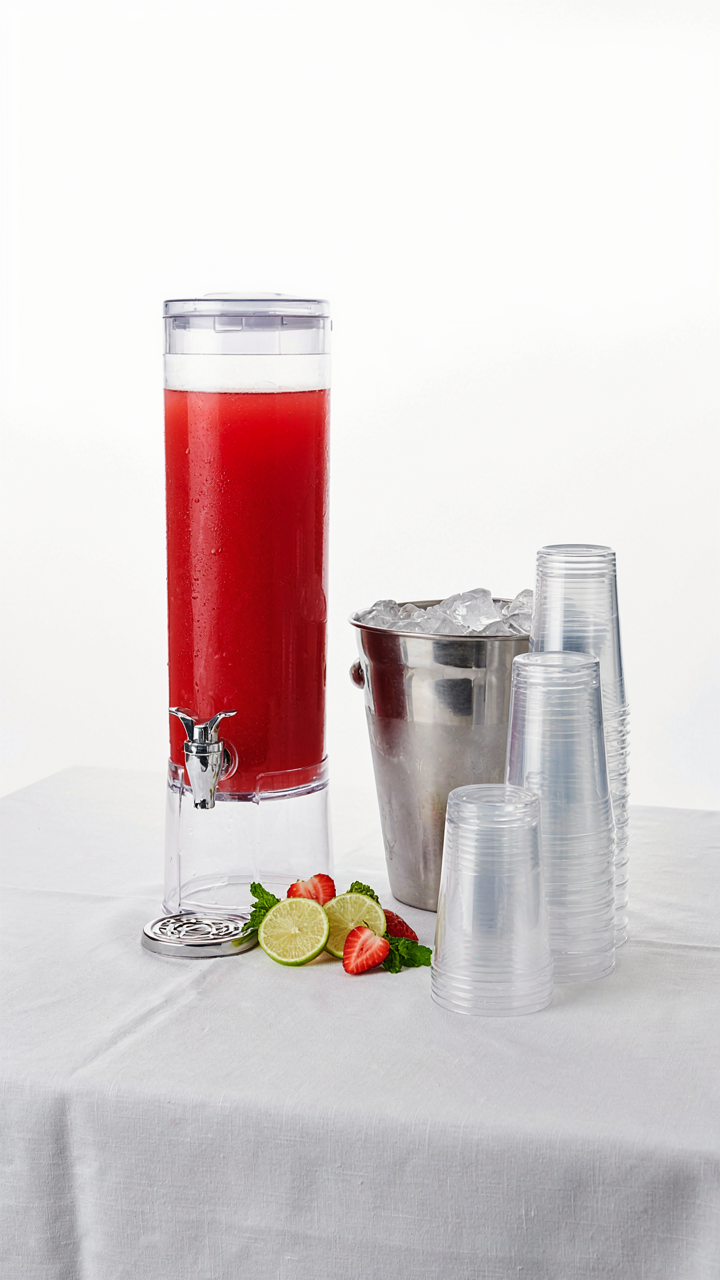
A self-serve station with clear signage and accessible bottles removes friction without eliminating human touch. Guests pour their own welcome cocktail, beer, or mocktail in sixty seconds. Staff circulates with small plates or handles specialty requests. The station needs a logical flow: napkins and cups on the left, bottles in the center, garnishes on the right. This isn’t theory. This is how high-volume venues actually move people through entrances without creating resentment before dinner even starts.
Replenishment Cycles Beat Guessing
Cybernetics is the study of feedback loops and control systems. Your drink station needs one: observe what depletes fastest, replenish before empty, adjust quantities for the next hour. The feedback loop prevents the moment when a guest arrives at an empty bottle or discovers the mixer ran out. Don’t staff someone to “check on it.” Establish a fifteen-minute rotation where one person walks the station, refills what dropped below half, and moves on.
Track consumption by type during the first thirty minutes of arrival. Sparkling wine and non-alcoholic options move faster than dark spirits at a wedding welcome. Use this data to adjust your setup before the next wedding season. Assign replenishment to a specific person with a specific time interval, not a vague instruction to “keep an eye on things.” The mechanism is visibility and accountability, not hope that someone notices an empty bottle while managing a hundred other tasks.
Beyond Alcohol: Unexpected Welcome Drink Heroes
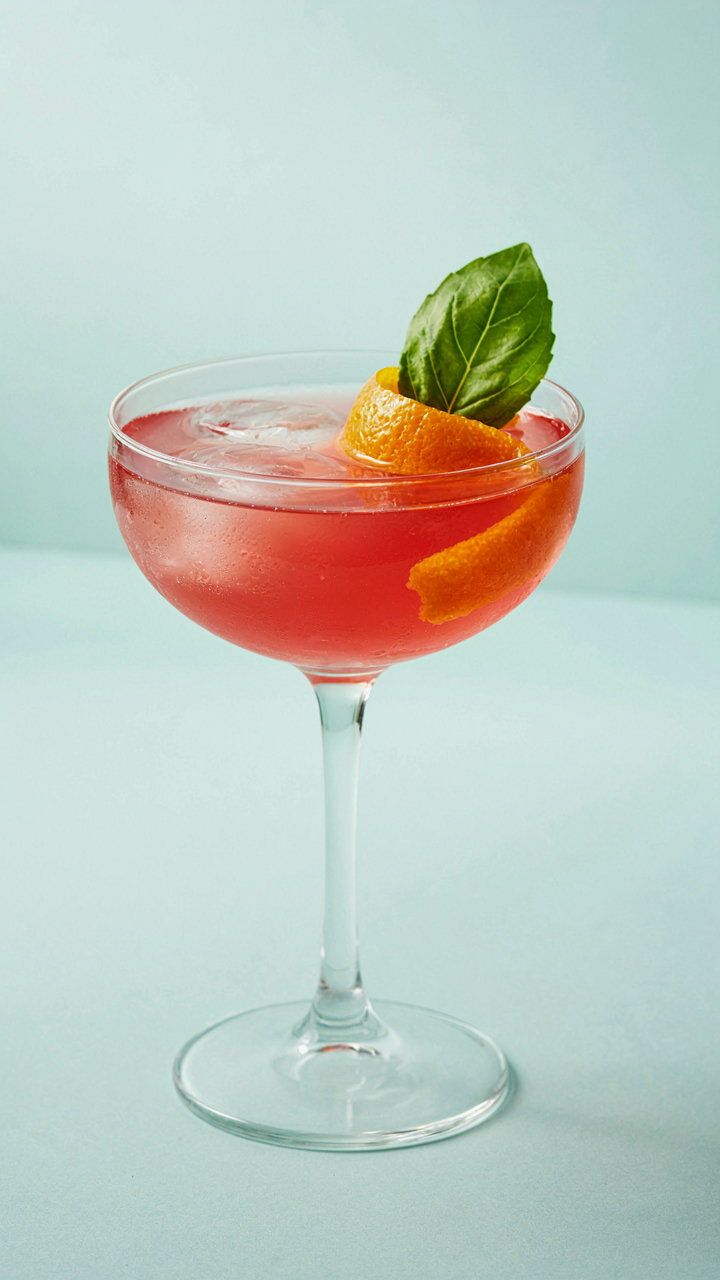
The Non Alcoholic Shift That Reads As Upscale
You’re worried guests will judge a wedding without a full bar. The mechanism nobody states: perception follows constraint. Economics calls this signaling through scarcity. When you offer a curated non-alcoholic welcome drink instead of a generic open bar, guests decode it as intentional, not cheap. The drink becomes a statement about taste, not budget.

High-end hotels and Michelin restaurants built their reputation on craft non-alcoholic drinks. They aren’t doing this because alcohol is scarce. They do it because offering something thoughtful costs less than pouring generic cocktails all night. Sparkling water with house-made syrup, fresh citrus, and muddled herbs reads as premium because it required a decision. Serve this at arrival and you’ve already shaped how guests experience your event.
Artisanal Mocktails On Your Terms
Forget the assumption that mocktails require a trained bartender or expensive ingredients. The real work is in flavor layering, not complexity. You build depth the same way you would with spirits: acid, sweetness, texture, and botanical notes. House-made syrups, fresh juice, and herbs handle 90 percent of the perception.
Make a simple syrup infused with ginger or lavender the week before. Fresh lemon and lime juice take thirty minutes to squeeze. Add sparkling water, ice, and a single garnish. Your cost per drink runs two to four dollars, and it tastes intentional. Batch the base drink so you pour without thinking during the reception rush. This scales to 150 guests without a dedicated bartender on staff.
The Power Of Presentation: Visual Alchemy For Wedding Drinks
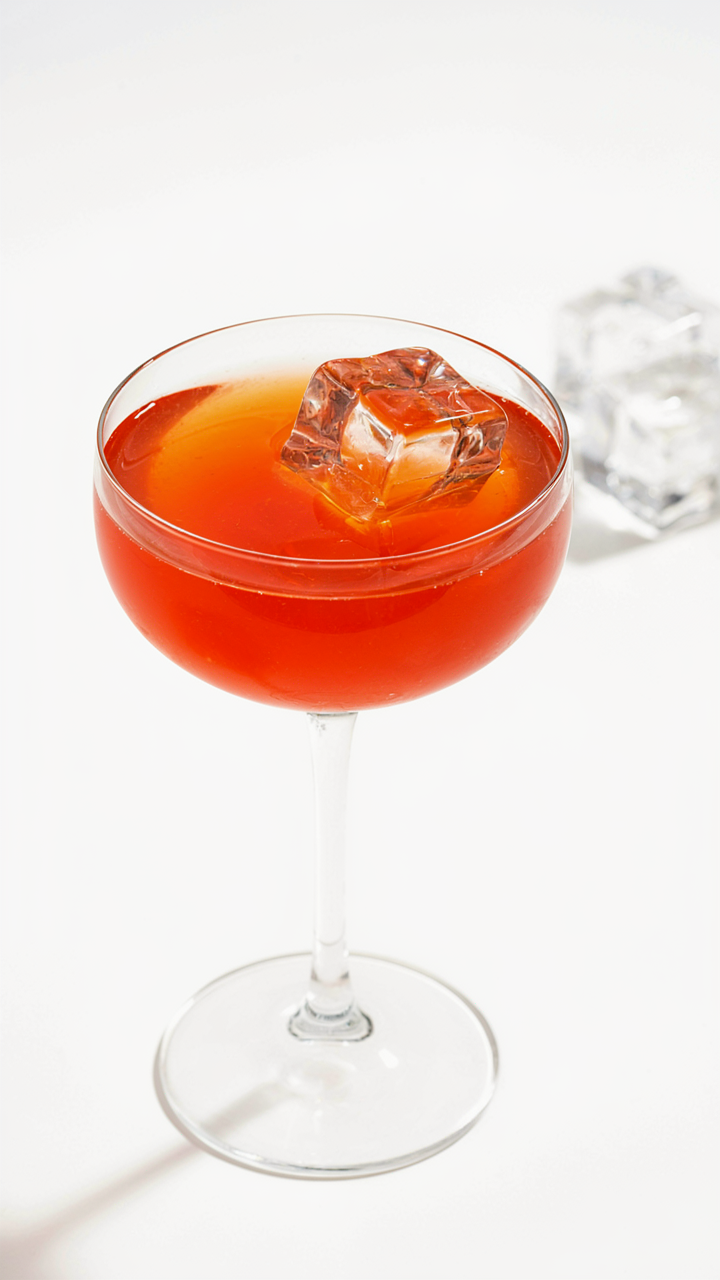
The Glass Matters More Than The Fill
You want your guests to feel like the event costs more than it does. That’s the real reason you’re reading this section. Here’s the mechanism: design borrows from economics the principle of signal efficiency. A signal is any visible cue that communicates value. The glass is your highest-leverage signal because guests see it before they taste anything.

Upgrade glassware instead of upgrading the cocktail itself. A two-dollar spritz in a six-dollar coupe looks deliberate. The same drink in a plastic cup looks cheap. Buy one style of glass that works for multiple drinks. Coupes work for sparkling wine, champagne cocktails, and punch. Highballs work for spritzers and diluted spirits. You need fewer total pieces, lower cost, and consistency in perception.
Ice Is Where Amateurs Fail
Standard ice from a home freezer looks cloudy and melts fast. Restaurant and hotel bars use clear ice because it signals temperature control and professionalism. You don’t need to buy clear ice cubes. Make them yourself or source them from a local ice company at bulk rates. One large clear cube per drink outperforms five cloudy cubes from the ice maker.
The functional reason matters too. Large, clear ice melts slower, so your drink stays cold longer without diluting. Guests who nurse their drinks for two hours notice the difference. Order or make ice the day before service. Store it in a dedicated cooler that stays closed until the reception starts. This single protocol step eliminates the most common complaint about budget wedding drinks.
DIY Alchemy: Mastering Mixed Drinks For Wedding Without A Bartender
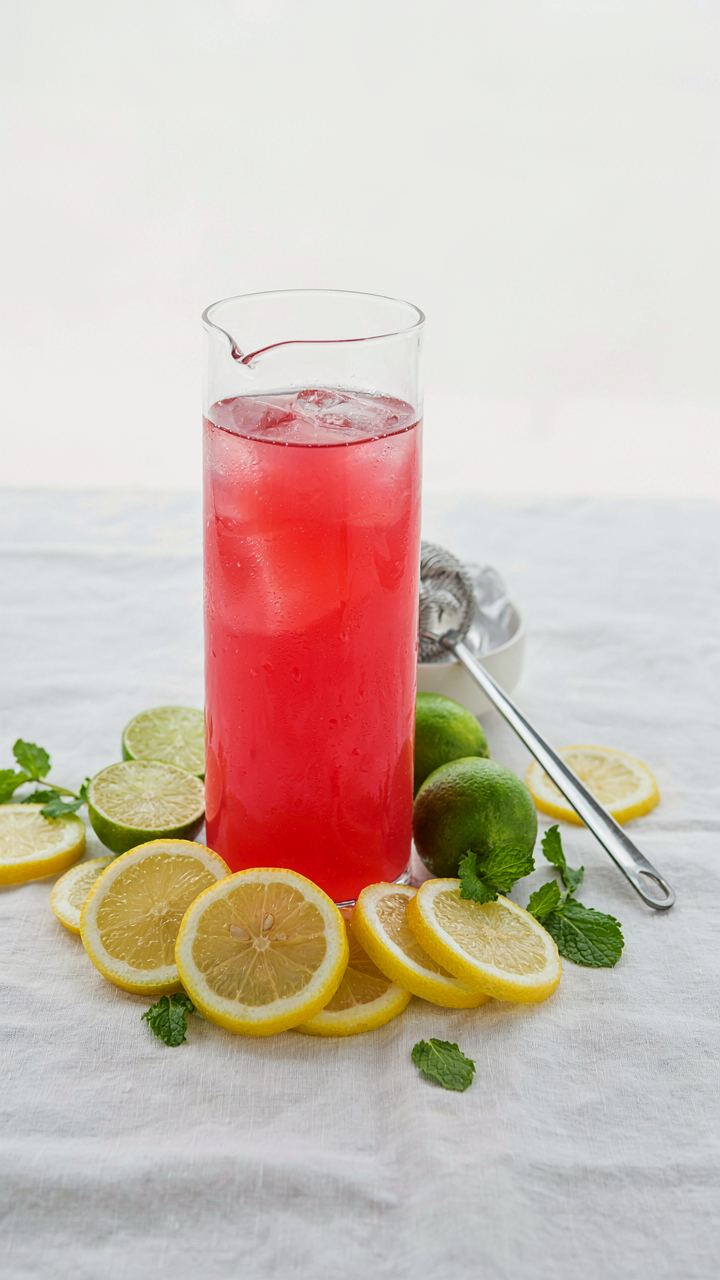
Batch Cocktails Beat Individual Pours
You want guests to feel like you hired someone. You didn’t. The mechanism is batch preparation—a manufacturing principle where you combine ingredients in volume rather than per-drink. This removes the bottleneck of live mixing and eliminates the variance that screams amateur hour.

Mix your welcome cocktail in a large pitcher or dispenser the morning of, or several hours before service. A standard ratio: combine spirit, mixer, and citrus once, taste it, chill it, then ladle into glasses as guests arrive. No measuring per drink. No mistakes. Guests pour themselves or you hand them full glasses—either way, consistency reads as intentional.
Simple Recipes, Impressive Results
Everyone gives the same advice here: make something easy. That’s not wrong, but it misses the actual mechanism. The trick isn’t choosing an easy recipe. It’s choosing a recipe where the ingredients do the work for you, not where you’re hiding behind simplicity because you’re afraid of complexity.
A wine spritzer with fresh citrus looks cheap. A batched aperitif of prosecco, Campari, and a touch of simple syrup looks intentional. Both are technically simple. The second one works because bitters and fortified wines carry flavor weight themselves—they mask imprecision. Use quality vermouth or Campari as your base spirit, add one modifier, stretch with a neutral mixer, then garnish consistently. The fewer decisions guests watch you make, the more polished the whole thing feels.
The Post Reception Paradox: Why “More” Destroys Value
The Scarcity Principle Works Both Ways
You want your guests to remember the welcome drink, not forget it existed. The real fear driving most couples toward overstocking is the anxiety of running out—a visible failure in front of witnesses. But the mechanism works in reverse: abundance signals indifference. Economics calls this the paradox of choice. When you have fifteen welcome drink options or triple the volume needed, guests experience decision paralysis and diluted impact. The drink stops being an event opener and becomes background noise.

The solution isn’t restraint for its own sake. It’s strategic constraint. You want the welcome drink to hit hard during the arrival window—the first fifteen to twenty minutes when guests enter. Calculate for 80 percent of your headcount arriving in that window, not 100 percent over the entire evening. This number drives your actual volume. You’ll run low intentionally. When the welcome drinks end, the transition to the bar or table service begins. That’s the design, not a shortfall.
First Fifteen Minutes, Then Nothing
The opener matters because it sets the tone. Everything after the initial rush is an afterthought. Most couples waste money stocking full bars worth of welcome drinks that sit untouched past the greeting window. Guests who arrive late don’t expect a personalized welcome drink—they expect to order at the bar like normal.
Identify your venue’s natural arrival curve. If your ceremony ends at 4 PM and cocktail hour starts at 4:15 PM, most guests land between 4:15 and 4:35 PM. Prepare your welcome drink volume for exactly that window. Station staff to stop active service at 4:40 PM. This creates intentional scarcity without failure. The drink becomes memorable because it was there when it mattered, then it wasn’t.
The Real Obstacle Isn’t Your Budget; It’s Your Imagination’s Reliance On Conventional Scarcity
You don’t have a money problem. You have a creativity problem. Every wedding magazine trains you to equate expense with elegance, so you default to what everyone else buys. Stop consuming what venues suggest and start asking local bartenders, coffee roasters, and juice makers what they’d pour for a celebration. Your next action: call three local producers today and ask them to create something custom. You’ll spend less and create something your guests actually remember because you refused to play the game everyone else does.