The “Dry Wedding” Fallacy: Why Just Cutting Alcohol Fails

Where The Budget Actually Goes
You think removing alcohol saves money because you’re hoping the math works that way. It doesn’t. Borrow from economics: in a closed system, cutting one cost category forces displacement into another. Guests expect a certain experiential density at a wedding. Remove alcohol and you’ve created a vacuum, not a savings.
The per-head spend doesn’t vanish. It migrates. You’ll spend what you would’ve spent on bar service on premium food, longer entertainment, elevated décor, or extended event duration to justify the ticket price people paid. Most couples planning dry weddings discover their final bill matches or exceeds alcohol-inclusive events because they unconsciously fill the void with something else.
The Entertainment Deficit You’ll Face
People attend weddings to mark transitions and belong to a group. Alcohol historically handles 60 percent of that social lubrication in American wedding culture. Remove it without replacing it with structured experience and you get guests checking phones at 8 PM. This isn’t judgment. It’s mechanism: attention needs direction when chemical stimulation disappears.
Your reception needs more staff interaction, better food pacing, clearer activity transitions, or actual entertainment infrastructure. A DJ spinning quietly isn’t enough anymore. You’re either funding a band, hired activities, ceremonial moments that break the timeline, or staff moving through the room actively engaging people. Pick one or combine them. Leaving the gap open costs you more in the end through guest dissatisfaction and a reception that feels thin.
The Zero Proof Protocol: Engineering Engagement Without Booze
Interactive Stations Beat Open Bars Every Time
You’re worried guests will get bored without alcohol. That’s the real fear underneath this section. Here’s what actually happens: alcohol creates a permission structure for engagement. People drink, talk louder, move around, feel socially lubricated. You need to engineer that same flow mechanically. Borrowed from event design, think of “stations” as nodes in a network. Each one pulls guests toward activity and conversation without the chemical crutch.

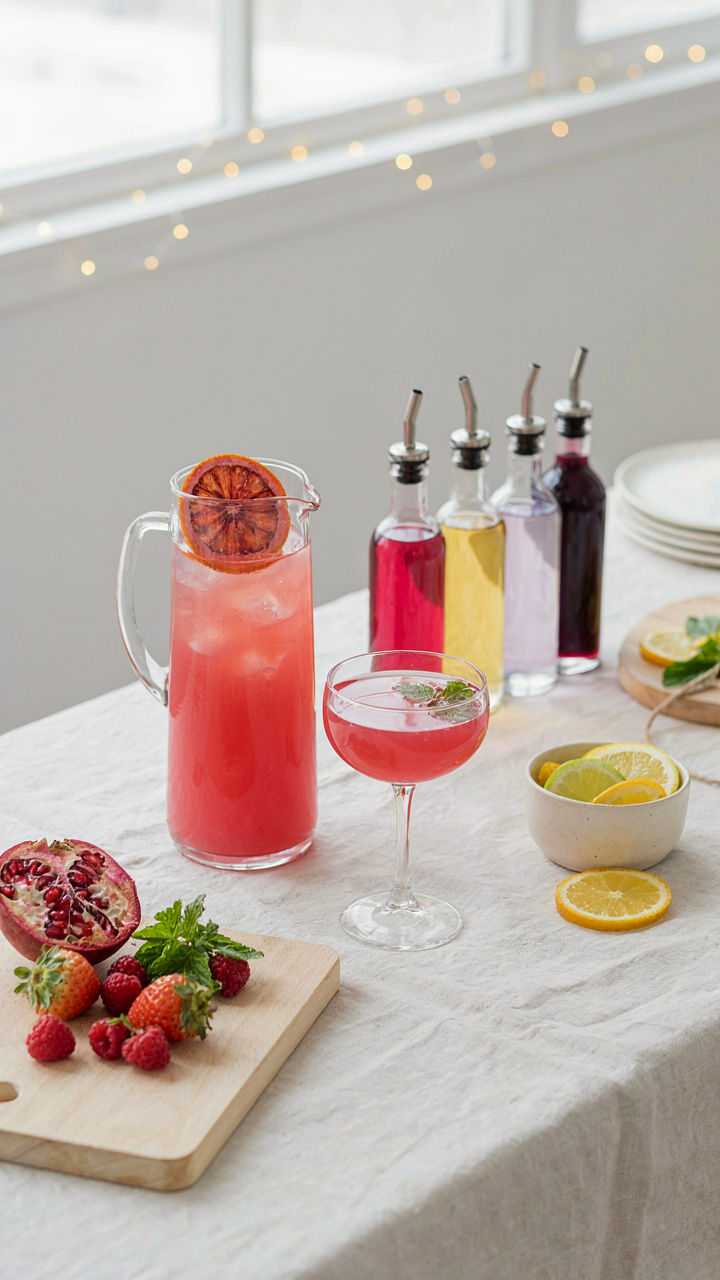
A mocktail bar where guests build their own drink works because it combines three things: choice, creation, and consumption ritual. A cooking demo station works because it creates a focal point and generates talking points. A lawn game setup or photo booth does the same. The mechanism isn’t the activity itself. It’s that stations force movement, interrupt static clustering, and give guests a reason to talk to people they don’t know. Station density matters. Three stations spread across your space keeps people moving for two hours minimum.
Placement Moves Guests Like Vectors
Guest flow is just applied geometry. Most alcohol-free receptions fail because they treat space like a parking lot instead of a circuit. Common advice says “put food in the center.” That’s backwards. You want guests to traverse the entire venue multiple times, not cluster around one spot and stagnate.
Place your first station at the entrance. Guests need immediate engagement the moment they arrive, or they’ll stand paralyzed making small talk. Second station goes opposite the food service area. Third goes deep into the space, forcing a journey. Bathrooms should be positioned to route people past a station on return. The goal is making the path of least resistance loop through activity nodes, not around them. Measure your actual venue, map traffic patterns, then position stations where they interrupt natural bottlenecks and create forward momentum.
Beyond Water & Soda: Crafting A Signature Alcohol Free Wedding Drink Menu
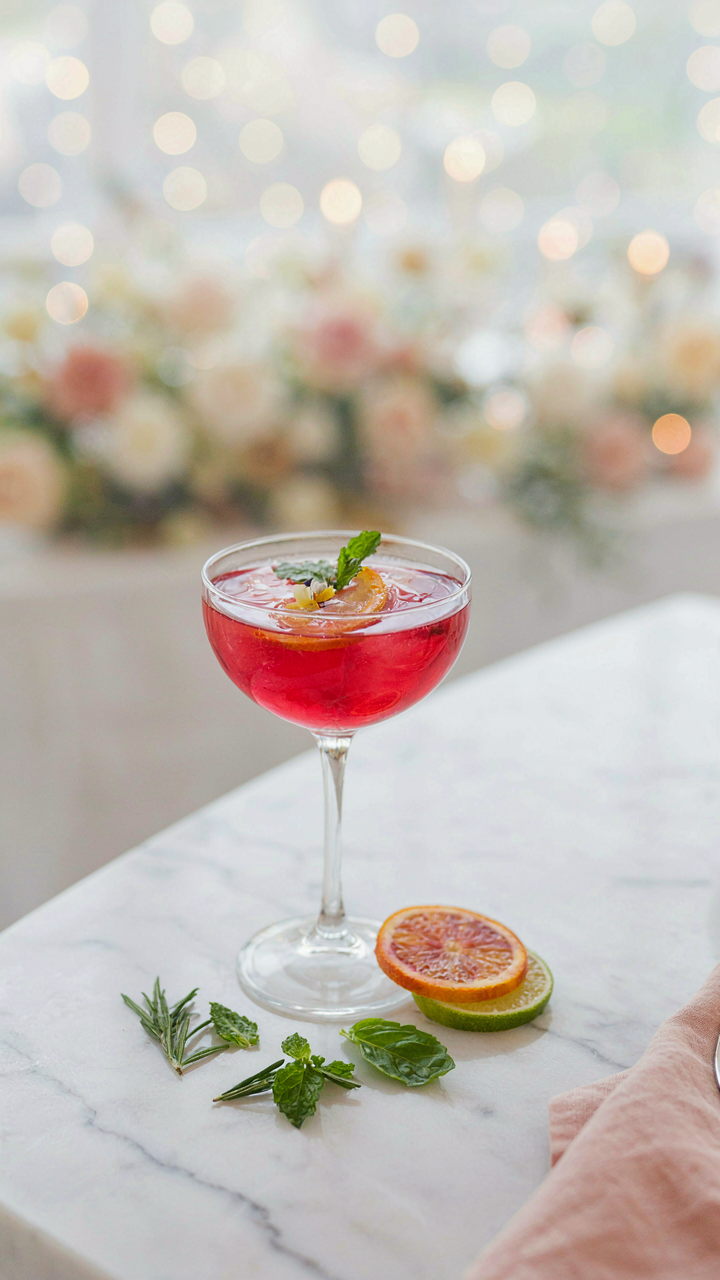
The Mocktail Strategy That Actually Works
You want your guests to forget alcohol was never an option. That’s the real calculation here. The mechanism is simple: humans don’t feel excluded from a choice they never see as a choice. When you present a curated mocktail menu with custom names and premium ingredients, you’re not offering “non-alcoholic drinks.” You’re offering a distinct category that stands on its own merit. The shift from “we don’t have alcohol” to “we have something better” happens entirely in positioning.

Mocktails work because they demand the same attention to ingredient quality and flavor balance that cocktails do. Use fresh citrus, house-made syrups, premium bitters, and aromatic garnishes. Your bartender’s skill level determines the outcome more than the ingredient list. A mediocre mocktail tastes like punishment. A well-constructed one tastes like a deliberate choice. Here’s the list of proven approaches:
- House-made syrups and shrubs: Infuse simple syrup with herbs, spices, or fruit for depth. Shrubs (vinegar-based syrups) add complexity and shelf stability for prep ahead of time.
- Bitters and non-alcoholic spirits: High-quality bitters ($12-18 per bottle) transform basic drinks instantly. Brands like Seedlip and Ghia offer sophisticated base options without alcohol content.
- Aromatic garnishes: Fresh herbs like basil, thyme, and rosemary signal intentionality. A flamed citrus peel or edible flower costs little but reads as premium.
- Layered flavor profiles: Combine sweet, sour, bitter, and herbal elements. Example: ginger-turmeric syrup plus fresh lime, cardamom bitters, and sparkling water creates a drink worth remembering.
- Custom naming: Generic names like “Virgin Mojito” communicate what’s missing. Branded names (“The Ceremony,” “Garden’s Edge”) make the drink feel intentional and tied to your event.
Your budget controls this directly. A mocktail costs $2-4 per drink to execute well, versus $6-10 for cocktails with liquor markup. You keep the premium presentation and cut the per-unit cost by half. That margin buys you better ingredients and higher guest satisfaction.
The Beverage Station Model
Most venues offer one drink table. That’s lazy. The real move is creating two distinct stations: one for hot drinks, one for cold. This isn’t about variety for variety’s sake. It’s about capturing different moments in your reception. During cocktail hour and dinner, guests want cold drinks. After 8 PM, when energy dips, warm beverages extend engagement and shift the tone naturally without the artificial lift alcohol provides.
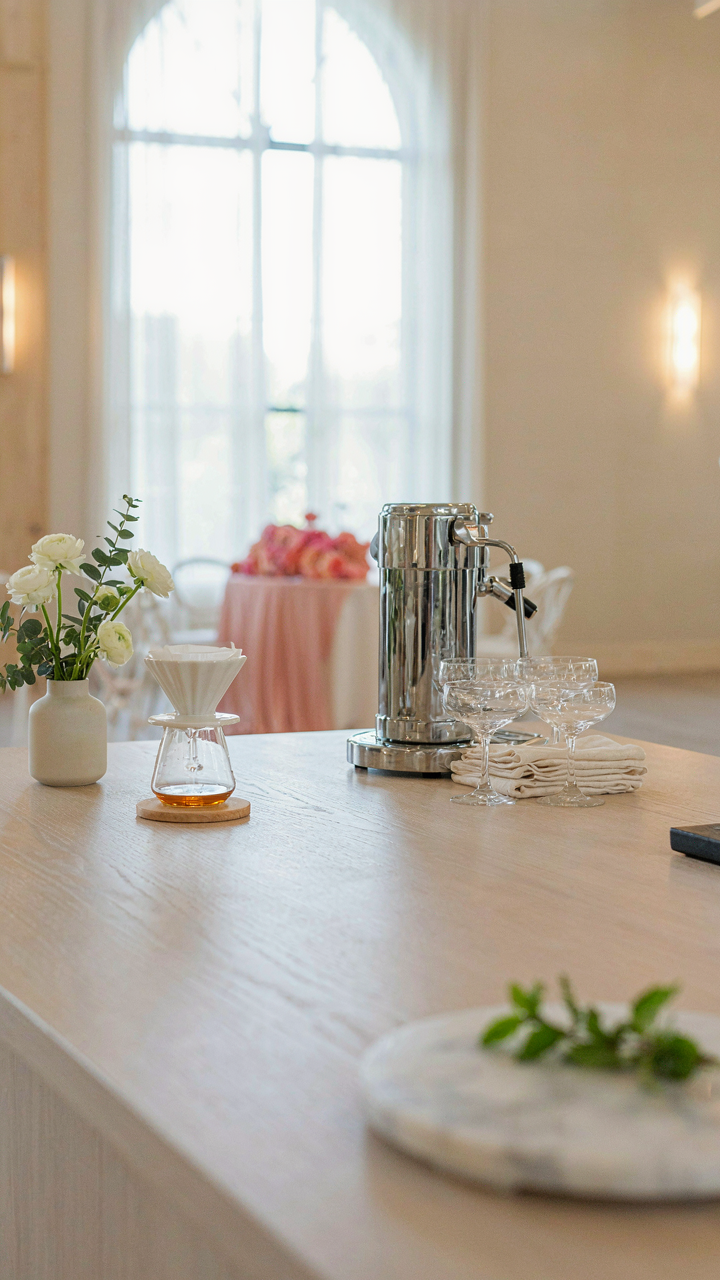
A cold station includes your signature mocktails on tap, sparkling water, fresh-squeezed juice blends, and iced tea options. Staff it with a bartender during peak hours. A hot station (set up around hour two or three) offers coffee, tea, hot chocolate, and warm spiced cider. Both stations reduce the mental load on guests. They walk up, see options, and choose without feeling like they’re missing something. Your alcohol-free reception becomes a venue strength, not a constraint requiring explanation.
The Un Wedding Bar: Repurposing Your Alcohol For Wedding Reception Savings
Venue Negotiation: What “Dry” Actually Buys You
You’re hoping a dry wedding magically cuts costs without forcing awkward conversations. Here’s the mechanism: venues build alcohol revenue into their per-head pricing because liability insurance, staff time, and beverage markup create a profit center. When you remove alcohol, you remove their justification for that markup. The leverage exists because the venue no longer carries liquor liability risk, needs fewer trained bartenders, and doesn’t manage inventory shrinkage or over-service compliance issues.

Negotiate the per-person food cost down by 8 to 15 percent when going alcohol-free. This isn’t a demand—it’s a recognition of reduced operational complexity. Put this in writing during contract negotiation. Some venues will resist, citing “standard pricing,” but standard pricing assumes alcohol revenue. Push back with the specific liability reduction and staffing requirement drop. The concession becomes real when you compare quotes from three venues and show the venue that competitor B already quoted you lower for the same setup without alcohol.
Experience Creators Over Bartenders
The common advice says hire fewer staff and pocket the savings. Wrong. You’re not cutting staff—you’re redirecting it. Bartenders exist partly because alcohol creates transaction friction: ordering, payment processing, ID checking, pacing consumption. Without alcohol, that transaction disappears. A bartender who spent 60 percent of their time mixing drinks now has a choice: leave or shift roles.
Rebrand the bar station as a beverage experience counter and hire staff trained to execute mocktails, coffee service, or specialty drink prep that requires technique but no liquor license. This keeps the role visible and interesting while reducing hourly rates by 15 to 25 percent because you’re no longer paying for bartending certification. The protocol: hire one lead beverage operator instead of two bartenders, then add a floater who handles water, coffee, and restocking. The total labor cost drops while guest experience stays elevated.
Atmosphere Over Intoxication: Designing A Non Alcoholic Wedding Reception Vibe

Lighting And Sound Setting The Mood Without Chemical Assistance
You’re worried people will get bored without alcohol to mask the awkwardness. That’s not the real problem. The mechanism is this: alcohol dulls sensory input, so venues compensate by going dark and loud. Remove the drug, and you can actually use light and sound to create focus instead of distraction. Lighting design comes from theater and architecture, where illumination directs attention and controls emotional response. In an alcohol-free reception budget, lighting becomes your primary tool for energy management, not a secondary decoration.

Most receptions use dim amber washes because low light hides poor design and makes people less inhibited. Instead, layer your lighting. Use cool overhead sources to maintain clarity and alertness. Add warm accent lighting on focal points like the dance floor or dining areas. Brightness levels should rise during toasts and food service, then shift slightly warmer during dancing. Sound design matters equally. Clear audio lets people actually hear conversations. Avoid the 95-decibel club aesthetic. Build a playlist with 70-85 decibel ambient music during dinner, then increase volume for dancing. The DJ becomes a tempo architect, not background noise.
Sensory Abundance Aroma Texture Visual Interest
Alcohol provides sensory input that substitutes for environmental design. Remove it, and you need actual texture in the space. This isn’t about scattered candles or centerpiece filler. You’re creating multiple points of engagement so the brain stays occupied without chemical intervention. Scent is the most neglected tool. Fresh florals, baked goods, or specific fragrance releases tap into memory and emotion directly. Texture works through touch and sight together. Use varied materials on tables: linen with different weights, wood grain variations, natural ceramics instead of glossy ceramics. Visual interest comes from depth, not clutter. Create sightlines that change as people move through the space.
The budget plays here. You don’t need expensive florals everywhere. Strategic placement works better. Put fresh flowers at the bar, on the gift table, and at the entrance. Use ambient scent during cocktail hour. For texture, swap one or two standard linens for Belgian linen or raw silk. Place natural wood risers or boxes under tablecloths to create height variation. Visual interest compounds: layered lighting plus varied materials plus strategic florals creates a complete sensory environment that holds attention without requiring people to numb themselves first. Budget gets allocated to design strategy, not volume.
The “Opportunity Cost” Of Booze: What You Gain By Going Dry

Where Your Money Actually Goes
You want permission to feel smart about spending less. Here’s the mechanism: in economics, opportunity cost means the value of what you give up to get something else. Removing alcohol shifts your capital from a consumable that disappears in hours to experiences that compound in memory and social currency. The average open bar costs 20-35 percent of total reception budget. That’s real money sitting on a table, poured out, forgotten by guests by the next morning.

Most couples treat alcohol as a fixed line item instead of a negotiable allocation. They don’t. A 150-person reception with a four-hour open bar runs 2,000-4,000 dollars depending on venue markup and region. Redirect that into a live musician for the ceremony and cocktail hour, a professional photo booth, or upgraded catering that people actually remember eating. The math is simple: one premium experience beats a bar tab every time.
Clarity Compounds Into Stories
Nobody talks about this part because it contradicts the social narrative that weddings require alcohol to be fun. Guests retain information better when sober. They notice details, make genuine connections, and retain conversation threads instead of fragmentary bar-stool memories. A dry reception generates clearer photos because no one squints or grimaces mid-shot. The lighting team can execute without correcting for flushed faces and slurred toasts that require reshooting.
The real advantage sits in what people discuss afterward. Guests reference specific moments, conversations with your family members, the quality of the food, the music selection. Alcohol-fueled receptions generate vague praise: “It was fun.” Sober receptions generate specificity: “That game you ran was hilarious” or “Your cousin told me this story about you that I think about now.” One creates durable memory. The other creates a gap. Document and amplify the sober moments by assigning someone to collect guest phone photos or running a designated hashtag so the clarity compounds across multiple perspectives.
Entertainment As The Main Event: Dry Wedding Reception Ideas That Stick
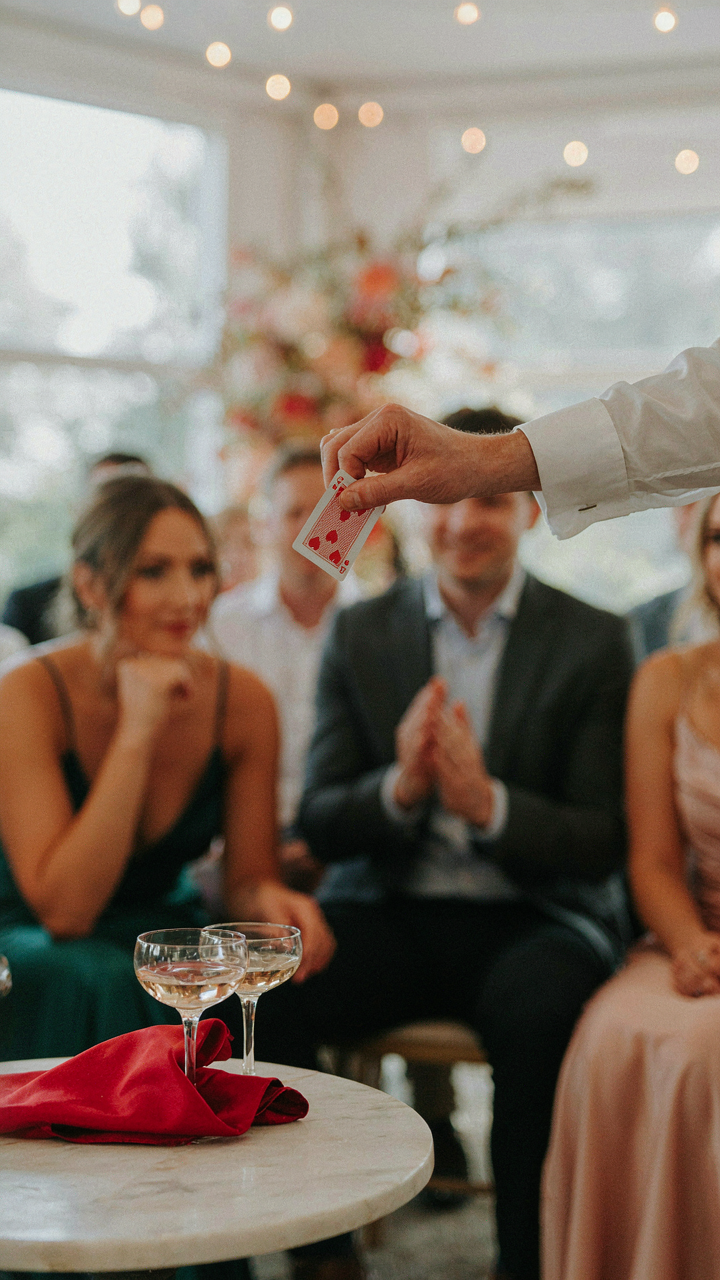
Unexpected Performers Beat Standard DJ Setup
You want people talking about your wedding for the right reasons instead of noticing what’s missing. The real mechanism here is attention capture. Without alcohol to lower inhibition and fill dead air, you need performers who create observable moments guests can’t ignore or mentally escape.

A magician working the room during cocktail hour costs 300 to 800 dollars and keeps guests engaged in micro-interactions instead of standing around. Live painters who create a final piece throughout the night, card players teaching poker, or a caricaturist sketching guests give people something to do and watch. These aren’t entertainment add-ons. They’re the load-bearing walls of a sober reception’s energy. Book performers who move through the crowd instead of staying on stage. Static entertainment fails when alcohol isn’t present to smooth over gaps.
Curated Playlists Over Hired DJs
Most couples hire DJs and hope. Better move: build a 4 to 6 hour playlist yourself or with your partner, organized by energy arc and tested beforehand. A DJ costs 1000 to 2500 dollars. A Spotify premium account and a rented sound system cost under 400 dollars total.
The playlist strategy works because you control pacing without relying on someone reading the room for sobriety signals they won’t recognize. Map your reception timeline: cocktail hour needs lower-energy background music, dinner needs conversation-level volume with occasional peaks, dancing needs escalation built in. Start instrumental or acoustic, move through recognizable upbeat tracks, end on songs that work whether people are dancing or sitting. Test the volume levels in your actual venue beforehand. A sound engineer to set up and monitor runs 150 to 300 dollars and solves technical failure risk entirely.
Smart Sourcing For Your Alcohol Free Wedding: Vendors Who Get It
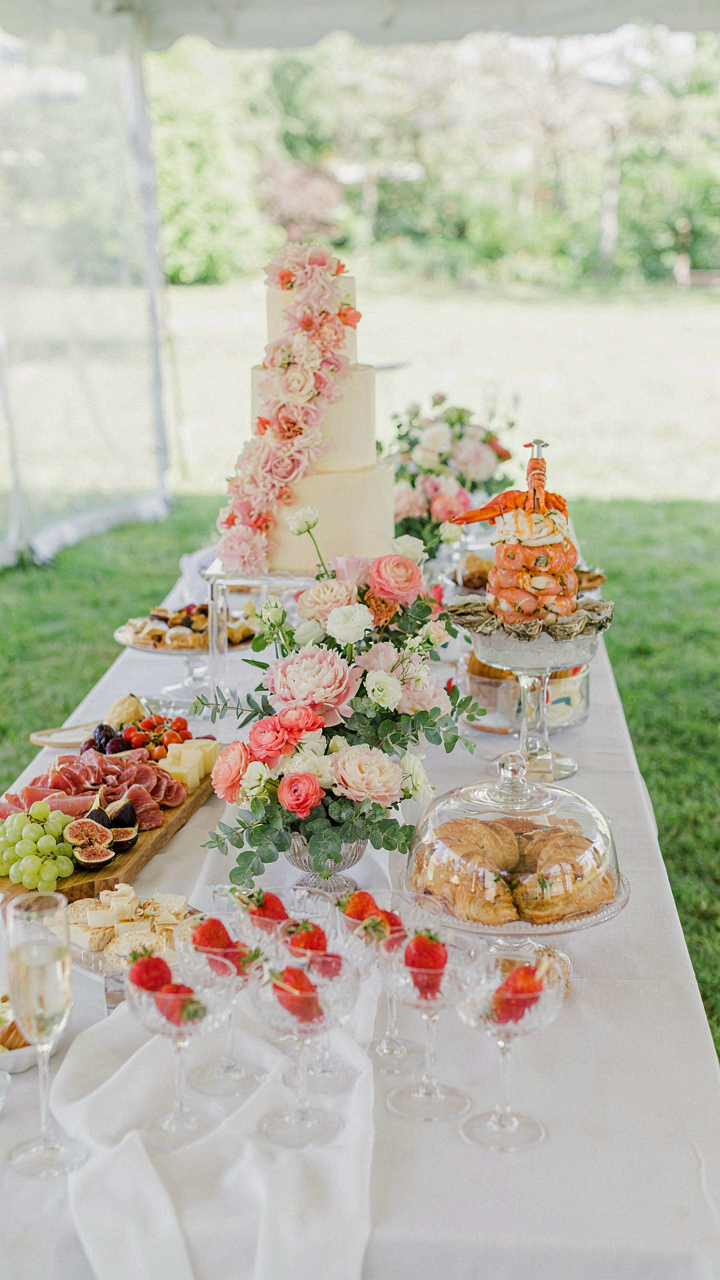
Catering For Taste, Not Intoxication
You want vendors who won’t treat your reception like a consolation prize. Most caterers default to alcohol-free events as a constraint problem, which means they underspend on food quality to compensate for missing drink revenue. That’s the real mechanism: they’re padding their margins, not your menu. Food becomes the actual centerpiece when drinks aren’t doing the heavy lifting socially, so caterers either step up or reveal they never learned how to cook.

Look for caterers who build menus around flavor intensity and course structure rather than portion size. Ask directly: “What do you serve at alcohol-free weddings versus standard receptions?” Their answer tells you everything. Restaurants with strong non-alcoholic track records often take catering contracts because they already understand how to make food do what drinks normally do: create rhythm, anchor memory, and justify the investment guests made showing up.
Specialty Beverage Suppliers: Mocktail Focused Providers
The mocktail market exploded in the last five years because bartenders finally stopped treating non-alcoholic drinks as failures with missing ingredients. Find suppliers who sell pre-batched, restaurant-grade mocktails rather than asking your caterer’s assistant to muddle mint for three hours. These vendors have solved the scaling problem that kills most alcohol-free receptions: consistency at volume.
Vet suppliers by asking for their per-person cost at your guest count, then requesting a tasting of their three most complex drinks. The tasting reveals whether they use fresh citrus daily, quality syrups, or shortcuts. Demand they arrive early to set up a proper bar station with ice, glassware, and garnish systems. This prevents the common failure mode: flat, warm, poorly presented drinks that make guests resent the whole event. Build this into your contract as a non-negotiable requirement.
The Post Reception Dividend: Real Savings & Clear Minds
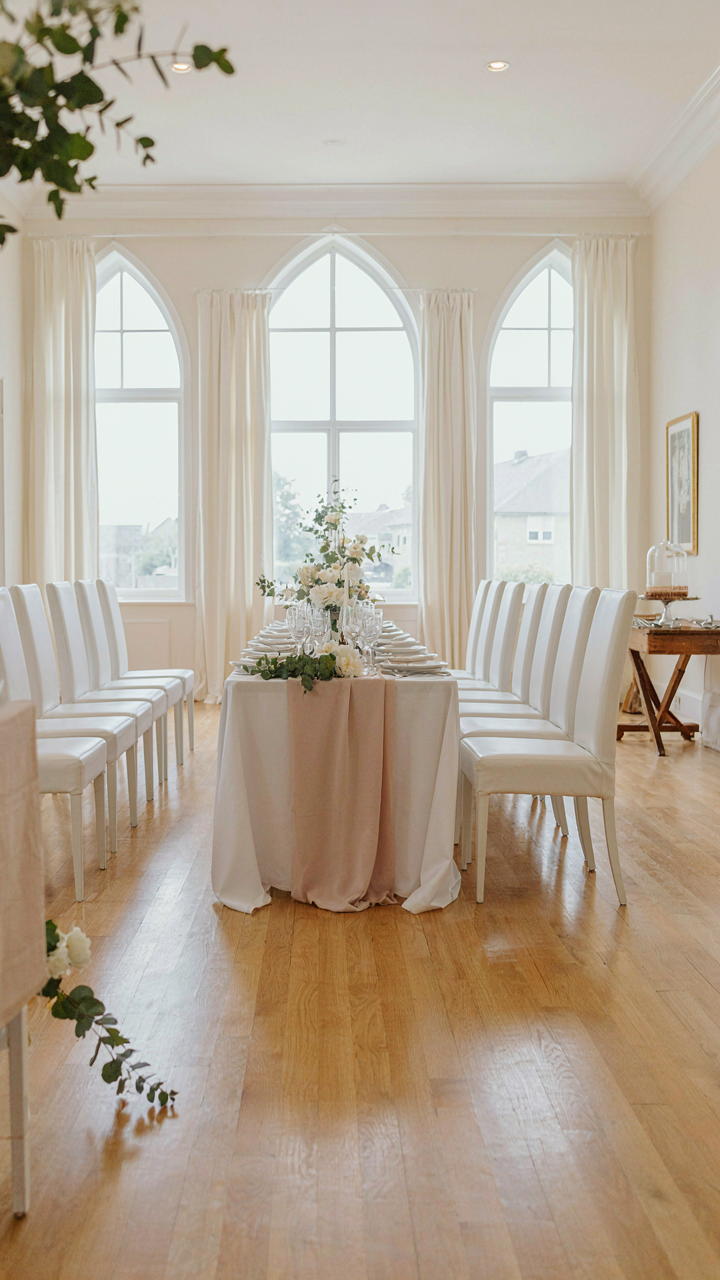
No Hidden Bar Costs: Final Bill Transparency
You want proof the budget actually worked. Most couples get blindsided by alcohol surcharges because venues bury them in contract fine print or add them during service. The mechanism is simple: alcohol vendors and venues profit from the assumption that you won’t track line items until the final invoice arrives.

Remove alcohol entirely and the invoice becomes a single conversation. No markup on premium liquor, no service charges for bartender hours, no damage liability premiums. Your final bill matches your signed estimate. Write into your contract that you receive an itemized breakdown 48 hours before the event, not after. This forces transparency and kills the margin venues extract from confusion.
Morning After: Stress Free Cleanup, No Alcohol Related Incidents
The real cost of alcohol isn’t in the bottle. It’s in the liability, the incident reports, the family drama, and the cleanup crew you have to hire at premium rates because someone got sick or aggressive. This is risk management language: alcohol is an uncontrolled variable in an otherwise managed system.
An alcohol free reception eliminates the category of incident entirely. Your cleanup crew leaves on schedule. Nobody needs medical attention. No car keys go missing. No vendor gets verbally abused. Your insurance premium doesn’t spike from a filed claim. The morning after, you wake up to a straightforward bill and a guest list that still respects you.
Why Your Guests Will Actually Thank You For A Dry Wedding
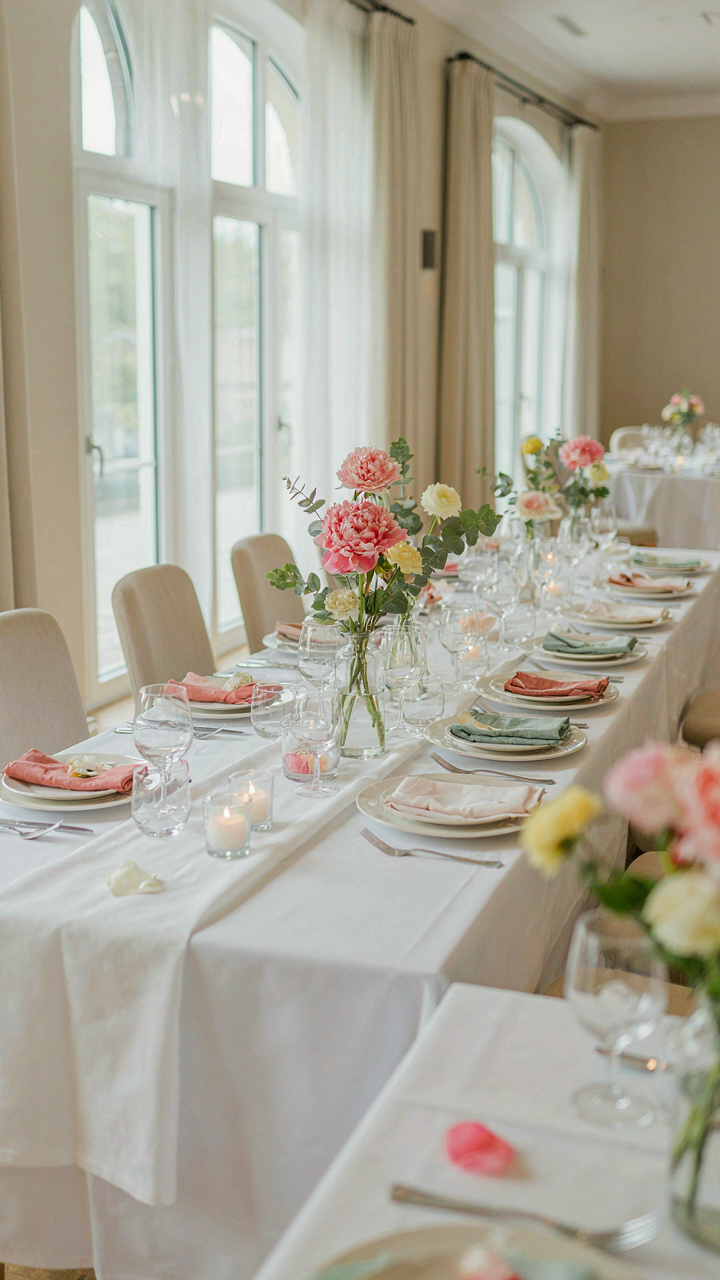
Everyone Actually Feels Safer
You’re worried people will judge you for going dry, so you’re looking for permission to do it anyway. Here’s the mechanism: alcohol removes inhibition, which feels like freedom until someone crosses a line they wouldn’t normally cross. A sober environment is a bounded system in engineering terms, and boundaries create predictability. Your guests don’t have to manage drunk relatives, navigate uncomfortable advances, or wake up regretting what they said. That’s not restriction. That’s protection.
The data backs this plainly. Venues report fewer incidents at dry events. Insurance premiums are lower. Guest feedback consistently mentions relief, not deprivation. People spend the reception actually talking to people they came to see instead of managing social damage control. You’re not taking something away. You’re removing the variable that turns weddings into liability events.
Real Conversations Happen Without The Lubricant
The common advice says alcohol “loosens people up” and “helps guests mingle.” That’s incomplete. Alcohol creates a false sense of connection by lowering social anxiety temporarily, but it also makes people louder, less present, and more likely to repeat the same conversations with different people. Without it, guests either engage meaningfully or leave. There’s no middle ground of performative socializing.
When alcohol isn’t present, your guests adapt. They ask real questions. They remember what people said. They make actual plans to see each other again instead of exchanging contact info they’ll never use. A dry reception costs less to plan because you’re not managing drunk coordination, broken glasses, or paying staff to handle escalating behavior. Set clear food and entertainment timing, and conversation fills the gaps naturally.
Your Budget Isn’t The Problem; Your Imagination Is
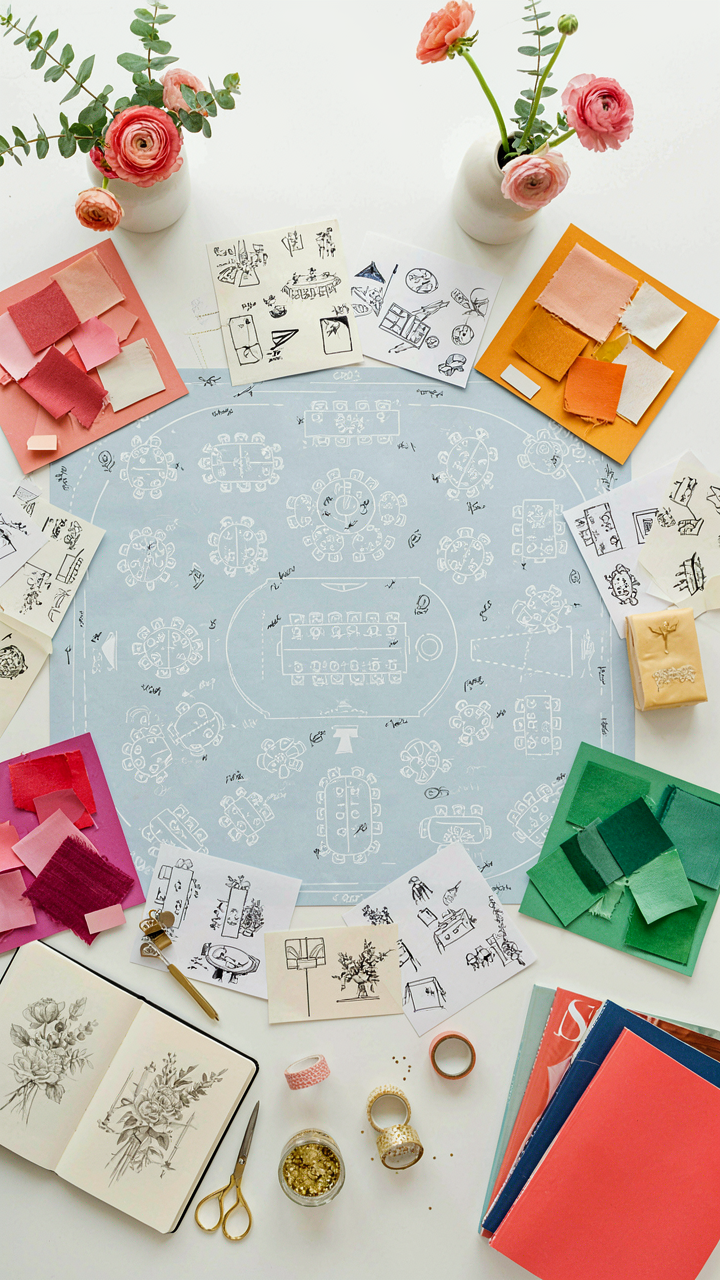
Most people planning an alcohol free wedding reception budget fail because they copy what everyone else does. They don’t design. They replicate. Stop asking what a normal wedding costs and start asking what experience you actually want to create. Your money moves toward what you decide matters. Call three vendors today. Not for quotes. For ideas on what fifty bucks per head buys you when you redirect alcohol spending toward food, music, or an experience people actually remember. The constraint isn’t your budget. It’s your willingness to think differently.