The “Luxury Leverage” Protocol: Reallocating Your Backyard Wedding With Tent Budget

Where Your Money Actually Moves
You’re reading this because you want your wedding to look expensive without the price tag. That’s not shallow, it’s rational. The mechanism is simple: most couples waste 40-60% of their tent reception budget on things guests forget within an hour. Food, photography, and bar staff occupy guest memory. Centerpieces and uplighting do not. The leverage play is to identify which elements create perceived value and redirect cash there, starving the invisible expenses that drain budgets.
Tent weddings have a specific constraint that reveals this immediately. A tent is a blank canvas. That canvas costs money to rent, heat or cool, and light. But unlike a venue that charges you for its existing infrastructure, a tent forces you to choose every dollar consciously. There’s no “well, the venue already has that” escape hatch. This is your advantage. You see waste before you spend it.
What Actually Sticks In Guest Memory
The common advice says spread your budget evenly across food, flowers, music, and photos. That’s incomplete. Guests remember three things: whether they felt welcome, what they ate, and whether they danced. Everything else blurs. A catered tent with bad food and silence feels cheap regardless of floral arrangements. A tent with great food, one exceptional focal point (like a statement bar or lounge area), and a solid speaker system with a curated playlist feels intentional and expensive.
Start by cutting florals by 50%. One statement installation at the tent entrance or near the bar replaces dozens of small centerpieces. Redirect that $800-1200 to food quality and a better sound system. Your caterer can elevate a tent reception with plating and service more effectively than a florist can. The data is straightforward: couples report food as their top memory 73% of the time. Flowers never appear in top three. Allocate accordingly by cutting the invisible and funding the tangible.
Beyond Basic Cover: Outdoor Wedding Tent Ideas As Strategic Investments

Tent Types And Their True Costs
You want the tent to disappear into the background so guests focus on you, not the structure. That’s the real reason this matters. Think of tent selection like supply chain logistics: you’re choosing between inventory that sits idle versus inventory that compounds your problems downstream. A frame tent costs more upfront but demands less site prep and handles wind better. A pole tent costs less but requires flat ground, ties into the earth, and limits layout flexibility. Most couples pick based on photos. Wrong move. Pick based on your venue’s actual soil, wind exposure, and whether you need to reconfigure space mid-event for dancing or dinner service.

The rental cost difference between frame and pole tents is typically 20 to 40 percent, but that gap narrows when you factor in ground conditioning, anchor rental, and the labor to stake down a pole tent on sloped or hard-packed ground. A clear-top tent runs another 30 to 50 percent premium over opaque. Calculate total installed cost, not just the tent line item. Request quotes that itemize setup, takedown, and any ground preparation the vendor requires.
Flooring And Lighting: Foundational Aesthetics
Everyone knows a tent needs light. Nobody talks about why flooring matters more than the tent itself. Bare ground inside a tent becomes mud, dust, or uneven footing within hours. Subflooring—plywood panels or composite decking—costs 2 to 5 dollars per square foot but prevents footwear damage, reduces liability, and keeps the interior usable during rain. This is not decoration. This is damage control and guest comfort as a mechanism for perceived value. Lighting functions the same way. String lights look good in photos but deliver inadequate visibility. Edison bulbs and bistro strands work for ambiance only, not task lighting. Add uplighting to tent poles or spotlighting on focal points, and you create visual depth without doubling your fixture count.
Flooring rental typically runs 50 to 150 dollars total for a small tent reception. Lighting rental ranges from 200 to 800 dollars depending on fixture complexity and coverage area. Bundle these with your tent vendor when possible for better pricing on delivery and labor. Install flooring first, lighting second, then table setup. This sequence prevents damage and allows you to see actual sight lines before finalizing furniture placement.
The DIY Tent Wedding Multiplier: Outsourcing Vs. Ownership

What Your Labor Actually Costs
You want to believe your time is free because admitting otherwise means the budget math breaks. It doesn’t. Economics calls this opportunity cost, and it applies to tent weddings as brutally as it does to any production: the real price of doing something yourself is what you stop earning or creating while you do it. If you make thirty dollars an hour, eight hours of setup labor costs you two hundred forty dollars, whether money changes hands or not. Most couples ignore this completely, then wonder why their “budget” wedding consumed their entire month before the event.

The math gets worse with complexity. Decorating a tent interior, managing timelines between multiple vendors, handling setup coordination, and troubleshooting day-of problems all demand focused attention. Doing these yourself doesn’t save money if your alternative was paid work, freelance income, or time protecting your health before a major life event. The couple that spends forty hours on tent logistics for a wedding they’re already paying for has doubled their actual investment. Calculate your realistic hourly rate, multiply it by the hours you’ll spend hands-on, and add that number to your quoted budget. That’s what the tent wedding actually costs.
The Vendor Math: What You Cannot Skimp
Every tent wedding needs four foundational vendors: the tent itself, catering, sound and lights, and tables and chairs. Removing any of these doesn’t make the wedding cheaper. It makes it broken. The common advice says to cut vendors and DIY everything, but that advice assumes you have time, skills, and the willingness to own failure. Most couples don’t.
The vendor selection mechanism works backward from your bottleneck, not your preferences. If you hate cooking but love design, hire the caterer and design the space yourself. If you’re skilled at logistics but panic at public speaking, hire someone to emcee and you handle timelines. If you have no specific strength, hire all four and reduce guest count instead. Your budget tent wedding succeeds or fails on which vendor you remove, not on how many you attempt to replace with enthusiasm and a Pinterest board.
Logistics As A Force Multiplier: Applying Military Strategy To Outdoor Tent Wedding Ideas

Scout The Site Before You Commit
You want to feel confident you’re not walking into a disaster. That’s the real driver here, and it keeps most planners from actually doing this work. Military operations use terrain reconnaissance because terrain determines everything that happens next. Your site is terrain. Walk it at the same time of day your reception starts. Note where the sun hits, where water pools after rain, how far guests walk from parking to tent, which direction wind typically moves through the property.

Document slopes, tree coverage, underground utilities, and power access points. Take photos from multiple angles. Identify your primary weather threat for that season and location, then map your contingency setup. Know your backup indoor space or tent interior lighting if rain hits. Write down cell service strength at different corners of the property. Most budget tent weddings fail on logistics no one mentions until day-of because nobody actually inspected the space under real conditions.
Choreograph Entry, Flow, And Exit
Stop planning this like a dinner party where people just show up. You’re moving 75 to 150 people through a compressed space under time constraints. Map where vehicles park, where guests enter the tent, where they move for ceremony, where they queue for food or bar, where they stand or sit during reception, and where they exit. Draw this on paper or digitally. Identify chokepoints where people bunch up.
Your vendor flow determines guest flow. Position the catering tent entrance where servers access food without crossing the guest path. Place the bar where the line doesn’t block the dance area. Run power cables along the perimeter, not across walkways. Set up the DJ booth where audio travels evenly but the operator has sightlines to the space. This isn’t decoration strategy, it’s operational efficiency. When logistics work, your budget stretches because nothing breaks, nobody complains, and the day actually runs.
Menu Engineering For Outside Weddings: Impress For Less

Station Dining Costs Less Than Plated Service
You want people to remember your wedding as elegant, not cheap. That fear drives most couples toward plated service, which is exactly the mechanism that drains budget fastest. Plated dining requires a server per table, timing coordination across 100+ plates, and food waste when guests don’t finish. Stations flip this economy: guests move to food, staff manages replenishment, not service. One bartender monitors a drink station; three servers handle a plated dinner.

Stations feel intentional because they are. Carving stations, taco bars, pasta bars, and charcuterie spreads shift the labor model from per-plate service to per-station management. You cut server headcount by 60 percent without reducing perceived value. Guests actually prefer the autonomy and variety. The tent itself becomes the dining room instead of a formal service space, which matches outdoor eating psychology anyway.
Alcohol Procurement Without The Markup
Catering companies layer 40 to 60 percent markup onto alcohol because they control the supply chain as leverage. The real mechanism mirrors wholesale pricing: volume buyers get unit discounts that restaurants and caterers pass through at inflated retail rates. Buy directly from a distributor using a retail license or partner with one that serves events. Some states allow BYOB with catering license exemptions; verify your local law before committing.
- Wholesale distributors: Buy cases directly at distributor pricing, typically 30 to 40 percent below catering retail. Requires legality verification and often a business license.
- Costco or Sam’s Club memberships: Straightforward warehouse pricing on wine, beer, and spirits. No licensing required, immediate availability, but limited premium selections.
- Local brewery and winery direct partnerships: Buy kegs or bottles at production cost. Build the relationship early; many offer event discounts for volume commitments.
- BYOB with catering license exceptions: Some regions allow guest-supplied alcohol if your caterer holds proper permits. Clarify liability coverage before proceeding.
- Signature cocktail focus: Limit bar to three drinks maximum (two cocktails, wine, beer). Reduces inventory complexity and staff decision paralysis at the bar.
Calculate consumption by body count, not by assumption. Budget 1.5 drinks per person for a four-hour event. A 100-person wedding needs roughly 150 total drinks. Buy 20 percent above that figure to avoid running dry, then return unopened cases within your distributor’s policy window. Spirits cost least per drink; wine and beer consume more volume at similar price points. Your bar staffing cost stays flat regardless of alcohol source, so procurement method is pure margin capture.
The Aesthetic Illusion: Maximizing Impact With Minimalist Tent Wedding Ideas
Work With What’s Already There
You want people to think you spent money you didn’t spend. That’s the real game here. The mechanism is contrast: your decor only registers as intentional when it stands against something already present. A bare tent has no contrast. A tent with existing trees, a view, or architectural lines does.

Stop fighting the environment and start using it as your foundation. A tree branch becomes a hanging point for string lights. Tall grass becomes texture. A building’s shadow becomes a natural stage backdrop. The best decor amplifies what’s already visible rather than replacing it. This cuts your material costs by half because you’re not building everything from scratch.
Create One Moment Worth Remembering
Everyone says add focal points. Wrong framing. You don’t need multiple focal points. You need one element that stops the room. Economics calls this “scarcity creates value”—apply that to your visual field. One stunning thing beats five mediocre things every time.
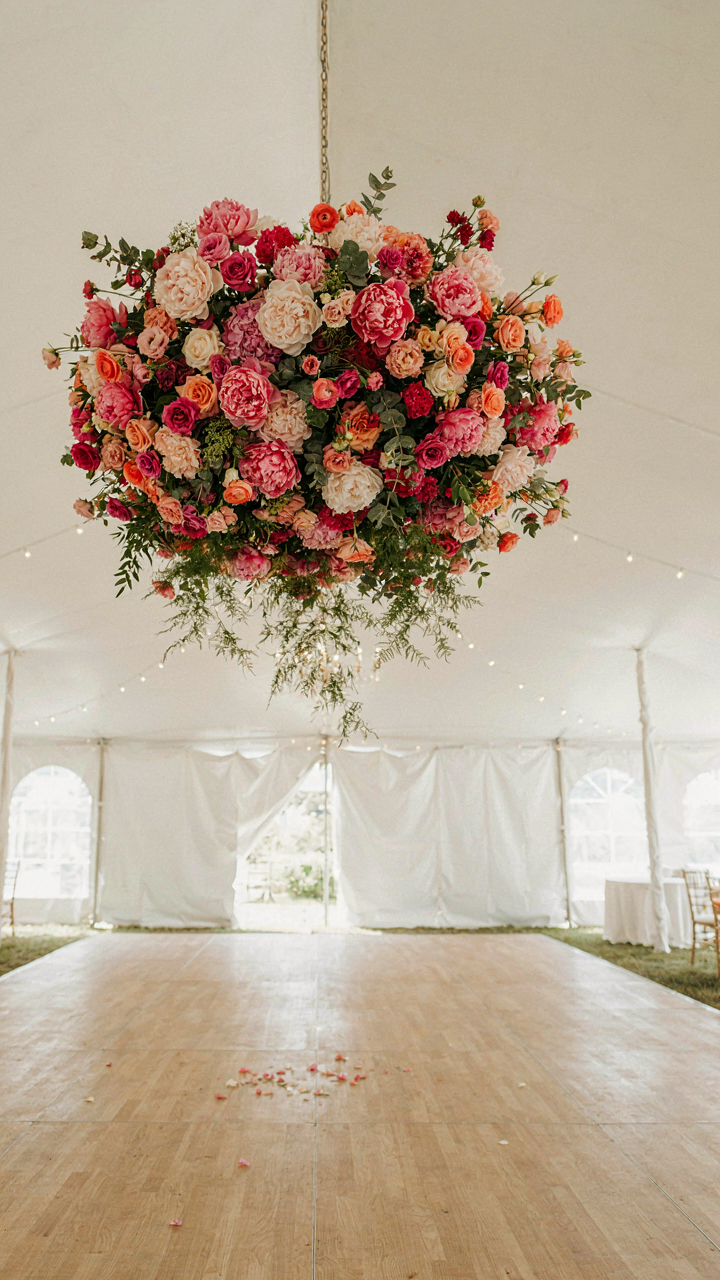
Choose the entrance, the dance floor, or the gift table. Pick one. Then concentrate your budget there. A single dramatic backdrop, a chandelier hung low over the dance floor, or flowers clustered at one end of the tent creates the illusion of intentional design everywhere else. Guests remember the one moment that felt elevated, not the entire room. Build your reception around that single focal point and let the rest breathe empty.
Guest Experience Protocol: Hosting 200 Person Wedding Tent Without Breaking The Bank
The Unsexy Engineering Of Comfort
You care about this section because you’re terrified your guests will leave thinking you cut corners. Here’s the mechanism: guest comfort isn’t about luxury—it’s about removing friction. Borrow from environmental engineering: thermal mass. A tent without climate control is a box that amplifies heat in summer and radiates it away in winter. Two hundred bodies generate heat, but air movement and shade solve the problem for a fraction of what climate rental costs.
- Sidewall panels: Removable clear or mesh panels allow airflow while blocking direct sun. Install on the west and south sides to cut radiant heat without trapping humidity inside the tent.
- Strategic shade trees: Position the tent to use existing trees as shade barriers. This cuts cooling load by 15 to 20 percent without added infrastructure.
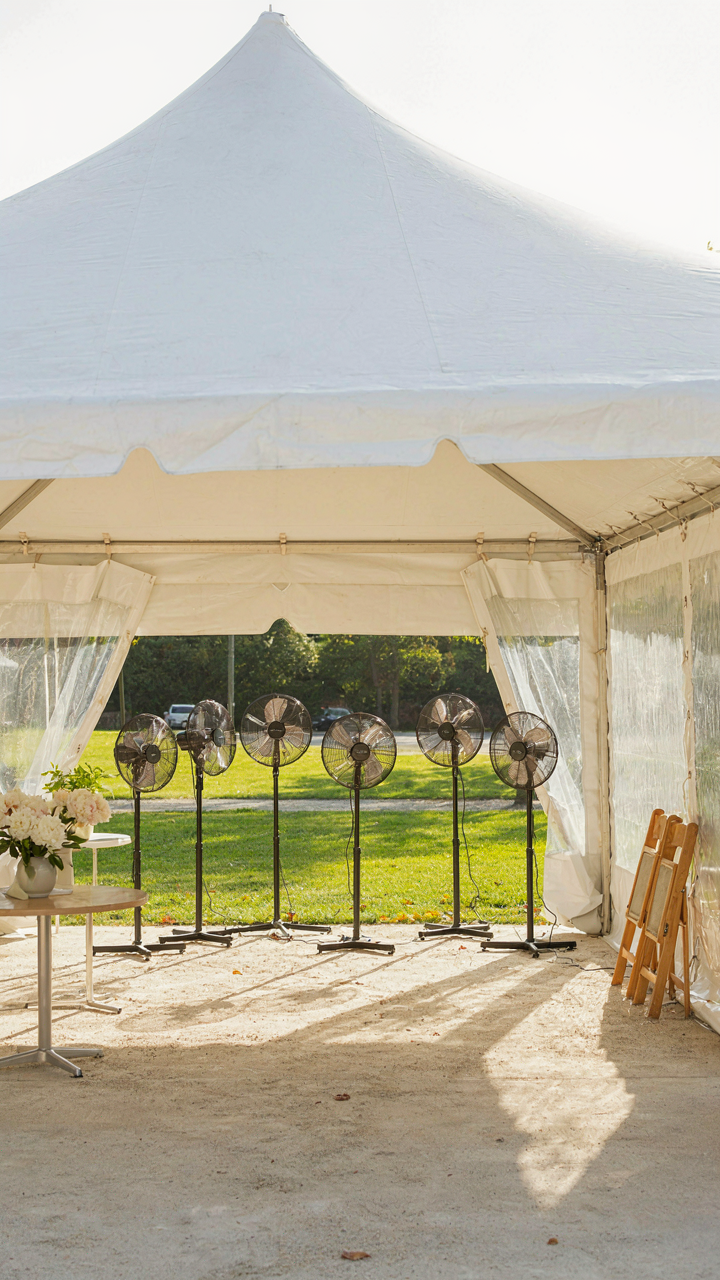
- Fans and air circulation: Rent 4 to 6 standing fans and position them to create cross-ventilation. Cost runs 50 to 100 dollars per unit for the day. Movement matters more than volume.
- Flooring: Rent subflooring or use pallets under carpet. Dirt or grass creates mud hazards, kills shoes, and feels cheap. Flooring costs 300 to 500 dollars but eliminates guest complaints and liability.
- Lighting design: String lights or uplighting cost 200 to 400 dollars and hide the tent’s raw interior. Shadows hide bad corners and poor tent fabric condition.

Guests judge comfort in the first five minutes. If they’re sticky, muddy, or squinting into sun glare, the meal doesn’t matter. Address the three vectors: temperature, footing, and visibility. Your budget tent becomes functional when guests stop thinking about the tent and start thinking about the event.
Entertainment That Builds Momentum
Stop treating entertainment as background noise. The common advice says hire a DJ or a band and let them fill the room. That’s incomplete. Real entertainment guides guests through three phases: arrival energy, meal focus, and exit energy. Phase one requires high stimulus to pull people into the space. Phase two requires low volume so guests talk and eat. Phase three requires momentum so people stay until the event actually ends.
A 200-person tent benefits from tiered entertainment over a single performer. Start with upbeat playlist through dinner speakers, not live music. Switch to a two-hour DJ slot for dancing starting at 8 PM when guests have eaten and mood has shifted. The cost runs 600 to 1000 dollars total. Live music during dinner costs more and competes with conversation. Build the evening like a film edit: quiet scenes, then action scenes. Guests leave energized because you shaped the experience, not because you hired something expensive.
The Yard Wedding Blueprint: Transforming A Space, Not Just Renting One
The Permit Reality You’re Hoping Doesn’t Apply
You’re reading this because you want to believe permits don’t matter for a backyard event, and that hope will cost you money. Permits work like taxation in economics: they’re a transfer mechanism that extracts compliance costs whether you plan for them or not. Ignore them and you pay through fines, forced shutdown, or liability exposure. Some jurisdictions require permits for gatherings over 50 people. Others regulate tent placement by setback distance from property lines. Alcohol service triggers separate licensing in most places. These aren’t suggestions.

The hidden cost isn’t the permit fee itself—it’s what the permit requires you to fix before approval. An inspector might demand improved drainage, reinforced parking, or portable restroom facilities you hadn’t budgeted. You discover this after paying the non-refundable tent deposit. Call your local planning or health department before signing contracts for the venue. Ask three specific questions: What size gathering requires a permit? What does alcohol service require? What infrastructure improvements do they mandate? Write down the answer. You need it in writing to protect yourself if requirements change or conflict.
Preparing Ground Without Overdoing It
Most people either do nothing to a yard or spend money on unnecessary foundation work. The right approach sits between extremes. A tent doesn’t need a concrete pad, but it needs stable, level ground and drainage that keeps water away from the structure. If your yard has slope, rain pools in tent low spots and creates hazards. Mowing is free. Filling ruts with compacted soil costs 200 to 500 dollars depending on depth. Renting ground leveling equipment runs 100 to 300 dollars per day. Measure your yard’s high and low points with a long straight board and level before deciding what work matters.
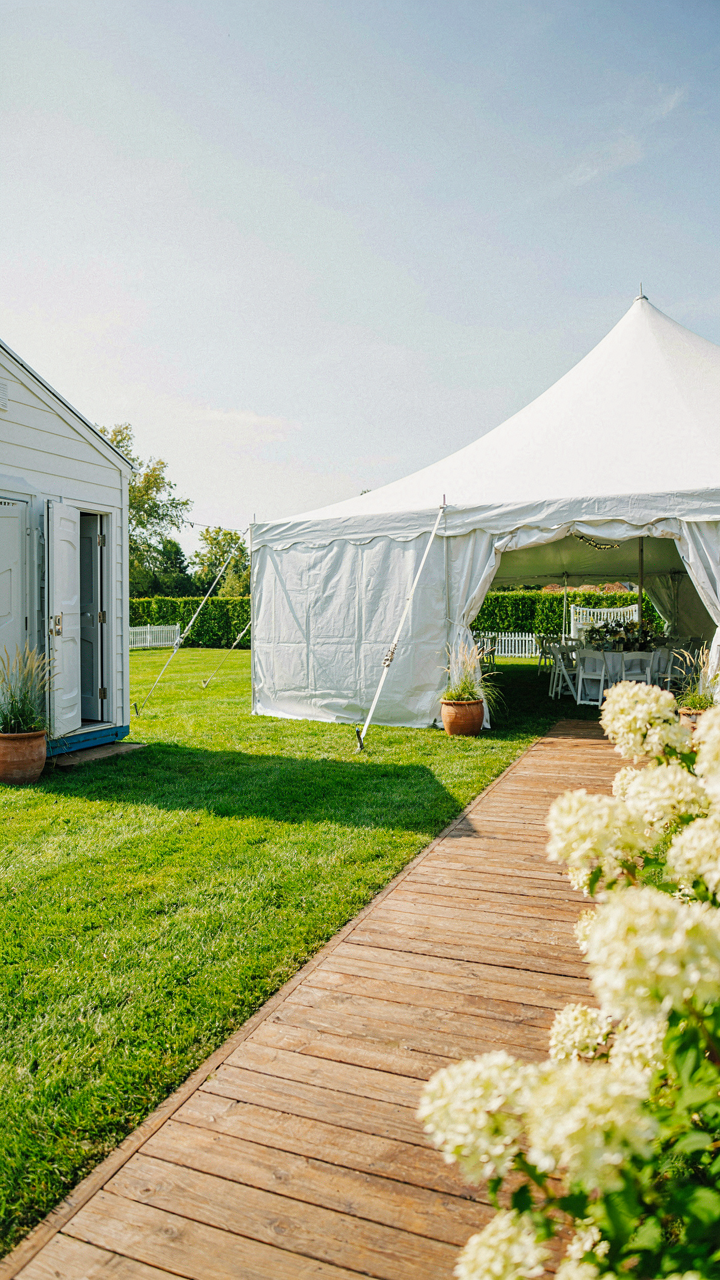
Tent companies have weight specifications for stakes and anchoring. Hard ground accepts anchors better than soft soil, but over-preparing causes waste. If you’re renting a tent for one day, temporary fixes work. Lay plywood pathways to the entrance so guests don’t track mud. Rent portable restrooms on stable ground outside the tent footprint. Position them where septic or sewer access exists if possible. Mark uneven spots or holes with glow sticks at night. The goal isn’t perfection: it’s preventing guest injury and keeping the tent from collecting standing water during the event.
The Real Obstacle Isn’t Your Budget; It’s Your Adherence To Outdated Wedding Paradigms

Most couples sabotage their budget tent wedding before they even book a vendor. They’re operating from their parents’ playbook: the expensive venue, the catering markup, the wasteful traditions nobody actually wants. You don’t need permission to do this differently. Call three tent rental companies today and ask what they charge for a Saturday afternoon versus Friday evening. The price gap will shock you. Stop planning the wedding you think you’re supposed to have and start building the one you actually want to pay for.