The Illusion Of “BYOB Friendly” Venues
How Venues Actually Make Money
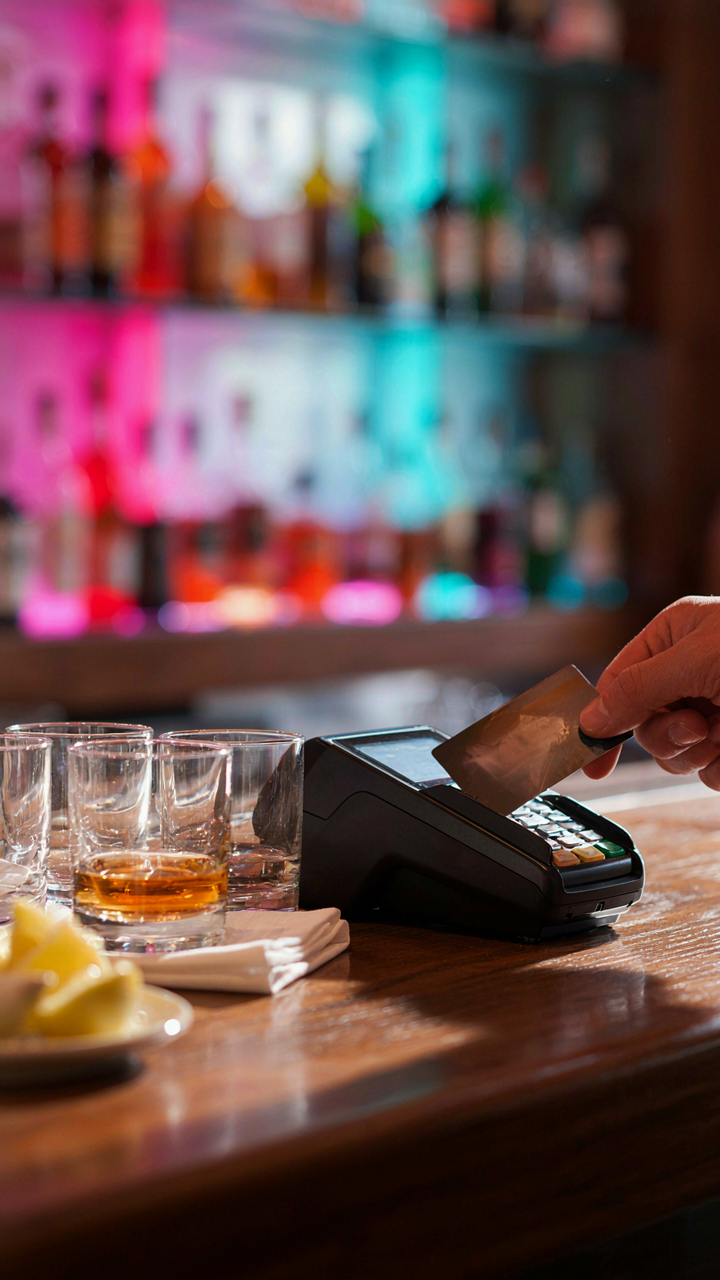
You want to believe a venue will let you bring your own alcohol because you think it saves money. It doesn’t, and that’s not why venues resist it. Venues operate on a razor-thin margin model borrowed from hospitality economics: they make their real profit on the drink markup, not the room rental. A venue charges you 30 to 50 percent of their revenue on beverages. When you bring outside alcohol, they lose that revenue stream entirely. The room rental fee stays the same, but the economic engine breaks.
Most venues depend on alcohol sales to survive. Rent, staff, insurance, and licenses consume 60 to 80 percent of operating costs. The drink markup covers that gap. Allow outside alcohol and a venue hemorrhages money on every event. They don’t resist because they’re greedy. They resist because allowing BYOB makes their business model mathematically unsustainable. A venue that permits outside alcohol needs to charge significantly higher room fees to compensate, which changes the entire economics of your event.
The Real Liability Trap Nobody Names
The common advice says liability is just “about serving alcohol to drunk people.” That’s incomplete and misses the actual mechanism. Licensing law creates strict liability for venues around alcohol service, meaning the venue can be held responsible for injuries or incidents involving alcohol they didn’t even pour. When you bring outside alcohol, the venue loses control over proof, serving practices, and documentation. Insurance carriers won’t cover incidents tied to outside alcohol because the venue can’t verify chain of custody. This isn’t paranoia, it’s contractual reality written into every liquor license agreement.
A venue that knowingly permits BYOB is voluntarily entering a liability zone their insurance explicitly excludes. Most venue policies classify BYOB as an uninsurable event, meaning their coverage vaporizes the moment outside alcohol appears. Court cases have established that venues bear liability even when they claim ignorance of outside alcohol, because the burden falls on the venue to prevent it. The legal path forward requires explicit written exceptions from both the venue’s insurance carrier and local alcohol licensing authorities, which rarely happens.
The Vendor Vetting Protocol: Beyond Simple “Yes” Or “No”

Venues With Existing Third Party Bar Experience
You want to know if a venue will say yes because you’re afraid of rejection and wasted planning time. The real mechanism is this: venues that already work with outside vendors have operational systems in place. They know how to manage liability, logistics, and guest experience with non-house alcohol. They’ve solved the problem before.

Look for venues that host corporate events, weddings, or private rentals where clients bring their own wine or spirits. These operations have insurance riders, vendor agreements, and staff trained to handle external inventory. Ask the venue manager directly: “What events do you host where guests or clients bring their own beverages?” Their answer tells you if they have infrastructure, not just permission.
Screening For Flexibility Versus Policy Lock
Common advice says “just ask if they allow BYOB.” That’s incomplete. You need to distinguish between venues with actual flexibility and ones reading from a script because corporate policy says so. Economics calls this the difference between price and cost. A venue might say yes to BYOB but charge you hidden fees, restrict hours, or demand you use their bartender. That’s not flexibility, that’s extraction.
Schedule a call with the decision maker, not the front desk. Ask specific questions: markup percentages on their bar if you don’t use theirs, whether they charge per bottle or flat rate, if you can bring premium spirits or wine only, and what happens if you go over capacity. Document their answers in writing. The venue that hesitates to clarify terms or refers you back to a website policy is locked. Move on.
The Insurance Arbitrage: Your Secret Weapon

Event Liability Insurance As Risk Transfer
You want to avoid getting trapped into paying inflated corkage fees, and that fear is rational. But here’s what actually happens: insurance functions as risk transfer, the same mechanism banks use to offload mortgage default risk. When you bring your own alcohol to a venue, you’re moving liability exposure. The venue shifts that exposure onto you through contractual language, or you absorb it by buying event liability insurance that covers alcohol service.

Most venues don’t care who pours the drink. They care who pays when someone gets hurt. Event liability insurance costs between 150 and 400 dollars for a single day, depending on guest count and alcohol type. It covers bodily injury and property damage claims tied to your event. The venue’s real concern isn’t your bottles—it’s their legal exposure. Insurance eliminates that concern on paper, which is why some venues will allow your alcohol if you provide proof of coverage before the event.
Comparing Costs Insurance Versus Venue Corkage Fees
The common advice says “just negotiate corkage.” That’s incomplete and leaves money on the table. Corkage fees run 10 to 25 dollars per bottle at most venues, which balloons fast with 75 or 100 guests. Event liability insurance looks expensive until you do the math against what venues actually charge. A 200-person event with corkage at 15 dollars per bottle across 20 bottles costs 300 dollars plus the alcohol markup. Insurance for the same event runs 250 to 350 dollars, covers everything, and leaves the venue with zero negotiation friction.
The real move is this: calculate your venue’s total alcohol cost with corkage, then price event liability insurance for your guest count and event type. If insurance lands lower, buy it and use that proof to unlock venues that won’t negotiate on corkage. If corkage wins, negotiate hard with venues that already allow outside alcohol. The venue that allows your own alcohol with insurance backing becomes the cheapest option because you control the entire supply chain and margin structure.
The “Dry Hire” Gambit: Renting Space, Not Services

Negotiating Rental Without The Markup
You want to avoid the venue markup on alcohol because you’re tired of paying 300 percent for a bottle of wine. That’s rational. What matters is understanding the difference between a venue and a caterer wearing a venue costume. A dry hire strips away the bundled services model entirely. You rent the raw space and its infrastructure, nothing else. Most venues resist this because their profit margin lives in the beverage upsell, not the rental fee. The negotiation succeeds only when you approach it as a landlord conversation, not a service transaction.

Start by identifying venues that already advertise dry hire or BYOB policies openly. These operators have already chosen margin over volume and won’t waste time negotiating against their own model. For venues without a stated policy, ask directly: what is the rental fee for space only, and what happens if we bring our own alcohol? Silence or evasion tells you the answer before they speak. Some venues will quote an inflated room rental to compensate for lost beverage revenue. That’s fine. Do the math. Compare the room fee plus your alcohol cost against their package pricing. If the math doesn’t work, walk.
Total Control Over Every Variable
Dry hire gives you leverage most people never exploit. This isn’t about saving money on bottles, though that happens. It’s about owning every decision that shapes the event. In supply chain terms, you eliminate the middleman and become responsible for inventory management. You source the alcohol, determine quantities, control pour quality, and decide how much ends up consumed versus wasted. This shifts liability too, which is why some venues initially refuse dry hire arrangements.
The mechanism works like this: you provide the venue with your alcohol liability insurance, they provide the raw space with basic utilities and tables, nothing else. You hire your own bartender, manage your own supply chain, and control consumption. Most venues already require event insurance anyway. The dry hire simply clarifies that your insurance covers your alcohol, not theirs. Get this in writing. A one-page addendum to the venue contract stating alcohol responsibility, insurance coverage, and what the venue provides solves the entire negotiation. When a venue refuses, they’ve told you they want to own the margin more than they want your business.
The Revenue Replacement Strategy For Venue Owners
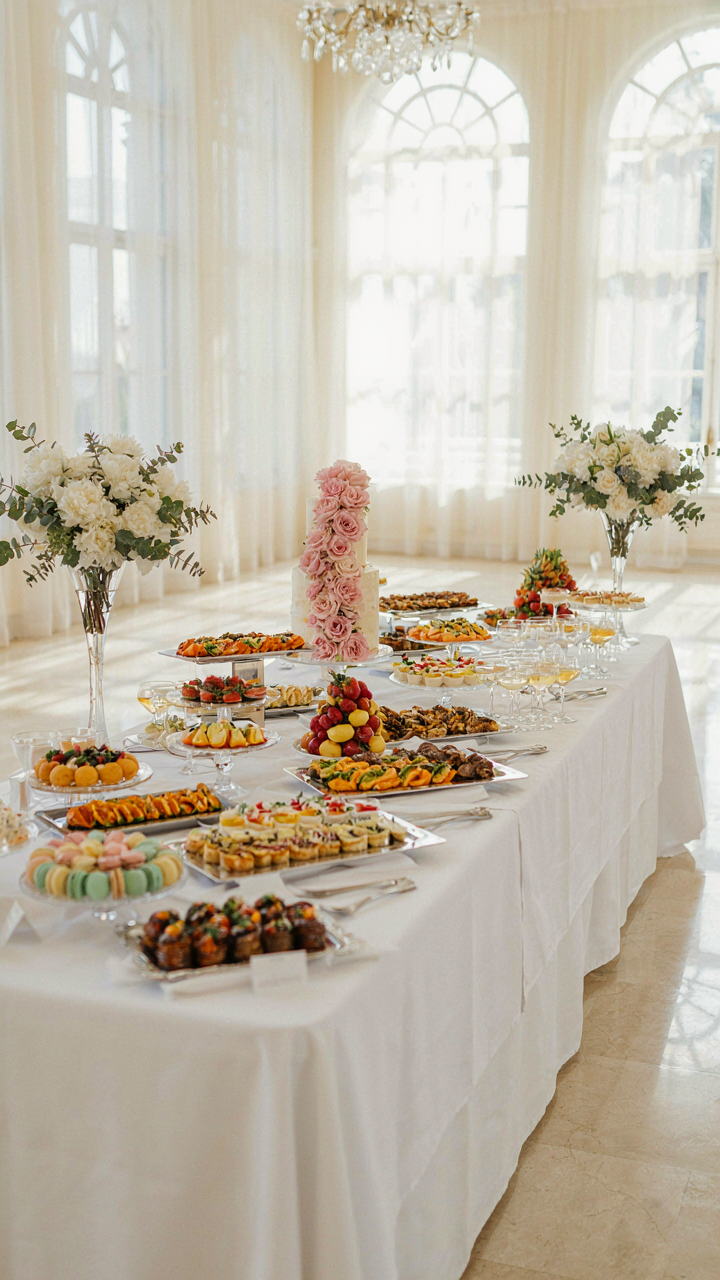
How Venues Actually Make Money Beyond Alcohol
You want this concession because you’re afraid the venue will reject you, and you need a reason that doesn’t sound like you’re cutting into their profits. Here’s the mechanism: venues operate on a markup model, not a volume model. They make money by controlling supply and charging 300 to 400 percent markups on drinks. When you bring your own alcohol, that margin disappears. But the real revenue streams—the ones venue owners rely on when they’re smart—exist independent of what’s in the cup.

Food service generates the highest per-head revenue after alcohol. Venues that allow outside alcohol often charge entrance fees, require minimum food purchases, or rent the space by the hour. Some run ticketed events where the ticket price captures what they’d lose on drink markup. Others charge for setup, tables, chairs, or coat check. The venue owner who understands this doesn’t fight BYOB policies—they restructure their pricing to replace the lost margin through multiple smaller revenue lines instead of betting everything on forced drink sales.
The Math That Changes The Conversation
Venue owners won’t negotiate unless you frame this in their language: cost recovery plus margin preservation. A typical venue might gross 40 to 60 percent of revenue from alcohol markup alone. Losing that sounds catastrophic. But the operational cost to pour a drink is negligible—maybe 15 to 20 percent of the sale price goes to the actual product and labor. When you remove alcohol sales, the venue removes very little cost. They lose the full markup but keep their fixed costs: rent, insurance, staff, utilities.
Run the numbers with the venue owner directly. If they sell one hundred drinks at an average markup of twenty dollars per drink, that’s two thousand dollars gross. If allowing BYOB costs them that income but they charge a fifty-dollar entrance fee for one hundred fifty guests, they replace half the loss immediately. Add a ten-dollar food minimum and they’ve covered the gap. The formula is straightforward: (lost alcohol margin) divided by (new revenue per guest) equals the break-even threshold you need to hit with alternative pricing to make BYOB palatable to them.
Crafting Your Self Serve Wedding Bar Ideas & Drinks Station
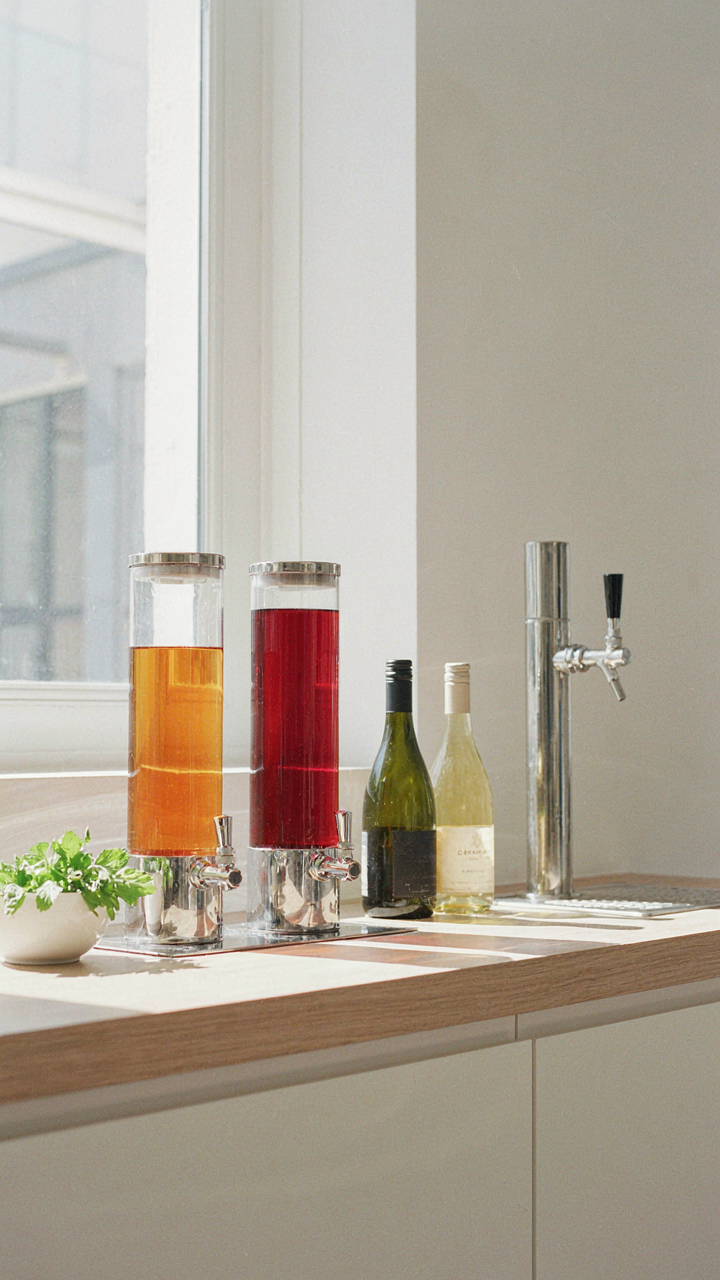
The Constraint That Cuts Waste
You want your guests to feel like they have options because you believe that signals generosity. The real mechanism is the opposite: constraint reduces decision paralysis and cuts waste. When you limit choices, people drink less, waste less, and enjoy what they pick more. This isn’t psychology theater. It’s observation. Venues that allow your own alcohol succeed because owners engineer scarcity into abundance.

The math is brutal. Studies on choice architecture show that beyond four core options, decision time increases exponentially while satisfaction plateaus. More bottles mean more half-empty containers at the end of the night. You’re not being cheap by limiting. You’re being efficient.
The 80 20 Rule For Your Drink Menu
Economics calls this the Pareto Principle, and it maps directly onto drink selection: 80 percent of your guests will consume 20 percent of your drink varieties. Stop pretending otherwise. You don’t need fifteen spirits. You need two.
Build your core around what moves: vodka and whiskey. Add one wine red, one white. One beer option. That’s your stack. Everything else is ego. If you want craft elements, layer in one signature cocktail premixed in a dispenser. This approach cuts setup time, reduces spillage, and means no bottles collecting dust. Your guests leave satisfied because they chose from what actually matters, not because you proved you could stock a bar.
Beyond Booze: Mastering Alcohol Quantity For Weddings & Non Alcoholic Options
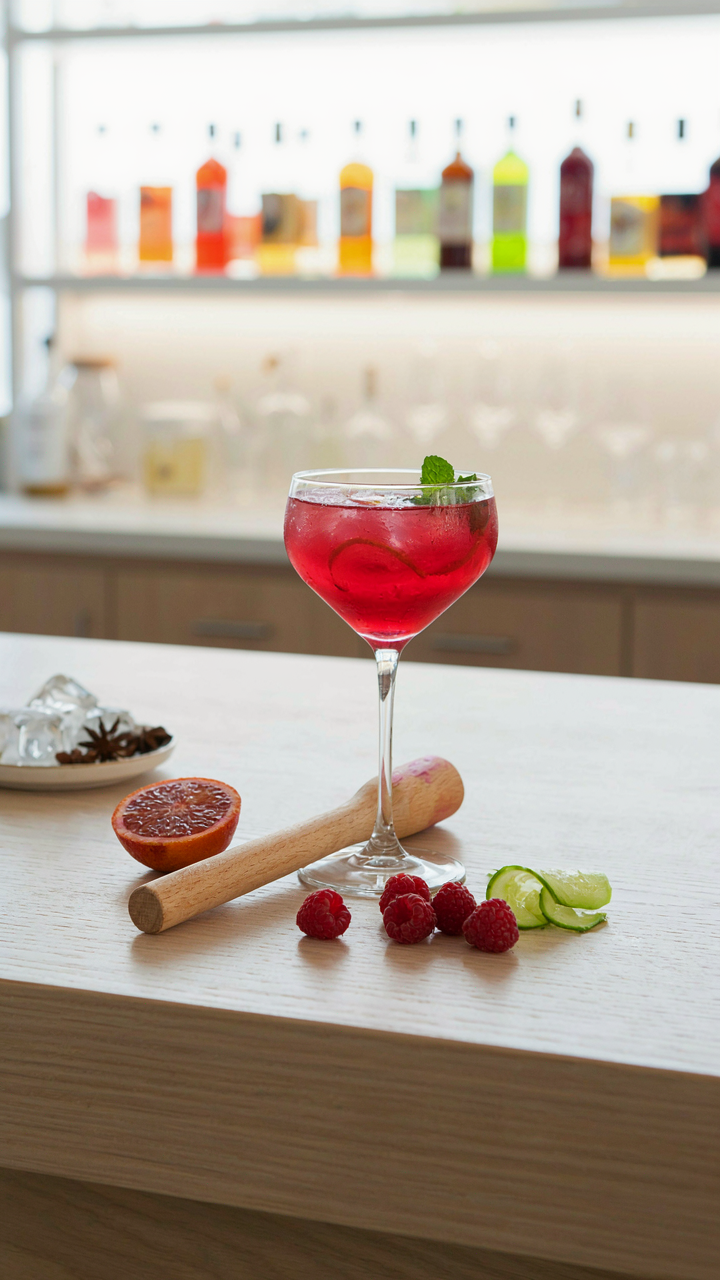
The Non Alcoholic Bar That Doesn’t Feel Like Compromise
You want the option because you’re worried your guests will judge you for a dry or low-alcohol event. That fear is the mechanism here. The real move is treating a non-alcoholic bar as a design problem, not damage control. A strong mocktail program shifts the social dynamic entirely. Guests stop noticing what’s missing when the alternative tastes intentional and costs real money to execute.

Most venues that allow your own alcohol don’t restrict non-alcoholic spirits, syrups, or premium mixers. Source craft sodas, quality ginger beer, fresh citrus, and alcohol-free spirits like Seedlip or Ghia. Hire a bartender to build rounds rather than self-serve bottles. The difference between “we have juice” and “we have a bartender making Negronis without the alcohol” determines whether your event reads as thoughtful or constrained.
Calculating Your Alcohol Needs By Guest Type
This is where most people fail with math. The common advice is “one drink per person per hour.” That’s incomplete. Economics calls this demand elasticity—how consumption changes when price or friction shifts. When guests bring their own alcohol to a venue they control, they drink more than at a typical bar. There’s no artificial scarcity, no closing time, no bartender pacing drinks. You need to account for that behavior shift.
- Heavy drinkers (20-25% of your crowd): Plan 4-5 drinks per person for a four-hour event. These guests drink steadily regardless of setting.
- Moderate drinkers (50-60% of guests): Budget 2-3 drinks per person. They pace themselves but stay engaged with alcohol available.
- Light or non-drinkers (15-25% of guests): Account for 0-1 drink per person. Don’t overstock assuming they’ll convert.
- Time factor adjustment: Add 25-30% more volume if your event runs longer than four hours. Boredom and comfort increase consumption.
- Venue temperature and activity level: Outdoor summer events see higher consumption. Seated, indoor events see lower volume per guest.
Calculate total drinks needed by multiplying each group’s size by their expected consumption. Round up 15-20% for waste, spillage, and guests who drink faster than predicted. For a 100-person wedding with typical demographics over five hours, expect 220-280 total drinks. Overstock the low-cost items (beer, basic wine) and underbuy premium spirits. Guests regulate expensive liquor naturally; they’ll tank the cheap stuff without thinking.
The Legal Loophole Leverage: Permits And Licensing

Temporary Liquor Licenses And Special Event Permits
You want this section because you’re afraid of legal liability, not because you care about the law itself. Here’s what actually matters: the permit is a liability transfer document. In contract law, this is called assumption of risk. When a venue pulls a temporary liquor license or special event permit, they’re accepting legal responsibility for alcohol service at that specific event. Your job is to verify the permit exists before you arrive, not after.

Most venues that allow outside alcohol already understand this mechanism. They’ve either pulled the permit themselves or they require you to pull it in their name. Contact your local alcohol beverage control board directly, not the venue coordinator. They’ll tell you what class of permit applies to your event, what it costs, how many days it takes to process, and whether the venue can hold it or you must. This eliminates the guessing game and prevents the venue from claiming they “forgot” to file.
Licensed Bartenders: The Liability Firewall
Common advice says hire a bartender to “make it look professional.” That’s incomplete. Hiring a licensed bartender transfers liability again, this time to the bartender and their insurance, not just the venue. This is how insurance works in service industries: the person pouring drinks carries responsibility if someone gets hurt. A licensed bartender carries dram shop liability insurance. An unlicensed friend does not.
Verify the bartender’s license with your state’s alcohol licensing database before payment. Require them to provide proof of liability insurance naming the venue as an additional insured. Many venues now demand this as a condition of entry. The bartender’s license number, expiration date, and insurance documentation should be attached to your event file before day one. This creates a clear chain of responsibility if something happens.
The Post Event Audit: Proving Your Case For Future Events

Document The Numbers That Matter
You want proof you’re not reckless so venues take you seriously next time. The mechanism here is economic: venues track risk through data, not promises. Capture three metrics the moment your event ends. Total alcohol spend versus what you’d have paid through their markup. Guest incident count or safety violations. Setup and cleanup time against their standard timeline. These numbers become your negotiating asset. They’re also insurance against the venue manager who leaves and gets replaced by someone skeptical of your arrangement.

Most event hosts skip this step because it feels administrative. That’s why it works. When you return with documented proof that your BYOB event ran cleaner and cheaper than their standard model, you’ve moved from asking permission to presenting evidence. Screenshot receipts, photograph the space before and after, note the final headcount. The specificity is what converts a one-time exception into a repeatable arrangement.
Build The Track Record That Precedes You
Reputation in venue networks travels through staff turnover and manager conversations. Think of it like inventory management in operations: you’re stocking goodwill as a predictable resource. Every clean BYOB event you execute becomes a data point other venues hear about through bartenders, event coordinators, or other promoters who work the same circuit. Your job is to make that track record visible and transferable.
Start collecting testimonials from venue contacts immediately after each event. Not generic praise. Specific statements about setup ease, guest behavior, or how quickly your team restored the space. When pitching a new venue, reference these people by name and title. Give the venue manager a way to verify your execution directly. Follow up with venues three weeks after events with a brief recap of metrics. This creates a paper trail that makes your next negotiation shorter and more favorable.
The Only Real Obstacle Isn’t The Venue; It’s Your Inability To Speak Their Financial Language

Venues reject BYOB requests because you frame them as favors, not deals. Stop asking permission. Start showing them the math. Call the venue manager today and ask one question: “What’s your current alcohol markup?” Their answer reveals exactly how much you need to offer to make them indifferent to your outside bottles. You’re not negotiating a rule. You’re negotiating a price. Money talks louder than policy ever will.