Why Outfit Formulas Simplify Getting Dressed
Getting dressed every morning can be overwhelming if you don’t have a plan. 5 Outfit Formulas That Simplify Your Morning Routine help you save time and reduce stress. By using these simple combinations, you always know what to wear without second guessing yourself.
In this article, you will learn about different outfit formulas that work well for various occasions. These tips will help you pick quick and smart outfits. This way, your morning dressing becomes faster and easier.
What Are Outfit Formulas
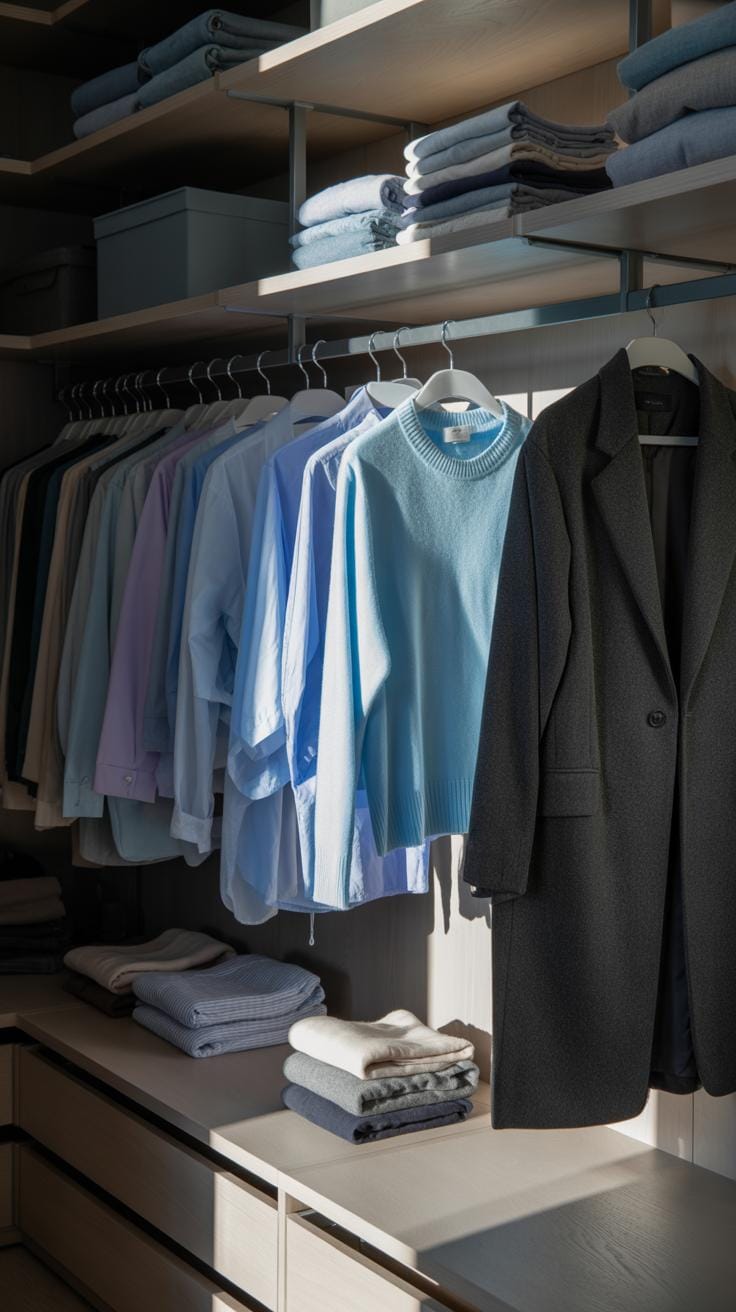
Outfit formulas are simple go-to combinations of clothes that make deciding what to wear easier. Think of them as reliable recipes for your wardrobe. Instead of standing in front of your closet wondering what matches what, you have a few tried-and-true pairs or sets that you stick to. For example, pairing jeans with a t-shirt is one classic formula—comfortable and quick. Or think of a dress with a jacket; it’s a neat way to look put-together without much thought.
These formulas help because they remove guesswork. When daily choices feel overwhelming, formulas provide a starting point that feels familiar. You don’t have to reinvent the wheel each morning; you just pick a formula and tweak it slightly if you want. For people who don’t enjoy fashion or find mornings hectic, this method can feel like a small relief.
Would you rather spend three minutes picking out something reliable or twenty minutes trying to puzzle out what “works”? Outfit formulas lean toward the quicker option, making decisions less taxing.
How Outfit Formulas Save Time
Imagine your usual morning: rushing, maybe indecisive, occasionally frustrated because nothing feels right. When you use outfit formulas, that scenario often changes. Having a preset combination frees your brain from endless choices.

For example, someone who knows jeans plus a neutral top always looks decent won’t waste time trying on several shirts. Or if you have a business casual formula like slacks, a blouse, and a blazer, you just grab them and go. Your mornings become smoother. You might even notice you get out the door earlier or with less stress.
Over time, relying on these straightforward sets can lead you to trust your wardrobe more, so you stop doubting your style. The habit also helps when you’re packing for trips or planning outfits for special days, cutting decision time drastically. Still, sometimes you might want to break from formulas when the mood strikes, but having them as a baseline quietly saves a lot of time.
Common Types of Formulas
Many people have favorite formulas, though yours might differ. Here are a few common ones that tend to pop up frequently:
- Casual: Jeans with a plain or graphic t-shirt plus sneakers or flats. It’s the easy, everyday look that works for errands or meeting friends.
- Business Casual: Tailored trousers, a blouse or button-up shirt, and a blazer or cardigan. Shoes often include loafers or low heels. It fits many office environments.
- Formal: A simple dress or suit with dress shoes. Sometimes paired with a jacket or statement accessories. This formula works well for events or important meetings.
Each formula offers a baseline that you adapt to your style and needs. You might mix elements from different types depending on the day. But having these categories in mind means you can quickly sort your clothes into groups that guide your selection. How many formulas do you think you could come up with for your own life? Maybe just a handful, or quite a few?
Why You Need Outfit Formulas
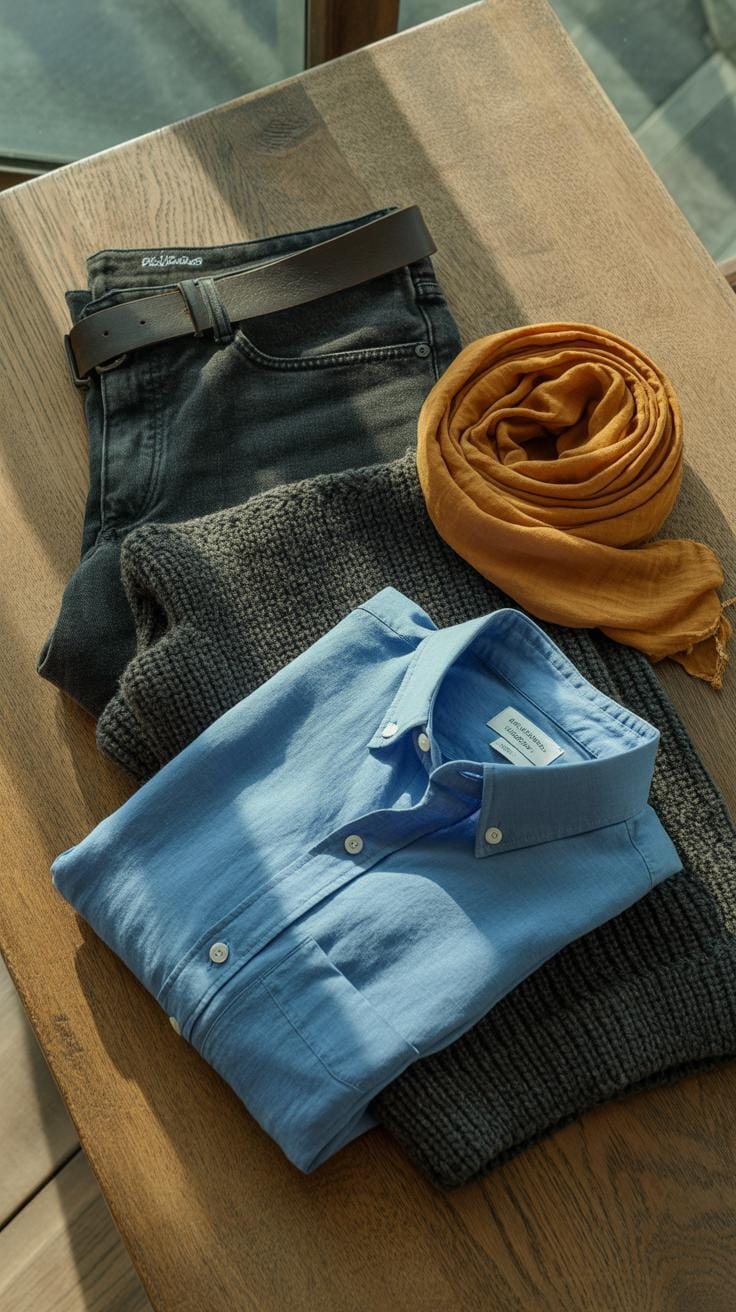
Outfit formulas matter because they take the guesswork out of dressing. When you rely on a set of tried-and-true combinations, you cut down decision fatigue first thing in the morning. You don’t have to stare endlessly at your wardrobe, wondering if that shirt really goes with those pants. It’s like having a shortcut that’s already proven to work.

There’s also something about sticking to formulas that helps set a personal style. Instead of jumping from trend to trend or piecing together random looks, these formulas create a consistent vibe. Your style begins to feel intentional, even if you barely think about it.
Beyond just making mornings easier, outfit formulas help with closet clutter. When you focus on reliable combos, it becomes clear which pieces actually pull their weight. You’re less likely to keep holding on to clothes “just because.” Over time, this means a simpler, more organized wardrobe.
And there’s this other thing: confidence. Knowing your outfit works—even before you put it on—takes away a lot of the usual second-guessing. Honestly, I’ve found that when I rely on formulas, I carry myself differently throughout the day. It’s easier to feel good about how you look when you already know your outfit is solid.
Have you noticed how some mornings you just struggle to get dressed? Maybe outfit formulas are exactly what you didn’t realize you needed.
How to Create Your Own Outfit Formulas
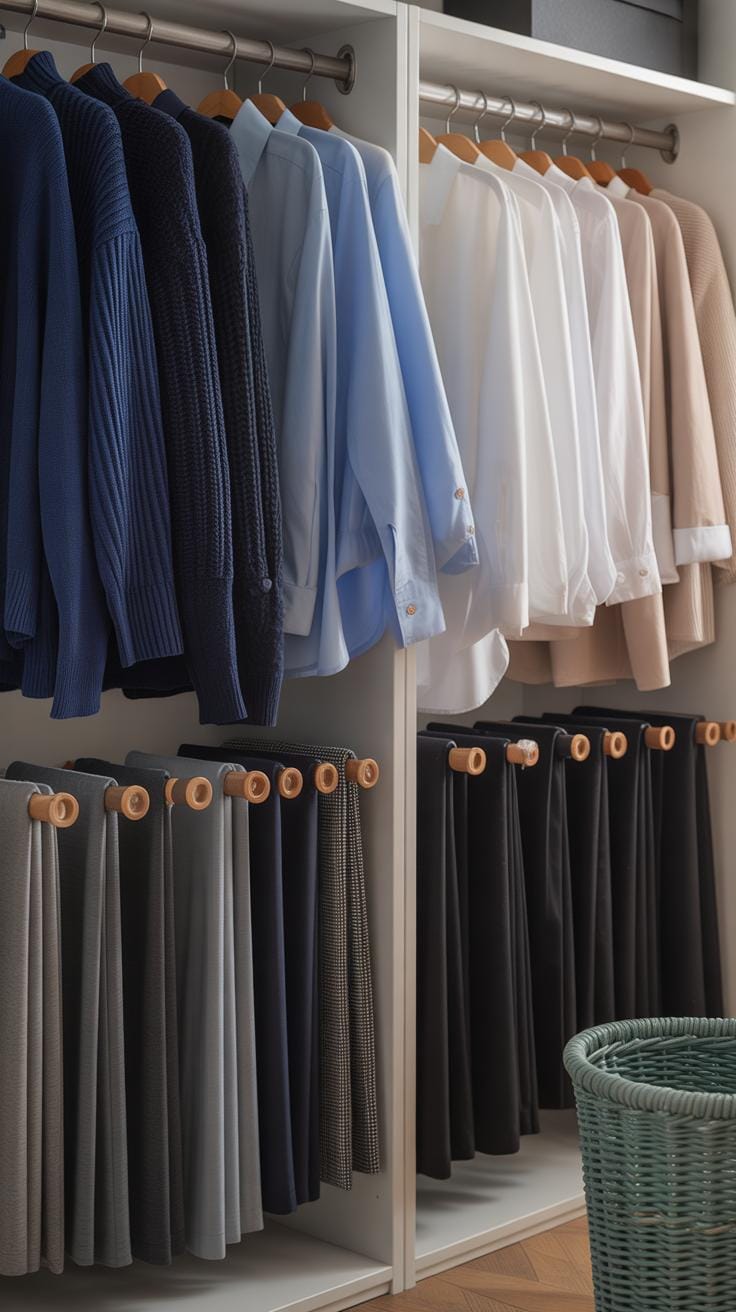
Start by thinking about your daily routine and what kind of clothes you really need. Are you mostly at an office, outdoors, or somewhere casual? This helps you pick the right pieces to focus on. Maybe you lean toward neutral tones or have a favorite color you always go for. These preferences should guide your core selection.

When choosing your core pieces, pick items that can mix and match easily. Think classic jeans, versatile tops, simple jackets, or comfortable shoes. You want items that don’t clash but rather can create different looks without fuss. It helps to have a few go-to basics that fit well and feel good on you.
Next, experiment at home. Try pairing your clothes in ways you might not normally consider. Lay out outfits and see which combinations feel natural—or which ones surprise you by working better than expected. This “testing” makes it easier to find dependable sets you can rely on during busy mornings.
Don’t hesitate to tweak the formulas over time. Your style, mood, or schedule might shift, so your outfit formulas can evolve too. The goal is to create a system that simplifies dressing without making you feel stuck or boring.
Which Outfit Formulas Fit Your Lifestyle
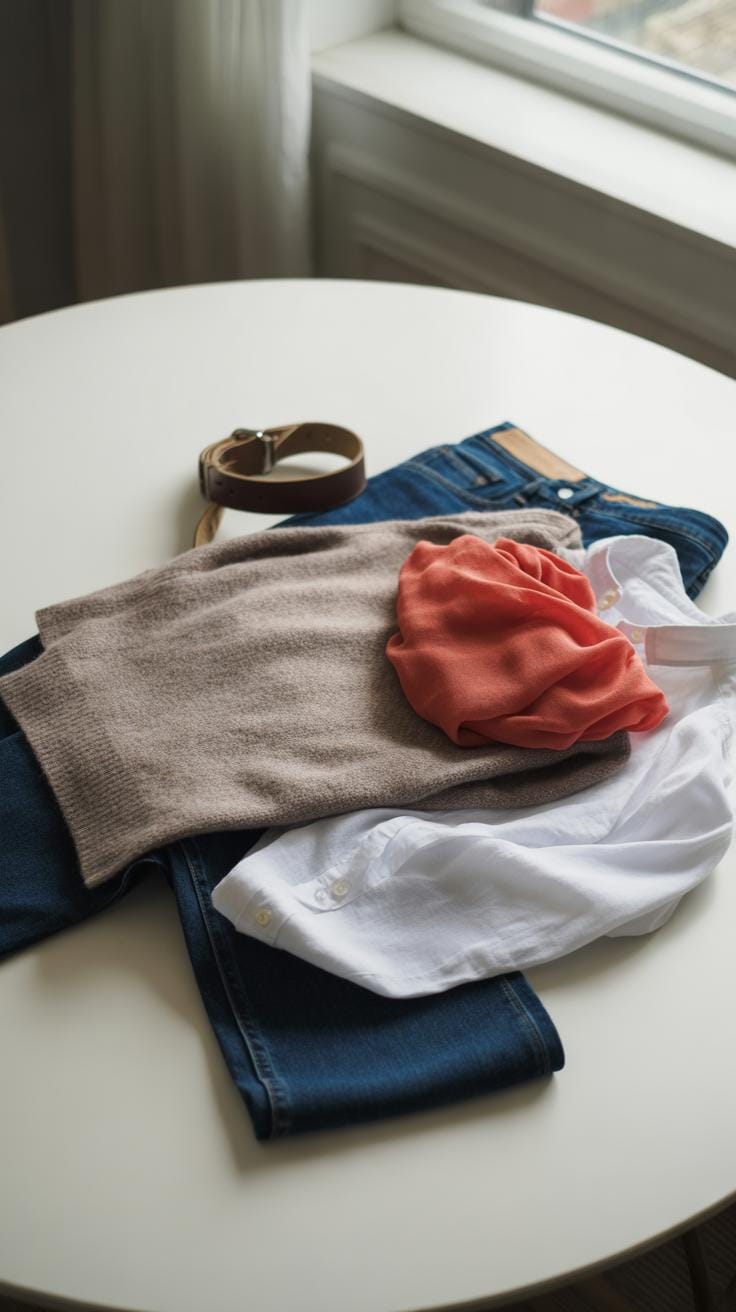
Finding outfit formulas that suit your daily routine can save you time and avoid decision fatigue. Think about what you do most days. Your clothing should support those activities without making you overthink every morning. So, what kind of formulas are practical for your lifestyle?
Formulas for Workwear
If your days mainly involve office hours or professional meetings, keeping it simple but polished is key. You might try combinations like:
- A tailored blazer over a plain blouse paired with straight-leg trousers
- A sheath dress with minimal accessories and classic pumps
- A button-down shirt tucked into a midi skirt with loafers or ankle boots
These formulas work because they feel consistent without being boring. You don’t have to debate whether your outfit “fits”—you know it does. But, of course, personal style sneaks in. Maybe you lean toward bold colors under the blazer or prefer silk scarves for a bit of flair. The trick is to have a few formulas that you trust so you aren’t wasting time in front of your closet.
Formulas for Weekend and Leisure
For casual or downtime, outfits can be more relaxed but still neat enough to feel comfortable stepping out. Some go-to formulas include:
- A soft sweater layered over a simple tee with jeans and sneakers
- A casual dress paired with flats or slip-ons
- A lightweight jacket combined with leggings and an oversized shirt
You probably have days when you want to feel cozy, and others when you want a bit of polish, even at home. Mixing and matching within these ideas can reflect that mood. Weekends sometimes ask for ease, yet other times, say a brunch or errands run, call for something almost put-together. It’s not always clear-cut, as casual can mean different things depending on your plans or even the weather.
Do these formulas feel like they might work with your own routine? If not, maybe you need to tweak them or develop new ones altogether. After all, outfit formulas aren’t fixed rules—they’re starting points that should really fit what you do every day.
Checklist for Building Efficient Formulas
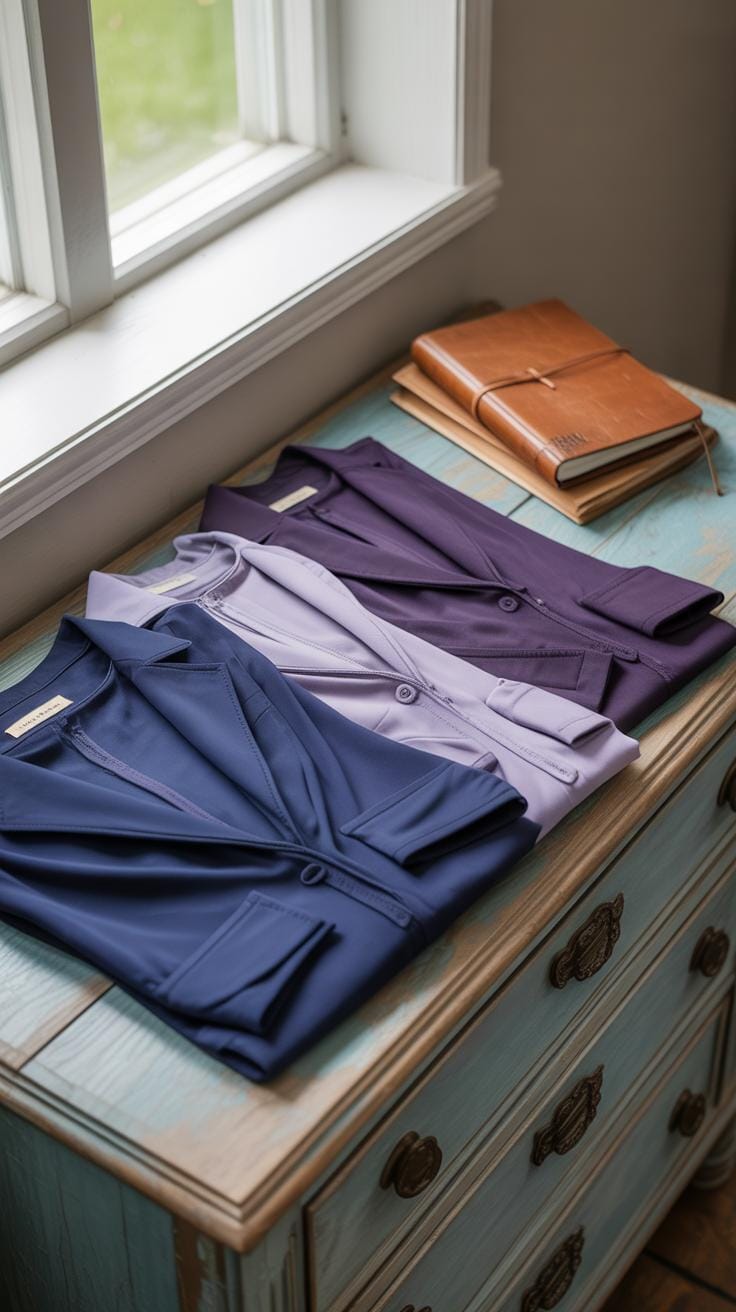
When you set out to create outfit formulas that actually work for you, it helps to have a straightforward checklist at hand. Start by thinking about what you do most days—your activities, the weather, and your personal style preferences. Ask yourself, what feels comfortable but also looks put together? This helps narrow down choices so you’re not overwhelmed every morning.

Here’s a checklist to guide your process:
- Pick core pieces you wear often—like a favorite pair of jeans or a reliable blazer.
- Include at least two layering options per outfit (think cardigans, lightweight jackets) so you can adapt to changing temperatures or occasions.
- Choose versatile footwear that matches several looks.
- Ensure each formula has a balance of fitted and relaxed silhouettes; mixing them keeps outfits feeling fresh but still easy.
- Stick to simple accessories that won’t slow you down—watches, scarves, or understated jewelry.
Try these steps with some of your current staples. See what combinations feel natural. I remember shifting from complicated outfits that needed many tweaks to just blending a basic tee, jeans, and a jacket—nothing fancy, but it saved me lots of time.
Essentials for Practical Outfits
When building formulas, there’s a handful of wardrobe items that keep popping up because they fit almost any occasion. I mean, you could probably survive with just a few essentials if you plan around them.
Here’s a quick list to consider:
- Neutral-toned tops—white, black, beige, or grey tees and blouses.
- Well-fitting bottoms—jeans, trousers, or a simple skirt in classic cuts.
- A versatile jacket or blazer to elevate or soften your look.
- Comfortable shoes like loafers, ankle boots, or clean sneakers.
- Basic layering pieces such as a cardigan or a light sweater.
- Simple accessories that don’t clash or distract.
These are items that you can mix and match without constantly second-guessing. I found this small group of pieces reduced decision fatigue on busy mornings a lot. You don’t have to stick strictly to them, but they offer a solid foundation.
Matching Colors and Styles
Creating outfit formulas means paying attention to how colors and styles interact. Pick shades that naturally go with each other. Some people really like a monochromatic palette—it’s foolproof for blending pieces. Others prefer a bit more contrast but still within a limited color range.

Think about your daily mood or activities when picking colors. If you want outfits that require zero thought, maybe stick to navy, white, grey, and earth tones. These hues tend to pair easily, no sweat.
Style-wise, this is where personal taste shines, but a general rule is to mix textures and fits thoughtfully. For example, pairing a structured blazer with a soft tee prevents the look from feeling too stiff or too casual. Or wearing tailored pants with a loose sweater keeps things balanced.
When I experiment, sometimes my choices don’t “match” perfectly but still feel right because the pieces share similar styles or textures. So it’s less about getting everything uniform, and more about finding a rhythm between your clothing elements.
Common Mistakes to Avoid With Outfit Formulas
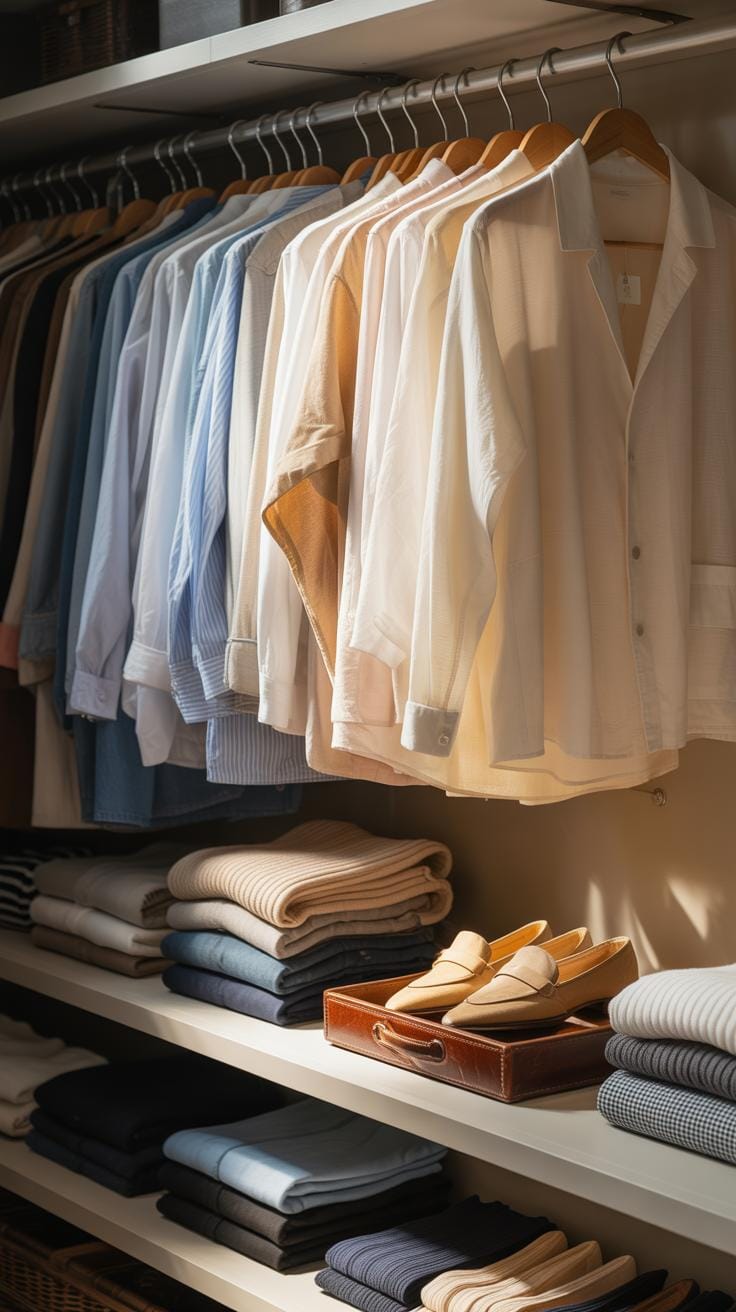
Outfit formulas are meant to simplify mornings, but sometimes they do the opposite. One trap is picking formulas that feel too complex. If your go-to outfit involves five pieces that don’t quite match or require extra accessories, you might end up spending more time than before. Simplicity is key, yet many fall into the habit of trying to reinvent their look daily through overly detailed combos.
Fit and comfort often get ignored, too. You might find a formula that looks great in theory but feels awkward once you’re wearing it. I’ve been there—forced to choose style over ease only to regret it mid-afternoon.

Another overlooked mistake is having a wardrobe packed with clothes but still finding nothing to wear. When your closet is overloaded, outfit formulas lose power. The flood of options can cause decision fatigue, and the randomness undermines the clarity formulas should bring. A smaller, well-curated wardrobe often makes formulas shine more clearly.
Also, comfort should never take a back seat to trendiness within these formulas. Even if that outfit is on point style-wise, it won’t serve you well if you’re constantly adjusting or feeling restricted. In the long run, sticking with what feels good keeps your routine smoother. Isn’t it more rewarding to look put together *and* feel ready for the day?
Examples of Simple Outfit Formulas
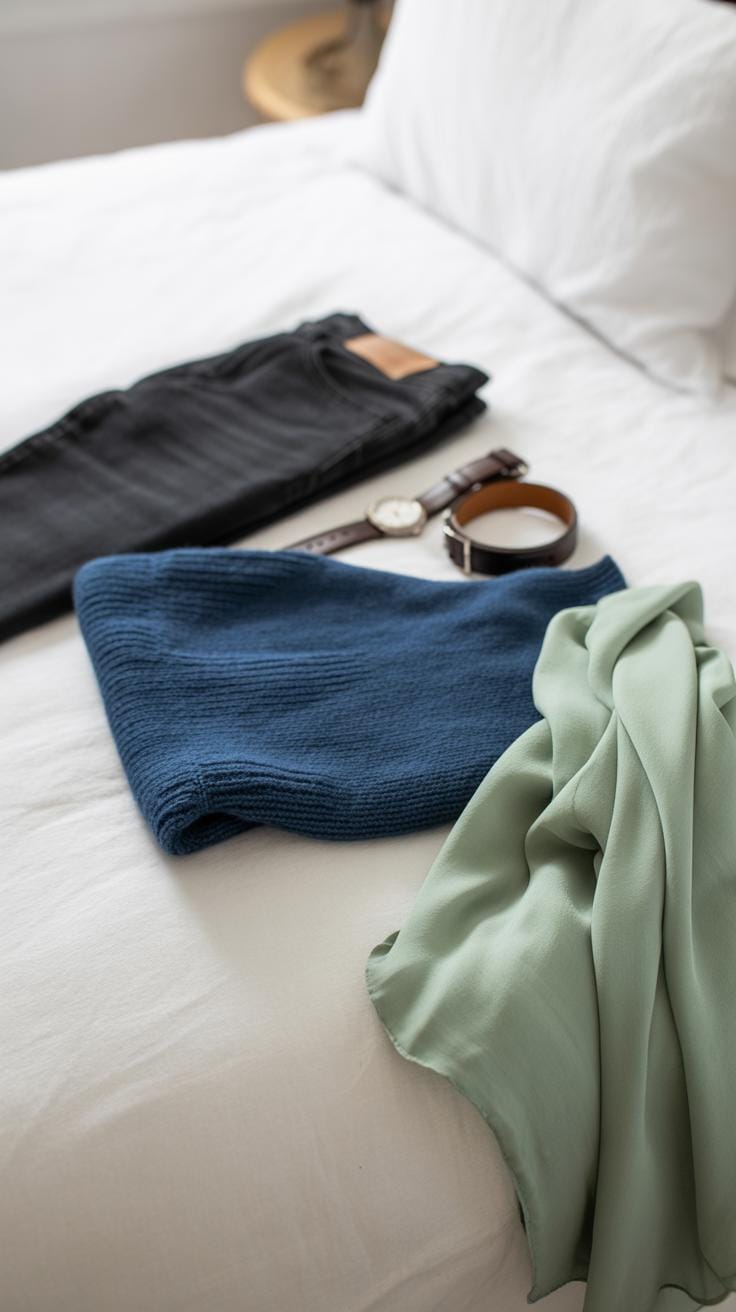
Jeans with Neutral Top
One outfit formula that rarely fails involves pairing jeans with a neutral-colored top. Think classic blue or black jeans combined with shirts in shades like white, beige, gray, or soft pastels. This combination fits many settings—casual days, low-key meetings, or even quick errands.
It’s straightforward but flexible. You might choose a crisp white tee or a cozy gray sweater depending on the season or mood. The simplicity of neutrals means you won’t worry about clashing colors. It’s almost like the outfit does the work for you.
Adding a pair of simple sneakers or loafers rounds the look. Sometimes, I find myself grabbing this combo on mornings when I can’t be bothered thinking too hard. It just works.
Black Dress with Layer Options
A black dress functions as a blank slate. You can wear it alone for ease or mix in layers to shift the vibe. A denim jacket gives casual warmth, while a tailored blazer adds polish. Scarves or cardigans bring texture without overwhelming the simplicity beneath.

This formula carries you from slightly dressy occasions to more laid-back moments. Changing just one layer can make a surprising difference in how the outfit reads.
Personally, I’ve found that experimenting with different fabrics—like leather jackets or soft knits—can tweak this formula just enough to keep it interesting. So rather than clutter your closet, focus on versatile layers to pair with a simple black dress.
How to Maintain Your Outfit Formulas

Outfit formulas aren’t set in stone. They need some care if you want to keep them helpful rather than outdated. One easy way to do this is by rotating clothes seasonally. When the weather shifts, swap out heavier, warmer pieces for lighter ones that fit the new season. For example, you might keep the same outfit structure—a white shirt and tailored pants—but swap wool for linen or cotton. This keeps your formulas fresh without overcomplicating things.
Also, pay attention to the condition of your clothes. Over time, favorite pieces fade, stretch out, or just don’t feel right anymore. Replacing these worn-out items regularly means your formulas still look good and fit well. You could keep a mental list of what’s losing steam, or set a reminder every six months to assess your wardrobe. I’ve noticed that even a simple tee can start to feel off after a while, and if you wait too long, it drags the whole formula down.
Think about how your style subtly shifts, too. Maybe a pattern you loved no longer appeals, or you want to lean into new colors. Adjusting pieces within your formulas lets you keep them relevant without redoing the whole system. Does any part of your outfit feel stale? Swapping it out might be easier than you expect.
Conclusions
Using outfit formulas is a secret to a smooth morning routine. When you have set options to choose from, deciding what to wear gets simple and fast. You create less stress and start your day with confidence.
Try these 5 outfit formulas and see which fit your style best. With a small effort, you can keep your wardrobe organized and enjoy stress-free mornings every day.