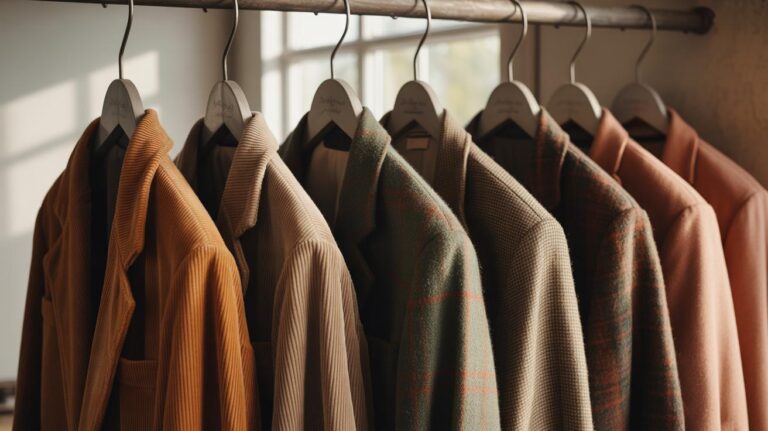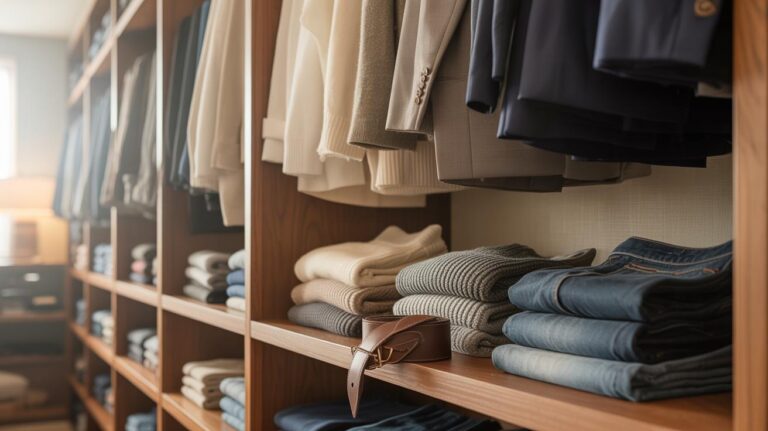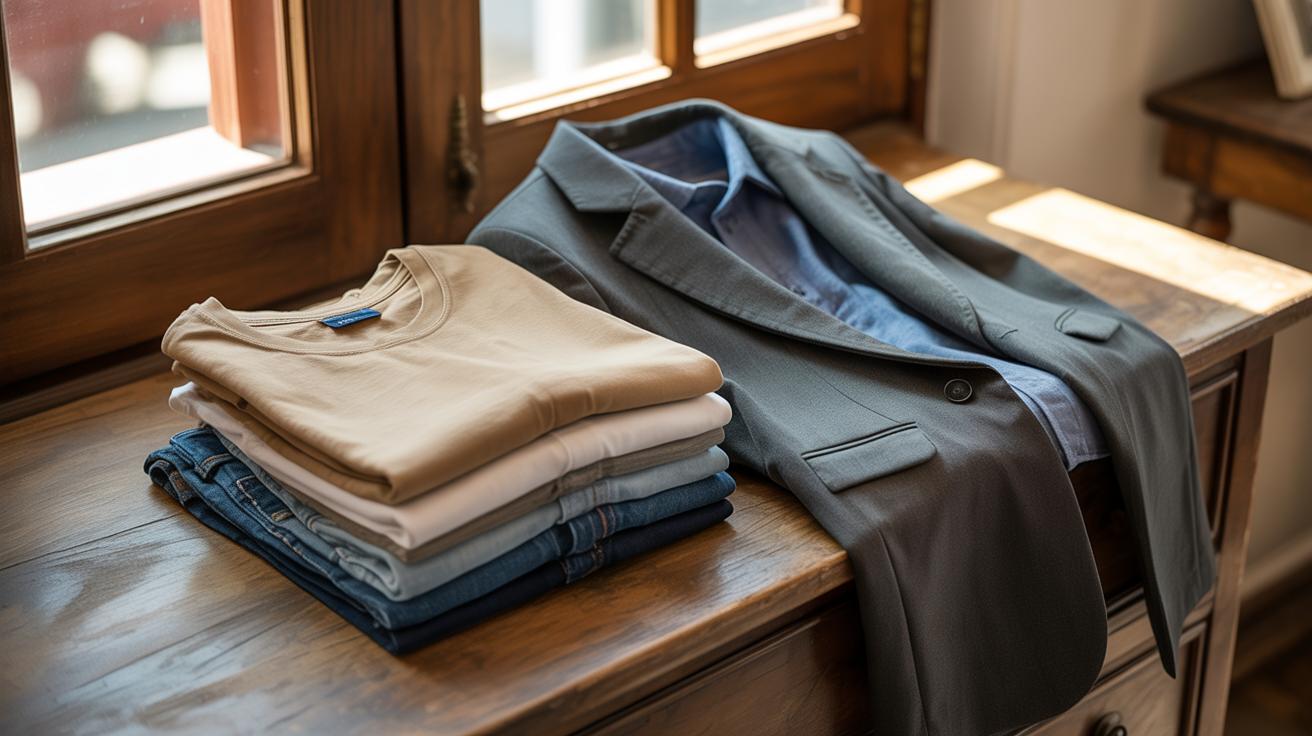
Why the Right Essentials Get Worn Every Day
Wardrobe essentials for women that actually get worn daily focus on practical and versatile clothing items. These essentials help you create outfits quickly without sacrificing style. A well-curated wardrobe reduces decision fatigue and saves time each morning.
In this article, you will learn what items to include to build a reliable wardrobe. You will also find tips on how to select pieces that fit well and last long. These ideas help you make choices that fit your lifestyle, ensuring you always have go-to options for any day.
What Defines Wardrobe Essentials
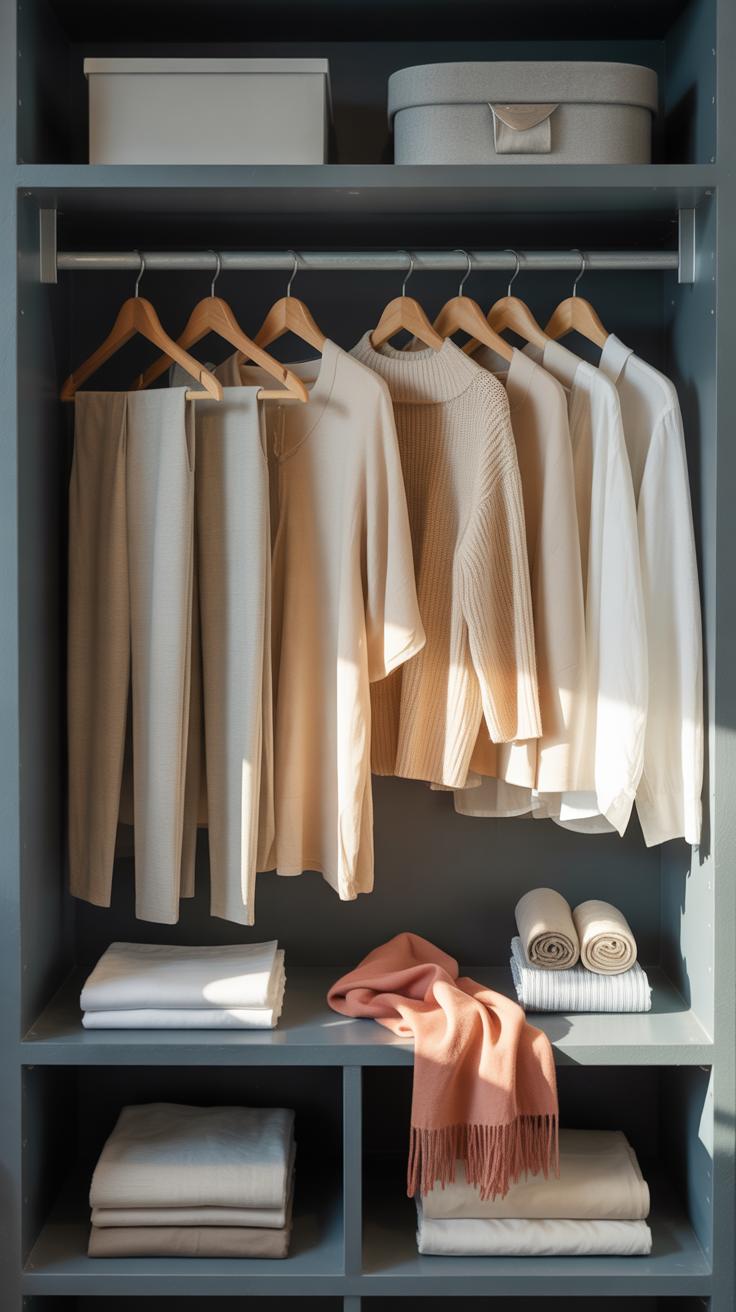
Wardrobe essentials are the building blocks of your daily outfits—pieces you turn to again and again. Unlike trendy clothes that often grab attention but fade quickly, essentials offer lasting value. They’re not about standing out every time you step out; they’re about fitting in comfortably, no matter the occasion.
Think of essentials as the clothes you can wear with ease. They work across seasons and pair well with each other. Comfort matters here, along with versatility. A pair of well-fitting jeans, a crisp white shirt, and a simple dress are classic examples. Maybe you own those already without realizing their significance.
These staples don’t shout fashion statements; they support your style quietly but reliably. They matter because they simplify your life. Getting dressed becomes less about hunting for that perfect item and more about mixing and matching what you have. You might find this approach less exciting but, honestly, it makes daily choices easier—and that can be a relief.
Key Pieces Found in Every Essentials Collection
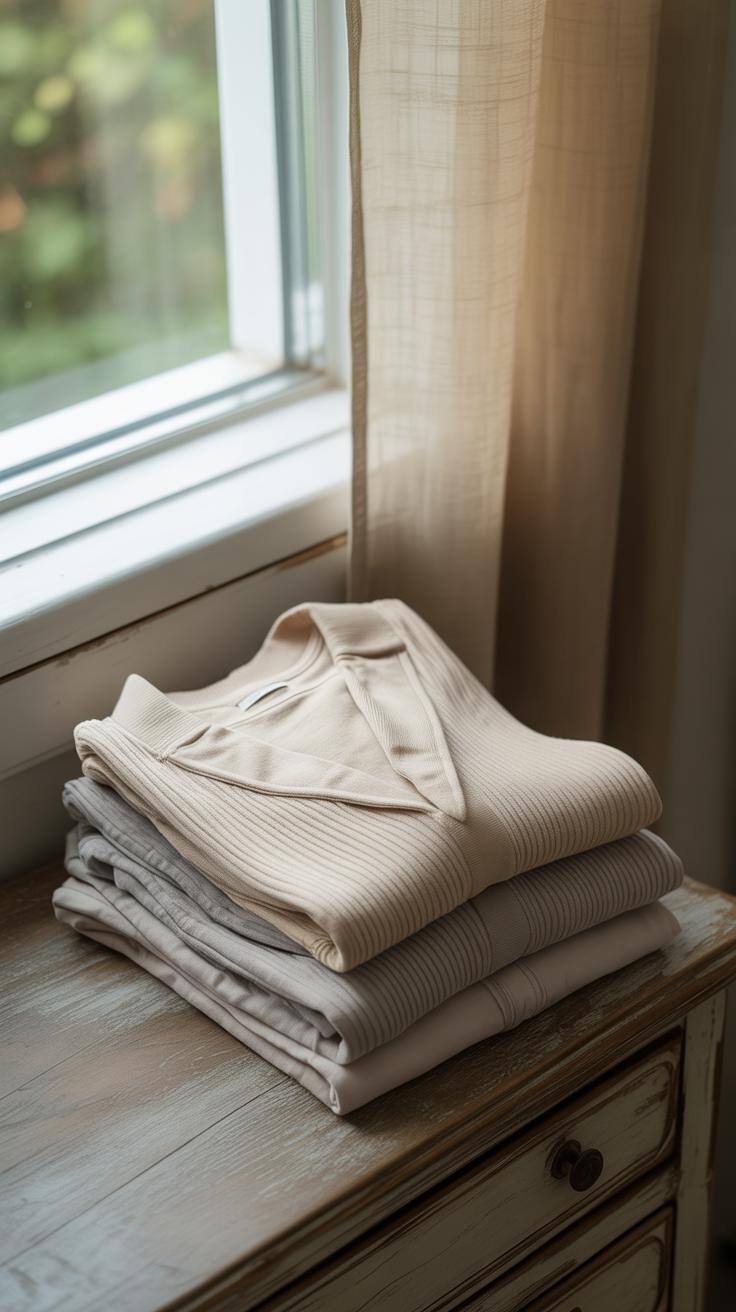
Some pieces consistently show up in women’s wardrobes because they just work. Consider the black dress—it’s not just for fancy nights. It can be casual or formal, depending on how you style it. Basic t-shirts offer endless layering possibilities. Tailored trousers bring a polished feel without too much fuss.
These key pieces help create different outfits with minimal effort. A white t-shirt paired with jeans or a blazer looks completely different but both feel natural. These essentials become the foundation you build on. Focus on fit and quality since they get a lot of use.
Other staples often include a neutral cardigan, a denim jacket, simple sneakers, and a versatile bag. Every item plays a role, allowing you to dress for various settings without owning a closet full of clothes. When you rely on essentials, your wardrobe feels curated, not cluttered, even if there’s room for personal touches.
Avoiding Clothes That Rarely Get Used
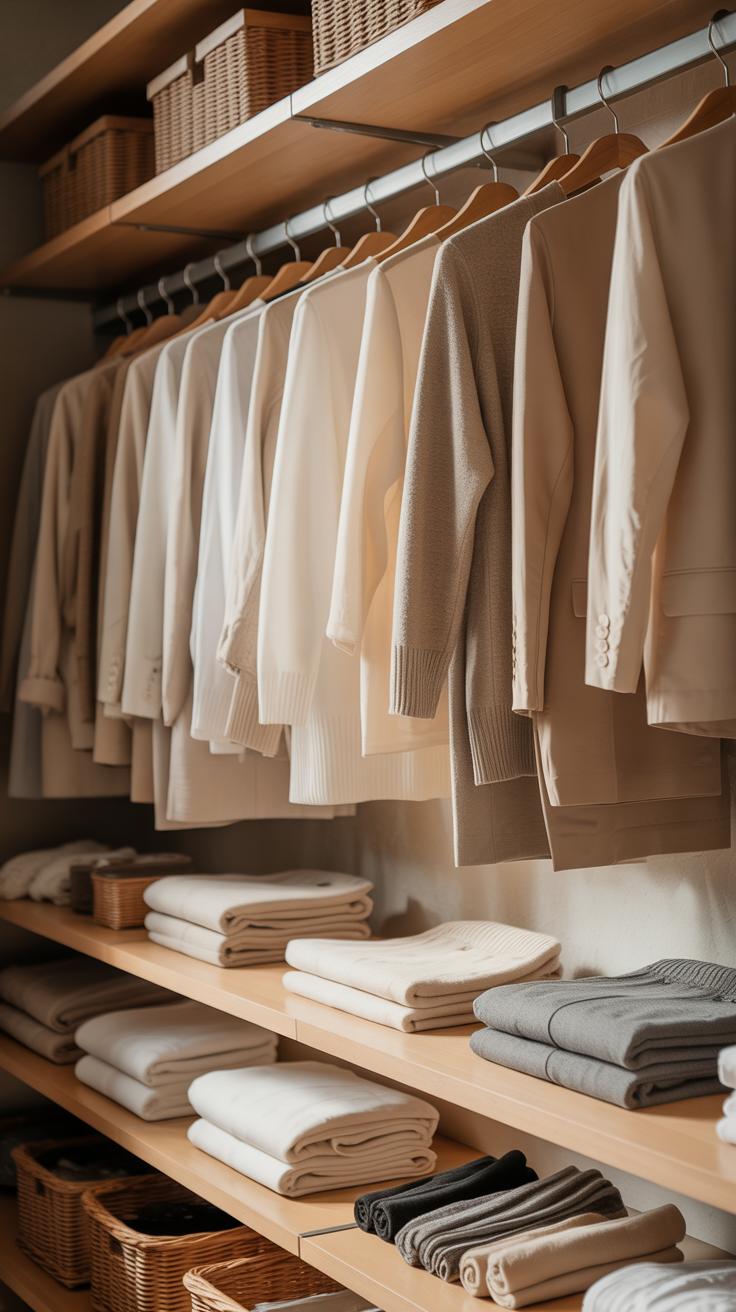
We’ve all bought clothes that end up ignored. Why does that happen? Often, it’s because the item doesn’t fit your lifestyle or doesn’t really speak to your style. Maybe it was an impulse buy, or it felt right in the moment but out of place later on.
One way to avoid unwanted clutter is to think hard about what you actually need. Ask yourself: Do I see myself wearing this this week? Can I pair it with things I already own? If not, it might be better to skip it.
Also, avoid falling for every new trend or sale. Buying in a rush can fill your closet with stuff you rarely touch. Instead, stick to items that feel comfortable and that you can imagine reaching for often. Over time, your wardrobe will feel less like a burden and more like a tool to express yourself without the guesswork.
How to Build a Capsule Wardrobe
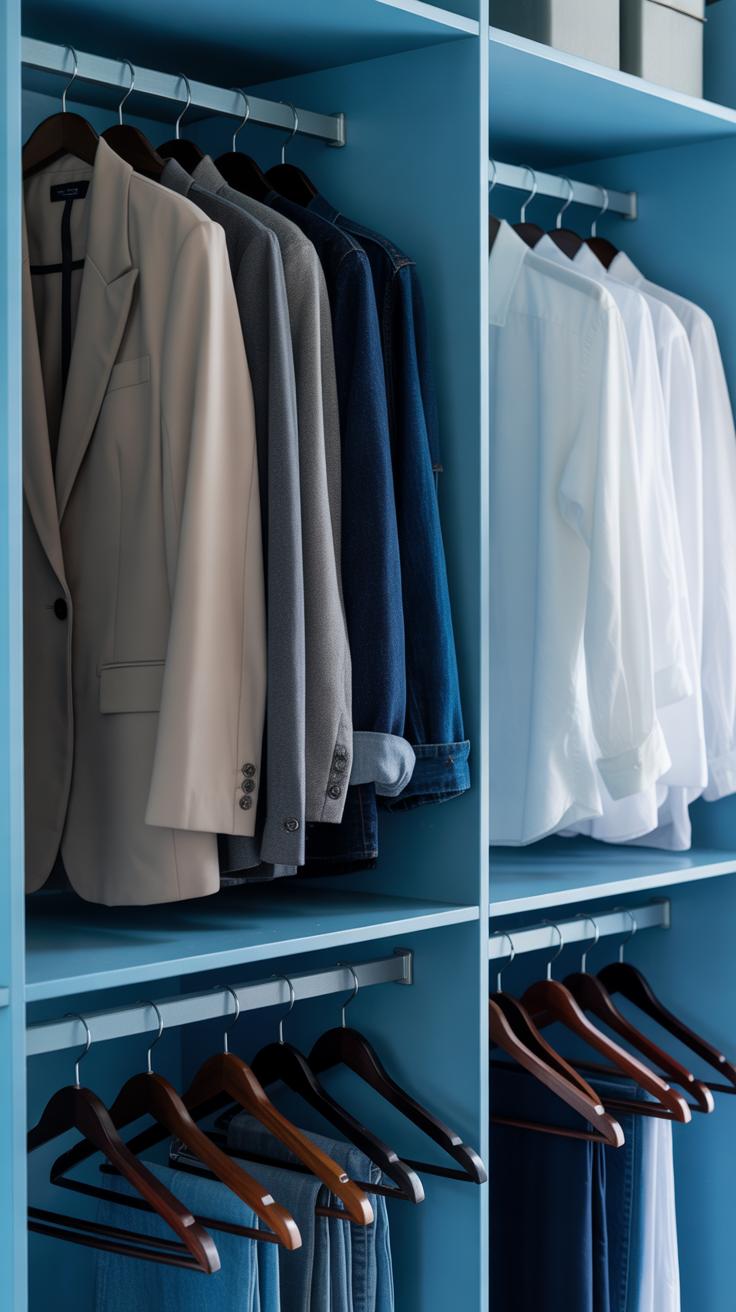
Creating a capsule wardrobe for daily wear takes some thought but not too much hassle. Start by narrowing down your color palette—stick mostly to neutral hues like black, white, navy, beige, and gray. These colors mix and match with ease, so you won’t spend extra time deciding what goes with what each morning.
Focus on quality rather than quantity. It’s tempting to grab a bunch of trendy pieces, but these usually don’t last or get worn often. Instead, choose fabrics and cuts you feel comfortable in and that hold up after many wears. I’ve found that investing in a good jacket or pair of shoes saves me from replacing basics every few months.
Begin with a small number of versatile pieces. Keep them simple in style so they blend well together. Trust me, it’s less stressful to plan outfits this way—even if sometimes you feel you’re wearing the same items repeatedly, they’ll look fresh if combined differently.
Selecting Interchangeable Clothing
Pick clothes that don’t scream “special occasion” or “too casual.” Simple, clean lines help clothes work well together. A white shirt can pair with tailored pants or denim. A neutral cardigan layers easily over dresses or tops. If you like, choose one or two accent pieces in softer colors or subtle patterns to break monotony without clashing.

For instance, imagine a navy blazer, a white tee, dark jeans, and black loafers—each item can create multiple looks. Swap the tee for a button-down or add a scarf, and your outfit shifts without adding more clothes. Simple styles in neutral tones give you maximum flexibility, making daily choices easier.
Checklist for Starting Your Capsule Wardrobe
- A well-fitting blazer – sharp for work, casual with jeans
- Basic tees in white, black, or gray – easy to layer or wear alone
- A pair of quality jeans – dark wash works for most occasions
- Tailored trousers – elevate your look without much effort
- A simple dress – comfortable and suitable across seasons
- Neutral cardigan or sweater – useful for layering
- Comfortable shoes like loafers or low heels – versatile for work and errands
- A classic jacket – something like a trench or leather jacket for outerwear
Each item gets worn often because it fits into many ensemble combinations. You don’t have to think twice about daily dressing—everything just works together. That’s the point, really. Would you want to spend your mornings fussing, or simply grabbing a few trusted pieces and heading out?
What to Wear Daily and Why
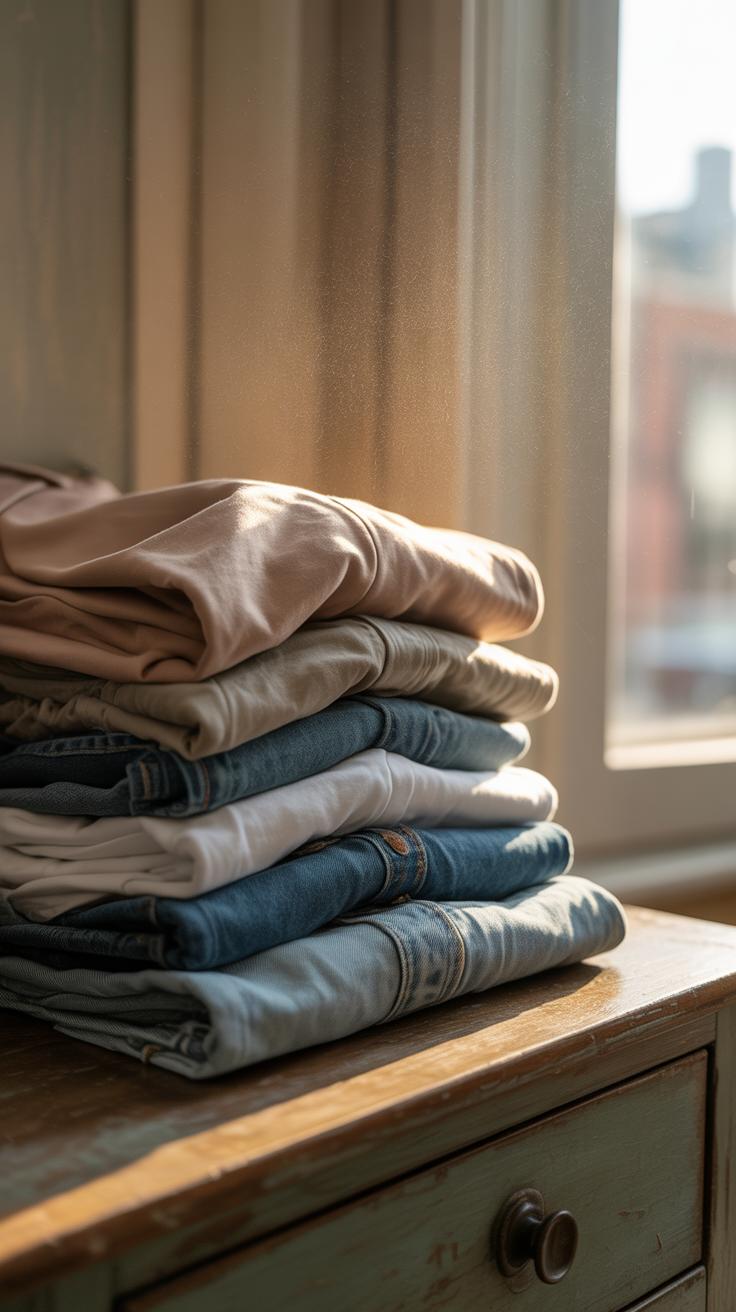
Choosing clothes for daily wear does more than just fill your closet. It shapes how you feel throughout the day—both in comfort and confidence. When your outfit allows easy movement, you don’t get distracted by tight sleeves or scratchy fabrics. It’s surprising how much freedom of motion can change your mood, especially when you’re running errands or sitting through long meetings.
Think about how well your clothes handle changing weather, too. You want layers that adjust easily—something breathable enough for midday sun but warm when the afternoon turns cooler. That kind of flexibility keeps you from feeling out of place or uncomfortable. Plus, if your outfit can switch from casual to a bit more formal at a moment’s notice, you’re less likely to stress about what to wear for unexpected plans.
In short, picking practical daily wear means less fuss and more room to focus on your day, rather than your clothes.
Comfort Meets Style in Daily Clothing
Balancing how clothes feel and how they look is tricky. You want to move easily but not sacrifice appearance. Fabrics like cotton blends, modal, or lightweight knits often give you that soft touch without looking sloppy. I’ve found that garments with just a little stretch—like ponte pants or a relaxed-fit blouse—usually pull double duty: comfortable all day and still neat enough for most settings.
Prioritizing comfort doesn’t mean settling for oversized or shapeless pieces. Sometimes it’s about smaller details—like sensible seams or adjustable waistbands—that make clothes feel wearable. And colors matter too; neutral tones often hide wrinkles better and create a polished look without fuss.
Examples of Daily Wear Outfits
Imagine an outfit for work: a crisp white button-down paired with tailored trousers and loafers. It’s simple but ticks all the boxes for comfort and smartness. For casual outings, perhaps a soft tee layered with a cardigan, skinny jeans, and slip-on sneakers feels right—practical and relaxed without looking lazy.
When attending a simple event, a knit dress with comfortable flats strikes a nice balance. Each of these combos uses classic pieces designed to be adaptable. They don’t scream ‘special occasion,’ yet they never feel underdressed either. Isn’t it refreshing when your clothes just *work* without you having to think too hard about them?
Choosing Quality Over Quantity

When building a wardrobe, it’s tempting to buy lots of inexpensive pieces. But investing in fewer, higher-quality items often pays off more than you expect. Quality clothes last longer because of better fabrics and stronger construction. They tend to fit better, too—no one enjoys pulling at tight seams or feeling awkward in stiff materials.
Think about your favorite jacket or blouse—the one you always reach for. Chances are, it’s not just because it looks good. It feels good. The fabric breathes. The stitching holds up after multiple wears and washes. That kind of durability means you don’t have to replace items constantly, which saves time and money. Plus, wearing something that fits well simply boosts your confidence.
There’s also a bigger picture: buying quality impacts sustainability. Fast fashion piles up in landfills, but a well-made garment can remain in your wardrobe for years. That’s less waste and fewer resources spent. Still, sometimes “quality” can feel like an abstract concept until you really handle a garment. What questions do you ask yourself before buying? Is the fabric soft yet substantial? Are the stitches even and tight? Do labels mention natural fibers or reputable production standards? Those little things hint at whether a piece deserves a spot in your closet.
Price matters, too, but not the way you might think. Yes, spending more upfront can sting. Yet, paying a bit extra for key items like coats, shoes, or everyday basics often means you don’t buy multiple replacements over time. That’s where cost meets value. Smart shopping means knowing which pieces deserve the investment and which don’t. Maybe a trendy skirt doesn’t need the same care as your work blazer. The bottom line? Better quality usually means your wardrobe stays reliable and feels good every day, not just once in a while.
Choosing Clothes That Match Your Lifestyle
Analyzing Your Daily Routine
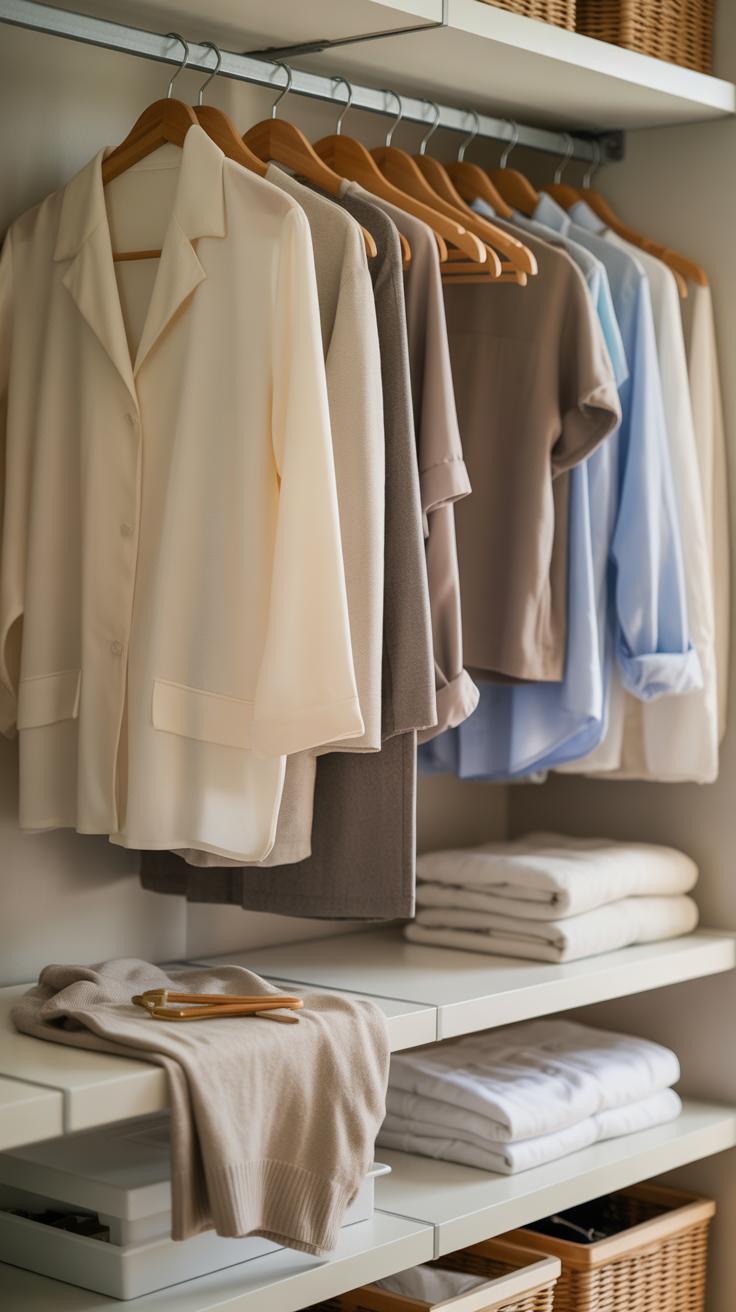
Figuring out what to wear starts with understanding your day. Take a little time—maybe a few days—to jot down your usual activities. When do you work, move around, meet friends, or relax? Tracking this can reveal patterns you might miss otherwise.
Ask yourself simple questions: Are you mostly at a desk? Outside often? Do you have meetings or laid-back hours? Not every day looks the same, and that’s okay. The key is to find what feels comfortable and practical for most of your daily tasks.
Try this approach: note your main activities in blocks and list what you wore each day. Over time, you’ll notice which items got the most wear and which caused fuss or discomfort. This can guide you toward essentials that really work.
Adapting Wardrobe Essentials for Different Roles
Most women juggle various roles, and your wardrobe needs to keep up. A blazer might be perfect for work, but can also smarten a casual jeans-and-tee combination for social outings. A well-chosen pair of shoes may cross the line from gym to grocery run with ease—if only some shoes did.

Consider versatile items like:
– A classic white shirt that fits well and breathes
– Stretchy, tailored trousers that move but look polished
– A neutral cardigan or jacket layering easily from office to evening
– Simple sneakers that pair with casual and sportwear alike
Switching between different roles means your wardrobe can’t be rigid. Don’t hesitate to pick pieces that flex with your day, even if that means mixing styles a bit or rethinking what “formal” really means for your life.
Wardrobe Maintenance and Organization Tips
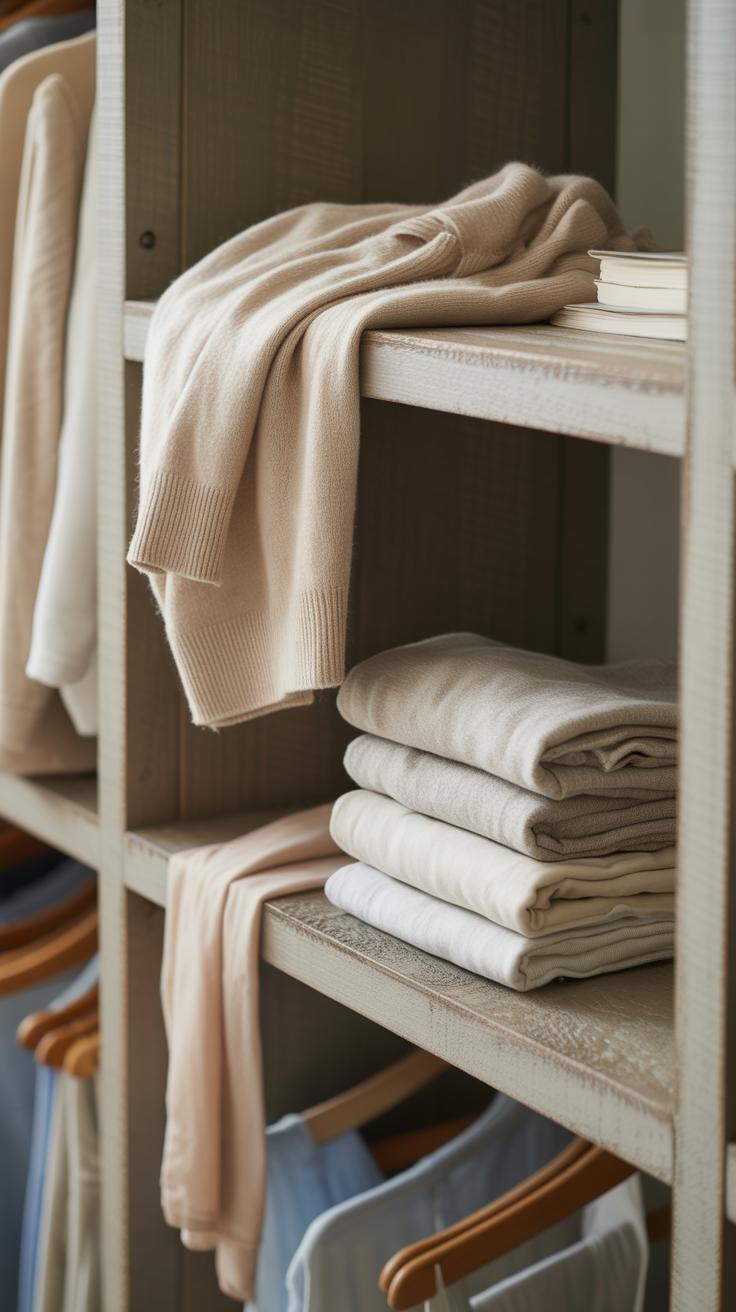
Keeping your clothes in good shape isn’t always easy, especially when life gets busy. But a few simple habits can really make a difference. For example, setting aside time each week to tidy your wardrobe may sound tedious, but it helps you spot items that need mending or cleaning before they pile up.
When it comes to organizing, think about how you get dressed daily. Some prefer sorting by type—shirts in one section, pants in another. Others swear by color-coding, which makes finding pieces visually easier. Maybe you want to mix both: keep everyday essentials front and center, and move specialty items like party dresses toward the back.
Folding versus hanging is tricky. Heavy sweaters can lose shape on hangers, so folding works best. Delicate blouses hang nicely but beware of wire hangers that leave marks. Invest in wooden or velvet hangers to help garments keep their form.
Storing clothes correctly can lengthen their life. Use breathable garment bags for seasonal items, and avoid plastic covers that trap moisture. When washing, turn clothes inside out and choose gentle cycles for delicate fibers. I’ve found that hand-washing cashmere isn’t a big deal if you plan for it.
Lastly, don’t ignore small repairs like loose buttons or tiny tears. Fixing these early prevents bigger damage. Have a basic sewing kit ready—you might be surprised how often you’ll use it. Keeping your wardrobe in shape takes effort, but the payoff is clothes that last and mornings with less guesswork.
Common Mistakes to Avoid with Essentials
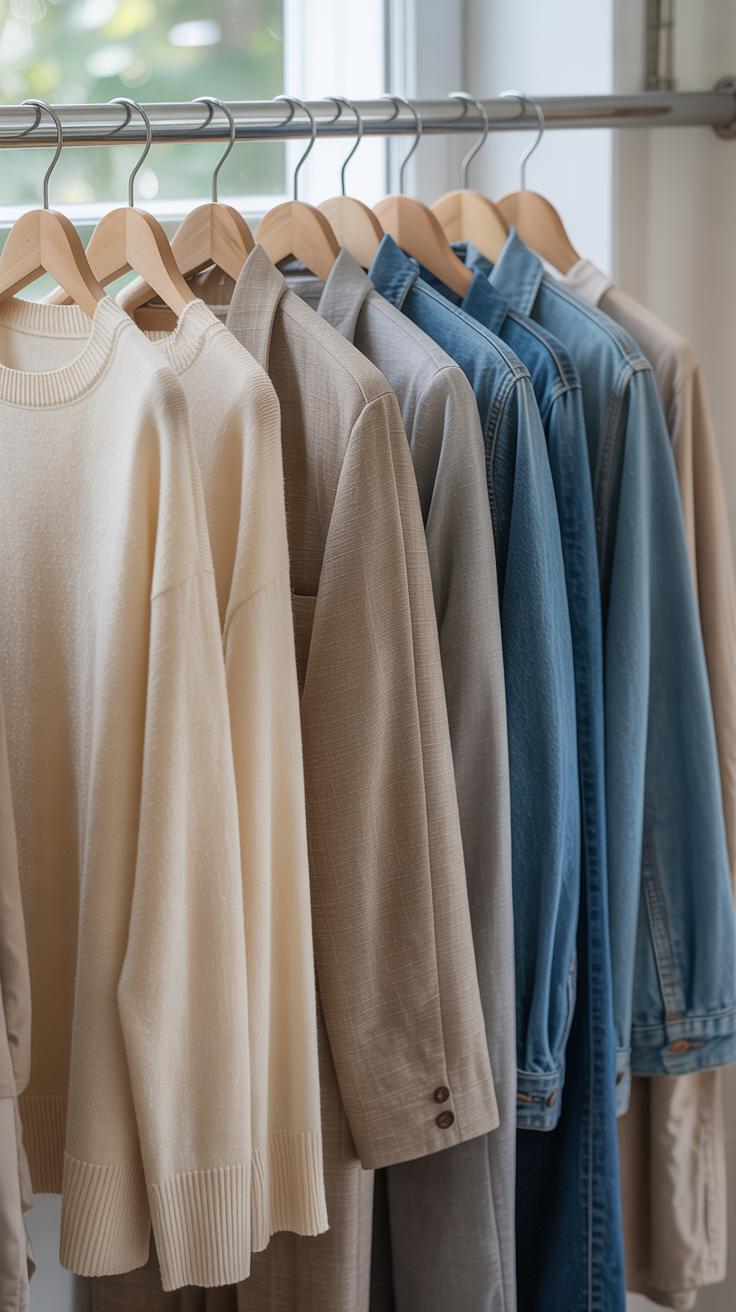
When building a wardrobe, it’s easy to get caught up in the idea of having lots of options. But buying too many trendy pieces often means you end up with items that don’t get worn. Think about how many times you’ve grabbed that statement blouse that looked perfect online but now just sits hidden in your closet. Trends can be tempting, but they rarely become your go-to favorites.
Overbuying clothes leads to clutter, making it harder to find what you truly need. This mess can cause frustration and even discourage you from dressing thoughtfully. A handful of carefully chosen items, instead of a mountain of unworn pieces, works better in real life.
- Ask yourself if something matches at least three existing items before buying.
- Wait 24 hours before purchasing to avoid impulse buys.
- Regularly clear out what you don’t wear, no matter how nice it once seemed.
Fit and comfort shouldn’t be an afterthought. Clothes that don’t fit well can feel restricting or unflattering, and you won’t want to wear them often. When shopping, always try on the piece, move around, sit down, and check in the mirror from different angles. If something pinches, pulls, or feels odd, it’s worth reconsidering. It might be worth sizing up, choosing another style, or even adjusting it later if it’s a staple.
Have you ever bought something just because it was on sale, only to realize it doesn’t suit your body or lifestyle? It happens. Being mindful about fit and how clothes feel can save time and frustration, making your wardrobe genuinely useful every day.
Wardrobe Essentials for Seasonal Changes
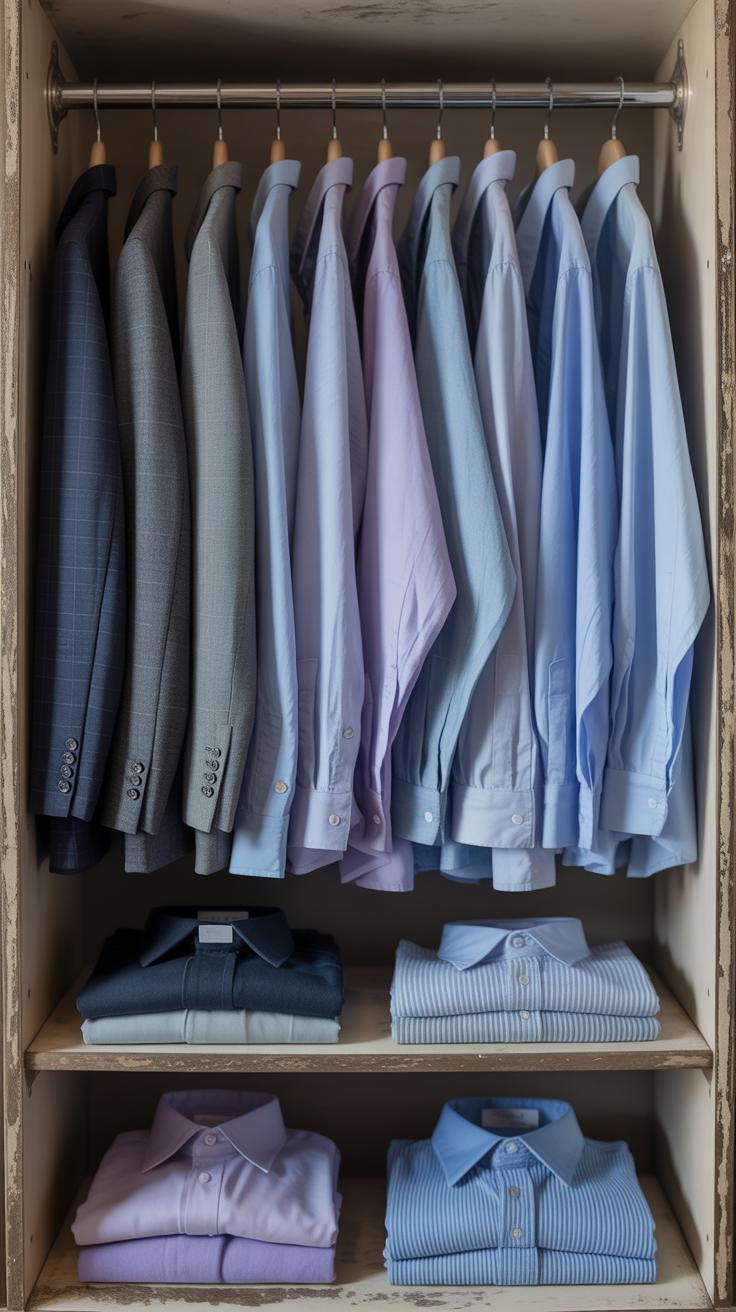
Adjusting your wardrobe essentials to fit different seasons can feel tricky, but it really boils down to smart layering and choosing fabrics that match the weather. For summer, think breathable materials like linen and cotton. These let your skin breathe and keep you feeling cooler, especially when temperatures climb unexpectedly. Light colors like white, pastels, or soft earth tones reflect sunlight better too.
When winter hits, your focus shifts. Wool, fleece, and heavier knits become lifesavers. I’ve found that layering thin pieces under thicker sweaters offers warmth without bulk. A versatile coat – maybe a wool blend or a down jacket – can complete your look and keep you protected from the chill.
Transitional seasons? They’re the hardest, aren’t they? You want to be ready for sudden shifts. Think of light sweaters, denim jackets, scarves, and versatile footwear. Layering here isn’t just practical, it’s your best friend. You might start with a breathable shirt, add a cardigan, and top it off with a lightweight jacket.
Pieces like classic tees, neutral cardigans, and adaptable pants become your anchors. The idea is to build a flexible wardrobe that can handle unpredictable weather without too much hassle. Maybe it’s less about a rigid set of clothes and more about knowing how to mix and match what you already have.
Comparing Capsule Wardrobes vs Large Collections
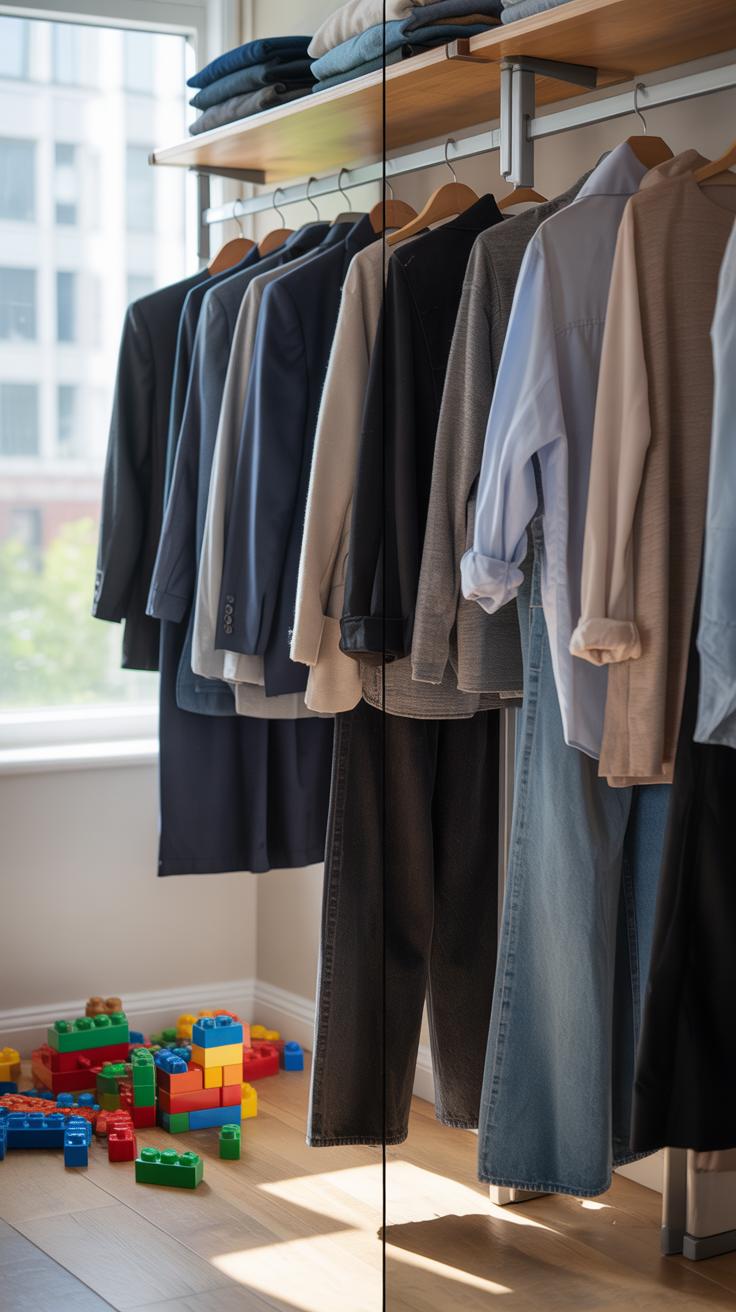
When it comes to wardrobe choices, the gap between a capsule wardrobe and a large clothing collection can feel pretty wide. On one hand, a capsule wardrobe sticks to a minimal set of essential pieces. On the other, a large collection tends to include a vast variety of items, often spanning multiple styles and trends.
A capsule wardrobe simplifies your daily dressing routine. With fewer items, you tend to have better focus on what you own and what works for you. This often leads to less time wasted staring blankly at an overstuffed closet. At the same time, the cost can be lower because you aren’t chasing trends or constantly buying new pieces. I find that when I stick to fewer clothes, I automatically become more selective about quality over quantity.
In contrast, large wardrobes might seem appealing at first—more options, more freedom to experiment. But that often comes with clutter and decision fatigue. Ever stood in front of your closet feeling overwhelmed by too many choices? It’s a common issue. Maintaining such a collection takes time too—washing, organizing, and making space. Things get lost or forgotten.
So, the trade-offs are clear but far from absolute. Some feel restricted by a capsule wardrobe and thrive amidst variety. Others appreciate the ease and calm minimalism brings. What kind of daily dressing experience do you want from your closet?
Starting Your Wardrobe Refresh Today
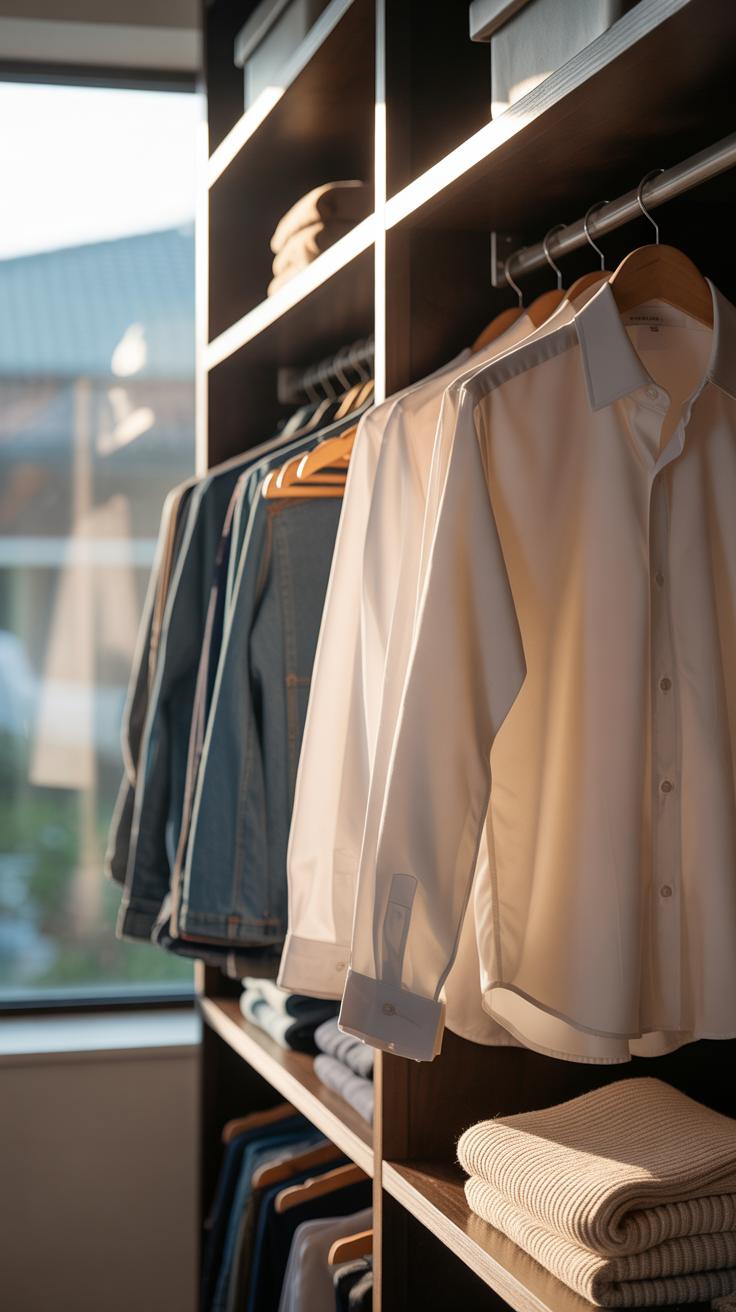
Before you rush to buy anything new, take a moment to look closely at what you already own. This can be tougher than it sounds. You might find yourself hesitating over clothes you never reach for but feel “just in case.” Try sorting your wardrobe into three piles:
- Keep: Items you wear regularly, fit well, and feel comfortable in.
- Donate: Clothes in good shape that you haven’t worn in over a year.
- Discard: Worn-out, stained, or heavily damaged pieces.
Ask yourself: When did I last wear this? Does it still fit the way I want? If you struggle with some pieces, imagine whether you’d pick it off the rack again today. This little exercise might surprise you.
Next, look for gaps. Maybe you have plenty of tops but need reliable bottoms. Or you find your outerwear lacking for certain seasons. Write down the essentials you’re missing, but keep the list realistic.
Set a budget that feels comfortable. You don’t need to buy everything at once. Focus on quality over quantity—garments that fit well and hold up after many washes. For example, a classic pair of jeans or a simple white shirt can carry a wardrobe for months.
When shopping, try pieces on if possible. Sizes vary, so don’t assume your usual number fits perfectly every time. And maybe, just maybe, avoid trendy buys that seem thrilling at first but soon vanish to the back of your closet.
Conclusions
Choosing wardrobe essentials means focusing on items you wear repeatedly and enjoy. By building a wardrobe with versatile pieces, you simplify your daily dressing routine. Picking quality items and organizing them well makes getting dressed easier.
Try assessing your current clothes carefully. Keep what serves your needs best and consider adding new essential items to fill gaps. A thoughtful wardrobe makes your daily routine smoother and more enjoyable.